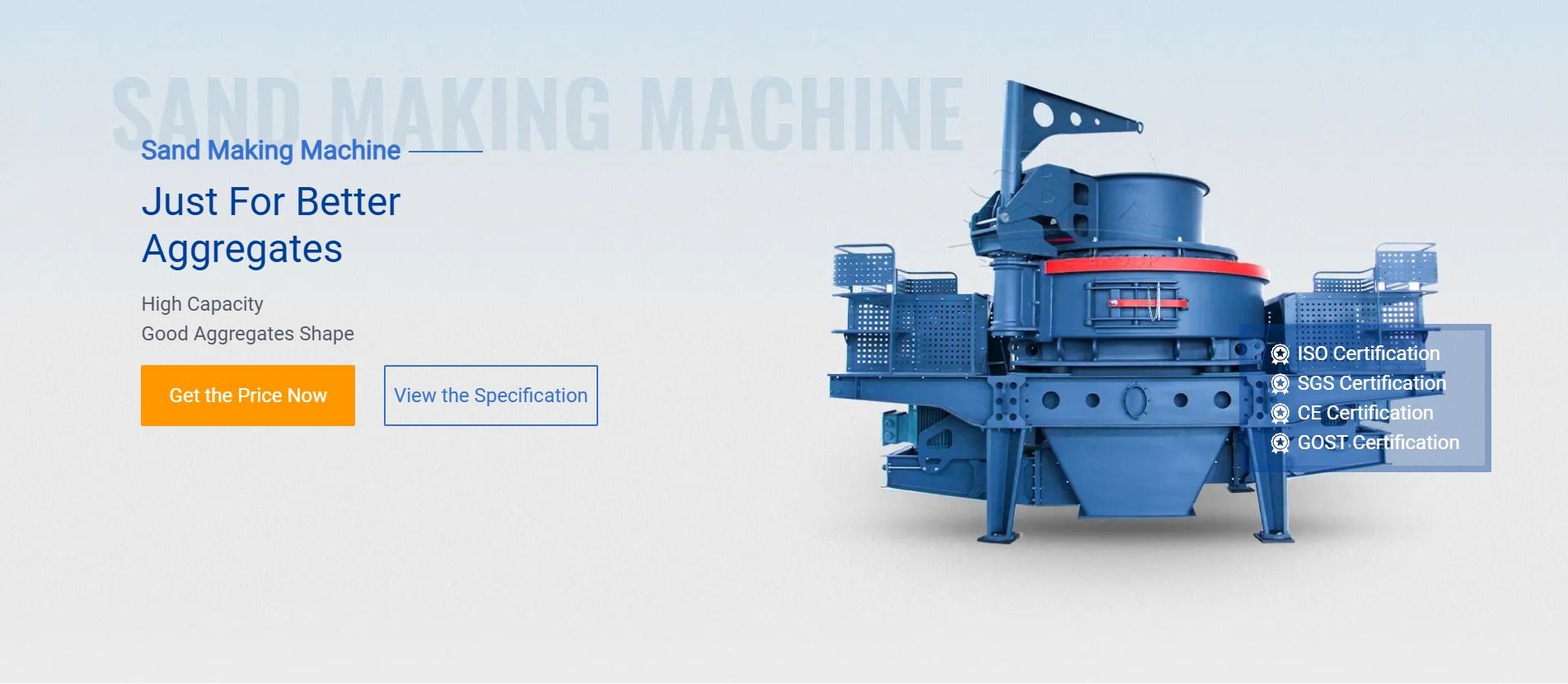
Tag: Sand making machine
-
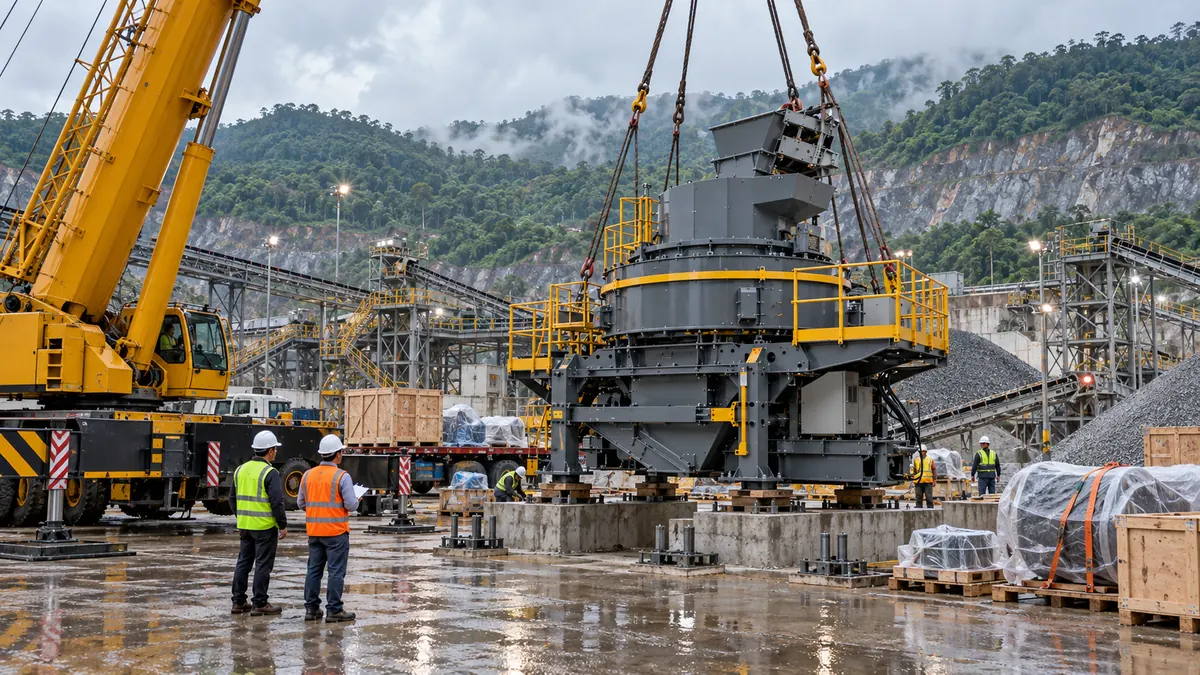
VSI Crusher Receiving, Storage, and Pre-Installation Inspection Checklist
A VSI crusher delivery needs a controlled handover from carrier to site: record the condition and supplied scope, preserve the machine and loose items to the supplier’s instructions, and release it for installation only after the interfaces are checked.
-
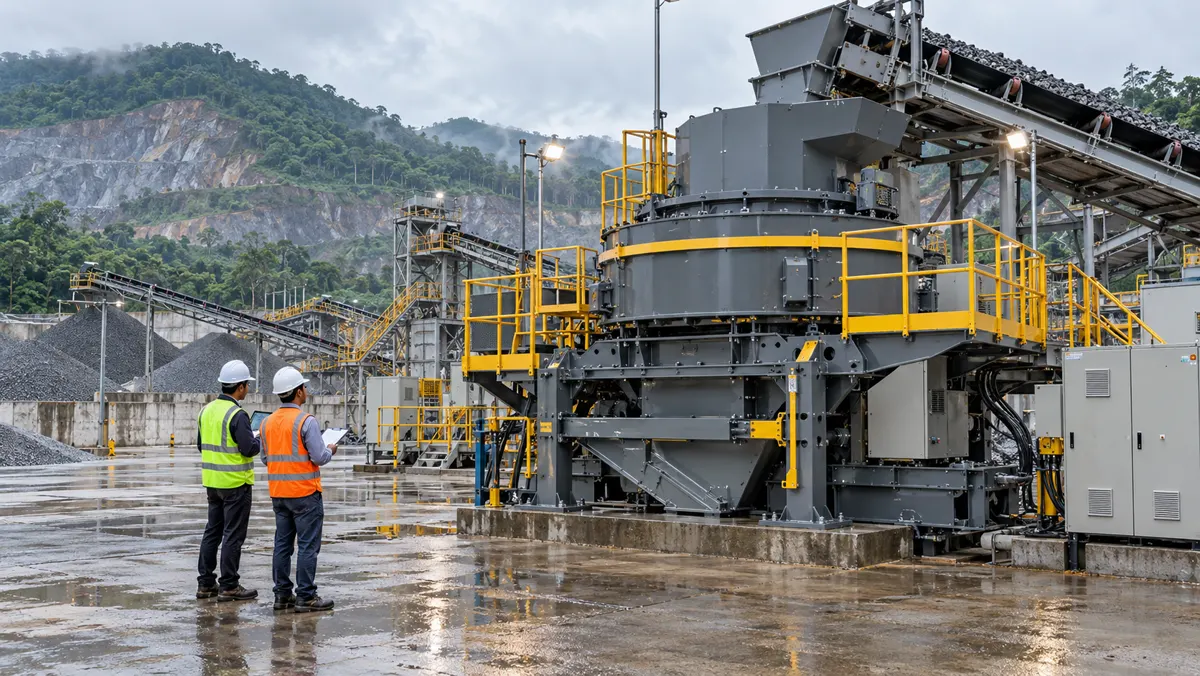
VSI Crusher Factory Acceptance Test: Pre-Shipment Checklist
A pre-shipment inspection should prove that the ordered VSI crusher and agreed supply scope are present, identifiable, inspectable, documented, and ready for controlled release. This buyer guide separates factory-verifiable checks from material- and site-dependent performance that must be validated later.
-
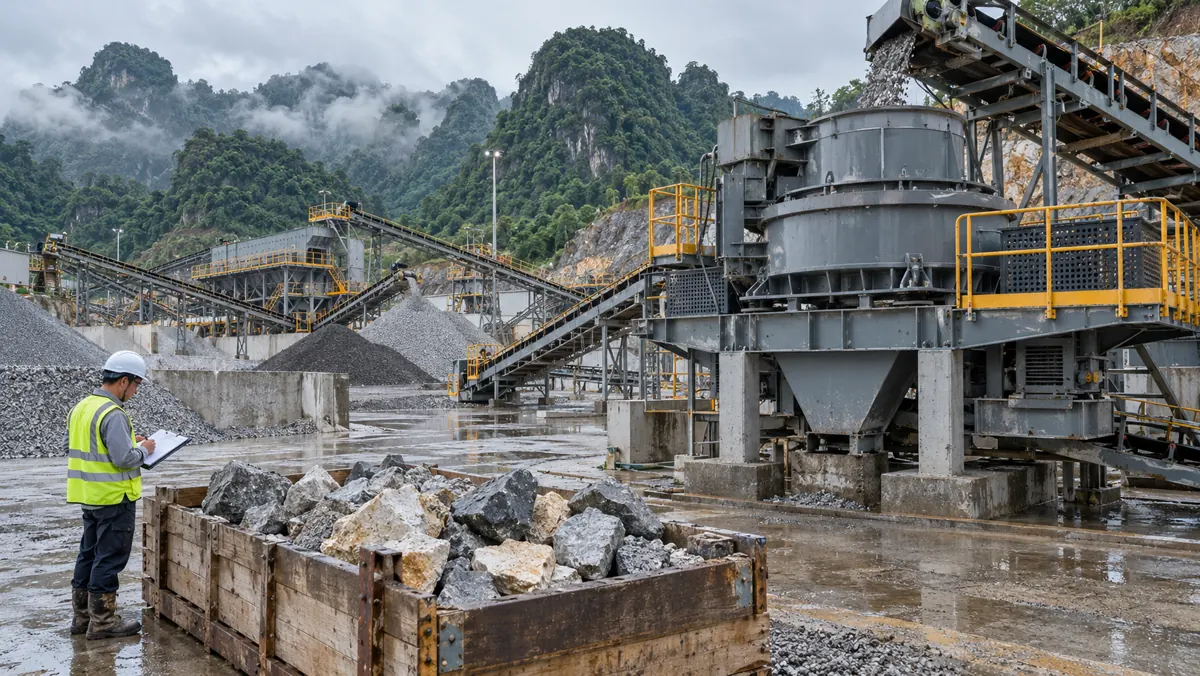
VSI Crusher Selection: What Material Samples and Process Data to Send
A useful VSI crusher quotation starts with representative material and a defined duty, not only a target tons-per-hour figure. Use this buyer checklist to prepare rock samples, feed-size and moisture information, product requirements, circuit data, site conditions, and a clear record of the assumptions a supplier must confirm.
-
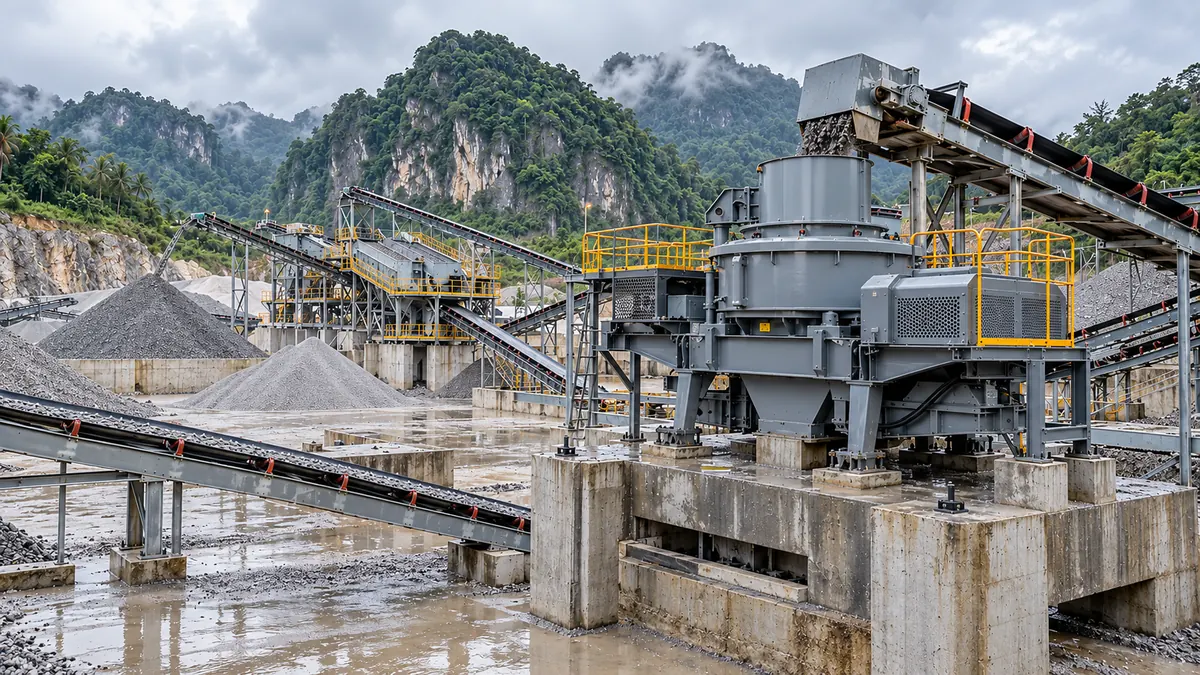
VSI Crusher Drive System: Alignment, Guarding, and Motor Base Checks
A VSI crusher drive should be accepted as a controlled system—not as a motor added after installation. This guide helps buyers specify the exact drive arrangement, safe guards, approved alignment and tension procedure, motor-base details, electrical interface, and startup records before first material is fed.
-
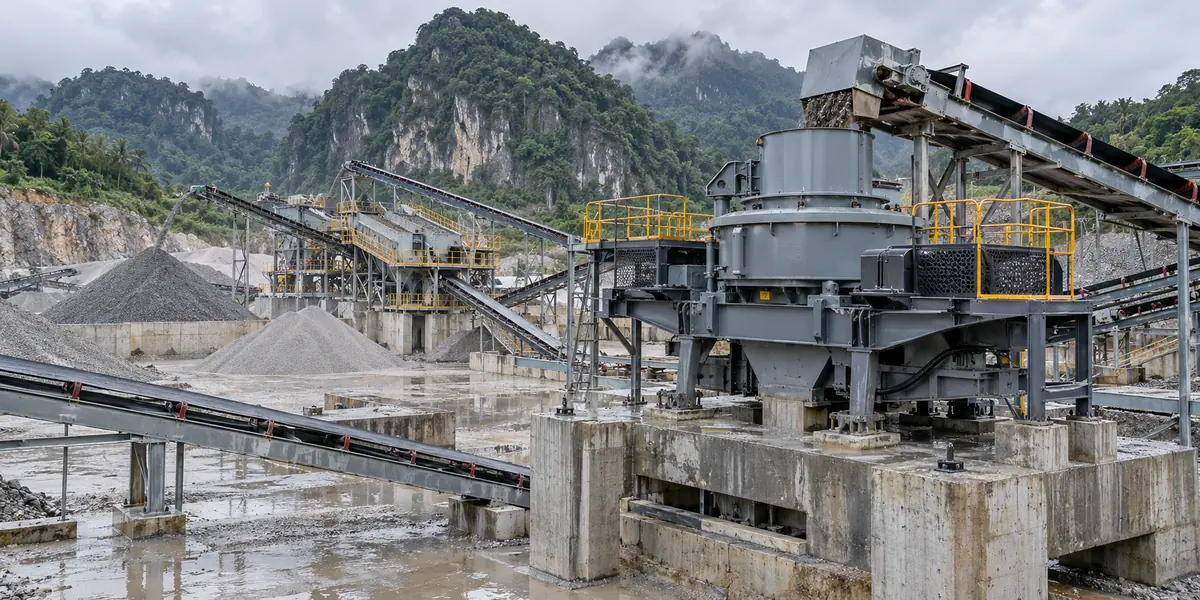
VSI Crusher Foundation and Installation: Civil Work Checklist
A VSI crusher foundation should be designed from the selected machine’s verified load, interface, and maintenance data—not from a generic layout drawing. This checklist helps buyers coordinate civil work, access, drainage, electrical scope, and installation acceptance before equipment arrives.
-
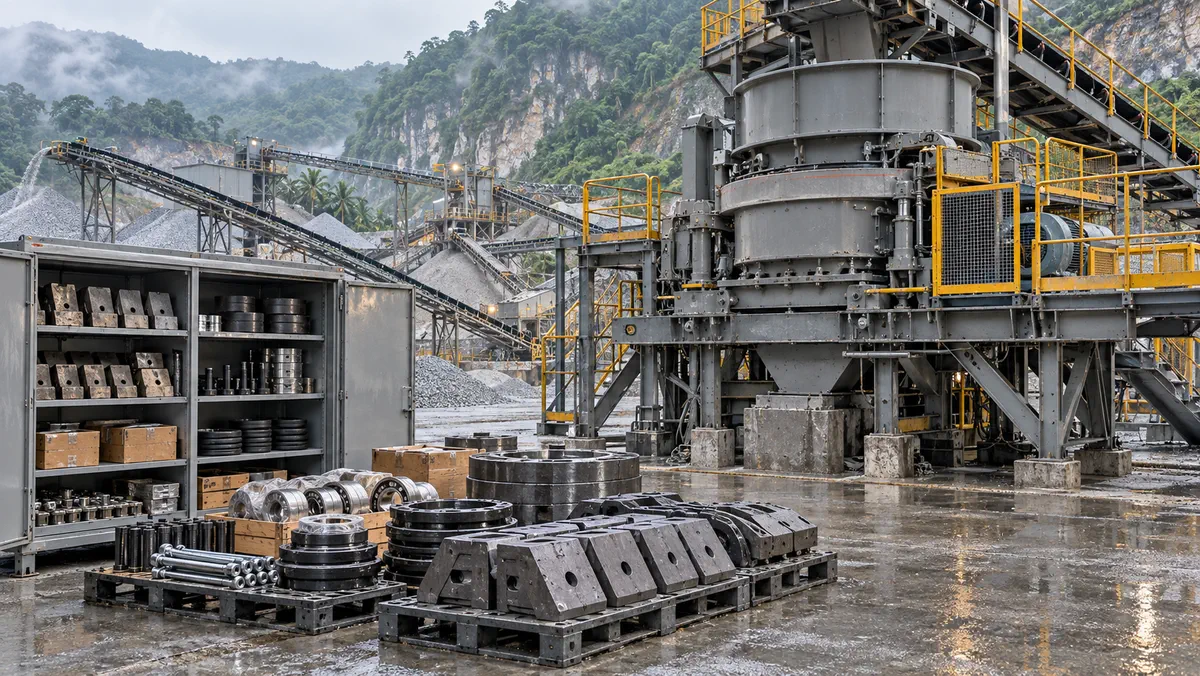
VSI Crusher Spare Parts Inventory: What to Stock Before Startup
A buyer guide to defining a practical VSI crusher critical-spares list without guessing quantities or assuming similar-looking parts will fit.
-
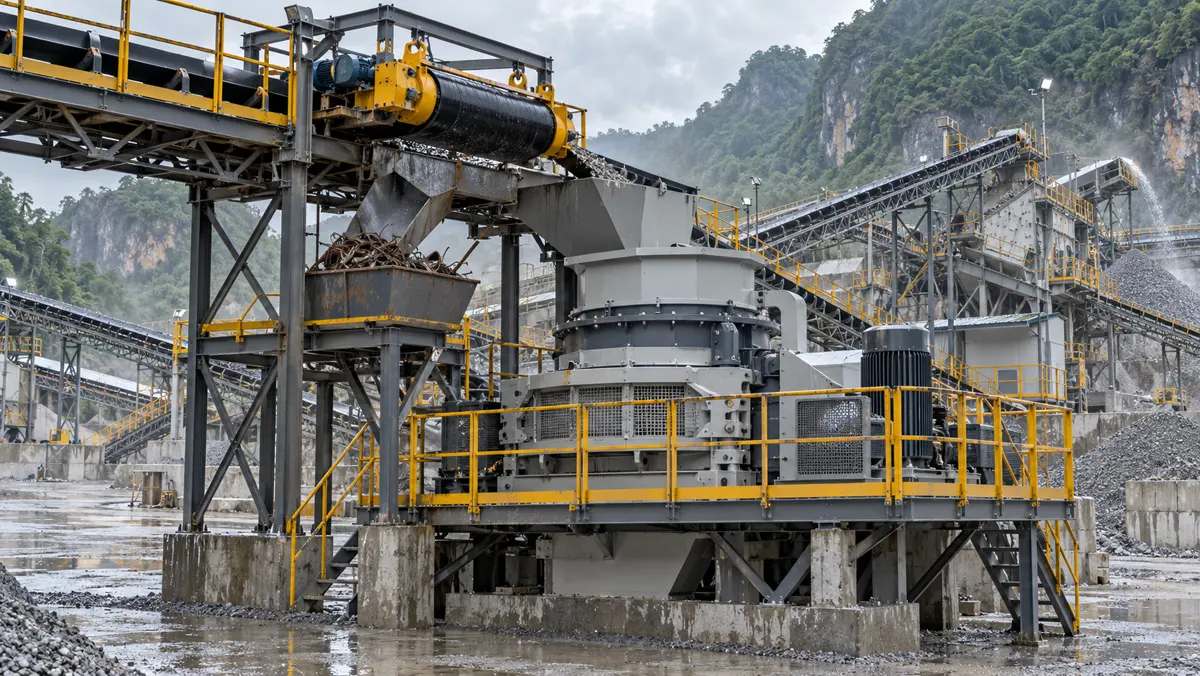
VSI Crusher Tramp Metal Protection: Magnets and Metal Detectors
A buyer guide to specifying magnet and metal-detector protection ahead of a VSI crusher without assuming one device can stop every metal risk.
-
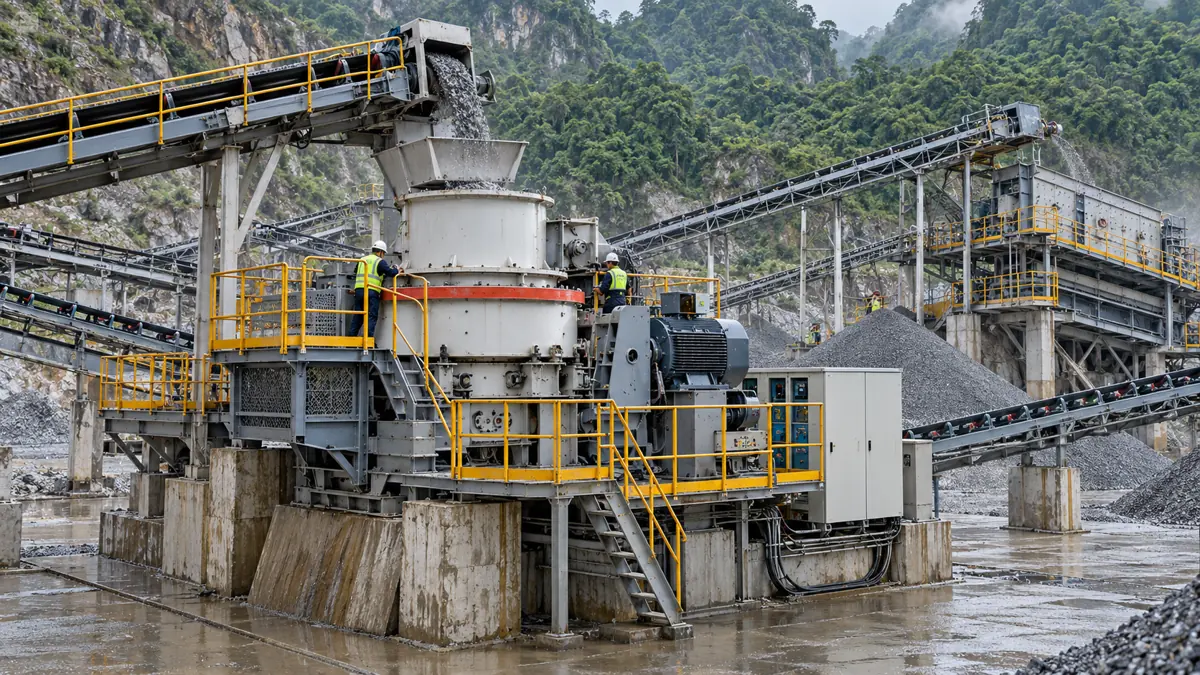
VSI Crusher Commissioning Checklist: Feed, Rotor, Power, and Product Sampling
A practical commissioning and acceptance checklist that connects a VSI crusher start-up to measured feed, product, power, safety, and plant-wide performance.
-
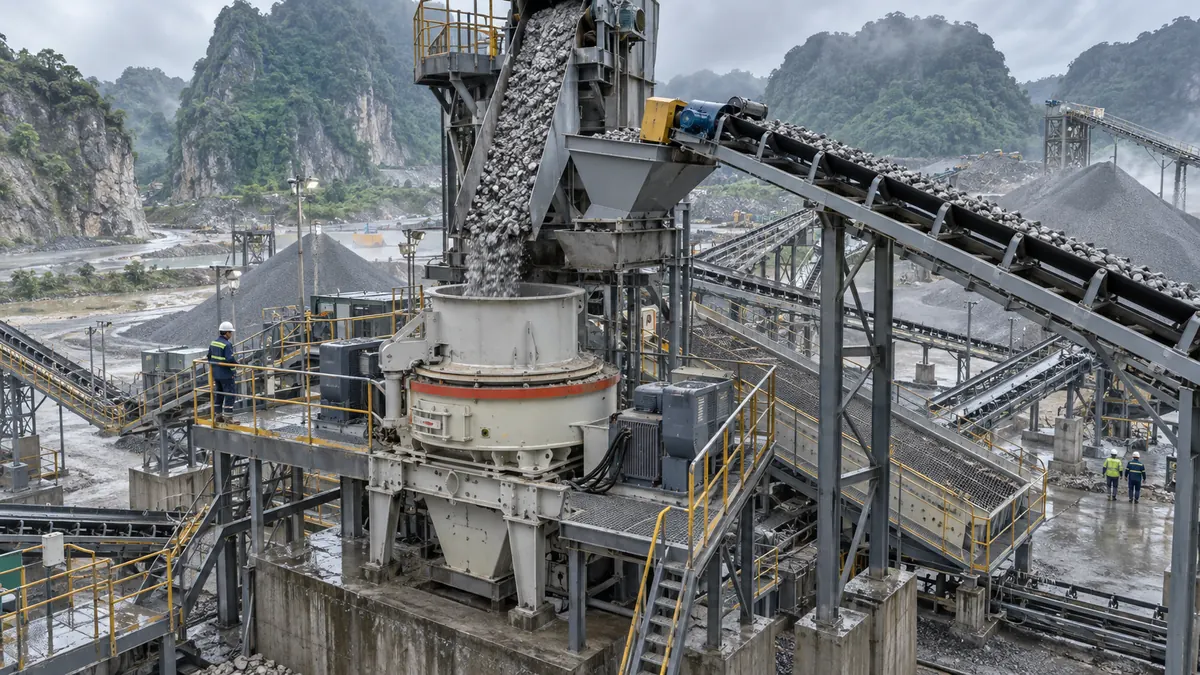
VSI Crusher Cascade Feed: How to Set Bypass Ratio for Sand Shape, Capacity, and Wear
A practical buyer guide to selecting and testing VSI cascade-feed settings without relying on a universal bypass ratio.
-
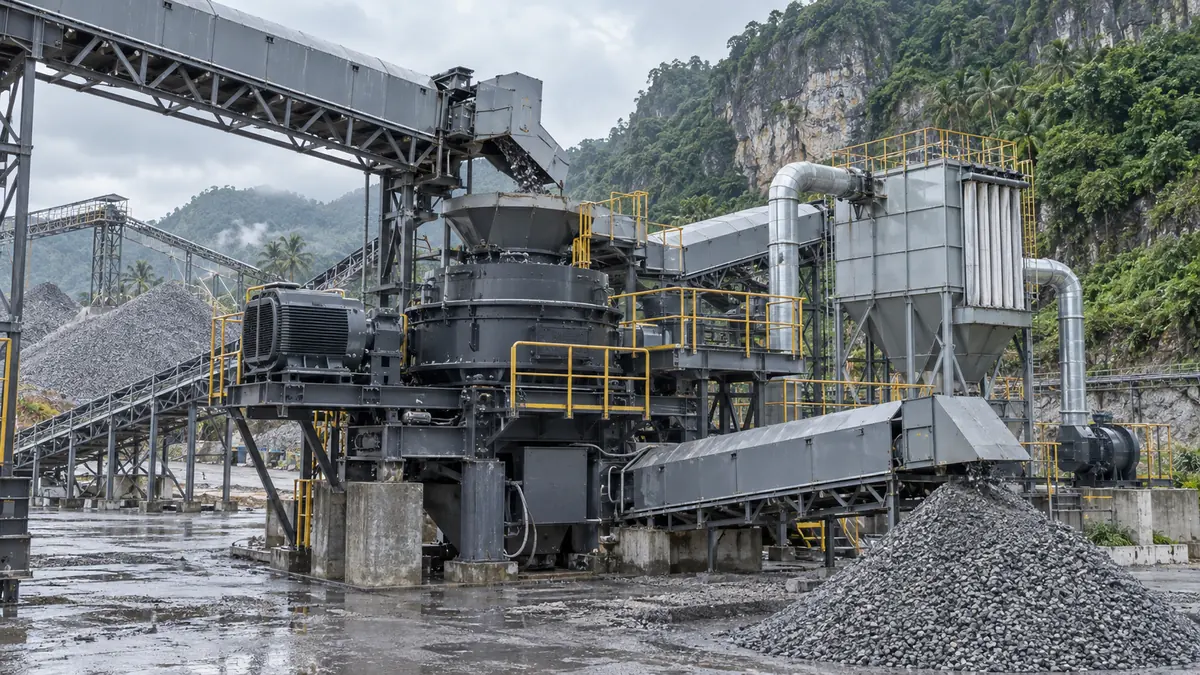
VSI Crusher Dust Control: How to Manage Airflow, Fines, and Housekeeping
A practical buyer guide to controlling dust around a VSI crusher through process stability, enclosure design, airflow, collection, water use, and safe housekeeping.
-
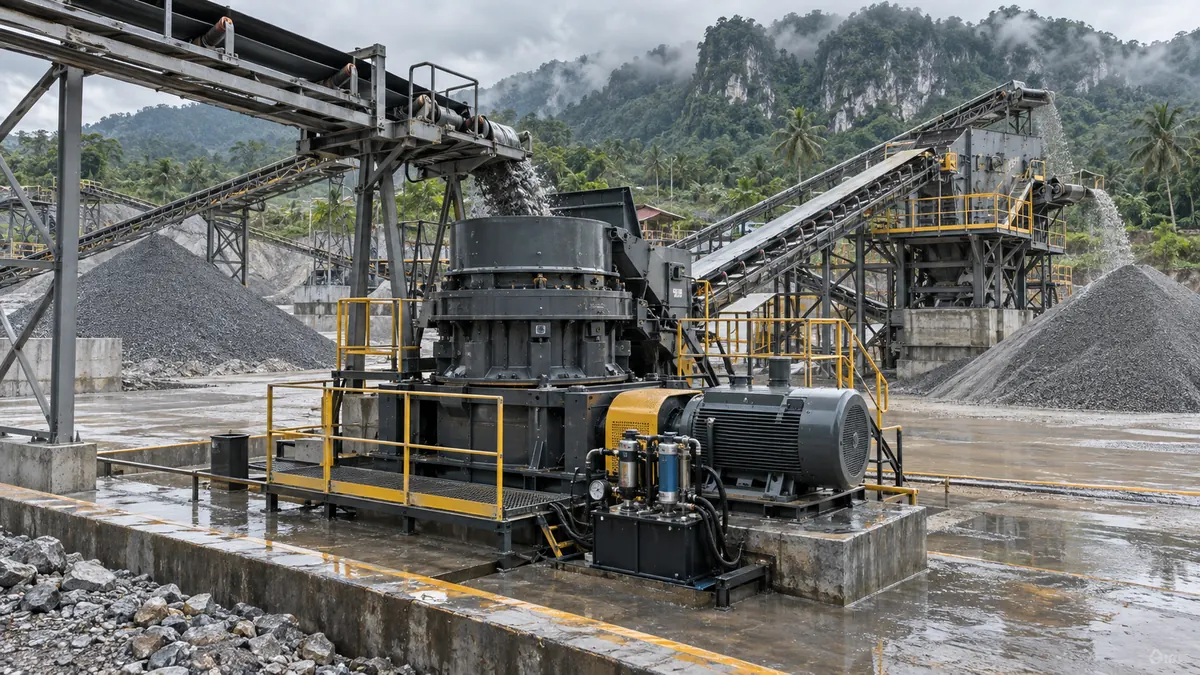
VSI Crusher Bearing Temperature: Lubrication Checks, Alarm Limits, and Failure Prevention
A practical buyer guide to VSI crusher bearing-temperature monitoring, lubrication-system checks, alarm philosophy, commissioning data, and the information needed for a reliable supplier proposal.
-
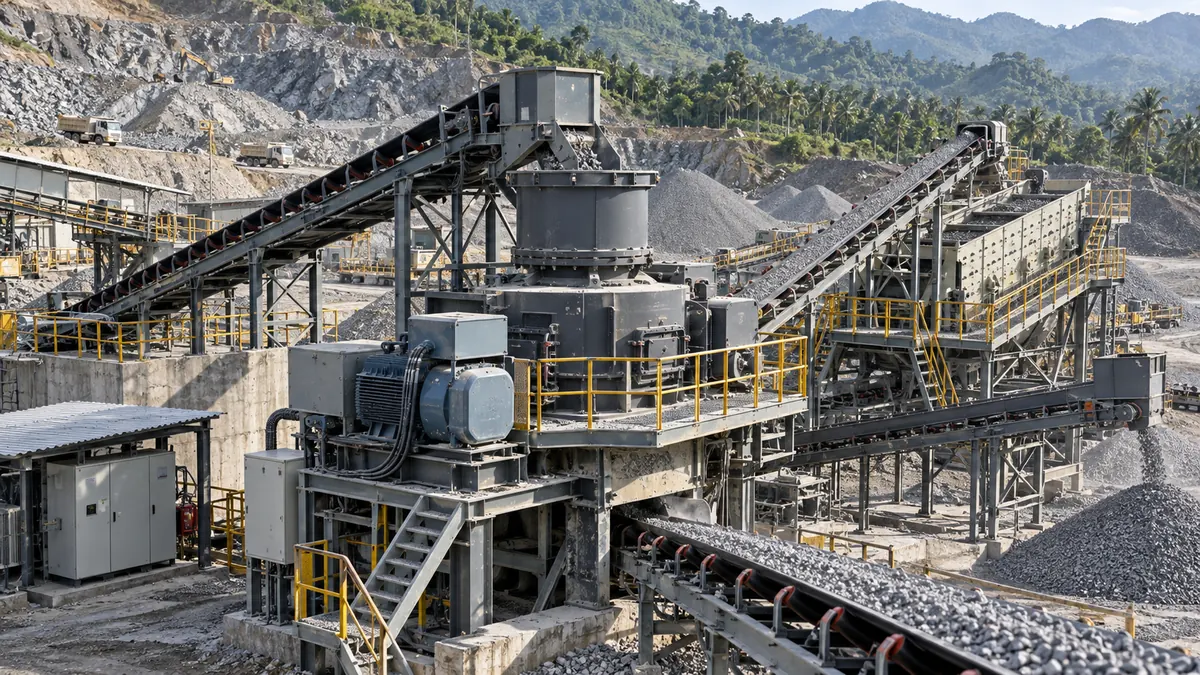
VSI Crusher Power Consumption: How to Compare kWh per Ton and Choose a Motor
A useful VSI power comparison starts with kWh per tonne under stated feed and product conditions—not a motor nameplate alone. This guide shows what to measure, what to request in a quotation, and how to avoid an oversized or under-specified drive.
-
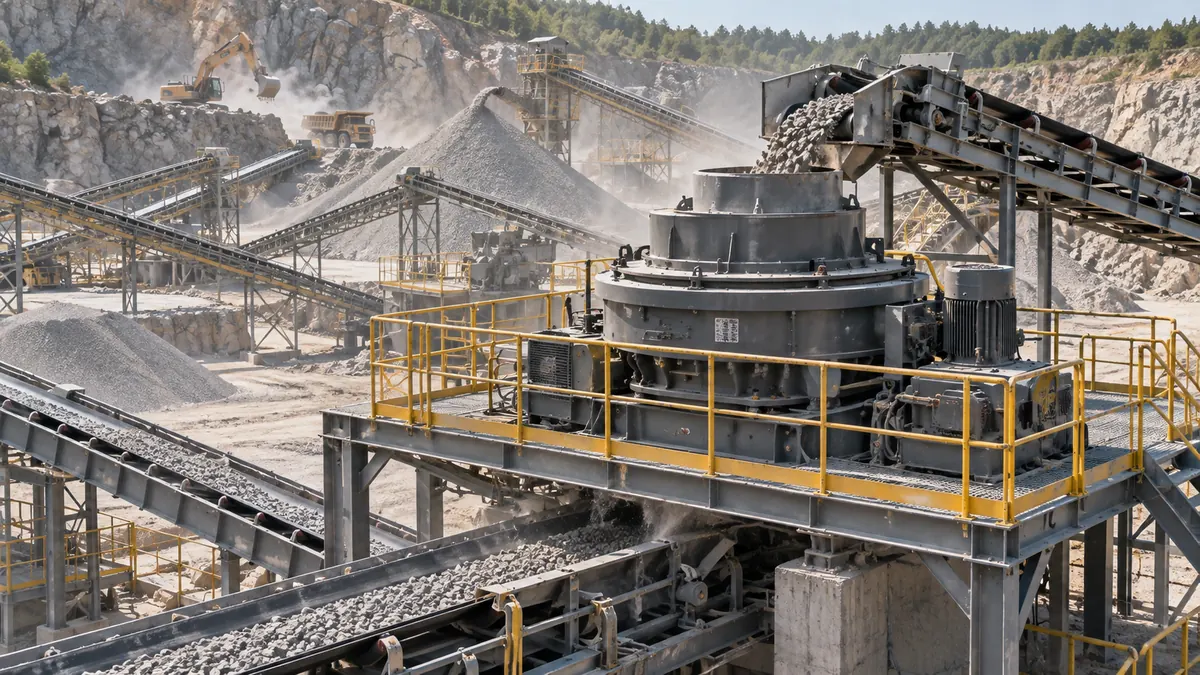
VSI Crusher Rotor Speed: How to Balance Sand Shape, Capacity, and Wear
VSI rotor speed should be set from the material, feed grading, target sand specification, and selected rotor system—not raised simply to chase more tonnes. This guide gives buyers a practical way to define and test the right operating window.
-
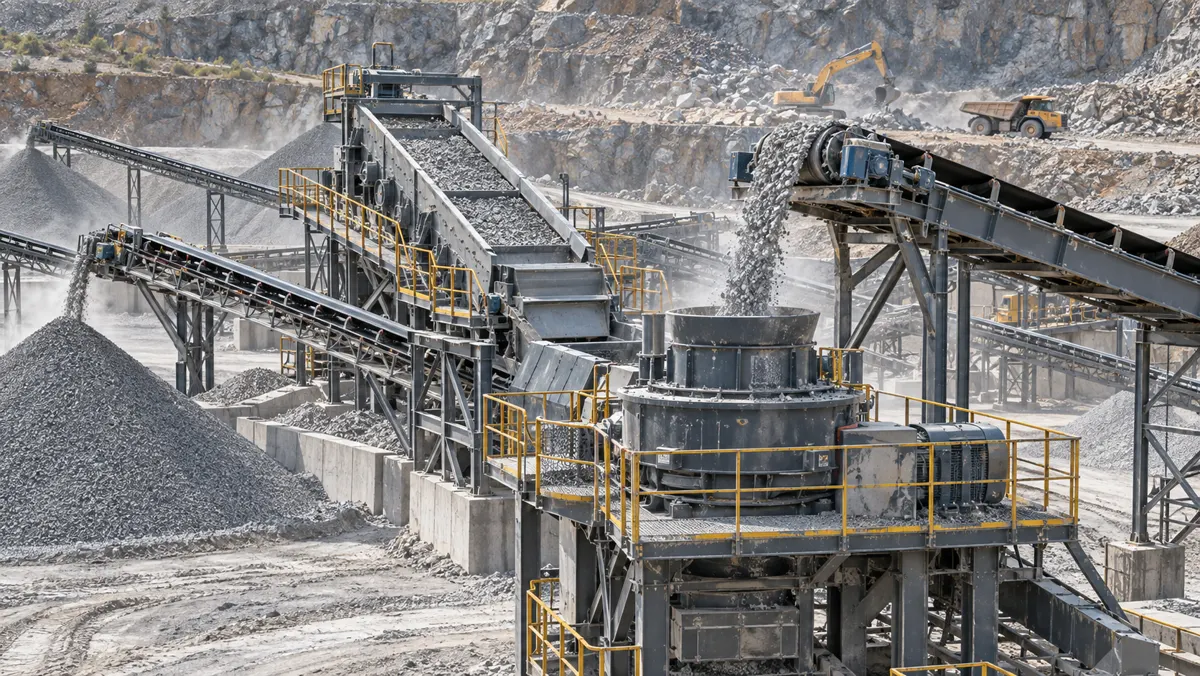
VSI Crusher Feed Size: How to Control Screening for Better Manufactured Sand
VSI crusher feed size is a circuit-design issue, not just a maximum rock-size number. This guide explains screening, feed distribution, recirculation, bypasses, and the information buyers should send for a workable sand-making proposal.
-
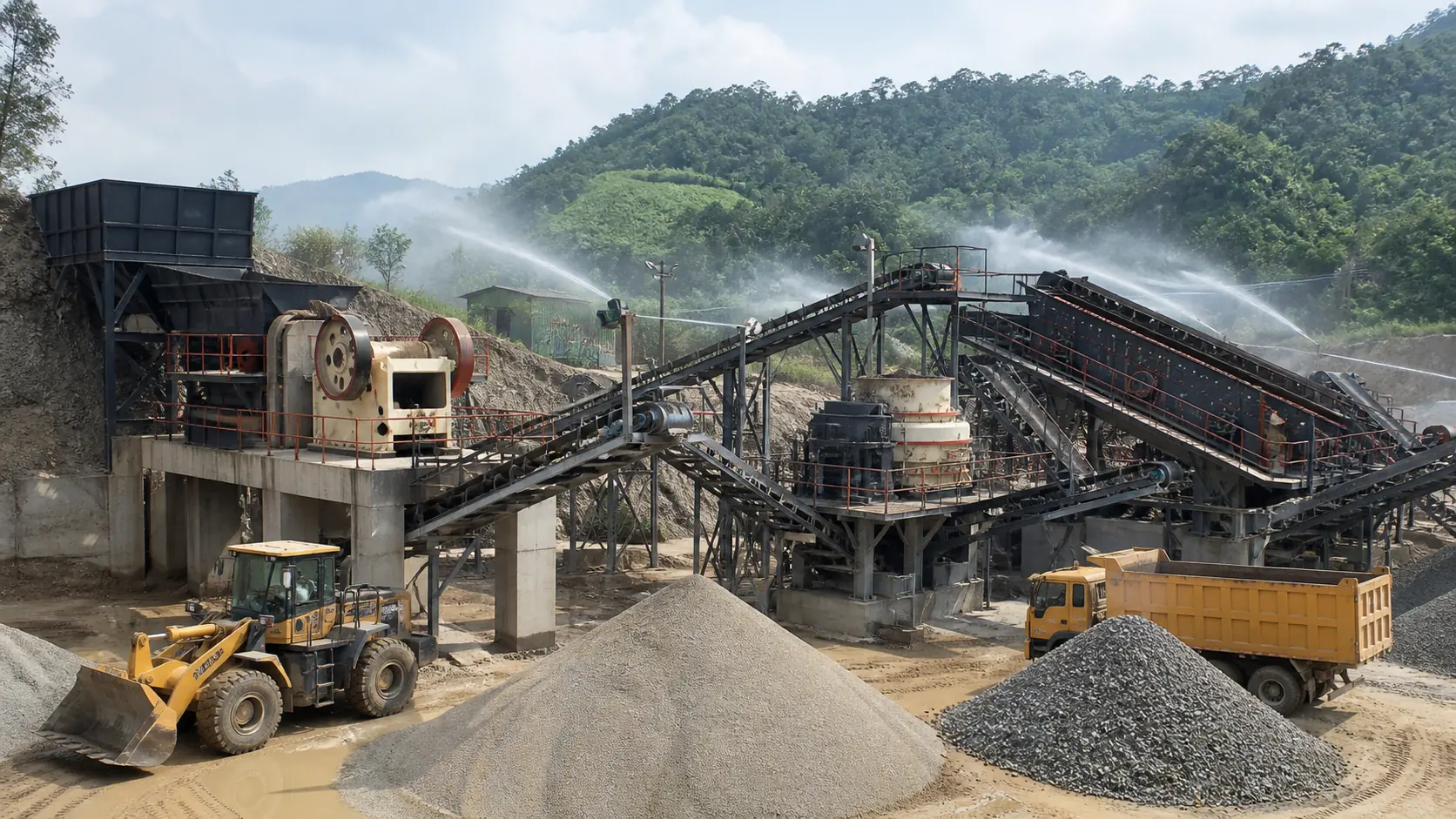
VSI Sand Making Machine for Vietnam Manufactured Sand Projects
A VSI sand making machine for Vietnam should be selected by raw material, feed gradation, sand specification, capacity, moisture, fines control, and whether the project is fixed or mobile.
-
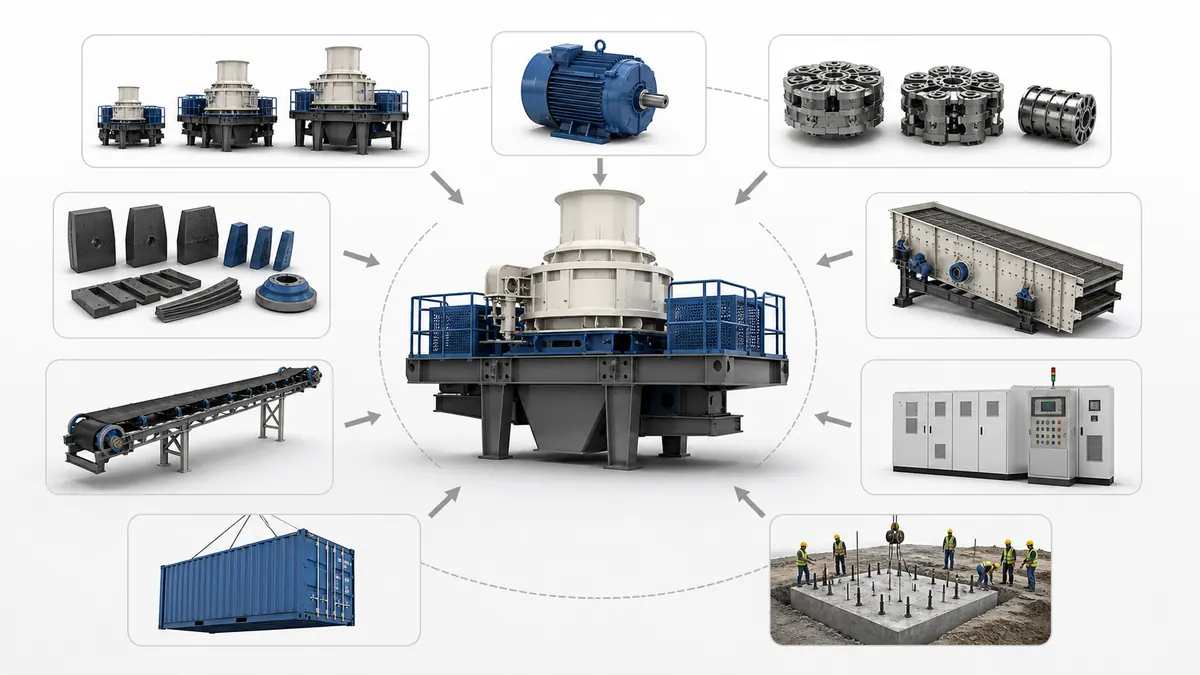
How Much Does a VSI Crusher Cost in 2026?
VSI crusher cost in 2026 depends on capacity, feed size, rock hardness, motor power, rotor design, chamber type, wear parts, control system, auxiliary equipment, shipping, and installation.
-
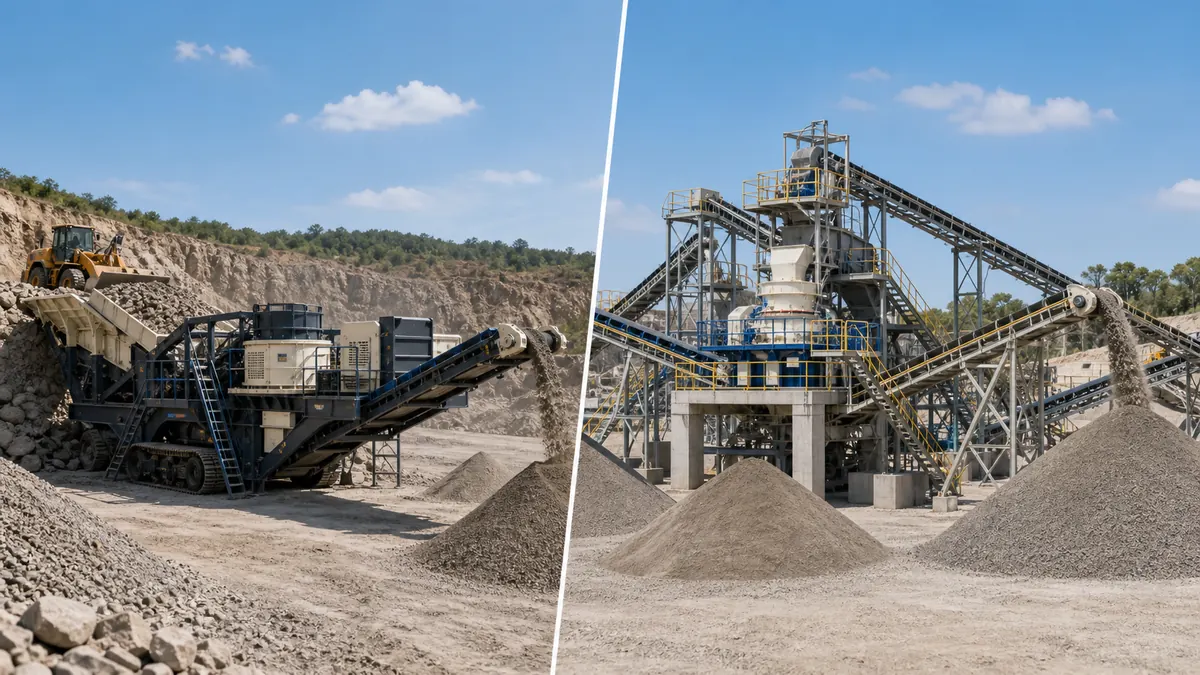
Is a Mobile VSI Crusher Better Than a Stationary Sand Making Plant?
A mobile VSI crusher is better for relocation, temporary projects, and fast setup, while a stationary sand making plant is usually better for high capacity, long-term production, and multi-product aggregate lines.
-
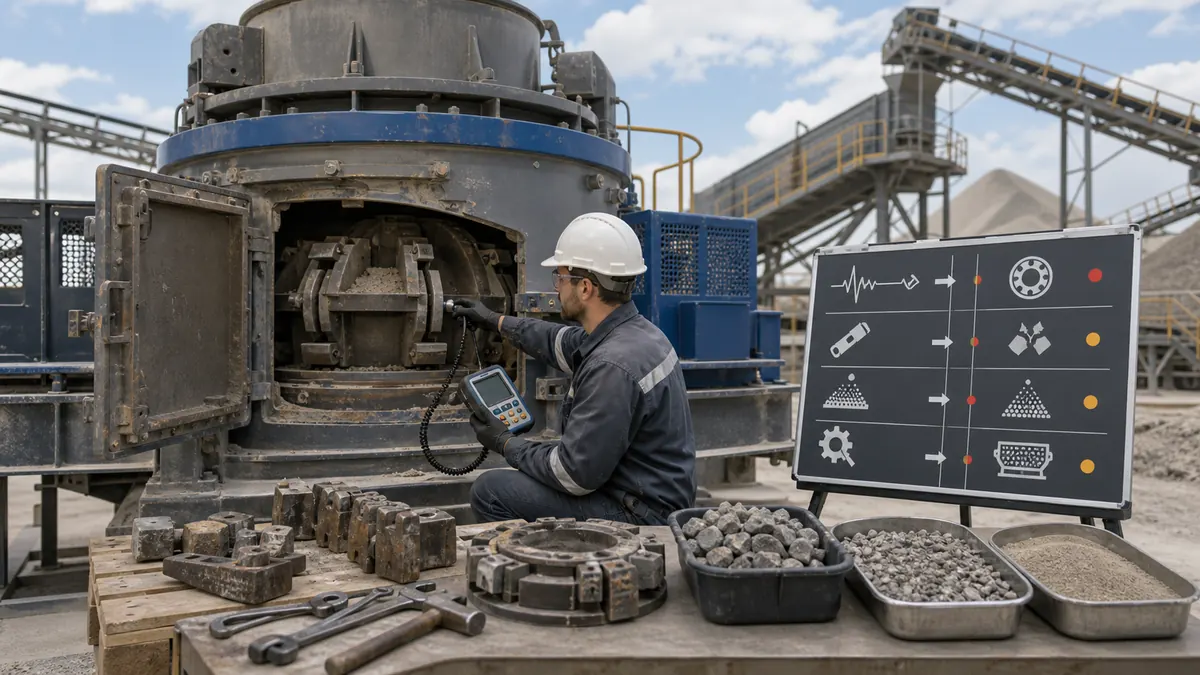
Common VSI Crusher Problems and How to Fix Them
Most VSI crusher problems come from unstable feed, oversized material, worn rotor parts, poor screening, incorrect rotor speed, or wrong chamber selection. This guide explains practical troubleshooting steps.
-
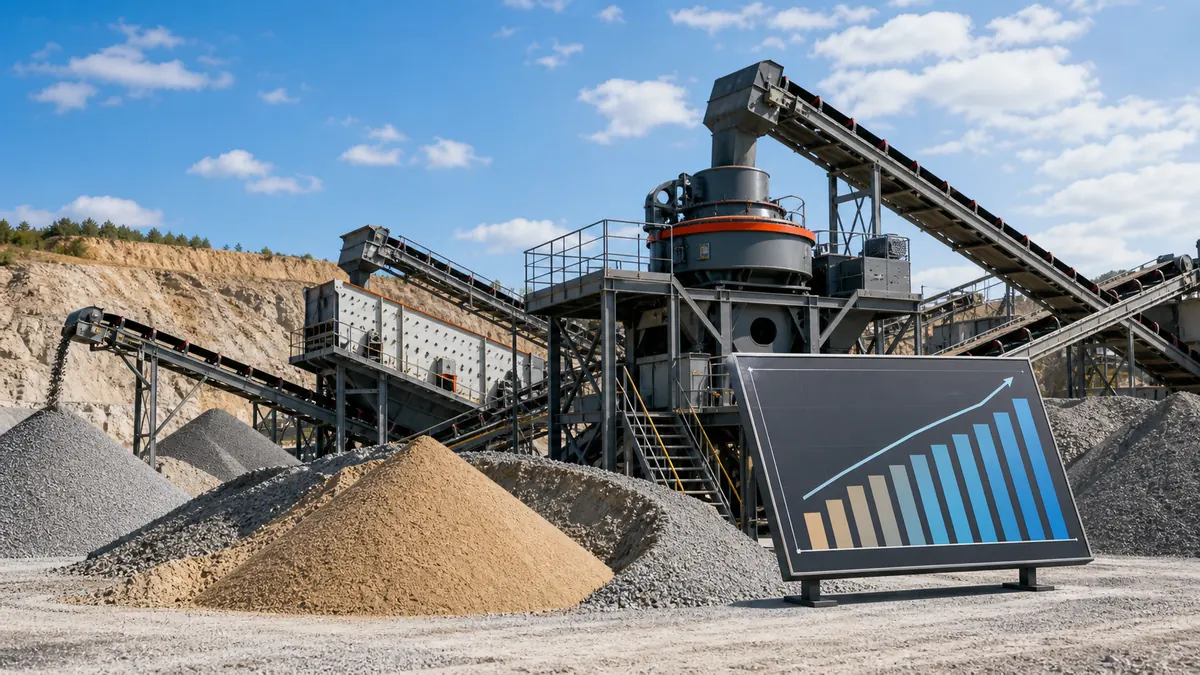
VSI Crusher Capacity Guide: 50 TPH to 500 TPH Sand Production
VSI crusher capacity depends on feed size, material hardness, rotor speed, chamber type, screen return load, motor power, and final sand specification. This guide helps buyers plan 50-500 TPH sand production lines.
-
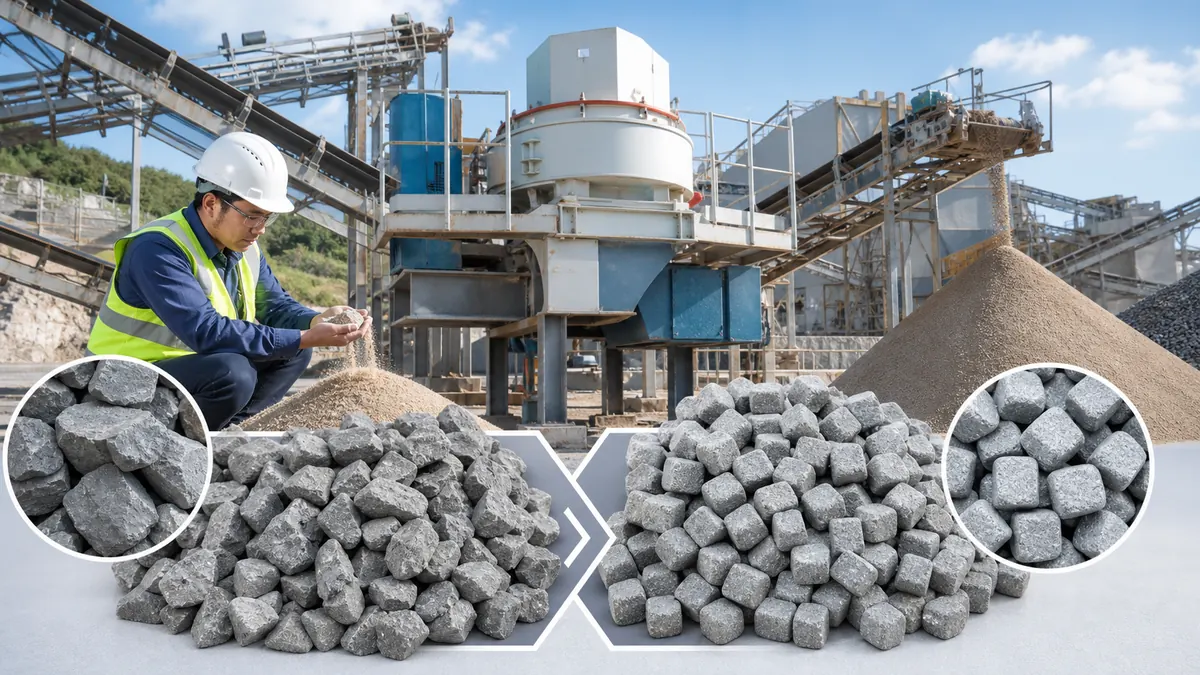
How to Improve Cubical Shape in Manufactured Sand with a VSI Crusher
A VSI crusher can improve cubical aggregate shape when feed size, rotor speed, chamber type, cascade feed, screening, and wear parts are controlled together. This guide explains practical settings for better manufactured sand.
-
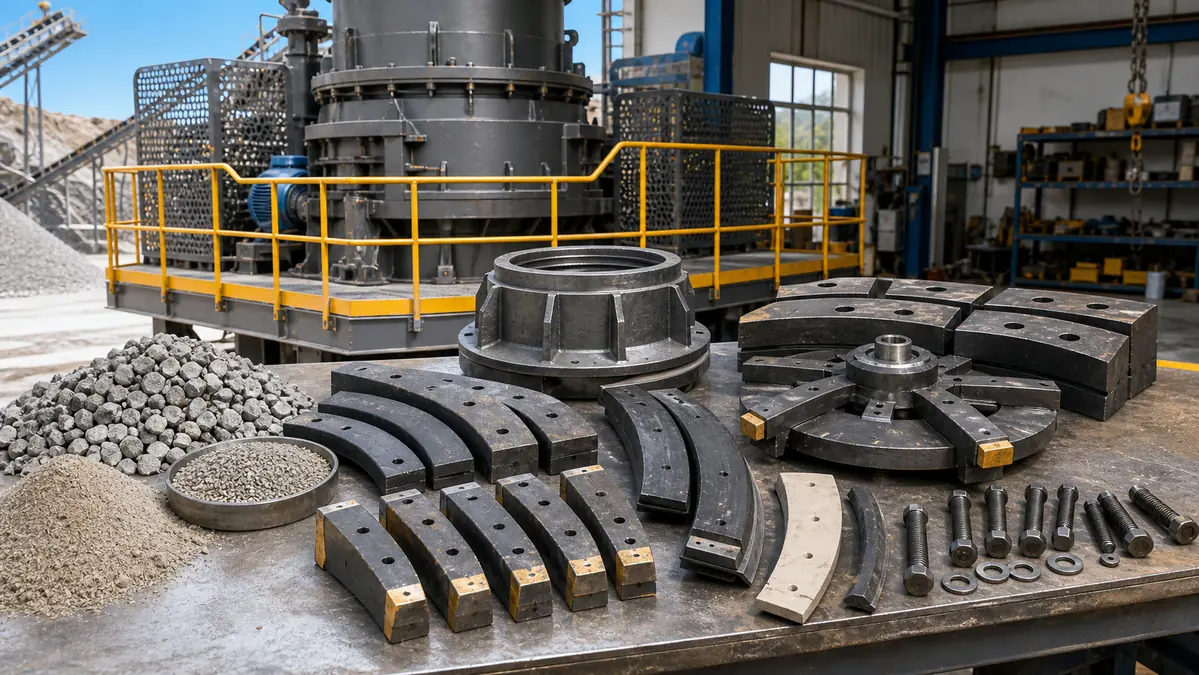
VSI Crusher Wear Parts: Rotor Tips, Anvils, Liners, and Maintenance
VSI crusher wear parts directly affect sand quality, machine vibration, operating cost, and downtime. This guide explains rotor tips, anvils, liners, feed tubes, inspection points, and maintenance planning.
-
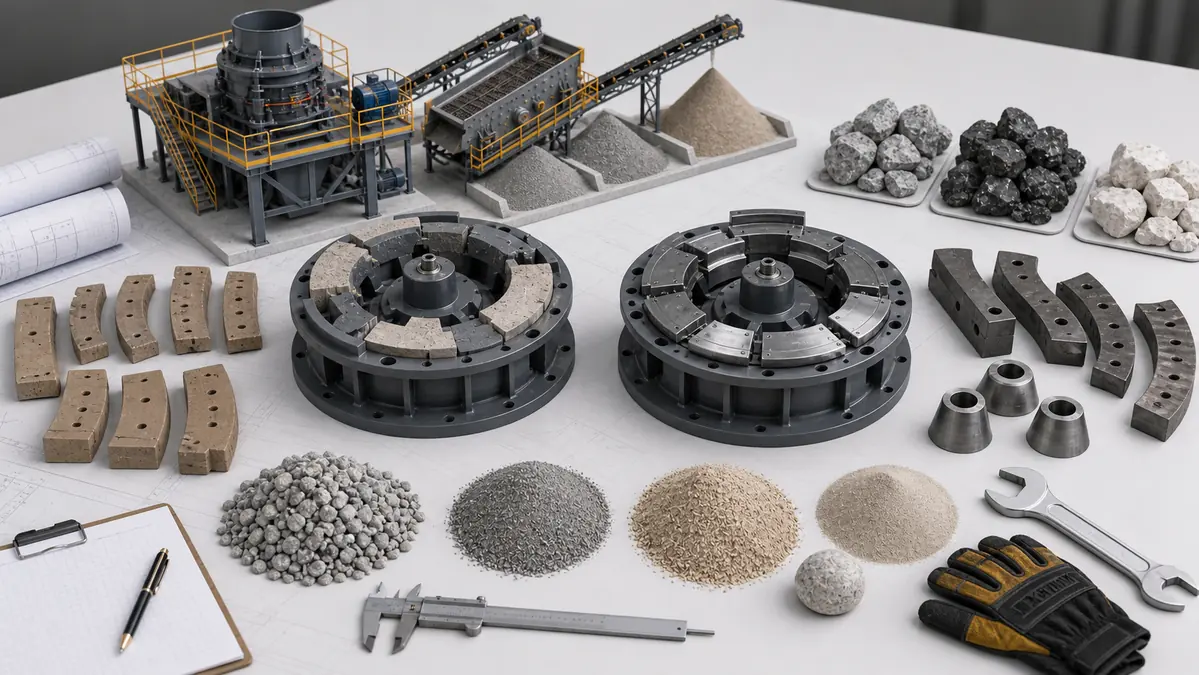
Rock-on-Rock vs Rock-on-Iron VSI Crusher: Key Differences
Rock-on-rock VSI crushing uses a packed rock bed to reduce metal wear and improve shaping, while rock-on-iron uses metal anvils for stronger impact. This guide explains how buyers should choose the right VSI chamber.
-
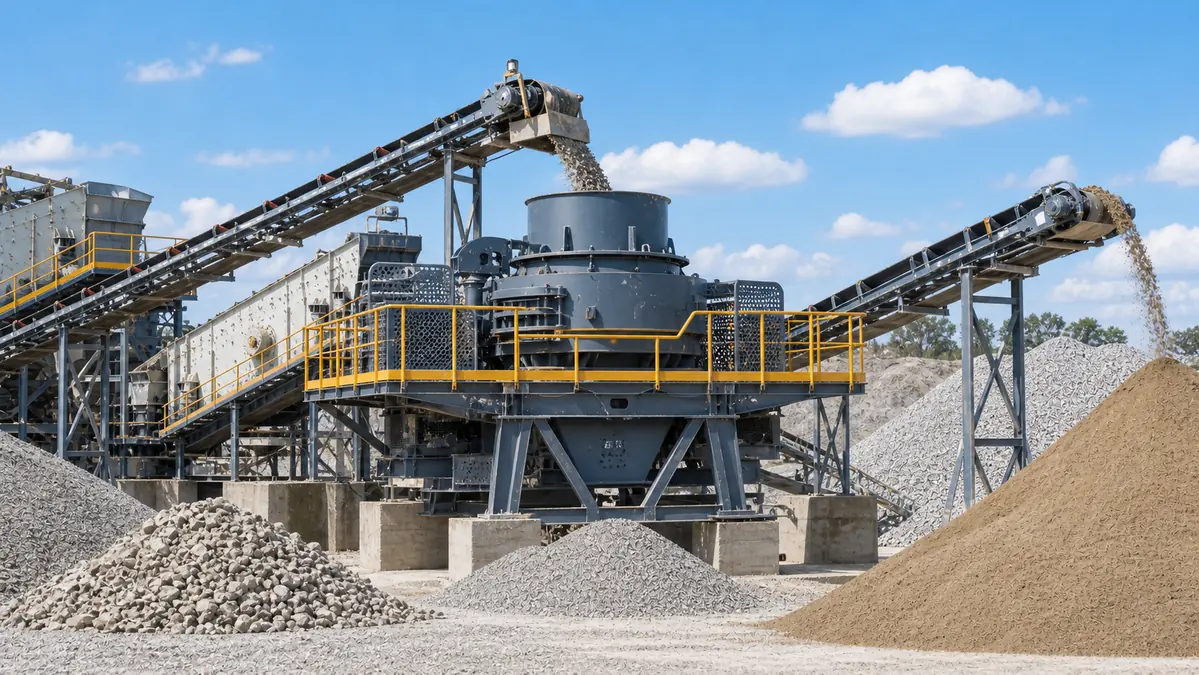
How to Choose a VSI Sand Making Machine for Granite, Basalt, and Limestone
Choosing the right VSI sand making machine depends on rock hardness, abrasiveness, feed size, required sand grading, capacity, and the full crushing plant configuration. This guide explains how buyers can select a practical VSI solution.
-
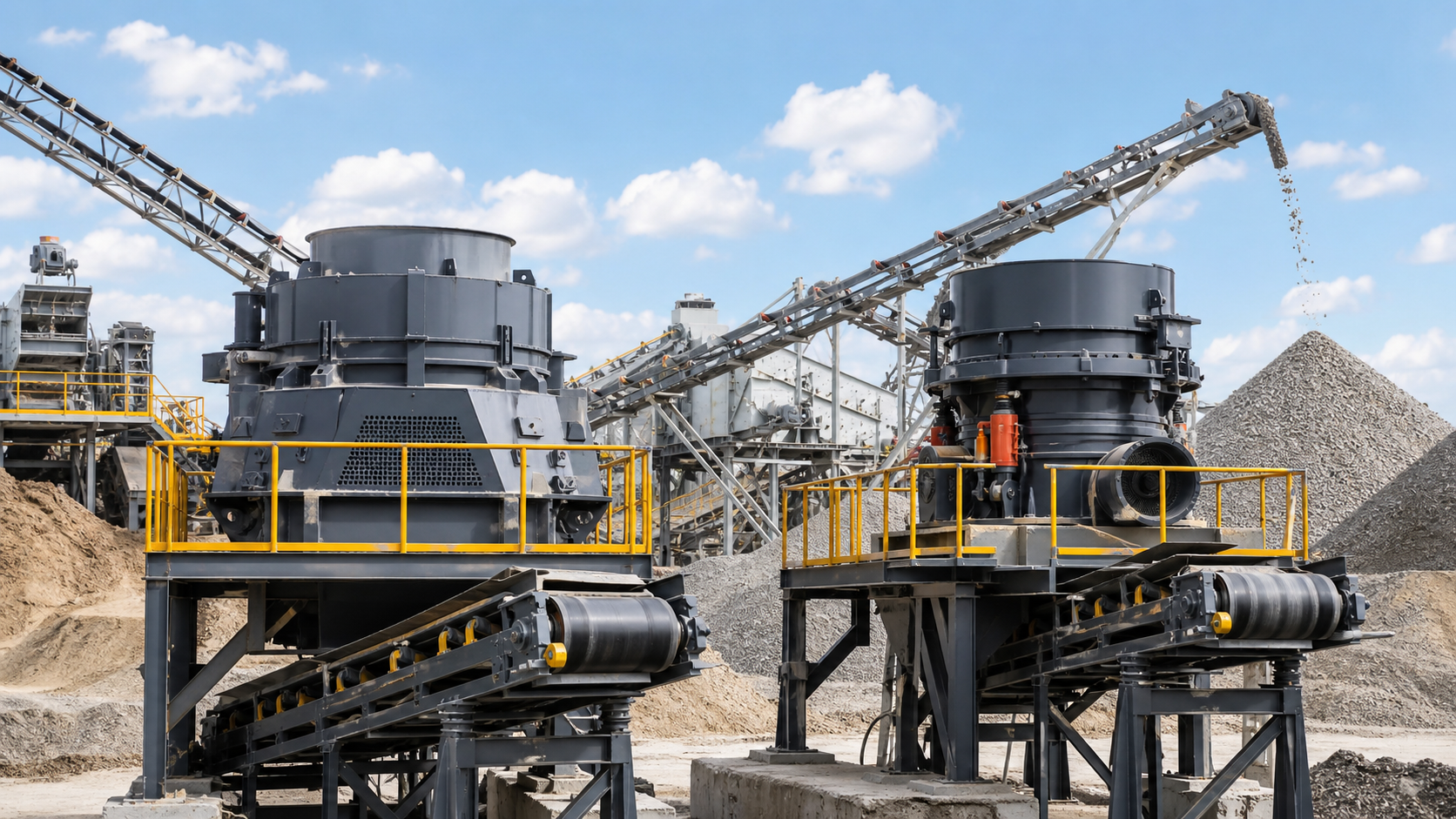
VSI Crusher vs Cone Crusher: Which Is Better for Manufactured Sand?
A VSI crusher is usually better for final manufactured sand shaping, while a cone crusher is better for reducing hard rock before sand making. This guide explains how to choose the right machine or combine both in one plant.
-
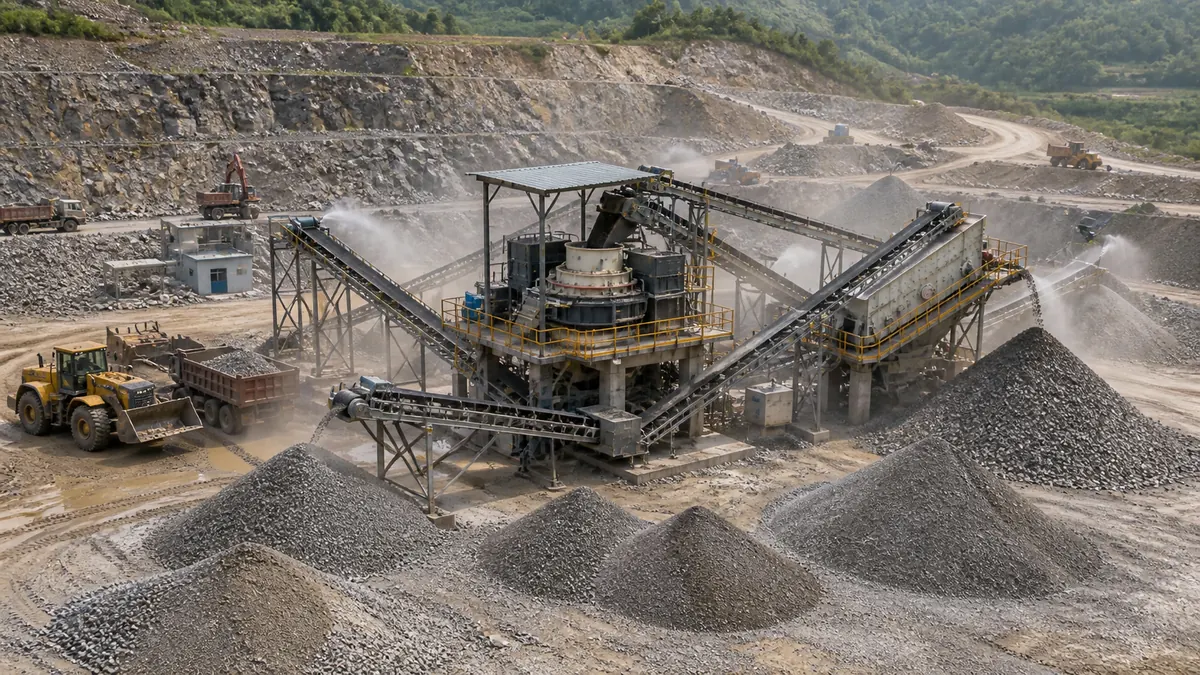
What Is a VSI Crusher and How Does It Work?
A VSI crusher uses high-speed rock impact to shape aggregate and produce manufactured sand. This guide explains the working principle, applications, selection factors, and common buyer questions.
-
How Much Does a Crusher Cost?
Crusher prices vary widely depending on type, capacity, brand, and whether the equipment is domestic or imported. In general, a small crusher can cost around $5,000–$30,000, while medium industrial crushers range from $30,000–$150,000. Large mining-grade crushing equipment or full production line crushers can exceed $150,000–$500,000+. The final price depends mainly on: What Is a Crusher?…
-
How Much Does a Sand and Gravel Production Line Cost?
A sand and gravel production line typically costs between $80,000 and $2,000,000+, depending on capacity, configuration, automation level, and raw material hardness. Small lines for local aggregate production may start around $80K–$300K, while medium-sized commercial plants usually range from $300K–$800K. Large, fully automated production lines with high output and washing systems can exceed $1M–$2M+. The…
-
Vertical Shaft Impact (VSI) Crusher vs. Impact Crusher: Key Differences Explained
The main difference between a Vertical Shaft Impact (VSI) crusher and a horizontal Impact Crusher lies in their crushing mechanics, material suitability, and final output. VSI crushers use a vertical shaft to accelerate material against itself or an anvil, making them ideal for shaping hard, abrasive materials into high-quality cubic sand. Conversely, horizontal impact crushers…
-
Marble Waste Crushing Plant in Saudi Arabia: A Circular Economy Solution
As Saudi Arabia accelerates its Vision 2030 goals, the transformation of industrial waste into valuable resources has become a national priority. In the thriving construction sectors of Riyadh, Jeddah, and Dammam, marble waste—once a burden on landfills—is being repurposed through advanced crushing plants into high-quality aggregates for green building projects. The Strategic Importance of Marble Recycling in KSA…
-
Quartzite Sand Making Crusher in Australia
Australia’s infrastructure boom—spanning from Sydney’s Western Metro to Brisbane’s 2032 Olympic preparations—has triggered a massive surge in demand for high-quality manufactured sand. Quartzite, known for its extreme hardness and high silica content, is an abundant resource in regions like the Northern Territory and South Australia, but its abrasive nature poses significant challenges for standard crushing equipment. Why Quartzite Requires Specialized Crushing…