Tag: aggregate production
-
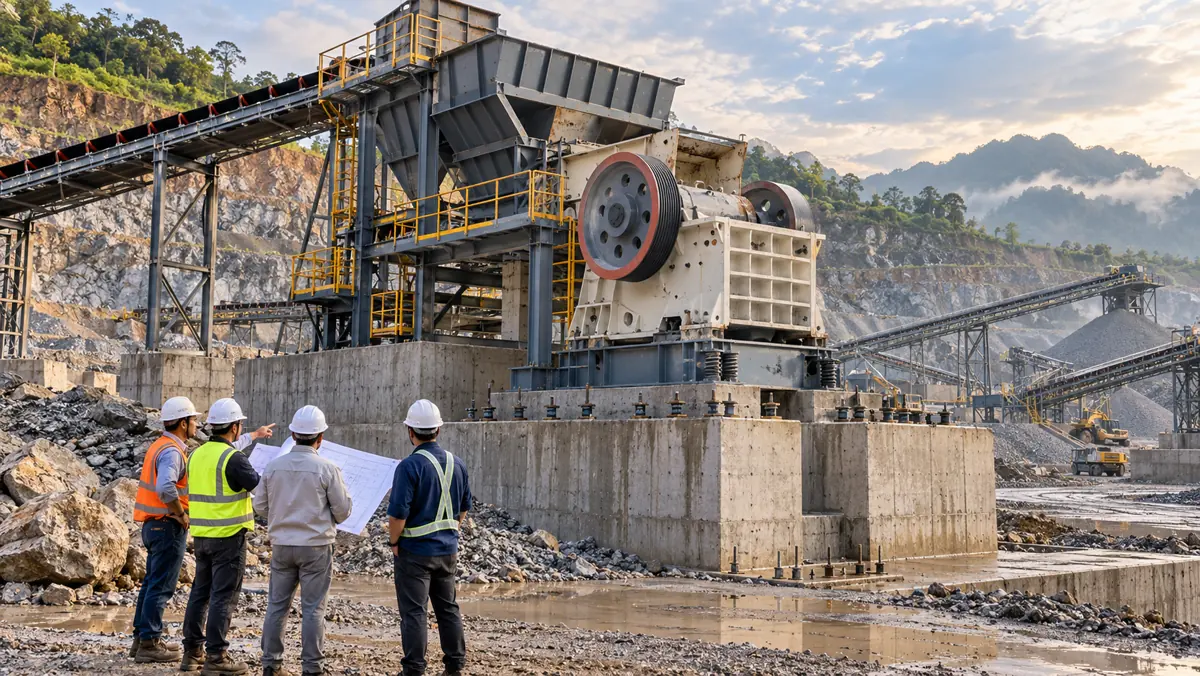
What Should a Buyer Verify in a Jaw Crusher Foundation and Installation Scope?
A jaw crusher foundation and installation scope is reliable only when every civil, mechanical, electrical, access, drainage, and handover interface has a named owner and a checked release condition.
-
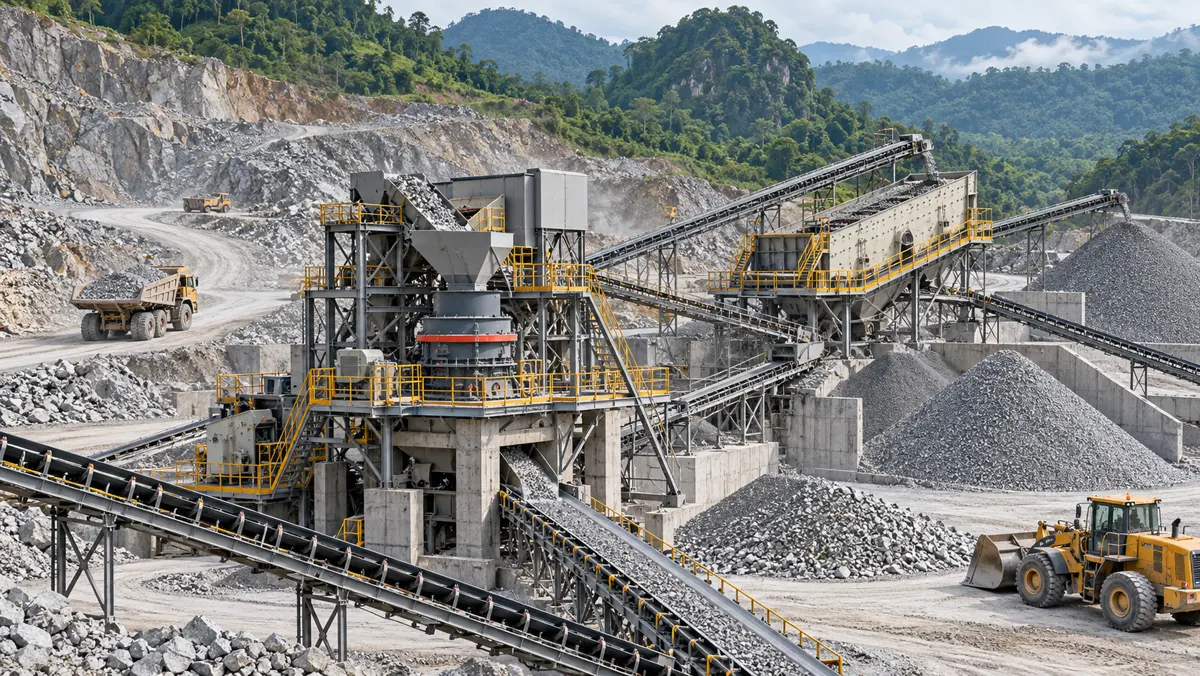
What Should a Granite Quarry Buyer Check in a Cone Crusher Quotation?
A granite quarry buyer should compare cone crusher quotations against one defined duty and a written scope for the cavity, liners, circuit, maintenance access, spares, and acceptance—not a model name or headline price.
-
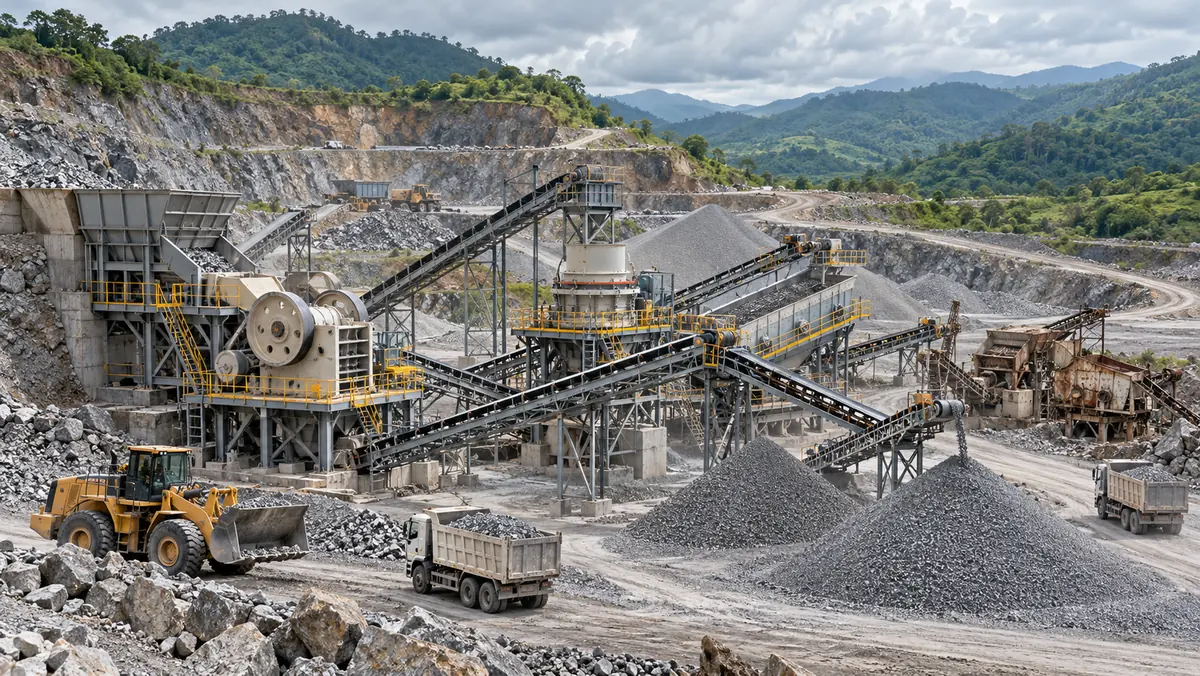
New Crusher vs Used Crusher: Which Is Better for a Quarry Startup?
A quarry startup should compare new and used crusher routes against the same duty, condition record, scope boundary, and startup acceptance plan—not just purchase price.
-
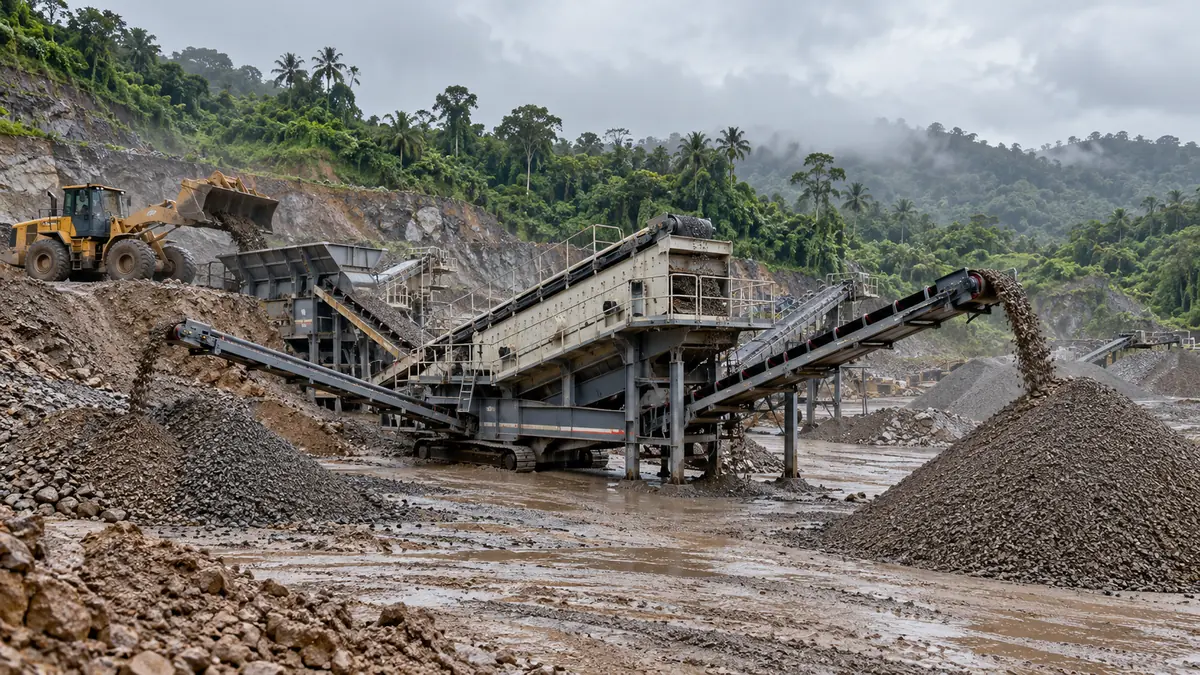
How to Compare Mobile Screens for Wet, Clay-Bearing Quarry Feed
A shared wet-feed test and acceptance brief makes mobile screen quotations comparable when moisture and clay threaten screening performance.
-
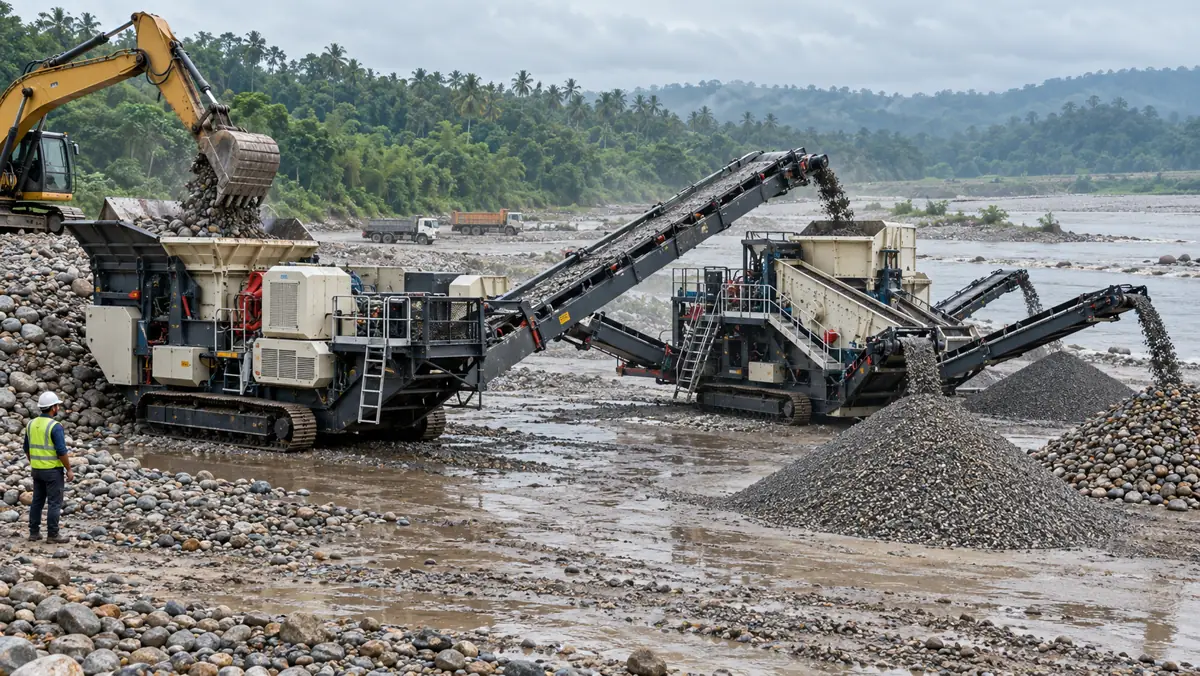
Where to Buy Mobile Crushing and Screening Plants for River Stone in Bangladesh
Where to buy is not a location-only choice: compare routes against one river-stone record, mobile circuit, delivery boundary, commissioning plan, and written responsibility map.
-
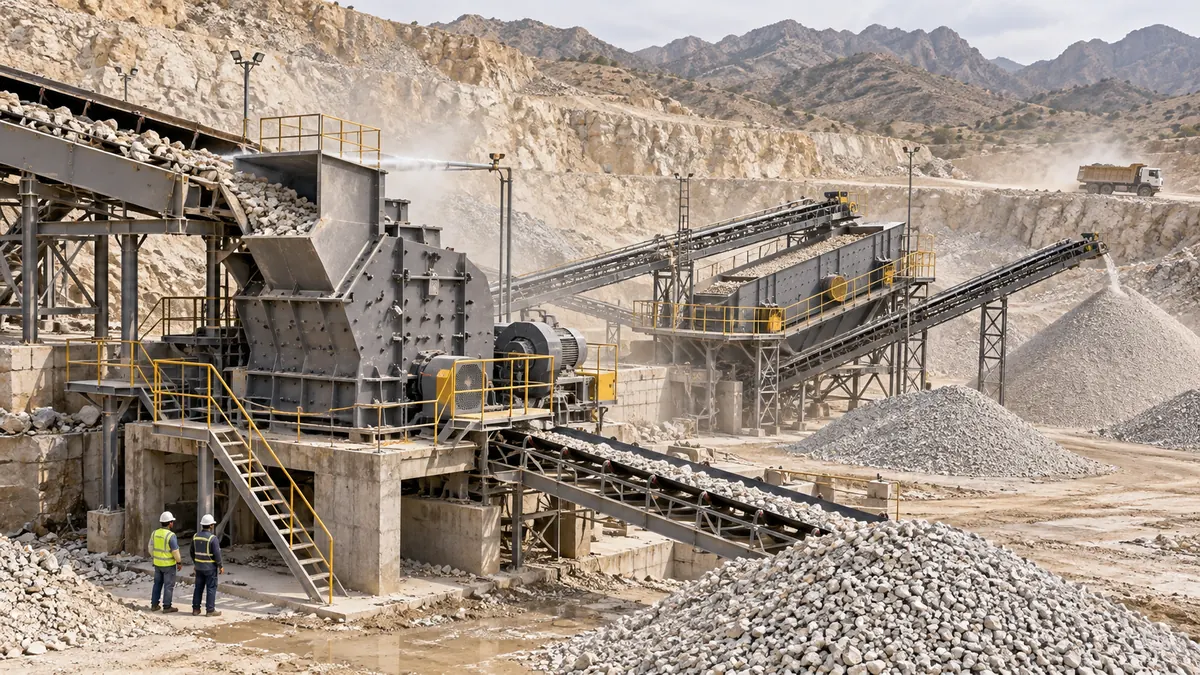
Impact Crusher for Limestone Aggregates in Pakistan
An impact crusher is a conditional limestone-aggregate choice: select it only after the actual source, feed, product schedule, circuit, wear plan, and supply scope are defined together.
-
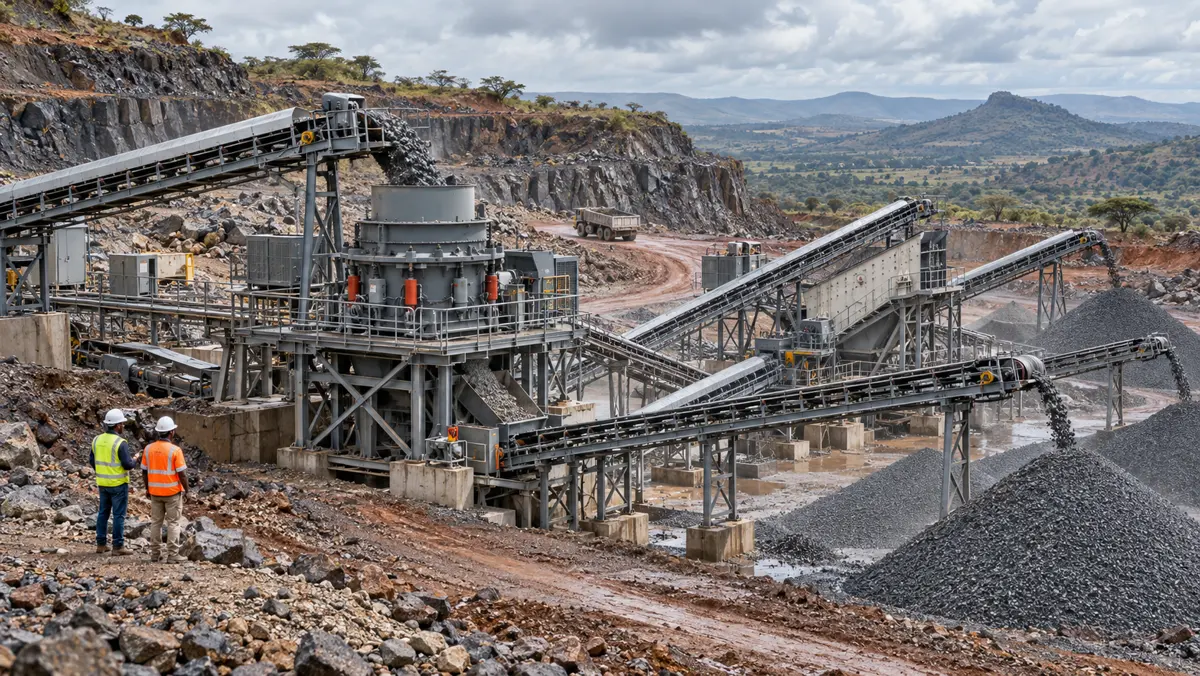
How to Compare Cone Crusher Suppliers for Basalt Aggregate Projects in Ethiopia
A cone crusher quotation is comparable only when every supplier responds to the same basalt feed, products, plant interfaces, delivery boundary, and support responsibilities.
-
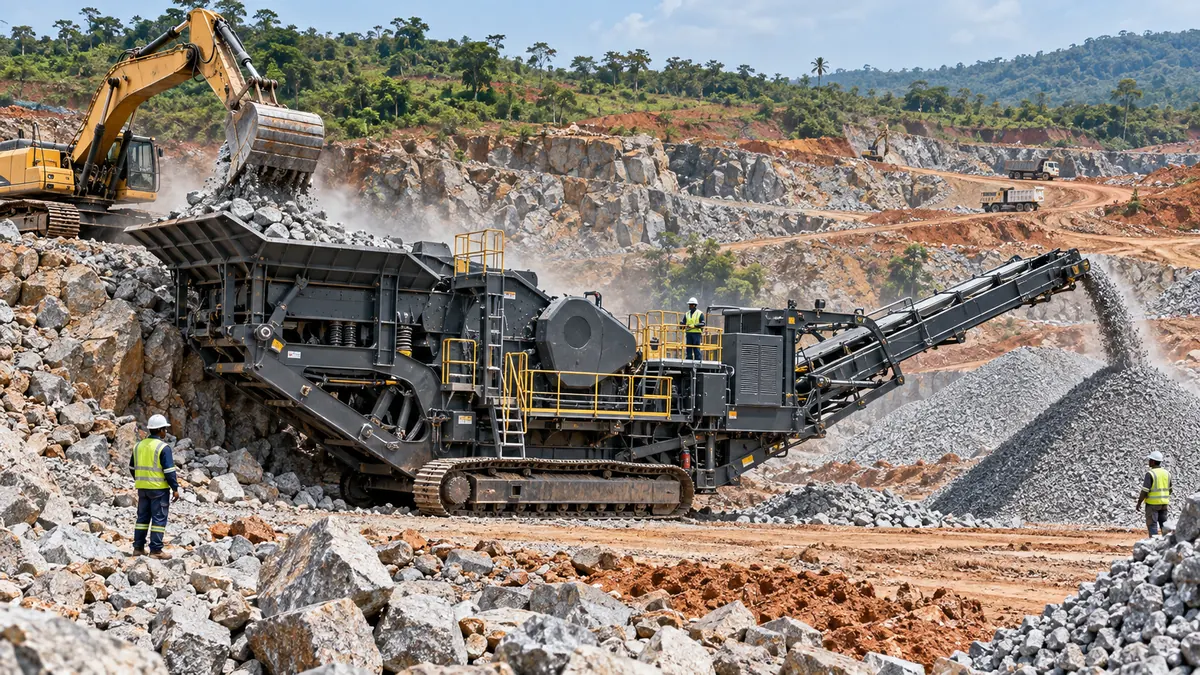
Mobile Jaw Crusher for Granite Quarry Projects in Nigeria
A mobile jaw crusher can be a practical primary stage for a granite quarry project in Nigeria, but only when its feed, product, site movement, downstream equipment, and delivery scope are checked as one project basis.
-
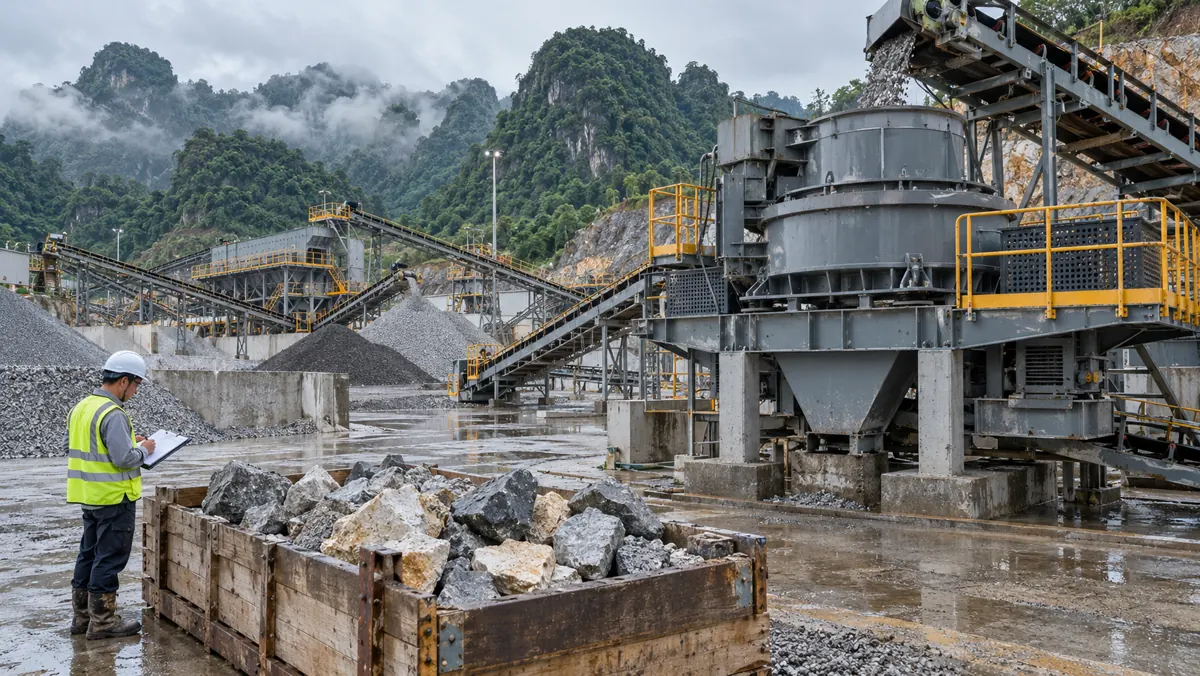
VSI Crusher Selection: What Material Samples and Process Data to Send
A useful VSI crusher quotation starts with representative material and a defined duty, not only a target tons-per-hour figure. Use this buyer checklist to prepare rock samples, feed-size and moisture information, product requirements, circuit data, site conditions, and a clear record of the assumptions a supplier must confirm.
-
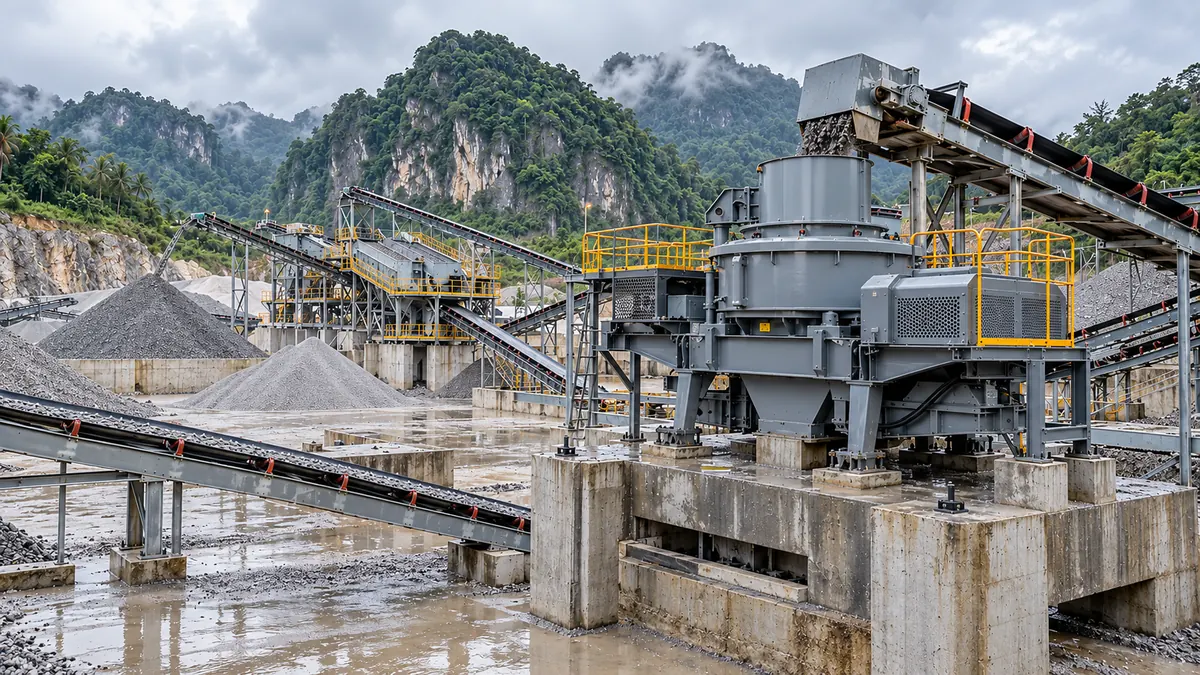
VSI Crusher Drive System: Alignment, Guarding, and Motor Base Checks
A VSI crusher drive should be accepted as a controlled system—not as a motor added after installation. This guide helps buyers specify the exact drive arrangement, safe guards, approved alignment and tension procedure, motor-base details, electrical interface, and startup records before first material is fed.
-
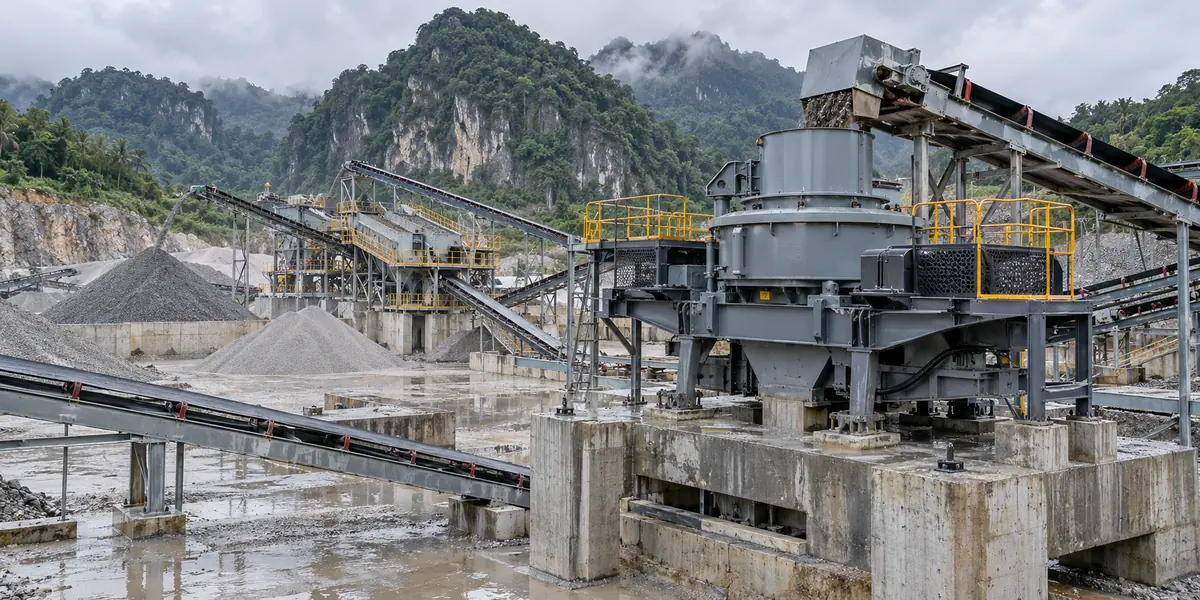
VSI Crusher Foundation and Installation: Civil Work Checklist
A VSI crusher foundation should be designed from the selected machine’s verified load, interface, and maintenance data—not from a generic layout drawing. This checklist helps buyers coordinate civil work, access, drainage, electrical scope, and installation acceptance before equipment arrives.
-
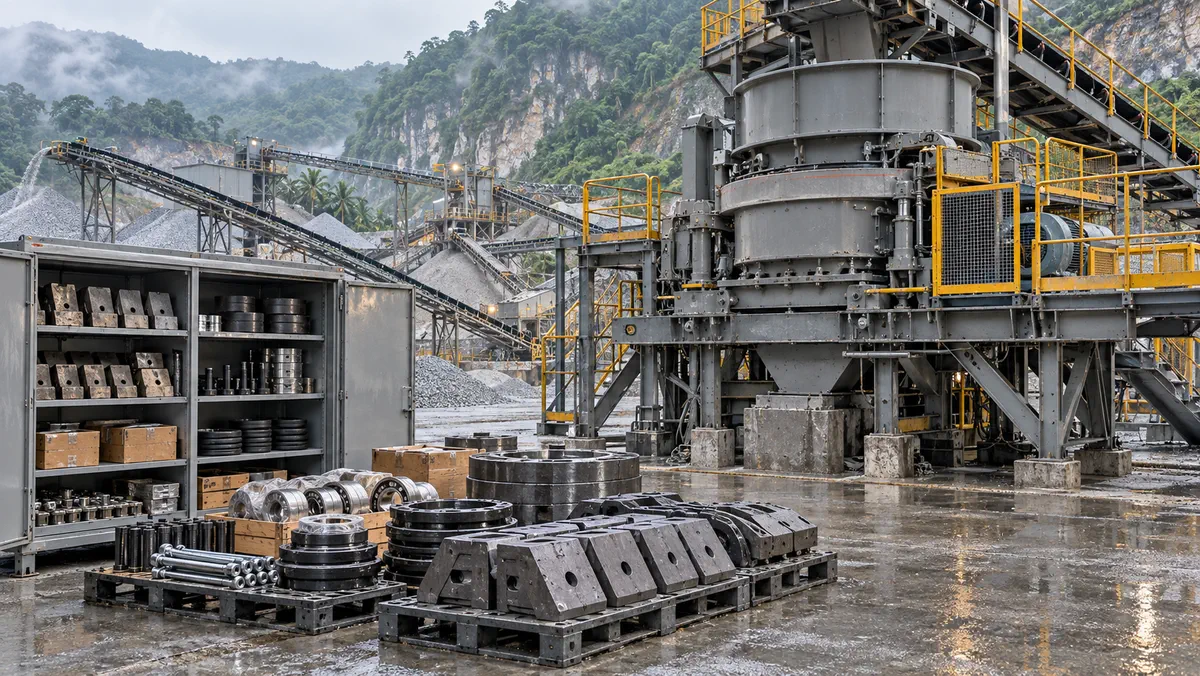
VSI Crusher Spare Parts Inventory: What to Stock Before Startup
A buyer guide to defining a practical VSI crusher critical-spares list without guessing quantities or assuming similar-looking parts will fit.
-
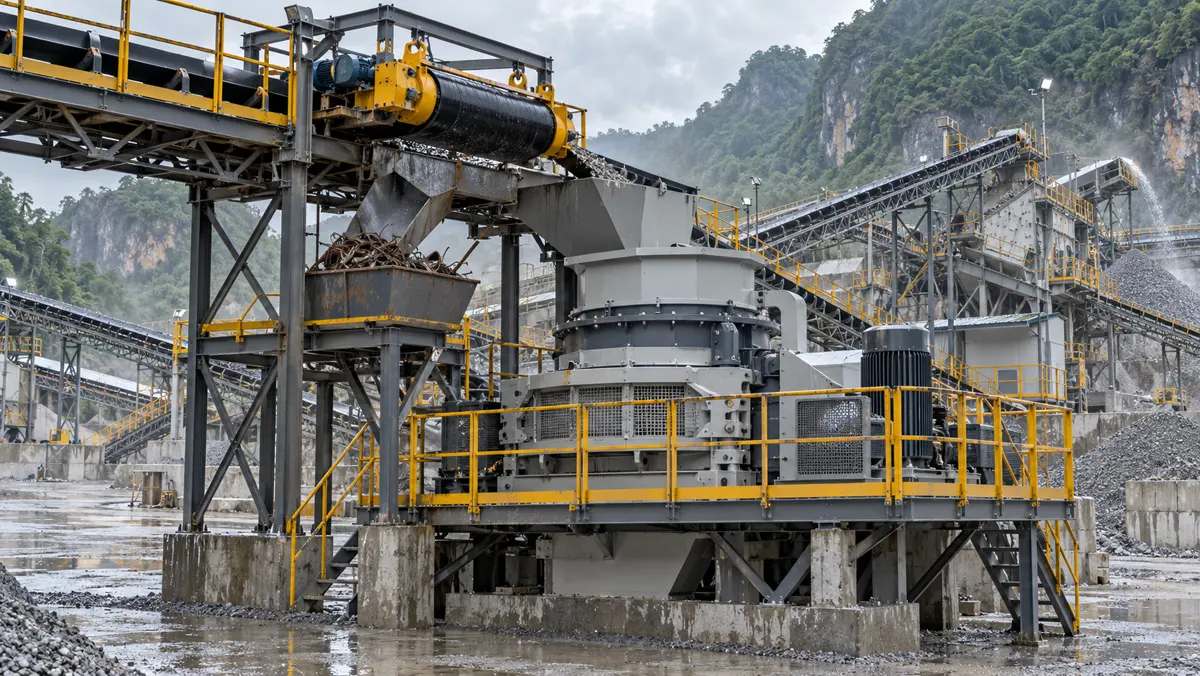
VSI Crusher Tramp Metal Protection: Magnets and Metal Detectors
A buyer guide to specifying magnet and metal-detector protection ahead of a VSI crusher without assuming one device can stop every metal risk.
-
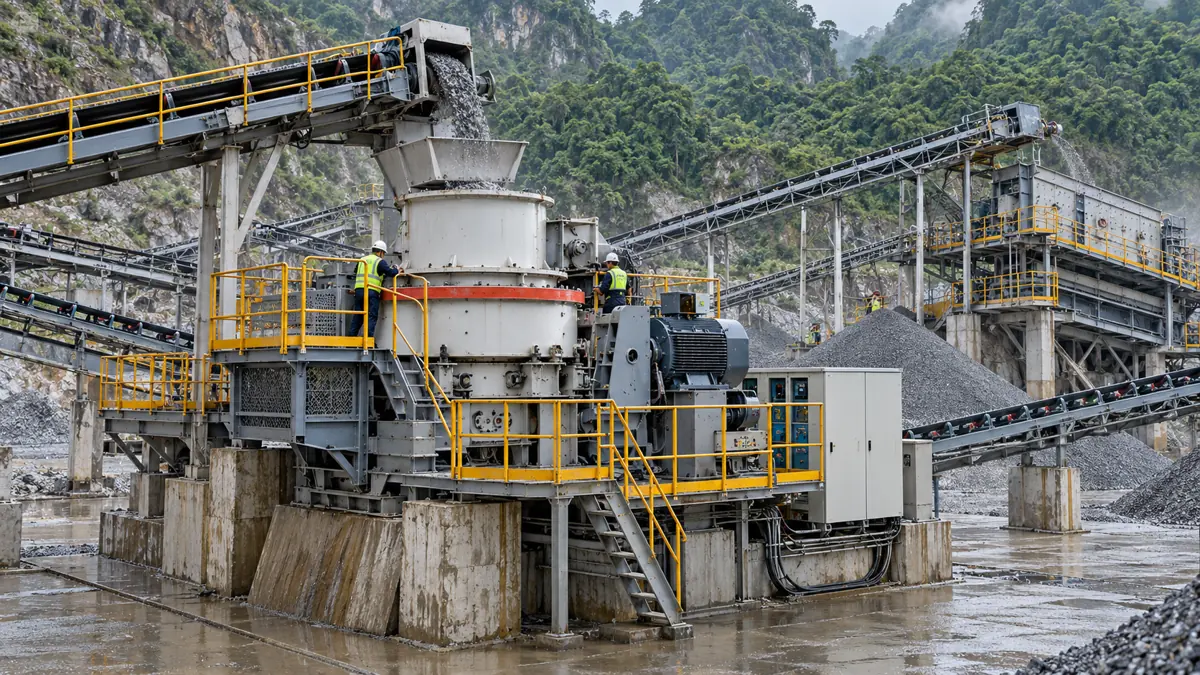
VSI Crusher Commissioning Checklist: Feed, Rotor, Power, and Product Sampling
A practical commissioning and acceptance checklist that connects a VSI crusher start-up to measured feed, product, power, safety, and plant-wide performance.
-
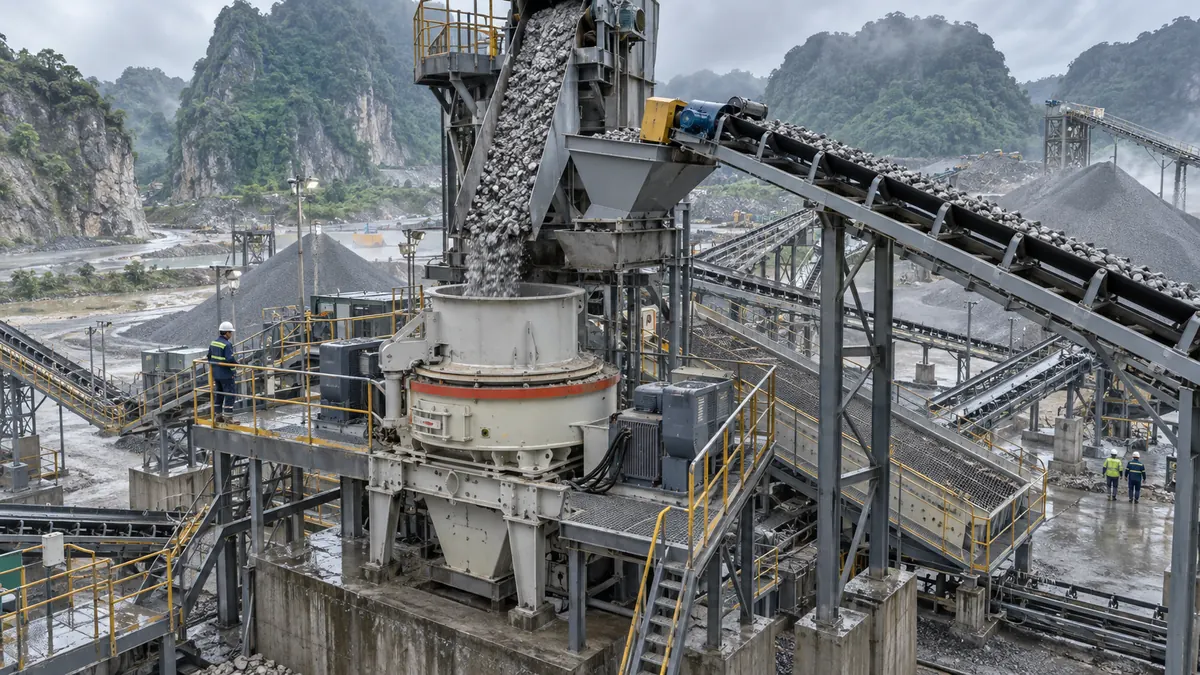
VSI Crusher Cascade Feed: How to Set Bypass Ratio for Sand Shape, Capacity, and Wear
A practical buyer guide to selecting and testing VSI cascade-feed settings without relying on a universal bypass ratio.
-
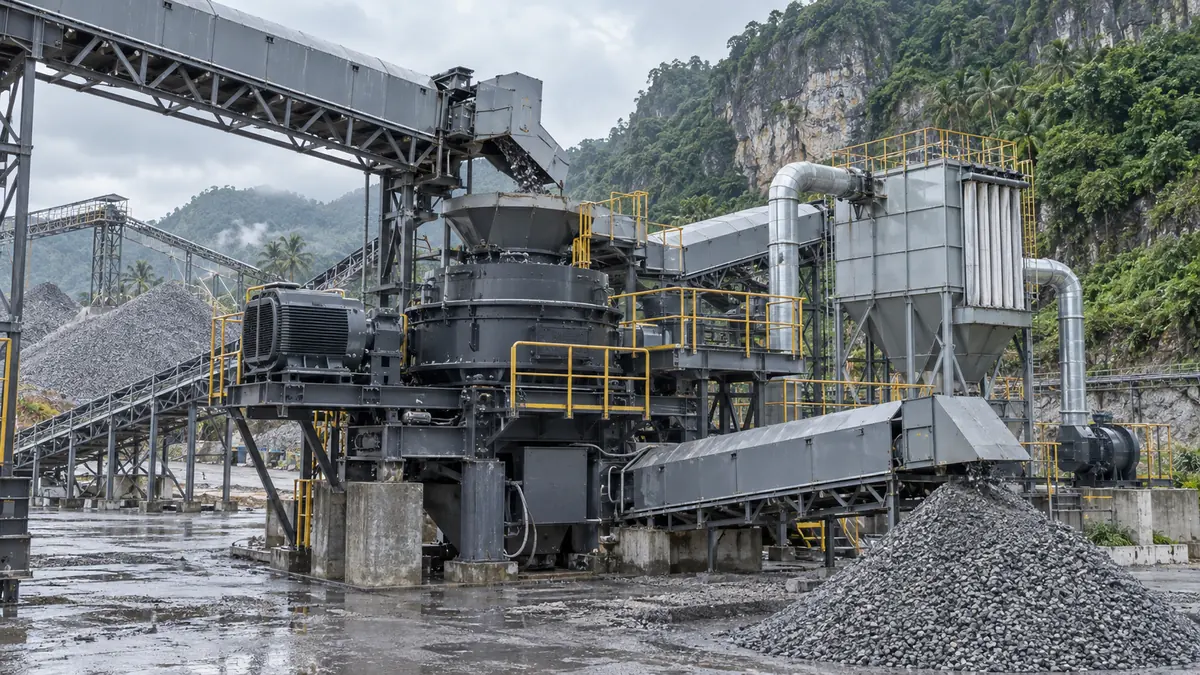
VSI Crusher Dust Control: How to Manage Airflow, Fines, and Housekeeping
A practical buyer guide to controlling dust around a VSI crusher through process stability, enclosure design, airflow, collection, water use, and safe housekeeping.
-
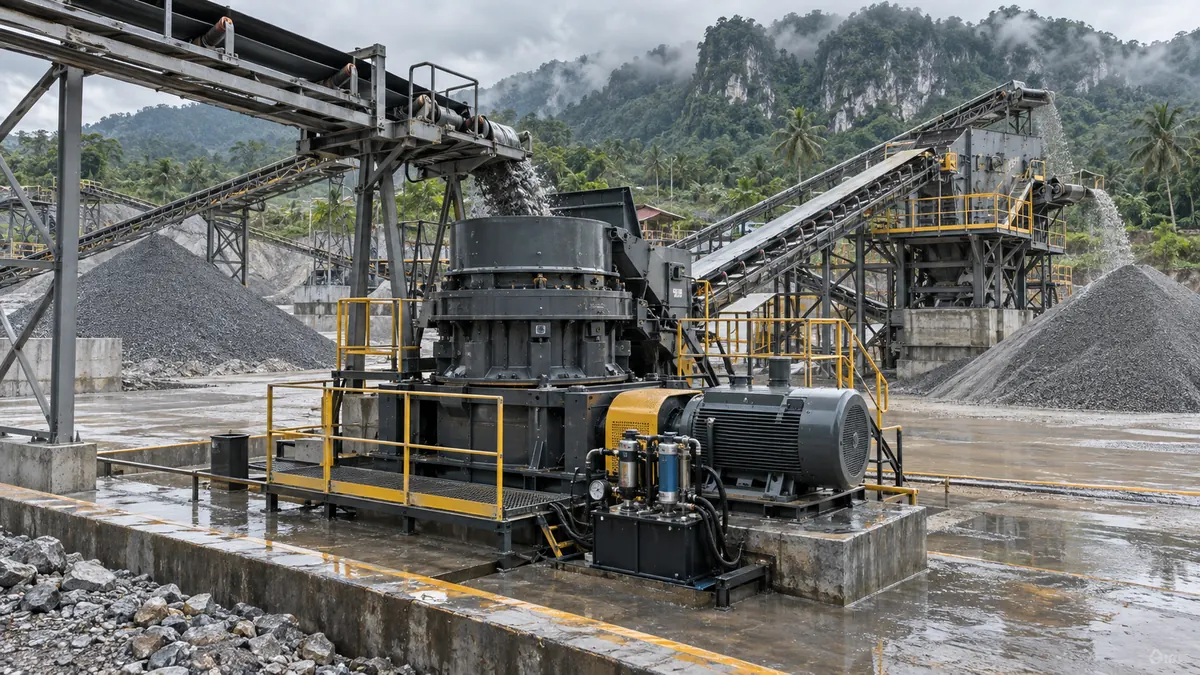
VSI Crusher Bearing Temperature: Lubrication Checks, Alarm Limits, and Failure Prevention
A practical buyer guide to VSI crusher bearing-temperature monitoring, lubrication-system checks, alarm philosophy, commissioning data, and the information needed for a reliable supplier proposal.
-
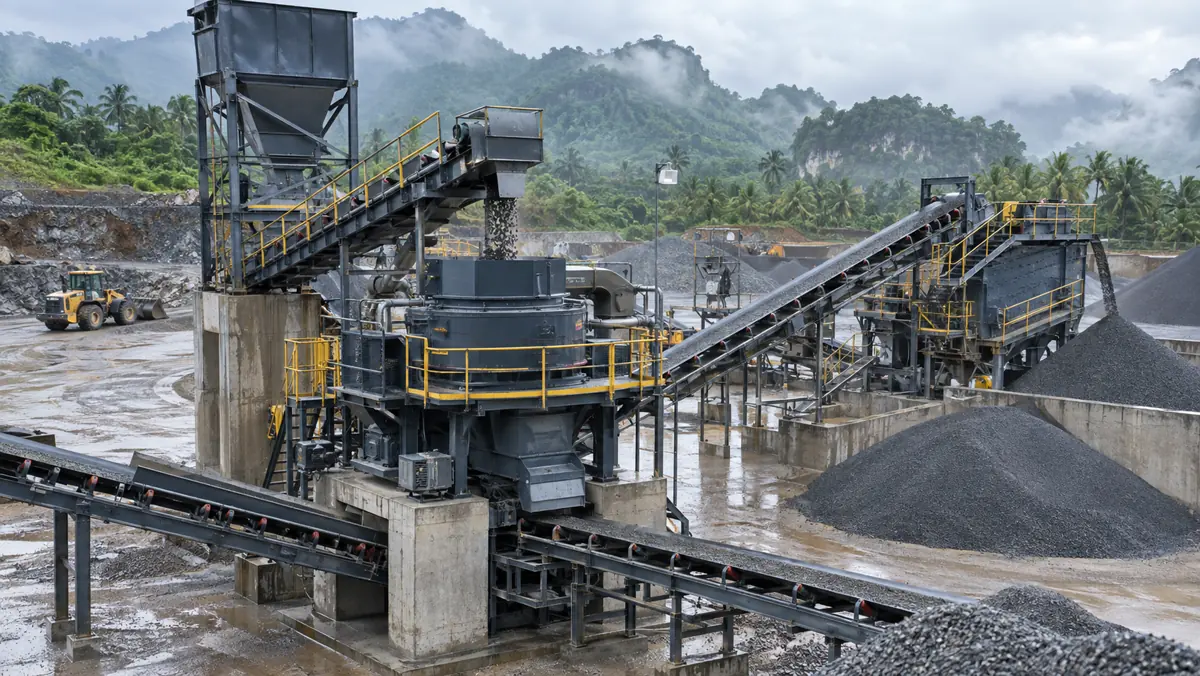
VSI Crusher Feed Rate: Avoid Overloading, Low Throughput, and Unstable Sand
A practical buyer guide to setting a stable VSI crusher feed rate: what to measure, how feed loading affects throughput and product quality, and what a supplier should include in the control scope.
-
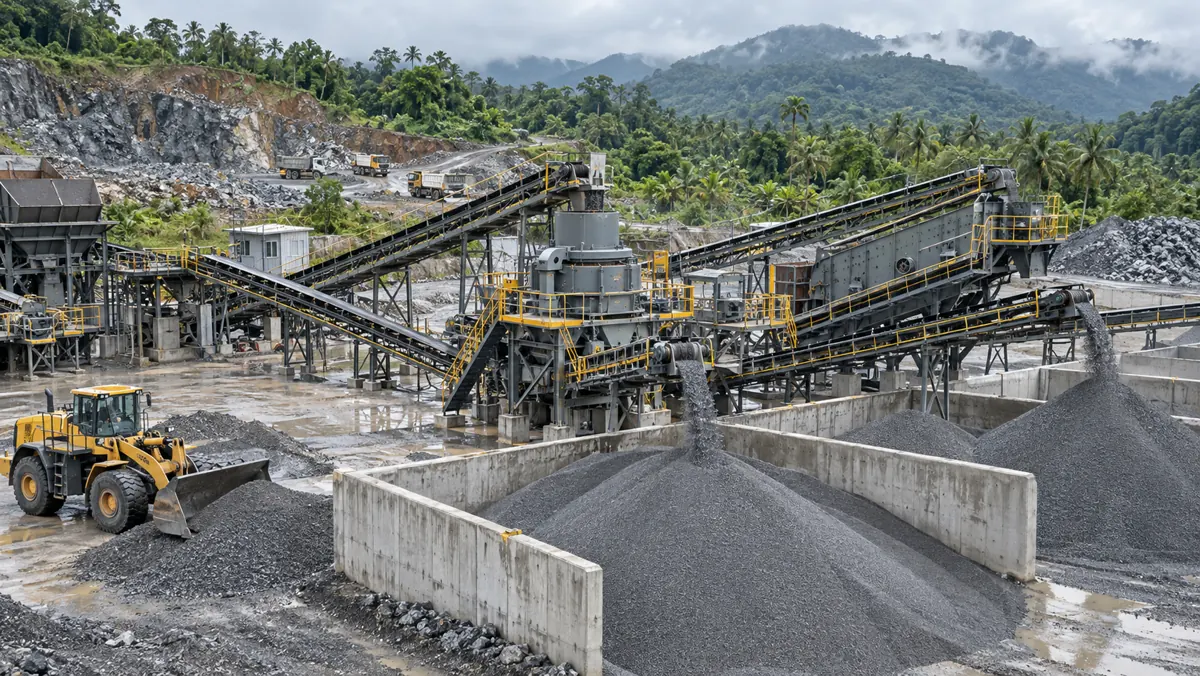
VSI Crusher Sand Grading: Control 0-5 mm Fines and Fineness Modulus
A practical buyer guide to controlling manufactured-sand grading from a VSI circuit: what the crusher can influence, what the screen must control, and what to ask suppliers to state in writing.
-
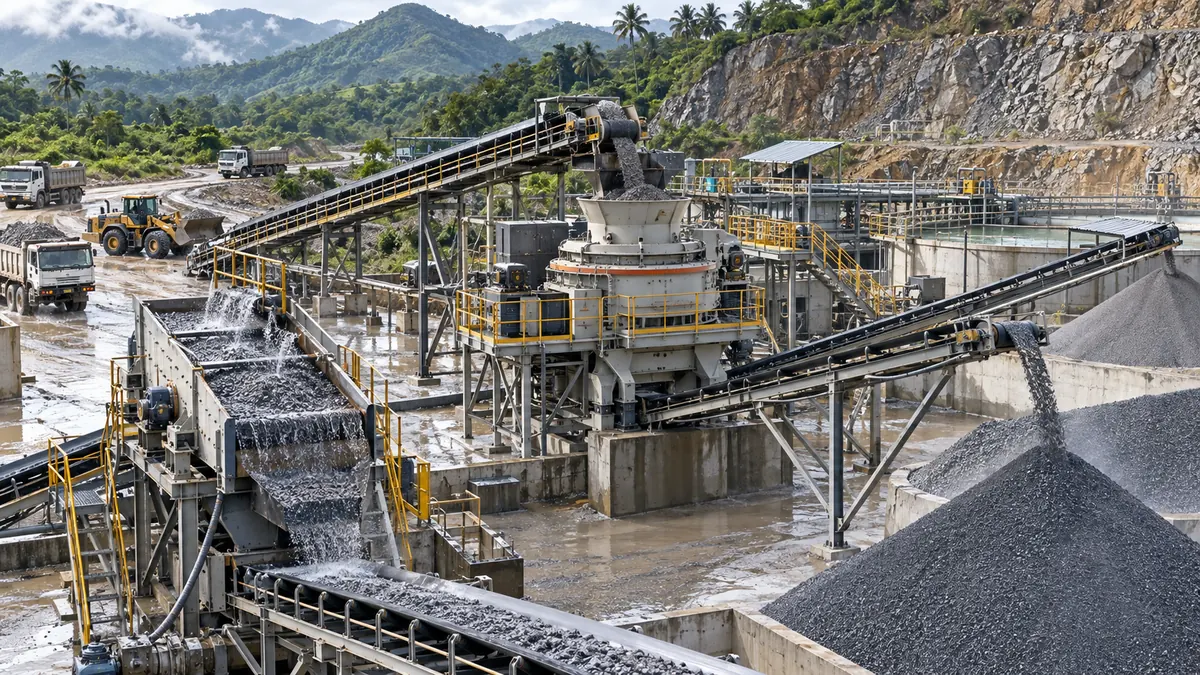
VSI Crusher With Wet Feed: Pre-Screening and Washing Guide
A VSI can process prepared material with some surface moisture, but wet, sticky, or clay-contaminated feed needs a circuit decision before it reaches the rotor. This guide shows how to decide between drainage, scalping, washing, and a different process route.
-
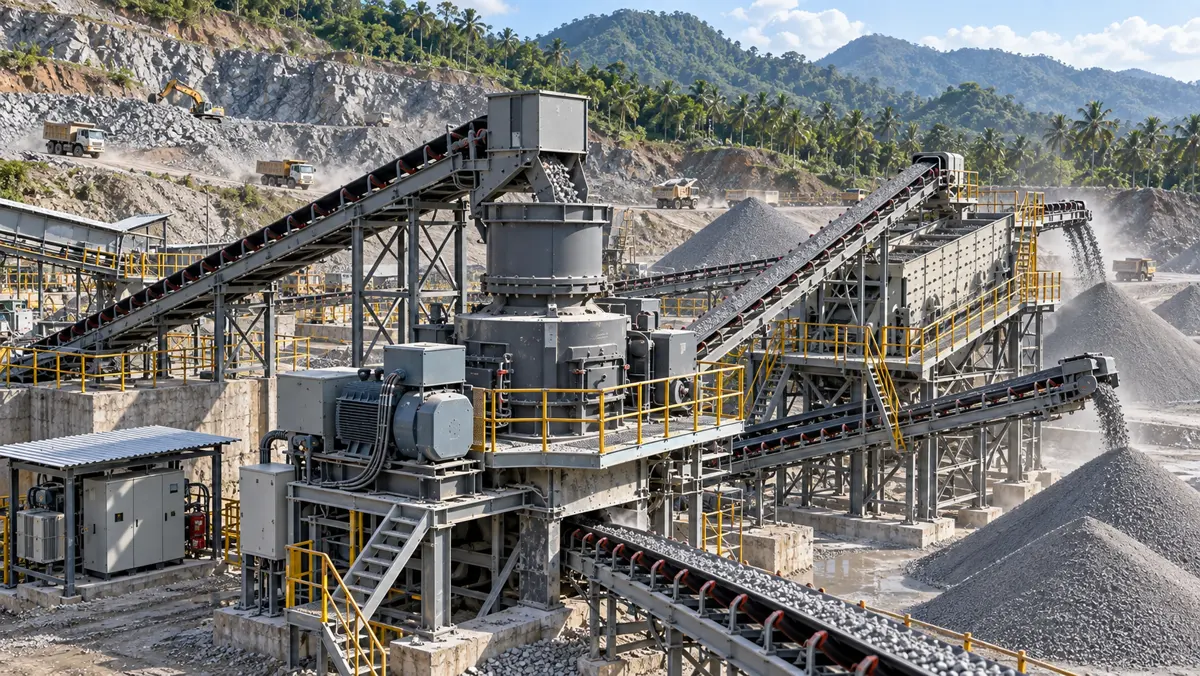
VSI Crusher Closed-Circuit vs Open-Circuit: When Does a Sand Plant Need a Screen?
A closed-circuit VSI plant is justified when the buyer needs controlled sand grading, less oversize in the final product, and a clear separation between saleable material and return load. This guide explains when the extra screen and conveyor earn their place.
-
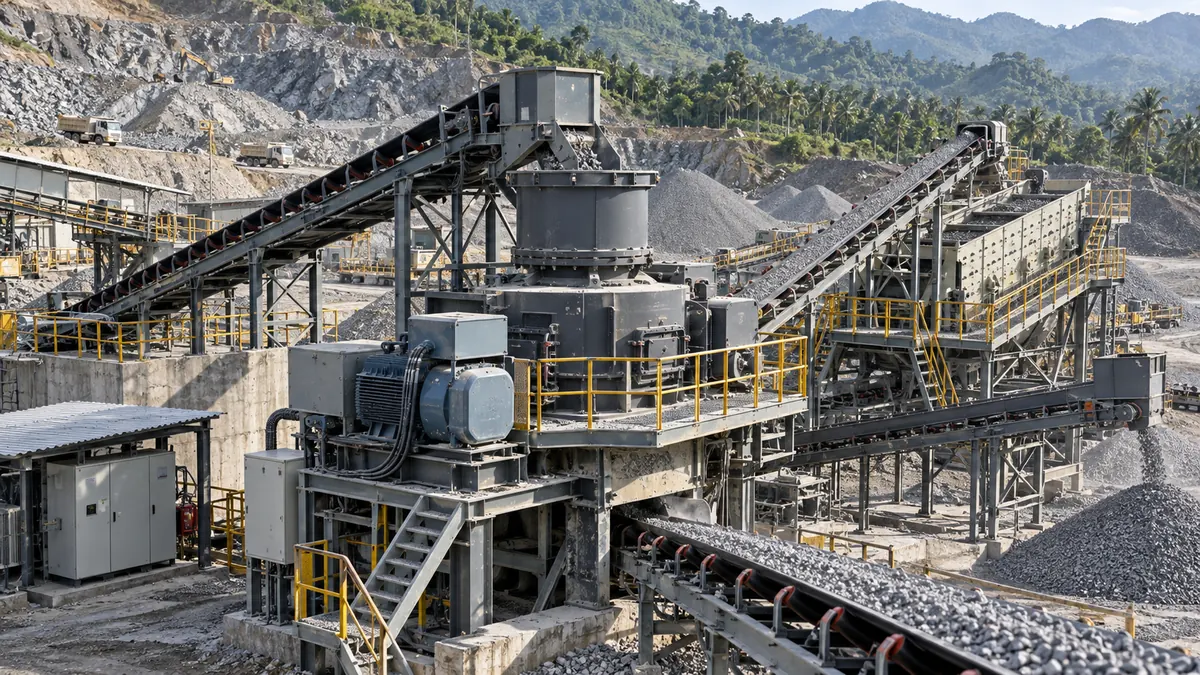
VSI Crusher Power Consumption: How to Compare kWh per Ton and Choose a Motor
A useful VSI power comparison starts with kWh per tonne under stated feed and product conditions—not a motor nameplate alone. This guide shows what to measure, what to request in a quotation, and how to avoid an oversized or under-specified drive.
-
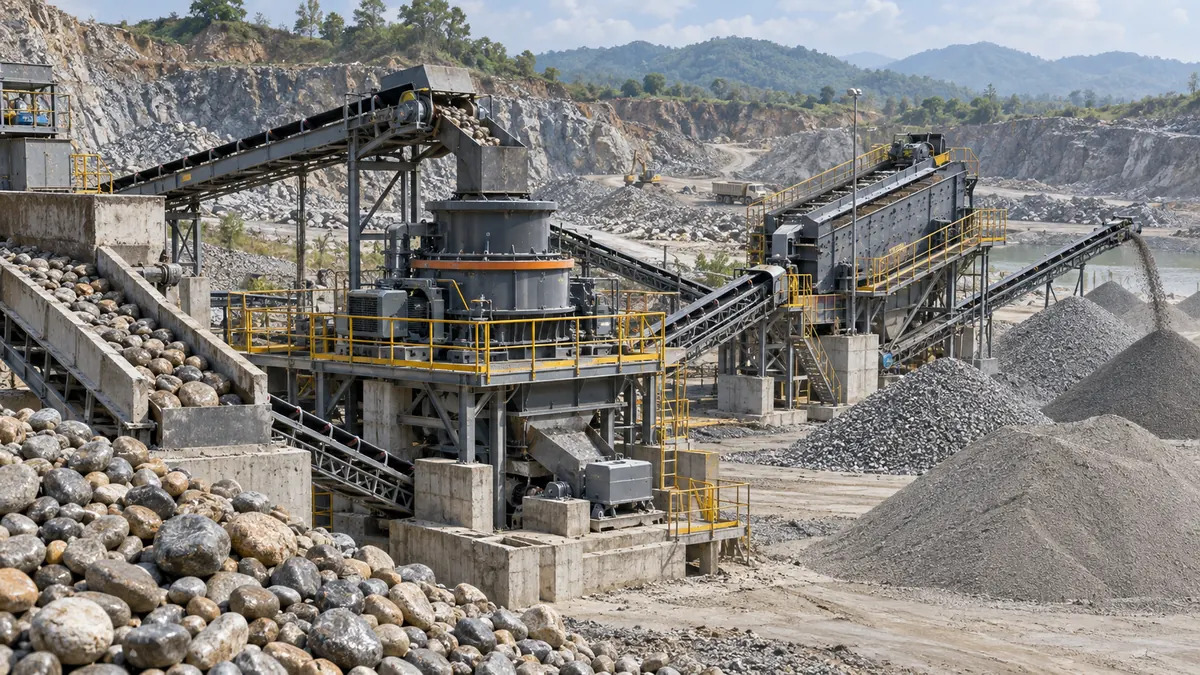
VSI Crusher for River Stone: How to Configure a Concrete Sand Plant
A VSI can turn correctly prepared river stone into shaped aggregate and concrete-sand feed, but the result depends on controlled feed, a matched screen circuit, moisture management, and a verified product specification—not the VSI alone.
-
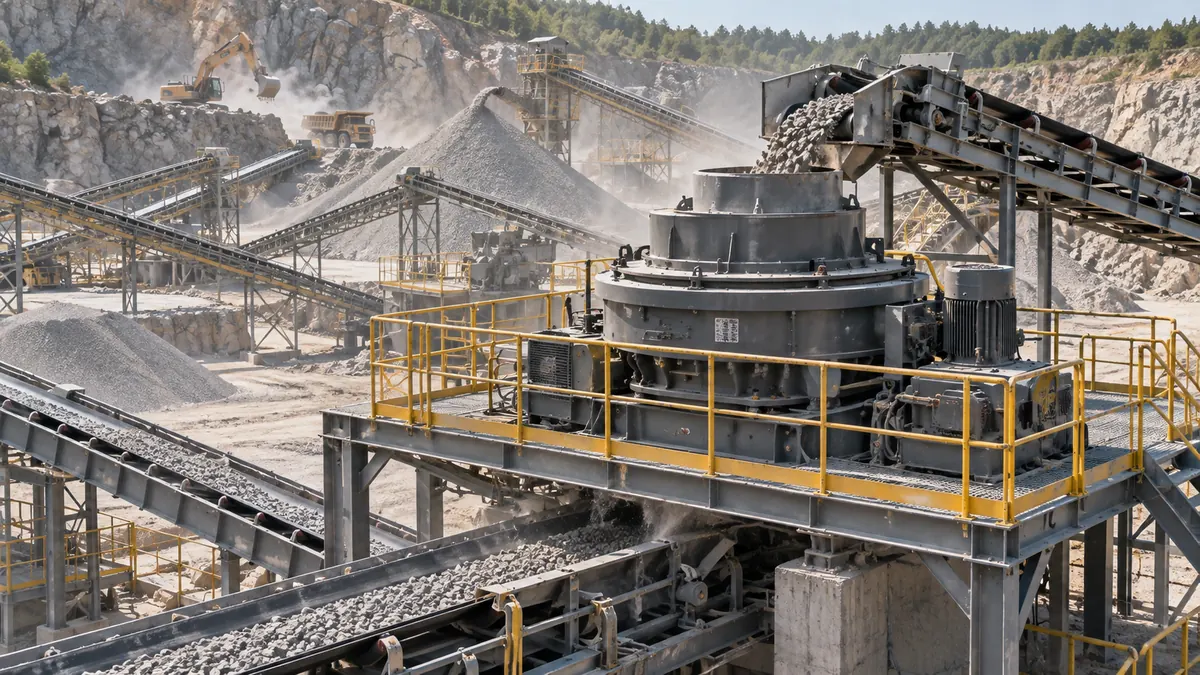
VSI Crusher Rotor Speed: How to Balance Sand Shape, Capacity, and Wear
VSI rotor speed should be set from the material, feed grading, target sand specification, and selected rotor system—not raised simply to chase more tonnes. This guide gives buyers a practical way to define and test the right operating window.
-
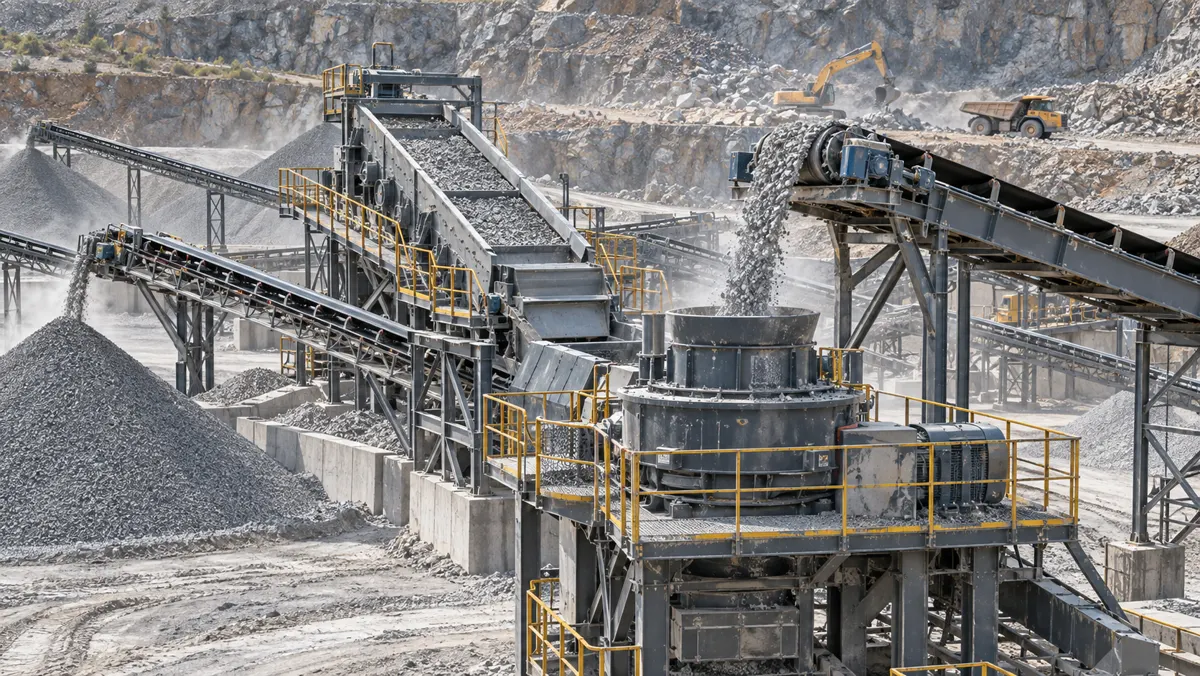
VSI Crusher Feed Size: How to Control Screening for Better Manufactured Sand
VSI crusher feed size is a circuit-design issue, not just a maximum rock-size number. This guide explains screening, feed distribution, recirculation, bypasses, and the information buyers should send for a workable sand-making proposal.
-
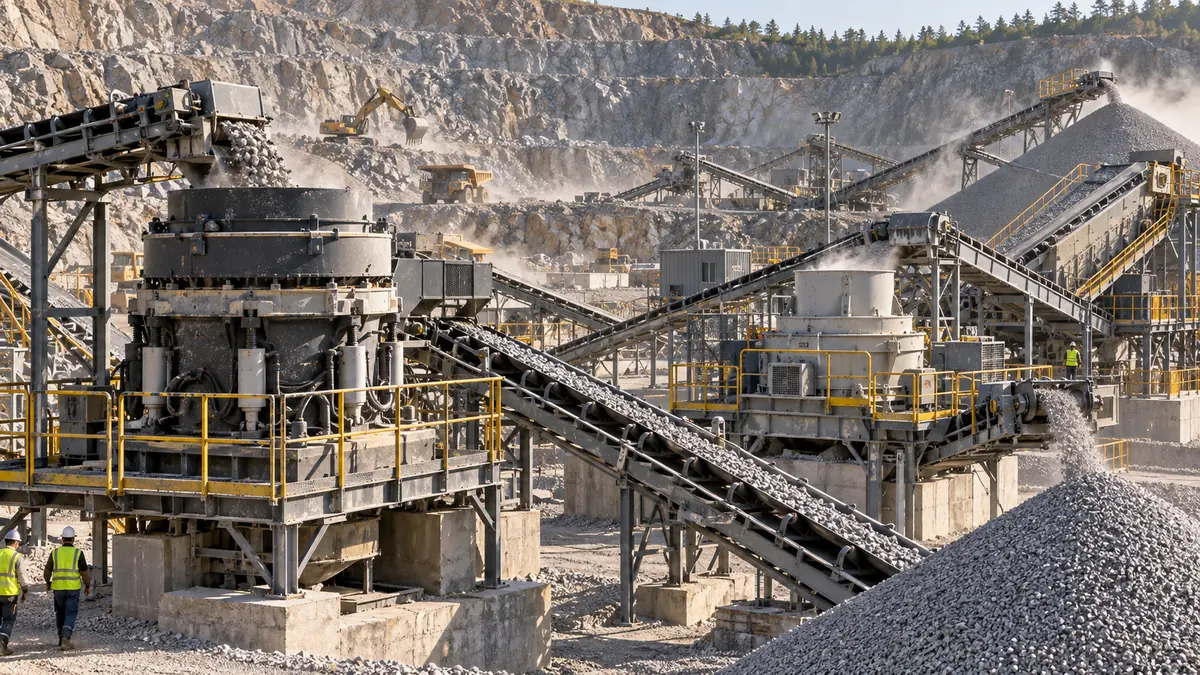
Cone Crusher vs VSI Crusher for Final-Stage Crushing: Which Should You Use?
A practical guide for aggregate producers choosing between a cone crusher and a VSI crusher for final reduction, product shaping, and manufactured sand.
-
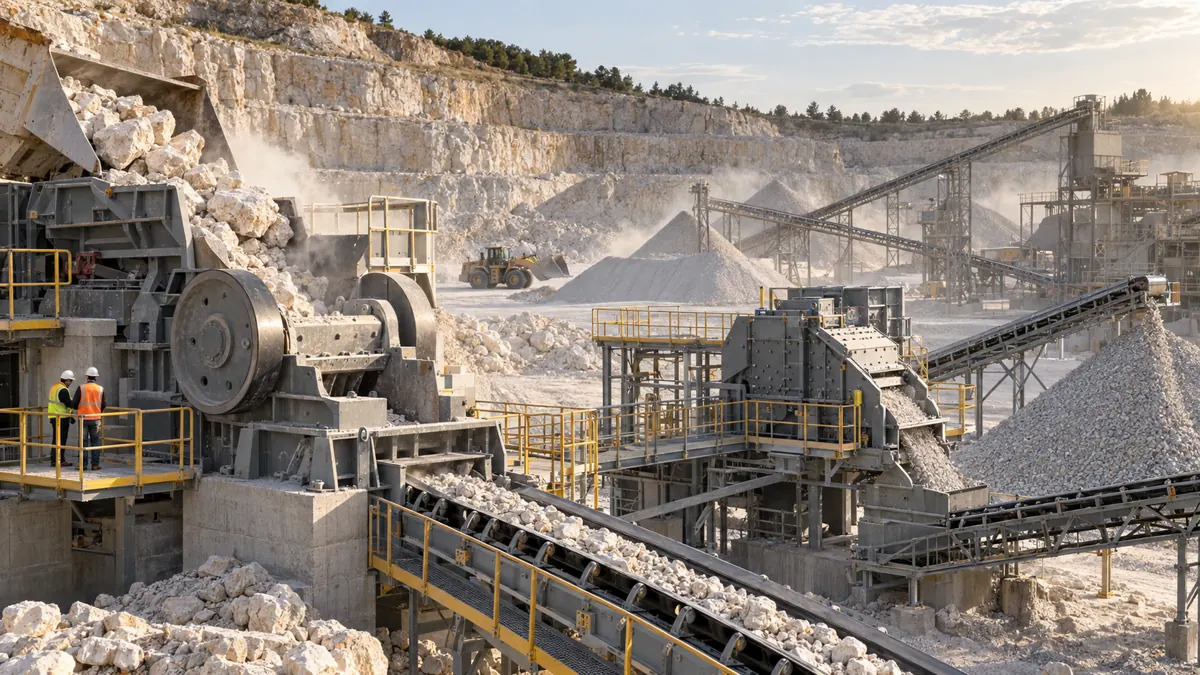
Jaw Crusher vs Impact Crusher for Limestone: Which Gives Better Results?
A practical limestone crusher-selection guide for quarry owners comparing jaw crushers, impact crushers, and two-stage crushing circuits.
-
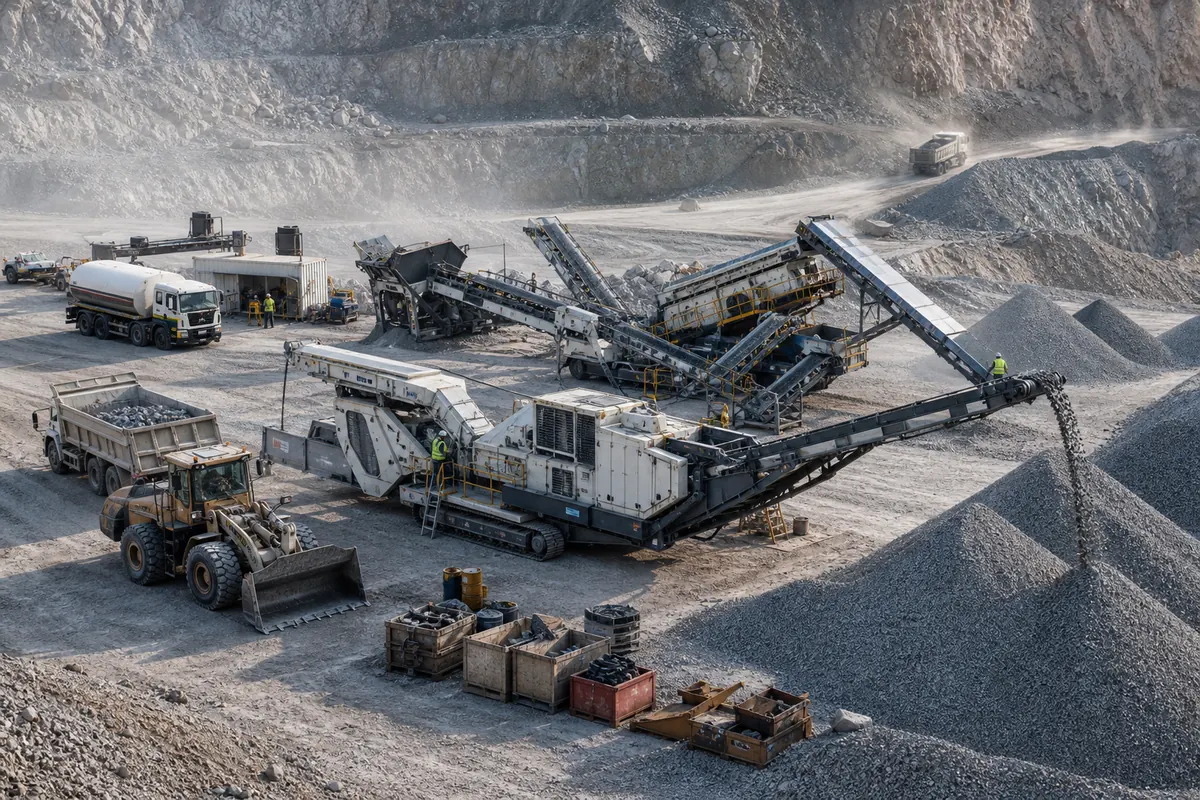
How to Calculate the Operating Cost of a Mobile Crusher Plant
This guide explains how quarry owners, contractors, and mining buyers can estimate mobile crusher operating cost per ton before comparing plant quotations.
-
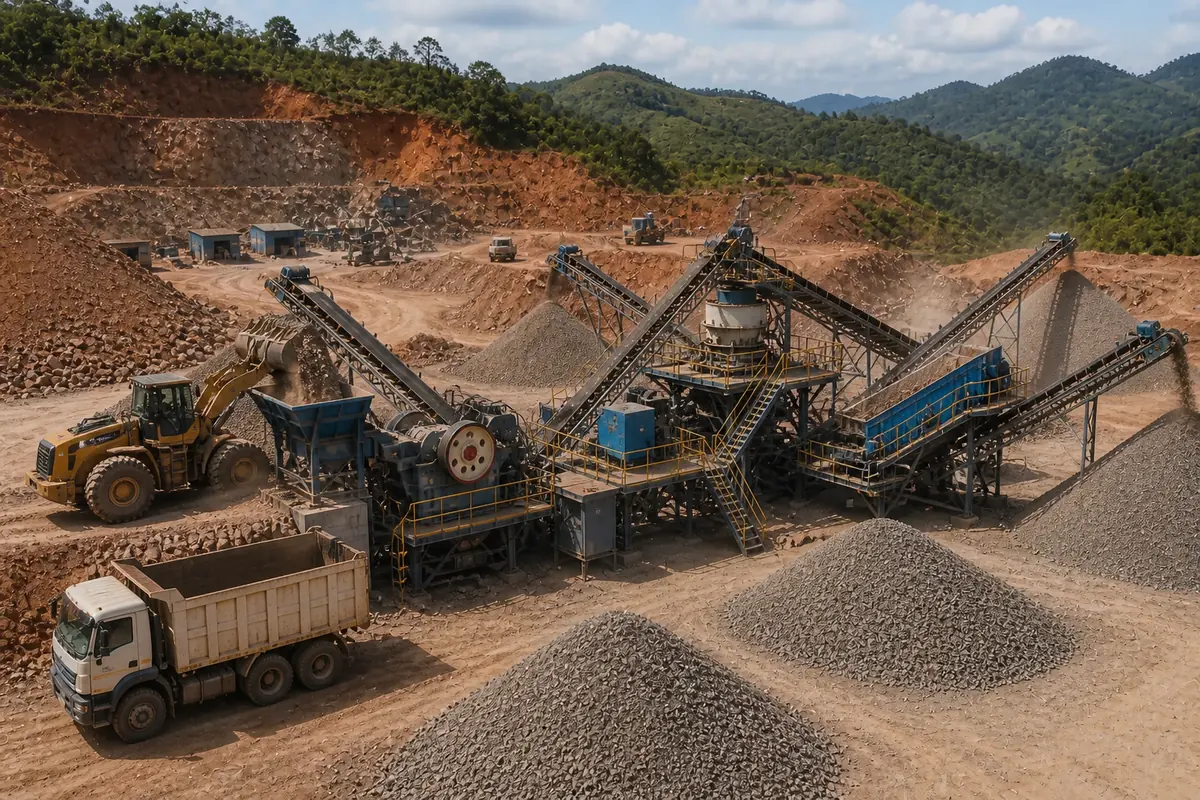
Stone Crusher Plant for Tanzania Gold Mining and Aggregate Production
This guide explains how Tanzanian mining operators, quarry owners, and contractors can choose a stone crusher plant for gold ore feed preparation, road aggregate, and commercial crushed stone production.
-
allis chalmers crusher #248; 3 pies
In the world of industrial machinery, few names command as much respect as Allis-Chalmers, a legacy built on robust and innovative equipment. Among its storied lineup, the Allis-Chalmers Crusher #248, specifically the 3-pies (3-foot) model, stands as a testament to mid-century engineering excellence. This cone crusher was more than just a piece of heavy machinery;…