Table of Contents
- Why a wet-feed comparison needs more than deck size
- Give every bidder the same representative feed record
- Compare the complete material path and media options
- Agree a measurable trial and acceptance window
- Compare ownership cost and responsibilities
- Common buying mistakes
- Frequently Asked Questions
- Can a mobile screen handle wet clay-bearing aggregate?
- Does a larger screen automatically prevent blinding?
- Should the quarry wash the material?
- What sample should be sent to suppliers?
- How should suppliers state capacity?
- What should a wet-feed acceptance test record?
- What costs should be compared beyond the screen price?
- Request a Mobile Screening Proposal
How to Compare Mobile Screens for Wet, Clay-Bearing Quarry Feed
A mobile screen can be a practical choice for wet, clay-bearing quarry feed if a representative sample can be separated into the required products at the proposed feed rate and the site can manage the resulting fines, water, and cleanup. Compare suppliers against the same wet and dry feed records, product specifications, screen-media proposals, and operating window rather than the largest advertised capacity. Ask each bidder to explain how it will address blinded openings, sticky agglomerates, maintenance access, and seasonal variation. If a dry trial cannot meet the product requirement, evaluate washing or a different preparation route only after defining water supply, drainage, fines handling, and responsibility for the complete system.
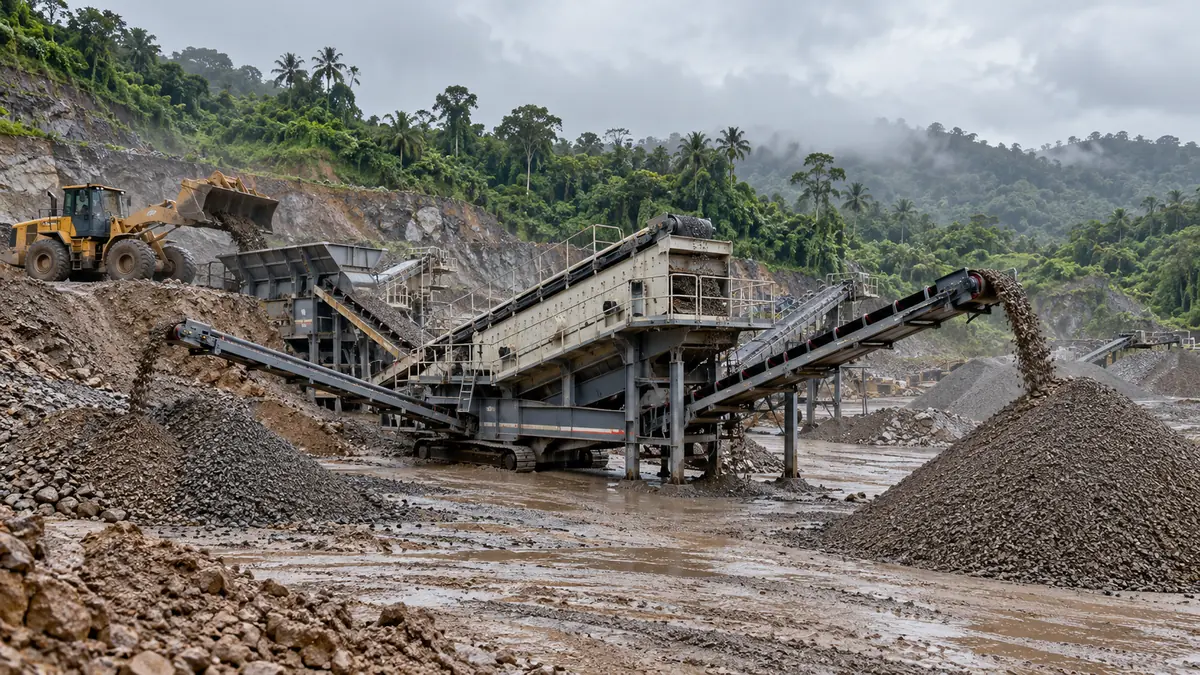
Why a wet-feed comparison needs more than deck size
Aperture and deck count matter, but they do not describe how sticky fines behave on the screen. A single headline capacity can hide differences in feed grading, moisture, clay content, loading pattern and acceptable product contamination.
Metso distinguishes blinding, where material covers openings, from pegging, where particles lodge in openings. The response depends on the actual material and media. A screen that moves between faces may solve a layout problem while leaving the wet-feed separation problem unresolved.
Use the mobile screen size and deck guide for the basic sizing questions; this article adds the test and purchase boundary for difficult feed.
Give every bidder the same representative feed record
Define the feed as a range of conditions, not a single photograph or a material name. Sample the relevant source zones and seasonal conditions with a documented method, and keep each sample identifiable; arrange competent sampling and testing appropriate to the project.
| Record | Buyer supplies | Supplier explains |
|---|---|---|
| Feed variation | Source, photos, typical and maximum lump size, grading and fines; distinguish dry and wet conditions | Which range the offer covers and which assumptions remain untested |
| Moisture and clay | Measured moisture and clay or sticky-fines observations, sampling date and variability | Expected risk of blinding or agglomeration and proposed test method |
| Duty | Feed rate and hours basis, feeding method and interruptions | Operating point and how feed variation affects the proposed duty |
| Products | Target size ranges, quality limits, intended use and testing method | Proposed deck cuts, oversize route, and product verification points |
A sample from only the driest stockpile cannot represent a rainy-season deposit. If no representative test is available, mark the proposal preliminary and agree who will obtain the missing evidence before final sizing. The feeder, crusher, screen and conveyor guide helps define upstream and downstream interfaces.
Compare the complete material path and media options
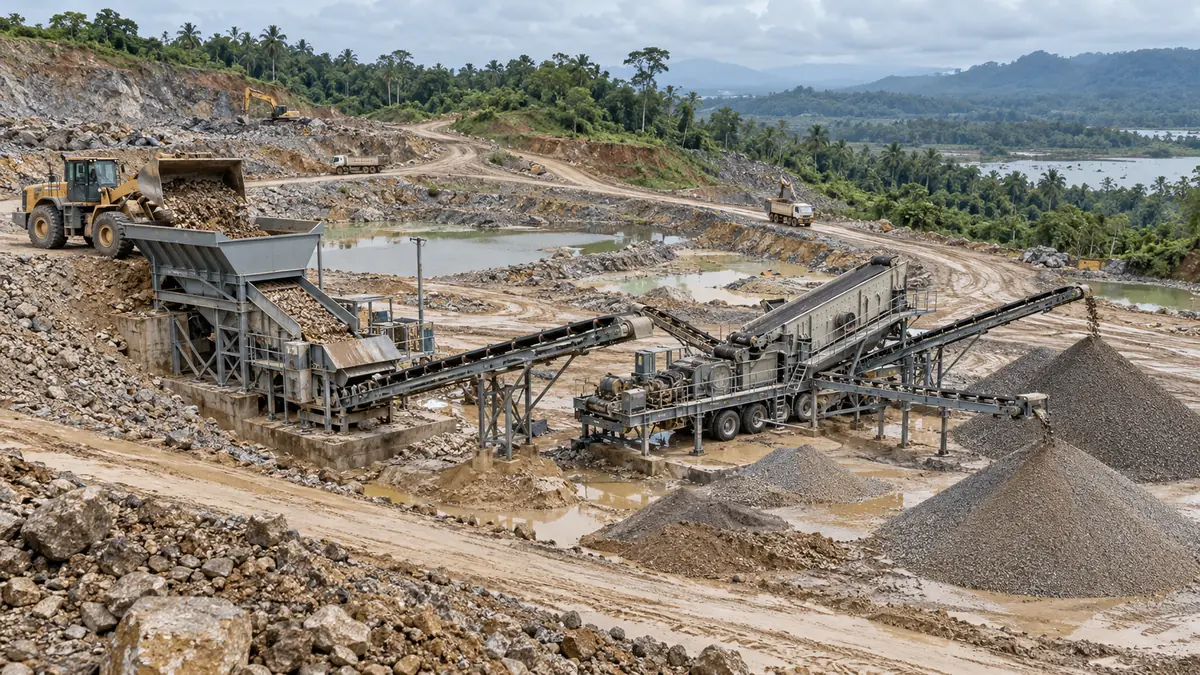
Compare the feed preparation, screening and discharge path as one scope. A scalping stage, flexible or other anti-blinding media, and a wet route are alternatives to evaluate against the material and product specification; none should be assumed to work without appropriate testing.
| Decision | Question for each bidder | Trade-off to document |
|---|---|---|
| Feed preparation | Is a scalper, grizzly or controlled feeder included and where do bypass fines go? | Removal or diversion may change product yield and handling scope |
| Screen media | What media, aperture, deck layout and cleaning provisions are proposed for each cut? | Separation, wear, replacement time and blinding risk depend on feed and media |
| Dry or wet route | What evidence supports dry screening; if wet processing is proposed, what water and fines system is included? | Water, drainage, slurry or fines management and product moisture become project interfaces |
| Material handling | Where do oversize, undersize and recirculation go, and who supplies transfer equipment? | Conveyors, stockpile clearance and downstream crusher or wash plant may limit the circuit |
| Mobility and access | What relocation, setup, power, guarding and maintenance access are assumed? | Moving equipment between positions does not eliminate supporting site work |
The Metso screening handbook explains that sticky fines and moisture can make screening difficult, and discusses media and water as application-dependent responses. The US EPA crushed-stone process description illustrates screening, recirculation and cases where washing is needed. Neither establishes the right configuration for this particular quarry.
Agree a measurable trial and acceptance window
A useful trial states what is fed, how the plant is operated, what is sampled, and who decides whether the result meets the contract. Agree these details before ordering; laboratory screening or a supplier trial may inform selection, while a site acceptance test should reflect the contracted duty.
- Identify material source, sample preparation, moisture range, feed grading and any exclusions. Record how representative the test is of normal and difficult operating conditions.
- Define the feed rate and measurement points, run duration, stabilization period, operating settings, media condition and permitted interruptions.
- Collect feed and each product using an agreed sampling protocol; measure grading and any contractual cleanliness or contamination criteria using the specified methods.
- Record screen blockage or cleanup events, downtime and operating observations using agreed definitions. Document weather, water and changes of settings.
- Name the witness, laboratory, acceptance limits, retest procedure and allocation of corrective work if results do not meet the agreed criteria.
A short clean-feed demonstration alone cannot prove performance across every wet condition. Do not promise an efficiency, throughput or cleaning interval until the parties have defined a test and acceptance basis. If crushing precedes the screen, use the crushing plant flow sheet guide to check the recirculation boundary.
Compare ownership cost and responsibilities
A lower equipment price may omit media changes, water infrastructure, conveyors or site work. Ask each bidder to price or explicitly exclude the same items, and assign responsibility for interfaces in writing.

| Cost or responsibility | Ask the supplier to identify |
|---|---|
| Screen media and wear | Initial media, spare sets, replacement procedure, expected wear assumptions and access equipment |
| Site and utilities | Power, fuel, water source, drainage, ground preparation and connections supplied by each party |
| Wet processing | Pumps, pipework, water recovery, settling or treatment, fines handling and permits where applicable |
| Delivery and startup | Transport, unloading, assembly, commissioning, operator training and travel scope |
| Support and acceptance | Parts identification, response arrangements actually offered, documentation, test witnesses and corrective-work ownership |
Estimate operating cost with the same planned hours, energy basis, maintenance assumptions and product output across bids. Do not treat an estimate as a guarantee. The mobile crusher operating cost guide provides a useful cost-accounting framework, with screening-specific media and water items added.
Common buying mistakes
The most consequential mistake is accepting a screen rating without identifying the wet feed and required product. Other avoidable gaps include treating dust suppression as a complete wash system, omitting bypass-fines disposal, assuming all suppliers include conveyors, and signing acceptance terms without a sampling method or responsible witness.
For an initial quotation, send the mobile plant buying guide information together with the test brief above. Confirm supplier support and delivery scope in the actual written offer rather than inferring local availability.
Frequently Asked Questions
Can a mobile screen handle wet clay-bearing aggregate?
Possibly, but the result depends on moisture, clay and fines, media, feed rate and the product specification. A representative test and defined acceptance window are needed.
Does a larger screen automatically prevent blinding?
No. Additional area alone does not establish that sticky fines will release from the media. Compare material preparation, media and operating conditions using representative feed.
Should the quarry wash the material?
Consider washing when dry separation cannot meet the product requirement, but first define water supply, drainage, fines handling, product moisture and the complete equipment scope.
What sample should be sent to suppliers?
Provide identifiable, representative material from relevant feed zones and wet and dry conditions, with grading and moisture information where available. Agree a suitable sampling plan with the testing party.
How should suppliers state capacity?
Require the feed condition, grading, product cuts, feed-rate and operating-hours basis, scope and test conditions behind the figure. A catalogue rating alone is not a site acceptance commitment.
What should a wet-feed acceptance test record?
Record the material source and condition, feed rate, settings, run time, product samples, agreed quality tests, blockage or cleanup events, interruptions and witness decisions.
What costs should be compared beyond the screen price?
Compare media and spares, power or fuel, setup and movement, conveyors, maintenance, water and fines systems, site work, commissioning and support under the same duty assumptions.
Request a Mobile Screening Proposal
Send MVSI your raw material, feed size, output size, capacity, site photos, and budget range. Include feed grading, wet-season moisture or clay observations, the product specification, and available sample or test records so the proposal can identify its assumptions and any further testing needed.