Table of Contents
- Quick Answer: Moisture Alone Is Not the Decision Point
- Why Wet or Clay-Contaminated Feed Changes the Whole Circuit
- Choose the Upstream Treatment From the Material Behavior
- 1. Drain and manage stockpiles when the rock is clean but wet
- 2. Pre-screen or scalp when excess natural fines are the main issue
- 3. Wash or scrub when clay is coating the aggregate
- 4. Change the process route if the material does not feed reliably
- A Practical Configuration for Wet-Feed Manufactured Sand
- What to Ask a Supplier to State in Writing
- Cost Factors That Are Easy to Miss
- Common Buyer Mistakes
- Treating all wet material as the same
- Adding washing without a water and fines plan
- Using an unrepresentative dry sample
- Solving unstable feed by increasing crusher duty
- FAQ
- Can a VSI crusher run with wet feed?
- Does wet feed always require a washing plant?
- Why does clay cause problems in a VSI sand plant?
- Should fines be removed before a VSI crusher?
- What equipment can prepare clay-contaminated aggregate?
- Will a larger VSI solve sticky feed problems?
- What data should I send for a wet-feed VSI quotation?
- How should I compare wet-process proposals?
- Get a Wet-Feed VSI Circuit Recommendation
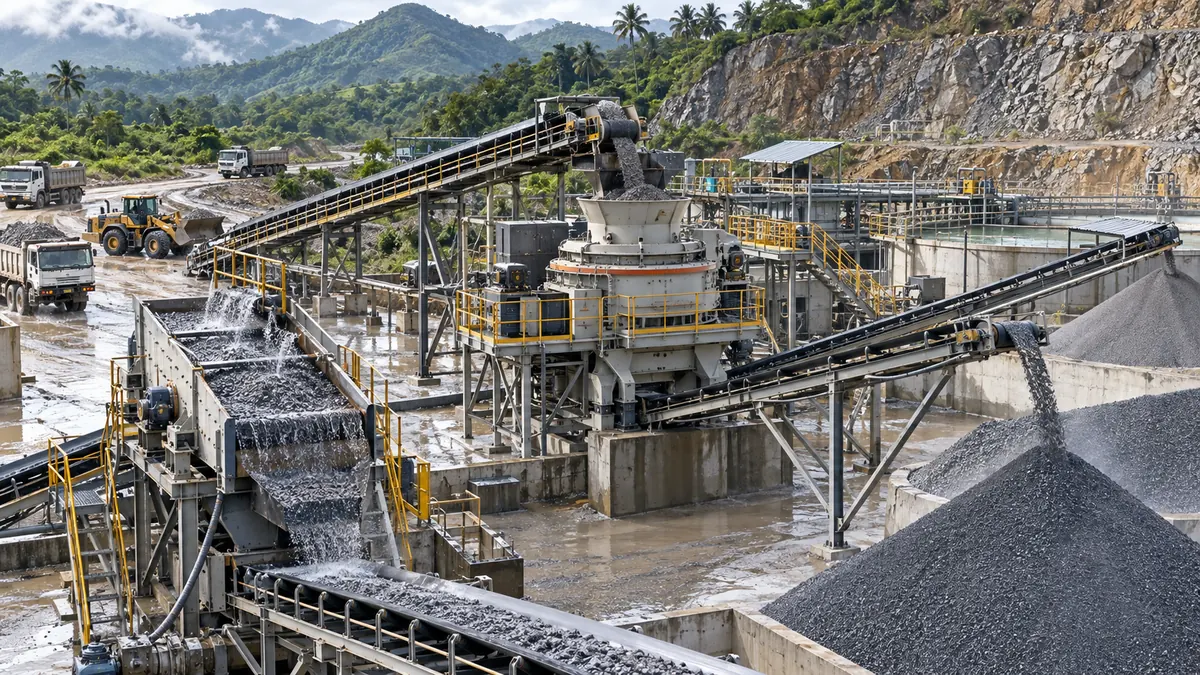
A VSI crusher can process aggregate with some surface moisture when the feed is sized, free-flowing, and delivered evenly. It is not a good place to solve sticky clay, uncontrolled natural fines, or a wet material-handling problem. If wet feed coats screen media, bridges a hopper, plugs a chute, or arrives with variable fines, address that condition upstream with drainage, scalping, washing, or a revised circuit before selecting the VSI duty. The practical decision depends on rock type, moisture and clay behavior, feed-size distribution, target sand grading, available water, fines-disposal route, and operating hours. Start with representative material and define the product you need to sell; then decide which material reaches the rotor and which should be removed first.
Quick Answer: Moisture Alone Is Not the Decision Point
Do not reject a VSI proposal simply because the feed is not completely dry. Surface moisture can be manageable when material remains free-flowing and the upstream screen, feeder, chutes, and conveyors deliver a stable, correctly sized feed. The bigger risk is sticky contamination or variable fine material that changes how the line handles and classifies aggregate.
| Material condition at the plant | Practical first response | Why it matters before the VSI |
|---|---|---|
| Clean crushed stone with limited surface moisture | Provide drainage, covered transfer points where useful, and steady feeding. | The concern is stable flow and safe housekeeping, not automatically adding washing equipment. |
| Wet material with a defined undersize fraction | Use a scalping or pre-screening stage and handle removed fines separately. | Natural fines can overload a final screen and change manufactured-sand grading. |
| Sticky clay coating stone or forming lumps | Trial washing, scrubbing, or another upstream preparation method. | Clay can blind screens, plug chutes, and contaminate product even when crusher throughput looks acceptable. |
| Saturated feed after rain or from a wet pit | Review stockpile drainage, surge time, feeder extraction, and screen capacity. | Water can make the same rock behave differently across shifts or seasons. |
| A washed sand product with a defined fines limit | Design crushing, classification, water recovery, and dewatering as one route. | Washing introduces slurry, water balance, and tailings responsibilities that cannot be added as an afterthought. |
The right answer may be a dry-prepared VSI plant, a wet-screening and washing circuit, or a delay until the feed condition is understood. It should never be a promise that one crusher can neutralize every wet-feed problem.
Why Wet or Clay-Contaminated Feed Changes the Whole Circuit
The VSI is only one part of the line. Wet material first affects the hopper, feeder, transfer chutes, conveyors, and screens. When material is sticky, it can build up in pockets, distribute unevenly across a screen, and enter the crusher in an uncontrolled mix of stone, fines, and clay. That makes capacity, wear, sand grading, and product sampling less reliable.
Clay requires special attention because it can coat rock particles. A pile can look like clean aggregate while the surface coating changes the screen cut, raises the fraction passing with water, or carries unwanted fines into finished sand. A visual inspection should be supported by representative samples taken from normal production—not only from a dry surface pile.
For the upstream sizing discipline that protects the rotor, see our VSI feed-size and screening guide. For the final product-control question, compare closed-circuit and open-circuit VSI sand plants.
Choose the Upstream Treatment From the Material Behavior
1. Drain and manage stockpiles when the rock is clean but wet
If crushed rock is clean and free-flowing, start with basic material management. Grade the stockpile base so water drains away, avoid pushing mud into the feed pile, and use enough surge capacity to avoid pulling only the wettest material after a storm. Review chute angles, liners, and inspection access so operators can clear buildup safely.
This route can be appropriate when site trials show that the feeder and screens still run consistently and the final product meets its grading. It is not a substitute for washing when clay is actually present.
2. Pre-screen or scalp when excess natural fines are the main issue
Pre-screening removes a known undersize fraction before the VSI. The exact cut and arrangement depend on product, feed grading, moisture, and whether undersize is saleable, stockpiled, washed, or sent elsewhere. The aim is not simply to make the crusher look more productive; it is to keep rotor feed within an agreed size and cleanliness envelope.
Pre-screening is valuable when incoming material contains variable quarry fines. It can reduce uncontrolled fines entering the shaping stage and make the final screen easier to operate. However, wet screen media can still blind, so screen selection, wash spray where justified, and cleaning access need to be discussed with the supplier.
3. Wash or scrub when clay is coating the aggregate
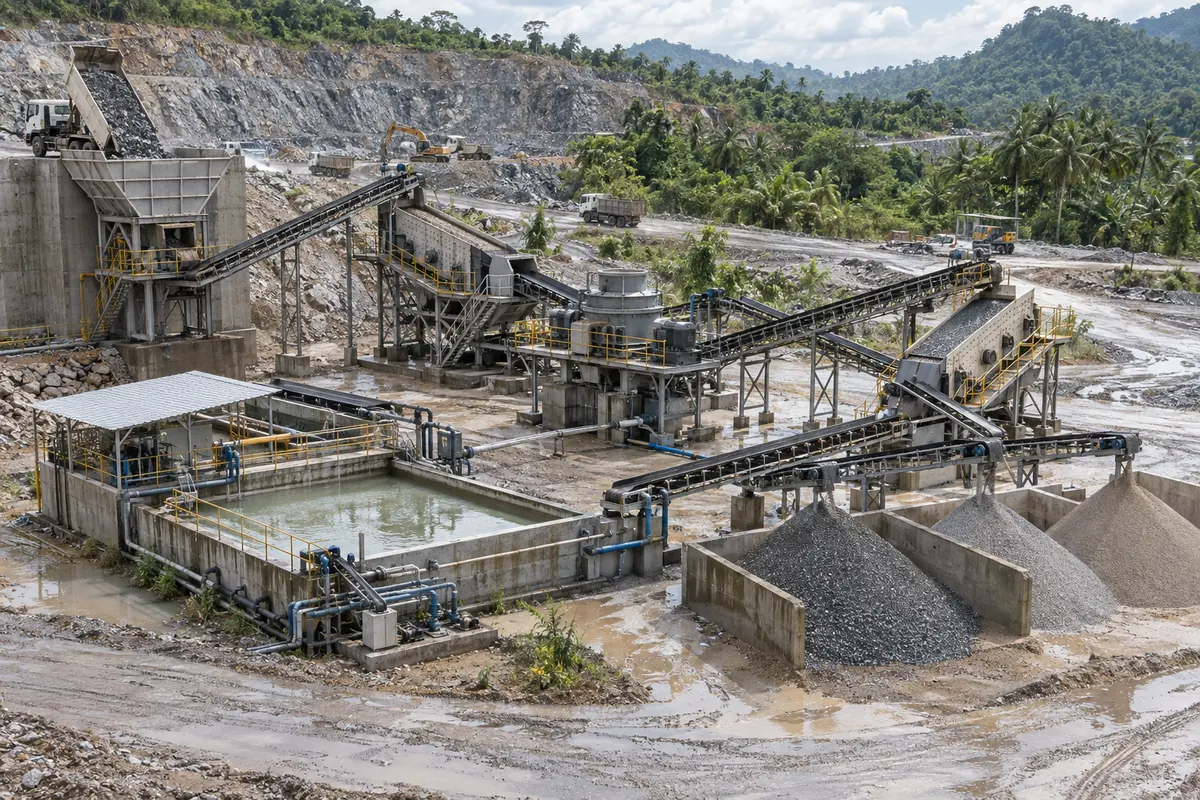
Washing is a process choice, not a decorative add-on. If clay or adhered dirt changes screening and product quality, a washer, scrubber, spray screen, or another preparation stage may be justified. The selected equipment depends on how firmly contamination adheres, stone size, available water, and where separated fines will go.
Washing creates new design questions: water supply, pumps, sumps, slurry routing, settling or recovery equipment, dewatering, and the legal or site route for fines. It may improve product cleanliness while making the plant more complex. Ask for a water and fines-handling boundary with the quotation rather than assuming those systems are included.
4. Change the process route if the material does not feed reliably
Some material is too variable or sticky for a nominal dry VSI line to operate predictably. In that case, pause the assumption that a larger feeder or a faster rotor is the answer. The right route may include more surge, a different feeder type, clay removal before crushing, a wet process section, or a plant layout that keeps muddy material separate from clean shaped aggregate.
A Practical Configuration for Wet-Feed Manufactured Sand
- Receiving and drainage: avoid mixing clean aggregate with mud and allow water to leave the stockpile base.
- Controlled extraction: use a feeder suited to lump size and flow behavior, with safe inspection and cleanup access.
- Scalping or pre-screening: remove the fraction that should not enter the VSI, based on the required rotor feed and product route.
- Preparation or washing where trials justify it: manage clay and contamination before they compromise screening and product quality.
- VSI shaping stage: feed the approved, even material stream at the selected operating duty.
- Final classification: use screens, classifiers, or washing stages to make agreed product fractions and control return load.
- Fines, water, and stockpile handling: keep products separate and define where water and removed fines are recovered, stored, or disposed of.
The final classification stage still needs to match the intended saleable output. Review how to configure a VSI for river-stone concrete sand for wider questions around feed preparation, product grading, and stockpiles.
What to Ask a Supplier to State in Writing
| RFQ item | What a useful response should clarify |
|---|---|
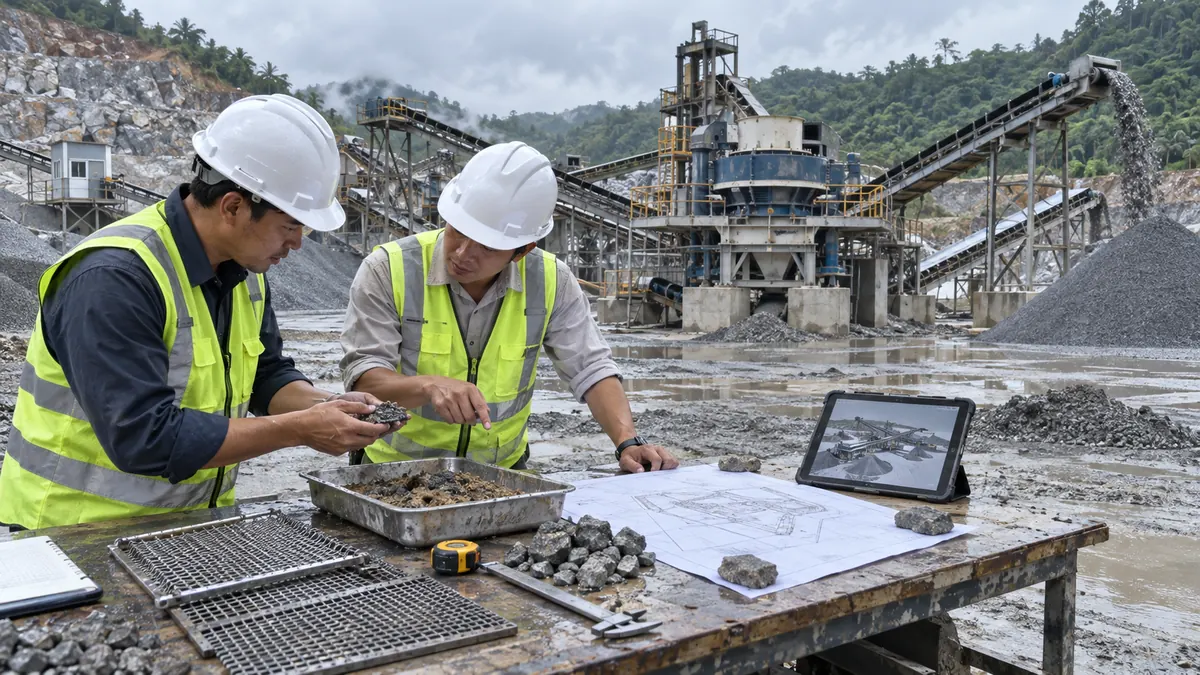
| Raw material and representative samples | Rock type, fines, visible clay, abrasion information, and expected quarry or seasonal variation. |
| Moisture and handling observation | Whether material is damp, saturated, sticky, or prone to bridging, plus where the observation was made. |
| Feed-size analysis | Maximum size and normal distribution after each upstream step, not only run-of-quarry size. |
| Target output | Required products, grading method, permissible fines or contamination, and whether washed sand is required. |
| Water and fines plan | Water availability, recycle expectation, slurry collection, dewatering, and the boundary for removed fines. |
| Capacity basis | New feed, final-screen feed, return load, operating hours, and material condition behind the stated duty. |
| Site constraints | Site photos, elevations, rainfall exposure, drainage, power, maintenance access, and budget range. |
For a comparable commercial evaluation, use the same capacity boundary across suppliers. A gross feed rate can look attractive while saleable clean sand is limited by screening, washing, water recovery, or stockpile contamination. Our VSI power-consumption guide explains why throughput boundaries matter when comparing energy and operating cost.
Cost Factors That Are Easy to Miss
The cost of addressing wet feed is rarely just the price of a screen or washer. Project scope may include drainage works, additional steelwork, spray water, pumps, electrical control, wear liners, sumps, settling area, water recovery, dewatering equipment, and disposal or reuse of removed fines. Wet processing can also change operating labor, maintenance access, consumables, and water-management duties.
Do not select the lowest nominal equipment list until the supplier states what it excludes. The sensible comparison is the installed route that can make and handle the specified product under the stated feed condition—not the smallest bare-machine price.
Common Buyer Mistakes
Treating all wet material as the same
Damp clean aggregate, saturated crushed rock, sticky clay, and wash slurry do not behave the same way. Describe the material at the hopper, screen, and stockpile, and include photos or a sample from normal operation.
Adding washing without a water and fines plan
A washer can move contamination from a stockpile to a sump; it does not remove the responsibility to manage it. Define water source, recycle route, settling, dewatering, and the site boundary for fines before committing to the configuration.
Using an unrepresentative dry sample
A laboratory sample taken after drying may miss the handling problem that causes screen blinding or bridging on site. Send representative material and documentation of normal moisture, clay behavior, and seasonal variation.
Solving unstable feed by increasing crusher duty
More rotor speed or more feed does not correct a blocked chute, uneven screen loading, or clay-contaminated feed. Stabilize preparation and classification first, then assess the approved operating condition of the VSI.
FAQ
Can a VSI crusher run with wet feed?
Yes, if the feed is correctly sized, clean enough, free-flowing, and delivered evenly. The decision should be based on material behavior at the hopper, screens, chutes, and final product—not moisture alone.
Does wet feed always require a washing plant?
No. Clean aggregate with limited surface moisture may only need drainage, controlled feeding, and suitable screen and chute design. Washing or scrubbing becomes more relevant when clay or contamination prevents reliable classification.
Why does clay cause problems in a VSI sand plant?
Clay can coat particles, blind screen media, plug transfer points, make feed uneven, and carry unwanted fines into finished product. Its impact must be evaluated with representative material and the complete circuit.
Should fines be removed before a VSI crusher?
Remove or route fines before the VSI when the feed analysis and product specification show that they would destabilize rotor feed, overload downstream classification, or compromise saleable sand grading. The selected cut must be tied to the process objective.
What equipment can prepare clay-contaminated aggregate?
Depending on the material, the route may include drainage, scalping screens, spray screens, scrubbers, washers, classifiers, pumps, sumps, dewatering equipment, and water recovery. The right equipment follows material trials, water availability, and the product requirement.
Will a larger VSI solve sticky feed problems?
Usually not. Sticky-feed problems commonly start in the stockpile, hopper, feeder, chute, or screen. Correct preparation and handling before changing VSI size or duty.
What data should I send for a wet-feed VSI quotation?
Send raw material details, photos or representative sample, maximum and normal feed size, moisture and clay observations, required output size and grading, target capacity, site photos, water and power conditions, available layout, and budget range.
How should I compare wet-process proposals?
Compare them using the same raw-material condition, product specification, capacity boundary, water and fines scope, operating hours, and supply boundary. Do not compare a bare VSI price with a fully defined preparation and washing circuit.
Get a Wet-Feed VSI Circuit Recommendation
Send MVSI your raw material photos and representative sample details, normal and maximum feed size, moisture and clay observations, required output size and grading, target capacity, site photos, water and power conditions, layout constraints, and budget range. We can help outline whether the project needs drainage, pre-screening, washing, or a different material-preparation route before the VSI. Final equipment selection should be confirmed against representative material, product acceptance requirements, and the agreed process boundary.