Author: admin
-

Stone Crusher Plant Cost: What Determines the Final Price?
Stone crusher plant cost depends on far more than crusher capacity. This guide explains the main price factors, typical configuration choices, hidden project costs, and quotation information buyers should prepare.
-
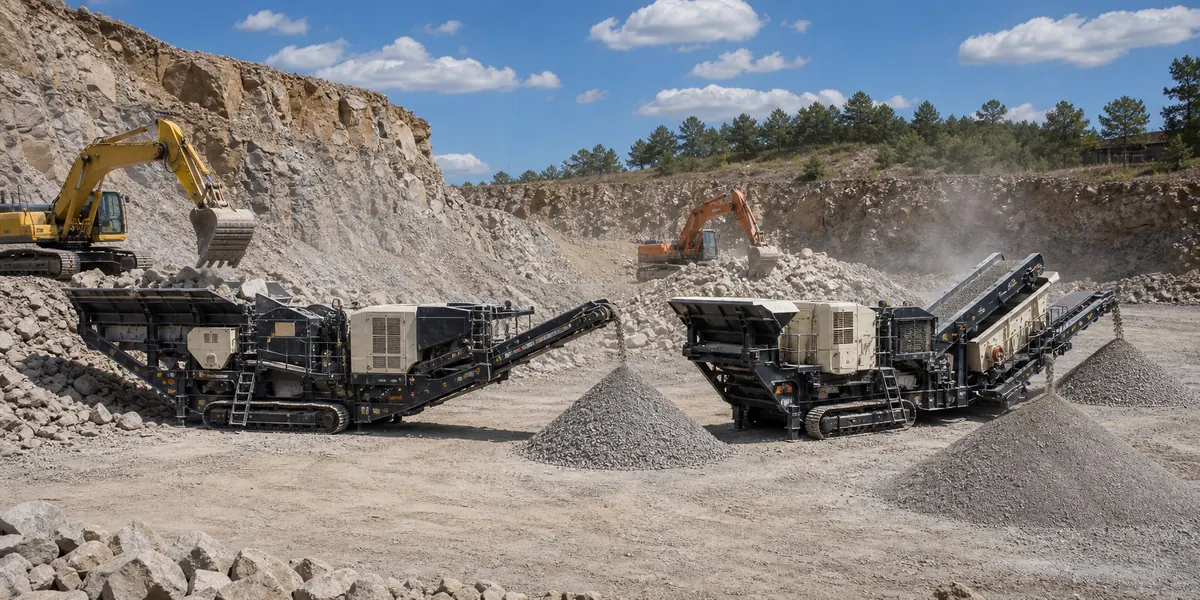
Mobile Jaw Crusher vs Mobile Impact Crusher: Which One Should You Choose?
Mobile jaw crushers and mobile impact crushers solve different crushing jobs. This guide explains when to choose each machine, how they compare in feed size, material hardness, output shape, wear cost, and project applications.
-
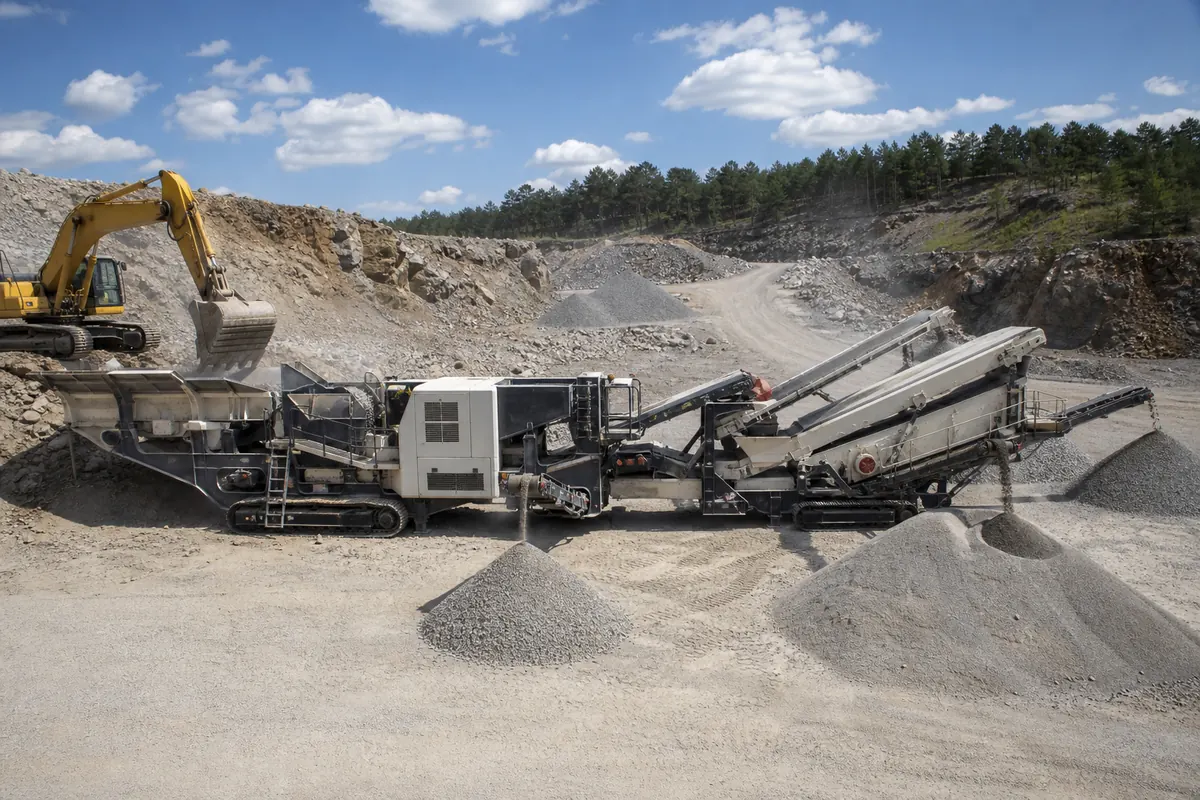
100 TPH Mobile Crushing Plant: Configuration, Cost, and Applications
A 100 TPH mobile crushing plant is commonly used for small and medium quarry, road construction, mining, and recycling projects. This guide explains typical configurations, cost factors, applications, and quotation details.
-
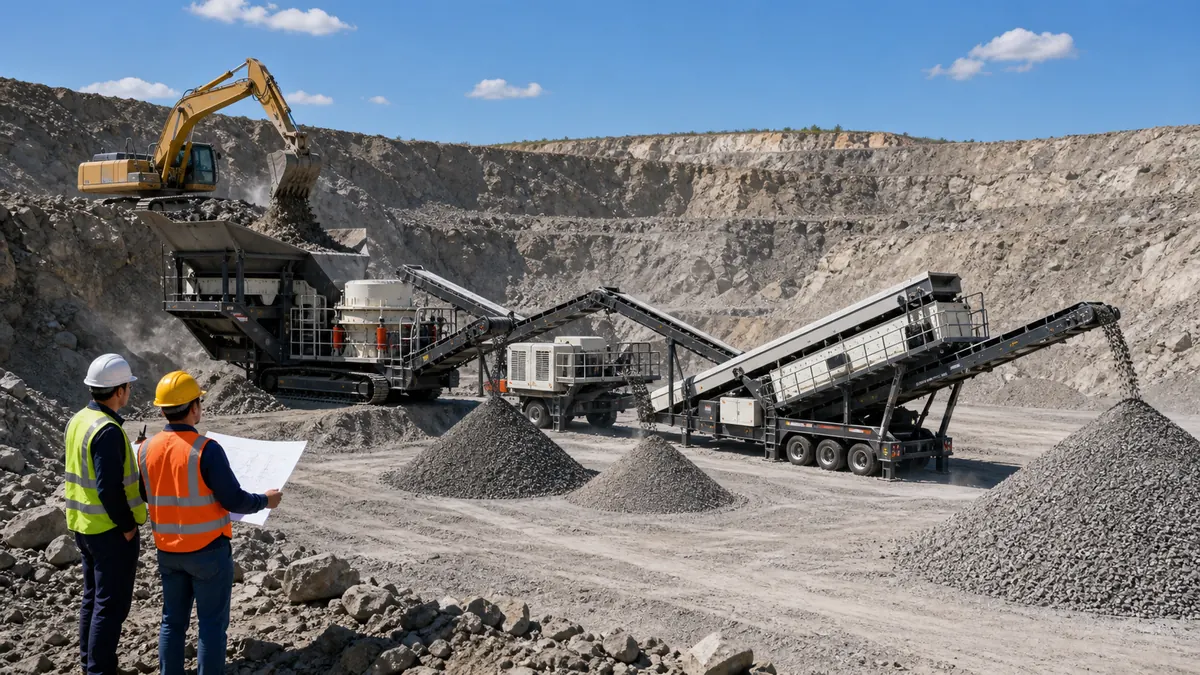
Mobile Crushing Plant Buying Guide for Quarry and Mining Projects
A mobile crushing plant should be selected by raw material, feed size, output size, capacity, mobility, power supply, site layout, final aggregate quality, and operating cost.
-
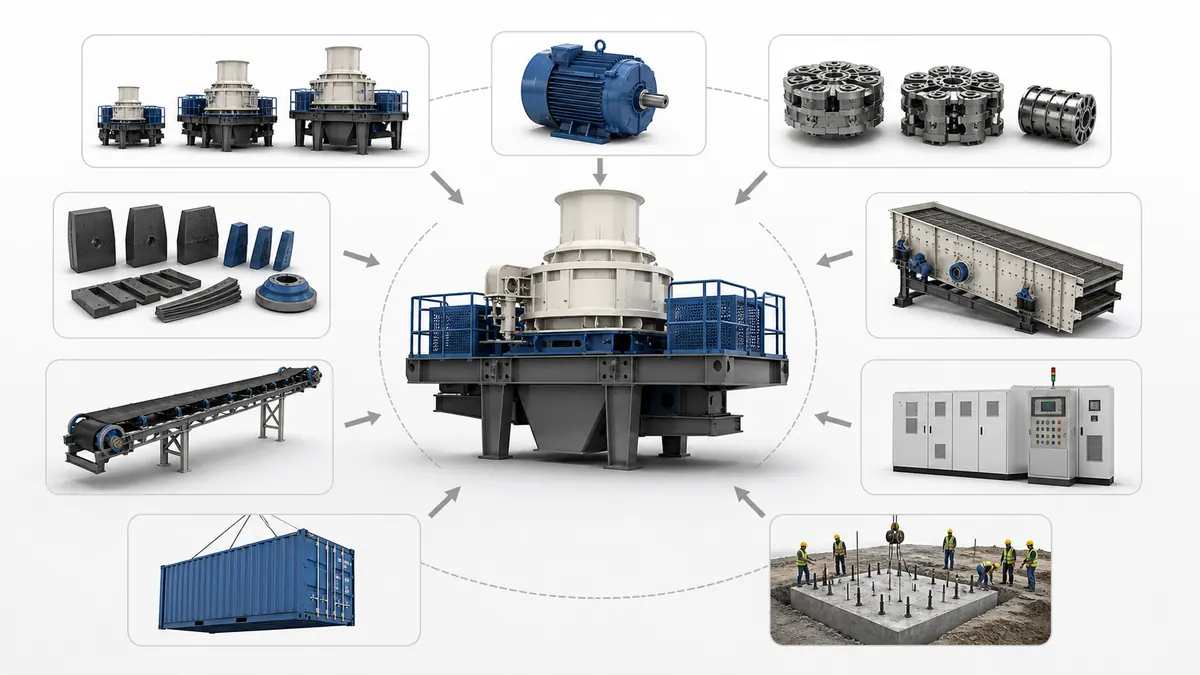
How Much Does a VSI Crusher Cost in 2026?
VSI crusher cost in 2026 depends on capacity, feed size, rock hardness, motor power, rotor design, chamber type, wear parts, control system, auxiliary equipment, shipping, and installation.
-
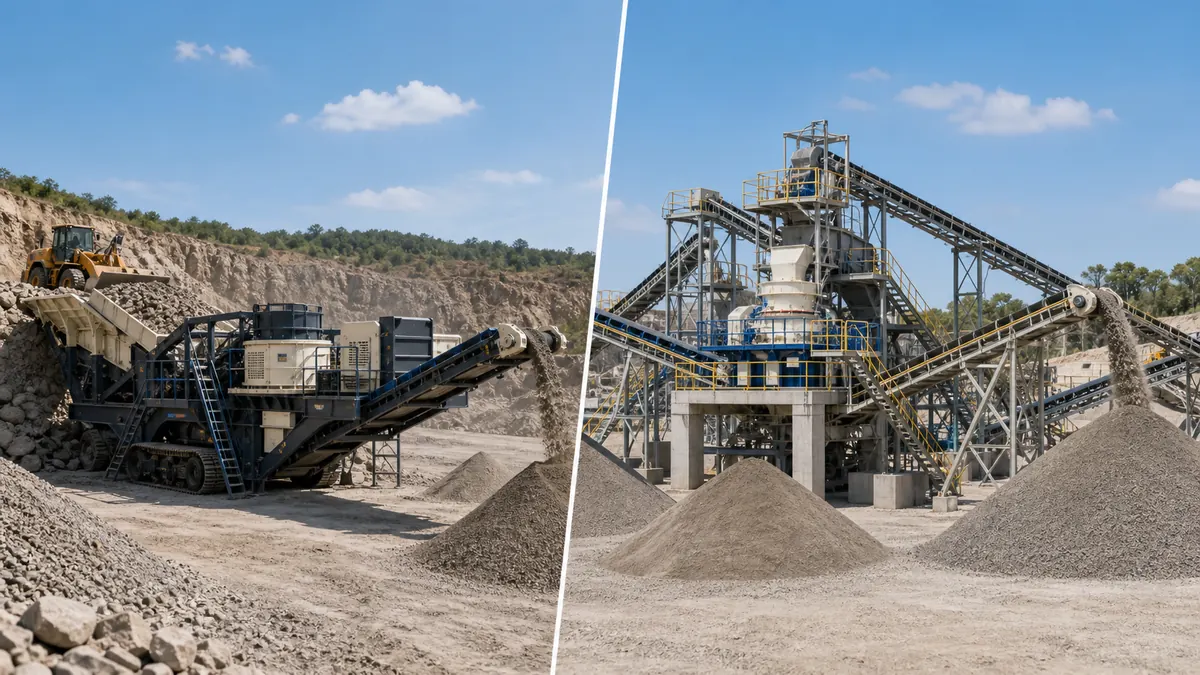
Is a Mobile VSI Crusher Better Than a Stationary Sand Making Plant?
A mobile VSI crusher is better for relocation, temporary projects, and fast setup, while a stationary sand making plant is usually better for high capacity, long-term production, and multi-product aggregate lines.
-
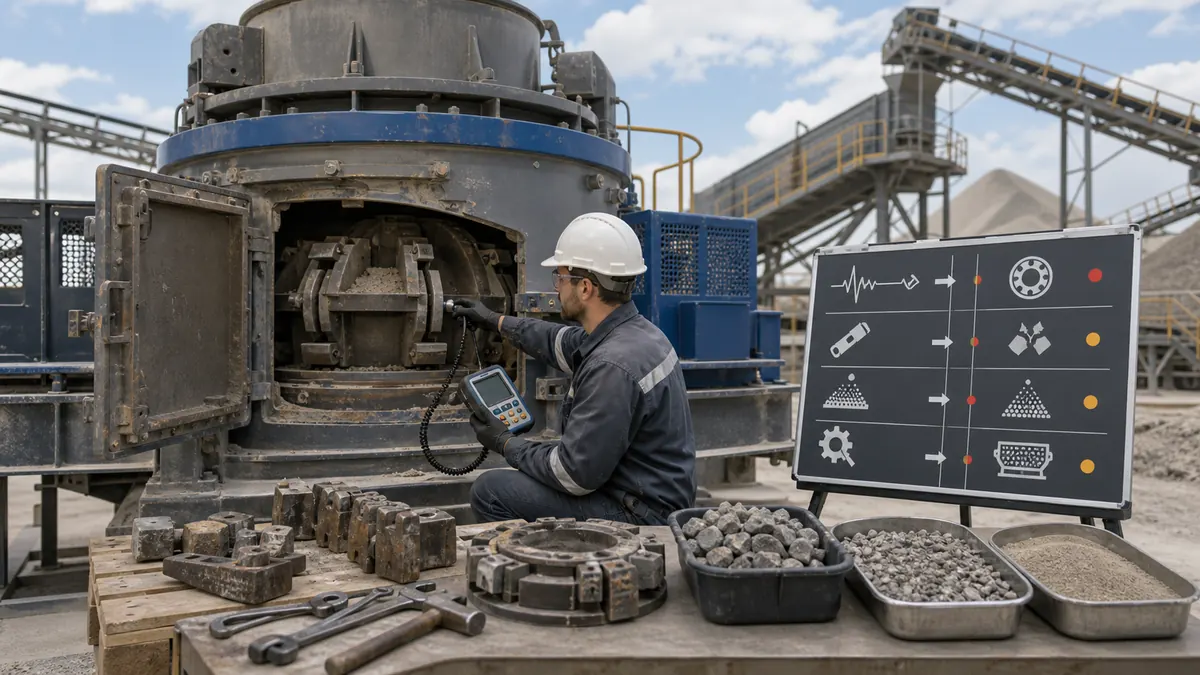
Common VSI Crusher Problems and How to Fix Them
Most VSI crusher problems come from unstable feed, oversized material, worn rotor parts, poor screening, incorrect rotor speed, or wrong chamber selection. This guide explains practical troubleshooting steps.
-
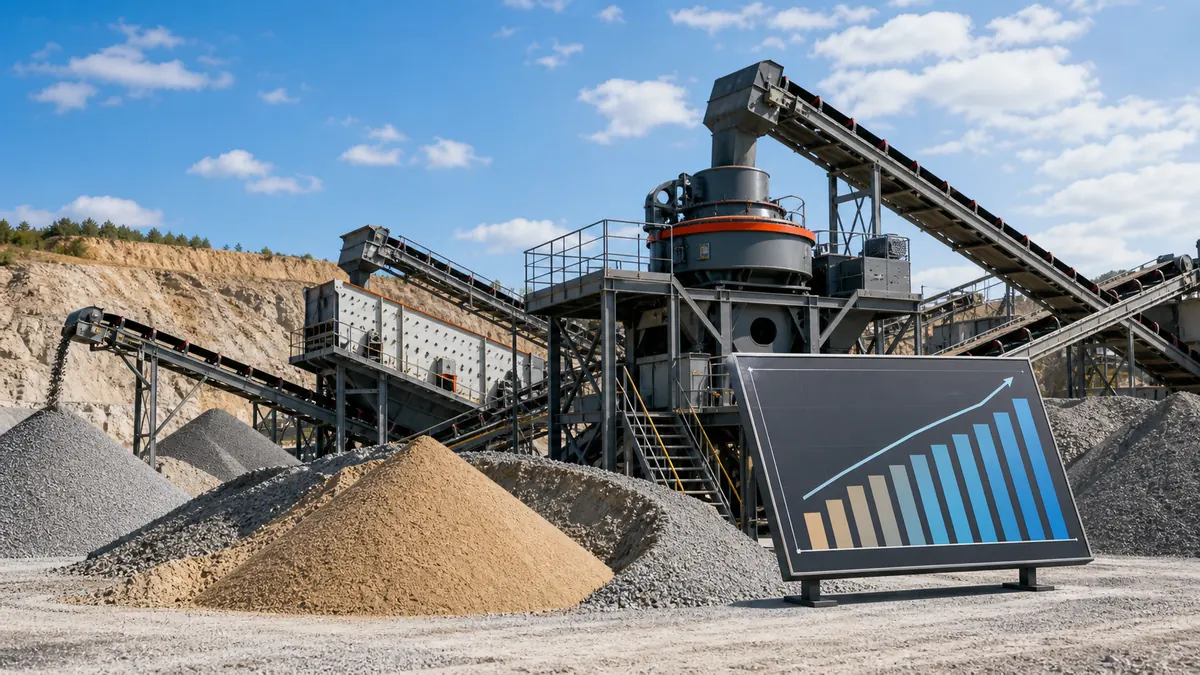
VSI Crusher Capacity Guide: 50 TPH to 500 TPH Sand Production
VSI crusher capacity depends on feed size, material hardness, rotor speed, chamber type, screen return load, motor power, and final sand specification. This guide helps buyers plan 50-500 TPH sand production lines.
-
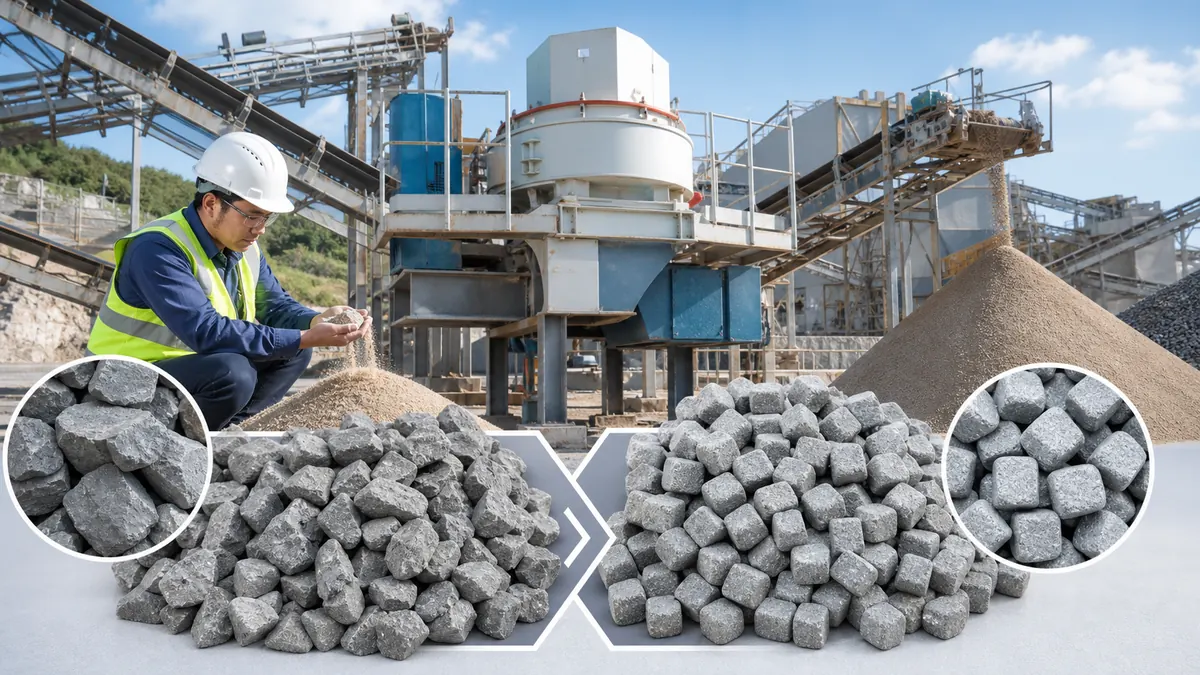
How to Improve Cubical Shape in Manufactured Sand with a VSI Crusher
A VSI crusher can improve cubical aggregate shape when feed size, rotor speed, chamber type, cascade feed, screening, and wear parts are controlled together. This guide explains practical settings for better manufactured sand.
-
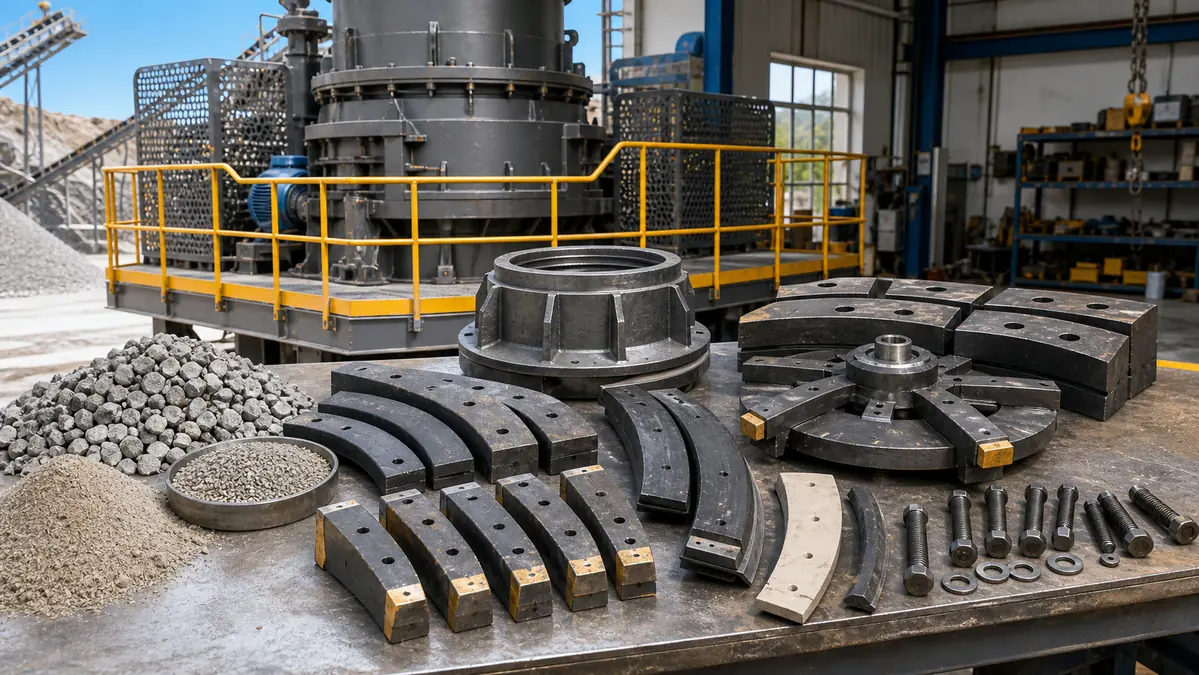
VSI Crusher Wear Parts: Rotor Tips, Anvils, Liners, and Maintenance
VSI crusher wear parts directly affect sand quality, machine vibration, operating cost, and downtime. This guide explains rotor tips, anvils, liners, feed tubes, inspection points, and maintenance planning.
-
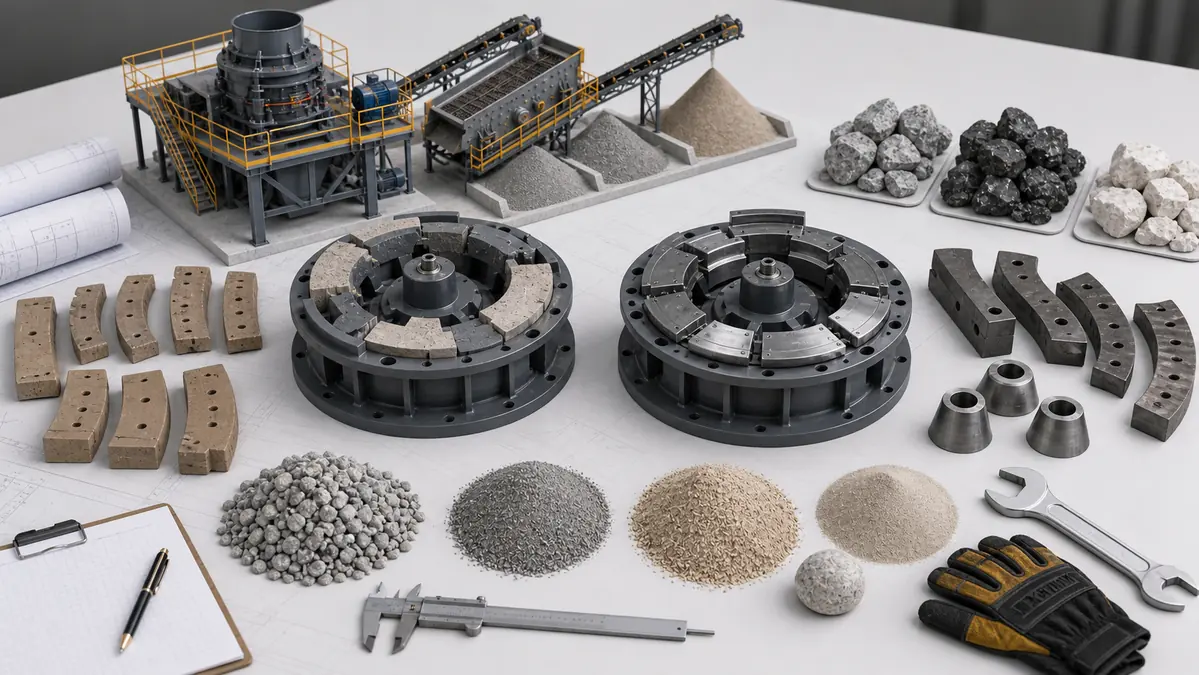
Rock-on-Rock vs Rock-on-Iron VSI Crusher: Key Differences
Rock-on-rock VSI crushing uses a packed rock bed to reduce metal wear and improve shaping, while rock-on-iron uses metal anvils for stronger impact. This guide explains how buyers should choose the right VSI chamber.
-
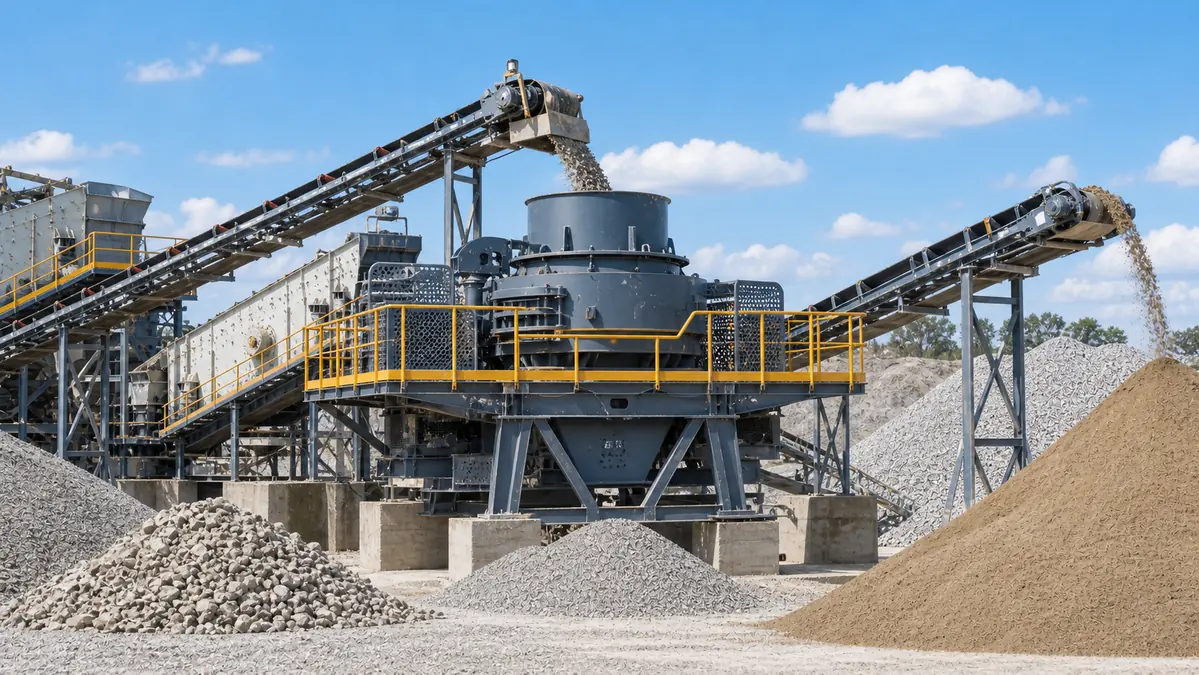
How to Choose a VSI Sand Making Machine for Granite, Basalt, and Limestone
Choosing the right VSI sand making machine depends on rock hardness, abrasiveness, feed size, required sand grading, capacity, and the full crushing plant configuration. This guide explains how buyers can select a practical VSI solution.
-
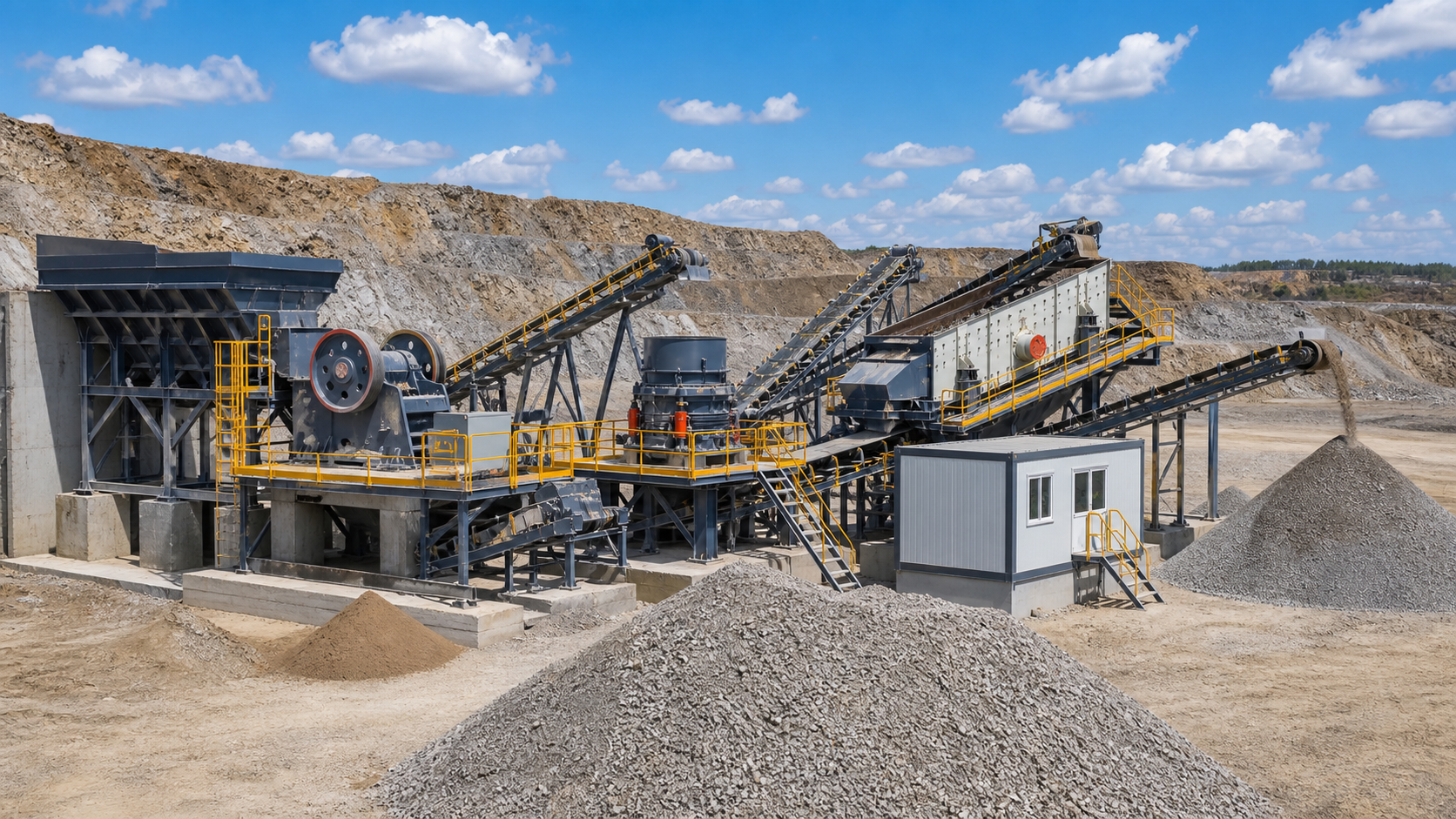
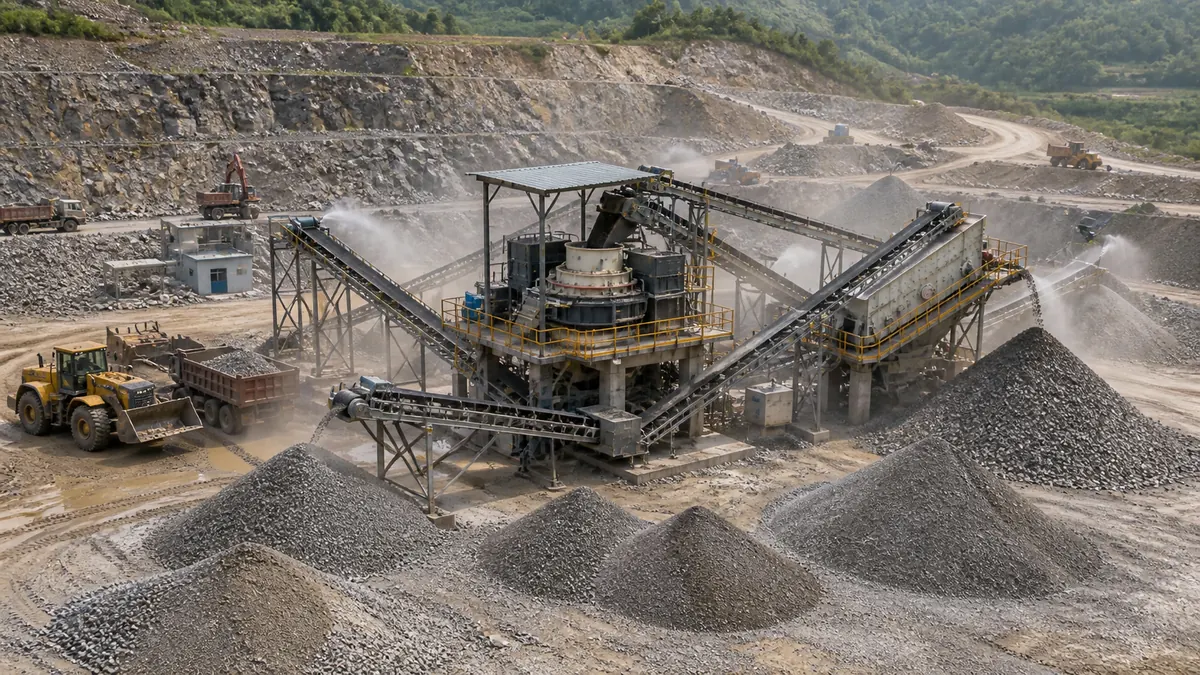
Complete Stone Crusher Plant Setup: Equipment, Layout, and Cost
A complete stone crusher plant usually includes feeding, primary crushing, secondary crushing, screening, conveying, dust control, and electrical control. This guide explains how to plan equipment, layout, capacity, and cost.
-
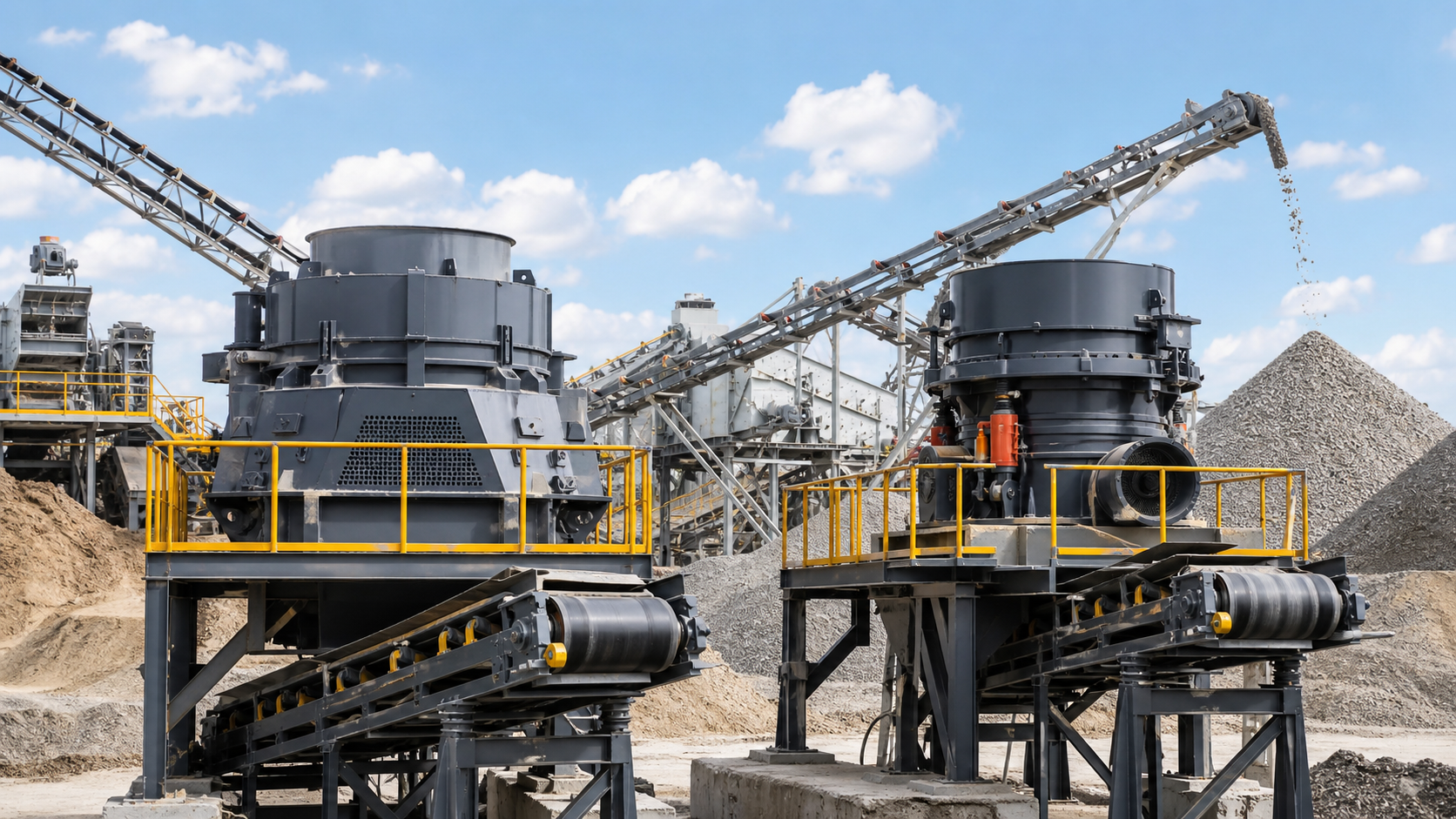
VSI Crusher vs Cone Crusher: Which Is Better for Manufactured Sand?
A VSI crusher is usually better for final manufactured sand shaping, while a cone crusher is better for reducing hard rock before sand making. This guide explains how to choose the right machine or combine both in one plant.
-
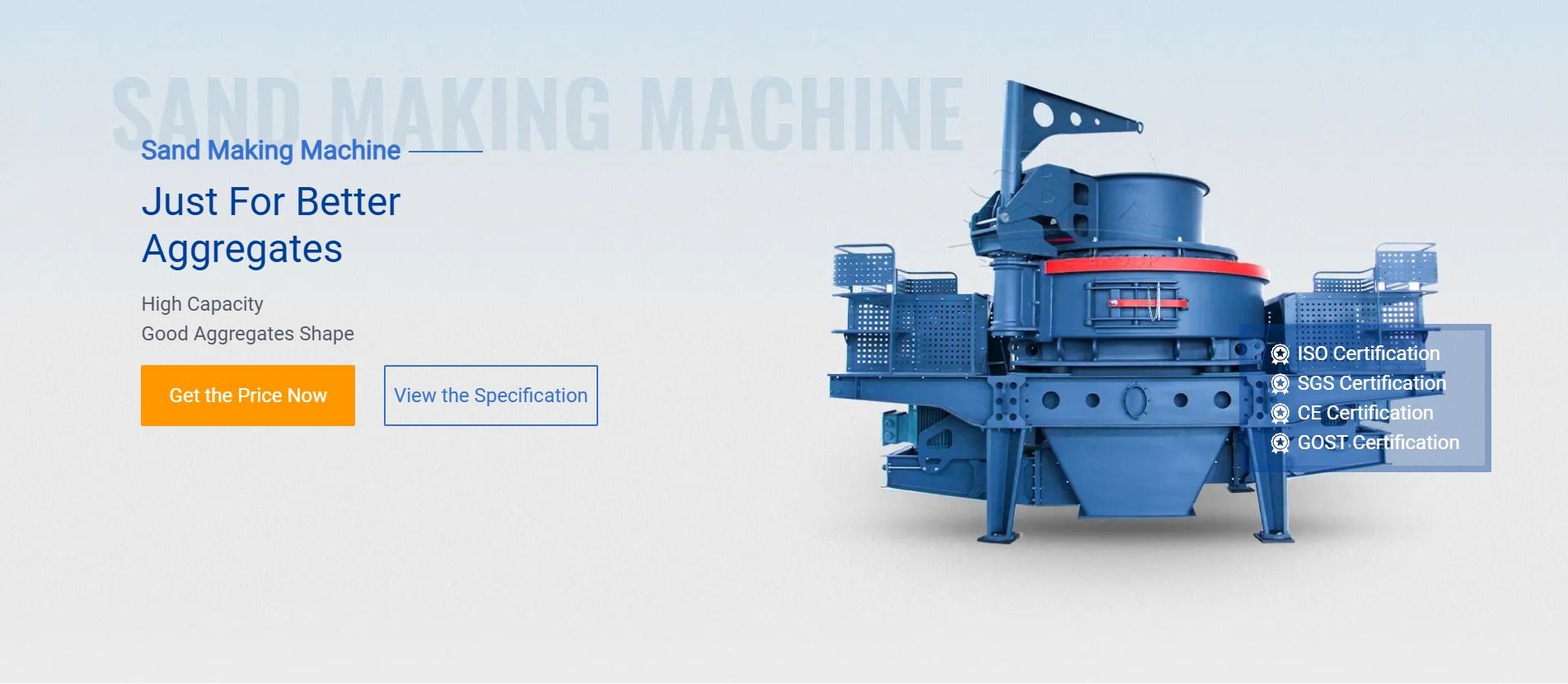
What Is a VSI Crusher and How Does It Work?
A VSI crusher uses high-speed rock impact to shape aggregate and produce manufactured sand. This guide explains the working principle, applications, selection factors, and common buyer questions.
-
Stone Production Line Equipment Configuration (Aggregate Crushing Plant Setup)
A stone production line (also called an aggregate crushing plant) typically includes feeding, crushing, screening, sand making, washing, and conveying systems. The core equipment configuration depends on raw material hardness, required output size, and production capacity. In general, a complete stone production line includes crushers (primary, secondary, and sometimes tertiary), screening equipment, sand-making machines, sand…
-
How to Select Crusher Models Based on Production Capacity
Choosing the right crusher model based on production capacity requires balancing four key factors: required output (tons per hour), raw material hardness, desired final particle size, and production configuration (primary, secondary, or tertiary crushing). In general, higher capacity plants require multi-stage crushing systems rather than a single machine. Soft materials may only need impact crushers,…
-
How Much Does a Crusher Cost?
Crusher prices vary widely depending on type, capacity, brand, and whether the equipment is domestic or imported. In general, a small crusher can cost around $5,000–$30,000, while medium industrial crushers range from $30,000–$150,000. Large mining-grade crushing equipment or full production line crushers can exceed $150,000–$500,000+. The final price depends mainly on: What Is a Crusher?…
-
How Much Does a Sand and Gravel Production Line Cost?
A sand and gravel production line typically costs between $80,000 and $2,000,000+, depending on capacity, configuration, automation level, and raw material hardness. Small lines for local aggregate production may start around $80K–$300K, while medium-sized commercial plants usually range from $300K–$800K. Large, fully automated production lines with high output and washing systems can exceed $1M–$2M+. The…
-
What Construction Scenarios Are Mobile Crushing Stations Suitable For?
A mobile crushing station (mobile crusher plant) is suitable for construction scenarios that require flexible deployment, fast relocation, and on-site material processing. It is widely used in mining operations, construction waste recycling, road and bridge projects, and sand & aggregate production sites. Its key advantage is the ability to crush materials directly at the source,…
-
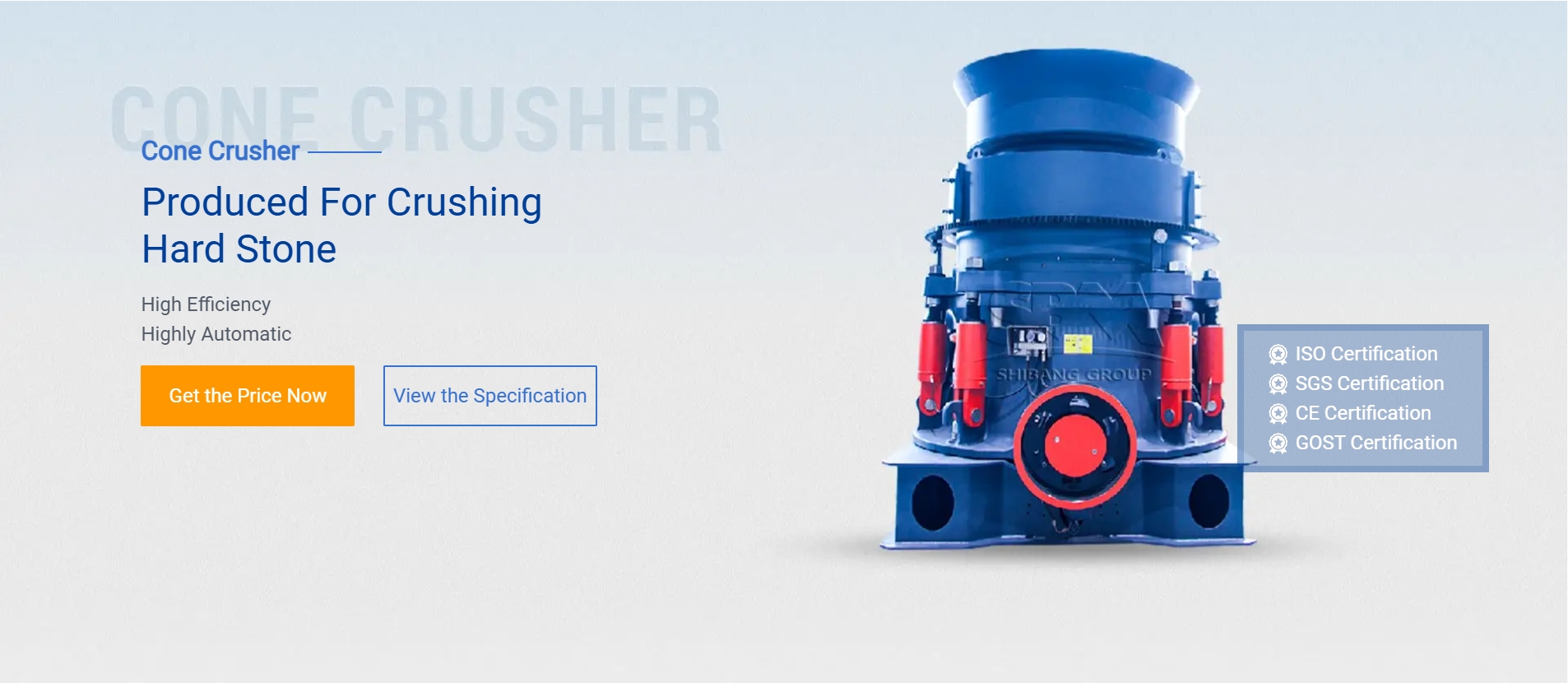
How to Choose a Cone Crusher Model?
Choosing a cone crusher model depends on four core factors: feed size (inlet opening), discharge size range, motor power, and required production capacity. You must also consider the type of ore, required final particle shape, and whether the crusher is used for secondary or tertiary crushing. In general, hard and abrasive materials require higher power…
-
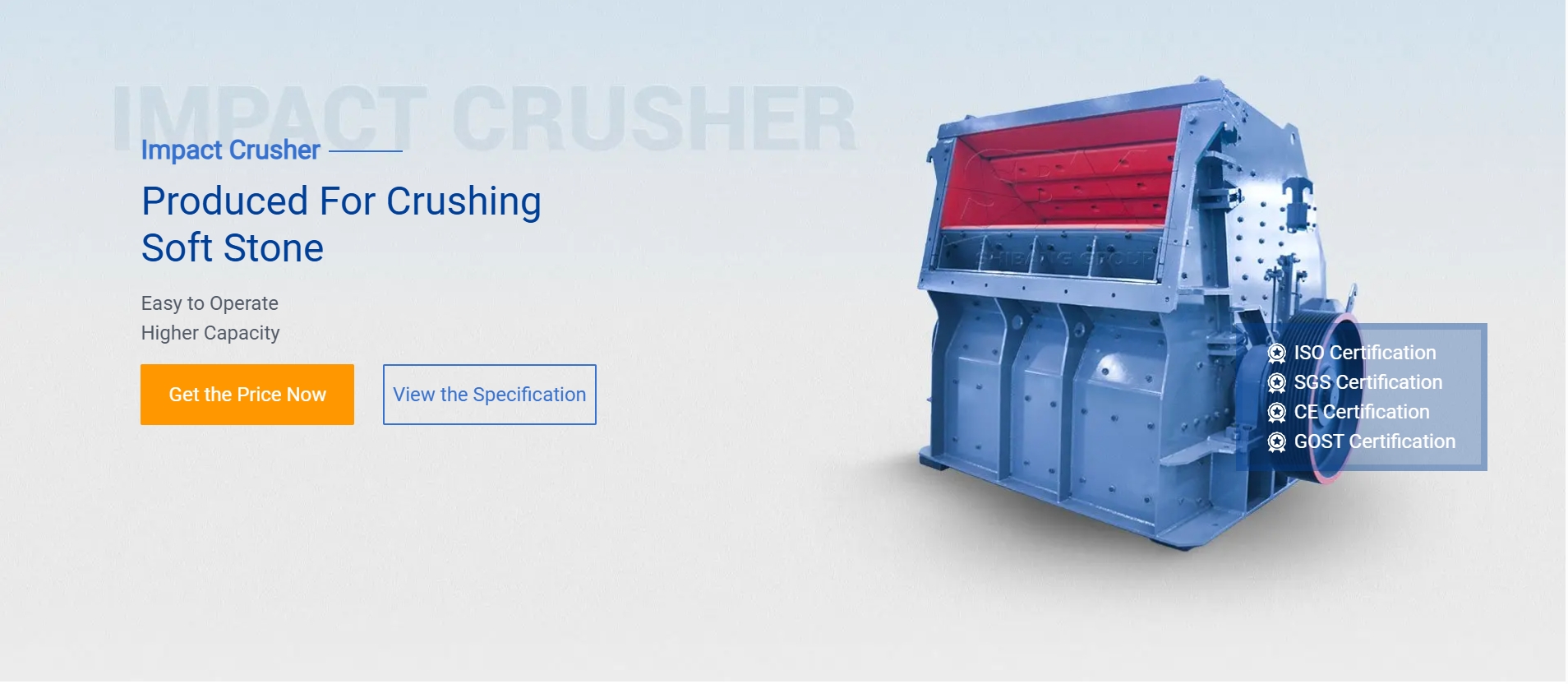
Vertical Shaft Impact (VSI) Crusher vs. Impact Crusher: Key Differences Explained
The main difference between a Vertical Shaft Impact (VSI) crusher and a horizontal Impact Crusher lies in their crushing mechanics, material suitability, and final output. VSI crushers use a vertical shaft to accelerate material against itself or an anvil, making them ideal for shaping hard, abrasive materials into high-quality cubic sand. Conversely, horizontal impact crushers…
-
What Types of Ore Can a Jaw Crusher Process?
Jaw crushers are versatile machines designed to crush a wide range of hard and abrasive materials. They are suitable for processing granite, river pebbles, iron ore, copper ore, manganese ore, limestone, and other medium-to-hard ores. Depending on the model and feed size, jaw crushers can achieve capacities ranging from 1 to 500 tons per hour,…
-
pragati crushers p ltd factory address
Pragati Crushers Pvt Ltd Factory Address The registered factory and principal place of business of Pragati Crushers Pvt Ltd is located at Plot No. 12, Industrial Growth Centre, Kalunga, District Sundargarh, Odisha – 770031, India. This address places the company squarely within one of eastern India’s most active mining and aggregate production corridors, where iron…
-
manufacturers of vsi crusher in indonesia
Title: Manufacturers of VSI Crusher in Indonesia Overview Indonesia’s aggregate and mining sectors have experienced steady growth over the past decade, driven by infrastructure development under the National Strategic Projects program and sustained demand from the nickel, coal, and gold mining industries. Within this context, Vertical Shaft Impact (VSI) crushers have become a critical piece…
-
hadfield double toggel crusher specifications
Here is a detailed article based on the title “Hadfield Double Toggle Crusher Specifications.” The content is grounded in historical engineering principles, mechanical design logic, and documented operational parameters of the Blake-type double toggle jaw crusher, as pioneered by the Hadfield company (later part of the Sheffield steel industry). Hadfield Double Toggle Crusher Specifications: Engineering,…
-
Designing a 100-200 TPH Granite Crushing Plant for 0-20mm Aggregates
In the high-demand world of infrastructure and construction, granite remains a top-tier material due to its hardness and durability. However, its high abrasive nature poses a challenge for equipment longevity. If you are looking to process 630mm feed size into high-quality 0-5mm and 5-20mm products at a rate of 100-200 tons per hour (TPH), a specialized technical approach is required.…
-
superior mk ii gyratory crusher capacities
Superior MK II Gyratory Crusher Capacities The Superior MK II gyratory crusher series, developed by Metso (formerly Nordberg), represents a robust line of primary crushing equipment designed for high-capacity applications in mining and aggregate operations. These crushers are engineered to handle large feed sizes and deliver consistent throughput in demanding environments. Capacity Specifications The capacity…
-
Optimize Your Crushing Operations: Cost-Effective Retrofit Solutions for Hammer Crushers
In the competitive landscape of aggregate and mining operations, maximizing the efficiency and longevity of your existing equipment is paramount. Hammer crushers, the workhorses of primary and secondary reduction, are no exception. Facing the high capital expenditure of a complete machine replacement, many operators are turning to strategic, cost-effective retrofit solutions. These targeted upgrades offer…
-
china heavy equipment manufacturers
In the dynamic landscape of global infrastructure and construction, a powerful force has steadily reshaped the industry’s foundations. China’s heavy equipment manufacturers have evolved from regional players into internationally recognized titans, driving progress on a monumental scale. Combining formidable manufacturing prowess with rapid technological innovation, these companies now supply the essential machinery—from towering cranes and…