Table of Contents
- From Stone to Structure: The Quarry Mining Process Explained
- Crushing and Screening: Transforming Raw Quarry Materials
- Aggregates in Action: Supplying the Construction and Infrastructure Sectors
- Manufacturing Innovations: Advanced Processing in Stone and Mineral Production
- Sustainability and Efficiency: Modern Practices in Quarry to Manufacturing Operations
- Frequently Asked Questions
- What are the key stages in quarry mining and mineral processing?
- How does quarry mining differ from underground mining?
- What equipment is essential in modern quarry mining and manufacturing?
- How is environmental impact mitigated in quarry operations?
- What safety protocols are mandatory in quarry mining?
- How is extracted material processed into market-ready products?
- What role does geotechnical engineering play in quarry design?
- How are quarry sites selected and permitted?
- What innovations are shaping the future of quarry mining manufacturing?
- How is waste minimized in quarry operations?
- What standards govern the quality of manufactured aggregates?
- Can quarry operations be carbon-neutral?
Beneath the earth’s rugged surface lies the foundation of modern industry—raw materials extracted through the precision and power of quarry mining. From towering limestone cliffs to deep granite seams, quarries serve as the vital first link in a complex chain that transforms nature’s bedrock into the building blocks of civilization. These extracted minerals do not merely remain inert stone; they embark on a dynamic journey from extraction to refinement, fueling a vast manufacturing ecosystem. Whether crushed for construction aggregates, processed into cement, or shaped into dimension stone, quarry outputs become integral components in infrastructure, architecture, and industrial innovation. Advanced technologies and sustainable practices now drive greater efficiency and environmental stewardship across both mining and manufacturing phases. This intricate transition—from dormant resource to high-value finished product—epitomizes human ingenuity and the seamless integration of geology, engineering, and industry. Explore how the raw pulse of the earth evolves into the materials that shape our world.
From Stone to Structure: The Quarry Mining Process Explained
-
Exploration and site assessment begin the quarry mining process, utilizing geological surveys, drilling, and geophysical methods to confirm the presence, quality, and extent of the mineral deposit. Accurate resource modeling ensures economic viability and guides long-term planning.
-
Once a site is approved, permitting and environmental impact assessments are conducted in compliance with regulatory standards. These include land use approvals, water management plans, and dust and noise control strategies, ensuring sustainable operations within ecological and community constraints.
-
Site preparation follows, involving land clearing, access road construction, and establishment of drainage systems. Topsoil and overburden are removed and stockpiled for later rehabilitation, preserving valuable surface material for site restoration.
-
The extraction phase employs drilling and blasting techniques for hard rock types such as granite, limestone, or basalt. Precision drilling patterns are designed to fragment the rock efficiently while minimizing vibration and flyrock. Alternatively, for softer materials or dimension stone, mechanical excavation using excavators, loaders, or saws is preferred to maintain structural integrity.
-
After fragmentation, the material is loaded using high-capacity shovels or front-end loaders into haul trucks for transport to the primary crusher. This stage emphasizes operational efficiency and safety, with strict adherence to traffic management and equipment maintenance protocols.
-
Crushing and screening constitute the initial processing stage. Primary crushers reduce large boulders into smaller aggregates, which are then conveyed through secondary and tertiary crushers and screened to produce specified gradations. Closed-circuit configurations ensure consistent product quality.
-
Wash plants may be integrated to remove clay, silt, and impurities, particularly for concrete and high-purity applications. Final products are stockpiled by grade, ready for dispatch to construction, infrastructure, or manufacturing sectors.
-
Throughout the process, rigorous quality control measures—such as routine sampling, particle size analysis, and compressive strength testing—ensure compliance with industry standards. Real-time monitoring systems optimize equipment performance and material flow.
-
Upon completion of extraction, site rehabilitation is executed per approved closure plans. This includes regrading, re-soiling, and revegetation to restore ecological function and land usability, reflecting a commitment to environmental stewardship and regulatory accountability.
Crushing and Screening: Transforming Raw Quarry Materials
-
Primary crushing initiates material reduction, typically via jaw or gyratory crushers, handling run-of-mine feed sizes up to 1.5 meters. This stage prepares rock for downstream processing by reducing bulk to manageable dimensions, generally between 150–300 mm.
-
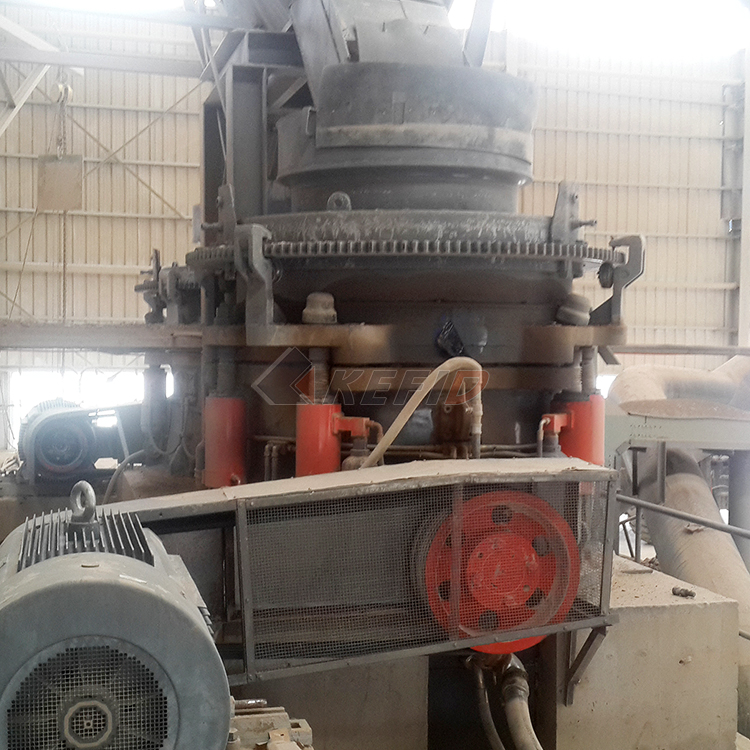
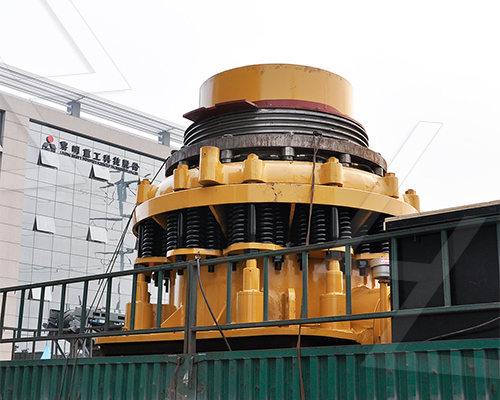
Secondary crushing further reduces particle size using cone or impact crushers, achieving output ranges of 25–75 mm. The choice of technology depends on material abrasiveness, desired shape, and throughput requirements. Modern cone crushers employ optimized cavity profiles and automated settings to maintain consistent product quality under variable feed conditions.
-
Tertiary and quaternary crushing stages refine material to precise specifications, essential for high-value applications such as asphalt or concrete production. High-efficiency fine cone crushers or vertical shaft impactors (VSI) are employed, with VSIs particularly effective in producing cubical aggregate morphology to enhance mechanical interlock in structural applications.
-
Screening is integral at every stage, ensuring accurate size classification and maximizing throughput efficiency. Multi-deck vibrating screens separate material into defined fractions, directing oversize back to crushers via closed-circuit loops and undersize to stockpiles or subsequent stages. Advanced screening media, including modular polyurethane panels and 3D tensioned systems, improve wear life and reduce blinding in wet or sticky feeds.
-
Scalping screens deployed ahead of primary crushers remove sub-fines and contaminants, protecting downstream equipment and improving operational reliability. Air and water-assisted systems are used selectively to manage dust and wash deleterious materials in challenging environments.
-
Closed-circuit operation ensures tight size control by recirculating oversized material, minimizing waste and enhancing product uniformity. Automation systems monitor screen efficiency, crusher cavity levels, and feed rates, enabling real-time adjustments to maintain steady-state conditions despite feed variability.
-
Wash plants are incorporated where clay, silt, or organic matter compromise product integrity. Counter-rotating log washers, screw classifiers, and high-pressure drum systems effectively separate contaminants, particularly in sand and gravel operations.
-
Plant layout and equipment selection are determined by geological characteristics, production targets, and end-use specifications. Modular and portable configurations offer flexibility for remote or temporary operations, while stationary plants maximize efficiency in long-term quarries.
-
Final product quality hinges on precise control of the crushing and screening circuit. Regular calibration, wear part management, and feed consistency protocols ensure compliance with industry standards such as ASTM C33 or EN 12620.
Aggregates in Action: Supplying the Construction and Infrastructure Sectors
-
Aggregates serve as the foundational material in modern construction and infrastructure development, underpinning everything from residential buildings to expansive transportation networks. These inert granular materials—primarily crushed stone, sand, and gravel—are essential components in concrete, asphalt, and road base applications, providing structural integrity, drainage, and load-bearing stability.
-
The construction sector relies heavily on consistent, high-quality aggregate supply to meet project timelines and performance standards. In concrete production, aggregates constitute up to 70% of the mix by volume, directly influencing strength, durability, and shrinkage characteristics. Similarly, asphalt pavements depend on precisely graded aggregates to resist deformation and weathering, ensuring long-term pavement performance under heavy traffic loads.
-
Infrastructure projects—such as highways, bridges, railways, and airports—require vast quantities of aggregates with stringent engineering specifications. For instance, unbound granular base courses in road construction demand aggregates with specific gradation, abrasion resistance, and particle shape to distribute loads effectively and prevent premature failure. Rail ballast, another critical application, requires durable, angular crushed stone to maintain track alignment and support dynamic train loads.
-
Supply chain efficiency is paramount in delivering aggregates to urban and remote project sites. Proximity to quarries reduces transportation costs and carbon emissions, making location a strategic factor in project planning. Many large-scale developments coordinate directly with quarry operators to secure dedicated supply agreements, ensuring material consistency and availability throughout multi-year timelines.
-
Sustainability pressures are reshaping aggregate sourcing and use. Recycled concrete aggregate (RCA) and reclaimed asphalt pavement (RAP) are increasingly integrated into new construction, reducing landfill dependency and virgin resource extraction. Advances in processing technology now allow recycled materials to meet structural specifications in non-critical applications, supporting circular economy objectives.
-
Regulatory compliance, environmental stewardship, and material traceability are integral to modern aggregate operations. Producers must adhere to strict quality control protocols, including gradation analysis, Los Angeles abrasion testing, and soundness evaluations, to certify suitability for infrastructure use. As urbanization accelerates globally, the strategic role of aggregates in resilient, cost-effective construction remains indispensable.
Manufacturing Innovations: Advanced Processing in Stone and Mineral Production
-
Advanced processing in stone and mineral production has redefined efficiency, precision, and sustainability across the quarry-to-manufacturing value chain. Automation, digital twin modeling, and high-precision cutting technologies now enable manufacturers to extract maximum yield while minimizing waste and energy consumption.
-
Computer Numerical Control (CNC) machining platforms have become central in shaping dimension stone, enabling micron-level accuracy in complex geometries for architectural and industrial applications. These systems integrate with 3D scanning to match final products precisely to design specifications, reducing rework and material loss.
-
Water-jet cutting systems utilizing ultra-high-pressure abrasives offer cold-cutting capabilities, eliminating thermal stress on sensitive stone types such as marble and onyx. This technique supports intricate detailing and reduces microfractures, enhancing structural integrity and surface quality.
-
Sensor-based sorting technologies—employing X-ray transmission, near-infrared spectroscopy, and laser-induced breakdown spectroscopy—enable real-time mineralogical characterization at high throughput. These systems allow early-stage rejection of subgrade material, improving feed consistency and downstream process efficiency.
-
Closed-loop slurry recovery and water recycling systems have become standard in modern processing plants. By integrating hydrocyclones, filter presses, and sedimentation tanks, facilities now achieve water reuse rates exceeding 90%, significantly reducing freshwater demand and environmental impact.
-
Additive manufacturing is emerging in mineral-based composites, where fine-ground quarry byproducts—such as crushed marble or siliceous fines—are incorporated into geopolymers or cementitious matrices for 3D-printed building elements. This innovation transforms waste streams into value-added construction materials.
-
Predictive maintenance powered by IoT-enabled vibration, temperature, and acoustic sensors ensures continuous operation of crushers, mills, and conveyors. Machine learning algorithms analyze operational data to anticipate component wear, reducing unplanned downtime and extending equipment life.
-
Digital twin platforms simulate entire processing lines, allowing operators to optimize parameters such as feed rate, crusher gap settings, and screen amplitude before physical implementation. This virtual commissioning reduces ramp-up time and enhances energy efficiency.
-
The integration of blockchain for traceability is gaining traction, enabling verification of material origin, processing history, and carbon footprint—critical for compliance with green building certifications and regulatory standards.
These innovations collectively elevate stone and mineral manufacturing from a resource-intensive operation to a data-driven, sustainable industry aligned with circular economy principles.
Sustainability and Efficiency: Modern Practices in Quarry to Manufacturing Operations
-
Implementation of digital twin technology enables real-time monitoring and optimization of material flow from extraction to processing, significantly reducing energy waste and operational downtime. By simulating quarry and plant operations, operators can anticipate bottlenecks, optimize equipment utilization, and streamline logistics.
-
Advanced GPS-guided drilling and blasting systems enhance precision in extraction, minimizing overbreak and reducing the volume of waste material. This targeted approach not only conserves raw resources but also lowers fuel consumption and greenhouse gas emissions associated with over-excavation and secondary crushing.
-
Closed-loop water recycling systems are now standard in modern aggregate and mineral processing facilities. On-site sedimentation ponds, hydrocyclones, and filter presses allow for recovery of over 90% of process water, drastically reducing freshwater intake and mitigating effluent discharge risks.
-
Energy efficiency is further advanced through variable frequency drives (VFDs) on conveyors, crushers, and screens, which adjust motor speed to load requirements. This reduces electricity consumption by up to 30% during partial-load operations and extends equipment lifespan through reduced mechanical stress.
-
Adoption of renewable energy sources—such as on-site solar arrays or wind-powered grid supplementation—is increasingly common, particularly in remote operations where energy transport costs are high. Some integrated facilities now achieve up to 40% of their power demand from renewables, contributing to Scope 2 emissions reduction targets.
-
Waste valorization strategies are transforming by-products into marketable materials. Fines recovery systems capture micro-aggregates for use in asphalt or concrete, while quarry dust is repurposed in brick manufacturing or soil stabilization, supporting circular economy principles.
-
Predictive maintenance powered by IoT sensors and machine learning algorithms reduces unplanned downtime and prevents excessive energy use from inefficient machinery. Vibration, temperature, and lubrication monitoring provide early warnings, enabling timely interventions with minimal disruption.
-
Life cycle assessment (LCA) frameworks are now integrated into operational planning, allowing manufacturers to quantify environmental impacts across extraction, processing, transportation, and end-use phases. These data inform sourcing decisions, product design, and carbon footprint disclosures required by regulatory and corporate sustainability mandates.
-
Reclamation planning begins at the exploration stage, with progressive rehabilitation ensuring land use compatibility post-operation. Native species re-vegetation, topsoil banking, and drainage modeling ensure ecological integrity and community acceptance.
Frequently Asked Questions
What are the key stages in quarry mining and mineral processing?
Quarry mining involves several expertly managed stages: site exploration and geological surveying, permitting and environmental assessment, overburden removal, extraction via drilling and blasting, primary crushing, screening and secondary/tertiary crushing, material classification, washing, and final product stockpiling. Advanced mineral processing may include magnetic separation, flotation, or gravity concentration, depending on the target mineral.
How does quarry mining differ from underground mining?
Quarry mining is a form of surface mining used primarily for extracting construction aggregates, limestone, granite, and dimension stone. It’s conducted in open pits where ore bodies are near the surface. Unlike underground mining—used for deeper deposits—quarry operations involve lower capital costs, greater safety, and higher material recovery rates but come with larger surface footprints and visual impact.
What equipment is essential in modern quarry mining and manufacturing?
Critical equipment includes hydraulic excavators, front-end loaders, drill jumbos for precise blasting, haul trucks, primary jaw crushers, cone or impact crushers, vibrating feeders and screens, conveyor systems, wash plants, and advanced control systems. Leading operations integrate GPS-guided machinery, drone surveying, and real-time telemetry for optimized production and safety.
How is environmental impact mitigated in quarry operations?
Quarries implement engineered solutions such as dust suppression systems (water sprays, fog cannons), noise barriers, phased reclamation plans, sedimentation ponds for runoff control, and pre-stripping to restore topsoil. Environmental monitoring programs track air, water, and biodiversity impacts. Modern best practices follow ISO 14001 standards and often include post-closure habitat restoration.
What safety protocols are mandatory in quarry mining?
High-risk quarry environments require comprehensive safety management systems including mandatory PPE, strict lockout/tagout (LOTO) procedures, blast area evacuation plans, slope stability monitoring via LiDAR/inclinometers, fall protection for high-wall work, and regular safety training complying with MSHA (or equivalent) regulations. Automated collision avoidance systems on vehicles are increasingly standard.
How is extracted material processed into market-ready products?
Raw quarried stone undergoes primary crushing to reduce size, then secondary and tertiary crushing to achieve precise gradation. Screens separate materials by size; advanced washing removes impurities. Additives may be incorporated for specific applications (e.g., asphalt mix). Quality control labs conduct sieve analysis, abrasion tests (Los Angeles), and compressive strength tests to meet ASTM or EN specifications.
What role does geotechnical engineering play in quarry design?
Geotechnical engineers assess rock mass classification (e.g., RMR, Q-system), slope stability, groundwater conditions, and seismic risks. They design high-wall angles, berms, drainage systems, and monitoring protocols to prevent failures. Numerical modeling (e.g., FLAC3D) predicts failure modes, enabling safer, more efficient pit expansion and extraction sequencing.
How are quarry sites selected and permitted?
Site selection relies on geological surveys, resource modeling (using geostatistical software), proximity to infrastructure, and market access. Permitting involves environmental impact assessments (EIA), public consultations, hydrological studies, and compliance with zoning laws. Authorities like the EPA or equivalent require detailed plans for reclamation, noise control, and water management before approval.
What innovations are shaping the future of quarry mining manufacturing?
Automation, digital twin modeling, AI-driven predictive maintenance, and electric or hybrid mining equipment reduce emissions and downtime. Drone-based volumetric surveys, real-time ore grade analysis using LIBS (Laser-Induced Breakdown Spectroscopy), and blockchain traceability for sustainable aggregates are emerging. Smart quarries integrate IoT sensors across the processing chain for end-to-end optimization.
How is waste minimized in quarry operations?
Waste reduction strategies include precision drilling/blasting to minimize fly rock, maximizing resource recovery through advanced sorting (e.g., sensor-based ore sorting), utilizing fines in manufactured sand, and repurposing rejected material for on-site construction or land reclamation. Closed-loop water recycling systems reduce both effluent discharge and freshwater intake.
What standards govern the quality of manufactured aggregates?
Manufactured aggregates must comply with international standards such as ASTM C33 (concrete aggregates), BS EN 12620 (UK/EU), or AS 2758 (Australia). Parameters include particle size distribution, aggregate shape (angularity), durability (soundness tests), cleanliness (clay/silt content), and strength (crushing value). Accredited labs perform routine batch testing for certification.
Can quarry operations be carbon-neutral?
While full carbon neutrality is challenging, leading quarries are adopting carbon-reduction pathways: transitioning to electric or hydrogen-powered machinery, using renewable energy (on-site solar/wind), carbon capture in concrete curing (CO2 mineralization), and investing in afforestation as part of closure plans. Science-based targets aligned with SBTi are increasingly common in industry leaders.