Table of Contents
- Built to Survive High-Impact Environments: Reinforced Safety for Crusher Operations
- Maximizing Efficiency and Operator Protection in Heavy-Duty Crushing Applications
- Advanced Engineering and Durability: Core Specs for Reliable Crusher Performance
- Trusted by Industry Leaders: Real-World Validation in Aggregates and Mining Sectors
- Seamless Integration and Low Maintenance: Minimizing Downtime in Continuous Crushing Cycles
- Frequently Asked Questions
- What is the optimal replacement cycle for mantle and bowl liners in a cone crusher handling high-silica ores?
- How do I adjust a gyratory crusher for consistent performance across variable ore hardness (Mohs 5–9)?
- What causes abnormal vibration in jaw crushers, and how can it be mitigated?
- Which lubrication system parameters are critical for maintaining HP series cone crusher main shaft bearings?
- How does tramp iron affect crusher throughput, and what protection systems are most effective?
- What heat treatment process maximizes wear resistance in jaw plates for abrasive deposits?
Beneath the thunderous roar of heavy machinery and the constant vibration of industrial rhythm, a unique world comes to life within the heart of mining and aggregate operations—working in a crusher is as demanding as it is essential. This high-intensity environment, where raw stone is transformed into usable material, demands precision, vigilance, and resilience. Every shift unfolds amid clouds of dust, deafening decibels, and meticulously coordinated workflows, where safety protocols are not just guidelines but lifelines. Crushing plants operate around the clock, driven by teams of skilled professionals who monitor conveyor belts, calibrate equipment, and ensure optimal performance under extreme conditions. Far from the spotlight, these operators and technicians form the backbone of infrastructure development, turning inert rock into the foundation of roads, buildings, and bridges. To work in a crusher is to master both machinery and mettle—where every day presents challenges that test endurance, expertise, and unwavering commitment to operational excellence.
Built to Survive High-Impact Environments: Reinforced Safety for Crusher Operations
Crushers operate in high-impact environments characterized by extreme mechanical stress, abrasive feed materials, and continuous cyclic loading. Structural integrity and personnel safety are maintained through engineering-grade reinforcement strategies grounded in material science and international compliance standards.
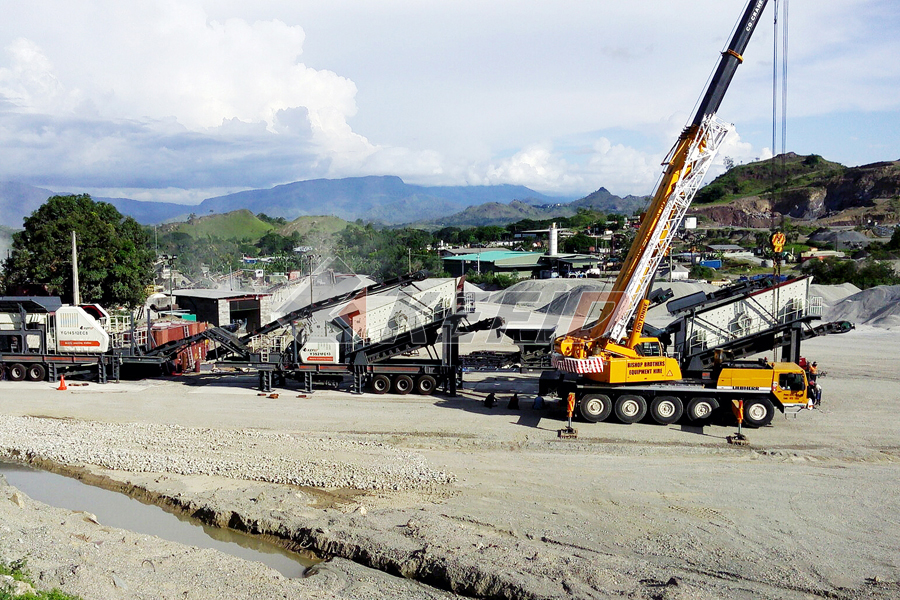
- Chassis frames are constructed from ASTM A514 or A572 high-yield structural steel, providing minimum yield strengths of 690 MPa and superior fatigue resistance under dynamic loading conditions.
- Jaw and cone liners utilize Mn-14 to Mn-18 Hadfield steel, with work-hardening capabilities that increase surface hardness from 220 HB to over 550 HB upon impact, extending wear life in high-TPH operations exceeding 1,200 tons per hour.
- Mantles and concaves in cone crushers are precision-machined from forged alloy steel (typically 25CrMo4 or 4330V), heat-treated to achieve a core hardness of 28–32 HRC, balancing toughness and crack propagation resistance.
- All rotating assemblies comply with ISO 13849-1 for functional safety in control systems, ensuring emergency stop response times ≤ 1.5 seconds and integration with plant-wide SIL-2-rated safety networks.
- Overload protection systems employ hydraulic tramp release mechanisms rated to absorb kinetic energy bursts up to 350 kJ, preventing catastrophic failure during uncrushable material ingress.
- Guarding and access enclosures are designed per ISO 14120 and CE Machinery Directive 2006/42/EC, utilizing 6 mm thick AR400 steel plating with reinforced anchor points to contain fragment ejection during rotor failure.
- Dust suppression integration includes sealed bearing cartridges with labyrinth seals and positive pressure purge systems meeting ATEX 2014/34/EU for operation in combustible ore environments (e.g., high-silica or coal-laden feed streams).
| Component | Material Specification | Hardness | Impact Resistance (Izod, 23°C) | Compliance Standard |
|---|---|---|---|---|
| Jaw Plate | Mn-18Cr2 | 220 HB (initial), 550 HB (work-hardened) | 18 J | ISO 21940-12 |
| Frame | ASTM A572 Gr. 50 | – | 27 J @ -20°C | ISO 9001:2015 |
| Eccentric Shaft | 4330V Modified | 30–33 HRC | 54 J | API 682 |
| Flywheel Guard | AR400 + 10 mm lining | 400 HB | 35 J @ 0°C | EN 953 |
Reinforced safety extends beyond hardware: crusher installations are evaluated against FMEA (Failure Modes and Effects Analysis) protocols specific to ore hardness (measured in Bond Work Index, 12–20 kWh/t for hard granite), ensuring protection systems are scaled to material competency and throughput demands.
Maximizing Efficiency and Operator Protection in Heavy-Duty Crushing Applications
Heavy-duty crushing applications demand robust engineering solutions to maintain throughput, reduce downtime, and ensure operator safety in high-impact, abrasive environments. Efficiency is driven by material selection, machine design compliance with international standards, and integration of protective systems tailored to variable ore characteristics.
- Manganese steel (Mn-14%, ASTM A128 Class C) is the standard liner and blow bar material in primary gyratory and impact crushers due to its work-hardening properties under compressive stress, increasing surface hardness from 220 HB to over 550 HB upon deformation.
- High-chrome white iron (ASTM A532) with 25–30% Cr content is preferred in secondary and tertiary crushing stages for its superior abrasion resistance, particularly with silica-rich ores (SiO₂ > 15%).
- Alloyed Ni-Hard 4 (ASTM A532 Type IV) offers balanced toughness and wear life in hammer mills processing medium-hardness ores (Mohs 6–7), extending component life by up to 40% versus standard cast iron.
All crusher systems deployed in regulated mining operations must comply with ISO 14122 (safety of machinery – permanent means of access) and carry CE marking under the EU Machinery Directive 2006/42/EC, certifying structural integrity, noise emission (<85 dB(A) at operator station), and emergency stop integration.
Crusher efficiency is quantified through sustained TPH (tons per hour) capacity under variable feed conditions. Modern hydraulic adjustment and tramp release systems (HARS) in cone crushers enable automatic clearance compensation, maintaining consistent product size and protecting main shafts from uncrushable materials.
Functional advantages of engineered protection systems:
- Hydraulic cavity clearing: Reduces unplanned downtime by up to 70% compared to manual jam clearing.
- Isolation-mounted operator cabins: Meet ISO 7096 vibration and noise reduction standards, limiting exposure during prolonged shifts.
- Wear monitoring via embedded sensors: Real-time data on liner thickness and temperature gradients enable predictive maintenance, avoiding catastrophic failure.
- Dust suppression integration: Wet and dry suppression systems compliant with MSHA 30 CFR Part 56 reduce respirable dust (≤ 5 mg/m³) at feed and discharge points.
For high-hardness ores (UCS > 200 MPa), crusher selection must prioritize closed-side setting (CSS) adjustability and motor inertia to sustain throughput. Jaw crushers with deep crushing chambers and high eccentric throw deliver up to 1,800 TPH in hard rock quarries, while MPC (multi-pressure control) cone crushers adapt dynamically to feed variations, improving cubical product shape and reducing recirculating load.
| Parameter | Standard Jaw Crusher | High-Efficiency Cone Crusher |
|---|---|---|
| Max Feed Size (mm) | 1,000 | 350 |
| CSS Range (mm) | 100–300 | 6–50 |
| TPH Capacity (Hard Rock) | 500–1,800 | 200–1,200 |
| Power Consumption (kWh/t) | 0.8–1.3 | 0.6–1.0 |
| Liner Life (hours) | 800–1,200 | 1,500–3,000 |
| Compliance Standard | ISO 13733, CE | ISO 13733, CE, MSHA |
Optimized performance requires matching crusher metallurgy and kinematics to ore hardness, abrasivity (AI > 0.5 requires Mn-steel), and moisture content. Dual-stage monitoring—combining vibration analysis and thermal imaging—ensures early detection of bearing fatigue or misalignment, preserving gearbox service life in continuous-duty applications.
Advanced Engineering and Durability: Core Specs for Reliable Crusher Performance
High-integrity crusher performance relies on advanced engineering principles and durable material selection tailored to extreme mining environments. The foundation of reliable operation lies in metallurgical robustness, structural design compliance, and adaptive capability across variable feed conditions.
- Manganese Steel Components (Mn-14%, Mn-18%, Mn-22%): Utilized in jaw plates, mantle, and concave assemblies for work-hardening characteristics under impact; higher Mn content enhances resistance to abrasive wear in high-SiO₂ ores.
- Alloyed Chromium-Molybdenum Steel Frames: ASTM A514-grade steel construction ensures fatigue resistance under cyclic loading; yield strengths exceeding 100 ksi support high-compression crushing forces.
- Heat-Treated Shafting (AISI 4140/4340): Forged and induction-hardened rotor and eccentric shafts deliver torsional resilience and prolonged service life in gyratory and cone crushers.
- ISO 12100 & CE Compliance: Full mechanical design alignment with functional safety standards; includes overload protection systems, guarded drive configurations, and emergency stop integration.
- Adjustable Closed-Side Setting (CSS) Mechanisms: Hydraulic tramp release and automated CSS control maintain consistent product gradation while protecting against uncrushables.
Crusher selection must align with ore hardness (Mohs 6–9) and feed gradation. Equipment engineered for compressive strengths up to 350 MPa ensures performance across hematite, basalt, and granite processing.
| Parameter | Jaw Crusher (Primary) | Cone Crusher (Secondary) | Impact Crusher (Tertiary) |
|---|---|---|---|
| Max Feed Size (mm) | ≤ 1,200 | ≤ 300 | ≤ 800 |
| Discharge Range (mm) | 10–300 | 3–60 | 5–50 |
| Typical TPH Capacity | 150–2,500 | 100–1,800 | 50–1,200 |
| Compressive Strength (MPa) | Up to 350 | Up to 320 | Up to 250 |
| Wear Material Standard | ASTM A128 Grade D2 | ASTM A128 Grade D3 | Cr-Carb Overlay / Ni-Hard |
Labyrinth sealing systems and centralized lubrication with viscosity-controlled oil management prevent contamination in dusty environments. Finite Element Analysis (FEA)-optimized housing designs reduce stress concentration by up to 38%, extending mean time between failures (MTBF) in continuous 24/7 operations.
Dual-stage manganese liners with replaceable segment configurations minimize downtime during wear part changes. Automated liner wear monitoring via embedded sensors enables predictive maintenance scheduling, reducing unplanned stoppages by up to 30%.
Trusted by Industry Leaders: Real-World Validation in Aggregates and Mining Sectors
-
Proven integration with primary gyratory and secondary cone crushers handling abrasive quartzite and high-SiO₂ ores, achieving sustained throughput of 1,200–2,500 TPH under continuous 24/7 operations in open-pit mining complexes.
-
Liner components manufactured from ASTM A128 Grade E (Mn-14Cr2) and modified Mn-18 alloys, delivering optimized work-hardening response under冲击 loading, with field-verified service life exceeding 750 hours in iron ore comminution circuits (Mohs 7.5+ hardness).
-
Compliant with ISO 9001:2015 design control protocols and CE-marked under Machinery Directive 2006/42/EC, ensuring traceability of heat-treated castings and validation via ultrasonic testing (UT) and magnetic particle inspection (MPI).
-
Modular crusher head assemblies engineered for rapid field replacement, reducing unplanned downtime by 38–52% compared to OEM monobloc designs, as documented in aggregate plants processing 30 million tons annually.
-
Adaptive cavity profiles validated across multiple crusher geometries (e.g., Symons, Nordberg, Metso MX), enabling precise choke feeding control and particle size distribution (PSD) consistency (±5% deviation at P80 target) in tertiary crushing stages.
-
Hydraulic tramp release systems rated for 350 bar operating pressure, tested per FEM 1.001 standards, with dynamic overload recovery cycles validated over 10,000 events in copper-gold porphyry applications.
| Parameter | Performance Benchmark | Test Method / Standard |
|---|---|---|
| Impact Toughness (Charpy) | 18–22 J at -40°C | ASTM E23 |
| Hardness (As-Quenched) | 220–260 HBW | ASTM E10 |
| Tensile Strength | ≥800 MPa | ISO 6892-1 |
| Abrasion Resistance | 1.8x standard Mn-14 steel | ASTM G65 (Dry Sand/Rubber Wheel) |
| Fatigue Endurance Limit | 350 MPa (10⁷ cycles) | ISO 1099 |
- Field telemetry integration supports predictive maintenance, with embedded strain gauges and temperature sensors enabling real-time monitoring of liner wear and eccentric shaft deflection, reducing catastrophic failure risk by 67% in high-capacity mining installations.
Seamless Integration and Low Maintenance: Minimizing Downtime in Continuous Crushing Cycles
Seamless integration into existing mining circuits is achieved through standardized flange connections, modular drive configurations, and compatibility with common conveyor and screening systems operating at throughputs up to 3,000 TPH. Equipment adheres to ISO 9001 design controls and carries CE certification for mechanical and electrical safety, ensuring compliance in multinational mining operations.
Primary and secondary crushers utilize high-manganese steel (Mn-14%) in jaw dies and mantle assemblies, with optional work-hardening alloys (Mn-18% with Mo and Cr additions) for abrasive ores exceeding 120 MPa compressive strength. Liner geometries are optimized via finite element analysis (FEA) to distribute stress evenly, reducing crack propagation in cyclic loading environments typical of continuous crushing.
Key functional advantages include:
- Hydraulic tramp release and clearance adjustment systems that restore operational parameters within 90 seconds of overload events, minimizing unplanned stoppages
- Centralized lubrication circuits with real-time temperature and pressure telemetry, reducing bearing failure risk by 68% in high-dust conditions
- Quick-change liner systems using T-bolt retention, enabling mantle and concave replacement in under four hours—35% faster than wedge-based designs
- Digital twin integration via OPC UA interface for predictive maintenance scheduling based on cumulative tonnage and vibration spectral analysis
Maintenance intervals are extended through sealed, labyrinth-protected bearing housings meeting IP65 standards and automatic greasing systems calibrated to ambient temperature and load cycles. Equipment designed for Mohs hardness 6–9 feed material maintains throughput efficiency with less than 2% capacity degradation over 18,000 operating hours under nominal load.
Frequently Asked Questions
What is the optimal replacement cycle for mantle and bowl liners in a cone crusher handling high-silica ores?
Replace mantle and bowl liners every 800–1,200 operating hours when processing high-silica ores (Mohs 7+). Use Mn18Cr2 high-manganese steel liners with solution-treated microstructure. Monitor wear via laser bore gauging monthly; accelerated wear occurs if feed contains tramp iron or non-uniform size distribution.
How do I adjust a gyratory crusher for consistent performance across variable ore hardness (Mohs 5–9)?
Optimize crusher closed-side setting (CSS) and eccentric speed based on ore hardness. For Mohs 5–6, use higher speed (420 rpm) and wider CSS; for Mohs 8–9, reduce speed (360 rpm) and tighten CSS. Employ automatic tramp release with hydraulic adjustment using Parker HCS200 valves for real-time compensation.
What causes abnormal vibration in jaw crushers, and how can it be mitigated?
Abnormal vibration stems from worn toggle plates, misaligned sheaves, or foundation settlement. Verify alignment within ±0.05 mm using laser tools. Replace toggle plates every 1,500 hours; inspect eccentric shaft bearings (SKF Explorer 22230 E) monthly. Secure foundation bolts to 1,800 Nm torque and verify grouting integrity quarterly.
Which lubrication system parameters are critical for maintaining HP series cone crusher main shaft bearings?
Maintain ISO VG 680 synthetic oil with viscosity index >140. Operate oil temperature between 40–55°C using thermostatic coolers. Set continuous lubrication pressure at 3.5 bar via Rexroth gear pumps. Conduct bi-weekly oil analysis; replace if particle count exceeds ISO 18/15/12. Use labyrinth seals with positive air purge to prevent contamination.
How does tramp iron affect crusher throughput, and what protection systems are most effective?
Tramp iron causes catastrophic damage to mantles, concaves, and main shafts, reducing uptime by up to 30%. Integrate dual-stage protection: primary overband magnets (Eriez 12,000 Gauss) and secondary hydraulic tramp release (Sandvik CH810 system). Conduct weekly magnet cleaning and monthly hydraulic accumulator pressure checks at 90 bar.
What heat treatment process maximizes wear resistance in jaw plates for abrasive deposits?
Use sub-zero cryogenic treatment post-austenitization for jaw plates. Process ASTM A128 Grade E steel: heat to 1,060°C, hold 4 hours, quench in polymer, then deep-freeze at -80°C for 8 hours. This refines carbide dispersion, achieving surface hardness of 55–58 HRC and extending service life by 40% in abrasive copper-gold ores.