Table of Contents
- Proximity as a Powerhouse: How a Local Limestone Quarry Drives Down Costs and Boosts Efficiency
- Direct Cost Suppression Through Logistics Elimination
- Technical and Operational Efficiency Gains
- Technical Parameters: The Proximity Advantage Quantified
- Strategic Supply Chain Hardening
- Beyond the Basics: Environmental and Community Benefits of Sourcing Limestone Locally
- Reduced Embedded Carbon & Supply Chain Efficiency
- Enhanced Quality Control & Technical Synergy
- Community Capital & Operational Stability
- Technical Parameters of Modern, Responsible Quarrying
- Tailored Solutions at Your Doorstep: Customization and Quality Control with Nearby Quarry Access
- Navigating the Technical Landscape: Understanding Quarry Operations and Material Specifications
- Core Quarry Operations: From Geology to Gradation
- Material Specifications & Engineering Relevance
- Building Trust Through Transparency: Our Commitment to Safety, Sustainability, and Local Partnerships
- Engineered Safety: Beyond Compliance
- Sustainable Operations: A Lifecycle Approach
- Local Partnership: Integrating Value Chains
- Frequently Asked Questions
- How does proximity reduce wear part replacement downtime?
- Can equipment be optimized for local limestone’s specific Mohs hardness?
- How does a local quarry improve vibration and foundation management?
- What are the lubrication advantages for continuous operation?
- How does location impact adaptability for varying feed sizes?
- Does a fixed site offer better dust suppression system optimization?
Imagine a resource, literally foundational to modern civilization, lying just beneath the landscape of your community. The presence of a nearby limestone quarry is far more than an industrial operation; it is a strategic asset that unlocks profound local value. This proximity dramatically reduces transportation costs and carbon emissions for critical construction materials, fostering more affordable infrastructure and housing projects. Beyond direct economic benefits, it creates a reliable stream of local employment and stimulates ancillary businesses, from equipment suppliers to logistics. Furthermore, a well-managed quarry can become a partner in environmental stewardship, implementing progressive reclamation plans that enhance biodiversity. Ultimately, a local limestone quarry is not merely a source of rock, but a cornerstone for sustainable regional development, economic resilience, and community prosperity.
Proximity as a Powerhouse: How a Local Limestone Quarry Drives Down Costs and Boosts Efficiency
Proximity to a limestone quarry is not merely a logistical convenience; it is a foundational element for operational resilience and cost leadership. The elimination of long-haul supply chains translates into direct, quantifiable advantages across procurement, production, and process stability.
Direct Cost Suppression Through Logistics Elimination
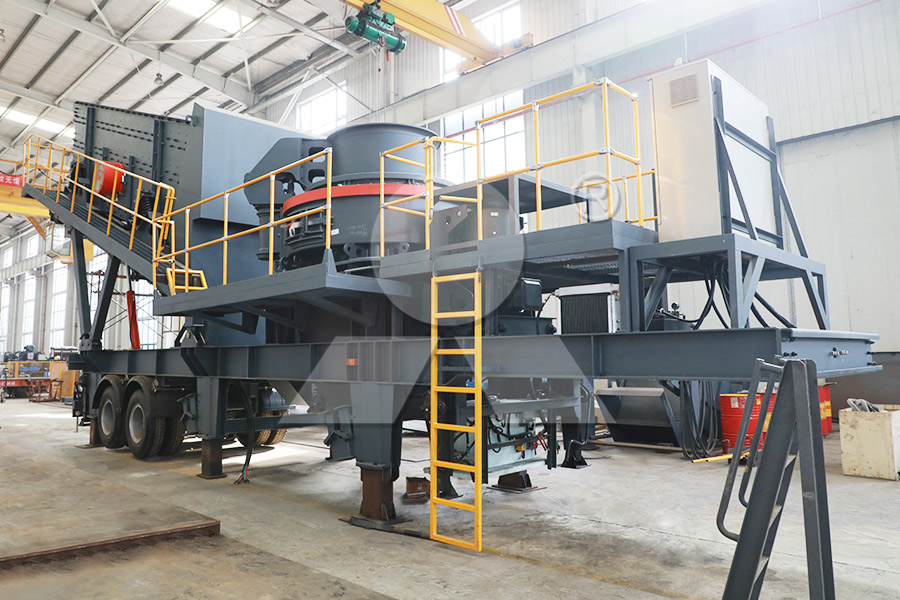
The most immediate impact is on delivered cost. For every 100km of transport eliminated, you remove a significant variable cost component, typically 15-30% of the material’s ex-works price. This is not just freight savings; it is the mitigation of fuel surcharges, cross-docking fees, and demurrage risks. A local supply guarantees a Cost-Plus-Transport model becomes a simple Cost-Plus model, insulating your operations from volatile diesel prices and carrier availability crises.
Technical and Operational Efficiency Gains
Beyond freight, proximity enables a symbiotic relationship between quarry and plant, unlocking efficiencies unattainable with distant suppliers.
- Just-in-Time (JIT) Inventory & Reduced Capital Tie-Up: A local quarry enables true JIT delivery, slashing on-site stockpile requirements. This frees significant capital otherwise locked in inventory and reduces double-handling. Your raw material yard transforms from a static buffer into a dynamic, flow-through component.
- Specification Precision and Agile Quality Control: Direct access allows for real-time collaboration on material specification. Whether you require a high-calcium feed (>95% CaCO₃) for flue gas desulfurization or a specific gradation (e.g., 20mm-40mm aggregate) for asphalt, close proximity permits rapid sampling, testing, and adjustment of the mining plan. This minimizes off-spec batches and production delays.
- Enhanced Process Stability and Uptime: Consistent feed material is critical for downstream equipment health and output. Local supply ensures homogeneity in physical properties—such as Abrasive Index (Ai) and Bond Work Index (Wi)—which directly dictates wear rates on crushers, mill liners, and grinding media. Predictable material allows for optimized selection of wear parts (e.g., specifying the correct grade of Mn-steel for crusher jaws or high-chrome alloy for vertical mill rollers) and maintenance scheduling, maximizing mean time between failures (MTBF).
- Adaptive Mining for Your Needs: A dedicated local quarry can adapt its extraction and primary crushing strategy to your plant’s evolving needs, whether that involves adjusting the top size of feed material or segregating material streams based on chemical or physical properties.
Technical Parameters: The Proximity Advantage Quantified
The following table contrasts the operational parameters of a distant versus a local quarry supply, highlighting key performance indicators.
| Parameter | Distant Supply (>150km) | Local Supply (<50km) | Operational Impact |
|---|---|---|---|
| Lead Time | 5-10 days (order to gate) | <24 hours | Enables JIT, reduces safety stock by 60-80%. |
| Cost Volatility | High (tied to fuel, tariffs) | Low (fixed or indexed) | Predictable OPEX, improved budgeting accuracy. |
| Material Consistency | Variable (multiple sources, blending) | High (single geological source) | Stable plant throughput, consistent product quality. |
| Quality Feedback Loop | Weeks (sample shipping, analysis) | Hours (direct site access) | Rapid correction of deviations, minimal off-spec production. |
| Wear Part Optimization | Generic (must account for material variance) | Precise (matched to known ore hardness & silica content) | Can extend liner life by 15-25%, reduce specific consumption of grinding media. |
| Contingency Response | Poor (dependent on third-party logistics) | Excellent (direct dispatch, on-site reserves) | Mitigates unplanned downtime from supply disruption. |
Strategic Supply Chain Hardening
A local quarry acts as a strategic buffer against systemic risks. It eliminates single points of failure inherent in national rail networks or port dependencies. In an era of increasing climate and geopolitical disruption, controlling the first link of your industrial chain within a defensible radius is a critical risk mitigation strategy. This proximity ensures business continuity by providing a reliable, auditable, and secure source of a fundamental raw material, compliant with both internal standards and external certifications (ISO 9001, CE marking for construction products). The ability to personally audit extraction and processing practices further reinforces quality assurance and sustainable sourcing commitments.
Beyond the Basics: Environmental and Community Benefits of Sourcing Limestone Locally
Sourcing limestone from a local quarry extends beyond logistical and cost efficiencies to deliver substantive environmental and community advantages, grounded in material science and modern mining practices. These benefits are not ancillary; they are integral to sustainable industrial operations and long-term social license to operate.
Reduced Embedded Carbon & Supply Chain Efficiency
The most significant environmental gain is the drastic reduction in the carbon footprint embedded within your raw material. Transport distance is the primary variable.
- Lifecycle Analysis (LCA) Impact: For every ton-kilometer of transport eliminated, you directly reduce Scope 3 emissions associated with your procurement. Local sourcing can cut transportation-related CO₂ emissions by 70-90% compared to intercontinental or cross-country supply chains.
- Supply Chain Resilience: A shortened, transparent supply chain minimizes disruption risks from global logistics bottlenecks, port delays, or geopolitical instability. This ensures consistent feed for continuous processes like cement kilns or metallurgical flux production.
Enhanced Quality Control & Technical Synergy
Proximity enables a deeper, more responsive technical partnership between quarry and plant, translating to superior product consistency and process optimization.
- Real-Time Geochemical Adaptation: Local quarries can map and blend specific benches to meet your precise CaO, MgO, and SiO₂ specifications. For steel plants, this means tailored flux stone with consistent chemistry (e.g., low S and P content) for efficient slag formation in BOF or EAF processes, directly impacting alloy quality and furnace lining life.
- Proactive Contaminant Management: Close collaboration allows for early identification and segregation of deleterious materials (e.g., chert nodules, clay seams) that can affect final product integrity, whether in high-strength concrete aggregates or specialized fillers.
Community Capital & Operational Stability
A local quarry is a vested community partner, creating a stable, mutually beneficial economic ecosystem that underpins your own operational security.
- Hyper-Localized Economic Multiplier: Investment remains within the regional economy through high-skilled employment (geologists, metallurgists, heavy equipment technicians), local service contracts, and taxes funding community infrastructure.
- Shared Infrastructure Development: Proximity often leads to co-investment in shared logistical assets—private rail sidings, conveyor systems, or port upgrades—that benefit the broader industrial base.
- Regulatory & Social Alignment: Operating within the same regulatory and social context fosters aligned environmental stewardship goals. Modern quarries employ best practices like phased rehabilitation, water recycling circuits, and dust suppression (using misting cannons and polymer binders) that meet or exceed ISO 14001 standards, mitigating community impact.
Technical Parameters of Modern, Responsible Quarrying
The environmental performance of a local source is contingent on its operational standards. A professional partner will transparently operate with these parameters:
| Parameter | Industry Benchmark & Impact |
|---|---|
| Dust Emission Control | PM10 levels maintained below 50 µg/m³ at site boundary via automated spray systems and enclosed crushing circuits. |
| Water Management | Zero-discharge systems with siltation ponds and water recycling rates >90%, preventing aquifer contamination. |
| Noise Attenuation | Strategic berms, acoustic enclosures for primary crushers, and limited nighttime operations to maintain <55 dB(A) at nearest residence. |
| Rehabilitation Ratio | Concurrent land restoration exceeding 1:1, with pre-planned post-mining land use (wetlands, agriculture, recreation). |
| Process Flexibility | Ability to adjust crushing circuits (e.g., impact vs. cone crushers) to handle varying ore hardness (Bond Work Index ~10-15 kWh/t) and produce a range of products (rip-rap, aglime, manufactured sand) from a single deposit, maximizing resource utilization. |
Ultimately, a local limestone quarry transforms from a mere supplier into a strategic partner in sustainability. It provides a secure, low-carbon raw material stream while fostering the regional industrial ecosystem and upholding environmental responsibilities through measurable, engineering-led practices. This integrated value proposition is critical for industries—from construction and steel to chemicals and agriculture—committed to resilient and responsible growth.
Tailored Solutions at Your Doorstep: Customization and Quality Control with Nearby Quarry Access
Proximity to a limestone quarry transforms a standard supplier relationship into a collaborative engineering partnership. It enables a level of customization and quality control that is logistically and economically unfeasible with distant sources. This direct access allows for the precise specification of material properties to match your exact industrial process requirements, from aggregate gradation to chemical purity for high-value derivatives.
Functional Advantages of On-Doorstep Customization:
- Grade-Specific Blending: Real-time collaboration with quarry geologists and processing engineers allows for the creation of bespoke blends. This is critical for meeting stringent specifications for calcium carbonate content (CaCO₃ >98% for fillers), low silica (SiO₂) for glass manufacturing, or specific magnesium levels for agricultural lime.
- Particle Engineering: Direct feedback loops enable precise control over crushing and grinding circuits to achieve target particle size distribution (PSD), shape (cubicity vs. angularity), and surface area. This is paramount for applications like asphalt mix design, polymer filler performance, and flue gas desulfurization (FGD) sorbent reactivity.
- Contaminant Mitigation: Proximity allows for selective mining and pre-washing protocols to be implemented upon request, reducing deleterious materials like clay, iron oxides, or organic matter that can compromise final product integrity in steel flux, cement clinker, or pharmaceutical applications.
- Alloy-Specific Flux Stone: For metallurgical clients, the quarry can tailor the physical hardness (adapting primary crusher settings) and chemical composition of flux stone to optimize slag formation and lining wear in specific furnace types (EAF, BOF), directly impacting Mn-steel and other alloy grade production efficiency.
Enhanced Quality Control Through Proximity:
A local quarry integrates your quality parameters directly into its Quality Management System (QMS), which is typically certified to international standards like ISO 9001:2015. This creates a closed-loop control system.
| Control Point | Proximate Quarry Advantage | Distant Supplier Limitation |
|---|---|---|
| Raw Material Selection | Face mapping and borehole data can be used to selectively mine seams matching your chemical/physical specs. | Reliance on bulk, averaged material from stockpiles. |
| Process Intervention | Ability to adjust primary crusher settings, screen decks, or washing cycles in real-time based on your QC sample results. | Corrections are delayed by days or weeks, leading to non-conforming batches. |
| Certification & Traceability | Each shipment can be directly linked to a specific blast block and processing run, with full geochemical assay provided. Lot traceability is inherent. | Traceability is often limited to a port of origin or mill certificate, with less granular data. |
| Performance Validation | Joint trials for new product specifications (e.g., a new aggregate for high-friction asphalt) can be conducted rapidly, with material tested in your plant and adjustments made at the quarry within hours. | Iterative development cycles are protracted, often taking months for feedback and resupply. |
Technical and Operational Synergy:
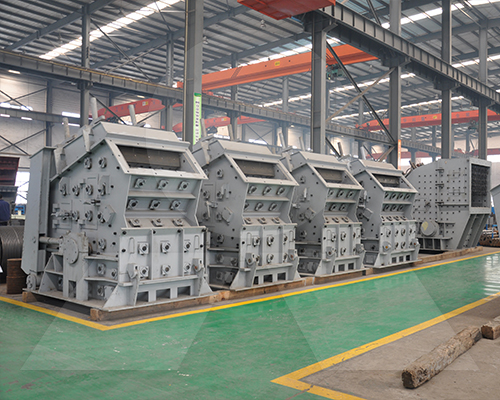
The strategic value extends beyond the material itself. A nearby operation with, for example, a 500 TPH (tonnes per hour) processing plant designed for medium-hardness limestone (Unconfined Compressive Strength ~ 80-120 MPa), can dedicate a production line or time window to your specialized order without the prohibitive cost of a full campaign. This flexibility ensures your production schedule dictates material supply, not vice-versa. Furthermore, compliance with CE marking for construction products or other regional standards is managed through a shared, transparent technical file, reducing your administrative burden and audit complexity. The result is a reliable, specification-perfect material stream that functions as a predictable and optimizable input to your industrial process.
Navigating the Technical Landscape: Understanding Quarry Operations and Material Specifications
A nearby limestone quarry is not merely a source of aggregate; it is a sophisticated industrial asset whose operational and material parameters directly influence your production efficiency, product quality, and supply chain resilience. Proximity allows for a deeper technical integration, transforming a simple supplier relationship into a strategic partnership grounded in material science and engineering precision.
Core Quarry Operations: From Geology to Gradation
Modern quarrying is a controlled, high-volume extraction and processing chain. Understanding its key stages demystifies the supply chain and highlights points of value creation for your operations.
- Geological Assessment & Resource Modeling: Prior to extraction, detailed seismic surveys and core drilling establish the chemical and physical profile of the deposit. This determines the CaCO₃ purity, presence of silica or clay bands, and the rock’s compressive strength and abrasiveness (often measured on the Mohs or Protodyakonov scale). A local operation can provide site-specific geological reports, ensuring long-term material consistency.
- Extraction & Primary Reduction: Modern operations utilize track drills with specific alloy-grade bits (e.g., tungsten carbide inserts for hard, abrasive limestone) and precision blasting to achieve optimal fragmentation. Primary crushers, often jaw or gyratory types selected based on the feed size and hardness, are the first critical comminution stage. Their throughput (TPH) and product size set the baseline for all downstream processing.
- Processing & Beneficiation: Crushed material is conveyed through a series of secondary and tertiary crushers (cone or impact crushers) and screens to achieve precise gradation. Washing and scrubbing may be employed to remove deleterious materials. A local quarry can fine-tune this circuit to produce custom blends—from coarse rip-rap to finely ground agricultural lime—meeting your exact specifications without the degradation that occurs during long-haul transport.
- Quality Control & Stockpiling: Automated sampling systems and on-site laboratories provide real-time analysis of critical parameters. Finished products are stockpiled in controlled, segregated bays to prevent contamination, ensuring you receive a homogenous load with certified properties.
Material Specifications & Engineering Relevance
The value of limestone is defined by its technical specifications. A proximate supplier enables rigorous specification alignment and just-in-time delivery of the correct material grade.
Key Physical & Chemical Parameters:
| Parameter | Typical Specification Range | Relevance to Industrial Consumers |
| :— | :— | :— |
| Gradation (Particle Size Distribution) | ASTM C136 / EN 933-1 | Determines packing density, reactivity, and performance in concrete, asphalt, or filtration systems. |
| Calcium Carbonate (CaCO₃) Purity | 85% – 99+% | Critical for chemical processes (e.g., flue gas desulfurization, steel flux), glass manufacture, and high-purity fillers. |
| Los Angeles Abrasion Loss | 20% – 40% (ASTM C131/C535) | Predicts aggregate durability and resistance to wear in paving and rail ballast. Lower loss indicates higher quality. |
| Specific Gravity & Absorption | ASTM C127/C128 | Essential for concrete mix design, impacting yield, strength, and durability. |
| Crushing Value | 20% – 30% (BS 812-110) | Indicates the aggregate’s intrinsic strength under mechanical load. |
Functional Advantages of Local Technical Integration:
- Adaptive Crushing for Custom Sizing: On-demand production of non-standard sizes (e.g., 5mm x 20mm chip for specialized asphalt mixes or 75mm clean stone for drainage layers) without the cost and delay of custom orders from distant sources.
- Hardness & Abrasion Compatibility: Quarry processing equipment (liner plates, crusher mantles, screen cloths) is often manufactured from high-wear alloys like manganese steel (Mn14%, Mn18%, Mn22%) or AR400/500 steel. A local quarry servicing similar geological formations will have already optimized its wear parts for the material’s abrasiveness, maximizing equipment uptime and consistent output.
- Certification & Traceability: Direct access to full material certification per international standards (ISO, CE marking, ASTM). Proximity allows for joint audits and the establishment of proprietary quality protocols that align with your internal production standards.
- Logistics as a Technical Variable: Reduced haul distance minimizes material degradation (fines generation from transfer points and road vibration) and moisture variation. This results in a more consistent, in-spec product arriving at your plant, directly impacting process control in applications like ready-mix concrete or sinter plant flux.
In essence, a nearby quarry functions as an extension of your raw material handling department. Its operational parameters—from the alloy grade of its crusher liners to its TPH capacity and ISO-certified lab—become tangible, accessible factors that you can leverage for technical advantage and supply chain stability.
Building Trust Through Transparency: Our Commitment to Safety, Sustainability, and Local Partnerships
Our operational philosophy is built on verifiable, transparent practices that create a stable, predictable, and mutually beneficial industrial partner. Trust is engineered through demonstrable commitment in three core areas: safety engineered to mining-grade standards, sustainability grounded in material lifecycle management, and partnerships that integrate local economic and human capital.
Engineered Safety: Beyond Compliance
We implement a safety protocol derived from hard-rock mining, recognizing that consistent, high-volume production is only possible with a zero-incident culture. This is achieved through:
- Material-Specific Plant Design: Crushers, screens, and conveyor systems are specified with alloy grades (e.g., high Mn-steel liners, AR400 abrasion-resistant steel) matched to the local limestone’s abrasion index and compressive strength, minimizing failure points and associated maintenance hazards.
- Predictive Maintenance Regime: Vibration analysis, thermography, and wear-part monitoring are scheduled against machine-specific TPH (tons per hour) benchmarks, preventing unplanned downtime and creating a stable, predictable work environment.
- ISO 45001 Framework: Our management system is certified to this international standard, ensuring systematic hazard identification, risk assessment, and operational control. All mobile equipment meets CE directives or equivalent regional safety standards for machinery.
Sustainable Operations: A Lifecycle Approach
Sustainability is a function of efficiency and long-term resource stewardship. Our methodology quantifies impact and integrates circular principles.
- Resource Optimization: Advanced drilling and blasting patterns, guided by seismic refraction data, maximize yield (cubic meters of in-situ rock per blast) while minimizing vibration and raw material waste.
- Water & Dust Management: Closed-loop water systems for processing and dust suppression are standard. We monitor particulate matter (PM10, PM2.5) with perimeter air quality stations, with data often made accessible to relevant local authorities.
- Rehabilitation & Biodiversity: Post-extraction landform design is concurrent with active mining. We employ geotechnical and hydrological modeling to ensure final topography is stable, drainable, and suitable for agreed-after-use, from wetland creation to commercial development.
Local Partnership: Integrating Value Chains
A nearby quarry is a strategic asset, not just a supplier. We build partnerships that anchor the local industrial ecosystem.
| Partnership Dimension | Technical & Economic Mechanism | Local Value Outcome |
|---|---|---|
| Supply Chain Integration | Just-in-Time (JIT) delivery scheduling synchronized with plant production cycles. Provision of consistent, chemically characterized aggregate grades (e.g., ASTM C33, AASHTO M43). | Reduces inventory holding costs for local concrete/asphalt plants. Ensures mix-design consistency for local construction projects. |
| Infrastructure Support | Provision of certified road-base materials (e.g., Type 1 sub-base), armor stone for erosion control, and agricultural lime. | Lowers municipal infrastructure project costs and transport carbon footprint. Supports local agriculture and environmental management. |
| Employment & Development | On-site training programs focused on heavy equipment operation (CAT/Volvo), plant maintenance, and quality control (QC) testing (sieve analysis, Los Angeles abrasion). | Creates high-skill technical jobs. Develops a local workforce with transferable industrial competencies. |
| Transparent Engagement | Regular dissemination of key performance indicators (KPIs) such as community noise levels, truck traffic schedules, and annual production volumes. Establishment of a community liaison panel with technical advisory capacity. | Builds social license to operate through factual dialogue. Allows community planning based on reliable operational data. |
This multi-faceted commitment establishes the quarry as a reliable, low-risk component of your regional industrial infrastructure, directly contributing to operational resilience and long-term strategic planning.
Frequently Asked Questions
How does proximity reduce wear part replacement downtime?
Nearby quarries enable rapid deployment of pre-hardened high-manganese steel (e.g., Hadfield steel) crusher jaws and mantles. This minimizes machine idle time. On-site stockpiling allows for scheduled swaps during planned maintenance windows, directly cutting unplanned downtime from 48+ hours to under 8.
Can equipment be optimized for local limestone’s specific Mohs hardness?
Absolutely. Local geology allows precise calibration. For limestone (~3 Mohs), you can reduce crusher hydraulic pressure and adjust jaw gap, lowering energy consumption and wear. This prevents the over-engineering needed for harder ores, optimizing liner life and throughput.
How does a local quarry improve vibration and foundation management?
Proximity allows for custom-designed, monolithic concrete foundations based on precise soil testing from the site. This ensures optimal dynamic load absorption for primary crushers and screens, preventing costly cracks and misalignment that plague temporary setups.
What are the lubrication advantages for continuous operation?
Local operations facilitate strict, real-time oil analysis programs. You can implement automated greasing systems calibrated to exact bearing loads (e.g., SKF or Timken in vibratory screens). This enables condition-based changes, preventing both under-lubrication (seizure) and over-lubrication (grease packing).
How does location impact adaptability for varying feed sizes?
On-site access allows for rapid reconfiguration of primary screening (grizzly or scalper) decks based on shot rock analysis. You can quickly swap screen mesh panels or adjust grizzly bar spacing to bypass fines, directly protecting the crusher from unnecessary wear and plugging.
Does a fixed site offer better dust suppression system optimization?
Yes. Permanent installations allow for engineered, high-pressure misting systems with nozzles precisely positioned at transfer points and crusher inlets. Water flow can be tied to conveyor RPM, ensuring effective particle agglomeration for local limestone without wasteful over-saturation.