Table of Contents
- Essential Types of Gold Mining Equipment for Modern Operations
- How Heavy-Duty Machinery Transforms Placer and Hard Rock Mining
- Innovative Technologies in Gold Extraction Equipment
- Choosing the Right Gold Mining Machinery for Your Operation Scale
- Maintenance and Optimization of Gold Mining Equipment for Long-Term Efficiency
- Frequently Asked Questions
- What types of heavy machinery are essential for large-scale gold mining operations?
- How do jaw crushers and cone crushers differ in gold ore processing?
- What role does a trommel play in alluvial gold mining?
- Which slurry pumps are best suited for gold processing circuits?
- How do modern cyanide leaching plants integrate automation in gold extraction?
- What advancements have improved reliability in mobile gold mining equipment?
- How do centrifugal concentrators enhance fine gold recovery?
- What safety and environmental standards govern gold mining equipment?
- How is AI being integrated into gold mining machinery for predictive maintenance?
- What are the benefits of modular processing plants in remote gold mines?
- How do dry-stack tailings systems impact equipment selection in gold mining?
- What filtration and dewatering technologies are used in gold concentrate handling?
Gold mining has evolved from rudimentary pans and picks into a highly sophisticated industry driven by advanced technology and precision engineering. Today’s operations rely on a comprehensive suite of gold mining equipment and machinery designed to maximize efficiency, safety, and yield across diverse geological environments. From robust excavators and high-capacity trommels to state-of-the-art crushers, concentrators, and cyanide leaching systems, each component plays a critical role in transforming raw ore into valuable bullion. Whether operating in remote alluvial fields or large-scale hard-rock mines, selecting the right equipment is paramount to achieving optimal extraction rates and minimizing operational costs. Innovations in automation, energy efficiency, and environmental sustainability have further revolutionized the sector, enabling miners to meet growing global demand while adhering to stringent regulatory standards. This guide explores the essential tools and machinery powering modern gold extraction, offering expert insights into their functions, applications, and the strategic advantages they deliver in today’s competitive mining landscape.
Essential Types of Gold Mining Equipment for Modern Operations
- Primary crushing units
- Conveyor systems
- Grinding mills (SAG and ball mills)
- Gravity concentration equipment
- Froth flotation cells
- Cyanide leaching tanks
- Carbon-in-pulp (CIP) and carbon-in-leach (CIL) systems
- Electrowinning cells
- Refining furnaces
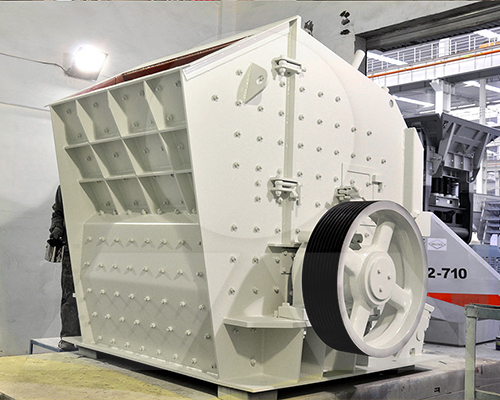
Modern gold mining operations rely on a sequence of specialized equipment designed to efficiently extract and refine gold from ore bodies. The process begins with primary crushing units, typically jaw or gyratory crushers, which reduce large run-of-mine ore into smaller, manageable sizes. These are often integrated with robust conveyor systems that ensure continuous material transport while minimizing manual handling and downtime.
Following size reduction, grinding mills—semi-autogenous (SAG) and ball mills—further pulverize the ore to liberate gold particles. The choice between SAG and ball mills depends on ore hardness and throughput requirements, with SAG mills offering energy-efficient solutions for coarse grinding.
Gravity concentration remains a critical step, especially for free-milling ores. Equipment such as Knelson or Falcon concentrators use enhanced gravitational forces to separate dense gold particles from gangue material. These systems are highly effective in recovering coarse and free gold before downstream processing.
For finer or refractory gold, froth flotation cells are employed to separate sulfide minerals that host gold. This method uses reagents and air injection to create mineral-laden froth, which is skimmed and further processed.
Cyanide leaching is the dominant hydrometallurgical technique for gold dissolution. Leaching tanks, operated in carbon-in-leach (CIL) or carbon-in-pulp (CIP) configurations, facilitate the adsorption of dissolved gold onto activated carbon. CIL integrates leaching and adsorption in a single circuit, while CIP separates the two stages for optimized control.
Recovered gold-loaded carbon is stripped via pressure Zadra or AARL processes, followed by electrowinning, where gold is electrodeposited from solution onto steel wool. The final step involves smelting in high-temperature refining furnaces to produce doré bars, which are sent to refineries for final purification.
Each component must be precisely engineered and integrated within the processing circuit to maximize recovery rates, reduce operational costs, and ensure environmental compliance. The efficiency of modern gold extraction hinges on the seamless interaction of these essential systems.
How Heavy-Duty Machinery Transforms Placer and Hard Rock Mining
-
Increased operational efficiency through mechanization has fundamentally redefined productivity in both placer and hard rock gold mining. Heavy-duty machinery enables the processing of significantly larger volumes of material compared to manual or small-scale methods, directly translating into higher recovery rates and improved project economics.
-
In placer mining, hydraulic excavators, draglines, and continuous mining systems such as suction dredges and bucket-wheel excavators allow for the rapid extraction and movement of alluvial sediments. These machines operate continuously under harsh environmental conditions, ensuring consistent throughput. Modern trommels and high-capacity washing plants integrate screening, scrubbing, and gravity separation functions, effectively processing thousands of cubic meters of material per day while minimizing gold loss in fine fractions.
-
Hard rock mining relies on equally specialized equipment to manage the extraction and comminution of ore. Drilling rigs with automated feed systems and precision guidance ensure accurate blast hole placement, optimizing fragmentation. Load-haul-dump (LHD) vehicles and electric face shovels efficiently remove blasted rock from underground stopes, while large-scale haul trucks transport ore to primary crushers in open-pit operations. The integration of GPS and fleet management systems enhances equipment utilization and reduces downtime.
-
Comminution circuits in hard rock processing are anchored by robust machinery: jaw and cone crushers reduce run-of-mine ore to manageable sizes, while semi-autogenous (SAG) and ball mills achieve the fine liberation required for effective gold recovery. Advances in mill liner design and motor efficiency have substantially reduced energy consumption per ton of ore processed.
-
Heavy-duty machinery also enhances safety and environmental control. Remote-operated and autonomous systems reduce personnel exposure in high-risk zones. Dust suppression systems on drills and conveyors, combined with water recycling in wash plants, mitigate environmental impact.
-
The integration of telemetry, predictive maintenance algorithms, and real-time ore monitoring allows for data-driven decision-making, maximizing equipment uptime and metallurgical performance. Such technological convergence ensures that modern gold mining operations achieve both scalability and sustainability, positioning heavy machinery not merely as tools of extraction, but as core enablers of operational excellence.
Innovative Technologies in Gold Extraction Equipment
-
Advanced sensor-based ore sorting technologies are revolutionizing feed preparation by enabling real-time mineralogical discrimination. Utilizing X-ray transmission (XRT) and laser-induced breakdown spectroscopy (LIBS), these systems accurately identify gold-bearing particles pre-processing, reducing downstream energy consumption and improving overall recovery rates by rejecting waste rock early in the circuit.
-
High-intensity gravity concentration (HIGG) devices, such as Knelson and Falcon concentrators, continue to evolve with enhanced fluidization control and automated bowl management. These innovations improve recovery of fine free-milling gold particles down to 10 microns, offering a chemical-free alternative to cyanidation for specific ore types and reducing environmental footprint.
-
The integration of electrochemical detection in inline process monitoring enables continuous analysis of gold concentration in leach solutions. Coupled with machine learning algorithms, these systems optimize reagent dosing in real time, minimizing cyanide and lime overuse while maintaining leach efficiency.
-
Refractory ore processing has seen significant advancement through ultrafine grinding (UFG) mills and pressure oxidation (POX) reactors with improved materials of construction. Modern POX units operate at higher throughput and lower maintenance intervals, making economic the treatment of complex sulfide-hosted deposits previously deemed uneconomical.
-
Modular and mobile processing units equipped with digital twin technology allow operators to simulate and optimize performance remotely. These systems incorporate IoT-enabled sensors that monitor wear, throughput, and energy consumption, providing predictive maintenance alerts and reducing unplanned downtime.
-
Resin-in-pulp (RIP) and resin-in-leach (RIL) technologies are displacing traditional carbon adsorption in certain operations due to their higher selectivity and faster kinetics. New-generation polymeric resins exhibit improved attrition resistance and gold loading capacity, particularly in high-clay or high-sulfide environments.
-
Emerging non-toxic lixiviants such as thiosulfate and glycine are being piloted in closed-loop extraction systems, offering safer alternatives to cyanide. When paired with selective elution and electrowinning circuits, these chemistries demonstrate comparable recovery rates while significantly lowering environmental risk and permitting complexity.
-
Automation platforms incorporating artificial intelligence now manage entire processing circuits—from crushing through to doré production—optimizing recovery, throughput, and reagent use with minimal human intervention. These systems continuously adapt to ore variability, ensuring stable performance across fluctuating feed conditions.
Choosing the Right Gold Mining Machinery for Your Operation Scale
-
Small-scale operations (1–50 tons/day) demand compact, mobile, and cost-effective machinery. Primary equipment includes trommels, sluice boxes, and high-bankers, which require minimal infrastructure and are ideal for artisanal and placer mining. Jaw crushers and hammer mills serve as initial size-reduction tools, while centrifugal concentrators like Knelson or Falcon units enhance fine gold recovery. Portability and low power consumption are critical; diesel-powered or gasoline-driven units are common. Equipment selection must prioritize ease of setup and rapid relocation to adapt to shifting deposits.
-
Mid-scale operations (50–500 tons/day) require semi-continuous processing systems. Scalable trommels or vibrating feeders feed material into primary crushers, typically jaw or cone types, followed by secondary grinding via ball or rod mills. Slurry management becomes essential; thus, pump-fed sluice systems or continuous centrifugal concentrators improve throughput and recovery efficiency. Diagnostic tools such as metallurgical sampling and head-grade analysis inform equipment optimization. At this scale, modular plant designs offer flexibility, allowing staged expansion. Power requirements shift toward grid or heavy-duty generator support, necessitating proper electrical infrastructure.
-
Large-scale operations (500+ tons/day) operate under continuous processing models and require fully integrated plants. Primary gyratory crushers, large SAG or ball mills, and advanced gravity concentration circuits form the core. These are supported by automated feed control, dense media separation (where applicable), and large-scale cyanidation or flotation circuits for refractory ores. Equipment must deliver high uptime and reliability, with redundancy built into critical systems. Maintenance protocols, predictive analytics, and OEM service support become operational imperatives. Capital investment is substantial; lifecycle cost analysis, including energy consumption and wear-part replacement, guides procurement.
| Scale | Throughput | Key Machinery | Power Source | Recovery Focus |
|---|---|---|---|---|
| Small | 1–50 tpd | Trommel, sluice, jaw crusher | Gasoline/Diesel | Gravity concentration |
| Mid | 50–500 tpd | Cone crusher, ball mill, pumps | Diesel/Grid | Gravity + auxiliary circuits |
| Large | 500+ tpd | SAG mill, flotation, CIL | Grid/Substation | Integrated metallurgy |
Equipment choice must align with ore characteristics, site accessibility, environmental constraints, and long-term production goals. Misalignment risks capital inefficiency and suboptimal recovery. Conduct thorough feasibility testing—bench and pilot scale—before procurement.
Maintenance and Optimization of Gold Mining Equipment for Long-Term Efficiency
-
Implement preventive maintenance schedules based on equipment runtime and manufacturer specifications to minimize unplanned downtime. Critical components such as crushers, pumps, and grinding mills require routine inspection for wear, lubrication levels, and alignment.
-
Conduct daily visual inspections of hydraulic systems, conveyor belts, and screening mechanisms to detect early signs of wear, leaks, or misalignment. Document findings systematically to establish failure trends and prioritize corrective actions.
-
Utilize condition monitoring technologies—including vibration analysis, infrared thermography, and oil analysis—to assess the health of rotating equipment. These diagnostics enable predictive maintenance, allowing interventions before catastrophic failure.
-
Maintain strict adherence to lubrication protocols. Use only OEM-recommended lubricants and ensure proper application intervals and volumes. Contaminated or degraded lubricants accelerate wear in high-load components such as mill trunnions and crusher bearings.
-
Calibrate sensors and control systems weekly to ensure accurate feedback from slurry density meters, flow sensors, and level detectors. Inaccurate readings compromise process efficiency and downstream recovery rates.
-
Optimize equipment operation by aligning performance parameters with ore characteristics. Adjust feed rates, pulp density, and retention times in gravity separation and flotation circuits to match head grade and particle size distribution.
-
Train maintenance personnel in root cause analysis (RCA) methodologies to prevent recurrence of repetitive failures. Pair technical training with access to equipment failure databases for faster troubleshooting.
-
Standardize spare parts inventory using a criticality matrix. Prioritize stocking of high-failure-rate, long-lead-time components while leveraging vendor-managed inventory agreements for non-critical items.
-
Integrate maintenance management systems (CMMS) to track work orders, schedule tasks, and manage asset histories. Data-driven insights improve planning accuracy and support lifecycle cost analysis.
-
Conduct biannual performance audits of key equipment trains—comminution, concentration, and dewatering—to identify inefficiencies. Benchmark against industry-specific KPIs such as specific energy consumption (kWh/ton) and equipment availability (%).
-
Evaluate wear-resistant materials and coatings for high-abrasion zones. Advanced liners, ceramic composites, and polyurethane screens extend service life and reduce replacement frequency.
-
Foster cross-functional collaboration between operations, maintenance, and engineering teams to align maintenance goals with production objectives. Regular reliability meetings ensure accountability and continuous improvement.
Frequently Asked Questions
What types of heavy machinery are essential for large-scale gold mining operations?
Large-scale gold mining relies on specialized heavy machinery including draglines, excavators, haul trucks, bulldozers, and rotary drills. These are critical for overburden removal, ore excavation, and transportation. High-capacity equipment like electric rope shovels (e.g., P&H 4100XPC) and Komatsu 930E haul trucks are standard in open-pit operations due to their durability and productivity in extreme conditions.
How do jaw crushers and cone crushers differ in gold ore processing?
Jaw crushers serve as primary crushers, ideal for breaking down large gold-bearing rocks into smaller, manageable sizes using compressive force. Cone crushers, used downstream as secondary or tertiary crushers, refine the material further with higher reduction ratios and better particle shape. For hard sulfide ores, modern hybrid HPGRs (High-Pressure Grinding Rolls) offer superior energy efficiency.
What role does a trommel play in alluvial gold mining?
A trommel is crucial in placer gold mining for screening and agitating raw material. As feed enters the rotating drum, water and mechanical motion separate fine gold from sediment while larger debris is screened out. Advanced trommels feature integrated sluices and high-pressure spray bars for optimal recovery rates, often used with centrifugal concentrators like Knelson or Falcon for enhanced fine-gold capture.
Which slurry pumps are best suited for gold processing circuits?
High-chrome alloy slurry pumps such as Weir Minerals Warman AH or Metso MDX series are preferred due to their abrasion resistance and ability to handle high-density slurries in grinding circuits, cyclones, and tailings transport. Sealing systems like mechanical seals or thickeners with gland water control ensure reliability in mineral-laden environments.
How do modern cyanide leaching plants integrate automation in gold extraction?
Leading gold processing plants use DCS (Distributed Control Systems) and SCADA automation to regulate cyanide concentration, pH levels, retention time, and oxygen injection in leach tanks. Sensors and AI-driven analytics optimize gold recovery while minimizing reagent use and environmental exposure, complying with ISO 14001 and ICMM standards.
What advancements have improved reliability in mobile gold mining equipment?
Modern mobile gold mining rigs incorporate GPS-guided drilling (e.g., Sandvik DD422i), electric drive systems for lower maintenance, and remote diagnostics via IoT telematics. Equipment like Caterpillar’s CMD series drilling rigs and modular CIP/CIL plants enhance deployment speed and reduce downtime in remote locations.
How do centrifugal concentrators enhance fine gold recovery?
Centrifugal concentrators like the Knelson Concentrator use fluidized bed systems under high G-forces to separate fine gold particles (down to 10 microns) from gangue material. These units are often deployed after grinding circuits or on regrind streams, achieving recovery rates over 95% when optimized for specific gravity differentials.
What safety and environmental standards govern gold mining equipment?
Gold mining equipment must comply with MSHA (Mine Safety and Health Administration), ISO 12100 (machinery safety), and local environmental regulations. Enclosed cabs with ROPS/FOPS, dust suppression systems, and sealed hydraulic systems minimize risks. Equipment manufacturers also adhere to EMAS and REACH directives for emissions and chemical handling.
How is AI being integrated into gold mining machinery for predictive maintenance?
AI-powered systems analyze vibration, temperature, and oil spectroscopy data from mining equipment to predict component failures before they occur. Machine learning models from companies like Senseye or Uptake integrate with OEM telemetry (e.g., Komatsu KOMTRAX) to schedule maintenance, reduce unplanned downtime, and extend equipment lifecycle in gold operations.
What are the benefits of modular processing plants in remote gold mines?
Modular gold processing plants offer scalability, rapid deployment, and reduced capex. Built in controlled factory environments, these skid-mounted units include crushing, grinding, leaching, and recovery circuits tailored to ore characteristics. They are ideal for greenfield projects in Africa, South America, or the Arctic, minimizing site construction risks.
How do dry-stack tailings systems impact equipment selection in gold mining?
Dry-stack tailings require filter presses (e.g., Larox PH or Andritz filters) and high-pressure pumps to dewater slurry, reducing environmental risks. This influences equipment choices—higher-duty thickeners, automated polymer dosing systems, and belt conveyors replace wet tailings dams. Equipment must withstand abrasive, high-solids flows with minimal wear.
What filtration and dewatering technologies are used in gold concentrate handling?
Vacuum belt filters, pressure filters, and high-frequency dewatering screens are employed to reduce moisture in gold concentrate before smelting or transport. Ceramic disc filters offer ultra-low moisture (<10%) and are increasingly used due to lower operational costs and water recovery benefits in arid mining regions.