Table of Contents
- The Heart of Ukraine’s Coal Industry: Donbas Region Overview
- Historical Development of Coal Mining in Ukraine
- Major Coal Mining Cities and Industrial Hubs
- Challenges Facing Ukraine’s Coal Sector Today
- Future of Coal Energy and Mining in Ukraine
- Frequently Asked Questions
- What is the primary coal mining region in Ukraine?
- Why is the Donbas region critical to Ukraine’s energy sector?
- How has the conflict in Eastern Ukraine affected coal mining operations?
- What steps has Ukraine taken to maintain coal supply after losing Donbas mines?
- Are there still active coal mines in Ukrainian-controlled territory?
- What is the future of coal mining in Ukraine amid decarbonization efforts?
- How does Ukraine’s coal quality compare to international standards?
- What environmental impacts are associated with coal mining in Ukraine?
- How has privatization affected Ukraine’s coal industry?
- What role does coal play in Ukraine’s steel industry?
- How is Ukraine addressing mine safety in its remaining coal operations?
- What is Ukraine’s strategy for transitioning coal-dependent regions?
Nestled in the heart of Eastern Europe, Ukraine’s coal mining legacy runs deep—literally and figuratively—shaping not only its industrial backbone but also its socio-political trajectory over the past two centuries. At the core of this legacy lies the Donets Basin, commonly known as Donbas, one of the most significant coal reserves on the continent and the epicenter of Ukraine’s mining endeavors. From the steam-powered ambitions of the 19th-century Russian Empire to the Soviet Union’s industrial juggernaut, coal from this region fueled nations and forged cities. Towns like Donetsk and Luhansk emerged as bustling hubs of energy production, their identities intertwined with the rhythm of underground labor. Today, despite geopolitical turmoil and a shifting global energy landscape, the coal mining center of Ukraine remains a critical yet complex component of national infrastructure, reflecting both enduring economic reliance and the urgent need for transformation. Its story is one of resilience, challenge, and evolving relevance in a modernizing world.
The Heart of Ukraine’s Coal Industry: Donbas Region Overview
-
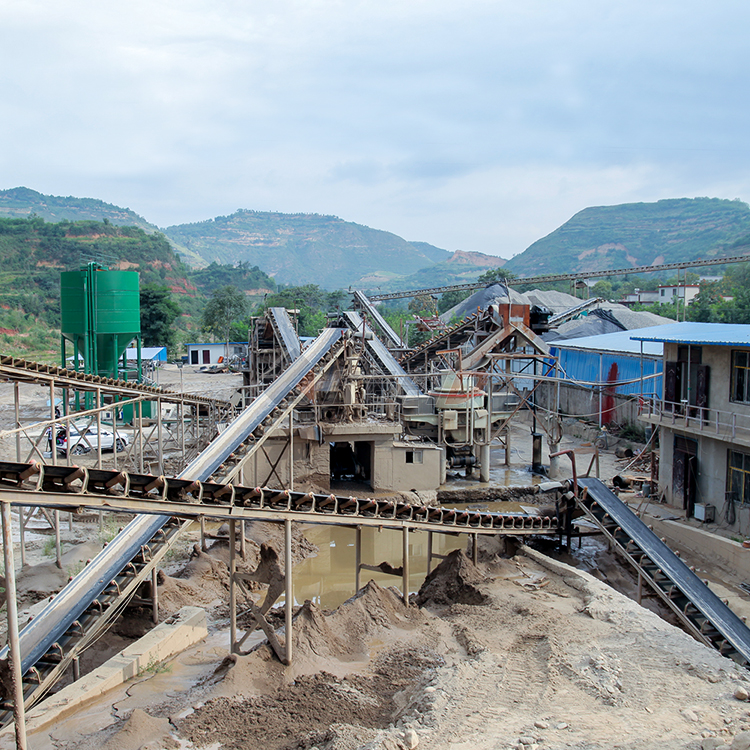
The Donbas region, encompassing Donetsk and Luhansk Oblasts, represents the historical and geological core of Ukraine’s coal industry. For over 150 years, it has served as the primary source of anthracite and bituminous coal, fueling industrialization across the Russian Empire and later the Soviet Union. The region’s vast coal reserves—estimated at over 48 billion tonnes—are concentrated within the Donetsk Coal Basin, one of the largest in Europe.
-
Structurally, the Donbas basin features complex geology with deep-seated seams, often exceeding depths of 1,000 meters. This depth, combined with high methane content and tectonic stress, has made extraction technically challenging and capital-intensive. Historically, the area hosted more than 200 operational mines at its peak in the mid-20th century, supporting entire urban economies and contributing significantly to national energy security.
-
The coal extracted in Donbas has traditionally been high in energy content, particularly anthracite used in metallurgy and thermal power generation. However, decades of intensive mining have led to depletion of easily accessible reserves, increasing reliance on deeper, costlier operations. By the early 21st century, many state-owned mines were operating at a loss, burdened by outdated infrastructure and inefficiencies.
-
Geopolitical developments since 2014 have drastically altered the region’s mining landscape. Following the conflict in eastern Ukraine, a substantial portion of coal-producing assets fell under non-government-controlled areas. As of 2022, Ukraine lost access to approximately 60% of its remaining coal capacity, including nearly all anthracite mines. This has forced a strategic pivot toward energy diversification and reduced dependence on Donbas-sourced coal.
-
Despite diminished output, Donbas remains symbolically and economically significant. Remaining government-controlled mines in western Donetsk continue limited production, primarily for coking coal used in steelmaking. However, economic viability is increasingly questionable without substantial modernization and investment.
-
The long-term future of coal mining in Donbas is uncertain. Environmental concerns, global decarbonization trends, and ongoing security risks constrain revival prospects. Any sustainable reintegration would require not only political stability but also comprehensive restructuring, technological upgrades, and alignment with European energy and climate policies.
Historical Development of Coal Mining in Ukraine
-
Coal mining in Ukraine dates to the mid-18th century, with initial extraction activities concentrated in the Donets Basin (Donbas) region. Systematic development began in the 19th century under the Russian Empire, driven by industrialization and the expansion of rail infrastructure.
-
By the 1870s, the Donbas emerged as the dominant coal-producing region, attracting foreign investment—particularly from British, French, and Belgian enterprises. The discovery of high-quality bituminous and coking coal fueled rapid growth, positioning Ukraine as a critical energy hub within the empire.
-
The early Soviet period (post-1921) saw centralized planning prioritize coal as the foundation of industrial and military development. The First Five-Year Plan (1928–1932) triggered massive expansion in Donbas, including mechanization, new shaft construction, and forced labor deployment. This era solidified coal’s role in national energy policy and heavy industry, particularly steel production.
-
During World War II, mining operations were severely disrupted; infrastructure was destroyed during German occupation and Soviet retreat. Postwar reconstruction restored and expanded capacity, peaking in the 1970s when Ukraine produced over 200 million tonnes annually—ranking among the world’s top coal producers.
-
The collapse of the Soviet Union in 1991 precipitated structural decline. State-owned enterprises struggled with inefficiency, underinvestment, and energy market fragmentation. Output plummeted due to reduced industrial demand, aging infrastructure, and competition from cheaper energy sources.
-
The 2014 conflict in eastern Ukraine further disrupted the sector, resulting in the loss of approximately 30% of Ukraine’s coal production capacity as key mines fell under non-government-controlled areas. Remaining state-owned mines faced financial distress, prompting gradual reform efforts and discussions on privatization.
-
Historically, coal mining shaped urbanization and labor dynamics in Donetsk and Luhansk oblasts, creating densely populated industrial centers. However, decades of extractive practices led to environmental degradation, subsidence, and public health challenges.
-
Ukraine’s coal sector remains pivotal in energy security debates, though structural obsolescence and geopolitical instability constrain revival. The historical trajectory reflects broader shifts—from imperial resource exploitation to Soviet industrialization and post-Soviet decline—underscoring coal’s enduring yet diminishing role in Ukraine’s economy.
Major Coal Mining Cities and Industrial Hubs
- Donetsk
- Makiivka
- Horlivka
- Toretsk (including nearby settlements such as Pivdenne and Selydove)
- Luhansk
- Kirovske
- Alchevsk
The Donets Basin, commonly known as the Donbas, has historically functioned as Ukraine’s principal coal mining and industrial core. Centered primarily in Donetsk and Luhansk oblasts, this region emerged in the late 19th century as a critical energy and metallurgical hub within the Russian Empire and later the Soviet Union. The concentration of bituminous and coking coal deposits fostered the development of deeply integrated industrial cities, where mining operations were directly linked to steel production, chemical processing, and heavy machinery manufacturing.
Donetsk, originally named Yuzovka, stands as the historical and geographic nucleus of Ukrainian coal mining. Its infrastructure was built around deep-shaft mines and coke-chemical plants that supplied raw materials to regional steel mills. Makiivka and Horlivka developed parallel industrial profiles, with extensive mining networks supporting large-scale metallurgical enterprises such as the Makiivka Iron and Steel Works and the Yenakievo Metallurgical Plant. Toretsk and surrounding settlements formed a tightly connected mining cluster, contributing significantly to coking coal output essential for ferrous metallurgy.
In Luhansk Oblast, Luhansk and Alchevsk were key centers for both coal extraction and industrial processing. Alchevsk hosted one of Ukraine’s largest integrated steel plants, historically dependent on local coking coal. Kirovske played a supporting role in coal supply, particularly for regional power generation and chemical synthesis.
These cities were not only mining centers but also nodes of industrial interdependence: coal fed coke ovens, coke fueled blast furnaces, and by-products supplied chemical plants. This vertical integration defined the economic geography of eastern Ukraine for over a century. However, structural decline since the 1990s—accelerated by technological obsolescence, underinvestment, and geopolitical instability—has diminished output. Since 2014, active conflict in parts of Donetsk and Luhansk oblasts has led to the closure or militarized seizure of numerous mines, disrupting supply chains and displacing workforces. Despite these challenges, the region’s historical role as Ukraine’s coal and industrial heartland remains foundational to the nation’s energy and industrial legacy.
Challenges Facing Ukraine’s Coal Sector Today
- Aging infrastructure and declining efficiency
- Severe underinvestment due to prolonged conflict and economic instability
- Workforce depletion and skills shortage
- Environmental degradation and regulatory compliance pressures
- Geopolitical and logistical disruptions to energy markets
Ukraine’s coal sector faces a complex array of challenges that threaten its viability and strategic relevance. Decades of underfunded maintenance have left mining infrastructure antiquated, with many mines operating below technical and safety standards. Over 60% of extraction equipment is obsolete, contributing to low productivity and high accident rates. This degradation is compounded by insufficient reinvestment, as capital allocation has been constrained by ongoing military conflict in the Donbas region—the historical core of Ukraine’s coal industry.
The conflict has directly disrupted operations, with numerous mines either damaged, flooded, or rendered inaccessible due to frontline proximity. As of 2023, over 30% of Ukraine’s coal-mining capacity in the Donetsk and Luhansk regions remains non-operational. The loss of control over key basins has diminished domestic coal output by more than half compared to pre-2014 levels, weakening energy security and increasing reliance on imports.
Workforce attrition further undermines sector resilience. Younger workers are increasingly deterred by hazardous conditions, stagnant wages, and limited career prospects. Many experienced miners have emigrated or transitioned to other sectors, creating a critical gap in technical expertise. The state-owned enterprises that dominate coal production are burdened by inefficiency and legacy costs, impeding reform and privatization efforts.
Environmental concerns are intensifying. Abandoned mines contribute to groundwater contamination and methane emissions, drawing scrutiny under Ukraine’s commitments to EU environmental standards. The sector’s high carbon intensity conflicts with national decarbonization goals and access to green financing.
Finally, market instability persists. Coal-fired power plants, while still essential for grid stability, face declining utilization due to shifts toward renewables and gas. The sector must navigate a shrinking domestic demand, volatile pricing, and disrupted export logistics. Structural modernization, coupled with a clear energy transition roadmap, is imperative for any sustainable future.
Future of Coal Energy and Mining in Ukraine
-
Ukraine’s coal energy and mining sector faces a pivotal transformation driven by geopolitical instability, economic restructuring, and energy policy shifts. Historically reliant on coal—particularly from the Donbas region—the sector has undergone severe contraction since 2014 due to the conflict in eastern Ukraine, which disrupted operations in key mining areas. Currently, active coal production is largely confined to government-controlled territories in Lviv-Volyn and parts of Dnipropetrovsk and Donetsk oblasts, with limited resumption of activity in liberated zones.
-
The future of coal in Ukraine’s energy mix is constrained by structural challenges. Thermal coal remains critical for domestic power generation, but aging infrastructure, declining mine productivity, and high operational costs undermine competitiveness. State-owned enterprises such as Ukrenergo and Energorynok face mounting pressure to ensure energy security amid ongoing warfare and disrupted supply chains. As of 2023, coal accounted for approximately 25% of electricity generation, a sharp decline from prior decades, with increasing substitution by natural gas, nuclear, and renewable sources.
-
Decarbonization commitments and integration ambitions with the European Union further marginalize coal’s long-term role. Ukraine’s Energy Strategy 2035 targets a 50% reduction in coal-based generation by 2030 and envisions full phase-out in favor of renewables and low-carbon alternatives. EU accession negotiations and Just Transition mechanisms are expected to direct financial and technical support toward affected regions, particularly in revitalizing economies historically dependent on mining.
-
However, immediate energy security concerns sustain reliance on domestic coal. Efforts to modernize remaining mines and improve efficiency are underway, though investment remains limited due to fiscal constraints and investor risk aversion. The rehabilitation of infrastructure in post-conflict zones presents both opportunity and uncertainty.
-
In summary, coal mining in Ukraine is transitioning from a foundational industry to a diminishing, transitional component of the energy system. Its future hinges on geopolitical stabilization, effective policy implementation, and successful diversification of mining-dependent regions toward sustainable economic models. Long-term viability will depend not on expansion, but on managed decline aligned with national energy security and climate objectives.
Frequently Asked Questions
What is the primary coal mining region in Ukraine?
The primary coal mining region in Ukraine is the Donets Basin, commonly known as the Donbas, which spans the Donetsk and Luhansk oblasts in eastern Ukraine. This region holds over 90% of the country’s coal reserves and has historically been the industrial heartland of Ukraine, specializing in anthracite and bituminous coal extraction.
Why is the Donbas region critical to Ukraine’s energy sector?
The Donbas is critical to Ukraine’s energy sector because it supplies a significant portion of the nation’s thermal coal used in power generation. Prior to the 2014 conflict, Donbas-produced coal fueled more than half of Ukraine’s coal-fired power plants, and the region supported integrated metallurgical industries that rely on coking coal for steel production.
How has the conflict in Eastern Ukraine affected coal mining operations?
The conflict has severely disrupted coal mining in Ukraine, especially after 2014, when large parts of the Donbas came under separatist control. State-owned mines in government-controlled areas were largely separated from key coking coal reserves, halting operations at many facilities. Ongoing warfare and infrastructure damage have led to mine flooding, loss of skilled labor, and sharp declines in output.
What steps has Ukraine taken to maintain coal supply after losing Donbas mines?
Ukraine has implemented a strategy called “coal ceasefire” to transition away from dependence on occupied Donbas coal. Measures include accelerating energy sector reform, increasing imports of coal from international markets (notably the U.S., Colombia, and South Africa), investing in renewable energy, and promoting energy efficiency to reduce overall coal consumption.
Are there still active coal mines in Ukrainian-controlled territory?
Yes, there are active coal mines in Ukrainian-controlled areas of Donbas, primarily in western Donetsk Oblast (e.g., Pokrovsk and Dobropillia). These mines are operated by the State Coal Enterprise and focus on energy coal rather than coking coal. However, many face financial challenges, outdated infrastructure, and safety concerns, leading to ongoing consolidation and modernization programs.
What is the future of coal mining in Ukraine amid decarbonization efforts?
The future of coal mining in Ukraine is being redefined by decarbonization commitments under the EU Association Agreement and national climate policy. Ukraine aims for carbon neutrality by 2060, which involves phasing out coal-based power generation. The government is promoting coal region diversification through Just Transition initiatives, focusing on retraining workers, economic revitalization, and investment in clean energy.
How does Ukraine’s coal quality compare to international standards?
Ukrainian coal from the Donbas is high-quality, particularly its anthracite and coking coal, which have high calorific values and low impurities. Pre-2014, it was competitive with international benchmarks. However, current extraction limitations and degradation of mine infrastructure have diminished consistency in output quality, forcing reliance on imported coal that often matches or exceeds domestic standards.
What environmental impacts are associated with coal mining in Ukraine?
Coal mining in Ukraine has led to severe environmental degradation, including land subsidence, groundwater contamination, acid mine drainage, and large spoil heaps (terricons). Abandoned and flooded mines continue to pollute waterways with heavy metals and sulfates. Post-conflict rehabilitation is hindered by funding shortages and jurisdictional challenges in non-government-controlled areas.
How has privatization affected Ukraine’s coal industry?
Privatization in Ukraine’s coal sector has been limited and controversial. While some small-scale coal enterprises have been privatized, the majority of deep-mining operations remain state-owned due to financial unviability. Attempts to privatize inefficient mines often fail due to environmental liabilities, aging infrastructure, and lack of investor confidence, especially in risk-affected regions.
What role does coal play in Ukraine’s steel industry?
Coal—specifically coking coal—is essential for Ukraine’s steel industry, which relies on blast furnace technology requiring high-quality coke for iron ore reduction. Historically, Donbas supplied most domestic coking coal, but since 2014, Ukrainian steelmakers have depended on imports from countries like the U.S., Canada, and Australia, increasing production costs and supply chain vulnerability.
How is Ukraine addressing mine safety in its remaining coal operations?
Ukraine is upgrading mine safety through regulatory reforms, EU technical assistance, and investment in modern ventilation, gas monitoring, and emergency response systems. The Ministry of Energy has mandated safety audits and phased out the highest-risk mines. Still, chronic underfunding, corruption, and coal dependency complicate long-term improvements in occupational safety.
What is Ukraine’s strategy for transitioning coal-dependent regions?
Ukraine’s transition strategy for coal-dependent regions focuses on Just Transition principles supported by the World Bank and EU. It includes workforce retraining, investment in alternative industries (e.g., agriculture, IT, and renewable energy), infrastructure modernization, and cross-border cooperation. Pilot programs are underway in regions like Lviv and Zakarpattia to diversify economies away from coal reliance.