The mining process of silver involves several stages, from exploration to refining. Here’s a detailed breakdown:
.jpg) 1. Exploration
1. Exploration
– Geological Surveys: Identify potential silver deposits using remote sensing, geochemical sampling, and drilling.
– Core Drilling: Extract rock samples to analyze silver content (measured in grams per ton, g/t).
2. Mine Development
– Open-Pit Mining: Used for near-surface deposits (e.g., Mexico’s Fresnillo mine).
– Overburden (waste rock) is removed.
– Ore is extracted using explosives and heavy machinery.
– Underground Mining: For deeper veins (e.g., Peru’s Uchucchacua mine).
– Shafts and tunnels are dug to access ore.
– Methods include cut-and-fill, room-and-pillar, or longhole stoping.
3. Ore Processing
# (a) Crushing & Grinding
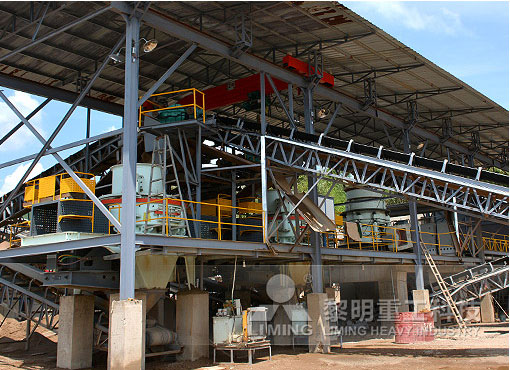
– Ore is crushed into small pieces, then ground into a fine powder in a ball mill.
# (b) Concentration (Flotation or Gravity Separation)
– Froth Flotation: Common for sulfide ores (e.g., argentite, Ag₂S).
– Chemicals are added to make silver particles hydrophobic.
– Air bubbles carry silver-rich froth to the surface for collection.
– Gravity Separation: Used for native silver or high-grade ores (shaking tables, centrifuges).
# (c) Smelting & Roasting (for sulfide ores)
– Roasting oxidizes sulfur, leaving silver-rich material.
– Smelting melts the concentrate at high temperatures (~1,200°C) to separate metals into a lead-silver alloy (doré).
# (d) Leaching (for oxide ores or low-grade deposits)
– Cyanidation: Silver dissolves in a sodium cyanide solution (Ag + 2NaCN + O₂ → Na[Ag(CN)₂] + NaOH).
– Heap Leaching: Used for low-grade ores—ore is piled and sprayed with cyanide solution.
 4. Refining
– Electrolysis (Moebius Process): Doré anodes are placed in nitric acid; pure silver collects on cathodes (~99.9% purity).
– Chemical