Table of Contents
- The Complete Guide to Stone Crusher Machines in Indonesia: Types, Applications, and Market Insights
- Why Indonesia is a Prime Market for Stone Crushers
- Key Types of Stone Crusher Machines for Indonesian Conditions
- 1. Jaw Crusher (Primary Crushing)
- 2. Cone Crusher (Secondary/Tertiary Crushing)
- 3. Impact Crusher (Secondary Crushing)
- 4. Vertical Shaft Impact (VSI) Crusher (Sand Making)
- Choosing Between Stationary and Mobile Stone Crushers in Indonesia
- Critical Factors to Consider Before Purchasing
- 1. Raw Material Hardness
- 2. Local Support and Spare Parts Availability
- 3. Power Supply and Fuel Costs
- 4. Government Regulations and Licensing
- Top Applications Driving Demand
- Cost Analysis: Operating a Stone Crusher in Indonesia
- Future Trends: Automation and Sustainability
- Conclusion: Making the Right Investment
The Complete Guide to Stone Crusher Machines in Indonesia: Types, Applications, and Market Insights
Indonesia’s infrastructure boom, driven by the new capital city project in Nusantara and a surge in mining activities, has created an unprecedented demand for high-quality aggregates. At the heart of this demand lies the stone crusher machine—the essential equipment that transforms massive rocks into construction-grade materials. This comprehensive guide explores the stone crusher machine landscape in Indonesia, offering actionable insights for quarry owners, contractors, and investors.
Why Indonesia is a Prime Market for Stone Crushers
Indonesia is the largest economy in Southeast Asia, with a construction sector growing at over 6% annually. The government’s commitment to developing 49 dams, 2,000 km of toll roads, and the relocation of the capital city has triggered a massive need for crushed stone. Unlike imported equipment, locally-sourced or well-supported stone crushers are critical to maintaining project timelines in this archipelago nation..jpg)
Key Types of Stone Crusher Machines for Indonesian Conditions
Choosing the right crusher depends on your raw material (andesite, basalt, limestone, or river stone) and your final product specifications. Here are the most common machines deployed across Indonesia:
1. Jaw Crusher (Primary Crushing)
The workhorse of any crushing plant, jaw crushers handle large boulders (up to 1,000 mm) and reduce them to 100–150 mm. In Indonesia, where volcanic rock is prevalent, heavy-duty jaw crushers with high manganese steel jaw plates are preferred for their abrasion resistance.
- Best for: Hard rock like granite and basalt in Java and Sumatra.
- Capacity range: 50–800 tons per hour (TPH).
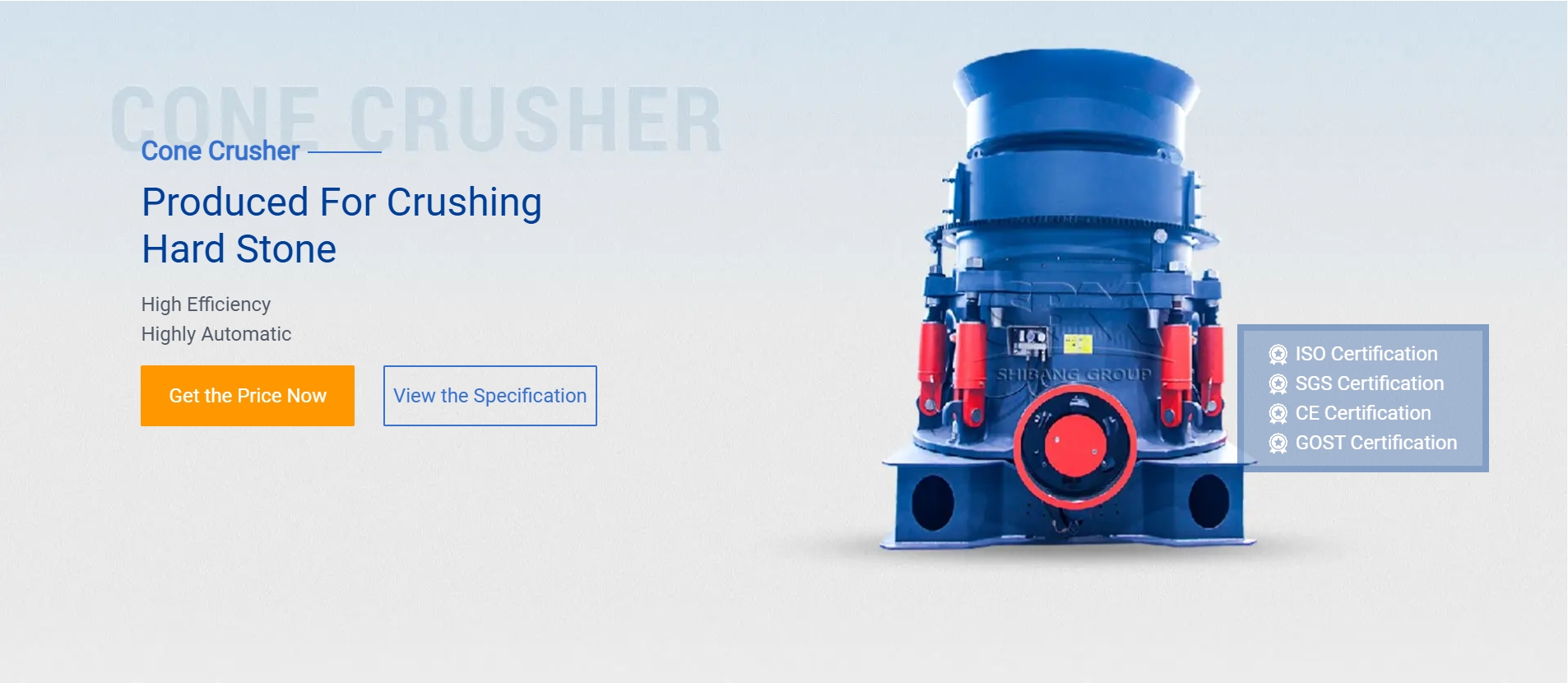
2. Cone Crusher (Secondary/Tertiary Crushing)
For producing cubic-shaped aggregates required in asphalt and concrete, cone crushers are indispensable. They are highly efficient for mid-hard to hard materials and offer excellent reduction ratios. Indonesian quarry operators often pair a jaw crusher with a cone crusher to achieve a 4:1 or 5:1 reduction.
- Best for: Andesite and diabase in Central Java and Kalimantan.
- Key feature: Hydraulic adjustment systems for quick setting changes.
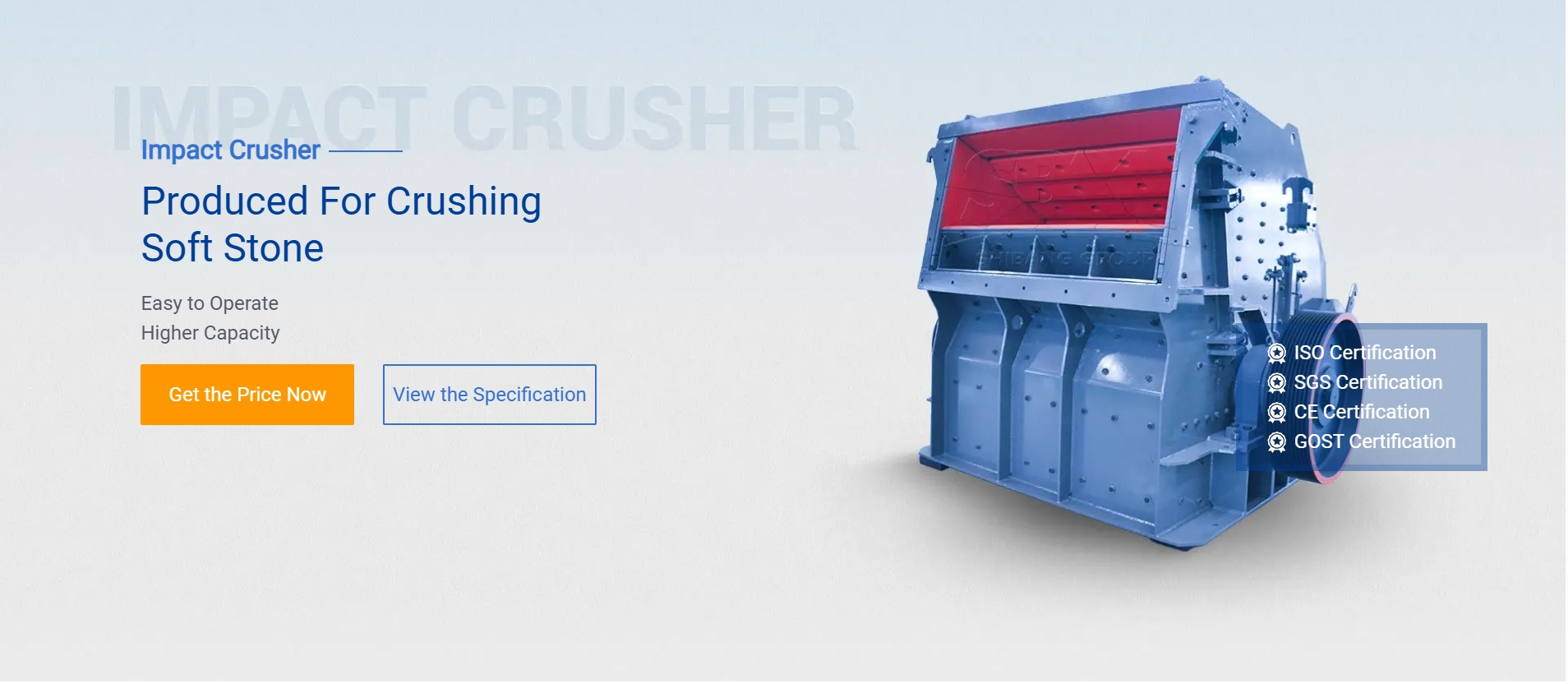
3. Impact Crusher (Secondary Crushing)
If your raw material is softer (limestone) or you need high sand content, impact crushers are the go-to choice. They are less expensive than cone crushers and provide a higher reduction ratio. However, wear costs can be higher with silica-heavy rocks.
- Best for: Limestone quarries in West Nusa Tenggara and Sulawesi.
- Note: Ideal for mobile crushing plants due to lower weight.
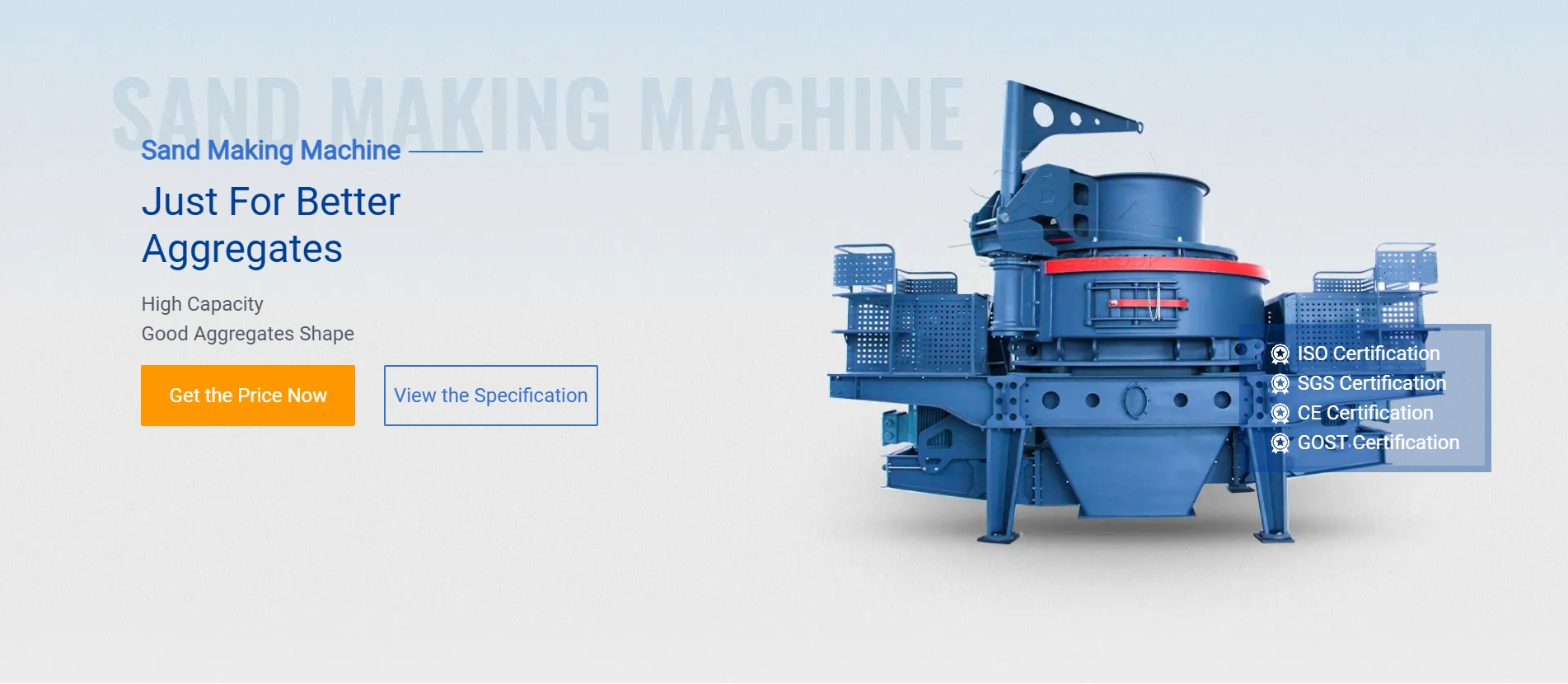
4. Vertical Shaft Impact (VSI) Crusher (Sand Making)
With the ban on illegal river sand mining in many Indonesian provinces, manufactured sand (M-sand) is booming. VSI crushers are essential for producing fine aggregates (0–5 mm) with a consistent shape.
- Best for: Producing high-quality M-sand for ready-mix concrete plants.
- Innovation: Look for models with a “rock-on-rock” chamber to reduce wear costs.
Choosing Between Stationary and Mobile Stone Crushers in Indonesia
Stationary Plants are ideal for long-term projects (10+ years) with fixed quarry sites. They offer lower per-ton operating costs and higher capacities (up to 1,000 TPH). However, they require significant civil works and permits.
Mobile Crushers (wheeled or tracked) are gaining massive traction in Indonesia due to:
- Rapid deployment: Ideal for infrastructure projects in remote areas like Papua.
- Flexibility: Easy to move between multiple small quarries.
- Reduced setup time: No concrete foundations required.
Pro Tip: For contractors working on the IKN (Nusantara) project, mobile jaw crushers with a capacity of 150–300 TPH are currently the most rented equipment.
Critical Factors to Consider Before Purchasing
1. Raw Material Hardness
Test your rock’s compressive strength (MPa) and abrasiveness (Silica content). A jaw crusher may handle 300 MPa, but a cone crusher is more economical for high-abrasion materials.
2. Local Support and Spare Parts Availability
Indonesia’s geography makes logistics challenging. Choose brands with established dealer networks in Jakarta, Surabaya, and Makassar. Chinese brands (like SBM, Zenith) and European brands (like Metso, Sandvik) have strong local stockists. Ensure wear parts (jaw plates, mantles) are available within 48 hours.
3. Power Supply and Fuel Costs
Many remote Indonesian islands lack stable grid power. Diesel-powered crushers are common, but consider hybrid or electric models to comply with the government’s sustainability regulations. Calculate the cost per ton based on local solar/diesel prices.
4. Government Regulations and Licensing
Ensure your crusher meets the Indonesian National Standard (SNI) for aggregate quality. Additionally, verify that the equipment complies with the Ministry of Environment’s noise and dust emission limits, which are stricter in urban areas like Java.
Top Applications Driving Demand
- Road Construction: Base course and sub-base materials (0–50 mm).
- Concrete Batching Plants: Coarse aggregates (5–20 mm) and M-sand.
- Railway Ballast: High-strength, angular stones (25–65 mm).
- Reclamation Projects: Crushed stone for land reclamation in Jakarta Bay and Bali.
Cost Analysis: Operating a Stone Crusher in Indonesia
| Cost Component | Percentage of Total Operating Cost |
|---|---|
| Raw Material (Blasting/Excavation) | 15–20% |
| Wear Parts (Jaw plates, liners) | 25–35% |
| Fuel/Electricity | 20–30% |
| Labor & Maintenance | 15–20% |
| Transportation | 10–15% |
Market Insight: The average selling price of crushed stone in Indonesia ranges from IDR 150,000 to IDR 250,000 per cubic meter, depending on the region. High margins are achievable if your plant operates at over 70% utilization.
Future Trends: Automation and Sustainability
The Indonesian government is pushing for greener mining practices. Modern stone crushers now feature:
- IoT-enabled monitoring: Real-time tracking of wear parts and output quality.
- Dust suppression systems: Mandatory for plants near residential areas.
- Electric drives: Reducing carbon footprint and operational costs by up to 30%.
Investing in a crusher with remote diagnostic capabilities can reduce downtime significantly, especially in remote locations like North Maluku.
Conclusion: Making the Right Investment
The Indonesian stone crushing market is competitive yet lucrative. Whether you are setting up a small 30 TPH plant for a local village road project or a massive 500 TPH facility for a mining concession, the key to success lies in matching the machine to your specific rock type and logistical constraints..jpg)
Final Recommendation: Before purchasing, request a site survey from your supplier. Reputable manufacturers will test your rock samples and provide a detailed flow chart. Prioritize machines with robust after-sales support in Indonesia, as a one-week delay in spare parts can cost you millions in lost production.
By understanding the local terrain, regulatory landscape, and application-specific requirements, you can select a stone crusher machine that delivers maximum ROI for years to come. The future of Indonesia’s construction industry is bright—make sure your equipment is ready to build it.