Table of Contents
- Understanding Silica Sand Vibration Screens and Their Industrial Role
- Key Components and Design Features of High-Performance Screening Equipment
- Applications of Vibrating Screens in Silica Sand Processing Plants
- Factors Influencing Screening Efficiency and How to Maximize Output
- Maintenance Best Practices and Troubleshooting Common Screen Issues
- Frequently Asked Questions
- What is the optimal frequency range for silica sand vibration screens?
- How do screen mesh size and configuration impact silica sand classification?
- What are the most effective methods to prevent screen blinding in silica sand processing?
- Which vibration motion type is best for silica sand—linear, circular, or elliptical?
- How does moisture content affect vibration screen efficiency in silica sand operations?
- What materials are best suited for screen decks handling abrasive silica sand?
- How can vibration amplitude be optimized for maximum silica sand throughput?
- What role does screen deck inclination play in silica sand screening performance?
- How do multi-frequency vibration screens improve silica sand processing?
- What maintenance practices extend the lifespan of silica sand vibration screens?
- How does feed rate uniformity influence screening efficiency for silica sand?
- What are the industry standards for safety and compliance in silica sand screening equipment?
In the demanding world of industrial mineral processing, achieving peak efficiency in silica sand production hinges on precision, durability, and advanced engineering—qualities embodied by modern vibration screening technology. Silica sand vibration screens have emerged as indispensable tools in optimizing the separation and classification of high-purity sand used across glass manufacturing, foundry operations, hydraulic fracturing, and construction. These dynamic systems leverage controlled vibratory motion to ensure consistent particle size distribution, maximize throughput, and minimize downtime. As market demands for finer specifications and higher yields intensify, operators are turning to innovative screen designs, advanced mesh technologies, and intelligent monitoring systems to elevate performance. The strategic integration of vibration screens not only enhances product quality but also reduces operational costs through improved energy efficiency and reduced maintenance requirements. Understanding the science behind screening dynamics, material behavior, and equipment configuration is essential for unlocking the full potential of silica sand processing lines—making vibration screens not just a component of production, but a cornerstone of industrial optimization.
Understanding Silica Sand Vibration Screens and Their Industrial Role
-
Silica sand vibration screens are engineered mechanical systems designed to separate and classify silica sand particles by size, utilizing controlled vibratory motion. These screens play a pivotal role in ensuring product consistency, meeting specification requirements, and enhancing downstream processing efficiency across industries such as glass manufacturing, foundry operations, hydraulic fracturing (fracking), and construction materials.
-
The operational principle hinges on vibratory motors or eccentric shafts that generate precise oscillations, inducing relative motion between the screen media and the feed material. As silica sand is introduced onto the screen deck, smaller particles pass through apertures while oversized material progresses toward discharge ends. Multi-deck configurations allow for simultaneous separation into multiple size fractions, significantly improving throughput and selectivity.
-
Screen media composition—typically woven wire cloth, polyurethane, or composite panels—is selected based on abrasion resistance, open area ratio, and particle shape. High silica content renders the material inherently abrasive; therefore, wear-resistant screen surfaces and robust frame construction are critical for longevity and consistent performance.
| Key Performance Indicators | Description |
|---|---|
| Screening Efficiency | Ratio of undersized material captured in undersize product to total undersized feed; targets typically exceed 90% |
| Capacity | Tons per hour processed, influenced by feed rate, moisture content, and screen inclination |
| Cut Point Accuracy | Precision in achieving desired particle size separation, vital for product specification compliance |
| Maintenance Interval | Downtime frequency for screen media replacement and component inspection |
-
Feed preparation is equally critical: pre-drying or conditioning may be required to manage moisture levels, as damp silica sand tends to agglomerate and blind screen apertures, reducing effective open area and throughput. Advanced systems incorporate spray bars or ultrasonic de-blinding technology to mitigate these challenges.
-
In industrial applications, vibration screens are integrated into closed-loop processing circuits, where oversize material may be recirculated for reprocessing. Real-time monitoring via vibration sensors and load cells enables predictive maintenance and dynamic adjustment of amplitude and frequency to maintain optimal screening conditions.
-
Overall, the efficacy of silica sand vibration screens directly influences product quality, energy consumption, and operational cost. Proper selection, configuration, and maintenance are essential to maximize screening efficiency and ensure reliable performance within stringent industrial standards.
Key Components and Design Features of High-Performance Screening Equipment
-
High-performance screening equipment for silica sand applications is engineered to deliver consistent throughput, precise cut points, and extended service life under abrasive conditions. The efficacy of such systems hinges on the integration of key mechanical and design elements optimized for granular separation in demanding industrial environments.
-
Vibratory Drive Mechanism: The core of efficient screening lies in the vibratory drive. Dual eccentric shafts or unbalanced motor designs generate controlled elliptical or linear motion, ensuring effective stratification and conveyance of silica sand across the screen surface. Frequency and amplitude are precisely calibrated to prevent blinding while maximizing particle velocity and residence time.
-
Screen Media Selection: Performance is significantly influenced by screen media material and configuration. Polyurethane and high-tensile steel meshes dominate due to their abrasion resistance and open-area efficiency. Modular panel designs with tensioned or snap-in systems facilitate rapid changeovers and maintain consistent tension, reducing downtime and sag-induced inefficiencies.
-
Deck Configuration and Inclination: Multi-deck arrangements enable simultaneous separation of multiple fractions, enhancing processing capacity. Inclined decks (typically 15°–25°) promote gravitational feed progression, while horizontal designs rely on vibration intensity for material transport. The optimal angle balances retention time with discharge rate for a given feed gradation.
-
Frame and Support Structure: Robust, finite element-analyzed frames constructed from high-grade steel ensure structural integrity under continuous dynamic loading. Isolation springs or elastomeric mounts decouple vibration transmission, minimizing wear on supporting infrastructure and adjacent equipment.
-
Sealing and Dust Control: Fully enclosed designs with labyrinth seals prevent fugitive emissions—a critical requirement in silica handling due to health and safety regulations. Integrated dust extraction ports align with industrial ventilation systems to maintain air quality compliance.
-
Smart Monitoring Integration: Advanced units incorporate condition monitoring sensors for real-time tracking of vibration amplitude, bearing temperature, and screen media integrity. These data streams support predictive maintenance and optimize operational uptime.
-
These components collectively determine screening efficiency, measured in terms of throughput consistency, product specification adherence, and operational longevity. Proper synergy among mechanical design, material selection, and process parameters ensures optimal performance in silica sand classification across mining, glass, and foundry applications.
Applications of Vibrating Screens in Silica Sand Processing Plants
-
Primary scalping and pre-screening: Vibrating screens are deployed immediately after extraction to remove oversized materials such as rocks, roots, and debris. This protects downstream equipment—including crushers and hydrocyclones—from damage and reduces maintenance costs. High-amplitude, rugged vibrating screens with heavy-duty decks efficiently handle the burden of raw, unprocessed sand.
-
Final product sizing and classification: Following washing and scrubbing, vibrating screens classify silica sand into precise fractions to meet industry specifications. Multi-deck vibrating screens with high-precision mesh retain tight tolerances, enabling separation of sand into distinct grades—typically ranging from 20 mesh to 200 mesh—based on end-use requirements in glass manufacturing, foundry operations, and hydraulic fracturing.
-
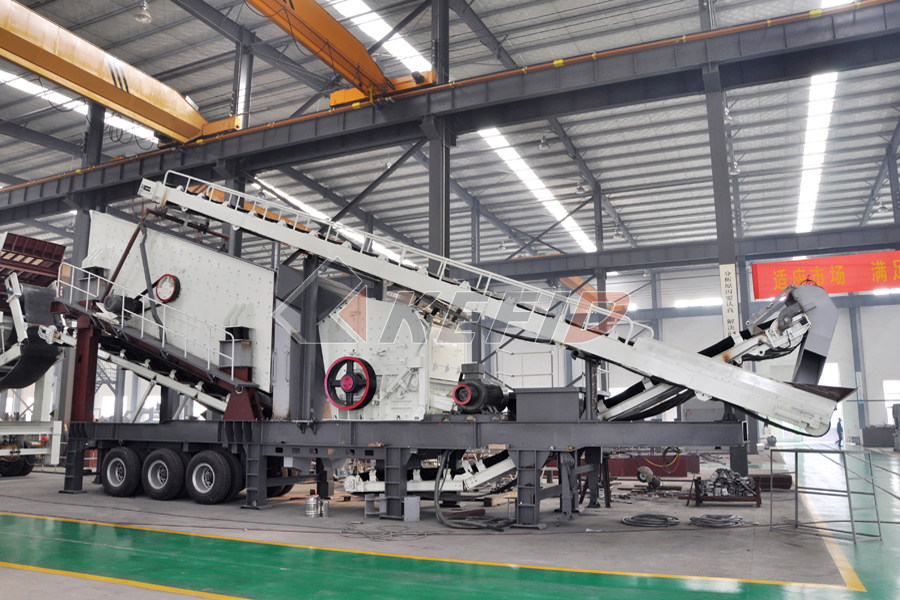
Moisture removal and dewatering: In wet processing circuits, dewatering vibrating screens are critical for reducing moisture content to acceptable levels for transport and storage. Screens equipped with fine-wire cloth and steep deck angles achieve efficient water drainage, yielding a drip-free product with less than 15% moisture. This enhances material handling and reduces drying energy costs.
-
Closed-circuit recirculation: Vibrating screens are integrated into closed-loop crushing and grinding circuits to ensure only properly sized material proceeds to stockpiling. Oversized particles are returned to crushers, maintaining consistent product quality and maximizing throughput efficiency.
-
Scalability and modular integration: Modern vibrating screens support modular plant designs, allowing seamless integration into both greenfield and retrofitted silica sand processing facilities. Their robust construction and variable amplitude/frequency settings accommodate fluctuations in feed rate and material composition, ensuring stable performance across variable operational conditions.
-
Wear resistance and operational longevity: Screens used in silica sand applications feature wear-resistant liners, polyurethane panels, and composite screen media to withstand the abrasive nature of quartz. Regular maintenance protocols, including deck tensioning and vibration alignment checks, further extend service life and sustain screening efficiency.
-
Environmental and safety compliance: Properly designed vibrating screens minimize fugitive emissions and noise levels through enclosed structures and vibration damping systems. This ensures adherence to occupational health and environmental regulations while enhancing workplace safety.
Factors Influencing Screening Efficiency and How to Maximize Output
-
Screen amplitude and frequency must be precisely calibrated to match the physical properties of silica sand. Excessive amplitude can cause particle stratification issues, while insufficient frequency reduces throughput and promotes blinding. Optimal vibration parameters ensure rapid particle movement across the screen surface, enhancing stratification and undersize passage.
-
Feed rate consistency is critical; overloading diminishes open area accessibility and increases residence time without improving separation. Conversely, underutilization reduces operational efficiency. Automated feeding systems synchronized with screen capacity maintain steady material presentation, improving overall output.
-
Screen media selection directly influences efficiency. Polyurethane and stainless steel meshes offer durability and precise aperture control, but their open area ratio and wear resistance must align with silica sand’s abrasiveness and particle size distribution. Woven wire meshes suit fine separations (<1 mm), while modular polyurethane panels perform better in coarse, high-wear environments.
-
Moisture content significantly impacts screening performance. Silica sand with moisture exceeding 6% tends to agglomerate, leading to screen blinding and reduced throughput. Pre-drying or conditioning systems should be integrated when processing damp feedstocks to maintain material flowability.
-
Inclination angle affects material velocity and retention time. Horizontal screens (0°–5°) maximize residence time for fine separations, whereas inclined setups (15°–25°) enhance gravitational conveyance for coarse fractions. Dual-slope designs combine benefits for multi-stage sizing.
-
Regular maintenance and pre-shift inspections prevent unplanned downtime. Monitoring screen deck tension, support spring integrity, and vibrator alignment ensures consistent dynamic performance. Worn or misaligned components induce uneven wear and degrade separation accuracy.
-
Multi-deck configurations improve efficiency by enabling staged separation—coarse particles are removed on upper decks, allowing finer meshes below to operate without overload. Efficient deck sealing prevents bypass and cross-contamination.
-
Advanced monitoring systems utilizing vibration sensors and real-time throughput analytics allow predictive adjustments. Integrating machine learning models with operational data enables continuous optimization of amplitude, feed rate, and deck utilization based on feed variability.
Achieving peak screening efficiency requires a holistic approach that balances mechanical settings, material characteristics, and system integration. Continuous evaluation and adaptive control are paramount in maximizing output and minimizing operational cost in industrial silica sand processing.
Maintenance Best Practices and Troubleshooting Common Screen Issues
-
Conduct daily visual inspections of screen panels, deck components, and vibratory motors to identify signs of wear, misalignment, or structural fatigue. Early detection of cracked side plates, loose bolts, or worn springs prevents unplanned downtime and cascading damage.
-
Maintain proper tension of screen media according to manufacturer specifications. Under-tensioned panels lead to reduced stroke efficiency and blinding; over-tensioning accelerates media fatigue and frame stress. Use calibrated tensioning tools and adhere to a documented tension schedule.
-
Lubricate bearings and vibratory motors at intervals specified by OEM guidelines. Use high-temperature, lithium-based grease compatible with operating conditions. Monitor for grease leakage, contamination, or overheating, which may indicate seal failure or misalignment.
-
Regularly verify vibrator shaft alignment and amplitude consistency across both ends of the screen deck. Utilize vibration analyzers to measure G-force and stroke pattern. Deviations beyond ±5% of design parameters require immediate recalibration to ensure uniform particle stratification and throughput.
-
Inspect and clean screen apertures frequently to prevent blinding and pegging, especially when processing high-moisture or fine-grained silica sand. Implement washing decks or ultrasonic cleaning systems where moisture content exceeds 6%. For dry screening, use anti-blinding balls or rubber ball trays beneath the media.
-
Monitor power consumption trends of drive motors. Unusual spikes or drops can signal mechanical binding, unbalanced shafts, or failing bearings. Pair motor current analysis with infrared thermography during operation to detect early-stage electrical or mechanical degradation.
-
Replace worn screen panels proactively based on lifecycle data rather than reactive failure. Track panel performance through runtime logs and separation efficiency metrics. High-abrasion zones benefit from modular polyurethane or hybrid composite panels with extended wear life.
-
Address material carryover by evaluating feed rate consistency, deck inclination, and screen motion trajectory. Uniform feed distribution across the entire deck width prevents localized overloading and ensures optimal residence time.
-
Isolate and resolve common operational anomalies: reduced throughput typically stems from media blinding or insufficient amplitude; excessive noise often indicates loose components or bearing wear; uneven wear patterns suggest feed bias or lateral vibration imbalance.
Preventive maintenance logs, coupled with condition monitoring systems, establish a reliability-centered maintenance strategy that maximizes uptime, screening accuracy, and total cost efficiency in silica sand processing operations.
Frequently Asked Questions
What is the optimal frequency range for silica sand vibration screens?
The optimal operating frequency for silica sand vibration screens typically ranges between 800 and 1,200 RPM, depending on particle size and moisture content. High-frequency vibrations (above 1,000 RPM) enhance stratification and transmission efficiency, especially for fine silica sand (below 100 mesh), while lower frequencies are preferable for coarse grading to minimize screen blinding and particle degradation.
How do screen mesh size and configuration impact silica sand classification?
Mesh size directly determines the cut point in silica sand separation; common configurations range from 20 to 400 mesh. Multi-deck vibrating screens with polyurethane or stainless-steel meshes allow precise gradation control. For industrial applications like glassmaking or foundry sands, stacked screen decks with tapered tensioning systems ensure consistent particle distribution and reduce near-size particle bypass.
What are the most effective methods to prevent screen blinding in silica sand processing?
To combat screen blinding, use anti-blinding technologies such as ball decks (impact cleaning media), ultrasonic vibration systems, or rubber balls beneath the screen panel. Additionally, polyurethane screen panels with hydrophobic coatings or stepped aperture designs improve self-cleaning. Pre-drying silica sand to moisture levels below 5% significantly reduces particle adhesion and clogging.
Which vibration motion type is best for silica sand—linear, circular, or elliptical?
Circular vibration is generally preferred for silica sand due to its high throwing energy and effective handling of high-density materials, promoting uniform feed distribution and consistent stratification. Linear screens may suffice for dewatering or scalping but are less effective in fine particle separation. Elliptical motion offers a hybrid benefit, especially in wet screening applications.
How does moisture content affect vibration screen efficiency in silica sand operations?
Moisture above 6% drastically reduces screening efficiency by increasing particle cohesion and adhesion, leading to blinding and reduced throughput. Implementing pre-drying systems or wet screening with spray bars can mitigate these effects. For high-moisture feeds, dewatering screens with high-frequency, low-amplitude vibrations and polymer deck liners improve separation efficiency and reduce carryover.
What materials are best suited for screen decks handling abrasive silica sand?
High-manganese steel, polyurethane, and ceramic-reinforced composites are optimal for screen decks exposed to abrasive silica sand. Polyurethane offers excellent wear resistance and noise reduction, suitable for fine screening. For heavy-duty scalping, modular high-chrome cast iron panels provide longevity. Surface treatments like tungsten carbide coating further extend service life in high-throughput operations.
How can vibration amplitude be optimized for maximum silica sand throughput?
Amplitude should be adjusted between 4–8 mm based on feed rate and sand gradation. Coarse silica sand benefits from higher amplitudes (6–8 mm) to promote stratification and conveyance, while fine fractions require lower amplitudes (4–5 mm) to prevent particle pegging. Real-time monitoring via accelerometer feedback systems enables dynamic amplitude tuning for peak efficiency.
What role does screen deck inclination play in silica sand screening performance?
A deck inclination of 15° to 25° optimizes retention time and material velocity. Steeper angles increase throughput but reduce residence time, potentially compromising separation accuracy. For fine silica sand, shallower angles (10°–15°) with multi-slope decks improve recovery. Adjustable deck systems allow dynamic configuration to match changing feed conditions.
How do multi-frequency vibration screens improve silica sand processing?
Multi-frequency screens apply different vibration frequencies to individual screen decks, enabling coarse layers to operate at high amplitude/low frequency and fine layers at high frequency/low amplitude. This layered optimization increases overall efficiency by 20–30% compared to uniform excitation, particularly in applications requiring precise particle size distributions like hydraulic fracturing sand.
What maintenance practices extend the lifespan of silica sand vibration screens?
Implement predictive maintenance with routine vibration analysis, bearing temperature monitoring, and screen tension checks. Replace worn screen panels before edge cracking propagates. Lubricate bearings every 200–400 operating hours using high-temperature grease. Regular alignment verification of exciters and deck supports prevents premature fatigue failure.
How does feed rate uniformity influence screening efficiency for silica sand?
Uneven feed distribution causes channeling, reduced open area utilization, and localized wear. Use of feeder break plates, flow-control hoppers, or vibratory feeders ensures lateral and longitudinal consistency. Feed rates should stay within 80–90% of the screen’s rated capacity to maintain optimal bed depth (typically 2–3 inches) for efficient stratification.

What are the industry standards for safety and compliance in silica sand screening equipment?
Silica sand screening systems must comply with OSHA silica exposure regulations (29 CFR 1910.1053), ANSI/ASME B15.1 for mechanical safety, and ISO 14122 for guarding. Dust collection systems with HEPA filtration and sealed enclosures are mandatory to control respirable crystalline silica. Regular PPE audits and equipment grounding inspections ensure full regulatory compliance.