Silica mining is a critical process for the glass industry, as silica (silicon dioxide, SiO₂) is the primary raw material used in glass production. Here’s an overview of silica mining and its role in the glass industry:
—
.jpg) 1. Importance of Silica in Glass Production
1. Importance of Silica in Glass Production
– Primary Component: Silica makes up about 70-75% of the raw materials in most glass formulations.
– Properties: It provides strength, transparency, and chemical resistance to glass products.
– Applications: Used in manufacturing flat glass (windows, mirrors), container glass (bottles, jars), fiberglass, and specialty glass (e.g., laboratory glassware).
—
2. Sources of Silica
Silica is primarily obtained from:
– Quartz Sand: The most common source, mined from deposits of high-purity quartz sand.
– Quartzite: A metamorphic rock composed mainly of quartz.
– Vein Quartz: Found in veins within rocks.
– Sandstone: A sedimentary rock containing quartz grains.
—
3. Silica Mining Process
The mining process involves several steps:
1. Exploration and Site Selection:
– Identify deposits with high silica content (≥95% SiO₂) and low impurities (e.g., iron, aluminum).
– Conduct geological surveys and environmental assessments.
2. Extraction:
– Open-pit mining is the most common method for extracting silica sand or quartz.
– Drilling and blasting may be used for hard rock deposits like quartzite.
3. Processing:
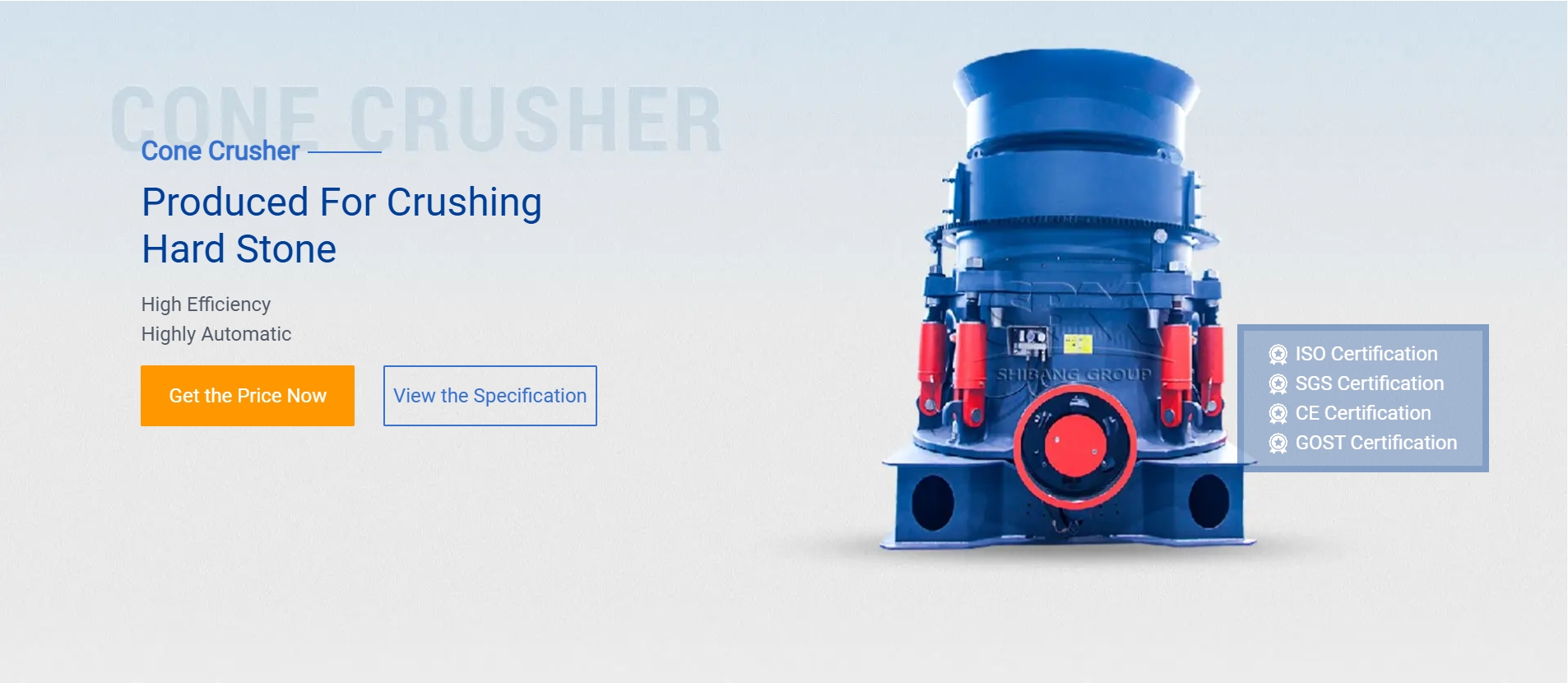
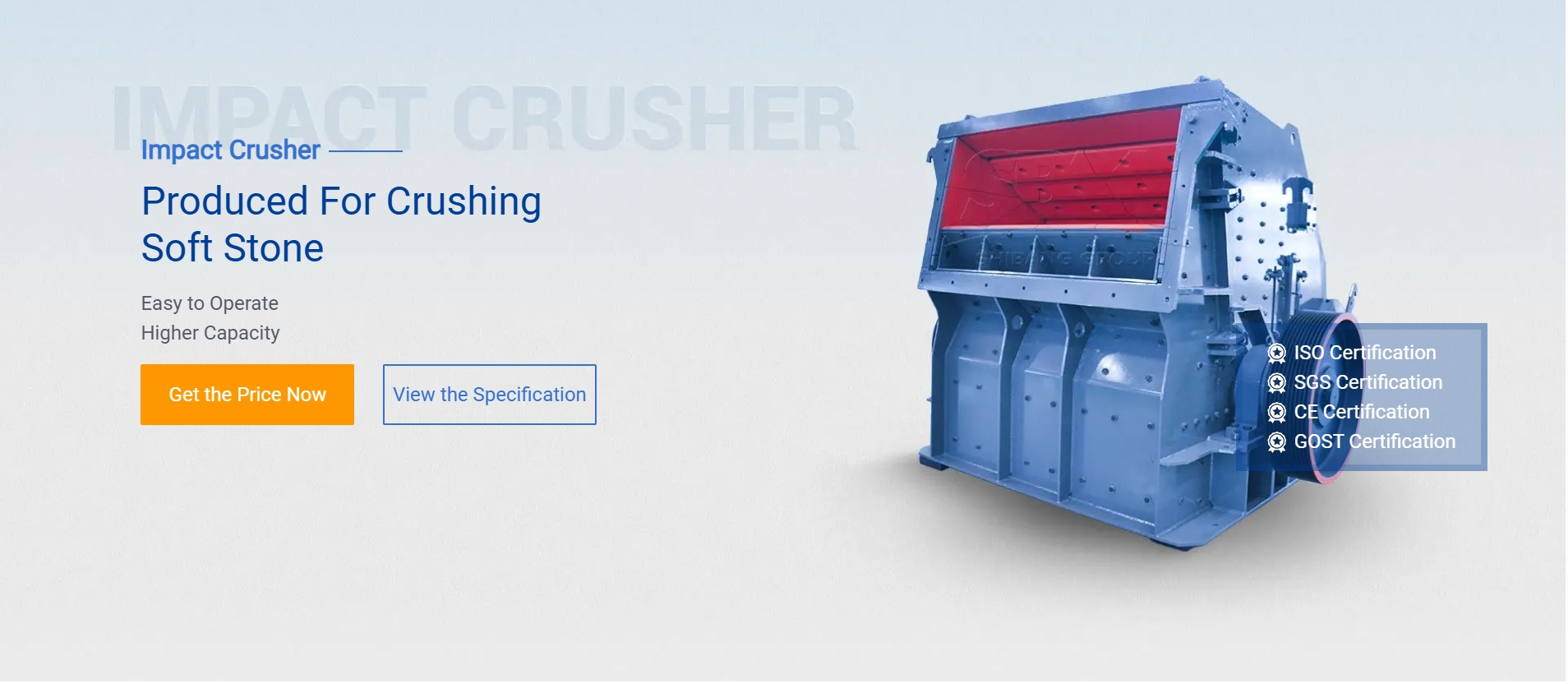
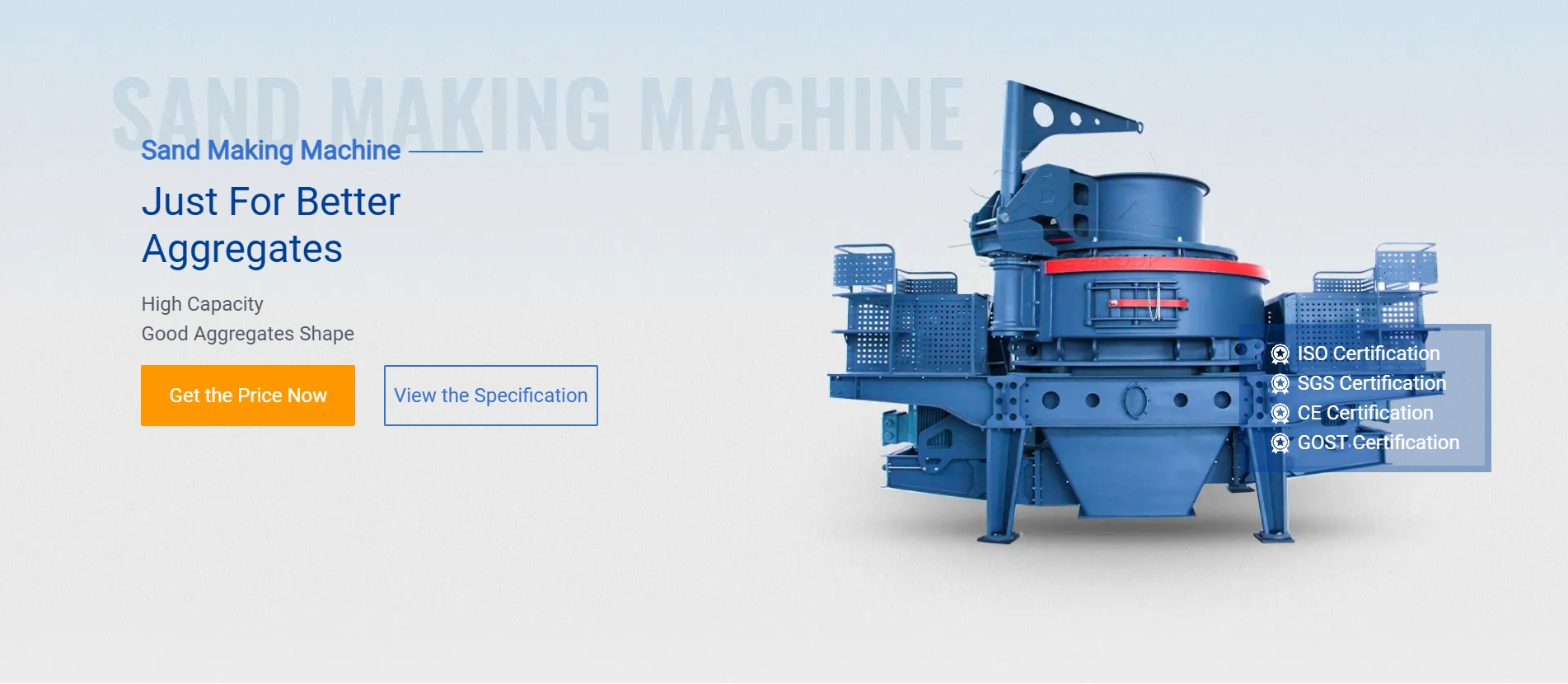
– Crushing and grinding to reduce particle size.
– Washing to remove clay, silt, and other impurities.
– Magnetic separation to remove iron contaminants.
– Drying to reduce moisture content.
4. Quality Control:
– Ensure the silica meets industry standards for purity and particle size.
—
.jpg) 4. Environmental Considerations
4. Environmental Considerations
Silica mining can have environmental impacts, including:
– Land disturbance and habitat loss.
– Water usage and contamination from washing processes.
– Airborne silica dust, which poses health risks to workers (e.g., silicosis).
Mitigation measures include:
– Implementing dust control systems.
– Restoring mined areas through reclamation.
– Using water recycling systems in processing plants.
—
5. Global Silica Production
Major silica-producing countries include:
– United States
– China
– India
– Australia
– Brazil
These countries supply silica to both