Table of Contents
- Abundant Natural Resources: The Geology Behind Saudi Arabia’s Quarry Stone
- Top Quarry Stone Types Mined Across Saudi Arabia’s Key Regions
- Leading Stone Quarries and Mining Operations in the Kingdom
- High-Demand Applications of Saudi Quarry Stone in Infrastructure Projects
- Sustainability and Future Outlook of the Quarry Stone Industry in Saudi Arabia
- Frequently Asked Questions
- What types of quarry stone are commonly found in Saudi Arabia?
- Where are the major stone quarries located in Saudi Arabia?
- How does Saudi Arabia regulate quarry stone extraction?
- What certifications are required for exporting quarry stone from Saudi Arabia?
- How does quarry stone in Saudi Arabia compare to imported stone in terms of quality and cost?
- What are the primary applications of Saudi Arabian quarry stone?
- How is sustainability addressed in Saudi quarry operations?
- What role does quarry stone play in Saudi Arabia’s Vision 2030 infrastructure goals?
- Are there investment opportunities in Saudi Arabia’s quarry stone industry?
- How is technological innovation improving quarry stone extraction in Saudi Arabia?
- What challenges do quarry operators face in Saudi Arabia?
- How is quality control maintained in Saudi quarry stone production?
Beneath the vast deserts and rugged highlands of Saudi Arabia lies a wealth of natural stone resources that have become the backbone of modern construction across the Kingdom. Quarry stone in Saudi Arabia is more than just a building material—it is a testament to the nation’s geological diversity and industrial ambition. From the durable limestone of the central plateau to the robust granite formations in the western highlands, each region offers distinct types of dimension stone prized for strength, aesthetic appeal, and thermal performance. As urban development accelerates under Vision 2030, demand for locally sourced, sustainable materials has surged, positioning quarry stone as a cornerstone of infrastructure, architectural design, and monumental projects. Advances in extraction technology and quality control have further elevated Saudi Arabia’s standing in the regional construction materials market. This article explores the primary sources and geological origins of these stones, examines key types such as dolerite, basalt, and sandstone, and highlights their critical applications in everything from high-rise facades to road foundations—revealing how ancient rock shapes a modern skyline.
Abundant Natural Resources: The Geology Behind Saudi Arabia’s Quarry Stone
-
Saudi Arabia’s vast and geologically diverse terrain underpins its abundant quarry stone resources, shaped by complex tectonic history and extensive igneous, metamorphic, and sedimentary formations. The Arabian Shield, occupying the western third of the country, is a Precambrian basement complex formed over 900 million years ago through multiple phases of volcanic activity, plutonism, and orogeny. This region hosts dense, durable igneous and metamorphic rocks such as granite, gabbro, diorite, and amphibolite—ideal for high-strength construction applications including structural aggregates and architectural cladding.
-
To the east, the Arabian Platform comprises thick sequences of Paleozoic to Cenozoic sedimentary rocks, including limestone, dolomite, sandstone, and anhydrite. These materials dominate central and eastern Saudi Arabia and are extensively quarried for cement production, road base, and dimension stone. The Khuff, Arab, and Jilh formations, in particular, yield high-purity limestone critical to the cement industry, supporting national infrastructure expansion.
-
Regional tectonic stability since the Paleozoic has preserved these rock units with minimal deformation, facilitating predictable quarry planning and consistent material quality. Additionally, uplift and erosion over millions of years have exposed extensive bedrock surfaces, reducing overburden and enabling cost-effective open-pit quarrying operations across the country.
-
The Hijaz and Asir regions in the southwest exhibit complex volcanic sequences, including basalt and trachyte flows from Tertiary rift-related magmatism associated with the Red Sea opening. These volcanic rocks offer high abrasion resistance and are increasingly used in railway ballast and asphaltic concrete.
-
Water scarcity, while a challenge for processing, has driven innovation in dry-crushing and dust-suppression technologies, enhancing operational efficiency and environmental compliance. Moreover, the proximity of many quarries to major transport corridors and urban centers—such as Riyadh, Jeddah, and Dammam—reduces logistical costs and supports rapid deployment in construction projects.
-
Strategic geological surveys by the Saudi Geological Survey (SGS) continue to identify new reserves and assess rock quality, ensuring sustainable resource management. With ongoing megaprojects like NEOM, the Qiddiya development, and the King Salman Energy Park (SPARK), demand for high-quality quarry stone remains robust, firmly anchoring the sector within national economic diversification goals.
Top Quarry Stone Types Mined Across Saudi Arabia’s Key Regions
-
Limestone: Predominant across the Riyadh and Qassim regions, limestone is extensively quarried for its compressive strength and chemical stability. Two primary variants are extracted: high-purity calcitic limestone used in cement production, and dolomitic limestone favored in aggregate blends for road bases and structural fill. Its abundance in central Saudi Arabia supports large-scale operations serving both domestic construction and industrial sectors.
-
Gabbro: Mined primarily in the Hijaz and Asir regions along the western escarpment of the Arabian Shield, gabbro is a dark, intrusive igneous rock valued for its high density and abrasion resistance. It is increasingly specified in high-traffic infrastructure projects, including airport runways, railway ballast, and coastal revetments. The Asir region’s gabbro deposits exhibit low water absorption and consistent grain structure, making them ideal for polished architectural applications.
-
Granite: Extracted in the northern regions near Al-Jawf and Ha’il, granite is characterized by its granular texture and exceptional durability. Commercially viable deposits feature pink, gray, and biotite-rich varieties, suitable for cladding, paving, and decorative stonework in high-end commercial and governmental buildings. The tectonic stability of these Precambrian basement complexes ensures long-term quarry viability.
-
Basalt: Found in the volcanic fields of the northern Harrat provinces, basalt is tapped for its rapid cooling structure and fine-grained matrix. Its mechanical properties make it suitable for asphaltic concrete and erosion control in arid environments. Modern quarries in these zones employ precision cutting to produce consistent dimension stone for urban landscaping.
-
Sandstone: Quarried in the eastern provinces near Jubail and Qatif, sandstone remains a material of choice for heritage-compatible construction and façade work. The region’s sedimentary formations yield beige to reddish stone with moderate workability and thermal insulation properties. While less durable than igneous alternatives, its aesthetic versatility sustains demand in cultural and residential developments.
Each stone type is subject to rigorous petrographic and mechanical testing per SASO standards, ensuring compliance with structural and environmental requirements. Regional geology directly influences quarry output, with central and western provinces dominating supply chains for infrastructure-grade aggregates, while northern and eastern zones support specialized architectural applications. Strategic investment in processing technology continues to enhance yield and product consistency across all major quarry sites.
Leading Stone Quarries and Mining Operations in the Kingdom
-
Al-Rajhi Stone Quarries: Operated by one of Saudi Arabia’s most prominent industrial groups, Al-Rajhi Quarries specialize in extracting high-density limestone and dolomitic stone from deposits near Al-Kharj. The operation employs advanced block-cutting technologies and adheres to strict environmental compliance protocols. Their products are widely used in structural concrete, road base layers, and architectural cladding in major urban developments across Riyadh and the Eastern Province.
-
Najran Stone Company: Strategically located in the volcanic highlands of southern Saudi Arabia, this quarry leverages unique geological formations to extract premium basalt and rhyolite. These igneous stones exhibit high compressive strength and abrasion resistance, making them ideal for heavy-duty infrastructure, including airport runways and industrial flooring. The site benefits from proximity to major transport corridors, enabling efficient distribution to central and western regions.
-
Al-Khushaybah Limestone Complex: Situated approximately 120 km west of Riyadh, this state-backed mining operation is among the largest integrated limestone extraction and processing facilities in the Kingdom. Utilizing automated drilling and precision blasting techniques, it produces consistent, high-purity limestone used in cement manufacturing and high-specification aggregates. The complex supports national construction megaprojects, including NEOM and the Qiddiya entertainment city.
-
Prince Mohammed bin Salman Roadstone Project: A flagship development under the Public Investment Fund’s industrial portfolio, this operation spans multiple sites across the Tabuk region. Focused on granitic and metamorphic rock extraction, it supplies durable crushed stone for road subbases and railway ballast. The project integrates real-time geological modeling and drone-based surveying to optimize yield and minimize waste.
-
Hail Aggregate Authority: Managing several quarries in the northern Hail region, this entity produces high-quality sandstone and quartzite aggregates. These materials are particularly valued for their low water absorption and thermal stability, serving both civil engineering and architectural applications. The Authority enforces rigorous quality control, with on-site laboratories conducting continuous petrographic and mechanical testing.
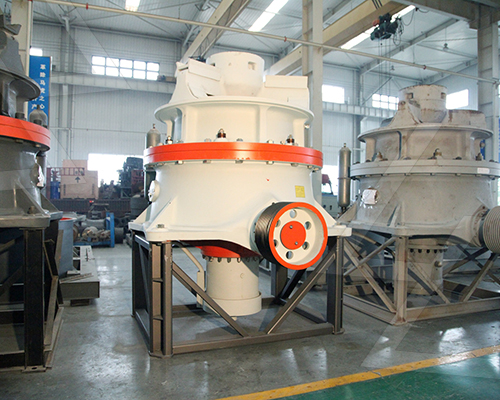
These leading operations reflect a shift toward vertically integrated, technology-driven quarrying, aligned with Saudi Arabia’s Vision 2030 goals for industrial diversification and sustainable resource management. Increasing automation, environmental monitoring, and compliance with international standards underscore the sector’s maturation, ensuring reliable supply for current and future construction demands.
High-Demand Applications of Saudi Quarry Stone in Infrastructure Projects
-
High-strength concrete production: Saudi quarry stone, particularly crushed basalt and dolerite, is a primary aggregate source for high-strength concrete used in major infrastructure developments. Its low water absorption and high compressive strength ensure durability in extreme climatic conditions, making it ideal for bridges, elevated roadways, and high-load structural elements.
-
Road base and sub-base layers: Limestone and granite aggregates from central and western quarries are extensively utilized in road construction across Saudi Arabia. These materials meet stringent gradation and compaction requirements for highways and arterial roads, providing stable, long-lasting foundations under heavy traffic loads. The abundance of carbonate rock in regions like Al-Qassim and Riyadh ensures cost-effective sourcing for large-scale paving projects.
-
Railway ballast: Dense, angular crushed stone derived from hard igneous sources is specified for rail track ballast in projects such as the North-South Railway and the Riyadh-Dammam line. The stone’s resistance to degradation, excellent drainage properties, and interlock characteristics maintain track alignment and support dynamic train loads over expansive desert terrains.
-
Coastal and port structures: For marine infrastructure, including Jeddah Islamic Port and King Abdulaziz Port expansions, durable gabbro and diorite aggregates are selected for their resistance to saltwater corrosion and abrasion. These stones contribute to the longevity of breakwaters, jetties, and seawalls exposed to aggressive tidal and wave action.
-
Architectural cladding and façades: Dimension stone, particularly polished limestone and travertine from quarries near Taif and Al-Ahsa, is increasingly specified for government buildings, metro stations, and cultural centers. These stones offer aesthetic consistency, thermal resilience, and compliance with urban design guidelines in major urban developments.
-
Landscaping and erosion control: Riprap and gabion-grade stone from regional quarries are deployed in drainage channels, wadi stabilization, and slope protection projects. Their angularity and mass mitigate flash flood damage in arid zones where rapid runoff poses infrastructure risks.
The integration of Saudi-sourced quarry stone into national infrastructure reflects a strategic alignment of geological advantage, material performance, and economic efficiency. Strict adherence to SASO (Saudi Standards, Metrology and Quality Organization) specifications ensures that all aggregates meet technical benchmarks for safety, sustainability, and service life, reinforcing the role of domestic stone as a cornerstone of the Kingdom’s construction resilience.
Sustainability and Future Outlook of the Quarry Stone Industry in Saudi Arabia
-
Saudi Arabia’s quarry stone industry is undergoing a strategic transformation driven by national sustainability goals and evolving construction demands. The sector, historically reliant on localized extraction and traditional applications, is aligning with Vision 2030 objectives to reduce environmental impact, optimize resource utilization, and support sustainable urban development.
-
Regulatory frameworks led by the Ministry of Industry and Mineral Resources are enforcing stricter environmental compliance, including land reclamation plans, dust and noise mitigation, and groundwater protection measures. Operators are increasingly adopting Environmental, Social, and Governance (ESG) standards, with mandatory impact assessments now integral to quarry licensing.
-
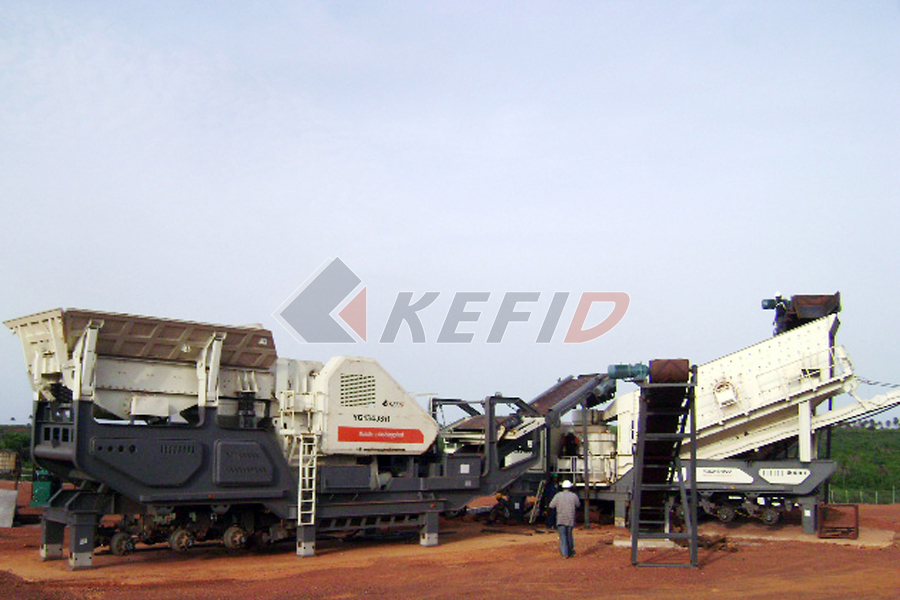
Technological modernization is enhancing efficiency and sustainability. Automated cutting, precision blasting techniques, and real-time monitoring systems are reducing waste and energy consumption. Some operators have integrated solar-powered equipment and closed-loop water recycling, minimizing reliance on grid energy and preserving scarce water resources.
-
The industry is also advancing circular economy principles. Crushed quarry byproducts are being repurposed as aggregate substitutes in road bases and concrete, reducing landfill and virgin material demand. Pilot initiatives are exploring carbon capture integration during stone processing, though scalability remains under evaluation.
-
Long-term viability is being bolstered by geological surveys and digital mapping to ensure responsible resource planning. The National Industrial Development and Logistics Program (NIDLP) supports infrastructure upgrades that improve logistics efficiency, reducing transportation-related emissions.
-
Future outlook remains positive, underpinned by major giga-projects such as NEOM, Qiddiya, and the Red Sea Development, which require vast quantities of high-quality stone. However, sustainable growth will depend on maintaining ecological balance, enforcing rehabilitation obligations, and investing in low-carbon technologies.
-
Stakeholder collaboration—between government, academia, and industry—is fostering innovation in material science, including engineered stone composites with lower extraction footprints. Workforce upskilling in sustainable mining practices is another priority.
-
In summary, the quarry stone industry in Saudi Arabia is transitioning from a conventional extractive model to a more sustainable, technology-driven sector. Continued policy enforcement, innovation, and alignment with national environmental targets will define its long-term contribution to construction and economic diversification.
Frequently Asked Questions
What types of quarry stone are commonly found in Saudi Arabia?
Saudi Arabia hosts abundant and diverse geological formations, yielding high-quality quarry stones such as limestone, granite, dolerite, gabbro, marble, and silicate-based stones. These materials are widely used in construction, road base layers, and architectural applications due to their durability and compliance with Gulf Standardization Organization (GSO) specifications.
Where are the major stone quarries located in Saudi Arabia?
Key quarrying regions include Al Qassim, Riyadh, Jizan, Asir, and Tabuk provinces. The presence of extensive igneous and sedimentary rock formations in these areas makes them ideal for commercial stone extraction. The Saudi Ministry of Industry and Mineral Resources oversees licensing and sustainable operations in these zones.
How does Saudi Arabia regulate quarry stone extraction?
The quarrying sector is regulated by the Ministry of Industry and Mineral Resources under the national mining investment framework. Operators must obtain exploration and exploitation licenses, adhere to environmental impact assessments (EIAs), and comply with the National Industrial Development and Logistics Program (NIDLP) guidelines to ensure sustainable resource management.
What certifications are required for exporting quarry stone from Saudi Arabia?
Exporters must secure certifications from the Saudi Standards, Metrology and Quality Organization (SASO), including conformity to GSO 2215/2011 for natural stone. Additional documentation includes mining licenses, export permits from the Ministry of Commerce, and adherence to international standards such as ISO 9001 for quality management.
How does quarry stone in Saudi Arabia compare to imported stone in terms of quality and cost?
Locally quarried stone in Saudi Arabia offers competitive pricing due to reduced logistics and import duties. Material quality meets or exceeds international benchmarks, especially in compression strength and weather resistance. Domestic supply chains also enhance project timelines, making local stone a preferred choice in NEOM, Red Sea Project, and other giga-projects.
What are the primary applications of Saudi Arabian quarry stone?
Quarry stone is used extensively in infrastructure projects including road sub-bases (using crushed gabbro and dolerite), architectural cladding (limestone and marble), railway ballast, and concrete aggregates. High-density stones are also selected for coastal and high-load structural applications due to their resilience.
How is sustainability addressed in Saudi quarry operations?
Modern quarries in Saudi Arabia implement water recycling systems, dust suppression technologies, and land rehabilitation programs post-extraction. The Vision 2030 initiative promotes green mining, encouraging operators to adopt ISO 14001 environmental management systems and achieve carbon footprint reduction targets.
What role does quarry stone play in Saudi Arabia’s Vision 2030 infrastructure goals?
Quarry stone is a strategic material supporting Vision 2030 giga-projects including Qiddiya, ROSHN, and NEOM. Local stone reduces reliance on imports, strengthens the national mining sector, and contributes to the goal of increasing mineral sector GDP contribution to SAR 365 billion by 2030.
Are there investment opportunities in Saudi Arabia’s quarry stone industry?
Yes—through the Mining Investment System (Ma’ān), domestic and foreign investors can acquire quarry licenses for exploration and production. The government offers incentives such as long-term leases, infrastructure support, and streamlined permitting under Public Investment Fund (PIF)-backed mineral development initiatives.
How is technological innovation improving quarry stone extraction in Saudi Arabia?
Adoption of drone-based surveying, 3D geological modeling, precision drilling, and automated crushing systems enhances efficiency and safety. Digital monitoring platforms also optimize inventory and logistics, aligning operations with Industry 4.0 standards under the NIDLP.
What challenges do quarry operators face in Saudi Arabia?
Operators contend with harsh desert conditions, water scarcity for dust control, remote site locations, and stringent environmental compliance. However, government partnerships and technological upgrades are helping mitigate these challenges and improve operational resilience.
How is quality control maintained in Saudi quarry stone production?
Producers follow rigorous testing protocols for density, abrasion resistance (Los Angeles test), water absorption, and compressive strength per ASTM and GSO standards. Certified laboratories regularly audit output, ensuring consistency for use in high-specification civil engineering and architectural projects.