Table of Contents
- Maximize Quarry Output with High-Efficiency Mining Solutions
- Engineered for Extreme Loads: Unmatched Durability in Harsh Conditions
- Advanced Safety Features to Protect Your Workforce and Operations
- Customizable Configurations for Tailored Quarry Applications
- Technical Specifications: Precision Engineering for Peak Performance
- Trusted by Industry Leaders: Proven Reliability and Support
- Frequently Asked Questions
- How often should jaw crusher wear parts be replaced?
- Can the same cone crusher handle different ore hardness levels?
- What is the most critical factor for vibrating screen longevity?
- How do I optimize lubrication for a heavy-duty rotary drill’s main bearing?
- Why is tramp metal detection critical for cone crushers?
- How to adjust a hydraulic cone crusher for finer product size?
Beneath the surface of our modern world lies the foundation of civilization itself: stone, sand, and aggregate. Extracting these essential materials is a complex symphony of power, precision, and engineering, all orchestrated by advanced quarry mining equipment. From the initial blast that fractures bedrock to the final load of precisely graded material, every step relies on a specialized fleet of machinery designed for immense durability and efficiency. Today’s operations are far from rudimentary; they integrate sophisticated hydraulic excavators, high-capacity haul trucks, powerful crushers, and intelligent screening systems. This article delves into the critical role of this equipment, exploring how innovation in technology is not only driving productivity but also reshaping safety and environmental stewardship within the quarrying industry, ensuring the raw materials for our infrastructure are sourced smarter and more sustainably than ever before.
Maximize Quarry Output with High-Efficiency Mining Solutions
The core challenge in modern quarrying is not simply moving material, but systematically reducing the total cost per ton (TCPT) across the entire size-reduction circuit. High-efficiency solutions achieve this by integrating advanced material science, precision engineering, and data-informed operational protocols to maximize availability, throughput, and component life.
Foundational Engineering: Advanced Material Science
Equipment longevity under high-impact and abrasive conditions is dictated by metallurgy. Critical wear components must be specified beyond generic “hard steel.”
- Primary Crushing Jaws & Liners: Utilize multi-layer Manganese Steel (Mn14%, Mn18%, Mn22%) with a work-hardening core. Upon impact, the surface hardness increases from ~220 HB to over 500 HB, creating a continually renewing wear-resistant surface ideal for granite, basalt, and abrasive ores.
- Cone Crusher Mantles & Concaves: Employ optimized alloy grades (e.g., T-400 or equivalent) with a fine austenitic microstructure for consistent hardness and high fracture toughness. This balances wear resistance with the ability to withstand high cyclic loads without catastrophic failure.
- Impact Crusher Blow Bars & Hammers: Require composite solutions. A martensitic steel matrix (high hardness, ~600 HB) embedded with ceramic or chromium carbide inserts provides superior resistance to the extreme abrasion encountered in recycling and limestone applications.
Technical Standards & Design Integrity
Compliance is a baseline; superior design exceeds it. All critical structures should be certified to ISO 21873 (mobile crushers) and ISO 9001 for quality management. CE marking indicates conformity with EU safety, health, and environmental directives. Look for Finite Element Analysis (FEA) validation on stress points like crusher frames, feeder decks, and screen bodies to ensure structural integrity under peak load.
Operational Advantages for Maximized Output
High-efficiency equipment delivers quantifiable gains through intelligent design features.
- Optimized Kinematics: Crusher chamber designs that provide a constant feed acceptance capability and a high reduction ratio minimize bottlenecks and produce a more cubicle end product, reducing recirculating load.
- Intelligent Automation Systems: Integrated programmable logic controllers (PLCs) with load and level sensors automatically regulate feed rates, adjust crusher settings, and provide real-time operational data to prevent overloads and optimize power draw.
- Rapid Maintenance & Serviceability: Hydraulic adjustment systems for setting crusher gaps and clearing blockages reduce downtime from hours to minutes. Modular component design allows for fast replacement of wear parts without major disassembly.
- Adaptability to Feed Material: Variable frequency drives (VFDs) on feeders and screens enable instant adjustment to changing ore hardness or feed size distribution, maintaining target Tons Per Hour (TPH) and product specifications.
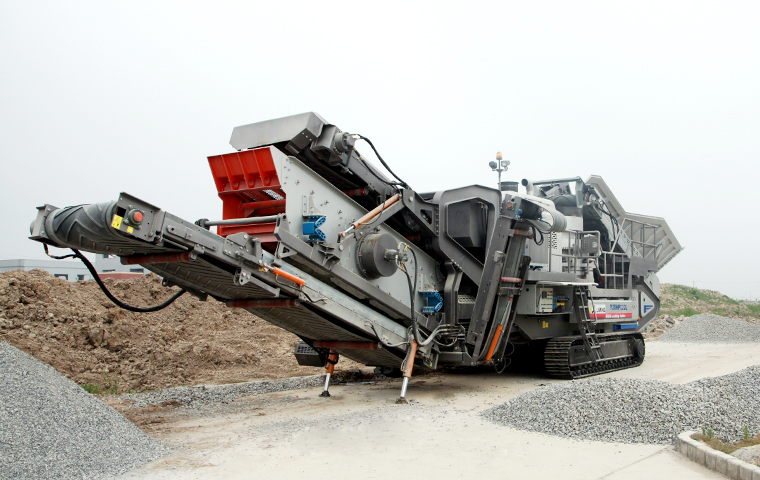
Key Performance Parameter Comparison: Primary Stationary vs. Tracked Mobile Solutions
Selection hinges on the quarry’s lifecycle phase, deposit geography, and operational flexibility requirements.
| Parameter | Stationary Plant (Modular/Skid-Mounted) | Tracked Mobile Crusher & Screen |
|---|---|---|
| Typical Max Feed Size | 800mm – 1200mm (Jaw/Gyratory) | 650mm – 900mm (Premium Jaw) |
| Design Throughput (TPH) | 500 – 2,500+ | 200 – 700 |
| Primary Advantage | Highest long-term throughput, lowest operating cost per ton for large-scale, fixed-location operations. | Unmatched operational flexibility for multi-pit sites, in-pit crushing, and reducing truck haulage cycles. |
| Setup/Relocation Time | Weeks (requires civil works, conveyors) | Hours (self-propelled, minimal setup) |
| Optimal Application | High-volume, long-life (>10 year) primary reserve. | Contract crushing, satellite pits, phased development, or sites with restricted access. |
Ultimately, maximizing output is an engineering exercise in system synchronization. The primary crusher’s setting and capacity must be matched with the secondary/tertiary circuit and screening efficiency. An over-sized primary merely creates a bottleneck downstream, while an under-sized unit limits total plant potential. High-efficiency solutions are characterized by their precise controllability and robust design, providing the operational bandwidth to adapt to geological variance while protecting the asset from premature wear and unscheduled stoppages.
Engineered for Extreme Loads: Unmatched Durability in Harsh Conditions
Our equipment is engineered from the ground up to withstand the continuous, high-impact forces and abrasive wear inherent in quarrying and hard rock mining. This is not a matter of overbuilding, but of precise engineering that selects and treats materials for specific failure modes, ensuring structural integrity and operational longevity under extreme loads.
Core Material Science & Construction
- High-Strength, Abrasion-Resistant Steels: Critical wear components, such as jaw plates, cone mantles, and crusher liners, are cast from proprietary Hadfield Austenitic Manganese Steel (Mn14%, Mn18%, Mn22%) and other alloyed steels. These materials combine high toughness with a unique work-hardening property; surface hardness increases under impact, dramatically improving service life in crushing applications.
- Optimized Alloy Grades for Structural Frames: Main frames and carriers are constructed from high-yield strength, low-alloy (HSLA) steel. This provides an optimal strength-to-weight ratio, resisting fatigue from cyclical loading and vibration without unnecessary mass, directly impacting fuel efficiency and mobility.
- Precision Fabrication & Stress Management: All major welds are performed to exacting procedures (often conforming to ISO 3834 or EN 1090 standards) and are frequently stress-relieved. Critical areas are reinforced with ribbed designs and internal bracing to distribute load forces evenly, preventing crack initiation.
Functional Advantages in Harsh Conditions
- Superior Abrasion Resistance: The use of tailored material grades and hardened surfaces in chutes, hoppers, and conveyor systems minimizes material adherence and wear from highly abrasive ores like granite, basalt, and taconite.
- Impact Fatigue Resilience: Components are designed to absorb and dissipate the kinetic energy from repeated rock-on-metal impacts, protecting bearings, shafts, and the core structure from premature failure.
- Adaptability to Variable Feed & Hardness: Robust design principles and intelligent control systems allow equipment to handle fluctuations in feed size and material hardness (measured on scales like Mohs or Protodyakonov) without compromising mechanical safety or output consistency.
- Sealed & Protected Critical Systems: Bearings, hydraulics, and electronics are housed in pressurized, multi-layered sealed compartments with advanced filtration. This provides defense against the primary killers of machinery: dust ingress and contamination.
Technical Specifications for Severe-Duty Applications
The following table outlines typical design parameters for key equipment categories, illustrating their capacity for extreme-duty cycles.
| Equipment Category | Key Durability Parameter | Typical Range for Severe Duty | Standard / Test Reference |
|---|---|---|---|
| Primary Jaw Crusher | Frame Steel Yield Strength | ≥ 355 MPa | ISO 630 (Structural steels) |
| Cone Crusher | Main Shaft Material | Forged 34CrNiMo6 Alloy Steel | ISO 683-11 (Heat-treatable steels) |
| Vibrating Grizzly Feeder | Deck Plate Thickness / Material | 25-40mm, AR400 Steel | ASTM A572 (High-strength steel) |
| Heavy-Duty Articulated Dump Truck (ADT) | Body Plate Hardness | 400-500 HB (Brinell) | ISO 6506 (Brinell hardness test) |
| Tracked Mobile Plant | Undercarriage Life (Granite Application) | 6,000 – 10,000 hrs (to 50% wear) | ISO 7129 (Earth-moving machinery) |
This engineered durability translates directly into measurable site benefits: reduced unplanned downtime, lower cost-per-ton crushed over the asset’s lifecycle, and the capability to target more challenging, high-value reserves with confidence.
Advanced Safety Features to Protect Your Workforce and Operations
Modern quarrying equipment integrates safety as a foundational engineering parameter, not an afterthought. This is achieved through a multi-layered approach combining advanced material science, intelligent system design, and compliance with the highest international standards (ISO 21873, ISO 13849, CE Machinery Directive). The core objective is to create a protective envelope around both personnel and the operational integrity of the machine itself.
Structural Integrity & Material Science
The primary defense is the machine’s inherent robustness. Critical structures, such as crusher frames, loader booms, and dump body floors, are fabricated from high-grade, impact-resistant steels.
- High-Hardness Steels (HHS) & Quenched & Tempered Alloys: Used in wear liners and dump bodies, these materials (e.g., HB 400-500 Brinell hardness) resist abrasion and penetration from falling rock, preventing catastrophic failure and containing material within designated zones.
- Fine-Grain Structural Steel (e.g., S355J2): Provides an optimal balance of yield strength, toughness, and weldability for main frames, ensuring they withstand dynamic loading and fatigue over decades of operation without brittle fracture.
Proactive Hazard Mitigation Systems
Beyond passive protection, active systems monitor and intervene to prevent incidents.
- Load Moment Indicators (LMI) & Rated Capacity Limiters (RCL): On excavators and cranes, these systems continuously calculate load weight and boom angle, automatically restricting operation to prevent instability and overturning.
- Proximity Detection & Collision Avoidance: Utilizing radar, ultrasonic, or RFID technology, these systems create 360-degree detection zones. They provide audible/visual alerts and can automatically slow or stop the machine if personnel or vehicles are detected in a hazardous proximity.
- Fire Suppression Systems: Automated, dry-chemical or foam-based systems with thermal sensors are plumbed directly into engine bays, hydraulic compartments, and brake zones to suppress fires at their source within seconds.
Operator Protection & Environmental Control
The operator’s cabin is engineered as a certified safety cell.
- Falling Object Protection Structure (FOPS) & Roll-Over Protection Structure (ROPS): Cabins are built and tested to ISO 3449 and ISO 3471 standards, capable of withstanding significant impact and structural loads.
- Pressurized & Filtration Cabin: Maintains positive internal air pressure with multi-stage filtration (pre-filter, fine particulate, activated carbon) to protect the operator from silica dust and other harmful particulates, a critical defense against pneumoconiosis.
- Ergonomic Human-Machine Interface (HMI): Intuitive controls, minimized blind spots through camera systems, and reduced vibration (per ISO 2631) lower cognitive load and operator fatigue, which is a primary contributor to human error.
Operational Continuity & Fail-Safe Design
Safety features also protect the economic operation by preventing unscheduled downtime from equipment damage.
- Advanced Lubrication Monitoring: Real-time sensors for oil quality, pressure, and temperature in critical crusher and screen bearings provide early warning of impending failure, allowing for planned intervention.
- Hydraulic & Electrical System Safeguards: Pressure relief valves, burst-resistant hoses, and circuit breakers are designed to fail in a safe, contained manner. Redundant steering and braking systems ensure control is maintained in the event of a primary system fault.
- Crusher Overload Protection: Hydro-pneumatic or mechanical tramp release systems on cone crushers and shear-pin protections on jaw crushers instantly discharge uncrushable material (e.g., tramp steel), preventing drive train damage that could lead to catastrophic failure and associated safety hazards.
Technical Specifications of Integrated Safety Systems
| System Component | Standard/Compliance | Key Parameter | Functional Benefit |
|---|---|---|---|
| Operator Cabin | ISO 3471 (ROPS), ISO 3449 (FOPS) | Load Rating (e.g., 15t FOPS) | Defines impact energy absorption capacity for falling rock and roll-over scenarios. |
| Proximity Detection | ISO 21815 (Collision Avoidance) | Detection Range & Zones | Configurable warning (e.g., 5m) and stop zones (e.g., 2m) around machine periphery. |
| Dust Filtration Unit | ISO 23861 (Cabin Air Quality) | Filtration Efficiency (e.g., >99.9% @ 0.3µm) | Quantifies protection level against respirable crystalline silica (RCS) dust. |
| Primary Crusher Protection | Manufacturer Specific | Tramp Release Setting (e.g., 200% of nominal force) | Sets the threshold at which the crusher automatically opens to eject uncrushable material, safeguarding the main shaft and bearings. |
Customizable Configurations for Tailored Quarry Applications
Modern quarrying operations demand equipment that transcends generic, off-the-shelf solutions. True operational efficiency and cost-per-ton optimization are achieved through engineered configurations that align precisely with the unique material profile, production goals, and site constraints of each application. This requires a foundational platform built for modularity, coupled with deep application engineering expertise.
Core Customization Pillars
The customization process is anchored in three critical, interdependent domains:
-
Material Composition & Wear Strategy: The mineralogy of the feed material dictates the entire wear package.
- Manganese Steel (Mn14, Mn18, Mn22): The industry standard for crusher jaws, mantles, and concaves where work-hardening under impact is essential. Selection is based on anticipated impact severity and abrasiveness.
- Alloyed White Irons (Ni-Hard, High-Chromium Iron): Deployed for highly abrasive, low-impact applications such as feed plates, cone crusher feed distributors, and slurry pump liners. Their primary matrix of hard chromium carbides provides superior abrasion resistance.
- Composite & Hybrid Liners: Strategic use of different materials within a single component (e.g., a Mn-steel jaw body with hard iron inserts in high-wear zones) to balance toughness, wear life, and total cost.
- Ceramic & Rubber Linings: For transfer points, chutes, and hoppers handling highly abrasive but non-impactful material, to reduce noise, weight, and material adhesion.
-
Performance & Capacity Tuning: Machine parameters are calibrated to match specific output targets and product specifications.
- Crushing Chamber Profiles: Jaw crusher cavity depth and angle, or cone crusher eccentric throw and chamber design, are selected for optimal nip angle, reduction ratio, and product shape.
- Drive & Power Systems: Motor sizing (kW/HP) and sheave ratios are configured to deliver the required power and operational speed (RPM) for the target Tons Per Hour (TPH) and material crushability (e.g., Wi index).
- Screenbox & Media Selection: Vibrating screens are configured with the correct deck angle, vibration frequency/amplitude, and screen media (wire mesh, polyurethane, rubber, or punch plate) to achieve precise sizing and high efficiency in wet or dry conditions.
-
Site Integration & Mobility: The equipment must fit the operational footprint and logistics chain.
- Feeding & Discharge Arrangements: Custom hopper designs, apron or vibrating grizzly feeders, and discharge conveyor heights/lengths to interface seamlessly with existing plant infrastructure.
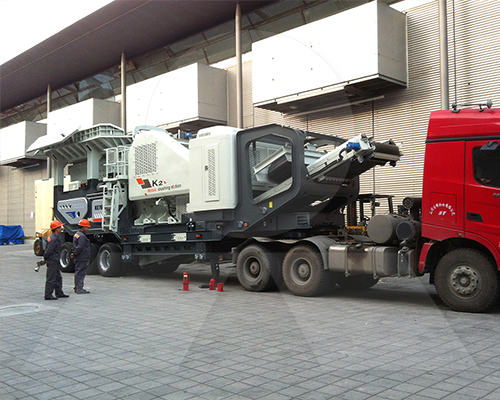
- Mobility Configuration: Track-mounted, wheel-mounted, or skid-based designs, with considerations for transport weight, width, and on-site maneuverability requirements.
- Dust Suppression & Noise Abatement: Integrated spray systems, encapsulation kits, and acoustic housings designed to meet local environmental regulations.
Technical Specification Framework
All customizable components are engineered and manufactured within a rigorous framework of international standards and design protocols to ensure structural integrity, performance reliability, and operational safety.
| Customization Area | Key Technical Parameters | Governing Standards & Protocols |
|---|---|---|
| Structural Fabrication | Plate grades (e.g., S355J2), weld procedures, non-destructive testing (NDT) | ISO 3834, EN 1090, AS/NZS 1554, Finite Element Analysis (FEA) |
| Mechanical Drive Systems | Bearing L10 life, gear rating (AGMA/ISO), shaft deflection analysis | ISO 281, AGMA 2001/2101, CE Machinery Directive 2006/42/EC |
| Wear Components | Material grade, hardness (HB, HRC), impact toughness (Joules) | ASTM A128, ASTM A532, ISO 13521 |
| Electrical Systems | Motor insulation class (F), protection rating (IP), control voltage | IEC 60034, IEC 60529, NFPA 70 (NEC) |
Engineering Consultation Process
Effective customization is not a catalog exercise. It is a consultative process that begins with a detailed analysis of your application data:
- Material Test Reports: Los Angeles Abrasion (LAA) value, Bond Work Index (Wi), moisture content, and abrasiveness index.
- Feed & Product Gradations: Desired top feed size and target product size distribution.
- Site-Specific Constraints: Available space, power supply, climatic conditions, and environmental regulations.
- Operational Objectives: Target annual production (TPH), availability targets, and maintenance windows.
This data informs a configuration that delivers a deterministic balance between capital expenditure (CAPEX) and long-term operating costs (OPEX), maximizing return on investment through sustained throughput, extended wear life, and reduced unscheduled downtime.
Technical Specifications: Precision Engineering for Peak Performance
Material Science & Construction
Core structural components are fabricated from high-grade, abrasion-resistant materials to withstand the extreme impact and wear of quarry environments. Primary wear parts, such as jaw plates, cone mantles, and blow bars, utilize advanced metallurgy:
- Manganese Steel (Mn14, Mn18, Mn22): Chosen for its exceptional work-hardening capability. Under repeated impact, the surface hardness increases, creating a continually renewing wear-resistant layer ideal for crusher liners.
- High-Chrome Iron Alloys (Cr23, Cr27): Superior for abrasive wear applications. Provides excellent hardness and microstructural stability for vertical shaft impactor (VSI) tips, hammers, and wear plates in sand manufacturing and processing of highly abrasive granite or basalt.
- Quenched & Tempered Alloy Steels: Used for shafts, housings, and frames, providing the optimal balance of high tensile strength, toughness, and fatigue resistance to handle cyclical loading.
Engineering Standards & Certification
All equipment is designed, manufactured, and tested to rigorous international standards, ensuring operational safety, reliability, and interoperability.
- Structural Integrity: Designs comply with ISO 21873 (mobile crushers), FEM Section I (crane standards for design of lifting devices on crushers), and relevant ISO 9001 quality management protocols.
- Safety & Compliance: Machinery meets CE marking directives (Machinery Directive 2006/42/EC, EMC Directive) and incorporates safety-critical systems like hydraulic overload protection, emergency stop circuits, and guarding per ISO 13857.
- Performance Verification: Critical performance metrics, such as throughput (TPH) and power draw, are validated against declared specifications under controlled conditions.
Mining-Specific Functional Advantages
- Adaptive Crushing Chambers: Geometries are optimized for specific feed materials and desired product shape. Automated chamber clearing systems prevent costly downtime from stall events due to uncrushable material or packing.
- Intelligent Hydraulic Systems: Provide precise setting adjustment (CSS) for product gradation control and automated tramp release. Systems are designed for high thermal efficiency and contamination resistance, critical for 24/7 operation.
- High-Capacity, High-Reduction Design: Crushers are engineered for a high reduction ratio in a single pass, minimizing the number of crushing stages required and reducing overall plant footprint and capital cost.
- Integrated Process Intelligence: Advanced control systems monitor and regulate feed rate, power consumption, and crusher load in real-time, optimizing Tons Per Hour (TPH) and protecting the machine from harmful overload conditions.
Key Performance Parameters
The following table outlines typical core specifications for primary stationary equipment classes, illustrating the direct link between engineering design and quarry-scale output.
| Equipment Class | Model Example | Key Technical Parameters | Mining Application USP |
|---|---|---|---|
| Primary Jaw Crusher | J-1480 | Feed Opening: 1415mm x 820mm, Max Feed Size: 800mm, Power: 261kW, Capacity: Up to 700 TPH (dependent on material & settings). | High inertia, deep crushing chamber for blocky, hard rock (e.g., primary basalt, granite). Hydraulic toggle for quick CSS adjustment and clearing. |
| Cone Crusher (Secondary/Tertiary) | CH-660 | Head Diameter: 2134mm, Max Power: 315kW, Nominal Capacity Range: 150 – 550 TPH. | Hydroset system for real-time CSS control and full hydraulic clearing. Multiple crushing chamber profiles for optimizing yield of chip or shaped aggregate. |
| Horizontal Shaft Impactor (HSI) | I-140RS | Rotor Diameter: 1270mm, Width: 1220mm, Power: 391kW, Capacity: Up to 500 TPH. | Monobloc rotor construction for high inertia and durability in soft to medium-hard rock (e.g., limestone, recycled concrete). Hydraulic apron adjustment for product sizing. |
| Heavy-Duty Screen | 883+ | Screenbox Size: 4.8m x 1.5m, Deck Area: 7.3m², Power: 11kW. | High-G (up to 6G) screening action to prevent blinding in sticky, damp material. Robust chassis designed for direct feed from large crushers. |
Trusted by Industry Leaders: Proven Reliability and Support
Our equipment is engineered for continuous operation in the most punishing environments. The cornerstone of this reliability is advanced material science and adherence to stringent international standards, ensuring structural integrity and predictable performance over extended lifecycles.
Core Engineering for Uncompromising Duty Cycles
- Critical Component Metallurgy: High-stress wear parts, such as jaw plates, cone mantles, and blow bars, are cast from proprietary alloyed manganese steels (e.g., 18-22% Mn) and chromium-rich martensitic irons. These materials are selected for their optimal balance of hardness, tensile strength, and work-hardening capabilities, which increase surface resistance under repeated impact and abrasion.
- Certified Structural Integrity: Primary frames and major weldments are fabricated from high-yield strength steel and subjected to Finite Element Analysis (FEA) during design. Manufacturing follows ISO 9001 quality management systems, with final products certified to relevant CE and other regional mining safety directives, guaranteeing built-in safety margins.
- Mining-Specific Performance Parameters: Designs are optimized for key operational metrics, directly impacting your site’s bottom line:
- Adaptive Throughput (TPH): Crushers and screens are configured for specific material density (t/m³) and desired product gradation, ensuring rated Tonnes Per Hour are achievable with real-world feed material.
- Ore Hardness & Abrasiveness Compatibility: Crushing chambers and screen media are selected based on the material’s compressive strength (MPa) and Abrasion Index (Ai), minimizing premature wear and unscheduled downtime.
- System Integration Readiness: Equipment interfaces (feed hoppers, discharge heights, conveyor points) are designed to standard mining plant layouts, facilitating seamless integration into new or existing crushing circuits.
Technical Support Model: From Commissioning to Obsolescence
Our global support network operates on a lifecycle partnership model. Field service engineers, trained on the specific metallurgy and hydraulic/electrical systems of your equipment, provide more than reactive repairs.
| Support Phase | Key Technical Activities |
|---|---|
| Pre-Commissioning | Foundation drawing review, drive alignment checks, initial lubrication system flush and sample analysis. |
| Operational Ramp-Up | On-site performance tuning to achieve target TPH and product shape, operator training on wear part inspection and change-out procedures. |
| Scheduled Maintenance | Provision of wear part consumption forecasts based on your ore analytics, remote monitoring of bearing temperatures and hydraulic pressures, planned shutdown planning. |
| Lifecycle Management | Technical advisories on component upgrades, retrofit kits for performance enhancement or regulatory compliance, end-of-life asset recovery programs. |
This engineering-led approach results in predictable operational costs, maximized asset availability, and a lower total cost of ownership—the definitive reasons why major aggregate and mining corporations standardize on our platforms for their most critical applications.
Frequently Asked Questions
How often should jaw crusher wear parts be replaced?
Replace jaw plates when wear exceeds 20% of original thickness. For abrasive granite (Mohs 6-7), high-manganese steel (Mn14Cr2) liners last 90-120k tons. Monitor for increased product size or reduced throughput. Use laser scanning for precise wear measurement to schedule replacements during planned maintenance, minimizing unplanned downtime.
Can the same cone crusher handle different ore hardness levels?
Yes, but it requires adjustments. For hard basalt, use a coarse crushing chamber and higher hydraulic pressure (e.g., 180 bar). For softer limestone, switch to a fine chamber and reduce pressure. Always recalibrate the CSS and monitor amp draw. Using the wrong setting accelerates mantle/bowl liner wear exponentially.
What is the most critical factor for vibrating screen longevity?
Proper vibration isolation and bearing lubrication. Use premium SKF or FAG spherical roller bearings with high-temperature grease (NLGI 2). Ensure isolation mounts are uncompressed and replace them if hardening occurs. Imbalanced vibration amplitude is the primary cause of premature bearing failure and structural fatigue cracks.
How do I optimize lubrication for a heavy-duty rotary drill’s main bearing?
Implement a condition-based greasing schedule using an automated system. Use a lithium complex EP grease with extreme pressure additives. Monitor bearing temperature and vibration; over-greasing causes churning and heat buildup. For continuous operation in high dust, consider a centralized lubrication system with real-time monitoring.
Why is tramp metal detection critical for cone crushers?
Undetected tramp metal (e.g., drill bits) causes catastrophic damage to the head and mantle. Install a metal detector on the feed conveyor paired with an automatic hydraulic release system for the crusher. This prevents costly repairs and weeks of downtime, protecting the main shaft and bronze bushings from irreversible failure.
How to adjust a hydraulic cone crusher for finer product size?
Reduce the closed-side setting (CSS) via the hydraulic adjustment system while the crusher is running empty. Simultaneously, ensure the hydraulic pressure is within the manufacturer’s specified range (check manual for model-specific psi/bar limits). Incorrect pressure during adjustment risks damaging the adjustment ring threads and hydraulic cylinders.