Table of Contents
- Quarry Crusher & Calcium Chloride: The Complete Guide to Dust Control, Road Stabilization, and Operational Efficiency
- Introduction
- 1. Understanding the Role of a Quarry Crusher
- 1.1 Types of Crushers Commonly Used
- 1.2 The Problem: Dust and Road Deterioration
- 2. What is Calcium Chloride?
- 2.1 Key Properties Relevant to Quarries
- 3. The Role of Calcium Chloride in Quarry Operations
- 3.1 Dust Control at the Crusher and Conveyor Points
- 3.2 Haul Road Stabilization
- 3.3 Winter Operations and Anti-Icing
- 4. Synergy with Crusher Performance
- 4.1 Reduced Moisture Variability
- 4.2 Lower Equipment Wear
- 4.3 Improved Operator Safety
- 5. Application Methods and Best Practices
- 5.1 Liquid Application
- 5.2 Dry Application (Pellet or Flake)
- 5.3 Reapplication Schedule
- 6. Cost-Benefit Analysis
- 6.1 Costs
- 6.2 Savings
- 7. Environmental and Safety Considerations
- 7.1 Environmental Impact
- 7.2 Worker Safety
- 8. Common Mistakes to Avoid
- 9. Case Study: A Real-World Example
- 10. Frequently Asked Questions (FAQ)
- Q1: Can calcium chloride damage my crusher?
- Q2: Is calcium chloride the same as rock salt (sodium chloride)?
- Q3: How long does a single application last?
- Q4: Can I use calcium chloride on concrete surfaces?
- Q5: What is the difference between calcium chloride and magnesium chloride for dust control?
- 11. Future Trends in Quarry Dust Control
- 12. Conclusion
- 13. Additional Resources
Quarry Crusher & Calcium Chloride: The Complete Guide to Dust Control, Road Stabilization, and Operational Efficiency
Introduction
In the demanding world of aggregate production, quarry operators face a constant battle against dust, unstable haul roads, and equipment wear. While the primary focus often falls on the crusher itself—whether it’s a jaw crusher, impact crusher, or cone crusher—the auxiliary materials used in the operation are equally critical. One such material, calcium chloride (CaCl₂), has emerged as a game-changer for quarry operations worldwide.
This comprehensive guide explores the synergistic relationship between quarry crushers and calcium chloride, detailing how this chemical compound improves dust suppression, stabilizes haul roads, reduces maintenance costs, and boosts overall productivity. Whether you’re a quarry manager, mining engineer, or equipment operator, understanding this dynamic duo is essential for optimizing your site’s performance.
1. Understanding the Role of a Quarry Crusher
Before diving into calcium chloride’s benefits, it’s crucial to understand the environment in which it operates. A quarry crusher is the heart of any aggregate production line. It reduces large rocks (from blasting or excavation) into smaller, marketable sizes such as gravel, sand, and crushed stone.
1.1 Types of Crushers Commonly Used
- Jaw Crushers: Ideal for primary crushing; they handle large, abrasive rocks.
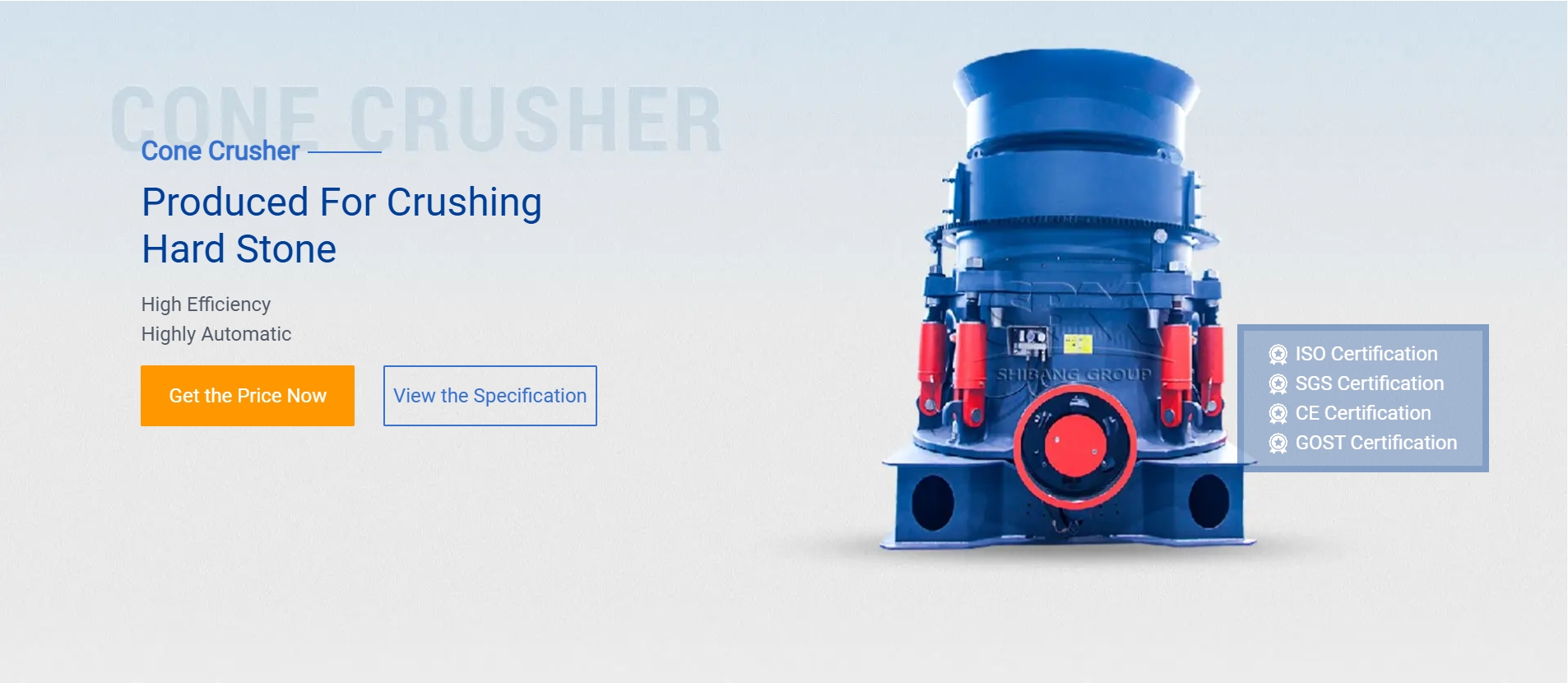
- Cone Crushers: Used for secondary and tertiary crushing; they produce finer, more uniform particles.
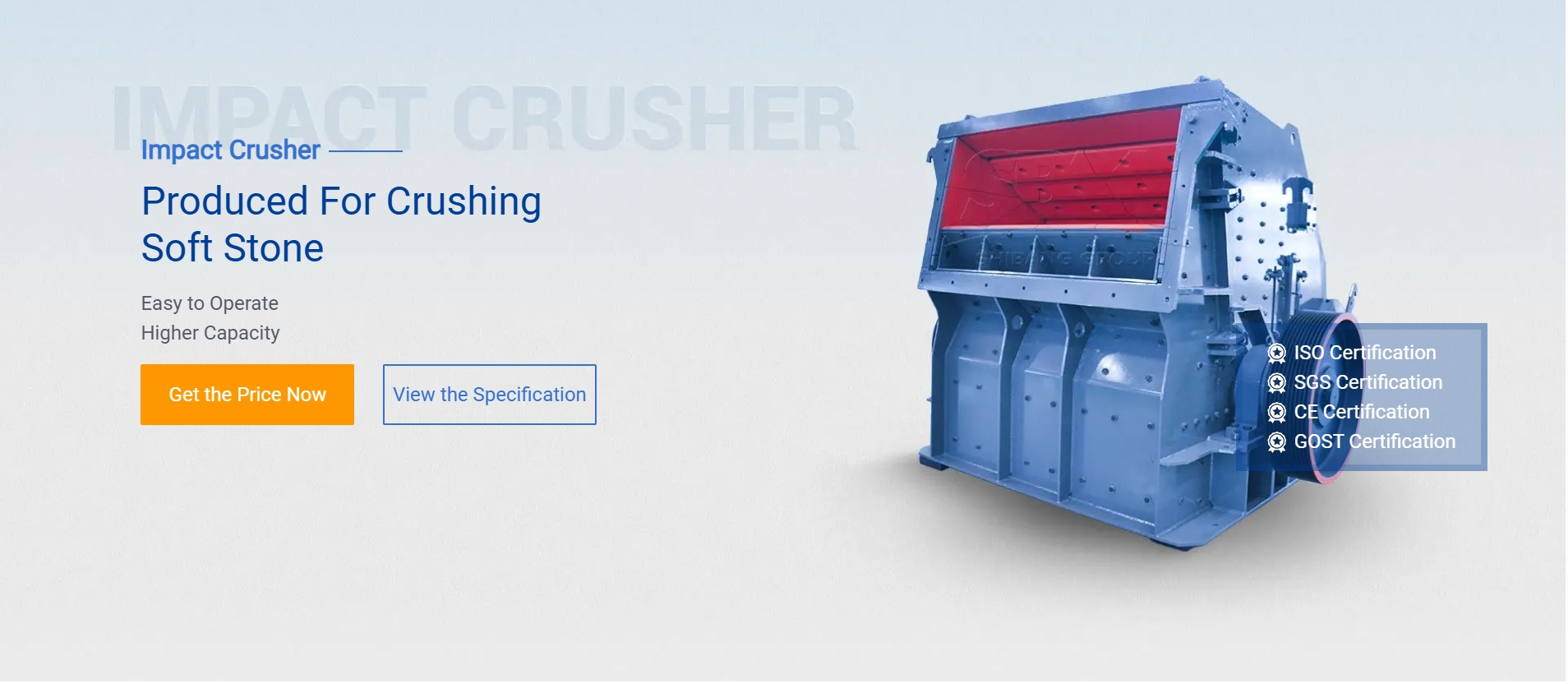
- Impact Crushers: Suitable for softer materials; they use impact force rather than compression.
- Vibrating Screens: Often paired with crushers to classify material by size.
1.2 The Problem: Dust and Road Deterioration
Every crusher generates significant amounts of fugitive dust—tiny particles that become airborne during crushing, screening, and conveying. This dust poses serious health risks (silicosis), environmental compliance issues, and visibility hazards. Additionally, the heavy trucks hauling material from the crusher to stockpiles or load-out areas cause severe damage to unpaved haul roads, leading to:
- Rutting and potholes
- Increased rolling resistance (higher fuel consumption)
- Equipment wear and tear
- Slower cycle times
This is where calcium chloride steps in as a cost-effective, multi-purpose solution.
2. What is Calcium Chloride?
Calcium chloride is a hygroscopic salt—meaning it has a strong affinity for moisture. It is typically produced as a byproduct of the Solvay process or extracted from brine. In its commercial forms, it appears as flakes, pellets, or a liquid solution.
2.1 Key Properties Relevant to Quarries
- Hygroscopicity: Absorbs moisture from the air, keeping surfaces damp.
- Deliquescence: Can absorb enough moisture to dissolve itself, creating a liquid brine.
- High Solubility: Dissolves quickly in water, making it easy to apply.
- Freezing Point Depression: Lowers the freezing point of water, preventing ice formation.
- Dust Suppression: Binds fine particles together, preventing them from becoming airborne.
3. The Role of Calcium Chloride in Quarry Operations
3.1 Dust Control at the Crusher and Conveyor Points
The crusher itself is a primary dust generation point. When rock is fractured, fine particles are released. Traditional water sprays only provide temporary relief—water evaporates quickly, especially in hot or windy conditions.
How Calcium Chloride Helps:
- When applied as a liquid solution (typically 30-38% concentration) via spray bars at crusher discharge points, transfer chutes, and screen decks, it coats the material surface.
- The hygroscopic nature of CaCl₂ attracts moisture from the air, keeping the crushed material slightly damp for extended periods.
- This moisture binds fine dust particles to larger aggregates, preventing them from becoming airborne.
Result: A significant reduction in respirable dust (PM10 and PM2.5), improved visibility, and compliance with OSHA and EPA regulations.
3.2 Haul Road Stabilization
Haul roads are the lifeline of a quarry. They must support heavy haul trucks (often 100-ton payloads) while maintaining a smooth, safe driving surface.
The Problem with Water-Only Treatment:
- Water evaporates, leaving the road dry and dusty within hours.
- Repeated watering causes road base saturation, leading to soft spots and rutting.
The Calcium Chloride Advantage:
- Moisture Retention: Applied to the road surface, CaCl₂ absorbs humidity from the air, keeping the road surface damp and compact.
- Binding Action: The brine solution binds fine particles together, creating a hard, stable surface that resists erosion and pothole formation.
- Reduced Maintenance: Treated roads require less frequent grading and watering, freeing up equipment and labor for other tasks.
Application Method: Typically, a 35% liquid solution is sprayed at a rate of 0.5 to 1.5 gallons per square yard, depending on soil type and traffic volume. For best results, the road should be scarified, treated, and re-compacted.
3.3 Winter Operations and Anti-Icing
Quarries in cold climates face additional challenges: frozen aggregates, icy haul roads, and reduced productivity.
- Anti-Icing: Pre-treating haul roads with calcium chloride prevents ice from bonding to the surface, making snow removal easier.
- De-Icing: Applied to existing ice, it melts the ice by lowering the freezing point to as low as -50°F (-45°C).
- Aggregate Treatment: Adding CaCl₂ to stockpiles prevents aggregates from freezing solid, ensuring consistent feed to the crusher.
4. Synergy with Crusher Performance
While calcium chloride is not a mechanical component of the crusher, its indirect effects on crusher performance are substantial:
4.1 Reduced Moisture Variability
By controlling dust and stabilizing roads, calcium chloride helps maintain a consistent feed moisture level. This is critical because:
- Too much moisture in the feed can clog screens and reduce throughput.
- Too little moisture increases dust and wear on liners.
4.2 Lower Equipment Wear
Dust is abrasive. When it infiltrates crusher bearings, conveyor rollers, and screen decks, it accelerates wear. Effective dust suppression with CaCl₂ reduces this abrasive load, extending component life.
4.3 Improved Operator Safety
Clear visibility on haul roads and around the crusher reduces the risk of accidents. A stable road surface also reduces the risk of truck rollovers.
5. Application Methods and Best Practices
To maximize the benefits of calcium chloride, proper application is key. Here are the industry-standard methods:
5.1 Liquid Application
- Equipment: Purpose-built spray trucks or water trucks with spray bars.
- Concentration: 30-38% liquid CaCl₂ diluted with water (typical mix ratio: 1 part CaCl₂ to 2-3 parts water).
- Rate: 0.3 to 0.5 gallons per square yard for dust control; 0.5 to 1.5 gallons per square yard for road stabilization.
- Timing: Apply before peak dry season or after road grading.
5.2 Dry Application (Pellet or Flake)
- Use Case: For stockpile treatment or small areas.
- Method: Spread evenly and mix into the top 2-3 inches of material.
- Caution: Dry application requires moisture to activate; it’s less effective in arid conditions unless followed by watering.
5.3 Reapplication Schedule
- Initial Treatment: Heavy application to establish a base.
- Maintenance: Lighter applications every 4-8 weeks, depending on rainfall and traffic.
- Rain Consideration: Heavy rain can leach CaCl₂ away; reapply after significant precipitation.
6. Cost-Benefit Analysis
Is calcium chloride worth the investment? Let’s break down the numbers:
6.1 Costs
- Material Cost: $400-$600 per ton for bulk liquid (35% solution).
- Application Cost: Labor and equipment rental (if not owned).
- Typical Annual Usage: A mid-sized quarry might use 50-100 tons per year.
6.2 Savings
- Water Usage: Reduces water consumption by 50-70% (water trucks no longer run constantly).
- Road Maintenance: Cuts grading frequency by 50-75%.
- Fuel Efficiency: Smooth roads reduce rolling resistance, saving 10-20% on haul truck fuel.
- Equipment Longevity: Reduced dust extends crusher liner life by 15-25%.
- Compliance Fines: Avoids penalties for dust emissions (which can exceed $10,000 per violation).
Net Result: Most quarries see a full return on investment within 6-12 months, followed by ongoing operational savings.
7. Environmental and Safety Considerations
7.1 Environmental Impact
- Biodegradable: Calcium chloride is naturally occurring and does not bioaccumulate.
- Runoff Management: Proper application minimizes runoff; excess CaCl₂ can increase chloride levels in nearby water bodies, so application rates should be carefully calculated.
- Vegetation: High concentrations can harm roadside vegetation; use buffer zones near sensitive areas.
7.2 Worker Safety
- Skin Contact: CaCl₂ can cause skin irritation; workers should wear gloves and goggles during handling.
- Inhalation: Dry dust can irritate the respiratory tract; use dust masks when handling powder forms.
- Storage: Store in sealed containers to prevent moisture absorption and caking.
8. Common Mistakes to Avoid
Even experienced operators can make errors with calcium chloride. Here are the top pitfalls:
- Over-Application: Too much CaCl₂ creates a slippery, sticky surface that attracts moisture excessively, leading to soft roads.
- Under-Application: Insufficient treatment fails to control dust, wasting money without results.
- Ignoring Soil Type: Sandy soils require more CaCl₂ than clay soils. Conduct a soil test first.
- Applying Before Rain: Heavy rain within 24 hours of application will wash away the treatment.
- Neglecting Drainage: Poor drainage undermines road stability; fix drainage issues before treating.
9. Case Study: A Real-World Example
Location: Granite quarry in Georgia, USA (hot, humid summers)
Problem: Dust emissions exceeded EPA limits; haul road maintenance consumed 3 graders and 2 water trucks daily..jpg)
Solution:
- Installed a liquid CaCl₂ spray system at the primary crusher discharge.
- Treated all haul roads with a 35% CaCl₂ solution at 1 gallon/sq yd.
- Established a bi-weekly maintenance spray schedule.
Results (after 6 months):
- Dust emissions reduced by 85%.
- Water truck usage cut from 12 hours/day to 3 hours/day.
- Road grading frequency reduced from daily to weekly.
- Crusher liner life extended by 20%.
- Total annual savings: $180,000.
10. Frequently Asked Questions (FAQ)
Q1: Can calcium chloride damage my crusher?
No. When used as a dust suppressant, it is applied to the material surface, not the crusher internals. However, avoid excessive application that could increase feed moisture beyond optimal levels.
Q2: Is calcium chloride the same as rock salt (sodium chloride)?
No. While both are used for ice control, calcium chloride is more effective at lower temperatures and is more hygroscopic, making it superior for dust control.
Q3: How long does a single application last?
Typically 2-4 weeks, depending on weather and traffic. Heavy rain or extreme dry conditions may shorten the duration.
Q4: Can I use calcium chloride on concrete surfaces?
It can cause mild corrosion on bare steel and spalling on concrete. Use only on unpaved surfaces or with proper containment.
Q5: What is the difference between calcium chloride and magnesium chloride for dust control?
Both work similarly, but calcium chloride is generally more effective in high-humidity environments, while magnesium chloride performs better in very arid conditions..jpg)
11. Future Trends in Quarry Dust Control
The quarry industry is evolving, and so are dust control technologies:
- Automated Spray Systems: Sensors that detect dust levels and trigger targeted CaCl₂ sprays.
- Hybrid Solutions: Combining CaCl₂ with polymer binders for longer-lasting road stabilization.
- Data-Driven Application: Using GPS and telematics to optimize spray routes and rates.
- Eco-Friendly Alternatives: Research into bio-based dust suppressants, though CaCl₂ remains the industry standard due to cost-effectiveness.
12. Conclusion
The combination of a quarry crusher and calcium chloride is a proven, cost-effective strategy for modern aggregate operations. While the crusher does the heavy lifting of size reduction, calcium chloride ensures that the surrounding environment—air quality, haul roads, and equipment—remains in optimal condition.
By implementing a well-planned CaCl₂ program, quarry operators can:
- Achieve regulatory compliance
- Reduce operational costs
- Extend equipment life
- Improve worker safety
- Boost overall productivity
In an industry where margins are tight and competition is fierce, the smart use of calcium chloride is not just an option—it’s a competitive advantage.
13. Additional Resources
- OSHA Dust Standards: osha.gov/silica
- EPA Fugitive Dust Guidance: epa.gov
- Calcium Chloride Association: calcium-chloride.com
- Crusher Maintenance Guides: Consult your equipment manufacturer’s manual.
This article was written for quarry operators, mining engineers, and environmental compliance officers seeking practical, actionable insights into dust control and road stabilization. For specific application rates tailored to your site, consult a qualified chemical supplier or civil engineer.