Table of Contents
- Optimizing Bauxite Extraction: How Our Equipment Enhances Mine Productivity and Reduces Downtime
- Advanced Material Handling Systems: Engineered for High-Volume Bauxite Processing and Transport
- Durable and Corrosion-Resistant Designs: Built to Withstand Harsh Mining Environments for Longevity
- Customizable Solutions: Tailored Equipment Configurations to Match Your Specific Mine Operations
- Comprehensive Technical Specifications: Key Performance Metrics and Compatibility for Seamless Integration
- Proven Reliability and Support: Industry Certifications, Case Studies, and Global Service Network
- Frequently Asked Questions
- How do you optimize wear parts replacement cycles in bauxite mining equipment?
- What equipment adaptations are needed for varying bauxite ore hardness (Mohs 1-6)?
- How is vibration controlled in large-capacity bauxite crushers and screens?
- What are the critical lubrication requirements for bauxite mining machinery in dusty environments?
- How do you ensure equipment adaptability to different mine site conditions and ore moisture content?
- What technical specifications guarantee energy efficiency in high-tonnage bauxite processing?
In the demanding world of bauxite mining, where operational margins are defined by the precise extraction and processing of ore, the choice of equipment supplier is a critical strategic decision. Partnering with a premium supplier transcends mere transaction; it is an investment in a holistic ecosystem engineered for peak performance. The right collaborator delivers more than robust machinery—they provide integrated, high-efficiency solutions meticulously designed to conquer site-specific challenges, from overburden removal to final material handling. This commitment to technological excellence and process optimization is what separates industry leaders, directly translating into superior throughput, minimized downtime, and maximum ore recovery. It is the foundation for transforming geological potential into sustained, profitable reality, ensuring every stage of your operation is powered by reliability and precision.
Optimizing Bauxite Extraction: How Our Equipment Enhances Mine Productivity and Reduces Downtime
Effective bauxite extraction hinges on equipment engineered to handle its specific abrasiveness, variable hardness (typically 3-5 Mohs), and sticky, high-moisture content. Our machinery is designed from a metallurgical and mechanical standpoint to directly combat the primary causes of unplanned downtime: excessive wear, component failure, and process inefficiency.
Core Engineering for Enhanced Productivity
At the material level, we specify alloys based on precise duty cycles and abrasion zones. For high-impact areas, such as crusher liners and shovel teeth, we employ modified Hadfield manganese steels (11-14% Mn) for their unparalleled work-hardening capability. For consistent, high-abrasion wear in conveyor and chute linings, we utilize chromium-molybdenum alloys or ceramic-matrix composites, offering a 300-600% improvement in service life over standard AR400 steel.
Every machine is designed to a defined Tonnage-Per-Hour (TPH) capacity with a 15-20% operational buffer, ensuring sustained throughput under peak load without over-stressing components. This is validated through Finite Element Analysis (FEA) for structural integrity and Discrete Element Modeling (DEM) for material flow optimization.
Functional Advantages for Continuous Operation
- Adaptive Crushing Jaws & Liners: Geometries are optimized for bauxite’s lower compressive strength but high abrasiveness, reducing over-grinding and fines generation while maintaining throughput.
- High-Torque, Low-Speed Drives: On equipment like apron feeders and crushers, these prevent bogging under sticky, cohesive loads, a common cause of motor burnout and process stoppages.
- Intelligent Wear Monitoring: Embedded sensor systems in critical wear parts provide data-driven alerts for liner replacement, enabling scheduled maintenance instead of emergency shutdowns.
- Modular, Pre-Assembled Components: Hydraulic systems, drive stations, and entire chute assemblies are designed for rapid module swap-out, cutting critical repair times by up to 70%.
Technical Specifications: Drives & Feeder Adaptability
A key to minimizing downtime is matching feeder and drive technology to the mine’s specific ROM (Run-of-Mine) characteristics. The following table outlines our engineered approach.
| Equipment Type | Recommended Application (Based on Ore Characteristics) | Key Technical USP | Standard Compliance |
|---|---|---|---|
| Heavy-Duty Apron Feeder | Sticky, high-clay content bauxite; large ROM feed. | Over-sized tractor-grade chains, sealed rollers, and overlapping pans prevent material packing and carry-back. | ISO 9001:2015 (Design/Manufacture) |
| Vibrating Grizzly Feeder | Friable, lower-clay bauxite; requires primary scalping. | Adjustable grizzly bar spacing; high-stroke vibrators ensure consistent feed to primary crusher, preventing choke. | CE Marked; IEC 60034 Motor Standards |
| Pan Conveyor | Handling abrasive beneficiated ore or red mud. | Liner options from UHMW polyethylene to ceramic tiles; fully sealed, spillage-free design. | ISO 5037 (Steel Cord Conveyor Belts) |
Our commitment extends beyond supply to system integration. We ensure that crusher discharge settings, conveyor speeds, and screening apertures are synchronized, creating a balanced system that eliminates bottlenecks and reduces cyclical loading on individual components—the leading precursor to mechanical failure. This holistic engineering philosophy, grounded in material science and certified to international standards, delivers the operational predictability required for optimizing your mine’s life-of-asset productivity.
Advanced Material Handling Systems: Engineered for High-Volume Bauxite Processing and Transport
Advanced material handling systems are the critical arteries of a high-volume bauxite operation, where throughput, reliability, and material integrity directly determine plant availability and final product quality. Our engineered solutions are built from the ground up to manage the specific abrasiveness, variable moisture content, and high tonnages characteristic of bauxite ore, from primary crushing circuits to ship loading.
Core Engineering Philosophy: Material Science and Structural Integrity
The longevity of a handling system is dictated by its resistance to abrasive wear. We specify and fabricate with premium materials tailored to specific wear zones.
- Primary Impact & Chute Linings: Utilize quenched & tempered AR400/500 steel or proprietary chromium carbide overlay plates for maximum resistance to high-impact, sliding abrasion from run-of-mine ore.
- High-Wear Conveyor Components: Idler rolls feature robust, labyrinth-sealed bearings and thick-walled tubes. Pulley lagging is often vulcanized ceramic or diamond-grooved rubber for superior belt grip and wear life in wet conditions.
- Bucket & Component Alloys: Excavator buckets, feeder pans, and crusher wear parts are cast from high-grade manganese steels (e.g., ASTM A128 Gr. B3, B4) or nickel-chrome alloys, engineered for work-hardening under impact to extend service intervals.
System Design for High-Volume Throughput
Our systems are designed to meet precise Tonnes-Per-Hour (TPH) targets while minimizing degradation and dust generation. Key design parameters include:
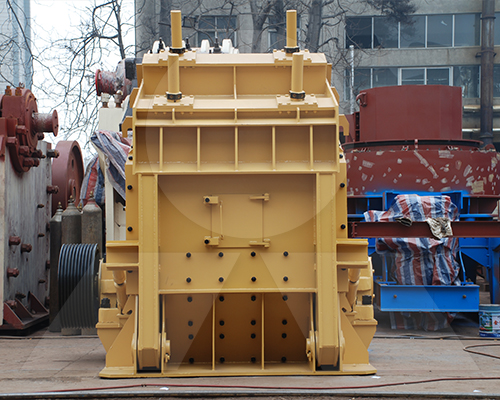
- Transfer Point Optimization: Engineered chute geometry utilizing DEM (Discrete Element Modeling) software to ensure centric loading, reduce plugging, and control dust at source with integrated skirting and sealing systems.
- Dust Suppression Integration: Pre-plumbed points for foam or misting systems at all major transfers, compatible with plant-wide dust control networks.
- Corrosion Mitigation: Protective coatings and material selections (e.g., stainless steel fasteners, epoxy primers) are specified for coastal or high-humidity environments common to bauxite export facilities.
Technical Specifications for Major Conveyance Systems
| System Component | Key Parameter Range | Standard Features | Mining-Specific USP |
|---|---|---|---|
| Overland Conveyors | Length: 1km – 10km+ Capacity: 2,000 – 10,000 TPH Belt Width: 1,200mm – 2,400mm |
DIN/ISO 15236 Class S or higher steel cord belts, Variable Frequency Drives (VFD), online condition monitoring (scanners, misalignment switches). | Engineigned for long-distance, low-degradation transport; tailored curve geometry to navigate challenging topography without transfer stations. |
| Ship Loaders & Stackers | Boom Reach: 30m – 50m Slewing Speed: 0.1 – 0.3 rpm Capacity: 5,000 – 12,000 TPH |
PLC-controlled slew/luff/travel, automatic spillage collection, storm protection systems. | High-precision, programmable loading patterns to optimize vessel trim and stability, with minimal free-fall to reduce dust and particle breakdown. |
| High-Angle Conveyors | Lift Height: 30m – 100m Angle: 45° – 90° Capacity: 500 – 3,000 TPH |
Sandwich belt or pocket-lift design, redundant hold-back brakes, accessible maintenance platforms. | Maximizes vertical lift in confined spaces (e.g., from pit to process plant), drastically reducing footprint compared to conventional conveyor ramps. |
Functional Advantages of an Engineered System
- Maximized Operational Availability: Designed with redundant drives, easy-access maintenance zones, and pre-engineered spare part kits to minimize downtime.
- Reduced Total Cost of Ownership: Superior wear materials and optimized power consumption (via efficient drives and idler selection) lower lifetime operating and replacement costs.
- Preservation of Ore Quality: Controlled transfer velocities and minimized drop heights reduce the generation of fines, preserving the value of the lump ore fraction.
- Regulatory & Safety Compliance: Systems are designed and manufactured to meet or exceed relevant international standards (ISO, CEMA, AS), with integrated safety pull cords, zero-speed switches, and fire suppression compatibility.
All systems are supported by finite element analysis (FEA) for structural validation and are supplied with full documentation packages, including as-built drawings, manuals, and recommended spare parts lists, ensuring seamless integration and long-term operational success.
Durable and Corrosion-Resistant Designs: Built to Withstand Harsh Mining Environments for Longevity
The operational longevity and total cost of ownership of bauxite mining equipment are fundamentally determined by its material integrity and design philosophy. Bauxite processing presents a uniquely abrasive and often corrosive environment, combining highly abrasive alumina and iron oxides with variable moisture, caustic reagents, and high-impact loads. Our engineering mandate is to defeat these degradation mechanisms through advanced material science and purpose-built design, ensuring structural integrity and sustained performance over extended duty cycles.
Core Material Specifications & Engineering Standards
- Primary Wear Components: Critical wear surfaces, such as crusher liners, chute linings, and pump volutes, are fabricated from proprietary high-chromium white iron alloys or through-hardened manganese steel (Hadfield grade). These materials are selected for their optimal balance of hardness (exceeding 550 BHN for ceramics-infused alloys) and fracture toughness, providing exceptional resistance to gouging abrasion and high-stress grinding prevalent in primary and secondary crushing stages.
- Structural Fabrications: Main frames, chassis, and support structures are constructed from high-yield strength, low-alloy (HSLA) steel plate, often meeting ASTM A572 or equivalent standards. Critical welds are performed to certified procedures (e.g., ASME Section IX, ISO 3834), with non-destructive testing (NDT) ensuring flaw-free joints in high-stress areas.
- Corrosion Mitigation: A multi-tiered strategy is employed. For components exposed to slurry and moisture, we specify austenitic stainless steels (e.g., 316L) or apply abrasion-resistant ceramic liners that are inherently inert. For structural elements, a robust protective system is applied, typically involving grit blasting to Sa 2½ cleanliness, a high-build epoxy zinc primer, and a polyurethane topcoat, certified for severe marine/industrial environments (ISO 12944 C5-M classification).
Functional Advantages of the Design Philosophy
- Reduced Mean Time Between Failures (MTBF): Optimized material selection directly decreases unplanned downtime from wear-through or catastrophic fatigue failure, maximizing equipment availability.
- Adaptability to Ore Variability: Designs account for fluctuations in ore hardness (Bond Work Index), silica content, and moisture. Modular, replaceable wear components allow for localized maintenance without major teardowns.
- Sustained Throughput Integrity: By maintaining critical tolerances (e.g., crusher chamber profiles, screen aperture dimensions) over a longer period, the equipment ensures consistent product size distribution and designed Tons Per Hour (TPH) capacity throughout the wear life cycle.
- Lifecycle Cost Optimization: The higher initial investment in premium materials yields a lower cost-per-ton over the operational lifespan, reducing recurring expenditure on replacement parts and associated labor.
Technical Parameters for Key Wear Components
| Component | Primary Material Grade | Key Property | Expected Service Life (vs. Standard Carbon Steel)* | Applicable Standard |
|---|---|---|---|---|
| Jaw Crusher Liners | Modified Manganese Steel (14-18% Mn) | Work-Hardening (up to 550 BHN) | 2.5 – 3.5x | ASTM A128 |
| Impact Crusher Blow Bars | High-Chromium Cast Iron (27-30% Cr) | Hyper-Eutectic Microstructure | 3.0 – 4.0x | ASTM A532 |
| Slurry Pump Wet End | ASTM A532 Class III Type A / Ceramic Lined | Abrasion Resistance | 4.0 – 6.0x | ISO 13709 (API 610) |
| Transfer Chute Liners | Alumina Ceramic Tile (95% Al₂O₃) | Hardness (≥ 85 HRA) | 8.0 – 10.0x | ISO 6474 |
*Service life multiplier is an estimated range based on typical abrasive bauxite applications; actual performance depends on specific ore characteristics and operating parameters.
Customizable Solutions: Tailored Equipment Configurations to Match Your Specific Mine Operations
Effective bauxite mining operations are defined by unique geological profiles, material handling requirements, and production targets. Off-the-shelf equipment often creates bottlenecks, forcing the operation to adapt to the machinery rather than the reverse. Our engineering philosophy is to invert this model, delivering fully integrated systems where every component is specified to your mine’s precise parameters.
Core Customization Parameters & Technical Specifications
The tailoring process begins with a rigorous site and ore body analysis, focusing on three critical vectors:
| Customization Driver | Technical Considerations | Typical Specification Range |
|---|---|---|
| Ore Body Characteristics | Hardness (BWI), Abrasiveness (Ai), Clay Content, Moisture Level, Feed Size (F80) | BWI: 5-18 kWh/t, Ai: 0.1-0.5, Moisture: 5-25% |
| System Capacity & Flow | Target TPH, Plant Availability, Upstream/Downstream Process Links | Primary Crushing: 1,500 – 6,000 TPH, Mobile Systems: 500 – 2,000 TPH |
| Site & Logistics Constraints | Mine Plan (Pit Geometry), Climate, Power Availability, Footprint Limits | Drive Options: Electric, Diesel-Hydraulic, Direct-Drive; Mobility: Tracked, Semi-Static, Modular |
Material Science & Component-Level Engineering
Component selection is dictated by your specific ore’s wear profile. We do not apply a standard wear package.
- Primary Crusher Jaws & Liners: Fabricated from modified Mn-steel alloys (e.g., ASTM A128 Grade B-3/B-4) with optimized heat treatment for a balance of hardness and toughness. For highly abrasive, low-impact conditions, we specify martensitic chromium steel liners for superior wear life.
- Conveyor & Transfer Point Systems: Idler and pulley specifications are calculated based on load, tonnage, and material abrasion. We utilize sealed, precision-bearing idlers (ISO 15307 compliant) with CEMA-rated frames. Chute liners are configured from a matrix of materials—from UHMW-PE for sticky bauxite to replaceable ceramic tiles for high-velocity transfer points.
- Screening Surfaces: Screen deck media (polyurethane, rubber, or woven wire) and panel tensioning systems are selected based on moisture content and blinding propensity. For high-clay lateritic bauxite, we implement non-blinding, self-cleaning polyurethane panels with high-frequency exciters.
Functional Advantages of a Tailored Configuration
- Optimized Comminution Circuit: Crusher cavity profiles, eccentric throws, and screen apertures are synchronized to achieve your target product size (P80) at the lowest possible specific energy consumption (kWh/t), reducing OPEX.
- Enhanced System Availability: Engineered to minimize unscheduled downtime through duty-appropriate component derating, predictive maintenance access points, and strategic redundancy in material flow paths.
- Lifecycle Cost Reduction: A configuration matched to actual duty cycles reduces parasitic losses from over- or under-engineering. This extends mean time between failures (MTBF) for critical parts and lowers total cost of ownership.
- Seamless Integration: Electrical control systems (PLC-based) are pre-programmed to your required logic, with interfaces designed to communicate with existing mine-wide SCADA systems, ensuring plug-and-play commissioning.
All core equipment is designed and manufactured to international mechanical and safety standards, including ISO 21873 (mobile crushers), ISO 5048 (conveyors), and carry full CE certification where applicable. Final system validation is performed via discrete element modeling (DEM) and finite element analysis (FEA) to simulate material flow and structural loads under your specific operating conditions prior to fabrication.
Comprehensive Technical Specifications: Key Performance Metrics and Compatibility for Seamless Integration
Material Specifications & Component Engineering
- Primary Crushing Jaws & Cone Liners: Fabricated from modified Hadfield Manganese Steel (11-14% Mn, 1.1-1.4% C) with micro-alloying additions (Ti, V, B) for enhanced work-hardening capability, reaching surface hardness of 550+ BHN under impact to resist the high abrasion and moderate impact of bauxite. Liners are cast using controlled solidification to ensure uniform wear life.
- Screen Decks & Feeders: High-tensile, abrasion-resistant steel (AR400-500) with proprietary quench and temper processing. Perforations and profiles are laser-cut to maintain dimensional integrity and prevent material hang-up, critical for high-clay bauxite.
- Pump & Pipeline Components: Critical wear parts (impellers, volutes) are cast in ASTM A532 Class III Type Ni-Hard 4 (Ni-Cr white iron) or high-chrome alloys (27% Cr) to withstand the combined erosive and corrosive wear from slurry transport at varying pH levels.
- Structural Fabrications: Main frames and chassis utilize S355JR structural steel with stress-relieved welding and non-destructive testing (NDT) to ISO 5817 (Level B) standards, ensuring integrity under dynamic loading in pit and plant environments.
Key Performance Metrics & Operational Parameters
Equipment is engineered to meet defined throughput and recovery targets, with performance validated against industry-standard benchmarks.
| System | Key Metric | Specification Range | Performance Benchmark & Notes |
|---|---|---|---|
| Primary Jaw Crusher | Feed Size Capacity | Up to 1500mm | Handles run-of-mine bauxite with variable clay content. |
| Throughput (TPH) | 800 – 2,500 TPH | Dependent on CSS and ore hardness (BWI: 10-18 kWh/t). | |
| Drive Power | 200 – 450 kW | Direct drive systems with hydraulic adjustment for tramp iron release. | |
| Gyratory/Cone Crusher (Secondary/Tertiary) | Closed Side Setting (CSS) | 20 – 75 mm | Precision hydraulic setting adjustment for consistent product sizing. |
| Throughput (TPH) | 350 – 1,200 TPH | Optimized chamber designs for a balance of reduction ratio and fines generation. | |
| Nominal Power | 250 – 600 kW | High-efficiency planetary gearboxes for maximum torque transmission. | |
| Vibrating Screens (Heavy Duty) | Deck Size | Up to 3.6m x 9.0m | Customizable deck configurations (single, double, banana) for scalp, size, or dewater. |
| Separation Cut-point | 2mm – 75mm | Polyurethane or modular rubber panels for longevity and reduced blinding. | |
| G-Force | 4.5 – 5.5 G | Precisely tuned eccentric masses for efficient stratification of sticky ores. | |
| Bulk Material Handling (Stackers/Reclaimers) | Stacking Capacity | Up to 10,000 TPH | Minimizes degradation and dust generation during stockpiling. |
| Boom Reach/Slewing | Up to 60m / 360° | Full-face blending capability for homogenizing variable grade bauxite. | |
| Reclaim Capacity | Up to 6,000 TPH | Automated bucket wheel or scraper designs for consistent feed to processing plant. |
Compatibility & Integration Protocols
- Control System Architecture: Equipment is delivered with PLC-based control systems featuring standardized communication protocols (Ethernet/IP, Profinet, Modbus TCP) for seamless integration into existing SCADA and plant-wide process control networks. All critical parameters (power draw, pressure, temperature, vibration) are pre-equipped with 4-20mA or digital sensor outputs.
- Mechanical Interface Standardization: Drive packages (motor, gearbox, couplings) conform to ISO and AGMA standards. Foundation drawings, load data, and interface points (feed and discharge chutes, conveyor take-ups) are supplied in standardized formats (PDF, DXF) and are designed for modular connection to client-specified downstream equipment.
- Safety & Certification Compliance: Full compliance with ISO 9001 for quality management and ISO 14001 for environmental considerations. Electrical components are certified to IEC/EN standards. Machinery guards, lock-out/tag-out (LOTO) points, and emergency stop systems are integrated per ISO 13849 (Safety of Machinery) and relevant mining safety directives.
Proven Reliability and Support: Industry Certifications, Case Studies, and Global Service Network
Our equipment’s structural integrity is defined by material science. Critical wear components in crushers, screens, and conveyor systems are fabricated from proprietary high-grade abrasion-resistant (AR) steel alloys, often with specific manganese (Mn-14% to 18%) or chromium carbide overlays engineered for the unique abrasion and moderate impact of bauxite ore. These alloys are selected for their work-hardening properties, which increase surface hardness in service, directly extending operational life in high-tonnage, abrasive environments.
Functional Advantages of Our Engineered Material Solutions:
- Optimized Wear Life: Component lifecycles are calculated based on bauxite’s specific abrasion index (Ai) and moisture content, minimizing unplanned downtime for replacements.
- Adaptive Strength: The use of differentiated alloy grades across a single machine—softer, tougher steels for impact zones and harder alloys for pure abrasion areas—ensures optimal performance without brittle fracture.
- Mass Efficiency: Strategic application of wear-resistant liners reduces total machine mass compared to homogeneous construction, improving energy efficiency per ton of material processed (TPH).
Our engineering and manufacturing protocols adhere to stringent international standards, which serve as the baseline for our quality assurance. These are not merely administrative certifications but documented evidence of controlled processes.
| Certification | Technical Scope & Relevance to Mining Equipment |
|---|---|
| ISO 9001:2015 | Certifies the Quality Management System for consistent design, fabrication, and assembly, ensuring repeatable build quality for every unit. |
| ISO 14001:2015 | Manages environmental aspects in manufacturing, aligning with sustainable mining operations and reducing lifecycle environmental footprint. |
| CE Marking | Demonstrates compliance with EU health, safety, and environmental directives (e.g., Machinery Directive 2006/42/EC), guaranteeing safe integration into global operations. |
| Mine-Specific Certifications | Equipment may carry certifications for explosive atmospheres (ATEX) or regional mining safety standards, as required for below-grade or processing plant deployment. |
Reliability is proven in operation. Documented case studies from major bauxite provinces—such as Guinea’s Boké region, Australia’s Darling Range, and Brazil’s Paragominas—validate performance claims under diverse geological and climatic conditions.
- Case Study Highlight – West African Operation: A primary crushing station featuring our gyratory crusher with custom mantle/bowl liner alloy achieved a 23% increase in service life over previous OEM parts, processing over 15 million metric tons of abrasive lateritic bauxite while maintaining a consistent product size of -200mm for overland conveyance. Availability exceeded 96% over a 12-month audit period.
- Performance Data: Our high-capacity vibrating screens, with polyurethane or tailored wire mesh decks, demonstrate sustained separation efficiency (>92%) in sticky bauxite conditions, directly contributing to maximizing ore recovery and minimizing alumina loss in fines.
Operational reliability is sustained by a responsive global support network. Our service structure is engineered for minimal equipment off-time.
- Strategic Parts Depots: Inventory hubs in key mining regions (South America, West Africa, Southeast Asia, Australia) stock critical wear parts and rotational assemblies, enabling rapid air or sea freight to major ports.
- Field Service Engineers: Certified technicians provide on-site commissioning, predictive maintenance audits, and troubleshooting. They carry out wear pattern analysis to recommend operational adjustments or liner grade modifications.
- Remote Diagnostics & Support: Telematics systems on equipment allow for real-time performance monitoring and early fault detection, enabling planned interventions and technical support via satellite or cellular data links.
Frequently Asked Questions
How do you optimize wear parts replacement cycles in bauxite mining equipment?
We utilize high-manganese steel (e.g., Hadfield Grade 1) with proprietary heat treatment for critical components like crusher liners. This increases surface hardness and work-hardening capability, extending service life by up to 30% in abrasive bauxite. Predictive maintenance schedules based on wear sensor data further optimize change-outs.
What equipment adaptations are needed for varying bauxite ore hardness (Mohs 1-6)?
Our crushers and screens feature adjustable hydraulic systems to modulate crushing force and stroke frequency. For harder lateritic bauxite, we integrate tungsten carbide overlay on high-wear surfaces and configure grizzly feeders with variable-speed drives to manage feed size, preventing crusher overload and ensuring consistent throughput.
How is vibration controlled in large-capacity bauxite crushers and screens?
We employ dynamic counterweights and computer-modeled isolation mounts. High-precision, pre-loaded spherical roller bearings (e.g., SKF Explorer series) are used in vibrating screens. Real-time vibration monitoring with accelerometers triggers automatic operational adjustments, protecting structural integrity and reducing harmonic resonance.
What are the critical lubrication requirements for bauxite mining machinery in dusty environments?
We specify centralized, automated lubrication systems with high-viscosity, extreme-pressure (EP) greases containing solid additives like molybdenum disulfide. Critical points, such as conveyor idlers, use labyrinth seals and purge systems to exclude abrasive alumina dust, drastically reducing bearing failure rates.
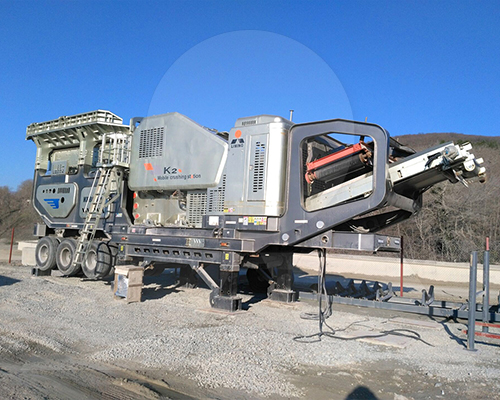
How do you ensure equipment adaptability to different mine site conditions and ore moisture content?
Our conveyors and feeders feature modular designs with adjustable skirt boards and variable-frequency drives (VFDs) to handle sticky, high-moisture ore. Crushers include automated cavity-clearing systems and heated chutes to prevent material adhesion, ensuring operational continuity in diverse climatic conditions.
What technical specifications guarantee energy efficiency in high-tonnage bauxite processing?
We integrate high-efficiency, IE3-class motors with soft starters and regenerative drives on conveyors. Our grinding mills use optimized gearbox ratios and hydrostatic bearings to reduce friction. System design prioritizes gravitational flow where possible, minimizing pump and conveyor run times to cut overall energy consumption by 15-25%.