Portable Limestone Crushing Systems: Efficient Solutions for On-Site Processing
Portable limestone crushing systems have become essential in modern quarrying, construction, and mining operations due to their flexibility, efficiency, and cost-effectiveness. These mobile crushing units are engineered to process limestone directly at the extraction site or near construction zones, reducing transportation costs and improving operational efficiency..jpg)
Limestone, a sedimentary rock composed primarily of calcium carbonate (CaCO₃), is widely used in construction as aggregate for roads, concrete production, and building materials. According to the U.S. Geological Survey (USGS), the United States produced over 300 million metric tons of crushed limestone annually in recent years, underscoring its importance in infrastructure development.
The primary advantage of portable crushing systems lies in their mobility. Unlike fixed crushing plants that require significant infrastructure and time to install, portable units can be transported via trucks or trailers and set up quickly at remote or temporary job sites. This mobility is particularly beneficial in road construction projects where material needs shift as work progresses.
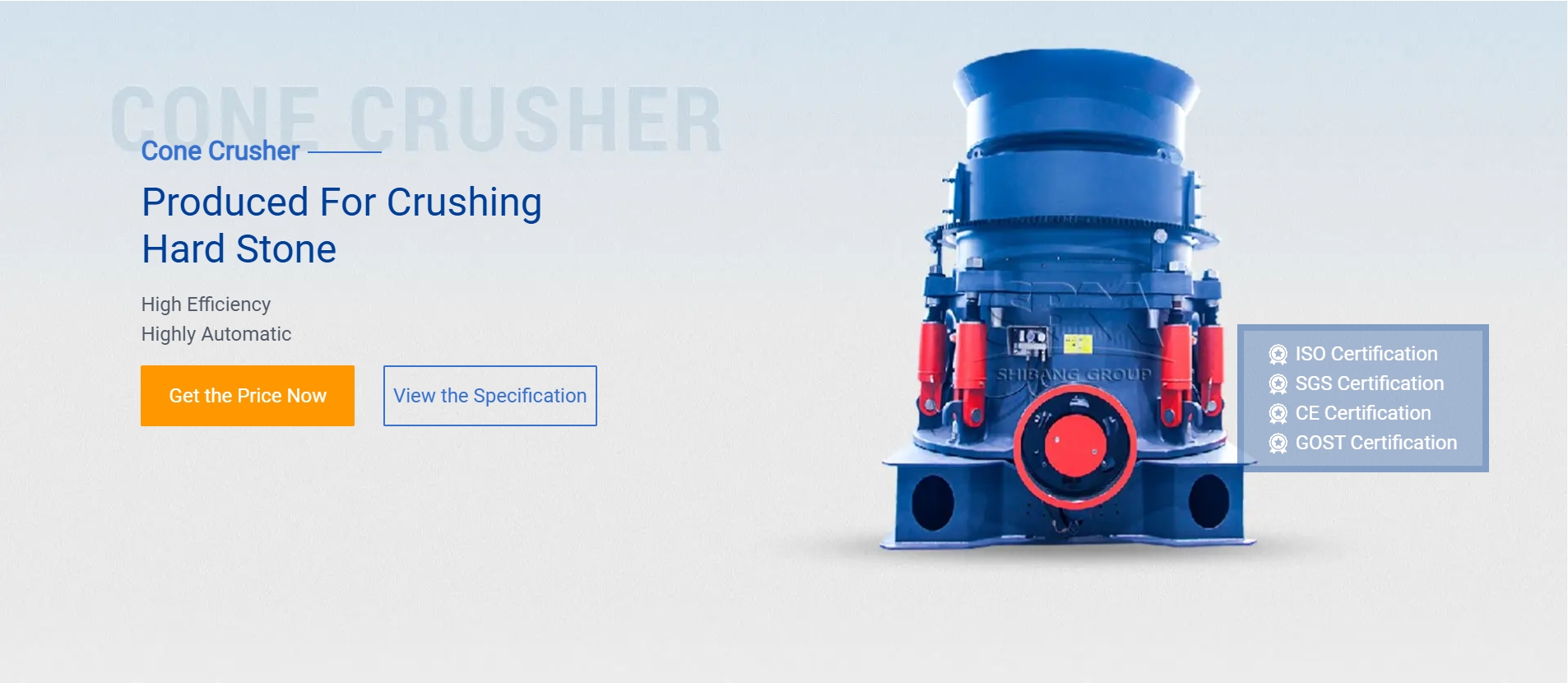
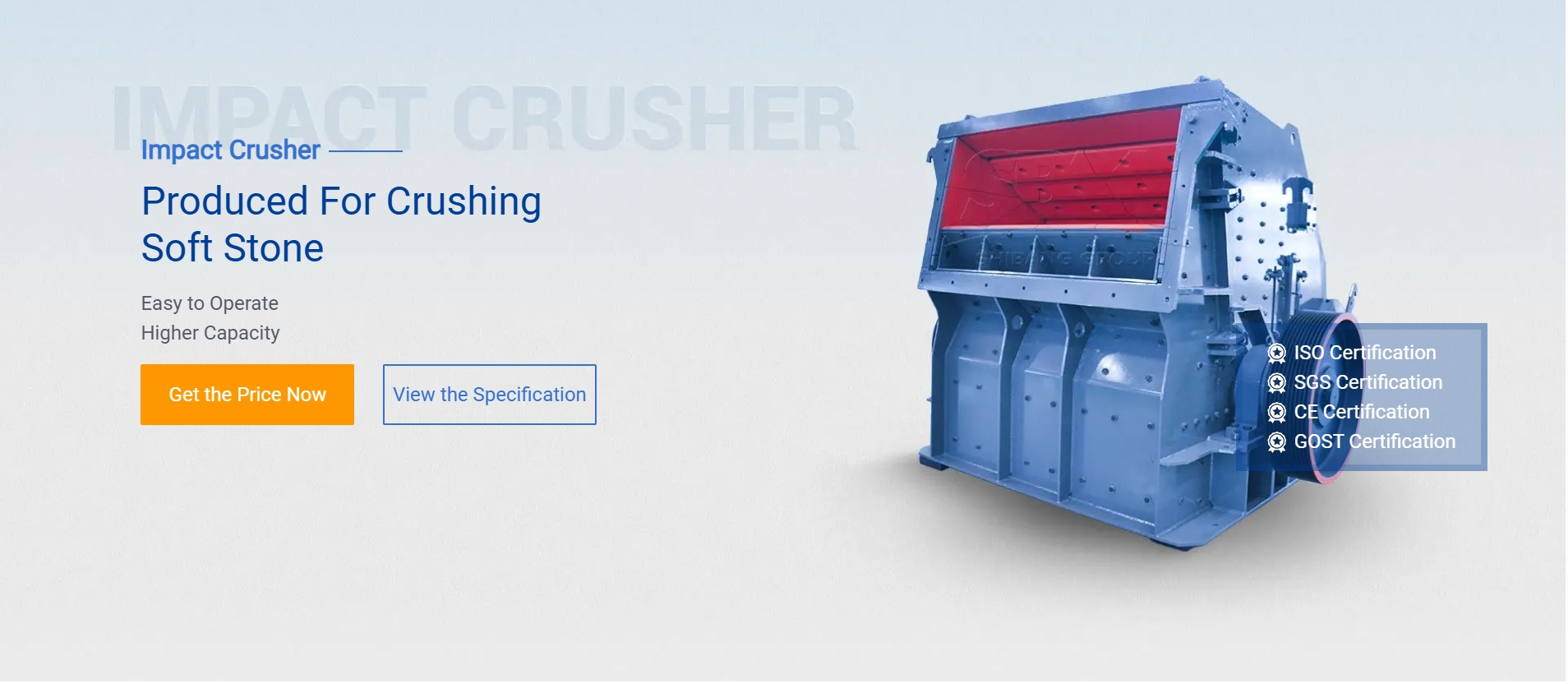
A typical portable limestone crushing system consists of several key components: a primary jaw crusher or impact crusher for initial size reduction, a secondary cone or impact crusher for further processing, vibrating feeders to regulate material flow, and screening units to separate crushed material by size. Many modern systems also include conveyors that transport material between stages and stack the final product efficiently.
Manufacturers such as Metso Outotec, Sandvik, and McCloskey have developed advanced portable crushing plants designed specifically for limestone applications. For example, the Metso Lokotrack LT1213S is a track-mounted impact crusher capable of processing up to 500 tons per hour (tph), suitable for high-volume limestone operations. Similarly, Sandvik’s QJ341+ mobile jaw crusher features automated settings and remote monitoring capabilities that enhance productivity and reduce downtime.
Fuel efficiency and environmental considerations are increasingly important in equipment design. Many newer models are equipped with diesel-electric hybrid power systems or electric drives that lower fuel consumption and emissions. Some systems also include dust suppression mechanisms—such as water sprays or enclosed conveyors—to comply with environmental regulations and improve worker safety.
In addition to operational benefits, portable crushing systems offer economic advantages. By processing limestone on-site, companies reduce the need for hauling raw material long distances to fixed plants. A study by the Construction Materials Division of ASTM International noted that on-site crushing can lower transportation costs by up to 30%, significantly impacting project profitability.
Moreover, modular designs allow operators to reconfigure components based on project requirements. For instance, a system may operate with only primary crushing in initial phases and later integrate secondary and tertiary stages when finer gradation is needed.
Despite their advantages, portable systems face limitations in maximum throughput compared to stationary plants. However, ongoing advancements in compact engineering and automation continue to narrow this gap.
In conclusion, portable limestone crushing systems represent a practical solution for industries requiring flexible and efficient aggregate production. Supported by technological innovation and real-world performance data from leading manufacturers and industry studies, these mobile units play a critical role in modern mineral processing—offering reliability, adaptability, and cost savings across diverse applications.