Milling silver ore is a crucial step in extracting silver from its raw form. The process involves crushing, grinding, and often chemical treatment to liberate and concentrate the silver minerals before further refining. Below is a detailed breakdown of the steps involved in milling silver ore:
—
1. Crushing
Before milling, the silver ore must be crushed to reduce its size for efficient grinding.
– Primary Crushing: Large chunks of ore are reduced to smaller pieces (a few inches) using a jaw crusher or gyratory crusher.
– Secondary Crushing: Further reduction (to ~1 inch or smaller) using a cone crusher or impact crusher.
—
2. Grinding (Milling)
The crushed ore is ground into fine particles to liberate silver minerals from the gangue (waste rock).
– Ball Mill: Most common method; uses steel balls to grind ore into a fine powder (~100-200 mesh).
– Rod Mill: Uses rods instead of balls, suitable for coarser grinding.
– SAG Mill (Semi-Autogenous Grinding): Combines crushing and grinding in one step, often used for large-scale operations.
—
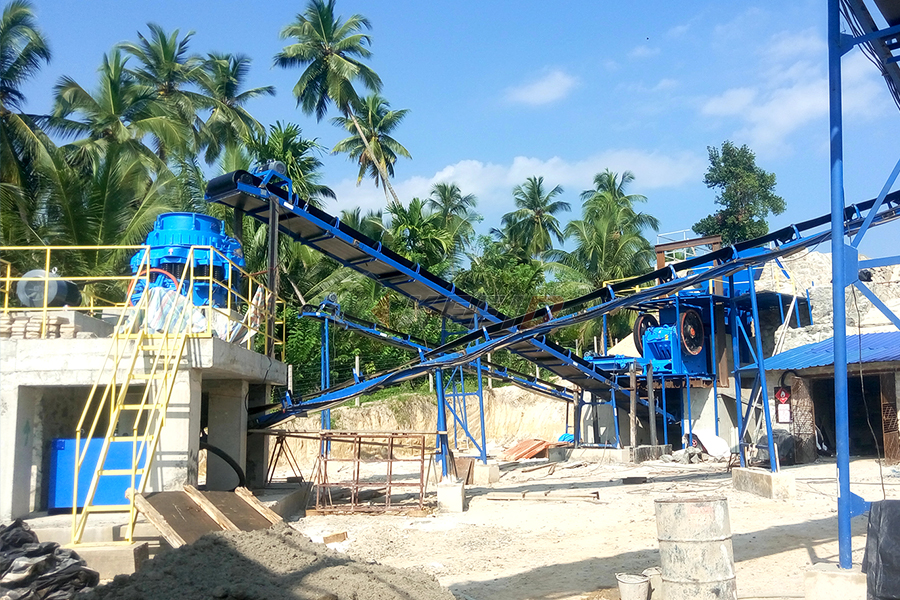 3. Classification
After grinding, the slurry is classified to separate fine and coarse particles.
– Hydrocyclones or screens are used to ensure proper particle size before further processing.
—
.jpg) 4. Froth Flotation (If Applicable)
4. Froth Flotation (If Applicable)
For sulfide-rich silver ores (e.g., argentite [Ag₂S]), froth flotation is commonly used:
– Chemicals (collectors, like xanthates) are added to make silver minerals hydrophobic.
– Air bubbles attach to silver particles, floating them to the surface for collection.
– The concentrate (~30–50% Ag) is sent for smelting.
—
5. Gravity Separation (Alternative Method)
For native silver or coarse-grained ores:
– Shaking tables, jigs, or centrifugal concentrators separate heavy silver particles from lighter gangue.
—
6. Leaching (For Oxide or Low-Grade Ores)
If flotation isn’t viable (e.g., oxidized ores), leaching may be used:
– Cyanide Leaching: Most common; dissolves silver into solution (NaCN + Ag → Na[Ag(CN)₂]).
– Alternatives: Thiourea or th