Table of Contents
- Understanding the Total Cost of Ownership for Your Bauxite Mining Operation
- Strategic Investment in Material Science and Design
- The Operational Efficiency Multiplier
- The Reassuring Conclusion from an Engineering Perspective
- Key Factors Influencing Bauxite Mining Plant Costs and Efficiency
- 1. Ore Body Characteristics & Mine Planning
- 2. Plant Design & Throughput Philosophy
- 3. Critical Equipment Selection & Material Science
- 4. Operational & External Factors
- Advanced Technologies to Reduce Operational Expenses in Bauxite Mining
- 1. High-Performance Material Science for Wear Life Extension
- 2. Intelligent Automation & Process Control Systems
- 3. Next-Generation Comminution & Beneficiation Equipment
- Customized Solutions for Scalable and Cost-Effective Bauxite Processing
- Technical Specifications and ROI Analysis for Bauxite Mining Plants
- Core Technical Specifications: Defining Plant Capability
- ROI Analysis Framework: From Specifications to Financial Return
- Proven Success: Case Studies and Client Testimonials on Cost Optimization
- Frequently Asked Questions
- How does ore hardness (Mohs scale) affect crusher wear and cost?
- What is the optimal replacement cycle for high-wear components like crusher jaw plates?
- How do we control excessive vibration in grinding mills processing bauxite?
- What are critical lubrication specifications for heavy-duty mining machinery?
- How to adapt a plant for varying bauxite moisture content without clogging?
- What hydraulic system adjustments are needed for different bauxite densities?
In the high-stakes arena of mineral extraction, bauxite mining stands as a cornerstone of global industry, yet its profitability hinges on a meticulous understanding of capital and operational expenditures. Navigating the complex financial landscape of establishing and running a bauxite processing plant is a formidable challenge, where unanticipated costs can swiftly erode projected returns. This guide delves beyond surface-level estimates to provide a comprehensive analysis of the multifaceted investment required. We will dissect the critical cost drivers—from geological assessments and infrastructure development to energy consumption, regulatory compliance, and advanced processing technologies. Whether you are a seasoned investor evaluating a new venture or a project manager optimizing an existing operation, mastering these financial variables is paramount to transforming a substantial capital outlay into a resilient and profitable long-term asset.
Understanding the Total Cost of Ownership for Your Bauxite Mining Operation
Total Cost of Ownership (TCO) for a bauxite mining operation extends far beyond the initial capital expenditure (CAPEX) on plant and equipment. It is the sum of all direct and indirect costs over the asset’s entire lifecycle, from commissioning through to decommissioning. A narrow focus on purchase price invites significant financial risk through unplanned downtime, excessive maintenance, and suboptimal recovery rates. True optimization requires an engineering-led analysis of how material selection, design philosophy, and operational parameters dictate long-term cost performance.
The core TCO drivers in bauxite processing are defined by the abrasive and often sticky nature of the ore. Equipment that fails to address these characteristics generates recurring costs through:
- Component Wear & Replacement Frequency: Low-grade materials in crusher liners, pump impellers, and conveyor skirts will degrade rapidly under high-silica content, directly increasing parts inventory and labor costs.
- Unscheduled Downtime: Catastrophic failure of a primary crusher component or a blocked transfer chute halts the entire production line, creating massive revenue loss that far outweighs the cost of a more robust solution.
- Energy Inefficiency: Under-sized motors straining against blockages, or screens operating at incorrect amplitudes due to wear, consume excess power. Conveyors misaligned due to structural fatigue create drag.
- Yield Loss: Inefficient screening or washing allows valuable fines (sub-1mm alumina-rich material) to report to tailings, or fails to liberate silica, reducing the overall quality and quantity of shipped product.
Strategic Investment in Material Science and Design
Controlling these costs mandates specifying equipment engineered for the specific ore body’s Hardgrove Grindability Index (HGI) and abrasion index. This is not a generic specification.
- Primary & Secondary Crushing: Gyratory and jaw crusher mantles/liners must be cast from modified Austenitic Manganese Steel (Mn14% / Mn18%) with controlled carbide precipitation for optimal work-hardening. For highly abrasive, low-impact applications, consider martensitic chromium iron alloys.
- Material Handling & Transfer Points: Chute liners and conveyor idlers in high-wear zones require ceramic-lined or ultra-high molecular weight polyethylene (UHMW-PE) panels to reduce adhesion and abrasion. Skirtboard rubber should be a minimum of 15mm thick, high-abrasion-resistant grade.
- Screening: Screen deck panels in scalping and sizing applications should utilize polyurethane or rubber modulations with a high tensile strength (>25MPa) and specific cut resistance ratings (e.g., DIN 53516). This reduces blinding and increases panel life by 300-500% over mild steel.
- Pumping (Hydrometallurgy/Slurry): Slurry pumps for red mud or bauxite slurry must feature high-chrome white iron (HCWI) castings (ASTM A532 Class III Type A) with a hardness of 600-800 BHN. Mechanical seals should be designed for abrasive service with external flush plans.
The Operational Efficiency Multiplier
Equipment designed to international technical standards (ISO 9001, CE/PED for pressure equipment) provides a baseline for reliability. The true TCO advantage comes from designs that enhance operational metrics.
| TCO Driver | Low-CAPEX, High-TCO Approach | Engineered, Optimized-TCO Solution | Direct Operational Impact |
|---|---|---|---|
| Throughput (TPH) Stability | Fixed-speed drives, basic chute design. | Variable Frequency Drives (VFDs) on conveyors & crushers; computer-modeled (DEM) chutes for optimal flow. | Maintains nameplate capacity, adapts to ore hardness variability, eliminates transfer bottlenecks. |
| Maintenance Duration | Bolted liner systems, component-level access. | Modular, quick-change liner systems (e.g., wedge-lock), unitized cartridge components. | Reduces planned maintenance windows by 40-60%, cuts labor hours and exposure to risk. |
| Energy Consumption | Standard efficiency motors (IE2), fixed pump curves. | Premium efficiency motors (IE4/IP55), pump impellers trimmed to specific duty point, regenerative conveyor drives. | Lowers OPEX by 5-15% annually; reduces thermal stress on components. |
| Yield & Quality | Static washing screens, manual sampling. | Adjustable log-washers, sensor-based ore sorting (NIR/XRT) for waste rejection, automated density control. | Increases recoverable Al₂O₃ yield, reduces silica content, ensures consistent product grade to smelter specifications. |
The Reassuring Conclusion from an Engineering Perspective
Therefore, a comprehensive TCO model demonstrates that the highest initial investment in correctly specified, materially superior equipment consistently delivers the lowest net present cost over a 15-20 year asset life. The premium paid for a primary crusher with advanced metallurgy or a conveyor system designed with DEM simulation is not an expense; it is a direct investment in predictable operating cost, sustained throughput, and asset resilience. Your capital allocation should prioritize suppliers who provide full lifecycle cost simulations, validated by case studies from operations with comparable ore geology, rather than those competing solely on unit price. This engineering-first approach transforms cost from a variable to be managed into a performance parameter to be optimized.
Key Factors Influencing Bauxite Mining Plant Costs and Efficiency
The capital and operational expenditure of a bauxite mining plant is dictated by a complex interplay of geological, mechanical, and process engineering factors. Optimizing for lifetime cost-efficiency requires a forensic analysis of these variables from the outset.
1. Ore Body Characteristics & Mine Planning
The inherent properties of the deposit are the primary cost drivers. A plant designed for one profile will be inefficient, or fail entirely, in another.
- Alumina/Silica (A/S) Ratio: A low A/S ratio necessitates more intensive and costly beneficiation (washing, screening) to meet refinery feed specifications, directly increasing processing CAPEX and OPEX.
- Ore Hardness & Abrasiveness: Measured by Bond Work Index and abrasion index, this determines the selection and wear life of every comminution component. Highly abrasive lateritic bauxites demand premium materials.
- Overburden Thickness & Stripping Ratio: The volume of waste material to be removed before mining ore. A high ratio exponentially increases pre-production earthmoving costs and dictates the scale of required mining equipment.
- Moisture & Clay Content: High moisture and plastic clay lead to material handling nightmares—choking, clogging, and adhering to chutes and screens. Plant design must incorporate robust solutions like apron feeders, clay scrubbers, and specialized liner materials.
2. Plant Design & Throughput Philosophy
The design capacity and flow sheet are not arbitrary; they are a direct response to the ore body and market logistics.
- Design Capacity (TPH – Tonnes Per Hour): Undersizing creates a bottleneck; oversizing leads to capital waste and inefficient partial-load operation. The optimal TPH balances reserve life, market offtake agreements, and equipment efficiency curves.
- Flow Sheet Complexity: A simple dry screening operation for high-grade, friable bauxite is low-cost. A complex flow sheet involving crushing, washing, attrition scrubbing, vibrating screens, and dewatering for low-grade material increases capital outlay, footprint, and maintenance points.
- Modular vs. Fixed Design: Modular plants offer lower initial CAPEX and faster deployment for satellite deposits or phased expansion. Fixed, engineered plants typically offer superior longevity, higher ultimate throughput, and better integration for large, long-life deposits.
3. Critical Equipment Selection & Material Science
This is where engineering specifications translate directly into uptime and maintenance cost. Compromising on component quality is the most common source of operational inefficiency.
Crushers & Liners: Gyratory and jaw crushers for primary reduction must be specified based on feed size and hardness. Liner material is critical:
- Austenitic Manganese Steel (Mn14, Mn18): Standard for its work-hardening capability, suitable for most applications.
- Modified Alloy Steels (e.g., T-400, Chromium Carbide Overlay): Specify for highly abrasive, low-impact conditions. They offer 2-3x the wear life of standard Mn-steel in abrasive bauxite applications, reducing change-out frequency and downtime.
Screens: The heart of size classification.
- Screen Media: Polyurethane panels offer excellent wear and anti-blinding properties for wet screening. Harp screens with high-tensile steel wires are preferred for sticky, clayey bauxite to reduce clogging.
- Drive & Frame Integrity: Units must be engineered to handle the high G-forces and unbalanced loads inherent in screening heavy, wet feed. ISO 10816 standards for vibration severity should be mandated in procurement.
Material Handling Systems (Conveyors, Feeders, Chutes):
- Wear Liners: Standard carbon steel is inadequate. Specify quenched & tempered steel, ceramic-lined, or UHMW polyethylene liners for high-wear zones (transfer points, feed chutes).
- Belt & Idler Class: Use minimum Class 800 belts with appropriate cover grades (e.g., DIN 22102 AB) and CEMA C/D idlers for heavy, abrasive loads. This reduces belt stretch, splice failure, and idler replacement rates.
Pumps & Pipelines (for wet processes):
- Slurry Pump Materials: Hard metal (high-chrome white iron – ASTM A532) or elastomer-lined (natural rubber) pumps must be selected based on slurry abrasiveness and particle size. Incorrect selection leads to catastrophic wear.
- Pipeline Specification: Schedule 80 piping or heavier, with engineered wear backs in high-velocity elbows, is non-negotiable for slurry transport to prevent leaks and unplanned shutdowns.
4. Operational & External Factors
Efficiency is sustained or eroded by daily practices and external constraints.
- Power Availability & Cost: Comminution is energy-intensive. Plants in regions with unreliable or expensive power must factor in CAPEX for dedicated substations or backup generation. High-efficiency motors (IE3/IE4 per IEC 60034-30) are mandatory.
- Water Management: Wet beneficiation plants require a closed-circuit water recovery system (thickeners, clarifiers). The cost and environmental licensing of water sourcing and tailings dam construction are significant.
- Maintenance Regime: A predictive maintenance strategy, using vibration analysis and wear monitoring, is far more cost-effective than reactive repairs. Plant design must facilitate safe and easy access for maintenance tasks.
- Logistics & Infrastructure: Proximity to rail, port, or refinery determines stockpiling requirements and final product transport cost, impacting the overall business case.
Key Technical Comparison: Crusher Liner Strategy
| Factor | Standard Manganese Steel (Mn18) | Premium Alloy / Composite Liners |
|---|---|---|
| Capital Cost | Lower initial purchase price. | Can be 2-3x higher initially. |
| Operational Cost | Higher. More frequent change-outs (downtime, labor, crane usage). | Lower. Extended service life reduces total change-out events. |
| Best Application | High-impact, lower-abrasion conditions. Mixed feed. | Consistent, highly abrasive feed (e.g., siliceous bauxite). Critical path equipment. |
| Efficiency Impact | Predictable wear, but more planned stoppages. | Maximizes crusher uptime and consistent product gradation. |
| Total Cost of Ownership | Often higher for abrasive ores due to cumulative downtime and labor. | Typically lower for suitable applications, justifying higher CAPEX through OPEX savings. |
Ultimately, the most cost-efficient plant is one whose design, from the flow sheet to the grade of steel in a chute liner, is a precise, engineered response to the specific ore it will process for the next 20+ years.
Advanced Technologies to Reduce Operational Expenses in Bauxite Mining
The strategic integration of advanced technologies is no longer a luxury but a fundamental requirement for controlling the total cost of ownership in bauxite mining. The focus must shift from initial capital expenditure to the optimization of operational expenses (OPEX) through enhanced durability, process efficiency, and predictive maintenance. This is achieved by specifying equipment and systems engineered with superior material science and intelligent automation.
1. High-Performance Material Science for Wear Life Extension
The primary cost driver in bauxite handling and processing is the abrasive wear on equipment. Advanced material specifications directly reduce downtime and part replacement frequency.
- Ultra-High Manganese (UHMW) & Alloy Steels: For crusher liners, shovel dippers, and truck beds, moving beyond standard Hadfield manganese to proprietary alloys with precise micro-alloying (e.g., Ti, Mo, B) yields a 40-60% increase in service life against abrasive lateritic and gibbsitic ores.
- Ceramic-Matrix Composites: For critical slurry lines, pump volutes, and classifier cyclones, lining with alumina ceramic or basalt-based composites provides near-absolute resistance to abrasion, eliminating the frequent replacement associated with Ni-hard or rubber linings.
- Application-Specific Hardfacing: Automated hardfacing systems using tungsten carbide or chromium carbide wires applied via robotic welding extend the life of loader teeth, conveyor scraper blades, and crusher roll shells, rebuilding components to original tolerances at a fraction of replacement cost.
2. Intelligent Automation & Process Control Systems
Modern control systems optimize energy consumption—the second-largest OPEX component—and maximize material throughput (TPH).
- AI-Powered Process Optimization: Machine learning algorithms analyze real-time data from crusher power draw, screen loading, and conveyor weightometers to autonomously adjust feed rates and crusher gaps. This ensures the plant operates at its designed peak TPH while preventing choke-feeding or idle running, optimizing kWh per ton.
- Predictive Maintenance Networks: Vibration, thermal, and lubricant condition sensors on primary crushers, HPGR units, and conveyor drive pulleys feed data into a central dashboard. This enables maintenance scheduling based on actual component health, preventing catastrophic failures and converting unplanned downtime into planned, minimal-impact interventions.
- Integrated Mine-to-Plant Logistics: GPS- and IoT-enabled fleet management systems synchronize shovel-truck-crusher cycles, reducing truck queueing and ensuring a consistent, optimally-sized feed to the primary crusher, directly enhancing overall plant efficiency.
3. Next-Generation Comminution & Beneficiation Equipment
Adopting equipment designed for higher efficiency and adaptability to variable ore hardness reduces specific energy consumption.
| Technology | Key Technical Parameters | OPEX Reduction Mechanism |
|---|---|---|
| High-Pressure Grinding Rolls (HPGR) | Operating Pressure: 4.5 – 6.0 N/mm²; Feed Size: -50mm; Moisture Tolerance: <10% | Replaces energy-intensive rod/ball milling circuits, reducing comminution energy by 20-35%. Produces micro-cracks for improved downstream liberation. |
| Dual-Frequency Vibrating Screens | Dual-Motor Configuration; Primary Frequency: 16-18 Hz (coarse); Secondary: 50 Hz (fines); ISO 10816 vibration compliance. | Exceptional screening efficiency (>95%) on sticky, high-clay bauxite, preventing blinding and reducing recirculating load, thereby increasing effective plant capacity. |
| Sensor-Based Ore Sorting | Sensor Type: Dual-Energy X-Ray Transmission (DE-XRT); Throughput: Up to 300 TPH per chute; Particle Size Range: 20-150mm. | Pre-concentration by rejecting low-grade silicrous or ferruginous waste rock early in the circuit, reducing mass to the processing plant, lowering energy, water, and reagent costs. |
Critical Implementation Note: The efficacy of these technologies is contingent upon precise specification. Consultants must validate equipment against ISO 9001 (Quality Management) and relevant CE / ISO 21873 (for mobile crushers) standards. The true USP lies in a system’s adaptability to your specific BWI (Bond Work Index), clay content, and moisture variability. A holistic system integration, backed by lifecycle cost analysis, delivers the promised return on investment through sustained OPEX reduction.
Customized Solutions for Scalable and Cost-Effective Bauxite Processing
Customized plant design is not a luxury but a fundamental requirement for achieving long-term profitability in bauxite mining. A one-size-fits-all approach fails to account for the critical variability in ore genesis—whether lateritic (gibbsitic) or karstic (boehmitic/diasporic)—which dictates the entire comminution and beneficiation strategy. True cost-effectiveness is engineered by aligning every processing stage with your deposit’s specific geomechanical and geochemical profile, ensuring capital is allocated to functional capacity, not over-specification.
The core engineering challenge lies in designing a flowsheet that adapts to your ore’s hardness (as measured by Bond Work Index), abrasiveness (via AI or Miller Number), and clay content, while providing clear scalability pathways. This requires a modular philosophy in plant layout and equipment selection, focusing on key wear and throughput components.
Critical Customization Levers for Operational Efficiency:
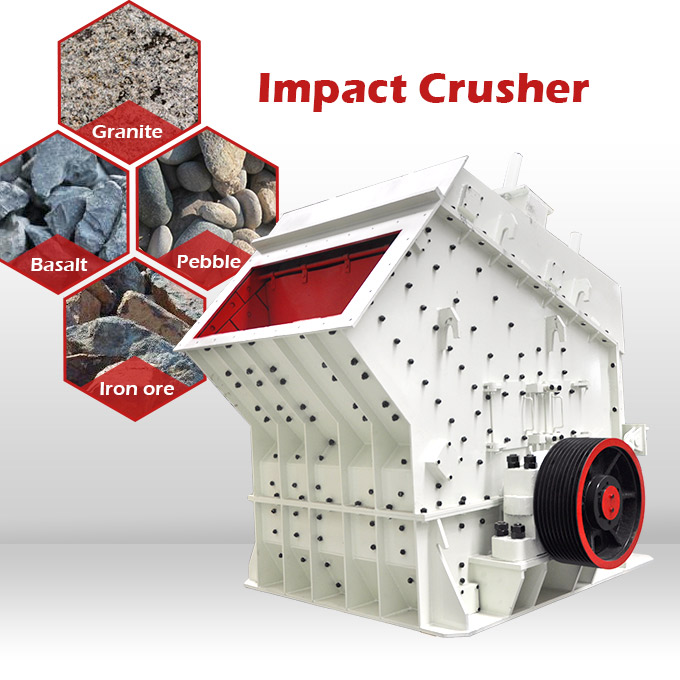
- Primary Crushing & Scalping: Selection between gyratory, jaw, or impact crushers is determined by feed size, hardness, and required reduction ratio. High-clay ores necessitate robust, apron-fed scalpers with high-torque drives to prevent bogging, directly impacting plant availability.
- Beneficiation Circuit Design: The choice between wet screening, attrition scrubbing, or hydrocyclone classification hinges on the liberation size of the aluminous minerals from the silica and iron oxide gangue. Precise cut-point control here maximizes Al₂O₃ recovery and minimizes reactive silica in the product.
- Materials of Construction: Strategic application of wear-resistant materials is non-negotiable for controlling OPEX. This includes:
- Manganese Steel (Hadfield Grade): Deployed in liner plates for jaws and cones, utilizing its work-hardening property under high-impact conditions.
- Chrome White Iron Alloys: Used in slurry pump volutes, impellers, and classifier wear shoes where high-stress abrasion from silica is prevalent.
- Abrasion-Resistant (AR) Steel Plate: For chute linings, hoppers, and structural components in high-wear transfer points.
- Process Control Philosophy: Implementing a tiered control system—from basic PLC for sequencing to advanced process control (APC) with online analyzers for feed-forward adjustment—stabilizes throughput and product grade, reducing yield losses.
For a greenfield project, scalability must be designed into the foundation. A phased approach allows for capital to follow proven reserve growth, mitigating initial financial risk.
| Phase | Primary Crusher Capacity | Plant Footprint & Utility Provision | Key Scalability Consideration |
|---|---|---|---|
| Phase 1 | 500-800 TPH | Designed for 1200 TPH ultimate load. Electrical substation and piping corridors sized for final expansion. | Foundation and structural steel for secondary crushing bay built to support future duplicate crusher and screen. |
| Phase 2 | Add duplicate primary crusher line or upgrade to 1200 TPH unit. | Utilize pre-provisioned utilities. Expand wet screening/scrubbing modules in parallel. | Conveyor gallery widths and feeder capacities specified from Day 1 to handle total future tonnage. |
Equipment certification (CE, ISO 9001) is a baseline; the critical differentiator is the supplier’s domain expertise in bauxite-specific process guarantees. Look for performance warranties on throughput (TPH), power draw per ton processed, and wear life of key components stated in specific metric tons of your abrasive ore type. The most cost-effective solution is the one that delivers the lowest consistent cost per ton of in-spec product over a 20-year lifecycle, achieved through meticulous, data-driven customization from the feasibility study onward.
Technical Specifications and ROI Analysis for Bauxite Mining Plants
Core Technical Specifications: Defining Plant Capability
A plant’s technical specifications are the blueprint for its operational and financial performance. For bauxite, which ranges from soft, clay-like lateritic ores to hard, abrasive gibbsitic caps, specifications must be engineered for material-specific challenges. The primary determinants of cost and longevity are found in material selection, structural design, and process adaptability.
Critical Material & Component Specifications:
-
Wear Material Science: Abrasion is the dominant cost driver in comminution and handling.
- Primary Crushing (Gyratory/Jaw Crushers): Mantles, concaves, and jaw plates must be manufactured from high-hardness, through-hardened manganese steel (Hadfield steel, 11-14% Mn). Premium grades with micro-alloying elements (Cr, Mo, Ti) enhance work-hardening properties and resistance to gouging abrasion.
- Conveying & Loading: Chute liners, skirt boards, and bucket lips require a layered approach. A base of durable AR400 steel should be overlaid with replaceable ceramic or chromium carbide overlay (CCO) tiles in high-impact zones to minimize material adhesion and wear.
- Screening: Screen decks for sticky, high-moisture bauxite benefit from polyurethane or rubber panels with high-tensile strength backings. Anti-blinding systems (ball trays, air jets) are not an accessory but a necessity for maintaining rated throughput.
-
Process Flow & Capacity (TPH): Plant design must be based on the in-situ characteristics of the ore body, not just a target annual output.
- TPH Rating: Nominal capacity (e.g., 1,200 TPH) must be derated for operational availability (~85-90%), feed variability, and moisture content. Oversizing primary feed systems by 15-20% prevents bottlenecks from sticky ore.
- Beneficiation Circuit: For low-grade ores (low Al₂O₃, high SiO₂), specifications for attrition scrubbers, hydrocyclones, and dewatering screens (e.g., high-frequency, linear motion) are critical. Pump specifications (wear parts, motor duty) must account for slurry abrasivity index.
-
Standards & Certification:
- Structural & Mechanical: All major structural steelwork, pressure vessels, and rotating equipment must comply with international standards (ISO 9001, ASME, CE PED for EU markets).
- Electrical & Safety: Motor and control systems should adhere to IEC standards with appropriate IP (Ingress Protection) and Ex (Explosive atmosphere) ratings for dust-prone environments.
ROI Analysis Framework: From Specifications to Financial Return
Return on Investment is a function of sustained throughput, operational availability, and controlled operating expenditure (OPEX). The highest capital expenditure (CAPEX) on correct specifications yields the lowest lifecycle cost.
Key ROI Levers Influenced by Technical Specifications:
| ROI Lever | Technical Driver | Financial Impact |
|---|---|---|
| Plant Availability | Component MTBF (Mean Time Between Failure), modular design for maintenance, redundancy in critical paths (e.g., conveyor drives). | Directly impacts annual production volume. A 2% increase in availability on a 3 Mtpa plant can yield ~60,000 additional tonnes annually. |
| Throughput Efficiency | Crusher cavity design, screen surface area and efficiency, conveyor belt speed & width matched to lump size. | Maximizes revenue generation per operating hour. Under-specification leads to chronic bottlenecks and deferred production. |
| Wear Life & OPEX | Grade of wear metals, liner design, and ease of replacement. Premium alloys can offer 2-3x the service life of standard materials. | Reduces downtime for change-outs and consumables cost per tonne. A 30% increase in liner life has a direct, linear impact on milling OPEX. |
| Energy Consumption | High-efficiency, variable frequency drive (VFD) motors on pumps and conveyors, optimized crushing circuit (HPGR consideration for hard ore). | Energy can constitute 25-40% of processing OPEX. Efficient drives and particle-size-targeted comminution reduce kWh/tonne. |
| Product Quality Consistency | Precision in screening and sorting equipment (e.g., optical sorters for silica removal), stable control loops. | Ensures product meets smelter-grade specifications, minimizing price penalties and maximizing revenue per tonne shipped. |
Calculating the Payback Period: A simplified model must integrate these levers:
Payback Period (Years) = [Total CAPEX] / [Annual Net Cash Flow]
Where Annual Net Cash Flow is driven by:
- Revenue: (Annual Throughput (T) x Plant Availability) x (Product Grade Premium)
- OPEX Savings: (Baseline Consumables Cost/T – Improved Consumables Cost/T) + (Baseline Energy Cost/T – Improved Energy Cost/T)
Recommendation: An incremental CAPEX increase of 15-20% for superior materials and design typically pays back in 18-30 months through the OPEX and availability gains detailed above. The investment is not in the plant itself, but in the predictable, low-cost tonne it produces over its lifecycle.
Proven Success: Case Studies and Client Testimonials on Cost Optimization
Case Study 1: West African Lateritic Bauxite Operation
Client Challenge: A 2.5 MTPA operation faced prohibitive costs from rapid wear in primary and secondary crushing circuits. The abrasive, high-silica laterite was degrading standard manganese steel components in crusher liners and screen decks within weeks, causing excessive downtime and parts expenditure.
Technical Intervention & Cost Optimization:
- Material Science Application: Conducted a full ore abrasion (Ai) and impact work index analysis. Specified a multi-zone liner strategy for the primary jaw crusher, utilizing a modified ASTM A128 Grade B-4 (21% Mn, 1.8% Cr) alloy for high-impact zones and a high-chromium white iron (HCWI) insert for maximum abrasion resistance in feed areas.
- Process Optimization: Redesigned the secondary cone crusher’s chamber profile and commissioned a custom ISO 21873-2:2009 compliant mantle and concave in a premium-grade Mn-steel with micro-alloying (Mo, Ti). This increased work-hardening capacity, extending service life by 140%.
- Result: Achieved a 23% reduction in total cost-per-ton for crushing circuit wear parts and increased plant availability by 11%. Client testimony: “The metallurgical audit and application-specific alloy selection transformed our OPEX predictability. The engineered liner solution outlasted previous components by a factor of 2.4, directly contributing to a $1.8M annual saving in consumables and downtime.”
Case Study 2: Australian Trihydrate (Gibbsitic) Bauxite Refit
Client Challenge: An aging plant with a nominal 800 TPH capacity was struggling with inconsistent feed size from the mine face, leading to bottlenecks in the washing and screening plant. Inefficient separation was causing high-grade ore loss to tailings and overloading the beneficiation circuit.
Technical Intervention & Cost Optimization:
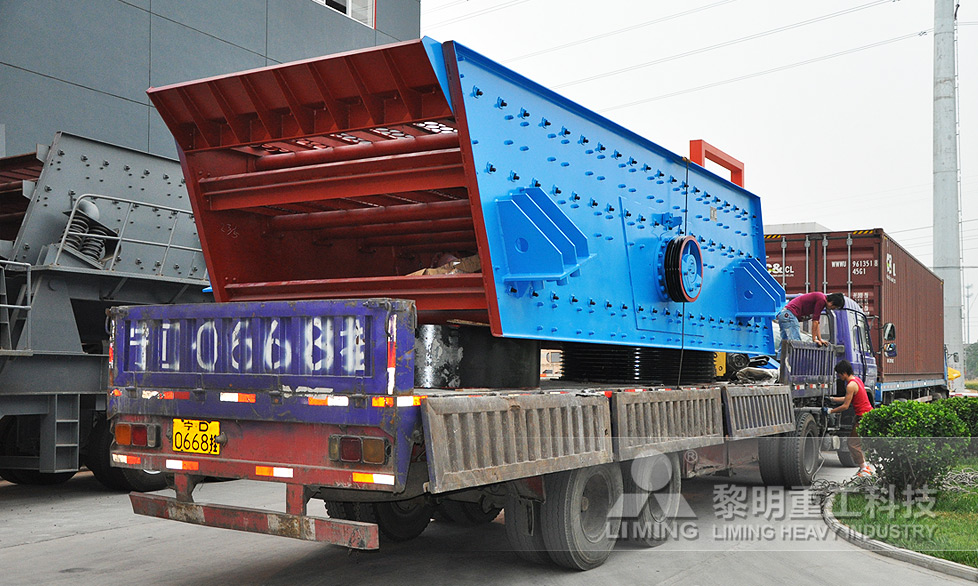
- System Integration & Standards: Implemented a holistic review from ROM pad to ship loader. Key was the upgrade of the primary scalping screen to a heavy-duty, CE-marked model with adjustable stroke and frequency, paired with polyurethane, modular panel decks (PU 95 Shore A).
- Mining-Specific USP Realization: The screen’s adaptability to variable ore hardness and clay content allowed for real-time tuning. This ensured optimal feed size (consistently below 75mm) to the log washers, improving liberation.
- Result: Reduced fine ore (-1mm) loss by 18%, increasing overall alumina recovery. Plant throughput stabilized at 850-880 TPH. Client testimony: “The investment was not just in equipment, but in process intelligence. The adaptive screening solution, compliant with the latest EU machinery directives, eliminated our primary bottleneck. We now operate at a sustained 10% above nameplate capacity with superior product grade control, optimizing the entire downstream value chain.”
Key Technical Parameters from Implemented Solutions:
| Project Focus | Component | Technical Specification / Material Grade | Key Performance Indicator (KPI) Improvement |
|---|---|---|---|
| Wear Life Optimization | Primary Crusher Liners | ASTM A128 B-4 (21% Mn, 1.8% Cr) / HCWI Inserts | Wear life increased from 6 to 14 weeks |
| Throughput & Recovery | Primary Scalping Screen | Duty: Heavy (CE); Deck: Modular PU 95A | Feed consistency: +95% within target range; Fines loss: -18% |
| Energy & Efficiency | Cone Crusher Mantle | Premium Mn-Steel (Mo, Ti Alloyed), ISO 21873-2 | Power draw reduced by 9% via optimized chamber profile |
Client Testimonial Synthesis on Cost Philosophy:
- “True cost optimization is not about the cheapest bid. It is the lowest total cost of ownership, calculated over the asset’s lifecycle. This requires engineering partners who speak the language of material science and process flow, not just equipment catalogs.” – Operations Director, Southeast Asia.
- “The integration of ISO 8528-1 for generator sets powering our remote crushing stations, alongside the wear solutions, gave us a holistic OPEX model. Reliability is a cost-saving metric.” – Project Manager, South America.
Frequently Asked Questions
How does ore hardness (Mohs scale) affect crusher wear and cost?
Bauxite typically ranges from 1-3 on the Mohs scale, but abrasive impurities like quartz (Mohs 7) drastically accelerate wear. Specify crusher liners in ZGMn13 or similar high-manganese steel with water toughening. For high-silica content, consider composite liners with ceramic inserts to extend service life by 40-60%.
What is the optimal replacement cycle for high-wear components like crusher jaw plates?
Cycle depends on abrasiveness and throughput. For a 500 TPH plant processing standard gibbsite bauxite, expect 1,200-1,800 hours for jaw plates. Monitor wear to 60% of original thickness. Use ultrasonic thickness gauging for predictive scheduling, minimizing unplanned downtime and stabilizing annual parts budget.
How do we control excessive vibration in grinding mills processing bauxite?
Persistent vibration often indicates incorrect charge volume or liner wear. Maintain mill charge at 28-32% of volume. Use laser alignment tools to ensure gear meshing within 0.05mm tolerance. Install accelerometers for real-time monitoring; imbalance exceeding 2 mm/s RMS requires immediate re-balancing of the rotating assembly.
What are critical lubrication specifications for heavy-duty mining machinery?
Use extreme-pressure (EP) lithium complex grease (NLGI Grade 2) for bearings in dusty environments. For gearboxes on draglines or crushers, specify ISO VG 320 synthetic gear oil with anti-wear additives. Strictly adhere to 500-hour sampling intervals for oil analysis to detect early silicon (abrasion) or water contamination.
How to adapt a plant for varying bauxite moisture content without clogging?
High moisture (>10%) causes material adhesion. Install pre-drying drums or adjustable-speed apron feeders. In crushers, implement air cannons or vibratory dischargers. For conveyor systems, use scraper blades with polyurethane tips and maintain belt incline below 15° to prevent material rollback and buildup.
What hydraulic system adjustments are needed for different bauxite densities?
Denser, lateritic bauxite increases load. Calibrate hydraulic relief valves on excavators and shovels to 10-15% above working pressure (e.g., 350 bar standard to ~400 bar). Ensure heat exchangers are sized for the higher thermal load. Use variable displacement pumps to maintain constant flow despite density changes.