Table of Contents
- Streamlining Material Flow from Quarry Stockpile to Production Plant
- Advanced Crushing and Screening Techniques for Stockpile-Derived Aggregates
- Integrating Automation and Monitoring Systems in Quarry Production Plants
- Sustainable Practices in Stockpile Handling and Plant Processing Operations
- Maximizing Output Quality and Throughput in Aggregate Production from Stockpiled Ore
- Frequently Asked Questions
- What is the role of a production plant in quarry mining operations involving stockpiles?
- How are stockpiles strategically managed to optimize production plant efficiency?
- What technologies enhance stockpile-to-plant material transfer in quarry operations?
- How does stockpile blending impact aggregate quality in downstream processing?
- What are best practices for minimizing degradation during stockpile handling?
- How is moisture content in stockpiled material managed for optimal plant processing?
- What role does digital twin technology play in stockpile-to-plant integration?
- How do environmental and safety regulations influence stockpile design near production plants?
- What metrics are critical for monitoring stockpile-to-plant performance?
- How does automation improve reclaim efficiency from stockpiles to the production plant?
- What are the economic benefits of integrating stockpile management with production plant scheduling?
- How do quarries handle stockpiled material variability to maintain consistent plant output?
In the dynamic world of quarry mining, the efficiency of a production plant hinges on a surprisingly strategic yet often overlooked component: stockpile management. Far more than mere mounds of extracted material, stockpiles serve as critical buffers that balance extraction, processing, and market demand, directly influencing throughput, product quality, and operational continuity. Effective stockpile management ensures consistent feed to the processing plant, minimizes downtime, and reduces energy consumption by enabling optimized sequencing and blending of materials. When integrated with real-time monitoring and data analytics, modern stockpiling techniques transform raw material handling into a precision-driven function, enhancing both productivity and profitability. As quarries face increasing pressure to maximize output while minimizing environmental impact and operational costs, rethinking the role of stockpiles within the production ecosystem becomes not just advantageous—but essential. This article explores how intelligent stockpile strategies are revolutionizing plant efficiency, turning logistical challenges into competitive advantages across the quarry mining sector.
Streamlining Material Flow from Quarry Stockpile to Production Plant
-
Implement real-time stockpile inventory tracking using 3D laser scanning or drone-based photogrammetry to maintain accurate volume and grade data, enabling precise feed planning and reducing over- or under-utilization of material.
-
Integrate stockpile management data directly into the plant’s process control system (PCS) to synchronize material withdrawal with production demand, minimizing bottlenecks and idle time.
-
Establish predefined blending protocols based on geochemical assays and particle size distribution, ensuring consistent feed quality to the processing plant and reducing variability in downstream operations.
-
Deploy automated haulage systems or conveyor-based transfer infrastructure where feasible to reduce cycle times, lower fuel consumption, and enhance material flow continuity from stockpile to crusher.
-
Design stockpile layouts with radial reclaimers or front-end loader access points that allow sequential, controlled extraction, minimizing cross-contamination and segregation of material grades.
-
Utilize dynamic stockpile zoning to segregate material by quality, moisture content, or particle size, enabling targeted withdrawal strategies that match plant throughput requirements and processing capabilities.
-
Apply predictive analytics to forecast material demand based on upcoming production schedules, maintenance downtimes, and market orders, adjusting reclaim rates proactively.
-
Standardize loading and reclaim procedures across shifts to ensure operational consistency and reduce human-induced variability in feed rate and composition.
-
Monitor moisture content in real time using inline sensors at transfer points; adjust spraying or drying protocols preemptively to maintain optimal material handling characteristics and prevent conveyor blockages or crusher hang-ups.
-
Conduct regular reconciliation between estimated and actual feed rates to calibrate models and improve future planning accuracy.
-
Optimize equipment cycle times by synchronizing loader, conveyor, and crusher availability through centralized dispatch systems, reducing waiting periods and maximizing asset utilization.
-
Perform periodic audits of stockpile degradation, compaction, and reactivity to assess material integrity and adjust handling practices accordingly.
-
Train operators on material flow optimization principles, emphasizing the impact of consistent feed rates and quality on overall plant efficiency.
Effective material flow from stockpile to plant is not merely logistical—it is a critical determinant of processing stability, energy efficiency, and final product consistency. By combining digital monitoring, intelligent planning, and integrated control systems, quarry operations can transform stockpile management from a static storage function into a dynamic, responsive component of the production chain.
Advanced Crushing and Screening Techniques for Stockpile-Derived Aggregates
-
Advanced crushing and screening techniques are pivotal in maximizing the operational efficiency of stockpile-derived aggregates within modern quarry production plants. The variability inherent in stockpiled feed material necessitates adaptive processing strategies to ensure consistent product quality and throughput.
-
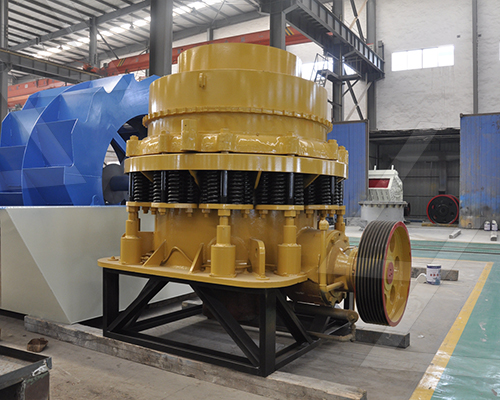
Primary crushing of stockpile-derived aggregates benefits significantly from the integration of intelligent control systems. These systems utilize real-time feedback from on-board sensors and feed flow monitoring to dynamically adjust crusher settings—such as closed-side discharge and eccentric speed—optimizing fragmentation efficiency while minimizing wear and energy consumption. This adaptive approach is particularly effective when processing heterogeneous stockpiles containing mixed lithologies or variable moisture content.
-
Selective crushing methodologies, such as prescreening feed material prior to secondary crushing, enhance downstream performance. Vibrating grizzly feeders (VGFEs) or modular pre-screening units remove sub-sized particles early in the process, reducing crusher overload, decreasing recirculating loads, and extending liner life. This selective approach ensures only appropriately sized material enters secondary and tertiary circuits, improving overall plant capacity.
-
In screening, high-frequency, multi-deck vibrating screens equipped with advanced anti-blinding technologies—such as ultrasonic excitation or self-cleaning mesh systems—are critical for processing fine, damp aggregates commonly found in aged stockpiles. These technologies maintain consistent aperture availability, thereby enhancing screening efficiency and minimizing material bypass.
| Technique | Benefit | Application Context |
|---|---|---|
| Intelligent Crusher Controls | Real-time optimization of throughput and product size | Variable feed composition from reclaimed stockpiles |
| Pre-screening (VGFE) | Reduces crusher load and energy use | High proportion of fines in stockpile feed |
| High-frequency Screening | Improved fines recovery under moist conditions | Processing aged or weathered stockpiles |
| Modular Screening Units | Rapid reconfiguration for product specification changes | Multi-product operations from shared stockpiles |
-
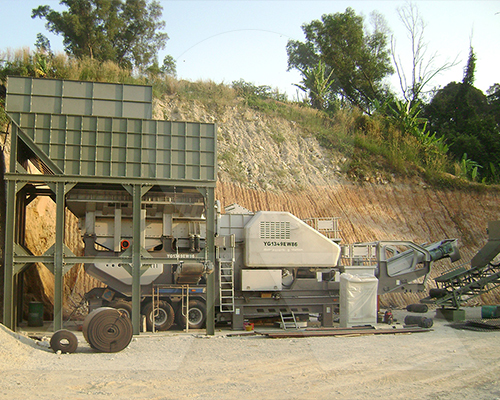
Additionally, the adoption of modular and mobile crushing and screening units offers strategic flexibility in reclaiming stockpiles from multiple zones. These units enable targeted processing at the stockpile face, reducing hauling distances and associated fuel costs while allowing for on-the-fly process adjustments based on real-time quality assays.
-
Ultimately, integrating sensor-based sorting—such as near-infrared (NIR) or X-ray transmission (XRT)—prior to crushing adds another layer of precision, enabling the rejection of inert or deleterious materials. This pre-concentration step enhances the quality of final aggregates and reduces processing of non-value material, thereby elevating overall plant efficiency.
Integrating Automation and Monitoring Systems in Quarry Production Plants
-
Implement centralized control systems to unify operational oversight across crushing, screening, conveying, and stockpiling functions. A distributed control system (DCS) or programmable logic controller (PLC)-based architecture enables real-time coordination, minimizing bottlenecks and reducing manual intervention.
-
Integrate supervisory control and data acquisition (SCADA) platforms to continuously monitor equipment performance, energy consumption, and material flow rates. SCADA systems provide actionable insights through historical trend analysis and alarm management, facilitating predictive maintenance and reducing unplanned downtime.
-
Deploy sensors at critical points—feed hoppers, conveyor belts, screen decks, and stockpile transfer zones—to capture data on bulk density, moisture content, belt speed, and load distribution. These inputs feed into automation algorithms that dynamically adjust crusher settings and conveyor speeds to maintain optimal throughput and product quality.
-
Utilize radio frequency identification (RFID) or GPS-enabled tracking for haul trucks and stacker-reclaimer movements to synchronize material delivery with processing capacity and stockpile availability. This integration reduces waiting times and improves load-balancing across operational shifts.
-
Apply machine learning models to analyze sensor and production data, identifying patterns linked to wear, inefficiency, or suboptimal stockpiling configurations. These models support adaptive control strategies that recalibrate plant parameters in response to feed variability and downstream demand.
-
Establish digital twin technology to simulate plant behavior under varying operational scenarios. The digital replica allows operators to test control logic changes, optimize stockpile stacking patterns, and evaluate the impact of equipment upgrades without disrupting live operations.
-
Ensure seamless data interoperability between automation systems and enterprise resource planning (ERP) or maintenance management software. This integration enables accurate production reporting, inventory reconciliation, and proactive spare parts provisioning.
-
Prioritize cybersecurity in system design by implementing network segmentation, access controls, and regular firmware audits. Protecting automation infrastructure is critical to maintaining data integrity and operational continuity.
-
Train technical staff in system diagnostics, control logic interpretation, and human-machine interface (HMI) navigation to maximize system utilization and minimize response time during anomalies.
The strategic integration of automation and monitoring systems transforms quarry production plants into responsive, data-driven operations. When aligned with stockpile management objectives, these technologies ensure consistent material availability, reduce energy intensity, and enhance overall plant availability and throughput reliability.
Sustainable Practices in Stockpile Handling and Plant Processing Operations
- Implement closed-loop water recycling systems to minimize freshwater consumption and reduce effluent discharge from plant processing operations.
- Utilize real-time moisture monitoring in stockpiles to optimize feed consistency, reducing energy waste during crushing and screening.
- Deploy automated stockpile management systems with GPS and drone-based volumetric analysis to enhance material tracking, reduce over-excavation, and prevent material degradation.
- Integrate energy-efficient motors and variable frequency drives (VFDs) across conveyor and processing equipment to match energy input with production demand, lowering overall power consumption.
- Apply predictive maintenance protocols using vibration and thermal monitoring to extend equipment life, reduce unplanned downtime, and prevent resource-intensive emergency repairs.
Stockpile reclamation strategies should prioritize first-in, first-out (FIFO) sequencing to prevent prolonged material weathering and segregation, preserving quality and minimizing reprocessing. Segregate stockpiles by grade and moisture content using engineered bund walls and covered storage where feasible, reducing contamination and optimizing blend consistency for downstream processing.
Dust suppression must be addressed through targeted measures such as atomized fogging systems, chemical binders, and enclosed transfer points, enhancing air quality and reducing particulate loss. These controls also align with regulatory compliance and community relations objectives.
In processing operations, modular plant design allows for scalability and relocation with minimal environmental disruption, particularly in phased quarry developments. Dry processing technologies, where geologically viable, significantly reduce water dependency and slurry byproduct generation.
All sustainability initiatives must be underpinned by continuous data collection and performance benchmarking. Key performance indicators (KPIs) such as specific energy consumption (kWh/ton), water recycle rate (%), and equipment availability (%) should be monitored daily and used to drive incremental improvements.
Engage cross-functional teams in sustainability reviews to align operational decisions with environmental objectives. Training programs focused on resource efficiency ensure consistent adoption of best practices across shifts and roles.
Finally, conduct life cycle assessments (LCA) of major process changes to evaluate upstream and downstream environmental impacts. This systems-level approach ensures that efficiency gains in one area do not inadvertently increase burdens elsewhere. Sustainable stockpile and plant operations are not standalone initiatives but integrated components of a holistic, resource-conscious production model.
Maximizing Output Quality and Throughput in Aggregate Production from Stockpiled Ore
- Implement real-time ore characterization using inline analyzers (e.g., PGNAA, LIBS) to continuously monitor feed composition from stockpiles, enabling dynamic adjustment of crusher and screen settings to maintain product consistency.
- Apply stratified reclaim methods—such as longitudinal or circular stacking with controlled reclaim angles—to ensure uniform drawdown and minimize blending variability.
- Integrate 3D stockpile modeling with GPS-guided dozers and stacker-reclaimer systems to achieve precise material placement and retrieval, reducing segregation and optimizing feed homogeneity.
- Employ closed-loop control systems that synchronize primary crushing throughput with downstream screening and conveyance capacity, preventing bottlenecks and maximizing plant uptime.
- Conduct periodic stockpile audits using drone-based photogrammetry to assess volume, density, and grade distribution, feeding data into production planning algorithms for accurate feed scheduling.
- Utilize predictive analytics based on historical stockpile performance and equipment telemetry to anticipate wear patterns in crushers and screens, enabling proactive maintenance during planned downtime.
- Optimize moisture management through targeted stockpile drainage design and, where necessary, conditioned spraying to maintain optimal feed moisture (typically 2–4%), minimizing clogging in screens and transfer chutes.
- Deploy variable frequency drives (VFDs) on conveyor systems to match feed rate to real-time processing capacity, reducing energy consumption and mechanical stress during transient operations.
- Establish a quality feedback loop from final product testing to reclaim strategy, allowing continuous refinement of blending ratios from multiple stockpile zones to meet gradation specifications.
Consistent aggregate quality and high throughput depend not only on equipment performance but on the precision of stockpile-to-plant integration. The transition from static stockpiling to dynamic, data-driven material flow management is critical. Real-time monitoring combined with predictive control systems ensures that variability in ore feed—often the largest source of process instability—is actively mitigated before reaching primary processing stages. Furthermore, aligning equipment maintenance with material flow cycles prevents unplanned stoppages that degrade both output quality and tonnage. Ultimately, integrating geological data, operational telemetry, and process control into a unified feed management strategy enables sustained production at target specifications while maximizing resource utilization and minimizing operational cost.
Frequently Asked Questions
What is the role of a production plant in quarry mining operations involving stockpiles?
A production plant in quarry mining coordinates the processing of raw materials extracted from the quarry, with stockpiles serving as intermediate storage for aggregates before further processing. The plant manages crushing, screening, washing, and classification of materials to meet specified gradations and quality standards. Integration with stockpile management ensures consistent feed to downstream processes, minimizes downtime, and enables batch traceability for quality control.
How are stockpiles strategically managed to optimize production plant efficiency?
Stockpiles are managed through structured laydown plans based on material type, grade, moisture content, and blending requirements. Advanced systems use GPS-guided stackers and reclaimers with real-time monitoring to control blend ratios and ensure uniform feed to the production plant. RFID tagging, drone surveys, and 3D scanning help track inventory volume and quality, minimizing rehandling and segregation risks.
What technologies enhance stockpile-to-plant material transfer in quarry operations?
Modern quarries deploy conveyor systems with variable frequency drives (VFDs), automated trippers, and belt scale integrations to ensure controlled, continuous material flow from stockpiles to the plant. Integration with SCADA and plant control systems enables real-time throughput adjustments. Laser-guided stackers and radial reclaimers improve precision during stacking and reclaiming, reducing contamination and flow interruption.
How does stockpile blending impact aggregate quality in downstream processing?
Blending from multiple stockpiles—based on geochemical or gradation analysis—ensures homogenization of feed material, reducing variability in the final product. Production plants rely on consistent input to maintain efficient screening and crushing parameters. Expertly managed blending mitigates quality spikes, reduces reject rates, and supports compliance with specification standards like ASTM or EN.
What are best practices for minimizing degradation during stockpile handling?
To reduce degradation, operators limit drop heights using extendable chute systems, use gentle stacking methods (e.g., windrow stacking), and avoid overstocking. Proper particle size distribution and moisture control reduce attrition and dust generation during stacking and reclaiming. Selecting correct conveyor speeds and belt designs also preserves aggregate integrity en route to the production plant.
How is moisture content in stockpiled material managed for optimal plant processing?
Excess moisture affects material flow, screen efficiency, and crusher performance. Quarries use covered stockpiles, drainage systems, and timed reclamation to control moisture. In-line moisture sensors coupled with automated spray suppression or drying systems at the plant inlet allow real-time adjustments. Stockpiles are often rotated to allow natural drainage and surface drying before processing.
What role does digital twin technology play in stockpile-to-plant integration?
Digital twin models simulate real-time stockpile inventories, plant throughput, and equipment performance by integrating data from sensors, drones, and ERP systems. Operators use these models to forecast bottlenecks, optimize reclaim sequences, simulate blending scenarios, and schedule maintenance—enhancing responsiveness and reducing unplanned stoppages between stockpile and plant operations.
How do environmental and safety regulations influence stockpile design near production plants?
Stockpiles must comply with environmental permits regarding dust emissions, stormwater runoff, and slope stability. Terraced designs, sediment basins, and vegetative windbreaks are standard. Safety regulations require minimum setback distances, engineered berming, and slope angle controls to prevent collapse. Dust suppression systems, monitoring stations, and exclusion zones protect personnel and ensure compliance with MSHA or equivalent standards.
What metrics are critical for monitoring stockpile-to-plant performance?
Key performance indicators (KPIs) include stockpile turnover rate, reclaim consistency (measured in tons/hour variance), feed gradation stability, plant uptime attributable to stockpile supply, and rehandle frequency. Advanced operations also track blended product conformity, moisture variation impact on throughput, and material loss due to dust or spillage.
How does automation improve reclaim efficiency from stockpiles to the production plant?
Automated reclaim systems use programmable logic controllers (PLCs) and GPS to execute pre-defined reclaim patterns that ensure consistent drawdown and prevent cone collapse. Integration with the plant’s control system enables dynamic output adjustments based on real-time demand. Automated systems reduce operator error, improve scheduling accuracy, and enable remote operation in hazardous conditions.
What are the economic benefits of integrating stockpile management with production plant scheduling?
Integrated scheduling reduces idle time, optimizes energy use during off-peak hours, and extends equipment life through balanced loading. Predictive models align extraction, stockpiling, and processing timelines to meet order deadlines with minimal inventory carry cost. This coordination reduces logistical friction and improves overall equipment effectiveness (OEE) by 15–25% in well-implemented systems.
How do quarries handle stockpiled material variability to maintain consistent plant output?
Quarries conduct regular sampling and lab analysis of stockpiled material to map variability. This data feeds into automated blending algorithms that direct reclaimers to mix layers or zones proportionally. Real-time XRF or NIR sensors at feed points provide immediate feedback, allowing closed-loop adjustments in the crushing and screening circuit to maintain product consistency.