Table of Contents
- Maximize On-Site Productivity: How Our Mobile Stone Crusher Equipment Transforms Raw Material into Profit
- Unmatched Mobility and Versatility: Deploy Our Stone Crusher Across Diverse Terrains and Applications
- Engineered for Extreme Loads: The Structural Integrity and Durability of Our Mobile Crushing Solution
- Optimize Your Operation: Advanced Features for Efficient Material Processing and Reduced Downtime
- Technical Specifications: Precision Engineering Behind Our Mobile Stone Crusher Equipment
- Core Engineering & Material Specifications
- Certified Performance & Safety
- Mining & Quarrying Specific Functional Advantages
- Technical Parameter Overview
- Trusted by Industry Leaders: Proven Performance and Support for Your Crushing Needs
- Frequently Asked Questions
- How often should wear parts like jaw plates be replaced in mobile stone crushers?
- How does a mobile crusher adapt to different ore hardness levels?
- What are critical vibration control measures for mobile crusher stability?
- What is the recommended lubrication system maintenance for crusher bearings?
- How to optimize fuel efficiency in a diesel-hydraulic mobile crusher?
- What are key checks before relocating a mobile crushing plant?
In the dynamic world of construction and aggregate production, efficiency and adaptability are paramount. This is where mobile stone crusher equipment emerges as a transformative force, redefining on-site material processing. Unlike traditional stationary plants, these self-propelled units bring the crusher directly to the source of raw material, dramatically reducing hauling costs and project timelines. Combining robust crushing power with remarkable mobility, this equipment offers unparalleled flexibility for a range of applications—from road construction and demolition recycling to mining operations. By enabling real-time, in-situ processing, mobile crushers not only enhance operational logistics but also contribute to more sustainable and cost-effective project management. This article delves into the mechanics, benefits, and strategic advantages of integrating this innovative machinery into modern industrial workflows.
Maximize On-Site Productivity: How Our Mobile Stone Crusher Equipment Transforms Raw Material into Profit
On-site productivity is fundamentally governed by the efficiency of your primary size reduction process. Our mobile stone crusher equipment is engineered not as a simple transportable unit, but as a high-yield, autonomous processing plant that directly converts raw feed into spec aggregate, bypassing costly hauling and fixed-plant bottlenecks. The transformation from raw material to profit is a function of mechanical design, material science, and intelligent system integration.
Core Engineering Principles for Direct Profit Conversion:
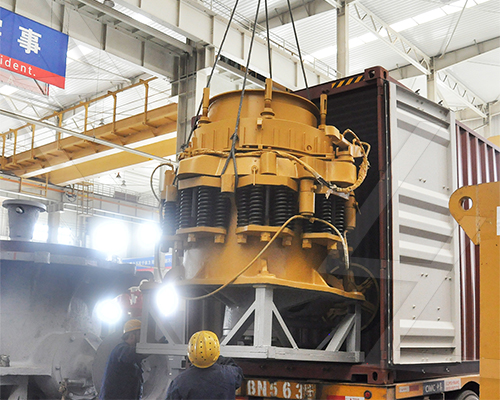
- High-Strength Material Composition: Critical wear components, such as jaw plates, concaves, and blow bars, are cast from proprietary, high-chromium alloys or manganese steel (Mn-steel, typically 12%-18% Mn). These alloys work-harden under impact, increasing surface hardness and resistance to abrasion from silica-rich granites or basalts, thereby extending service life and reducing cost-per-ton.
- Precision Kinematics & Chamber Design: Crusher chambers are geometrically optimized for specific feed materials. A steeper nip angle in jaw crushers ensures aggressive grip and reduced slippage on hard, abrasive ores, while an optimized eccentric throw in cone crushers balances throughput (TPH) with product shape for high-value concrete or asphalt chips.
- Integrated Pre-Screening & Circuit Flexibility: Advanced models feature independent pre-screeners that bypass fines before the crusher, increasing effective capacity. Closed-circuit designs with a recirculating conveyor allow for precise, on-the-fly adjustment of final product size without changing physical screen decks, enabling a single machine to produce multiple spec products from a heterogeneous feed.
- Direct Drive & Power Efficiency: Hydraulic or electromechanical direct-drive systems to the crusher and screens eliminate power losses associated with V-belts and provide constant, optimal rotational speed. This ensures maximum TPH output while maintaining lower fuel or electrical consumption per processed ton, a direct input cost saving.
- Intelligent Process Control: Centralized PLC systems continuously monitor crusher load, pressure, and power draw. The system can automatically adjust feed rate via the feeder to maintain peak crushing force without stalling or overfilling, ensuring the unit operates continuously at its designed, most productive capacity.
Technical Specifications & Adaptability
| Parameter | Specification Range | Operational Impact |
|---|---|---|
| Primary Crusher Type | Jaw, Impact, or Gyratory | Dictates maximum feed size (up to 1200mm) and optimal hardness application (compressive strength from <150 MPa to >350 MPa). |
| Throughput Capacity (TPH) | 150 – 800+ TPH | Defines the scale of on-site material processing and direct revenue potential. Higher TPH is enabled by large feed hoppers and high-capacity main conveyors. |
| Drive System | Tier 4 Final/Tier 5 Diesel or Electric | Electric drive offers near-silent, zero-exhaust operation for urban sites; diesel provides complete grid independence for remote quarries. |
| Mobility System | Tracked or Wheeled | Tracked units offer superior ground pressure (< 1 kg/cm²) for soft terrain and fully autonomous mobility. Wheeled options allow for higher road speeds between sites. |
| Compliance & Safety | ISO 21873, CE Marked, ROPS/FOPS | Certifies structural integrity, safety standards, and free movement within regulated markets, mitigating project risk. |
The ultimate productivity gain is realized through rapid site deployment and operational agility. A self-propelled mobile plant with integrated conveyors can be commissioned in under an hour, moving directly to the face or multiple stockpiles across a large site. This eliminates fixed haul cycles, reduces loader hours, and allows the processing hub to follow the resource, keeping cycle times minimal and material handling costs near zero. The machine’s output is not just crushed stone; it is a continuous, high-volume stream of saleable product, generated at the point of extraction.
Unmatched Mobility and Versatility: Deploy Our Stone Crusher Across Diverse Terrains and Applications
Our mobile crushing solutions are engineered for deployment in the most demanding environments, from remote quarries to congested urban demolition sites. The core of this capability is a chassis and powertrain system designed for off-road stability and on-road compliance, coupled with a crushing circuit built to process a vast spectrum of materials without compromise.
Functional Advantages of the Mobile Platform:
- Multi-Axle, Heavy-Duty Chassis: Fabricated from high-tensile steel, providing the structural integrity for both transport and operational loads on uneven ground. Hydraulic or mechanical outriggers ensure a stable, level crushing base.
- Integrated Power Options: Configurable with diesel-electric or direct diesel-hydraulic drives. The diesel-electric system offers superior fuel efficiency and reduced noise for sensitive sites, while direct drive delivers maximum torque for high-hardness ores.
- Rapid Setup & Dismantling: Hydraulically assisted folding conveyors, integrated lifting points, and centralized grease systems enable full operational readiness from transport mode in under 30 minutes, maximizing productive uptime.
- Terrain Intelligence: Options include all-wheel drive, enhanced ground clearance, and crawler tracks for low-ground-pressure applications like wet or soft underfoot conditions, ensuring year-round site access.
The versatility extends beyond mobility to material processing. The crusher core utilizes advanced material science to handle abrasive and high-impact feeds.
Crushing Chamber & Wear Part Superiority:
- Chamber Geometry: Computer-optimized kinematics and cavity profiles ensure high reduction ratios and a superior cubical product shape, critical for aggregate specification compliance.
- Wear Component Metallurgy: Jaws, mantles, concaves, and blow bars are cast from proprietary alloyed manganese steels (e.g., Mn18Cr2, Mn22Cr2) or composite ceramics. These materials are selected for optimal balance between hardness for abrasion resistance and toughness to withstand impact fatigue and shock loads.
- Adaptive Crushing: Hydraulic adjustment systems allow real-time control of the closed-side setting (CSS) for precise product sizing. Hydraulic overload protection (tramp release) safeguards the entire assembly from uncrushable material.
Technical Specifications & Application Range
| Parameter / Capability | Specification / Detail | Application Implication |
|---|---|---|
| Typical Capacity Range | 150 – 800+ TPH (tonnes per hour) | Scalable from small contractor projects to large-scale mining operations. |
| Feed Size Acceptance | Up to 1200mm (jaw) / 400mm (cone) | Handles primary blasted rock and large demolition concrete directly. |
| Material Hardness | Up to 350 MPa compressive strength | Processes granite, basalt, quartzite, and abrasive ferro-alloy ores. |
| End-Product Gradation | 0-5mm to 0-80mm (adjustable) | Produces spec ballast, railway aggregates, road base, and manufactured sand. |
| Mobility Standards | CE marked, ISO 9001 fabricated, road-legal axle loads | Guarantees build quality, safety compliance, and simplified transport between sites. |
| Dust Suppression | Integrated water spray system with pump and tank | Meets environmental regulations for dust control in sensitive areas. |
This combination of robust mobility and crushing precision transforms a single unit into a multi-application asset. It seamlessly transitions from processing primary basalt in a mountainous quarry to recycling reinforced concrete on an urban brownfield site, all while maintaining consistent output specifications and operational reliability. The design philosophy eliminates the trade-off between movement and performance, delivering a stationary plant’s productivity with unparalleled logistical freedom.
Engineered for Extreme Loads: The Structural Integrity and Durability of Our Mobile Crushing Solution
The core structure of our mobile crushing solution is engineered from the ground up to withstand the immense and cyclical stresses inherent in processing abrasive aggregates and hard rock. This begins with a heavy-duty, all-welded chassis fabricated from high-tensile, low-alloy steel (HTLA). This base frame is not merely a carrier; it is a rigid, stress-relieved platform designed to absorb dynamic crushing forces and transport loads without deformation, ensuring long-term alignment of critical components.
Critical wear components are defined by advanced material science:
- Jaws, Concaves & Mantles: Fabricated from premium manganese steel (Mn14, Mn18, Mn22) with controlled austenitic microstructure for optimal work-hardening. Upon impact, the surface hardens to a degree exceeding 500 HB, creating an exceptionally wear-resistant surface layer while maintaining a tough, shock-absorbing core.
- Blow Bars & Impact Elements: Utilize composite metallurgy, often combining a high-chrome iron (26-30% Cr) insert for supreme abrasion resistance within a manganese steel carrier for impact toughness, maximizing service life in high-TPH secondary and tertiary applications.
- Structural Wear Liners: Key impact zones and hopper areas are protected by bolt-on, quenched and tempered alloy steel liners (e.g., AR400, Brinell 400), allowing for replacement without compromising the primary structure.
Durability is engineered into every system:
- Bearing & Drive Assemblies: Oversized, high-capacity spherical roller bearings are housed in robust, machined bearing seats. Drive components, including shafts and couplings, are sized with significant safety factors relative to nominal power draw to handle peak load events and uncrushable material tramp.
- Adaptive Hydraulics: The hydraulic system for setting adjustment, clearing, and folding functions is designed with pressure relief margins exceeding 25% of operational maximum. High-quality, swivel-joint hose assemblies with protective sleeving prevent failure from abrasion and fatigue.
- Corrosion & Fatigue Resistance: All structural steel undergoes abrasive blast cleaning and is coated with a multi-layer, epoxy-primer/polyurethane topcoat system. Critical weld joints are subjected to non-destructive testing (NDT) such as magnetic particle inspection (MPI) to eliminate defect initiation points.
Certified Performance Under Load:
Design, manufacturing, and final assembly comply with rigorous international standards for structural integrity and safety, including ISO 21873 (Mobile crushers) and the CE marking directive (Machinery Directive 2006/42/EC). Our solutions are validated not just by laboratory tests but by in-field performance metrics, reliably achieving rated capacities (TPH) across the spectrum of material hardness, from recycled concrete (C&D) to abrasive granite and abrasive basalt.
| Component Category | Key Material / Standard | Primary Function & Benefit |
|---|---|---|
| Main Frame & Chassis | High-Tensile Low-Alloy Steel (S355J2 / ASTM A572) | Provides a rigid, non-flexing base that maintains component alignment and absorbs dynamic loads, preventing fatigue failure. |
| Crushing Chamber Wear Parts | Austenitic Manganese Steel (Mn18%-22%) | Work-hardens under impact, achieving surface hardness >500 HB for extreme abrasion resistance while retaining core toughness. |
| Impact Crusher Wear Parts | High-Chrome Cast Iron (Cr26%-30%) / Composite | Delivers maximum abrasion resistance for processing highly abrasive materials, with designs optimized for feed size and TPH. |
| Abrasion Protection Liners | Quenched & Tempered Alloy Steel (AR400/500) | Protects structural steel in high-wear feed, discharge, and chute areas, preserving the integrity of the primary frame. |
| Quality Assurance | ISO 21873, CE (2006/42/EC), NDT (MPI/UT) | Ensures the design, manufacturing, and assembly process meets international benchmarks for safety, durability, and performance. |
This holistic engineering philosophy results in a mobile plant where structural integrity is paramount, directly translating to higher availability, lower cost-per-ton, and dependable operation in the most demanding quarry and mining environments.
Optimize Your Operation: Advanced Features for Efficient Material Processing and Reduced Downtime
Advanced mobile crushers integrate material science and precision engineering to transform raw feed into specification aggregate with maximum operational efficiency and minimum mechanical stress. The core philosophy is to match the machine’s internal components to the material’s abrasiveness and compressive strength, while building in intelligence to preempt failures.
Core Component Engineering for Durability
- High-Grade Wear Parts: Jaws, mantles, concaves, and blow bars are cast from proprietary high-chromium or manganese steel alloys. These are not generic “hard steel”; their specific chemical composition and heat treatment are engineered for optimal work-hardening under impact, creating a surface that becomes harder during use to resist abrasion from silica and other abrasive constituents in stone.
- Chamber Geometry Optimization: Crusher chambers are computer-modeled to ensure optimal nip angles and crushing stroke. This maximizes the inter-particle crushing effect, where rocks break each other, reducing direct wear on the liners and improving the product shape (cubicity) for higher-value end products.
- Rugged Frame Construction: The main frame is fabricated from high-tensile steel plate with reinforced stress points. Finite Element Analysis (FEA) ensures the structure can withstand cyclical loading from crushing hard rock (e.g., granite, basalt) without fatigue over a 10,000+ hour operational lifecycle.
Intelligent Control Systems for Process Stability
- Automated Setting Regulation: Hydraulic adjustment systems allow the crusher gap (CSS) to be changed at the push of a button, even under load. This enables real-time compensation for wear and instant product size correction, maintaining consistent Tons Per Hour (TPH) output and gradation.
- Real-Time Condition Monitoring: Integrated sensors track critical parameters: hydraulic pressure, main shaft rotation speed, bearing temperature, and chamber level. Anomalies trigger alerts or automatic adjustments to prevent catastrophic damage.
- Load & Feed Control: Advanced systems link the crusher’s drive to feed conveyors. By monitoring power draw, the feeder speed is automatically adjusted to maintain an optimal, choked chamber for efficient crushing, preventing both under- and over-filling.
Design Features for Minimized Downtime
- Modular Wear Part Design: Key wear components utilize a modular bolt-on design. This allows for partial replacement of worn sections (e.g., the center section of a jaw) instead of the entire part, reducing spare parts inventory costs and change-out time.
- Service Accessibility: Engineered with centralized lubrication points, walk-in platforms, and hydraulically assisted opening mechanisms for wear part cavities. These features turn routine maintenance from a multi-hour ordeal into a scheduled, sub-one-hour task.
- Uncrushable Object Protection: Non-intrusive systems, such as hydraulic overload protection for cone crushers or automatic rebar discharge in impactors, allow tramp metal or uncrushable material to pass without causing a mechanical stall or requiring a full shutdown and manual clearing.
Technical Specifications & Adaptability
A modern mobile plant’s efficiency is quantified by its ability to adapt to site conditions. Key parameters include:
| Feature | Technical Consideration | Operational Impact |
|---|---|---|
| Drive System | Direct diesel-hydraulic vs. electric-hybrid | Dictates fuel efficiency, noise levels, and suitability for remote sites vs. grid-connected quarries. |
| Feed Opening & Capacity | Width x Gape (mm) & max. TPH @ defined CSS | Determines maximum feed size and volumetric throughput for materials like limestone (softer) vs. trap rock (harder). |
| Power Unit | Tier 4 Final / Stage V compliant diesel engine | Ensures regulatory compliance for operation in regulated regions without performance penalty. |
| Mobility System | Heavy-duty crawlers with high flotation vs. multi-axle wheeled | Ground pressure (PSI) determines suitability for soft terrain; travel speed impacts intra-site mobility. |
Compliance & Certification
- Structural Integrity: CE marking or equivalent signifies the machine’s design meets essential health, safety, and environmental protection requirements of the European Union, covering everything from structural soundness to noise emissions.
- Component Standards: Critical components like bearings, hydraulics, and electrical systems are sourced from tier-one suppliers and are manufactured to ISO standards, ensuring global serviceability and predictable performance envelopes.
The result is a processing asset defined by its predictable uptime, controlled operational cost per ton, and adaptability to varying feed materials—from recycled C&D concrete to primary blasted granite—ensuring a rapid return on investment through sustained, high-volume production.
Technical Specifications: Precision Engineering Behind Our Mobile Stone Crusher Equipment
Core Engineering & Material Specifications
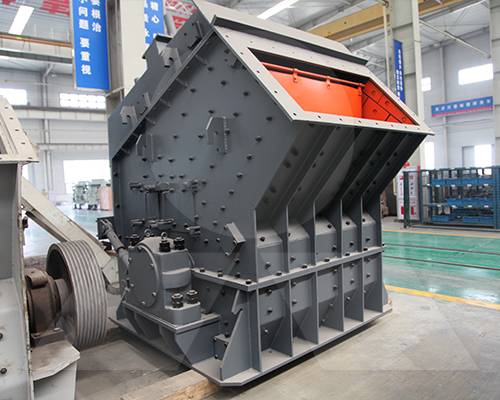
The structural integrity and longevity of our mobile crushers are defined by the application-specific materials used in high-wear components. Primary crushing jaws, cone mantles, and concaves are fabricated from high-grade manganese steel (Mn14, Mn18, Mn22). This austenitic steel work-hardens under impact, continuously developing a hardened surface layer while retaining a tough, shock-absorbing core. For highly abrasive applications, we employ Tungsten Carbide (WC) inserts on critical wear surfaces and offer chromium-rich martensitic iron alloys for blow bars in impact crushers, providing optimal resistance to abrasion and fatigue.
All welding procedures and non-destructive testing (NDT) follow ISO 3834 and EN 1090 standards. Structural frames are constructed from S355JR/S355J2 grade steel, with Finite Element Analysis (FEA) optimizing stress distribution. Bearings are SKF/Timken series, rated for heavy radial and axial loads, ensuring reliability under variable feed conditions.
Certified Performance & Safety
Our equipment is engineered to comply with stringent international directives, ensuring operational safety and market accessibility.
- CE Marking: Full compliance with the EU Machinery Directive 2006/42/EC.
- ISO Certification: Design and manufacturing processes are certified under ISO 9001:2015 for quality management.
- Safety Systems: Integrated, fail-safe hydraulic and electrical locking systems. Guards and access platforms conform to ISO 14120 and ISO 14122 standards.
Mining & Quarrying Specific Functional Advantages
The design philosophy prioritizes adaptability to volatile site conditions and maximizing uptime.
- Rapid Configuration & Mobility: Hydraulic folding conveyors and integrated lifting jacks enable site relocation and setup in under 30 minutes, minimizing non-productive time.
- Intelligent Feed Control: Advanced feeder with integrated pre-screening minimizes crusher cavity packing and optimizes feed rate based on real-time amp draw, protecting the drive system.
- Hard Rock Capability: Crusher units are designed for compressive strengths exceeding 350 MPa, with reinforced rotors and heavy-duty eccentric assemblies for granite, basalt, and iron ore applications.
- Dust Suppression Integration: Factory-fitted, high-pressure misting systems with solenoid control suppress airborne particulate at primary transfer points, supporting compliance with environmental regulations.
Technical Parameter Overview
The following table outlines key specifications for our primary mobile crusher configurations.
| Model | Crusher Type | Feed Opening | Max. Feed Size | Capacity (TPH)* | Drive Power | Operating Weight |
|---|---|---|---|---|---|---|
| MC-120J | Jaw Crusher | 1200 x 750 mm | 650 mm | 180 – 250 | 132 kW | 52,000 kg |
| MC-200C | Cone Crusher | 235 mm | 215 mm | 220 – 300 | 250 kW | 61,500 kg |
| MC-300I | Impact Crusher | 1,300 x 1,200 mm | 800 mm | 280 – 380 | 300 kW | 74,000 kg |
*Capacity Range: Dependent on material density (1.6t/m³ standard), feed gradation, and ore hardness (Wi). TPH values are for processed product below CSS.
Trusted by Industry Leaders: Proven Performance and Support for Your Crushing Needs
Our equipment is engineered to meet the rigorous demands of global mining and aggregate operations, with design and manufacturing processes certified to ISO 9001 and CE standards. The core of our performance lies in advanced material science and a commitment to technical excellence that ensures maximum uptime and return on investment.
Key Engineering Advantages:
- Superior Wear Component Metallurgy: Critical wear parts like jaws, concaves, and blow bars are cast from proprietary high-grade manganese steel (Mn18Cr2, Mn22Cr2) and tungsten carbide alloys. These materials are selected for optimal balance of hardness, toughness, and work-hardening capabilities, directly translating to extended service life in abrasive applications from granite to iron ore.
- Adaptive Crushing Geometry: Chamber designs and crusher kinematics are optimized for specific material hardness (Mohs scale) and desired product shape. This ensures efficient reduction with lower power consumption per ton and controlled, cubical end products critical for high-value aggregate and industrial mineral specifications.
- High-Capacity, On-Site Processing: Mobile units are designed to deliver consistent throughput (TPH) in closed-circuit configurations, effectively turning on-site material into saleable product, eliminating haulage costs for waste, and reducing the need for primary stationary plants.
- Integrated Process Intelligence: Advanced control systems provide real-time monitoring of crusher load, power draw, and chamber pressure, allowing for automatic adjustments to feed rates and CSS (Closed Side Setting) to protect the unit from tramp metal and maintain optimal production parameters.
Technical Specifications for Primary Mobile Jaw Crusher Series (Example):
| Model | Feed Opening (mm) | Max Feed Size (mm) | CSS Range (mm) | Capacity (TPH)* | Drive Power (kW) |
|---|---|---|---|---|---|
| MJC-110 | 1100 x 700 | 700 | 70 – 200 | 150 – 300 | 132 |
| MJC-130 | 1300 x 900 | 900 | 100 – 250 | 280 – 550 | 200 |
| MJC-160 | 1600 x 1200 | 1200 | 150 – 300 | 500 – 900 | 315 |
*Capacity is variable based on material density, hardness, and feed gradation.
Dedicated Lifecycle Support: Our partnership extends beyond delivery. We provide site-specific commissioning, operator training focused on maintenance best practices and safety, and a globally coordinated parts supply chain to minimize downtime. Our engineering support team offers wear part optimization and productivity audits to ensure your crushing circuit operates at peak efficiency throughout the equipment’s lifecycle.
Frequently Asked Questions
How often should wear parts like jaw plates be replaced in mobile stone crushers?
Replacement cycles depend on material abrasiveness (Mohs hardness >6 accelerates wear). Using ZGMn13-4 high-manganese steel plates, expect 50,000-80,000 tons throughput. Monitor for a 20% reduction in plate thickness. For consistent feed size and balanced chamber loading to extend life.
How does a mobile crusher adapt to different ore hardness levels?
Adjust the hydraulic setting system to modify the closed-side setting (CSS) in real-time. For hard rock (Mohs >7), reduce CSS and lower feed rate. Utilize multi-cylinder hydraulic cone crushers for automatic overload protection and pressure regulation, ensuring optimal force application.
What are critical vibration control measures for mobile crusher stability?
Ensure proper sub-frame integration and use shear block mounts. Regularly check counterweight balance and rotor alignment. Install vibration sensors (e.g., SKF or Schaeffler) with real-time monitoring to detect unbalance early. Maintain foundation bolt torque specifications to prevent structural harmonics.
What is the recommended lubrication system maintenance for crusher bearings?
Use ISO VG 320 extreme-pressure grease for heavy loads. Lubricate spherical roller bearings (preferably SKF or Timken) every 8 hours of operation. Monitor oil temperature and contamination via particle counters. Annually flush the system to remove metal debris and prevent premature failure.
How to optimize fuel efficiency in a diesel-hydraulic mobile crusher?
Match engine RPM to the hydraulic pump’s demand curve using variable displacement pumps. Avoid constant operation at full power. Utilize eco-mode settings for partial load conditions. Regularly clean hydraulic oil coolers and replace filters to maintain system efficiency and reduce fuel consumption by up to 15%.
What are key checks before relocating a mobile crushing plant?
Secure all crusher cavity covers and lock the rotor. Retract hydraulic legs fully and verify transport lock pins are engaged. Check tire pressure and brake system integrity. Ensure the feeder and conveyor are folded per manufacturer specs to meet road travel height and width regulations.