Table of Contents
- What Is Mobile Iron Ore Beneficiation and How It Transforms Mining Operations
- Key Technologies Driving Portable Iron Ore Processing Systems
- Benefits of On-Site Beneficiation Using Mobile Crushing and Separation Units
- Applications of Mobile Plants in Remote and Small-Scale Iron Ore Deposits
- Environmental and Economic Impact of Mobile Beneficiation Solutions
- Frequently Asked Questions
- What is mobile iron ore beneficiation and how does it differ from traditional methods?
- What are the key components of a mobile iron ore beneficiation plant?
- How does mobile beneficiation improve operational efficiency in remote mining sites?
- What types of iron ore are suitable for mobile beneficiation?
- Can mobile plants achieve the same recovery rates as stationary facilities?
- What role does sensor-based ore sorting play in mobile iron ore beneficiation?
- How are water and environmental concerns managed in mobile beneficiation?
- What are the economic advantages of deploying mobile over fixed beneficiation plants?
- How is process control and automation implemented in mobile iron ore systems?
- What are the scalability limitations of mobile iron ore beneficiation?
- How do modular design and plug-and-play systems enhance deployment speed?
- What future advancements are expected in mobile iron ore beneficiation technology?
Imagine transforming raw iron ore into high-grade concentrate not in distant, fixed processing plants, but directly at the mine site—rapidly, efficiently, and with minimal environmental footprint. Mobile iron ore beneficiation is turning this vision into reality, revolutionizing the mining industry by bringing advanced processing capabilities to the heart of extraction. These compact, transportable systems leverage cutting-edge technologies to crush, screen, and separate ore on-demand, drastically reducing haulage costs, energy consumption, and operational downtime. By enabling real-time processing in remote or temporary mining locations, mobile beneficiation enhances responsiveness, scalability, and resource recovery. No longer constrained by infrastructure limitations, mining operations gain unprecedented flexibility to adapt to fluctuating ore grades and market demands. As sustainability and efficiency become paramount, mobile beneficiation emerges not just as an innovation, but as a strategic imperative—reshaping how the world accesses and refines one of its most vital industrial resources.
What Is Mobile Iron Ore Beneficiation and How It Transforms Mining Operations
-
Mobile iron ore beneficiation refers to the on-site processing of raw iron ore using portable, modular, and rapidly deployable equipment systems designed to upgrade ore quality directly at or near the extraction point. Unlike conventional fixed-plant beneficiation, which requires extensive infrastructure and long transport times to centralized facilities, mobile units bring the processing capability to the mine face, enabling real-time ore upgrading and rapid operational response.
-
The core objective of beneficiation is to increase the iron content of mined material while reducing gangue minerals, moisture, and contaminants such as silica, alumina, and phosphorus. Mobile systems achieve this through integrated processes including crushing, screening, magnetic separation, gravity separation, and, in some configurations, flotation or sensor-based ore sorting. These units are typically mounted on skids, tracks, or trailers, allowing repositioning within the mine site as extraction zones evolve.
-
One of the transformative impacts of mobile beneficiation is the reduction in haulage costs. By upgrading ore early in the value chain, operators can eliminate the transport of low-grade or waste material to distant processing plants. This not only reduces fuel consumption and fleet wear but also lowers carbon emissions—aligning with sustainability targets increasingly mandated in the mining sector.
-
Additionally, mobile units support phased development of greenfield projects. Operators can begin production with minimal capital investment, scaling processing capacity incrementally as reserves are better defined. This flexibility is particularly advantageous in remote or geologically complex regions where infrastructure development is constrained.
-
Operational agility is further enhanced through digital integration. Modern mobile plants are equipped with real-time monitoring, automated process control, and data analytics systems that optimize recovery rates and ensure consistent product quality. These features enable rapid troubleshooting and remote management, reducing downtime and improving resource utilization.
-
From an economic standpoint, mobile beneficiation shortens time-to-market, improves net smelter returns, and increases the viability of lower-grade deposits. By enabling selective mining and waste rejection at the source, it supports more responsible resource extraction and reduces environmental footprint.
-
In sum, mobile iron ore beneficiation represents a paradigm shift in mining efficiency—converting logistical and processing constraints into strategic advantages through modularity, mobility, and technological integration.
Key Technologies Driving Portable Iron Ore Processing Systems
- Modular sensor-based ore sorting
- On-board automation and process control systems
- High-intensity magnetic separation (HIMS) miniaturization
- Real-time X-ray fluorescence (XRF) and laser-induced breakdown spectroscopy (LIBS)
- Energy-efficient comminution via high-pressure grinding rolls (HPGR)
- Compact hydrocyclone and fine screening assemblies
- Integrated dewatering solutions with filter presses and paste thickeners
- IoT-enabled remote diagnostics and data telemetry
Advancements in sensor and separation technologies are the cornerstone of modern portable iron ore processing systems. Sensor-based ore sorting, powered by real-time XRF and LIBS, enables instantaneous grade discrimination at the feed stage, rejecting sub-economic material before energy-intensive processing begins. This selective pre-concentration reduces mass flow by up to 30%, significantly lowering downstream energy and water demand.
High-intensity magnetic separation has undergone substantial miniaturization without sacrificing throughput or magnetic field strength. Modern portable units utilize rare-earth roll magnets and optimized matrix designs to achieve efficient separation of magnetite from gangue in compact footprints. These systems are integrated into modular skids, allowing rapid deployment and reconfiguration across sites.
On-board automation platforms unify control of crushing, grinding, classification, and separation circuits. Programmable logic controllers (PLCs) and supervisory control and data acquisition (SCADA) systems adjust parameters dynamically based on feed variability, ensuring consistent product quality. Coupled with IoT integration, these systems enable remote monitoring, predictive maintenance, and fleet-wide performance benchmarking.
Comminution efficiency is enhanced through high-pressure grinding rolls, which offer lower specific energy consumption compared to conventional ball mills. HPGR units, when paired with compact hydrocyclones and high-frequency screens, deliver precise size classification essential for effective gravity and magnetic separation.
Water management is addressed through integrated dewatering solutions. Mobile filter presses and high-rate paste thickeners reduce moisture content to transportable levels while enabling water recovery rates exceeding 90%. This is critical in arid regions and for compliance with environmental regulations.
Collectively, these technologies transform raw run-of-mine ore into market-grade concentrate within a single mobile platform. The convergence of real-time analytics, miniaturized separation hardware, and closed-loop automation defines the new paradigm in on-site iron ore beneficiation—delivering scalability, reduced capex, and accelerated time-to-revenue.
Benefits of On-Site Beneficiation Using Mobile Crushing and Separation Units
- Reduction in haulage costs through on-site material processing
- Enhanced resource utilization via immediate waste rejection
- Minimized environmental footprint through reduced overburden transport
- Improved operational agility with rapid deployment and repositioning
- Lower capital intensity compared to fixed infrastructure
- Real-time adaptability to ore variability through modular processing
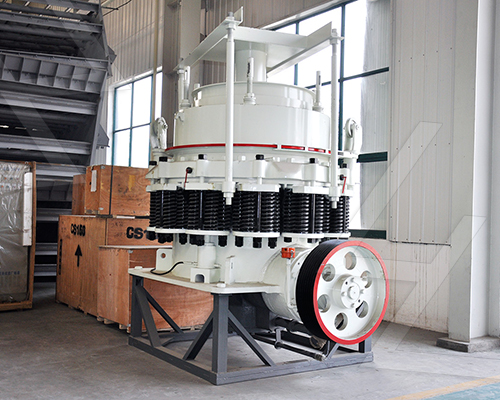
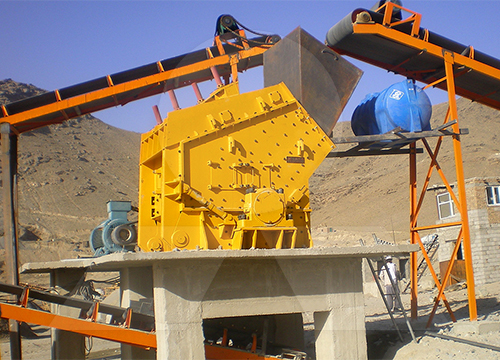
On-site beneficiation utilizing mobile crushing and separation units delivers transformative efficiency gains across iron ore mining operations. The most immediate economic benefit lies in the substantial reduction of haulage costs. By processing ore directly at the extraction face, waste material is rejected early, significantly decreasing the volume of low-grade material transported to centralized plants or waste dumps. This not only conserves fuel and reduces equipment wear but also extends the effective capacity of haulage fleets.
Equally critical is the improvement in resource utilization. Mobile units enable real-time grade optimization by separating high-grade fractions on-site, ensuring only economically viable material progresses through downstream processing. This selective processing reduces dilution and improves overall recovery rates, particularly in low-grade or heterogeneous deposits where traditional bulk mining methods lead to inefficiencies.
Environmental performance is enhanced through minimized overburden movement and reduced land disturbance. Mobile systems operate with a smaller footprint, require less site preparation, and enable progressive rehabilitation—key advantages in environmentally sensitive or remote regions. Emissions associated with long-distance haulage are proportionally reduced, supporting ESG compliance and sustainability targets.
Operational flexibility is another cornerstone benefit. Mobile units can be rapidly deployed, reconfigured, or relocated in response to shifting mining fronts, eliminating the delays and capital expenditures tied to fixed plant construction. This agility supports phased development strategies and allows mining companies to respond dynamically to market conditions or geological surprises.
Furthermore, modular separation technologies—such as magnetic separators, air classifiers, and screening units—integrated into mobile platforms provide scalable throughput and consistent product quality. These systems are engineered for robustness in harsh conditions and require less water and energy than conventional circuits, further driving down operating costs.
Ultimately, on-site beneficiation with mobile units shifts the economic paradigm by aligning processing capacity with extraction rates, reducing logistical complexity, and accelerating the time-to-value for iron ore projects. This approach is particularly advantageous for satellite deposits, small-scale operations, or brownfield expansions where scalability and speed are paramount.
Applications of Mobile Plants in Remote and Small-Scale Iron Ore Deposits
-
Mobile beneficiation plants are transforming the economic viability of remote and small-scale iron ore deposits by enabling on-site processing, reducing logistical burdens, and accelerating project timelines. Traditionally, such deposits were often deemed uneconomical due to high transportation costs and capital intensity associated with fixed infrastructure. Mobile units eliminate the need to transport raw ore over long distances by delivering processing capabilities directly to the mine face.
-
These modular systems integrate crushing, screening, grinding, magnetic separation, and dewatering into compact, transportable units. Their rapid deployment—often within weeks—allows operators to initiate production faster than conventional plants, which can take years to commission. This agility is particularly advantageous in geographically isolated regions with limited road access or undeveloped supply chains.
-
For small-scale or satellite deposits, mobile plants offer scalable throughput. Units can be staged or reconfigured based on ore volume and grade fluctuations, ensuring optimal resource utilization. This flexibility supports phased development strategies, minimizing upfront investment while maintaining responsiveness to market conditions.
-
Environmental and regulatory compliance is enhanced through reduced site disturbance. Mobile systems require minimal civil works, preserve topsoil integrity, and can be relocated with negligible rehabilitation burden. Water recycling and closed-loop circuits further reduce ecological impact, a critical consideration in ecologically sensitive or arid regions.
-
In remote operations, energy efficiency is paramount. Modern mobile plants are designed for lower power consumption and can integrate with renewable energy sources such as solar or hybrid power systems, improving sustainability and lowering operational costs.
-
Case deployments in Western Australia and Northern Canada demonstrate successful application in low-grade hematite and magnetite deposits. These installations achieved concentrate grades exceeding 62% Fe with minimal tailings generation, confirming technical efficacy even under extreme climatic and logistical constraints.
-
Economically, mobile beneficiation reduces both capital and operating expenditures. Eliminating long-haul haulage of waste material significantly cuts fuel and maintenance costs. Revenue generation begins earlier, improving project net present value and attracting investment in underexplored regions.
-
As exploration uncovers increasingly fragmented and marginal deposits, mobile beneficiation emerges as a strategic enabler of resource access, extending mine life and supporting decentralized mining models in the global iron ore sector.
Environmental and Economic Impact of Mobile Beneficiation Solutions
- Reduced carbon emissions through minimized material transport
- Lower energy consumption via optimized on-site processing
- Decreased land disturbance and rehabilitation footprint
- Enhanced water conservation through closed-loop system integration
- Accelerated site decommissioning and reclamation timelines
Mobile iron ore beneficiation solutions significantly reduce the environmental burden traditionally associated with centralized processing. By enabling ore upgrading at or near the extraction point, these modular systems eliminate the need to transport low-grade material over long distances to fixed plants. This directly curtails diesel consumption and greenhouse gas emissions from haul trucks, contributing to measurable reductions in a mine’s carbon footprint. Field data indicate potential transport-related CO₂ reductions of up to 40% in dispersed open-pit operations.
The compact, modular design of mobile units minimizes site preparation requirements, preserving topsoil and reducing deforestation and habitat fragmentation. This results in a smaller operational footprint and facilitates faster, more cost-effective site rehabilitation upon project completion. Additionally, modern mobile plants integrate dry or low-water processing technologies and closed-loop water recycling, reducing freshwater demand by over 60% compared to conventional wet-processing facilities—critical in arid mining regions.
Economically, mobile beneficiation transforms project viability, particularly for low-grade or geographically isolated deposits. Upgrading ore on-site increases the effective head grade delivered to downstream processing, improving transport efficiency and reducing penalty fees associated with impurities. For rail- or port-constrained operations, pre-concentration reduces logistical bottlenecks and associated costs. Capital expenditure (CAPEX) is significantly lower than building permanent infrastructure, while deployment timelines can be compressed from years to months, accelerating time to revenue.
Furthermore, mobile systems provide operational flexibility across a mine’s lifecycle, allowing redeployment to new pits or tenements as resources deplete. This adaptability mitigates stranded asset risk and supports sustainable resource stewardship. The ability to scale processing capacity incrementally aligns operational expenditure (OPEX) with production demands, enhancing financial resilience amid commodity price volatility.
In sum, mobile iron ore beneficiation delivers a dual advantage: it establishes a new benchmark for environmental performance in mining operations while unlocking economic value from marginal deposits through agile, scalable processing.
Frequently Asked Questions
What is mobile iron ore beneficiation and how does it differ from traditional methods?
Mobile iron ore beneficiation refers to the on-site processing of raw iron ore using portable or modular processing units that can be relocated as mining operations progress. Unlike traditional fixed beneficiation plants, mobile systems offer flexibility, reduced infrastructure costs, and faster deployment, making them ideal for remote or short-life mines. They integrate crushing, grinding, magnetic separation, and concentration processes into compact, transportable units.
What are the key components of a mobile iron ore beneficiation plant?
A mobile iron ore beneficiation plant typically includes a primary crusher (jaw or gyratory), vibrating feeders and screens, secondary/tertiary crushers, grinding mills (if needed), magnetic separators (low- or high-intensity), spirals or flotation units for fine particles, dewatering screens, thickeners, and conveyor systems. These are mounted on trailers or skids for rapid deployment and modular scalability.
How does mobile beneficiation improve operational efficiency in remote mining sites?
Mobile beneficiation reduces haulage costs by processing ore close to the pit, minimizing transportation of waste material. It enables real-time ore sorting and grade optimization, decreases energy consumption through targeted processing, and accelerates project timelines due to quick setup. This agility supports adaptive mine planning and improves overall resource utilization in geographically isolated areas.
What types of iron ore are suitable for mobile beneficiation?
Mobile beneficiation is most effective for low-to-medium grade hematite and magnetite ores with consistent liberation characteristics. It is less suitable for complex, fine-grained, or highly variable ores that require extensive grinding and chemical processing. Pre-feasibility testing, including ore characterization and beneficiation trials, is essential to determine compatibility with mobile processing systems.
Can mobile plants achieve the same recovery rates as stationary facilities?
Advanced mobile plants equipped with high-intensity magnetic separators, advanced gravity circuits, and automated control systems can achieve recovery rates within 5–10% of large stationary facilities, depending on ore type and liberation size. While scale limitations exist, continuous improvements in modular design and sensor-based ore sorting are narrowing the performance gap.
What role does sensor-based ore sorting play in mobile iron ore beneficiation?
Sensor-based sorting (e.g., XRT, LIBS, or EM sensors) enables real-time grade discrimination of iron ore on the conveyor belt, allowing instantaneous rejection of waste rock before processing. Integrated into mobile plants, this technology reduces feed variability, increases head grade, and improves downstream efficiency, significantly lowering energy and water consumption per ton of concentrate.
How are water and environmental concerns managed in mobile beneficiation?
Modern mobile systems incorporate closed-loop water recycling, high-efficiency thickeners, and filter presses to minimize freshwater consumption and prevent discharge. Dust suppression systems, noise enclosures, and modular washdown containment further mitigate environmental impact. These features make mobile plants compliant with stringent environmental regulations, even in ecologically sensitive areas.
What are the economic advantages of deploying mobile over fixed beneficiation plants?
Mobile plants reduce capital expenditure (CAPEX) by up to 40% due to lower civil works, shorter construction time, and modular scalability. They allow phased investment aligned with ore body development, reduce logistics costs, and support early cash flow from smaller deposits. Their reusability across multiple sites enhances long-term return on investment.
How is process control and automation implemented in mobile iron ore systems?
Mobile beneficiation units use centralized PLC/SCADA systems with real-time monitoring of feed rate, particle size, magnetic intensity, and pulp density. Integration with GPS, IoT sensors, and AI-driven analytics enables predictive maintenance, optimal reagent dosing, and remote operation—ensuring consistent product quality and operational reliability despite site mobility.
What are the scalability limitations of mobile iron ore beneficiation?
Most mobile plants are designed for throughput ranging from 50 to 500 tons per hour, making them optimal for small to mid-scale operations. Scaling beyond this typically requires parallel units or hybrid configurations. Challenges include logistical constraints for transporting larger modules and limited space for complex multi-stage circuits.
How do modular design and plug-and-play systems enhance deployment speed?
Modular mobile plants are factory-assembled, pre-tested, and shipped as complete process sections (e.g., crushing module, separation module). This plug-and-play approach reduces on-site commissioning from months to weeks, ensures higher reliability, and simplifies maintenance through standardized interfaces and component interchangeability.
What future advancements are expected in mobile iron ore beneficiation technology?
Future trends include AI-optimized circuit control, autonomous mobile units, integration of green energy sources (e.g., solar-powered units), and digital twinning for performance simulation. Advances in ultra-fine particle recovery and dry processing technologies will expand applicability to challenging ore types while improving sustainability and operational flexibility.