Table of Contents
- Botswana’s Mineral Wealth: Foundation of National Economic Growth
- Diamond Dominance: How Debswana and De Beers Shape the Sector
- Beyond Diamonds: Emerging Opportunities in Coal, Copper, and Rare Earths
- Government Policies and Local Empowerment in Botswana’s Mining Sector
- Sustainability Challenges and the Push for Green Mining Initiatives
- Frequently Asked Questions
- What are the key minerals mined in Botswana?
- How does Debswana influence the mining sector in Botswana?
- What role does the Botswana government play in regulating mining?
- How is Botswana diversifying beyond diamond dependency?
- What are the environmental challenges facing mining in Botswana?
- How does Botswana ensure local content and community benefit in mining?
- What impact does lithium exploration have on Botswana’s mining future?
- How does Botswana attract foreign direct investment in mining?
- What technological advancements are being adopted in Botswana’s mines?
- How does mining contribute to Botswana’s economic development?
- What are the challenges of deep-level mining in Botswana?
- How is Botswana advancing mine closure and post-mining land use?
Nestled in the heart of Southern Africa, Botswana has transformed its arid landscapes into a powerhouse of mineral wealth, with mining firmly entrenched as the cornerstone of its economy. Since the discovery of diamonds in the late 1960s, the sector has propelled the nation from one of the world’s poorest countries to an upper-middle-income economy, showcasing one of Africa’s most remarkable development success stories. Today, Botswana ranks among the world’s top diamond producers, with vast reserves of high-quality gems underpinning national revenue and foreign investment. Beyond diamonds, the country harbors significant deposits of copper, nickel, coal, and rare earth elements—resources poised to play a pivotal role in the global energy transition. As Botswana seeks to diversify its mining portfolio and embrace sustainable practices, it stands at a crossroads of opportunity and innovation. The industry’s evolution will not only shape the nation’s economic trajectory but also determine its position in the future of global mineral supply chains.
Botswana’s Mineral Wealth: Foundation of National Economic Growth
-
Botswana’s economic trajectory since independence in 1966 has been inextricably linked to its mineral endowment, with diamond mining serving as the cornerstone of national development. The discovery of substantial diamond deposits transformed Botswana from one of the world’s poorest nations into an upper-middle-income economy, illustrating the profound impact of mineral wealth on structural transformation.
-
Diamonds account for approximately 30% of Botswana’s GDP, over 70% of export earnings, and nearly a third of government revenue. The partnership between the Government of Botswana and De Beers, formalized through Debswana—jointly owned since 1969—has ensured equitable benefit sharing and long-term strategic control. This model has become a benchmark for resource governance in Africa, emphasizing value addition and reinvestment.
-
The country’s key diamond mines—Orapa, Letlhakane, Jwaneng, and Damtshaa—are among the most productive globally. Jwaneng, known as the “richest diamond mine in the world,” produces high-value gem-quality stones and underscores Botswana’s position as the world’s leading diamond producer by value.
-
Beyond diamonds, Botswana holds significant reserves of copper, nickel, coal, and soda ash. The Tati Greenstone Belt hosts viable copper-nickel operations, while coal reserves estimated at over 212 billion tonnes present strategic opportunities for energy self-sufficiency and export-oriented power generation. The Morupule Coal Mine and associated power projects reflect state-led efforts to diversify into energy-intensive industries.
-
Mineral revenues have been systematically channeled into national development through prudent fiscal management and sovereign wealth funds such as the Pula Fund. This fiscal discipline has insulated the economy from commodity volatility and financed critical infrastructure, education, and healthcare systems.
-
Looking ahead, Botswana is advancing policies to deepen local beneficiation, including diamond cutting and polishing, and exploring critical minerals such as lithium amid growing demand for battery-grade materials. Regulatory reforms and investment incentives aim to attract exploration capital and promote downstream industrialization.
-
The sustainable management of mineral wealth remains central to Botswana’s long-term economic vision, with continued emphasis on transparency, community engagement, and environmental stewardship guiding the sector’s evolution.
Diamond Dominance: How Debswana and De Beers Shape the Sector
-
Debswana and De Beers represent the twin pillars of Botswana’s diamond mining sector, jointly underpinning the nation’s economic structure and global mineral prominence. A 50/50 partnership between the Government of Botswana and De Beers Group, Debswana operates the world’s richest diamond mines by value, including Jwaneng, Orapa, Letlhakane, and Damtshaa. These operations account for over 80% of Botswana’s diamond output and have consistently positioned the country as the leading diamond producer by value globally.
-
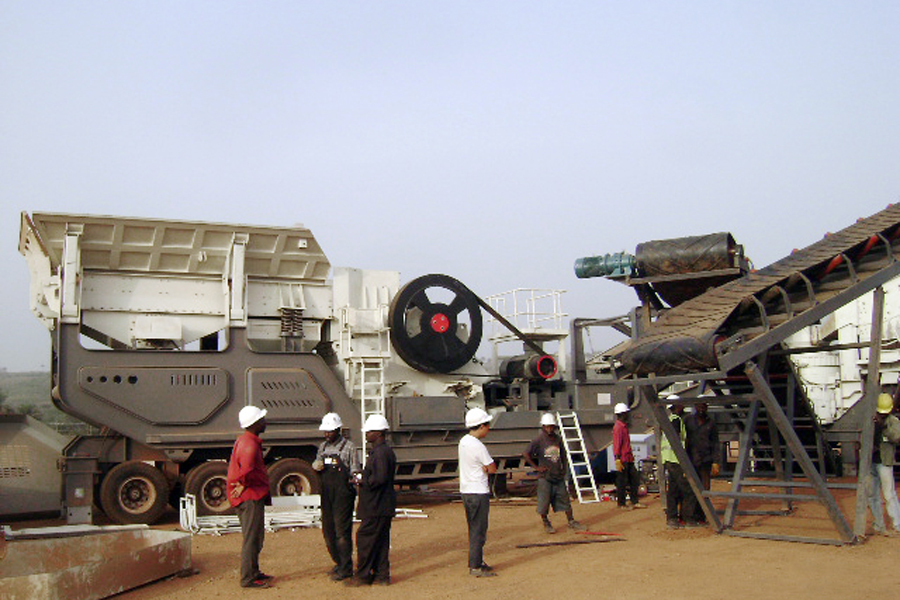
Jwaneng Mine, often described as the world’s most valuable diamond mine, produces high-value gem-quality stones, contributing disproportionately to revenue despite representing a smaller volume. Orapa, the largest diamond mine by area, supports bulk production and long-term operational stability. Together, these assets generate billions in annual export earnings, directly contributing approximately one-third of Botswana’s GDP and over half of government revenues during peak performance years.
-
De Beers, through its global sales and marketing infrastructure, ensures that Botswana-sourced diamonds reach international markets under stringent ethical and traceability standards. The company’s Global Sightholder Sales channel and advanced valuation protocols provide pricing stability and market access that benefit both Debswana and the state. In recent years, initiatives such as the Botswana Diamond Trading Company (BDTC), a joint venture between Debswana and De Beers, have enhanced local value addition by facilitating diamond sorting and sales within Gaborone.
-
Strategic negotiations between the Botswana government and De Beers have continually reshaped the partnership to favor national interest. The 2019 renegotiation of the Debswana joint venture agreement extended the partnership to 2031 and secured higher diamond sales volumes retained in-country, reinforcing Botswana’s shift toward downstream industrialization.
-
Exploration and mine life extensions remain central to sustaining dominance. Debswana is advancing brownfield developments at Orapa and Jwaneng, while investing in technology to improve recovery rates and reduce environmental impact. As global demand for ethically sourced, traceable diamonds rises, Botswana’s integrated, state-backed model offers a sustainable blueprint for resource-led development.
Beyond Diamonds: Emerging Opportunities in Coal, Copper, and Rare Earths
-
Coal: Once viewed as a marginal resource, Botswana’s coal reserves—estimated at over 212 billion tonnes—are gaining strategic significance amid growing energy security concerns. The Morupule Coal Mine, operated by Morupule Coal Mine (Pty) Ltd, remains central to domestic power generation, supplying coal to the Morupule Power Station. However, the emergence of coalbed methane (CBM) as a complementary resource is reshaping the sector’s outlook. Pilot projects by companies such as Kalahari Key Mineral Exploration have demonstrated viable gas extraction potential, positioning Botswana to diversify into cleaner energy derivatives from coal. Long-term value enhancement hinges on investment in beneficiation infrastructure, including coal-to-liquids (CTL) and gas-to-power technologies, which could transform coal into an exportable, higher-margin commodity.
-
Copper: Recent exploration success in the Kasane and Matsitama regions has rekindled interest in Botswana’s copper potential. High-grade sulphide mineralization, often associated with nickel and cobalt, signals opportunities for integrated base metal production. The emergence of green technologies and electric vehicles has elevated copper’s strategic importance, with global demand projected to rise 3–5% annually through 2030. Partnerships between junior explorers and global mining firms, such as Sandfire Resources’ acquisition of T3 Copper Mine, underscore growing confidence. Infrastructure development, including rail and power connectivity in the Northeast Greenstone Belt, will be critical to unlocking scale.
-
Rare Earth Elements (REEs): Botswana’s underexplored Proterozoic terrains host promising REE occurrences, particularly in carbonatite complexes like those near Kanye and Mmadinare. These deposits may contain high-value magnet metals—neodymium and praseodymium—critical for permanent magnets in wind turbines and EV motors. While exploration remains in early stages, government initiatives to fast-track licensing and attract specialized capital are gaining traction. A robust regulatory framework and partnerships with technology-driven explorers will be essential to advance projects from discovery to feasibility.
The diversification beyond diamonds reflects Botswana’s strategic pivot toward resource resilience and industrial maturity. Success in these sectors will depend on targeted investment, technological adoption, and integration into global critical minerals supply chains.
Government Policies and Local Empowerment in Botswana’s Mining Sector
-
Botswana’s mining sector has been shaped by a deliberate policy framework emphasizing state participation, equitable benefit-sharing, and sustainable development. Central to this framework is the principle of harnessing mineral wealth to advance national development objectives while ensuring local communities derive tangible benefits.
-
The government exercises strategic oversight through institutions such as the Botswana Diamond Trading Company (BDTC) and the Ministry of Minerals and Energy. A cornerstone policy is the requirement for joint ventures between the state and private mining firms. The 2012 Local Content Policy mandates that mining companies prioritize local procurement, employment, and skills development. This policy aims to deepen domestic value addition and reduce economic leakage.
-
Empowerment of local communities is institutionalized through mechanisms like the Citizen Entrepreneurial Development Agency (CEDA), which provides financing and training to citizen-owned enterprises seeking opportunities in mining supply chains. Additionally, the government has established the Mineral Rights Act, which clarifies ownership and revenue distribution from mineral extraction on tribal lands—historically a complex jurisdictional area.
-
Revenue generated from mining, particularly diamonds, is channeled into sovereign wealth funds such as the Pula Fund, managed by the Bank of Botswana. These funds are designed to insulate the economy from commodity price volatility and finance long-term development priorities, including infrastructure and human capital.
-
In recent years, policy emphasis has shifted toward downstream industrialization. Initiatives such as diamond polishing and manufacturing within Special Economic Zones reflect efforts to capture greater value domestically. The government also incentivizes exploration for critical minerals, aligning with global energy transition demands.
-
Despite progress, challenges persist in ensuring equitable local participation, especially for rural communities near mining operations. Ongoing reforms aim to strengthen community trusts and improve transparency in benefit distribution. Regulatory modernization, including updates to the Mines and Minerals Act, is underway to enhance environmental safeguards and community engagement requirements.
-
Overall, Botswana’s policy trajectory reflects a maturing governance model that balances fiscal prudence, inclusive growth, and intergenerational equity in resource management.
Sustainability Challenges and the Push for Green Mining Initiatives
-
Botswana’s mining sector, while foundational to national economic growth, faces mounting sustainability challenges driven by environmental degradation, water scarcity, and rising carbon emissions. The extraction and processing of diamonds, copper, nickel, and coal are resource-intensive activities, placing significant strain on the country’s arid ecosystems and limited freshwater supplies. Open-pit mines and tailings storage facilities have altered landscapes, while energy-dependent operations contribute notably to greenhouse gas emissions, undermining national climate commitments.
-
Water stress represents a critical constraint. With mining accounting for approximately 14% of national water use, competition with agriculture and domestic needs intensifies in regions already vulnerable to drought. Additionally, acid mine drainage from sulfide-bearing ores poses long-term contamination risks to groundwater, necessitating advanced mitigation strategies and perpetual monitoring.
-
Energy consumption is another pivotal concern. Most mines rely on the national grid, predominantly powered by coal-fired plants, resulting in a high carbon footprint. Transitioning to renewable energy sources remains slow, hindered by infrastructure limitations and upfront investment costs. However, recent pilot projects integrating solar power at select mining sites signal a shift toward decarbonization.
-
In response, both government and private stakeholders are advancing green mining initiatives. The Ministry of Minerals and Energy has introduced revised environmental management regulations requiring comprehensive impact assessments and closure plans. The Botswana Green Minerals Strategy, launched in 2022, promotes sustainable extraction, circular economy principles, and investment in clean technologies.
-
Leading mining companies are adopting energy-efficient equipment, water recycling systems, and digital monitoring tools to reduce ecological footprints. Debswana, for instance, has initiated carbon audits and committed to net-zero operational emissions by 2050. Exploration into alternative revenue streams—such as critical minerals for renewable energy technologies—further aligns sector growth with global sustainability trajectories.
-
Despite progress, institutional capacity, funding gaps, and inconsistent enforcement remain barriers. Sustainable mining in Botswana will require stronger public-private collaboration, transparent reporting mechanisms, and integration of environmental, social, and governance (ESG) standards across the value chain.
Frequently Asked Questions
What are the key minerals mined in Botswana?
Botswana’s mining industry is primarily centered on diamonds, which account for the majority of mineral revenues. The country hosts some of the world’s richest diamond mines, including Jwaneng and Orapa. Other key minerals include copper, nickel, coal, soda ash, and small-scale gold and phosphate mining. The discovery of new rare earth elements and battery metals is expanding Botswana’s strategic role in the global energy transition.
How does Debswana influence the mining sector in Botswana?
Debswana, a 50:50 joint venture between the Botswana government and De Beers, is the backbone of the country’s diamond mining operations. Managing major mines like Jwaneng, Orapa, Letlhakane, and Damtshaa, Debswana contributes significantly to GDP, employment, and government revenue. Its long-term planning and community development programs set industry benchmarks for sustainable and inclusive mining practices.
What role does the Botswana government play in regulating mining?
The Ministry of Minerals and Energy oversees the mining sector, enforcing compliance through the Mines and Minerals Act. The government holds equity in strategic projects via the state-owned Minerals Income Investment Fund (MIIF), ensuring national interest in mineral wealth. Licensing, environmental regulation, and community impact assessments are tightly controlled to balance investment attraction with sustainable resource management.
How is Botswana diversifying beyond diamond dependency?
Botswana is actively pursuing mineral diversification to reduce reliance on diamonds. Initiatives include expanding coal-to-power projects, developing copper-nickel-cobalt deposits like those at Tati Nickel, and exploring lithium and rare earths for battery supply chains. The government incentivizes value addition through local beneficiation policies and supports downstream industries such as metal refining and solar-grade silicon production.
What are the environmental challenges facing mining in Botswana?
Mining operations face significant environmental challenges due to Botswana’s arid climate and water scarcity. Key concerns include groundwater depletion, dust emissions, and land degradation. Operators must comply with stringent environmental management plans, and there’s growing emphasis on mine closure planning, biodiversity offsetting, and adopting dry-processing technologies to minimize ecological footprints.
How does Botswana ensure local content and community benefit in mining?
Botswana mandates local employment, procurement, and ownership in mining projects. The Local Content Policy requires mining companies to prioritize Batswana in hiring and sourcing. Community trust arrangements, such as those established around Debswana mines, ensure direct benefits through infrastructure, education, and healthcare investments, aligning corporate social responsibility with national development goals.
What impact does lithium exploration have on Botswana’s mining future?
Lithium exploration positions Botswana at the forefront of the clean energy economy. Projects like the Mmamabodole and Xuda prospects indicate substantial hard-rock lithium potential. Strategic partnerships with international battery and automotive companies are being pursued to develop integrated supply chains. Botswana aims to become a regional hub for battery materials processing, enhancing downstream value capture.
How does Botswana attract foreign direct investment in mining?
Botswana maintains a stable political climate, transparent legal framework, and strong rule of law—key drivers of investor confidence. The government offers fiscal incentives, streamlines licensing through the One-Stop Shop Investment Center, and negotiates favorable joint ventures. Its reputation for low corruption and adherence to international reporting standards (e.g., EITI) further enhances its attractiveness to global mining firms.
What technological advancements are being adopted in Botswana’s mines?
Leading mines in Botswana are integrating automation, real-time data analytics, and remote monitoring systems. Debswana has introduced autonomous haulage systems and predictive maintenance tools to improve safety and efficiency. Exploration is increasingly using airborne geophysics and AI-driven data modeling to identify new deposits, reducing risk and cutting discovery timelines.
How does mining contribute to Botswana’s economic development?
Mining contributes around 25% of Botswana’s GDP and over 70% of export earnings, predominantly from diamonds. It supports over 15,000 direct jobs and many more indirectly. Revenue funds public infrastructure, health, and education via sovereign wealth mechanisms like the Pula Fund. Crucially, mining revenues have enabled Botswana’s transition from low-income to upper-middle-income status since independence.
What are the challenges of deep-level mining in Botswana?
As surface deposits deplete, Botswana faces increasing technical and financial challenges with deep-level mining. Issues include higher capital costs, geotechnical instability, heat management, and energy demands. Projects like the Orapa 2020 underground expansion require advanced engineering, skilled labor, and robust ventilation systems, necessitating partnerships with global mining contractors and technology providers.
How is Botswana advancing mine closure and post-mining land use?
Botswana enforces progressive mine closure planning under environmental regulations. The government requires financial assurance bonds and detailed rehabilitation plans before mine approval. Post-mining land use strategies include conversion to agriculture, renewable energy sites (e.g., solar farms), or industrial zones. The Morupule Coal Mine repurposing study exemplifies efforts to ensure sustainable transitions after mining concludes.