Table of Contents
- Understanding Manganese Ore Beneficiation and Its Economic Importance
- Crushing and Grinding: The Foundation of Manganese Ore Processing
- Gravity Separation and Magnetic Concentration Techniques Explained
- Flotation and Chemical Leaching: Advanced Methods for High-Grade Manganese
- Challenges and Innovations in Modern Manganese Ore Beneficiation Plants
- Frequently Asked Questions
- What is the purpose of beneficiation in manganese ore processing?
- Which physical methods are most effective for manganese ore beneficiation?
- How does ore composition influence the choice of beneficiation technique?
- Can flotation be used effectively in manganese ore upgrading?
- What role does particle size play in manganese ore beneficiation?
- How is high-intensity magnetic separation applied in manganese beneficiation?
- What are the challenges in beneficiating low-grade manganese ores?
- Is chemical beneficiation viable for refractory manganese ores?
- How does dry versus wet processing impact manganese beneficiation?
- What are the latest innovations in manganese ore beneficiation technology?
- How do environmental regulations influence manganese ore beneficiation?
- What is the economic impact of efficient manganese ore beneficiation?
Manganese ore beneficiation is a pivotal step in transforming low-grade deposits into high-value industrial feedstock, ensuring efficiency and sustainability across metallurgical and chemical sectors. As global demand for manganese intensifies—driven by its critical role in steelmaking, battery technologies, and alloy production—the need for advanced beneficiation techniques has never been more pronounced. Extracting economic value from complex, fine-grained, or impure manganese ores requires sophisticated physical and chemical processing methods tailored to the ore’s mineralogical composition. From gravity separation and magnetic concentration to froth flotation and leaching, modern beneficiation processes are engineered to maximize manganese recovery while minimizing environmental impact. These technologies not only enhance ore quality but also extend the life of existing reserves, supporting a more circular and resource-efficient industry. As innovation accelerates in response to evolving market and environmental demands, the strategic importance of effective manganese ore beneficiation continues to grow, shaping the future of resource utilization in high-tech and heavy industrial applications alike.
Understanding Manganese Ore Beneficiation and Its Economic Importance
-
Manganese ore beneficiation is a critical metallurgical process that enhances the grade and quality of raw manganese-bearing materials by removing deleterious impurities such as silica, alumina, and phosphorus. The primary objective is to increase the manganese-to-iron ratio and achieve a product suitable for downstream applications, particularly in ferromanganese and silicomanganese production, which are essential in steelmaking.
-
Raw manganese ores typically exhibit low manganese content (20–35% Mn), rendering them unsuitable for direct smelting. Beneficiation bridges this gap by employing a combination of physical and chemical techniques tailored to the ore’s mineralogy. Common methods include crushing, grinding, gravity separation, magnetic separation, and flotation. For refractory ores, more advanced approaches such as leaching or roasting may be deployed to liberate manganese minerals like pyrolusite, psilomelane, and rhodochrosite.
-
Gravity separation remains the most widely used technique due to its cost-effectiveness and efficiency in treating coarse, free-grained ores. Jigs and shaking tables are commonly used to exploit density differences between manganese minerals and gangue. Magnetic separation is effective for paramagnetic minerals such as pyrolusite, especially when fine grinding is required. Flotation is reserved for complex, fine-grained ores where selective separation is necessary.
-
The economic importance of beneficiation cannot be overstated. High-grade manganese ore (>44% Mn) commands premium prices and is in high demand from integrated steel producers seeking to optimize furnace efficiency and reduce slag volume. By upgrading low-grade domestic ores, countries can reduce import dependency, enhance resource utilization, and improve trade balances.
-
Moreover, beneficiation extends mine life by making marginal deposits economically viable. It also supports environmental sustainability by minimizing waste sent to tailings facilities and reducing energy consumption during smelting. With global manganese demand rising—driven by stainless steel production and emerging applications in battery technologies such as lithium-manganese oxide (LMO) cathodes—the role of efficient beneficiation becomes increasingly strategic.
-
Investment in beneficiation infrastructure, coupled with process optimization through automation and sensor-based sorting, ensures competitiveness in the global manganese supply chain.
Crushing and Grinding: The Foundation of Manganese Ore Processing
-
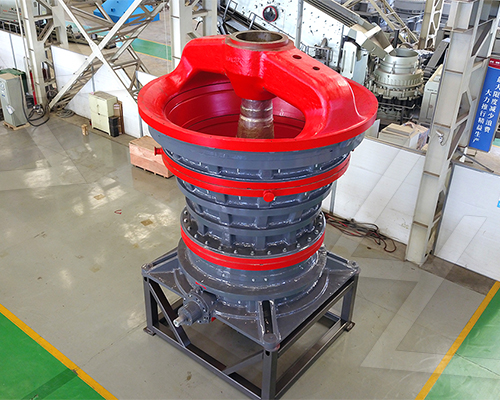
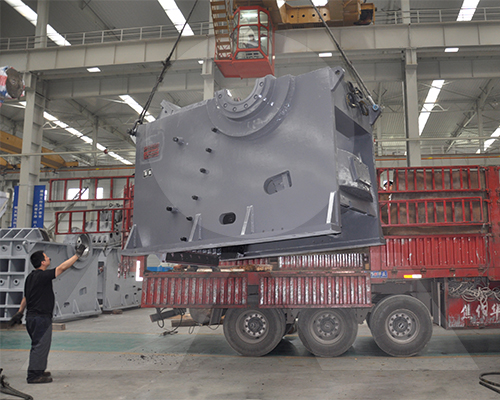
Primary crushing reduces run-of-mine manganese ore from extraction sizes (typically 500–800 mm) to below 100–150 mm, using robust equipment such as jaw or gyratory crushers. This stage is critical to prepare feed material for secondary crushing and subsequent grinding circuits.
-
Secondary and tertiary crushing further reduce particle size to 10–25 mm, commonly employing cone or impact crushers. At this stage, liberation of manganese minerals from gangue materials begins to take shape, though full liberation typically requires finer grinding.
-
Grinding follows crushing and is essential for achieving the degree of mineral liberation necessary for effective separation. Ball mills, rod mills, or autogenous/semi-autogenous (AG/SAG) grinding systems are employed to reduce particle size to 75–150 µm. The choice of grinding technology depends on ore hardness, throughput requirements, and desired liberation characteristics.
-
Over-grinding must be avoided, as it increases energy consumption, generates excessive slimes, and may lead to processing challenges in downstream operations such as gravity or magnetic separation. Conversely, under-grinding compromises liberation and reduces recovery efficiency.
-
Closed-circuit grinding with hydrocyclones or classifiers ensures consistent product size distribution by recirculating oversize material back to the mill. This feedback mechanism enhances process control and optimizes energy utilization.
-
Manganese ores vary significantly in hardness and friability; thus, crushing and grinding circuits must be tailored to specific ore characteristics. For instance, high-manganese oxide ores may require less aggressive grinding compared to siliceous or carbonate-rich feedstocks.
-
Process monitoring through online particle size analyzers and power draw tracking enables real-time optimization. Proper circuit design, including robust feed control and wear-resistant materials in critical components, ensures sustained operational efficiency.
-
The energy intensity of size reduction—particularly grinding—represents a major operating cost. Energy-efficient technologies, such as high-pressure grinding rolls (HPGR) in comminution circuits, are increasingly evaluated for integration into manganese processing plants to reduce specific energy consumption.
-
Ultimately, the effectiveness of downstream beneficiation techniques—whether gravity, magnetic, or flotation-based—is directly contingent upon the precision and consistency of the crushing and grinding stages. A well-designed comminution circuit lays the foundation for high recovery and product quality in manganese ore processing.
Gravity Separation and Magnetic Concentration Techniques Explained
-
Gravity separation and magnetic concentration are foundational techniques in manganese ore beneficiation, employed to upgrade ore quality by exploiting differences in physical properties between manganese minerals and associated gangue.
-
Gravity separation operates on the principle of differential movement of particles in a fluid medium under the influence of gravity. Given that manganese minerals such as pyrolusite (MnO₂), psilomelane, and rhodochrosite exhibit higher specific gravity (4.5–5.2 g/cm³) compared to common silicate gangue (2.6–2.8 g/cm³), this technique effectively separates valuable minerals from waste. Equipment including jigs, shaking tables, spiral concentrators, and centrifugal concentrators are widely used. Jigging is particularly effective for coarse to medium-sized feed (1–25 mm), while shaking tables offer high-precision separation for finer fractions. Efficiency depends on particle size distribution, liberation degree, and feed homogeneity. Pre-concentration via gravity methods reduces downstream processing load and improves overall process economics.
-
Magnetic concentration leverages the paramagnetic nature of manganese oxides, which exhibit moderate magnetic susceptibility relative to diamagnetic gangue minerals. High-intensity magnetic separators (HIMS), operating at fields between 0.8 and 2.0 Tesla, are standard for processing manganese ores. Induced roll magnetic separators (IRMS) and wet high-intensity magnetic separators (WHIMS) are commonly deployed based on ore moisture content and particle size. WHIMS is preferred for fine, slurry-based feeds, achieving selective recovery of manganese values while rejecting quartz and carbonate contaminants. Magnetic separation is especially effective for low-grade ores where manganese is finely disseminated, and liberation is achieved through fine grinding.
-
The integration of gravity and magnetic methods is typical in industrial flowsheets. Gravity separation often serves as a primary pre-concentration step, removing coarse gangue, followed by magnetic concentration to recover fine manganese values. This sequential approach optimizes recovery and concentrate grade, particularly for complex, heterogeneous ores. Process efficiency is contingent upon comprehensive ore characterization, precise control of feed parameters, and equipment alignment with ore mineralogy.
-
Both techniques are energy-efficient, reagent-free, and environmentally favorable, making them sustainable options in modern beneficiation plants.
Flotation and Chemical Leaching: Advanced Methods for High-Grade Manganese
- Flotation and chemical leaching represent two advanced beneficiation pathways critical for upgrading low-grade and complex manganese ores to meet stringent metallurgical specifications. These methods are particularly effective when conventional gravity or magnetic separation fails to achieve adequate manganese recovery or concentrate grade.
Flotation leverages differences in surface chemistry to separate manganese-bearing minerals—typically rhodochrosite (MnCO₃) or pyrolusite (MnO₂)—from gangue phases such as silicates, carbonates, and iron oxides. Successful flotation requires precise control of pulp pH (typically 7–9), reagent selection, and particle size distribution. Anionic collectors like fatty acids or hydroxamates are commonly employed to selectively bind to manganese oxide surfaces, while depressants such as sodium silicate or starch suppress gangue minerals. Reverse flotation may also be applied to remove quartz and siliceous impurities using cationic collectors. Column flotation has demonstrated superior selectivity and recovery over conventional mechanical cells due to enhanced bubble-particle collision efficiency and improved froth washing.
Chemical leaching complements flotation, especially for ores with fine dissemination or complex mineralogy. Sulfuric acid leaching is the most industrially viable method, operating at ambient to moderate temperatures (25–90°C) to dissolve manganese from oxidized ores. The reaction with MnO₂ is reductant-dependent; common reducing agents include SO₂, glucose, or pyrite, which facilitate the conversion:
MnO₂ + 2H⁺ + H₂C₂O₄ → Mn²⁺ + 2H₂O + 2CO₂
Leach solutions are then purified via pH adjustment, solvent extraction, or precipitation to remove Fe, Al, and heavy metals before electrowinning or crystallization yields high-purity manganese products.
Both methods face challenges: flotation is sensitive to slimes and reagent costs, while leaching generates acidic effluents requiring neutralization and metal recovery. However, hybrid flowsheets integrating flotation pre-concentration followed by selective leaching of concentrates offer synergistic benefits—reducing acid consumption, minimizing waste volume, and enhancing overall process economics.
Recent advances include sensor-based ore sorting to reduce leaching feed mass and development of eco-friendly collectors and bio-leaching agents. These innovations, supported by process modeling and automation, are expanding the viability of marginal deposits, reinforcing flotation and leaching as cornerstone technologies in modern manganese beneficiation.
Challenges and Innovations in Modern Manganese Ore Beneficiation Plants
- High-grade manganese ore reserves are diminishing globally, forcing beneficiation plants to process lower-grade, complex ores with fine-grained, disseminated mineralogy, increasing processing challenges.
- Fine particle size distribution necessitates advanced grinding circuits, but excessive grinding raises energy costs and promotes slime formation, which impedes downstream separation efficiency.
- Siliceous and aluminous gangue minerals exhibit similar physical properties to manganese oxides, limiting the effectiveness of traditional gravity and magnetic separation. This demands multi-stage, hybrid beneficiation approaches.
- Fluctuating ore composition due to heterogeneous deposits disrupts process stability, requiring real-time monitoring and adaptive control systems for consistent concentrate quality.
- Water scarcity and environmental regulations compel plants to adopt closed-loop water recycling systems; however, dissolved ions and fine slimes accumulate in recirculated water, affecting flocculation and flotation performance.
In response, modern plants integrate modular, sensor-based ore sorting upstream to reject waste early, reducing load on downstream units and improving overall efficiency. X-ray transmission (XRT) and electromagnetic sensors enable pre-concentration with accuracy aligned to ore texture and liberation size.
Process intensification is achieved through high-intensity magnetic separation (HIMS) using rare-earth roll magnets, capable of capturing ultrafine paramagnetic particles down to 10 µm. This is often combined with wet high-intensity magnetic separators (WHIMS) for polishing streams with complex mineral associations.
Flotation technologies have evolved with selective depressants and collectors tailored to manganese oxide–silicate systems. Multi-stage reverse flotation minimizes silica and alumina, achieving Mn/Fe and Mn/Si ratio enhancements critical for ferromanganese production.
Digitalization plays a transformative role: plant-wide automation, coupled with machine learning algorithms, enables predictive maintenance and real-time grade control via online analyzers (e.g., PGNAA). This ensures consistent product specifications despite feed variability.
Tailings management innovations include paste thickening and dry stacking, reducing environmental footprint and seepage risks. Concurrently, research focuses on hydrometallurgical routes for ultra-fines and slimes, where conventional methods fail, using selective leaching with reductants like SO₂ or organic acids.
These innovations collectively enhance recovery, reduce energy intensity, and align manganese beneficiation with sustainability imperatives in the modern metallurgical landscape.
Frequently Asked Questions
What is the purpose of beneficiation in manganese ore processing?
Beneficiation of manganese ore is essential to upgrade the ore’s manganese content by removing impurities such as silica, alumina, and iron oxides. This process enhances the quality of the ore for use in ferromanganese and silicomanganese alloy production, ensuring efficient smelting, reduced energy consumption, and lower flux requirements in metallurgical processes.
Which physical methods are most effective for manganese ore beneficiation?
The most effective physical beneficiation methods include gravity separation (using jigs, spirals, and shaking tables), magnetic separation (particularly for ores with magnetic impurities), and flotation. High-intensity magnetic separation is often used for feebly magnetic manganese minerals like psilomelane, while gravity techniques are ideal for coarse particles with density differences from gangue.
How does ore composition influence the choice of beneficiation technique?
The mineralogy—such as the presence of pyrolusite, psilomelane, manganite, or rhodochrosite—and the nature of the gangue (siliceous, aluminous, or ferruginous) dictate the optimal beneficiation route. For example, siliceous gangue responds well to gravity separation, while aluminous impurities may necessitate froth flotation or selective agglomeration due to similar densities.
Can flotation be used effectively in manganese ore upgrading?
Yes, froth flotation is highly effective for fine-grained manganese ores with complex mineral associations. Reverse anionic flotation removes silicate gangue using depressants like starch and collectors such as fatty acids or hydroxamates. Column flotation and carrier flotation techniques further enhance recovery and grade, especially for slimes below 50 microns.
What role does particle size play in manganese ore beneficiation?
Particle size critically affects liberation and separation efficiency. Optimal grinding ensures sufficient liberation of manganese minerals from gangue without over-pulverization, which increases slimes and hinders gravity separation. Typically, coarse fractions (>75 µm) are treated via gravity methods, while fines require flotation or magnetic separation.
How is high-intensity magnetic separation applied in manganese beneficiation?
High-intensity magnetic separators (induced roll or roll-type) are used to recover paramagnetic manganese minerals such as pyrolusite and psilomelane at intensities ranging from 8,000 to 20,000 Gauss. This method effectively separates manganese from non-magnetic gangue, especially in low-grade ores, achieving Mn/Fe ratio improvements and higher concentrate grades.
What are the challenges in beneficiating low-grade manganese ores?
Low-grade ores (below 35% Mn) present challenges such as fine dissemination of manganese minerals, high silica/alumina content, and presence of slimes. These require sophisticated flowsheets combining multiple techniques—comminution, gravity, magnetic separation, and flotation—along with advanced process mineralogy to optimize recovery and economic viability.
Is chemical beneficiation viable for refractory manganese ores?
Yes, chemical leaching using reducing agents (like SO₂, Na₂S₂O₅, or glucose) in dilute sulfuric acid is effective for refractory manganese ores where physical methods fail. This reductive leaching dissolves MnO₂ into Mn²⁺, selectively separating it from gangue, followed by purification and precipitation to obtain high-purity manganese compounds.
How does dry versus wet processing impact manganese beneficiation?
Wet processing is dominant due to better dust control, improved separation efficiency, and suitability for fine particles. However, dry processing (dry magnetic separation or pneumatic separation) is gaining traction in arid regions to conserve water. It is limited to coarser feeds and may suffer from lower selectivity and recovery compared to wet methods.
What are the latest innovations in manganese ore beneficiation technology?
Recent advances include sensor-based ore sorting (XRT or laser), selective flocculation for slime processing, microwave-assisted liberation, and high-gradient magnetic separation (HGMS). Additionally, hybrid circuits combining gravity, magnetic, and flotation modules, optimized via 3D ore characterization and process simulation, are improving efficiency and sustainability.
How do environmental regulations influence manganese ore beneficiation?
Environmental regulations drive the adoption of closed-loop water circuits, non-toxic reagents (e.g., eco-friendly flotation collectors), and tailings reprocessing to minimize waste discharge. Regulatory compliance also encourages dewatering technologies and proper tailings dam management to prevent contamination of water resources.
What is the economic impact of efficient manganese ore beneficiation?
Efficient beneficiation significantly reduces transport and smelting costs by upgrading ore at the source. It improves Mn recovery, lowers energy consumption in downstream processes, and enables utilization of low-grade and complex deposits—thereby enhancing project economics and extending mine life in a competitive ferroalloy market.