Table of Contents
Limestone Washing Plant: Enhancing Quality and Efficiency in Aggregate Production
In the construction, cement, and industrial sectors, limestone is one of the most widely used raw materials due to its abundance and versatility. However, raw limestone extracted from quarries often contains impurities such as clay, silt, dust, and organic matter that can compromise its quality and performance. To address this challenge, a limestone washing plant plays a crucial role in processing raw limestone into a clean, high-quality product suitable for various applications.
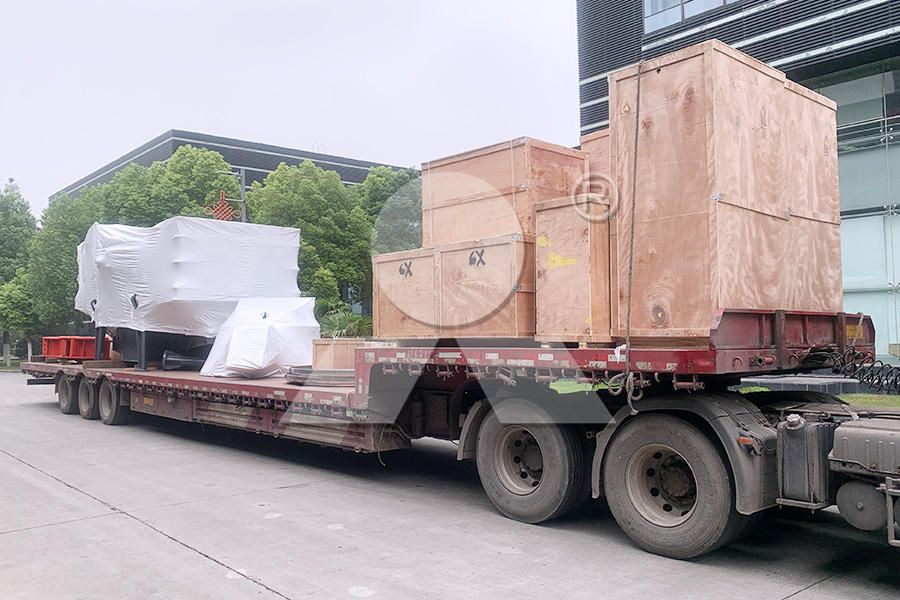
What is a Limestone Washing Plant?
A limestone washing plant is a specialized facility designed to clean and classify raw limestone aggregates. It employs mechanical and hydraulic processes to remove unwanted contaminants, ensuring that the final product meets industry standards for purity, particle size distribution, and consistency. These plants are commonly integrated into quarry operations or standalone processing units serving multiple sources.
Key Components of a Limestone Washing Plant
-
Feeding System:
Raw limestone is delivered via dump trucks or conveyors to a vibrating feeder or hopper. This system ensures a steady and controlled flow of material into the washing process. -
Pre-Screening Unit:
A vibrating screen or scalping screen removes oversized rocks and large debris before washing. This step improves efficiency by preventing blockages and reducing wear on downstream equipment. -
Log Washer or Attrition Scrubber:
This component is critical for breaking down clay lumps and scrubbing off fine particles adhered to the limestone surface. The log washer uses rotating paddles in a water bath to agitate the material, effectively separating impurities. -
Sand Screw Classifier or Fine Material Washer:
After scrubbing, the material passes through a spiral or screw classifier that separates fine particles (such as silt and clay) from usable sand-sized fractions. Water flow carries away fines, while clean aggregate is discharged. -
Dewatering Screen or Hydrocyclone System:
To reduce moisture content in the final product, dewatering screens or hydrocyclones are used. These systems remove excess water from sand and fine aggregates, making them easier to handle, store, and transport. -
Water Recycling System:
Modern limestone washing plants incorporate closed-loop water recycling systems to minimize freshwater consumption and environmental impact. Settling tanks or thickener units allow solids to settle out so that clean water can be reused in the washing process. -
Conveyor Systems & Stockpiling:
Cleaned and dewatered limestone products are transported via conveyor belts to designated stockpiles based on size fractions (e.g., coarse aggregate, fine sand).
Benefits of Using a Limestone Washing Plant
- Improved Product Quality: Removes contaminants that could weaken concrete or reduce efficiency in industrial processes.
- Higher Market Value: Clean, consistent aggregates command better prices in construction and manufacturing markets.
- Compliance with Standards: Helps meet specifications set by ASTM, EN, or other regulatory bodies for construction materials.
- Environmental Sustainability: Water recycling reduces discharge of slurry into the environment; efficient use of resources supports green operations.
- Increased Operational Efficiency: Automation and modular designs allow for continuous operation with minimal downtime.
Applications of Washed Limestone
Washed limestone is used across multiple industries:
- Construction: As aggregate in concrete, asphalt, road base layers.
- Cement Production: As a key raw ingredient in clinker manufacturing.
- Agriculture: In soil stabilization and pH correction.
- Chemical Industry: For flue gas desulfurization (FGD), glass making, and calcium carbonate production.
Conclusion
A well-designed limestone washing plant is essential for transforming raw quarry material into market-ready products with consistent quality. By removing impurities through effective scrubbing, classification, and dewatering processes, these plants enhance both economic returns and environmental performance. As demand for high-purity aggregates continues to grow globally, investment in advanced washing technology will remain a strategic priority for quarry operators and industrial processors alike.
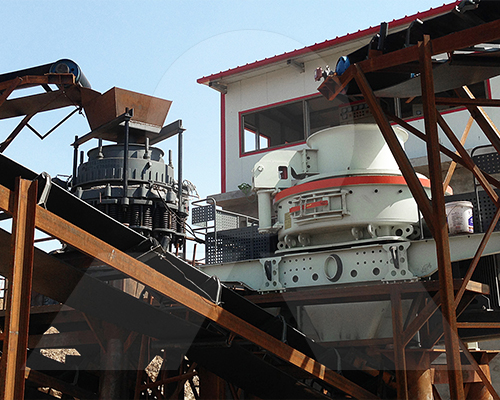
With ongoing innovations in automation, energy efficiency, and water recovery systems, the future of limestone washing plants looks increasingly sustainable—ensuring cleaner products for a greener world.