Table of Contents
- How Jaw Crushers Revolutionize Primary Crushing in Processing Plants
- Critical Applications of Jaw Crushers Across Mining and Recycling Industries
- Understanding Jaw Crusher Mechanics for Optimal Processing Efficiency
- Factors Influencing Jaw Crusher Performance in Industrial Processing
- Maximizing ROI with Proper Jaw Crusher Selection and Maintenance
- Frequently Asked Questions
- What is the primary role of a jaw crusher in mineral processing?
- How does a jaw crusher differ from other types of crushers in processing applications?
- What materials are jaw crushers best suited for in processing circuits?
- What are key design considerations when selecting a jaw crusher for processing plants?
- How does the nip angle affect jaw crusher performance in processing?
- What maintenance practices maximize the lifespan of a jaw crusher in continuous processing?
- How does closed-side setting (CSS) influence product size and crusher efficiency?
- What are common failure modes in jaw crushers and how are they mitigated in processing environments?
- Can jaw crushers be used in recycling applications, and what modifications are needed?
- How does feed gradation impact the performance of a jaw crusher in processing circuits?
- What safety protocols are essential when operating a jaw crusher in industrial processing?
- How are modern jaw crushers integrated into automated processing plants?
How Jaw Crushers Revolutionize Primary Crushing in Processing Plants
-
Jaw crushers serve as the cornerstone of primary crushing operations in mineral processing, aggregate production, and recycling facilities due to their robust design, reliability, and ability to handle high-volume feed of abrasive materials. Their fundamental role lies in reducing large, raw feedstock—often directly from quarries or mines—into manageable sizes suitable for downstream processing.
-
The operational principle of a jaw crusher relies on compressive force generated between a fixed and a movable jaw plate. The movable jaw, driven by an eccentric shaft, executes a reciprocating motion, drawing material into the crushing chamber and exerting immense pressure to fracture it. This simple yet effective mechanism enables consistent size reduction of hard and tough materials such as granite, basalt, and iron ore.
-
One of the primary advantages of jaw crushers in primary applications is their ability to accept irregularly shaped and oversized feed. Their large feed openings allow for direct processing of run-of-mine material, minimizing the need for pre-screening and reducing operational bottlenecks. This capability significantly enhances throughput efficiency and lowers handling costs at the initial stage of processing.
-
Modern jaw crushers incorporate advanced engineering features such as optimized toggle systems, hydraulic adjustment mechanisms, and overload protection. These improvements enhance operational safety, reduce downtime, and allow for precise control over discharge settings, ensuring uniform product size distribution and minimizing fines generation.
-
In processing plants, the integration of jaw crushers contributes directly to overall plant efficiency. Their high reduction ratios—typically ranging from 6:1 to 8:1—enable substantial size reduction in a single pass, reducing the load on secondary and tertiary crushing stages. This cascading effect enhances energy efficiency and extends the service life of downstream equipment.
-
Furthermore, jaw crushers are engineered for durability, with wear parts constructed from high-strength manganese steel alloys. This resilience ensures sustained performance in harsh operating conditions, minimizing maintenance frequency and maximizing uptime.
-
As primary crushers, jaw crushers provide unmatched versatility across industries—from mining and quarrying to demolition waste recycling—making them indispensable in modern material processing infrastructure. Their proven reliability, scalability, and operational efficiency continue to set the standard for primary crushing performance.
Critical Applications of Jaw Crushers Across Mining and Recycling Industries
- Primary ore reduction in hard rock mining operations
- Run-of-mine (ROM) material processing in base and precious metal extraction
- In-pit primary crushing for efficient haulage and transport optimization
- Construction and demolition waste (C&D) recycling
- Asphalt and concrete recycling in urban redevelopment
- Scrap concrete processing for aggregate reuse in infrastructure projects
- Electronic waste (e-waste) dismantling and component liberation
- Ferrous and non-ferrous metal recovery from shredded feedstock
Jaw crushers serve as the foundational unit in primary crushing circuits across mining and recycling sectors, where their robust design and high compression force enable efficient size reduction of exceptionally hard and abrasive materials. In mining, they are indispensable for processing run-of-mine ore from open-pit and underground operations, particularly for commodities such as iron, copper, gold, and lithium. Their ability to handle large feed sizes and deliver consistent output makes them ideal for primary reduction, directly impacting downstream throughput and mineral liberation efficiency.
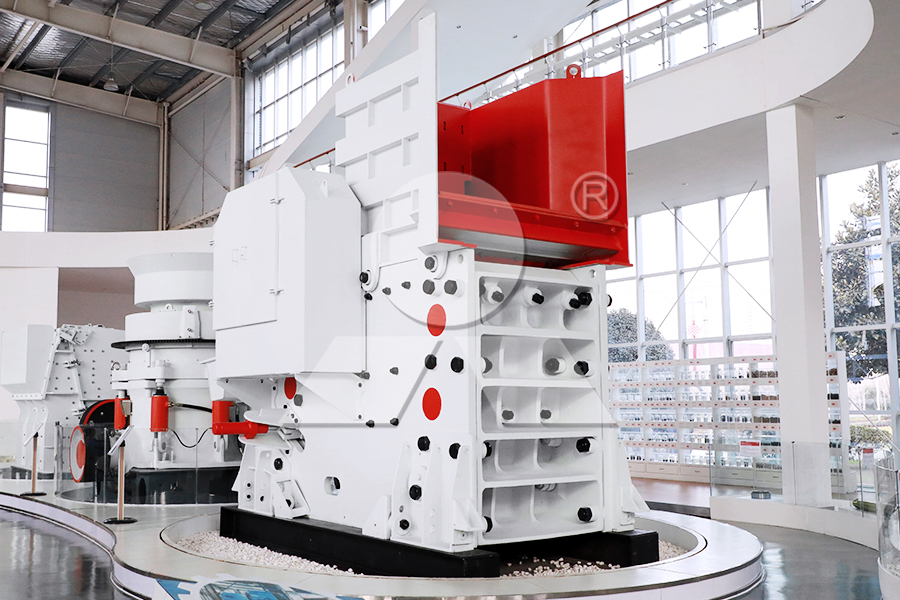
The design advantages—fixed and movable jaw plates generating compressive force via an eccentric shaft—allow reliable operation under extreme conditions with minimal maintenance downtime. This mechanical resilience is critical in remote mining environments where operational continuity is paramount.
In recycling applications, jaw crushers play an equally vital role in sustainable material recovery. They are extensively deployed to process construction and demolition debris, transforming discarded concrete and masonry into reusable aggregates. This supports circular economy objectives by reducing landfill dependency and virgin resource extraction. Similarly, in scrap processing, jaw crushers assist in breaking down complex waste streams, including reinforced concrete and mixed-metal assemblies, enabling efficient separation and recovery of valuable components.
Recent advancements in toggle system design and material science have enhanced wear part longevity and energy efficiency, further improving total cost of ownership. Integration with automation and condition monitoring systems now allows real-time performance optimization, feed regulation, and predictive maintenance scheduling.
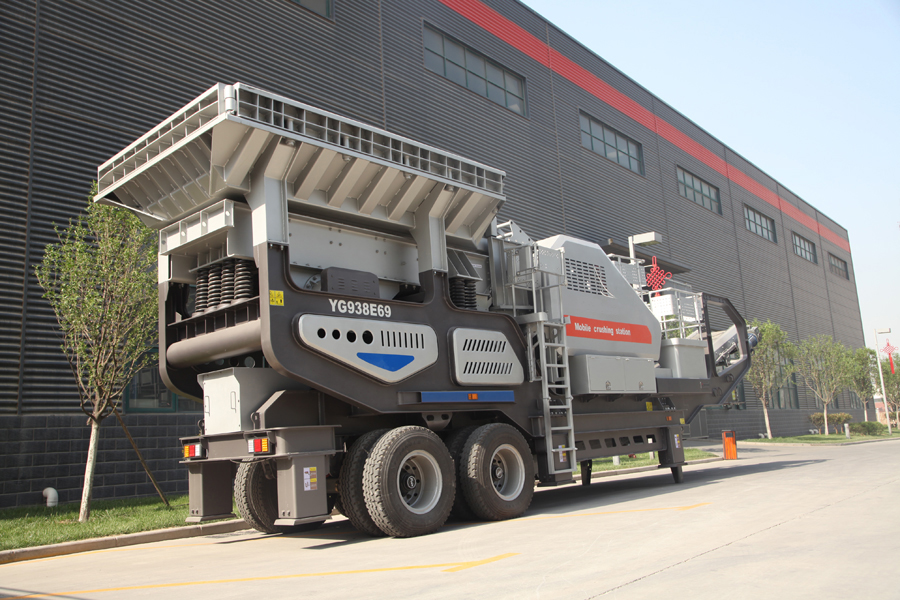
The scalability of jaw crushers—from compact mobile units to large stationary installations—ensures adaptability across diverse operational scales. Their continued evolution underscores their irreplaceable role in both resource extraction and environmental stewardship, where material integrity, throughput reliability, and operational economy remain non-negotiable.
Understanding Jaw Crusher Mechanics for Optimal Processing Efficiency
- Jaw crushers operate on the principle of compressive force to fracture hard, abrasive materials between two surfaces: a fixed and a movable jaw.
- The fixed jaw, mounted vertically or slightly inclined, forms the crushing chamber with the movable jaw, which executes reciprocating motion via an eccentric shaft driven by a motor.
- Material is fed into the top of the chamber and progressively reduced in size as it travels downward due to repeated compression cycles.
- The smallest discharge dimension, known as the closed-side setting (CSS), governs final product size and must be precisely calibrated to balance throughput and product specification.
Efficiency hinges on several interdependent mechanical parameters:
| Parameter | Influence on Efficiency |
|---|---|
| Eccentric shaft speed | Higher speeds increase reduction rate but may cause excessive wear or choking if feed rate is mismatched |
| CSS adjustment | Optimal settings ensure uniform particle size and prevent over-crushing or blockages |
| Nip angle | Typically 18°–22°; angles beyond this range reduce grip and lead to material slipping, lowering throughput |
| Stroke length | Adequate stroke ensures effective material displacement per cycle; too short reduces capacity, too long induces vibration |
- The toggle system, traditionally a double-toggle mechanism, applies consistent pressure and protects the crusher from uncrushable objects by allowing controlled release.
- Modern hydraulic adjustment and relief systems enhance operational safety and reduce downtime during blockages.
- Wear parts—particularly jaw plates—must be constructed from high-manganese steel or composite alloys to resist abrasion and maintain geometry over time.
- Feed distribution across the entire inlet width prevents uneven wear and maximizes chamber utilization.
- Pre-screening feed material to remove fines reduces unnecessary processing and mitigates packing, which can diminish effective stroke.
Optimal performance is achieved not only through mechanical precision but also through alignment with material characteristics—such as compressive strength, moisture content, and feed top size.
- Overloading or underutilizing the chamber disrupts the compression-fracture cycle, increasing energy consumption per ton.
- Monitoring power draw, vibration signatures, and product gradation enables predictive maintenance and real-time optimization.
Ultimately, efficient jaw crushing is not solely a function of equipment design but of integrated operational discipline—ensuring correct setup, consistent feed control, and proactive maintenance.
Factors Influencing Jaw Crusher Performance in Industrial Processing
-
Material properties significantly impact jaw crusher performance. Hardness, abrasiveness, moisture content, and feed size distribution dictate wear rates, throughput capacity, and energy consumption. Harder and more abrasive materials accelerate liner wear, requiring frequent maintenance and reducing operational uptime. High moisture content promotes material sticking, leading to blockages and reduced crushing efficiency.
-
Feed gradation plays a critical role. A consistent, uniformly sized feed optimizes crusher loading and reduces choking. Excessive fines in the feed stream can create packing in the crushing chamber, diminishing productivity and increasing power draw. Conversely, oversized feed particles may cause bridging or overload the crusher, increasing mechanical stress and risk of failure.
-
Closed-side setting (CSS) directly influences product size and throughput. A tighter CSS produces finer output but reduces capacity and increases power requirements and liner wear. Optimal CSS is determined by downstream process needs and must balance product quality with operational efficiency.
-
Jaw motion and toggle mechanism design affect crushing action and material flow. Modern crushers utilize either simple or complex toggle systems. Complex toggle designs typically offer higher throughput and more consistent particle size reduction due to enhanced compressive action and reduced plugging tendencies.
-
Operating parameters such as speed, nip angle, and feed rate must be precisely calibrated. An excessive nip angle may result in material slipping rather than being crushed, reducing efficiency. Feed rate must match crusher capacity to prevent underloading or overloading, both of which degrade performance and increase wear.
-
Liner material and profile design influence wear life and crushing efficiency. Manganese steel liners are common for their work-hardening properties, while advanced composite alloys offer improved wear resistance in highly abrasive applications. Liner geometry affects particle flow and crushing force distribution.
-
Proper lubrication and cooling systems are essential for sustained performance. Inadequate lubrication leads to premature bearing failure and increased downtime. Hydraulic adjustment and overload protection systems enhance reliability by allowing real-time CSS adjustments and protecting against uncrushable objects.
-
Finally, integration within the processing circuit determines overall effectiveness. Upstream scalping screens and downstream conveyors or screens must be synchronized with crusher output to avoid bottlenecks. Automation and condition monitoring systems enable proactive maintenance and optimize operational parameters in real time.
Maximizing ROI with Proper Jaw Crusher Selection and Maintenance
-
Proper jaw crusher selection and proactive maintenance are fundamental to maximizing return on investment (ROI) in aggregate and mineral processing operations. Selecting a jaw crusher is not solely about initial cost or throughput capacity; it requires alignment with feed material characteristics, required output size, operational environment, and integration within the broader crushing circuit.
-
Material hardness, abrasiveness, moisture content, and feed size distribution must inform crusher selection. For example, high-abrasion materials necessitate crushers with robust manganese steel liners and adjustable toggle systems to accommodate wear. Selecting a model with appropriate nip angle and stroke ensures efficient material flow and minimizes blockages, directly influencing uptime and throughput efficiency.
-
Power consumption and productivity are closely tied to crusher design. Modern jaw crushers with optimized kinematics and high eccentric shaft speeds deliver greater reduction ratios and consistent product gradation, reducing secondary processing needs. Evaluating specific energy consumption (kWh/ton) across candidate models provides a clearer picture of long-term operational costs than nominal horsepower alone.
-
Maintenance practices directly impact equipment longevity and cost per ton crushed. Scheduled inspections of toggle plates, bearings, and tension rods prevent unplanned downtime. Lubrication systems must be monitored consistently; inadequate grease supply leads to bearing failure, one of the most frequent causes of crusher shutdown.
-
Wear part management is critical. Establishing predictive replacement schedules based on tonnage processed and wear rate data avoids catastrophic failures. Keeping a strategic inventory of high-wear components reduces lead-time delays during replacements.
-
Operational data collection—such as daily throughput, power draw, and vibration levels—enables condition-based maintenance and performance benchmarking. Integrating crushers with digital monitoring systems allows real-time diagnostics and early fault detection.
-
Finally, training operators in correct feeding practices—ensuring uniform, choke-fed operation without overloading—preserves equipment integrity and maximizes crushing efficiency. Underfed crushers operate inefficiently, while surges in feed volume increase stress on structural components.
-
By aligning crusher specifications with application demands and enforcing disciplined maintenance protocols, operators significantly reduce lifecycle costs, extend equipment service life, and achieve consistent, high-quality output—ultimately optimizing ROI across the processing lifecycle.
Frequently Asked Questions
What is the primary role of a jaw crusher in mineral processing?
A jaw crusher serves as the primary crushing unit in mineral processing operations, designed to reduce large rocks into smaller, manageable sizes through compressive force. It is typically the first stage in size reduction, preparing feed material for secondary crushers or grinding circuits with consistent, uniform output.
How does a jaw crusher differ from other types of crushers in processing applications?
Unlike impact or cone crushers that rely on impact or attrition, a jaw crusher operates on the principle of compressive crushing using a fixed and a reciprocating jaw. This makes it ideal for hard, abrasive feed materials and high-volume primary reduction where reliability and robustness are critical.
What materials are jaw crushers best suited for in processing circuits?
Jaw crushers are highly effective for processing hard and abrasive materials such as granite, basalt, quartzite, and iron ore. They perform optimally in mining, quarrying, and recycling applications where initial size reduction of tough feedstock is required.
What are key design considerations when selecting a jaw crusher for processing plants?
Important factors include feed size, desired output size, capacity requirements, closed-side setting (CSS) adjustability, motor power, nip angle, and material abrasiveness. Engineers must also evaluate frame construction (welded vs. fabricated) and toggle system type (single vs. double toggle) based on operational demands.
How does the nip angle affect jaw crusher performance in processing?
The nip angle—the angle between the fixed and moving jaw—must be optimized (typically 19–23°) to ensure efficient material grip and transport through the crushing chamber. An excessively steep angle may cause material to slip, reducing throughput and increasing wear.
What maintenance practices maximize the lifespan of a jaw crusher in continuous processing?
Routine inspection and replacement of wear parts (e.g., jaw plates, toggle plates, bearings), proper lubrication schedules, monitoring of alignment, and consistent choke feeding are critical. Predictive maintenance using vibration analysis and thermal imaging can detect fatigue before failure.
How does closed-side setting (CSS) influence product size and crusher efficiency?
The CSS determines the minimum distance between the jaws at the bottom of the stroke and directly controls the final output size. A tighter CSS produces finer material but increases wear and power consumption, while improper setting can lead to over-crushing or reduced throughput.
What are common failure modes in jaw crushers and how are they mitigated in processing environments?
Common failures include premature wear of jaw plates, toggle system fatigue, and bearing overheating. These are mitigated through proper material selection (e.g., manganese steel liners), regular lubrication, feed control to avoid tramp metal, and integration of robust overload protection systems.
Can jaw crushers be used in recycling applications, and what modifications are needed?
Yes, jaw crushers are widely used to process construction and demolition waste, concrete, and asphalt. Modifications may include adjustable CSS for variable material types, enhanced metal detectors, and non-choking feed hoppers to handle contaminant-laden feed streams.
How does feed gradation impact the performance of a jaw crusher in processing circuits?
Uniform feed gradation ensures consistent material flow and reduces chamber blockages. Overly fine feed can cause packing and reduced efficiency, while oversized feed increases stress on components. Pre-screening via scalping screens optimizes input for maximum throughput.
What safety protocols are essential when operating a jaw crusher in industrial processing?
Essential protocols include lockout-tagout (LOTO) during maintenance, guarding of moving parts, real-time monitoring of amperage and temperature, trained personnel, and adherence to equipment load limits to prevent mechanical failure and ensure operator safety.
How are modern jaw crushers integrated into automated processing plants?
Advanced jaw crushers integrate with plant-wide control systems via PLCs and SCADA interfaces, enabling remote monitoring of amperage, CSS, temperature, and vibration. Automation allows dynamic adjustment of settings in response to feed variations, optimizing throughput and reducing downtime.