Table of Contents
- Understanding Iron Ore Dressing Equipment and Its Role in Mineral Processing
- Crushing and Grinding Systems for Efficient Iron Ore Size Reduction
- Magnetic Separation Technology in Iron Ore Beneficiation Plants
- Flotation and Gravity Separation Methods for High-Quality Iron Concentrates
- Dewatering and Tailings Management Solutions in Iron Ore Processing
- Frequently Asked Questions
- What are the primary types of iron ore dressing equipment used in modern processing plants?
- How does magnetic separation equipment optimize iron ore beneficiation?
- What role does gravity separation play in iron ore dressing?
- Why is selective flocculation-flotation used in fine iron ore dressing?
- How do advanced grinding circuits contribute to efficient iron ore dressing?
- What are the advantages of using sensor-based ore sorting in iron ore processing?
- How is water recovery managed in iron ore dressing plants?
- What are the latest automation and control technologies in iron ore dressing?
- How does ore mineralogy influence the choice of dressing equipment?
- What are the key maintenance practices for iron ore processing equipment?
- How is tailings management integrated with iron ore dressing equipment design?
- What are the criteria for scaling up iron ore dressing equipment from pilot to industrial scale?
Every ton of steel begins its journey deep within the earth, where raw iron ore must undergo a precise transformation to meet the demands of modern industry. At the heart of this transformation lies iron ore dressing— a sophisticated process that liberates valuable minerals from waste gangue, enhancing purity and economic viability. From primary crushing to final concentration, the success of this operation hinges on advanced dressing equipment engineered for efficiency, durability, and precision. Today’s processing plants integrate a suite of machinery, including crushers, grinding mills, magnetic separators, flotation cells, and dewatering systems, each playing a critical role in optimizing recovery rates and product quality. As global demand for high-grade iron ore intensifies and environmental standards grow stricter, understanding the latest innovations in dressing technology is no longer optional—it’s essential. This guide explores the full spectrum of iron ore dressing equipment, demystifying the technologies that drive efficiency, sustainability, and profitability in one of the world’s most vital extractive industries.
Understanding Iron Ore Dressing Equipment and Its Role in Mineral Processing
-
Iron ore dressing equipment encompasses a range of machinery designed to upgrade raw mined ore into a concentrated form suitable for steel production. The primary objective of dressing—also known as beneficiation—is to increase the iron (Fe) content while reducing gangue minerals, moisture, and impurities such as silica, alumina, and phosphorus. Effective dressing is critical to improving smelting efficiency, reducing energy consumption, and minimizing environmental impact in downstream processes.
-
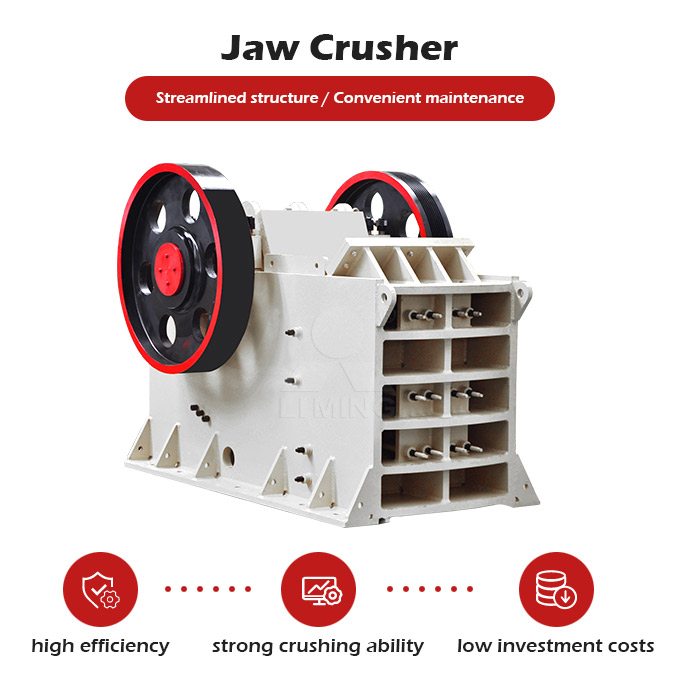
The dressing process typically begins with crushing and screening, where run-of-mine ore is reduced in size and classified by particle size. Jaw, cone, and gyratory crushers are standard for primary and secondary reduction, followed by vibrating screens to segregate undersize material for further processing.
-
Grinding follows size reduction, utilizing ball mills, rod mills, or autogenous/semi-autogenous (AG/SAG) mills to liberate iron-bearing minerals from the gangue. Liberation is essential for efficient separation and is determined through mineralogical analysis to optimize grind size.
-
Magnetic separation is one of the most widely employed techniques in iron ore dressing, particularly for magnetite ores. Low-intensity magnetic separators (LIMS) recover ferromagnetic particles, while high-intensity and high-gradient magnetic separators (HGMS) are used for weakly magnetic minerals like hematite.
-
For oxidized ores such as hematite and goethite, gravity separation methods—including jigs, spirals, and shaking tables—exploit density differences between iron minerals and gangue. Flotation, either cationic or anionic, is applied to further upgrade fine particles by selectively separating iron oxides from siliceous impurities.
-
Dewatering is the final stage, involving thickening, filtration, and drying to reduce moisture content for transport and storage. Equipment such as vacuum filters, filter presses, and hydrocyclones play a critical role in achieving commercial-grade concentrate specifications.
-
Modern dressing plants integrate automation and real-time monitoring systems to maintain consistent feed quality, optimize recovery, and reduce operational costs. The selection and configuration of equipment depend on ore characteristics, capacity requirements, and economic feasibility, necessitating detailed test work and flowsheet development.
Crushing and Grinding Systems for Efficient Iron Ore Size Reduction
-
Primary crushing is typically performed using jaw or gyratory crushers, designed to reduce run-of-mine iron ore from large boulders to a nominal size of 150–200 mm. Gyratory crushers are preferred in high-capacity operations due to their continuous operation capability and higher throughput efficiency. The selection of crusher type depends on ore hardness, feed size distribution, and plant capacity requirements.
-
Secondary and tertiary crushing stages further reduce particle size to 25–50 mm, preparing the ore for grinding. Cone crushers are commonly employed at these stages, offering precise size control and consistent product gradation. Closed-circuit configurations with vibrating screens ensure oversize material is recirculated, optimizing size reduction efficiency.
-
Grinding is a critical phase in iron ore liberation, where particle size is reduced to enable effective downstream separation. Ball mills and SAG (Semi-Autogenous Grinding) mills dominate industrial applications. SAG mills, utilizing the ore itself as grinding media, provide energy-efficient size reduction for softer ores and reduce reliance on steel media. For harder, abrasive ores, ball mills offer better controllability and consistent product fineness.
-
The choice between wet and dry grinding systems hinges on ore characteristics and process requirements. Wet grinding is more prevalent in iron ore processing, enhancing grinding efficiency, reducing dust, and improving slurry transportability to subsequent beneficiation stages. It also minimizes media and liner wear in abrasive environments.
-
Modern grinding circuits incorporate advanced process control systems and real-time monitoring of mill load, power draw, and particle size distribution. Optimization through selective grinding—adjusting mill parameters based on ore blend variability—maximizes throughput while minimizing energy consumption.
-
Energy consumption represents a significant operational cost in grinding. High-pressure grinding rolls (HPGRs) are increasingly integrated as pre-grind or regrind units, offering up to 30% energy savings compared to conventional circuits. Their compressive breakage mechanism generates micro-fractures in particles, enhancing liberation and reducing downstream grinding work index.
-
Equipment selection must consider ore abrasivity, moisture content, and desired liberation size. Liner design, mill speed, and media size distribution are optimized through pilot testing and simulation to achieve target grind size (typically P80 of 75–150 µm) with minimal over-grinding and energy waste.
Magnetic Separation Technology in Iron Ore Beneficiation Plants
-
High-intensity magnetic separation is a critical unit operation in iron ore beneficiation, particularly for processing weakly magnetic iron minerals such as hematite, goethite, and limonite. This technology exploits differences in magnetic susceptibility between iron-bearing minerals and gangue to achieve efficient mineral concentration.
-
In industrial practice, low-intensity magnetic separators (LIMS), operating at magnetic fields of 0.1–0.3 Tesla, are predominantly used for recovering strongly magnetic minerals like magnetite. These are typically drum-type separators with either concurrent, counter-rotation, or counter-current configurations, selected based on feed characteristics and throughput requirements.
-
For oxidized or partially oxidized ores containing paramagnetic minerals, high-intensity magnetic separators (HIMS) are employed. These include induced roll magnetic separators (IRMS) and rare-earth drum or roll separators, capable of generating fields up to 2.0 Tesla. Rare-earth technologies, particularly those using neodymium-iron-boron (NdFeB) magnets, offer superior field gradients, enabling finer particle recovery and improved selectivity.
-
Wet high-intensity magnetic separators (WHIMS) are widely adopted in modern beneficiation circuits for treating slurry feeds. WHIMS units provide effective desliming and upgrading of fine iron ores (typically -2 mm), reducing silica and alumina content. Their modular design allows integration into multi-stage cleaning circuits, enhancing overall iron recovery and product grade.
-
The efficiency of magnetic separation is influenced by particle size distribution, slurry rheology, feed rate, and matrix design in WHIMS. Optimizing these parameters ensures minimal entrainment of gangue and maximizes liberation-based separation.
-
Recent advancements include sensor-assisted magnetic separators and hybrid configurations combining magnetic separation with gravity or flotation. These integrations improve selectivity in complex ore bodies, particularly in lateritic or low-grade deposits.
-
Maintenance protocols focus on wear protection of drums, rolls, and matrix components, especially in abrasive feeds. Regular calibration of magnetic field strength ensures consistent performance.
-
Environmental and operational advantages include low reagent consumption, minimal effluent generation, and energy efficiency compared to chemical beneficiation methods. As ore grades decline globally, magnetic separation remains a cornerstone technology for sustainable and economical iron ore upgrading.
Flotation and Gravity Separation Methods for High-Quality Iron Concentrates
-
Flotation and gravity separation are critical unit operations in the production of high-quality iron concentrates, particularly when treating fine-grained or complex ore bodies where magnetic separation alone is insufficient.
-
Gravity separation exploits differences in specific gravity between iron minerals (typically 4.9–5.3 g/cm³ for hematite and magnetite) and gangue minerals such as quartz (~2.65 g/cm³). Techniques including spiral concentrators, shaking tables, and jigs are employed to upgrade coarse to medium-sized particles (0.1–2 mm). Spiral concentrators are widely used due to their low operating cost and ability to process large volumes, making them suitable for pre-concentration before downstream processes. Optimal performance requires narrow particle size distribution and controlled feed density.
-
For finer particles (<150 µm), gravity separation efficiency diminishes due to fluid drag forces dominating over gravitational forces. In such cases, froth flotation becomes the preferred method. Reverse cationic flotation is the dominant technique for iron ore, where gangue minerals (primarily silicates) are floated using amine collectors at pH 8–10, leaving hematite or magnetite in the sink fraction. Starches serve as depressants for iron oxides, ensuring selectivity.
-
Advances in reagent schemes have improved flotation efficiency. Ether amines combined with modified starches offer enhanced selectivity and reduced reagent consumption. Process water quality, pulp density (typically 30–40% solids), and pH control are critical parameters influencing recovery and concentrate grade.
-
Flotation circuits typically include rougher, cleaner, and scavenger stages to maximize iron recovery and achieve concentrate grades exceeding 67% Fe with silica content <2%. For ultrafine particles, carrier flotation or column flotation may be used to improve kinetics and reduce entrainment.
-
Integration of gravity and flotation methods allows staged beneficiation: gravity for coarse liberation, flotation for fines. This hybrid approach optimizes water and energy use while meeting stringent market specifications for premium direct-shipping ore substitutes.
-
Equipment selection must consider ore mineralogy, liberation size, throughput, and environmental constraints. Modern plants increasingly adopt sensor-based sorting and process automation to stabilize feed quality and improve separation efficiency.
Dewatering and Tailings Management Solutions in Iron Ore Processing
-
Implementation of efficient dewatering and tailings management systems is critical in iron ore processing to ensure operational efficiency, environmental compliance, and cost control. As iron ore beneficiation generates substantial volumes of slurry and fine residues, effective separation of water from solids and responsible tailings disposal are essential components of sustainable plant design.
-
Dewatering begins immediately after mineral separation, typically employing equipment such as high-frequency screens, dewatering hydrocyclones, and vacuum or filter presses. These systems reduce moisture content in the final concentrate to levels suitable for transport and further processing—commonly below 9%. Thickeners, particularly high-rate and paste thickeners, play a central role by increasing underflow density and recovering process water for reuse, thereby minimizing freshwater intake.
-
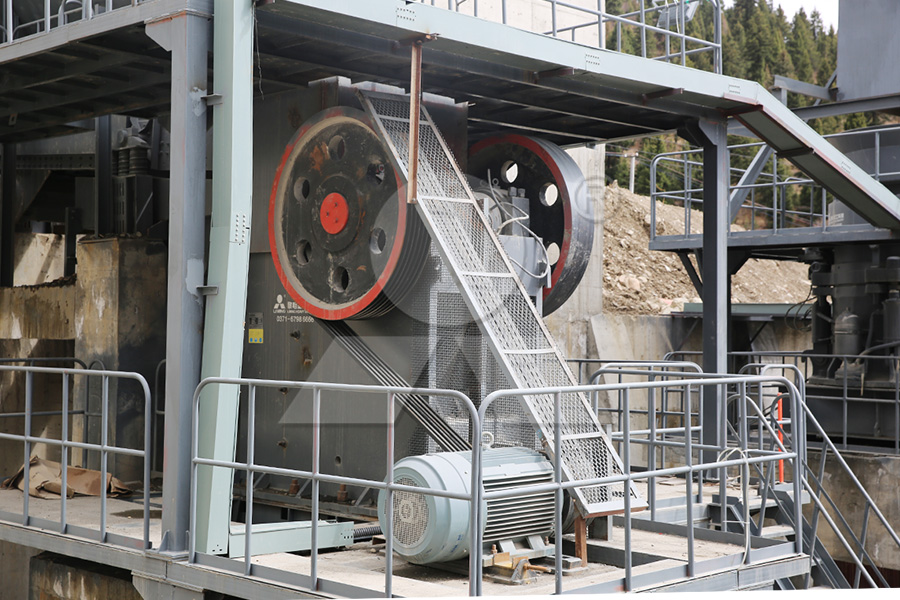
Tailings management strategies must balance geotechnical stability, environmental protection, and long-term liability reduction. Conventional slurry tailings disposal in impoundments remains widespread but is increasingly being replaced by more sustainable alternatives. Filtered dry-stack tailings and paste tailings technologies are gaining adoption due to their enhanced safety profiles, reduced footprint, and improved water recovery rates.
-
Paste tailings systems deliver non-segregating, yield-stress slurries with solids concentrations of 60–75%, enabling deposition in stacked layers with minimal seepage and erosion risk. This approach supports closure readiness and reduces dependency on large tailings dams, aligning with global best practices in mine waste management.
-
Advanced monitoring and automation systems further enhance tailings facility integrity. Real-time instrumentation for pore pressure, settlement, and seepage detection enables proactive risk mitigation. Integration with digital twin models allows predictive assessment of structural behavior under variable climatic and operational conditions.
-
Regulatory frameworks and ESG (Environmental, Social, and Governance) expectations are driving innovation in tailings stewardship. Industry adoption of the Global Industry Standard on Tailings Management (GISTM) has elevated design, operation, and closure protocols, mandating independent reviews and emergency preparedness plans.
-
Long-term sustainability also demands consideration of tailings reprocessing opportunities. As recovery technologies advance, previously discarded material may serve as a resource for recovering residual iron or by-product minerals, supporting circular economy principles.
-
Ultimately, the integration of robust dewatering circuits and modern tailings management practices is not merely a technical requirement but a strategic imperative for resilient and responsible iron ore operations.
Frequently Asked Questions
What are the primary types of iron ore dressing equipment used in modern processing plants?
Modern iron ore dressing operations utilize a combination of crushing, grinding, magnetic separation, gravity separation, and flotation equipment. Key machines include jaw and cone crushers for size reduction, ball or rod mills for grinding, low- and high-intensity magnetic separators for magnetite recovery, spiral concentrators and jigs for gravity separation, and flotation cells for fine-particle beneficiation of hematite ores. The selection depends on ore type, liberational characteristics, and grade requirements.
How does magnetic separation equipment optimize iron ore beneficiation?
Magnetic separation equipment selectively separates magnetic minerals like magnetite from gangue by exploiting differences in magnetic susceptibility. Low-intensity magnetic separators (LIMS) recover ferromagnetic particles, while high-intensity magnetic separators (HIMS) capture paramagnetic minerals such as hematite and goethite. This method offers high throughput, low operational cost, and minimal reagent use, making it a cornerstone in processing magnetite-rich ores.
What role does gravity separation play in iron ore dressing?
Gravity separation is essential for processing coarse and coarse-fine iron ores, particularly hematite and goethite. Equipment like jigs, shaking tables, and spirals exploits density differences between iron minerals and siliceous gangue. It is cost-effective, environmentally friendly (no chemicals required), and widely used in DSO (direct shipping ore) operations or as a pre-concentration step to reduce downstream processing load.
Why is selective flocculation-flotation used in fine iron ore dressing?
Selective flocculation-flotation is employed for ultrafine iron ore slimes (-150 µm) where physical separation methods lose efficiency. Polymers selectively flocculate iron minerals while dispersants keep gangue in suspension, followed by flotation to recover flocs. Alternatively, reverse cationic flotation removes siliceous gangue using amine collectors. This improves recovery of fines and enhances concentrate grade in complex, low-grade ores.
How do advanced grinding circuits contribute to efficient iron ore dressing?
Advanced grinding circuits, often incorporating high-pressure grinding rolls (HPGR), vertical stirred mills, or SAG/ball mill combinations, achieve optimal liberation with reduced energy consumption. Closed-circuit classification and real-time monitoring ensure target grind size (P80: 45–75 µm), which is critical for maximizing mineral liberation and downstream separation efficiency, particularly in refractory or composite ores.
What are the advantages of using sensor-based ore sorting in iron ore processing?
Sensor-based ore sorting (via XRT, NIR, or laser) enables pre-concentration by rejecting waste rock pre-crushing. This reduces throughput in downstream circuits, lowering energy, water, and reagent use. In operations with variable ore grade, it enhances feed homogenization and extends mine life by economically processing lower-grade material, thereby improving overall net smelter return (NSR).
How is water recovery managed in iron ore dressing plants?
Iron ore dressing generates substantial slurry waste; thus, water recovery is critical for sustainability. Thickener underflow is sent to filter presses or vacuum disc filters to produce dry filter cakes, while clarified water from thickeners is recycled. Modern plants integrate paste thickening and tailings dewatering systems to maximize water recovery (>90%) and meet environmental regulations, especially in arid regions.
What are the latest automation and control technologies in iron ore dressing?
Advanced process control (APC), machine learning models, and digital twins are increasingly deployed to optimize iron ore dressing. Technologies like在线 particle size analyzers, ore grade analysers (PGNAA), and real-time flotation cell monitors enable dynamic adjustments to feed rate, reagent dosing, and grinding parameters. This improves metallurgical recovery, reduces operating costs, and ensures consistent concentrate quality.
How does ore mineralogy influence the choice of dressing equipment?
Ore mineralogy—such as the ratio of magnetite to hematite, presence of impurities (P, S, Al2O3), and textural characteristics—dictates equipment selection. Magnetite ores favor magnetic separation, while hematite requires gravity or flotation. Complex ores with micro-fine intergrowths may necessitate fine grinding and advanced flotation circuits. Comprehensive mineralogical analysis (e.g., QEMSCAN) guides flowsheet development.
What are the key maintenance practices for iron ore processing equipment?
Predictive and preventive maintenance is vital for high availability. Key practices include vibration monitoring on mills and crushers, regular liner and trommel screen inspections, magnetic roll cleaning in separators, and wear-part replacement schedules. OEM-recommended lubrication regimes and digital asset management systems help mitigate unplanned downtime in abrasive ore environments.
How is tailings management integrated with iron ore dressing equipment design?
Tailings management starts at the process design stage. Equipment such as high-efficiency thickeners, cyclones, and filter presses reduce tailings volume and water content. Modern flowsheets incorporate dry stacking or paste backfill, minimizing dam risks and environmental footprint. Co-disposal of waste rock and processed tailings is also optimized through equipment synergies.
What are the criteria for scaling up iron ore dressing equipment from pilot to industrial scale?
Successful scale-up requires comprehensive testwork (batch and continuous), liberation analysis, and simulation using industry-standard software (e.g., JKSimMet). Key criteria include retention time similarity, power draw proportionality, feed size distribution matching, and throughput scalability. Pilot plant trials under representative conditions validate equipment performance before capital investment.