Table of Contents
- Unlocking Gold’s Potential: A Comprehensive Guide to Mining Fundamentals
- Geological Foundations & Ore Body Definition
- Extraction Methods: Engineering for Efficiency and Safety
- Comminution: The Heart of Mineral Liberation
- Concentration & Extraction: From Ore to Dore
- Tailings Management & Site Integrity
- Modern Techniques for Efficient Gold Extraction and Recovery
- Modern Techniques for Efficient Gold Extraction and Recovery
- 1. Comminution: The Foundation of Liberation
- 2. Gravity Concentration: Pre-Concentration and Coarse Gold Recovery
- 3. Leaching & Adsorption: The Chemical Workhorses
- 4. Refractory Ore Processing: Unlocking Invisible Gold
- 5. Elution & Electrowinning: Final Recovery
- Technical Comparison of Primary Refractory Ore Treatment Methods
- 6. Integrated Process Control & Automation
- Navigating Environmental and Regulatory Challenges in Gold Mining
- Technical Specifications: Equipment and Methods for Optimal Yield
- Core Processing Equipment: Crushers & Mills
- Concentration & Separation: Gravity & Flotation
- Leaching & Recovery: Adsorption & Elution
- Trusted Insights from Industry Experts and Case Studies
- Material Science and Component Durability
- Technical Standards and Certification
- Mining-Specific Engineering USPs
- Your Next Steps: Resources and Tools for Successful Gold Ventures
- Frequently Asked Questions
- What is the optimal replacement cycle for crusher wear parts in high-silica gold ore?
- How should processing equipment be adapted for varying ore hardness (Mohs 3 to 7)?
- What are the best practices for controlling harmful vibration in large ball mills?
- What are the critical lubrication specifications for slurry pump bearings in a cyanide environment?
- How do you adjust hydraulic system pressure for optimal rock breaker performance on different pit faces?
- What is the most effective heat treatment for drill rod threads to prevent premature failure?
Beneath the earth’s surface lies a story of immense value, both geological and economic, written in the enduring language of gold. The pursuit of this precious metal has shaped civilizations, fueled exploration, and continues to drive a sophisticated global industry. Modern gold mining is a complex symphony of advanced science, cutting-edge engineering, and stringent environmental stewardship, far removed from the simple panning of lore. It begins with meticulous geological surveys to locate viable deposits and progresses through a multi-stage process of extraction, processing, and reclamation. Understanding this journey—from ore to bullion—is crucial for investors, policymakers, and anyone fascinated by the forces that power our world. This exploration delves into the essential information about gold mining, illuminating the methods, markets, and profound impacts of this timeless endeavor.
Unlocking Gold’s Potential: A Comprehensive Guide to Mining Fundamentals
Gold mining is an engineering discipline that transforms a geological resource into a refined commodity. Its fundamentals rest on a rigorous sequence of geological assessment, material extraction, and mineral processing, each governed by precise technical standards and material specifications.
Geological Foundations & Ore Body Definition
Economic gold mineralization occurs in specific geological settings: hydrothermal veins, placer deposits, and disseminated deposits like Carlin-type. Defining an ore body requires systematic drilling, assaying, and resource modeling to international reporting standards (e.g., JORC, NI 43-101). The key parameters established here dictate all downstream processes:
- Grade (g/t): The economic driver, determining the cutoff for profitable extraction.
- Ore Hardness & Abrasiveness: Measured via Bond Work Index and abrasion index, critical for comminution circuit design.
- Mineralogy: The physical locking and association of gold (free-milling vs. refractory) dictates processing routes.
Extraction Methods: Engineering for Efficiency and Safety
The mining method is selected based on ore body geometry, depth, and geotechnical rock strength.
Surface Mining (Open Pit)
Applied where the ore body is near-surface and large-scale. Key engineering considerations include pit slope stability analysis, haul road design, and fleet management for optimal tons per hour (TPH) throughput. Drilling and blasting patterns are optimized for fragment size distribution to maximize downstream crusher efficiency.
Underground Mining
Used for deeper, higher-grade deposits. Methods include:
- Cut-and-Fill / Shrinkage Stoping: For irregular, high-grade veins, offering high selectivity and ground support.
- Longhole Open Stoping: For larger, regular ore bodies, providing high productivity and mechanization.
- Block Caving: A mass mining method for large, low-grade deposits, offering the lowest cost per ton at high volumes.
Comminution: The Heart of Mineral Liberation
Reducing ore size to liberate gold grains is the most energy-intensive stage. Equipment selection is based on ore hardness and capacity requirements.
| Circuit Stage | Primary Function | Key Equipment Examples | Critical Material & Design Parameters |
|---|---|---|---|
| Primary Crushing | Coarse size reduction (ROM ore to ~150-200mm) | Gyratory Crusher, Jaw Crusher | Manganese steel (Mn14%, Mn18%, Mn22%) liners for wear resistance; Main shaft alloy steel; ISO 13503 standards for wear parts. |
| Secondary/Tertiary Crushing | Further reduction for milling feed (~10-20mm) | Cone Crusher, HPGR | Chamber design for product shape; Hydraulic adjustment for CSS; High-chrome white iron alloys for concaves/mantles. |
| Milling | Fine grinding to liberate particles (often to ~75µm) | SAG Mill, Ball Mill | Shell and head castings; Forged alloy steel grinding media (high-Cr or forged steel); Liners (wave, step, etc.) in Ni-hard or chrome-moly alloys. |
Functional Advantages of a Modern Comminution Circuit:
- Adaptability to Ore Variability: Advanced control systems (e.g., power draw, bearing pressure) adjust parameters in real-time to maintain TPH throughput despite changing ore hardness.
- Wear Life Optimization: Strategic use of alloy grades (e.g., ASTM A532 for white iron, AR400/500 for abrasion-resistant steel) in liners and wear parts maximizes uptime.
- Energy Efficiency: High-Pressure Grinding Rolls (HPGR) can reduce specific energy consumption by up to 30% compared to conventional circuits, a critical USP for operational cost reduction.
Concentration & Extraction: From Ore to Dore
Following liberation, gold must be concentrated and extracted.
- Gravity Concentration: Uses density differences (e.g., centrifugal concentrators, shaking tables) to recover free gold early in the process, reducing downstream load and costs.
- Flotation: For sulphide-associated gold, using chemical reagents to make gold-bearing minerals hydrophobic for recovery. Cell design and reagent chemistry are optimized per mineralogy.
- Leaching: The dominant process for free-milling ores.
- Heap Leaching: For low-grade oxide ores. Engineering focuses on pad construction (HDPE liners, CE-marked geotextiles), irrigation systems, and solution management.
- Tank Leaching (CIL/CIP): For higher-grade milled ore. Process occurs in a series of agitated tanks with activated carbon. Key parameters include pulp density, retention time, and oxygen potential.
- Refining: Loaded carbon is treated, and gold is electrowon or precipitated (Merrill-Crowe) then smelted into dore bars, typically meeting London Bullion Market Association (LBMA) good delivery standards.
Tailings Management & Site Integrity
The responsible management of processed waste (tailings) is a non-negotiable engineering discipline. Modern facilities are designed by specialist geotechnical engineers, featuring:
- Engineered dam structures with zoned construction and internal drainage.
- Continuous monitoring (piezometers, inclinometers, satellite radar) for stability.
- Water recycling systems to minimize freshwater consumption and contain process chemicals.
Modern Techniques for Efficient Gold Extraction and Recovery
Modern Techniques for Efficient Gold Extraction and Recovery
The evolution from rudimentary panning to sophisticated, integrated process plants defines modern gold extraction. Efficiency is no longer solely about recovery percentage; it is a holistic metric encompassing energy intensity, water reclamation, reagent consumption, and adaptability to complex ore bodies. The core philosophy is to apply a precise, scientifically-grounded method to a well-characterized ore, maximizing economic yield while minimizing environmental footprint.
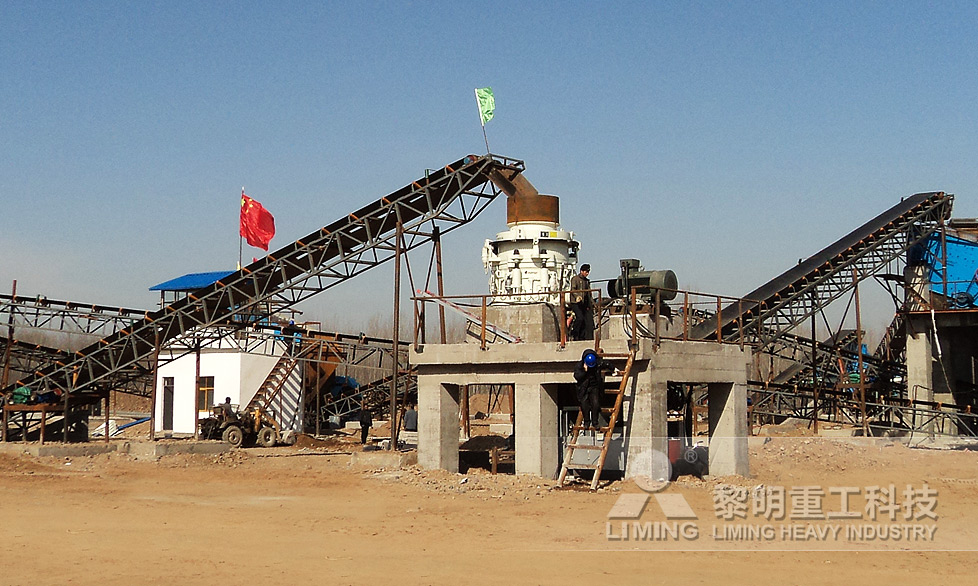
1. Comminution: The Foundation of Liberation
Efficient recovery is impossible without optimal particle size reduction. The focus has shifted from brute-force crushing to energy-efficient grinding and advanced classification.
-
High-Pressure Grinding Rolls (HPGR): A transformative technology that applies inter-particle comminution, significantly reducing energy consumption (by 20-35%) compared to traditional SAG/ball mill circuits for suitable ore types. Key advantages include:
- Micro-fracturing: Creates fissures within particles, improving downstream leach kinetics.
- Dry Processing Compatibility: Produces a de-agglomerated product ideal for heap leaching.
- Reduced Ball Mill Work Index: Lowers the specific energy requirement for subsequent fine grinding.
-
Advanced Mill Liners & Media: Utilization of high-chrome white iron and engineered Mn-steel alloys (e.g., ASTM A532) for liners and grinding media drastically reduces wear rates and iron contamination, which can adversely affect cyanidation. ISO 13517:2017 standards govern testing for abrasion resistance.
2. Gravity Concentration: Pre-Concentration and Coarse Gold Recovery
Gravity separation remains critical for recovering coarse, free-milling gold early in the process, reducing volume to downstream circuits.
- Centrifugal Concentrators (e.g., Knelson, Falcon): Utilize enhanced gravitational forces (up to 300 G’s) to capture fine gold particles. Modern units feature automated discharge systems and are often installed in the grinding circuit (as “gravity-recoverable gold” or GRG units) to prevent over-grinding and smearing.
- Shaking Tables & Spirals: Used for pre-concentration or scavenging, especially in alluvial or low-grade hard rock operations. Their efficiency is a function of precise feed density control and deck design.
3. Leaching & Adsorption: The Chemical Workhorses
Cyanide remains the dominant lixiviant due to its selectivity and efficiency, but its application is now highly controlled and optimized.
- Carbon-in-Leach (CIL) & Carbon-in-Pulp (CIP): The industry standard for processing milled ore. Gold cyanide complexes are adsorbed onto activated carbon granules within agitated tanks. Key technical developments include:
- Interstage Screens: Robust, wear-resistant vibrating or linear screens (ISO 9045:1990) to retain carbon within tanks.
- Advanced Carbon Management: Automated column-based carbon transfer and regeneration kilns (operating at ~650°C under steam) maintain carbon activity and minimize gold inventory lock-up.
- Heap Leaching: Applied to lower-grade oxidized ores. Engineering focuses on optimal pad construction (HDPE liners per GRI GM13 standard), agglomeration of fine particles for uniform permeability, and sophisticated drip irrigation systems for solution application.
4. Refractory Ore Processing: Unlocking Invisible Gold
Refractory ores, where gold is locked within sulfide minerals (e.g., pyrite) or encapsulated, require pre-treatment.
- Pressure Oxidation (POX): Ore slurry is heated with oxygen in an autoclave (constructed of corrosion-resistant titanium-clad steel or specialized alloys) to destroy sulfide matrix, liberating gold for subsequent cyanidation. It is highly effective but capital-intensive.
- Biological Oxidation (BIOX): Utilizes thermophilic bacteria (Sulfolobus, Acidianus) to oxidize sulfides. A lower-temperature, often lower-CAPEX alternative to POX, suitable for specific mineralogies.
- Albion Process™ & LeachWELL: Fine grinding (to P80 <15µm) via IsaMill™ combined with atmospheric oxidation, offering a modular solution for moderately refractory ores.
5. Elution & Electrowinning: Final Recovery
The process of stripping gold from loaded carbon and converting it to a solid doré bar.
- Advanced Elution: The AARL (high-temperature, high-pressure) and Zadra (atmospheric) methods are common. Modern systems feature:
- Integrated Safety: Automated pressure and temperature controls.
- Heat Recovery: Minimizing energy use through exchanger networks.
- High-Purity Eluate: Producing a concentrated gold-cyanide solution for electrowinning.
- Electrowinning Cells: Stainless steel cathodes are used to plate out gold from the eluate. Modern cells are designed for easy “sludge” removal and high current efficiency.
Technical Comparison of Primary Refractory Ore Treatment Methods
| Parameter | Pressure Oxidation (POX) | Biological Oxidation (BIOX) | Roasting (Fluidized Bed) |
|---|---|---|---|
| Core Mechanism | Chemical oxidation in an autoclave (~220°C, >3000 kPa) | Bacterial catalyzed oxidation (40-55°C) | Thermal decomposition in oxidizing atmosphere (~650°C) |
| Gold Recovery | Very High (>95%) | High (90-95%) | High (90-95%) |
| Ore Adaptability | Broad, including high-carbon and high-sulfur ores | Best for arsenopyrite/pyrite ores | Historically broad, but environmental constraints now limit use |
| Key USP | Fast, complete sulfide destruction; proven at large scale (TPH >150) | Lower operating temperature & pressure; perceived as “greener” | Fast reaction kinetics; well-understood process |
| Primary Challenge | Very high capital cost (CAPEX); complex materials engineering | Slow reaction rates (5-6 days retention); sensitive to toxins/clay | Arsenic & SO₂ gas handling; stringent emission controls required |
| Material Focus | Titanium-clad autoclaves, specialized alloy piping | Concrete-lined tanks, HDPE aeration lines, corrosion-resistant air spargers | Refractory brick, high-temperature alloys, complex gas scrubbers |
6. Integrated Process Control & Automation
Modern plants are governed by Distributed Control Systems (DCS) and Programmable Logic Controllers (PLC) that continuously monitor and optimize:
- Grind Size (P80): Via particle size analyzers (PSA) for optimal liberation.
- Leach Chemistry: Cyanide and oxygen levels, pH, and potential (ORP) are maintained in real-time.
- Mass & Energy Balance: Tracking TPH (tonnes per hour) throughput, specific energy consumption (kWh/t), and reagent use for operational excellence.
The selection and integration of these techniques are dictated by a definitive metallurgical testwork program (from initial fire assay to pilot-scale trials), ensuring the flowsheet is engineered for the specific mineralogy, hardness (Bond Work Index), and economic constraints of the ore body.
Navigating Environmental and Regulatory Challenges in Gold Mining
The modern gold mining industry operates within a stringent and complex framework of environmental and regulatory requirements. Compliance is not merely a legal obligation but a core engineering and operational discipline, essential for securing social license to operate and ensuring long-term project viability. Successfully navigating these challenges requires a technically sophisticated approach, integrating advanced materials, process design, and continuous monitoring.
Core Technical and Engineering Responses to Environmental Challenges
The primary environmental vectors are water management, tailings stability, chemical containment, and energy efficiency. Mitigation is engineered into the process from the outset.
-
Water Management & Cyanide Mitigation: Modern plants are designed as zero-discharge systems. Key technical features include:
- High-Density Polyethylene (HDPE) Liners: Geomembrane liners, with thicknesses specified by regulatory codes (e.g., 1.5mm to 2.0mm), are installed under leach pads and process ponds. Seam integrity is verified via destructive and non-destructive testing (ASTM D4437, D5820).
- Cyanide Destruction Circuits: Standard practice employs the INCO SO₂/Air process or hydrogen peroxide oxidation to degrade cyanide to cyanate and ultimately to carbon dioxide and nitrogen, achieving levels below 0.2 mg/L WAD cyanide for discharge to tailings.
- Closed-Loop Water Circuits: All process water is captured, treated in dedicated ponds, and recirculated. Make-up water demand is minimized, reducing freshwater extraction.
-
Tailings Management Facility (TMF) Engineering: TMF design is governed by strict geotechnical and hydrological standards (e.g., GISTM – Global Industry Standard on Tailings Management).
- Construction: Utilizes engineered embankments with zoned compaction, internal drainage layers (filter cloth, gravel), and real-time piezometer monitoring for pore pressure.
- Alternative Technologies: Where applicable, Filtered (Dry Stack) Tailings are employed. This involves using high-pressure filter presses (e.g., 20-25 bar operating pressure) to produce a cake with ~18% moisture, which can be stacked and compacted, drastically reducing the risk of catastrophic fluid release and the footprint of the storage facility.
-
Emissions & Energy Control: Dust suppression is achieved via automated spray systems with hygrometer feedback. Energy-intensive processes like grinding are optimized using Variable Frequency Drives (VFDs) on SAG/ball mill motors, and heat recovery systems are integrated into oxygen plants and autoclaves.
Material Science for Durability and Containment
Abrasion, corrosion, and structural failure are primary risks that can lead to environmental incidents. Material selection is critical.
| Component | Critical Stressors | Material Specification & USP | Relevant Standard / Grade |
|---|---|---|---|
| Slurry Pumps (Warman, etc.) | High-velocity abrasive slurries, pH extremes | High-Chrome White Iron (HCWI) liners and impellers. USP: Exceptional abrasion resistance at Brinell hardness of 600-800 HB. | ASTM A532, Class III Type A |
| Carbon-in-Leach (CIL) Tanks & Agitators | Cyanide solution, abrasive pulp, constant agitation | Stainless Steel 316L/304L cladding over mild steel. USP: Superior pitting corrosion resistance, longevity in aggressive chemical environments. | ASTM A240, UNS S31603 |
| Crusher Jaws & Concaves | Extreme impact & compression from hard rock (e.g., quartz) | Austenitic Manganese Steel (Mn-steel, 11-14% Mn). USP: Work-hardens under impact from ~200 HB to >500 HB, providing unparalleled toughness and wear life. | ASTM A128, Grade B2, B3 |
| Leach Pad Piping (High-Pressure) | Abrasive, cyanide-laden pregnant solution | Ultra-High Molecular Weight Polyethylene (UHMWPE) or Abrasion-Resistant Steel (AR400) lined pipe. USP: Low friction coefficient, high impact strength, and chemical inertness. | ISO 4427 (PE) / ASTM A514 (AR) |
Regulatory Compliance as an Operational Parameter
Regulatory frameworks (e.g., NEPA in the US, EU’s EIA Directive) mandate rigorous baseline studies, impact assessments, and continuous monitoring. This is integrated into operational control systems.
- Real-Time Monitoring Networks: Sensor arrays for water quality (pH, cyanide, metals), air quality (PM10, PM2.5), and TMF stability (inclinometers, VWPs) feed data to centralized SCADA systems, enabling immediate corrective action and automated regulatory reporting.
- Process Audits & Certification: Independent verification against international standards like ISO 14001 (Environmental Management) and the International Cyanide Management Code (ICMI) is standard. Certification requires documented engineering controls, operator training protocols, and emergency response plans.
- Adaptive Design for Ore Variability: A plant’s USP often lies in its ability to maintain environmental compliance while processing variable ore. This is achieved through:
- Modular process design allowing for circuit re-configuration.
- Robust Ore Hardness (SAG Power Index, Bond Work Index) testing and blending strategies to maintain consistent throughput (TPH) and recovery efficiency, preventing process upsets that could lead to excursions.
- Advanced process control (APC) systems that use real-time assay data to automatically adjust reagent dosing (cyanide, lime, oxygen), optimizing efficiency and minimizing chemical consumption and waste.
Ultimately, navigating these challenges is an exercise in precision engineering and proactive management. The leading edge of the industry is defined by operations where environmental safeguards are designed-in features of the metallurgical plant itself, using certified materials and controlled by systems that treat regulatory limits as key performance indicators.
Technical Specifications: Equipment and Methods for Optimal Yield
Core Processing Equipment: Crushers & Mills
Optimal comminution is the foundation of yield. The selection and configuration of crushing and grinding circuits are dictated by ore hardness (as measured by Bond Work Index), abrasiveness, and target liberation size.
Primary Crushing (Jaw Crushers):
- Frame & Jaw Plates: Fabricated from high-tensile, quenched & tempered alloy steel (e.g., ASTM A514). Jaw plates are cast from austenitic manganese steel (Mn-steel, 12-14% Mn) for supreme impact absorption and work-hardening capability, extending service life in highly abrasive conditions.
- Functional Advantages:
- High reduction ratios (typically 6:1 to 8:1) enable primary feed size reduction in a single stage.
- Deep crushing chambers and aggressive nip angles optimize throughput and handle slabby feed.
- Heavy-duty roller bearings and a robust pitman assembly ensure reliability under cyclic loading, critical for run-of-mine (ROM) ore.
Secondary/Tertiary Crushing (Cone Crushers):
- Liners & Mantles: Premium manganese steel castings (18-21% Mn) with micro-alloying elements (Cr, Mo) for enhanced wear resistance in constant abrasive crushing.
- Functional Advantages:
- Advanced hydraulic systems allow for dynamic adjustment of the closed-side setting (CSS) during operation for consistent product size control.
- Tramp release and clearing systems protect the mechanism from uncrushable material, minimizing downtime.
- Multiple cavity profiles (standard, fine, coarse) allow precise matching to feed gradation and desired product P80.
Grinding (SAG/Ball Mills):
- Shell & Liners: Mill shells are constructed from normalized high-carbon steel plate. Liners are high-chrome cast iron (HCCI, 15-28% Cr) or rubber-composite designs, selected based on corrosion/abrasion balance.
- Functional Advantages:
- Grate-discharge designs in ball mills allow for efficient removal of ground material while retaining grinding media.
- Variable-speed drives enable optimization of the charge trajectory and power draw for differing ore characteristics.
- Engineered shell lifter profiles maximize lift efficiency and impact energy transfer to the ore.
| Equipment Type | Key Material Specification | Primary Performance Parameter (Typical Range) | Relevant Standard |
|---|---|---|---|
| Jaw Crusher | Jaw Plates: ASTM A128 Gr B3/B4 (Mn-Steel) | Capacity: 100 – 1,500 TPH | ISO 21873-1 (Mobile Crushers) |
| Cone Crusher | Mantle/Bowl Liners: ASTM A128 Gr B4+ (High-Mn, Alloyed) | CSS Range: 10 – 50 mm | ISO 16324 (Crusher Test Methods) |
| Ball Mill | Shell Plate: ASTM A516 Gr 70; Liners: ASTM A532 Class III Type A (HCCI) | Motor Power: 500 – 20,000 kW | ISO 3269 (Test Sieving) |
Concentration & Separation: Gravity & Flotation
Gravity Concentration (Centrifugal Concentrators, Shaking Tables):
- Construction: Concentrator bowls are CNC-machined from high-wear polymers (e.g., polyurethane) or stainless steel (316L) for corrosion resistance. Shaking table decks are fiberglass-reinforced composite with replaceable riffle mats.
- Functional Advantages:
- High-G forces (up to 200G) in centrifugal units enable efficient recovery of fine (<100µm) free gold particles.
- No reagents or complex chemistry required, offering a low-operating-cost preconcentration step.
- Effective for recovering coarse gold ahead of leaching circuits, preventing “sliming” and preg-robbing.
Froth Flotation (Mechanical & Column Cells):
- Cell Components: Tanks are lined with wear-resistant rubber or high-density polyethylene (HDPE). Impellers and diffusers are cast from specialized wear alloys (e.g., Ni-hard iron) or polyurethane.
- Functional Advantages:
- Precise control of air inflow, pulp density, and reagent dosing allows targeting of specific sulfide minerals (e.g., pyrite, arsenopyrite) hosting gold.
- Column flotation cells provide superior grade/recovery performance for fine particles via deep froth washing.
- Automated control systems linked to online analyzers (e.g., PSD, elemental assay) enable real-time optimization of recovery.
Leaching & Recovery: Adsorption & Elution
Carbon-in-Leach (CIL)/Carbon-in-Pulp (CIP) Tanks:
- Tank Design: Welded steel construction with internal epoxy or HDPE lining to withstand cyanide slurry (pH 10.5-11.0). Agitators feature rubber-covered or stainless-steel impellers.
- Functional Advantages:
- Series of mechanically agitated tanks provide controlled retention time (typically 24-48 hours) for maximum gold dissolution (AuCN₂⁻) and adsorption onto activated carbon.
- Inter-stage screens (typically stainless steel wedge-wire) retain carbon while allowing slurry to flow.
- Circuit design minimizes carbon attrition and gold lock-up in the circuit.
Activated Carbon & Elution (Gold Room):
- Activated Carbon: High-activity, coconut-shell-based carbon with high hardness (≥95% ASTM) to withstand inter-tank pumping. Defined by iodine number (≥1000 mg/g) and gold loading capacity.
- Elution Column: Constructed from stainless steel 316L for high-temperature (110-130°C), high-pressure operation with caustic-cyanide eluant.
- Functional Advantages:
- Pressurized Zadra or AARL elution strips >98% of gold from loaded carbon in 8-12 hours.
- Integrated acid-wash stage removes carbonate fouling, maintaining carbon activity.
- Electrowinning cells, using stainless-steel wool cathodes, directly recover gold from pregnant eluate into a sludge for smelting.
- Functional Advantages:
Trusted Insights from Industry Experts and Case Studies
Material Science and Component Durability
The operational integrity of a gold mining circuit is fundamentally dependent on the wear materials deployed. The selection is dictated by the abrasiveness (often measured by the Bond Abrasion Index) and impact characteristics of the ore.
- Primary Crushing & High-Impact Zones: For jaw crusher liners, apron feeder pans, and primary grizzly decks, air-hardening manganese steel (Mn-steel, typically 11-14% Mn) remains the standard. Its critical property is work-hardening under impact, increasing surface hardness from ~200 HB to over 500 HB during service, providing exceptional resistance to deformation and cracking under high-stress conditions.
- Abrasion-Dominant Applications: In slurry handling, cyclone feed lines, and pump volutes, where high-velocity particulate flow is present, high-chromium white iron (HCWI, 15-27% Cr) alloys offer superior performance. Their microstructure of hard M7C3 carbides embedded in a martensitic matrix provides unmatched abrasion resistance, though with lower impact toughness. The correct balance of hardness and toughness is achieved through precise control of carbon and chromium ratios.
- Composite Solutions: For applications requiring both impact absorption and abrasion resistance, such as mill liners, bimetallic composites are engineered. These combine a high-toughness steel backing plate with a wear-facing of welded HCWI plates or chrome carbide overlays, optimizing performance and lifecycle cost.
Technical Standards and Certification
Adherence to international standards is non-negotiable for critical equipment, ensuring reliability, interoperability, and safety.
- Structural and Pressure Equipment: Fabrications follow ASME BPVC (Boiler and Pressure Vessel Code) and relevant ISO standards (e.g., ISO 3834 for welding quality). CE marking, where applicable, confirms conformity with EU safety, health, and environmental protection directives.
- Electrical and Control Systems: Equipment is designed to IEC (International Electrotechnical Commission) standards, with hazardous area components certified to ATEX/IECEx for operation in explosive atmospheres (e.g., around milling and drying circuits).
- Material Traceability: Certified Mill Test Reports (MTRs) for all alloy steel components are essential, providing full traceability of chemical composition and mechanical properties back to the melt.
Mining-Specific Engineering USPs
Beyond standard specifications, equipment must be engineered for the unique demands of gold ore processing, which often involves high-density, highly abrasive ores and remote, high-availability operations.
| Parameter | Typical Range / Specification | Engineering Implication |
|---|---|---|
| Circuit Capacity (TPH) | 50 – 2,000+ TPH | Structural design, motor sizing, and material handling geometry are scaled with dynamic load analysis to ensure stability under full-load and surge conditions. |
| Ore Hardness & Abrasivity | Bond Work Index: 10 – 22 kWh/t Abrasion Index: 0.1 – 0.8 |
Directly dictates comminution (crushing/grinding) energy requirements, wear material selection, and equipment duty classification (e.g., severe service). |
| Pump Specific Gravity (S.G.) | 1.4 – 1.8 (Slurry) | Pump shaft, bearing, and seal designs are rated for the high axial loads and torques induced by dense, often viscous, slurry mixtures. |
| Availability Target | > 92% | Drives design philosophy: redundancy in critical paths, modular component replacement, and ease of maintenance access without major dismantling. |
- Modular and Transportable Plant Designs: For remote or phased developments, modular construction to ISO container dimensions ensures transportability, faster commissioning, and future expansion or relocation.
- Cyclone Cluster Optimization: In grinding circuits, cyclone sizing, apex/spigot ratios, and feed arrangement are engineered for specific particle size distribution (PSD) targets, maximizing recovery and minimizing over-grinding.
- CIP/CIL Tank Agitation: Efficient cyanide leaching and carbon adsorption require specific power inputs (kW/m³) and flow patterns. Impeller design, tank baffling, and shaft sealing are critical for maintaining suspension and preventing dead zones.
Your Next Steps: Resources and Tools for Successful Gold Ventures
Technical Due Diligence and Equipment Specification
Before capital commitment, a rigorous technical review is non-negotiable. Focus on the material integrity of comminution and classification circuits, as these are the highest CAPEX/OPEX centers. Specify wear components in ASTM A128 Grade C (11-14% Mn) or proprietary high-chrome white iron alloys for mill liners and crusher jaws. Verify that all processing plant equipment carries valid ISO 9001:2015 certification and, for electrical components in hazardous areas, ATEX or IECEx compliance.
Core Processing Circuit: Critical Functional Advantages
-
Primary Crushing (Jaw/Gyratory Crushers):
- Feed Size & Capacity: Match the gape and closed-side setting (CSS) to your designed top ROM size and required tonnes per hour (TPH). A crusher rated for 500 TPH on 1-meter granite will not perform at 500 TPH on abrasive, high-clay saprolite.
- Wear Life Optimization: Utilize modular, reversible manganese steel jaw dies to maximize component life and reduce downtime for replacements.
-
Grinding (SAG/Ball Mills):
- Ore Hardness & Power Draw: Mill sizing is dictated by Bond Work Index (Wi) and Abrasion Index (Ai) test results. Ensure motor and gearbox specifications provide sufficient power draw (kW) for your ore’s specific energy requirement (kWh/t).
- Liner Performance: Specify liner profiles (e.g., wave, step) based on desired charge motion (cascading vs. cataracting) to optimize grind efficiency.
-
Separation & Concentration (Gravity/Flotation/CIL):
- Gravity (Knelson/Falcon Concentrators): Key parameter is the applied centrifugal force (G-force), typically 60-300 G’s, which must be matched to the liberation size and specific gravity of your target gold.
- Flotation Cells: Specify based on air flow rate (m³/min/m²), power intensity (kW/m³), and cell hydrodynamics to achieve target gold recovery from sulphide ores.
- CIL Tanks: Agitator design is critical. Verify power number (Np) and pumping capacity to ensure complete suspension of carbon and uniform cyanide distribution.
Operational Planning: Key Parameter Framework
Establish clear benchmarks for plant performance. The following table outlines critical metrics for a generic 2,000 TPD carbon-in-leach (CIL) operation processing free-milling ore.
| System | Key Parameter | Target Specification | Rationale |
|---|---|---|---|
| Crushing | Overall Availability | > 92% | Dictates stockpile levels and grinding circuit feed consistency. |
| Product P80 (Jaw/Cone) | 12-16 mm | Optimal feed size for primary ball mill. | |
| Grinding | Cyclone Overflow P80 | 75-106 µm | Standard target for free gold liberation and leach recovery. |
| Ball Mill Specific Energy | 12-18 kWh/t | Directly correlated to ore hardness (Bond Wi). | |
| Leach & Adsorption | NaCN Concentration | 250-500 ppm | Maintains adequate leaching kinetics while controlling costs. |
| CIL Retention Time | 24-36 hours | Ensures >96% dissolution for free-milling ore. | |
| Carbon Concentration | 10-25 g/L | Balances gold loading kinetics with screening efficiency. | |
| Tailings | Dam Safety Factor (Static) | > 1.5 (per NI 43-101) | Non-negotiable geotechnical stability requirement. |
Essential Resource Channels
- Technical Standards: Subscribe to SME Mineral Processing Handbook updates and maintain access to ASTM International (e.g., E1915 for fire assay) and ISO standards (e.g., ISO 13503 for slurry pump testing).
- Geological & Metallurgical Data: Secure a JORC or NI 43-101 compliant technical report. Insist on comprehensive metallurgical test work, including comminution, gravity recoverable gold (GRG), and leach kinetics.
- Vendor Qualification: Audit equipment suppliers not just on price, but on their in-house metallurgical test facilities, global spare parts logistics, and ability to provide performance guarantees tied to your ore-specific parameters.
Frequently Asked Questions
What is the optimal replacement cycle for crusher wear parts in high-silica gold ore?
High-silica ore accelerates wear. Monitor liners with laser profiling; replace jaw plates at 60-70% wear. Use ZGMn13-4 high-manganese steel, water toughened, for optimal work-hardening. Cycle is 120-180 hours, dependent on feed size and throughput. Implement predictive maintenance via thickness gauges to avoid catastrophic failure.
How should processing equipment be adapted for varying ore hardness (Mohs 3 to 7)?
For soft ore (Mohs 3-4), reduce crusher chamber pressure and increase gyratory speed. For hard, abrasive ore (Mohs 6-7), install tungsten carbide-tipped drill bits and configure HPGRs with 4.0-4.5 N/mm² specific pressure. Always recalibrate feeder rates and screen mesh sizes to match the new crushability index.
What are the best practices for controlling harmful vibration in large ball mills?
Isolate foundation with elastomeric pads or spring units. Dynamically balance the mill shell and charge annually. Use real-time vibration monitoring (4-20 mA sensors) on trunnion bearings. If amplitudes exceed 2.5 mm/s, immediately check for charge level imbalance, liner wear, or misaligned pinion gears.
What are the critical lubrication specifications for slurry pump bearings in a cyanide environment?
Use NSF H1-registered, synthetic PAO-based grease with extreme pressure (EP) additives. Brands like SKF LGEV 2 or Kluber Staburags NBU 12. Purge seals weekly to expel abrasive slurry. Maintain bearing housing temperature below 80°C. Perform oil analysis every 200 hours to detect water ingress and particle contamination.
How do you adjust hydraulic system pressure for optimal rock breaker performance on different pit faces?
For fractured rock, set pressure to 140-160 bar for faster cycling. For massive rock, increase to 180-200 bar for maximum impact energy. Always adjust accumulator pre-charge to 90% of system pressure. Monitor valve spool wear monthly; a 0.05mm increase in clearance necessitates replacement to maintain efficiency.
What is the most effective heat treatment for drill rod threads to prevent premature failure?
Employ induction hardening post-forging to achieve a 55-60 HRC surface on threads while retaining a 35-40 HRC tough core. Follow with tempering at 350-400°C for two hours. Use thread profile gauges weekly; replace rods after 3,000 meters or at the first sign of spalling.