Table of Contents
- Introduction
- Key Factors Defining the Best Crushing Plants
- Technological Innovation and Automation
- Durability and Reliability
- Energy Efficiency and Environmental Compliance
- Customization and Scalability
- Comparative Analysis of Top Global Crushing Plant Manufacturers
- Operational Considerations for Mining Managers
- Site-Specific Adaptations
- Maintenance and Support Services
- Integration with Downstream Processes
- Cost-Benefit Analysis for Procurement Heads
- Total Cost of Ownership (TCO)
- Return on Investment (ROI)
- Financing and Leasing Options
- Future Trends in Crushing Plant Technology
- Digitalization and AI Integration
- Sustainability Initiatives
- Modular and Mobile Solutions
- Frequently Asked Questions (FAQ)
- What makes a crushing plant the best in the world?
- How do I choose between stationary and mobile crushing plants?
- What are the key maintenance tips for crushing plants?
- How does automation improve crushing plant efficiency?
- What role does energy efficiency play in selecting a crushing plant?
- Can crushing plants be customized for specific ore types?
- What is the typical lifespan of a high-quality crushing plant?
- How do I evaluate the total cost of ownership for a crushing plant?
- What are the latest technological advancements in crushing plants?
- How important is manufacturer support when choosing a crushing plant?
- What environmental regulations should I consider for crushing plants?
- Can crushing plants be integrated with existing mining operations?
Introduction
In the competitive mining industry, selecting the best crushing plant is a critical decision that directly impacts operational efficiency, cost-effectiveness, and overall profitability. For mining managers and procurement heads, this choice involves evaluating a complex array of factors, from technological advancements to reliability and total cost of ownership. This guide delves into the key criteria that define the world’s top crushing plants, offering insights to help you make an informed investment that aligns with your specific operational needs and long-term goals.
Key Factors Defining the Best Crushing Plants
When assessing crushing plants, it’s essential to look beyond basic specifications and consider holistic performance metrics. The best crushing plants in the world excel in multiple areas, ensuring they deliver superior value in demanding mining environments.
Technological Innovation and Automation
Modern crushing plants leverage cutting-edge technology to enhance productivity and safety. Features like automated control systems, real-time monitoring, and predictive maintenance capabilities reduce downtime and optimize throughput. For instance, plants equipped with IoT sensors can provide data-driven insights into wear parts and operational efficiency, allowing for proactive adjustments.
Durability and Reliability
In harsh mining conditions, durability is non-negotiable. The top crushing plants are built with high-quality materials, such as hardened steel components, to withstand abrasive materials and heavy loads. Reliability is further ensured through robust design and rigorous testing, minimizing unexpected failures and extending the plant’s lifespan.
Energy Efficiency and Environmental Compliance
With increasing focus on sustainability, the best crushing plants incorporate energy-efficient motors and designs that reduce power consumption. Additionally, they adhere to stringent environmental regulations, featuring dust suppression systems and noise reduction technologies to minimize ecological impact and ensure compliance with global standards.
Customization and Scalability
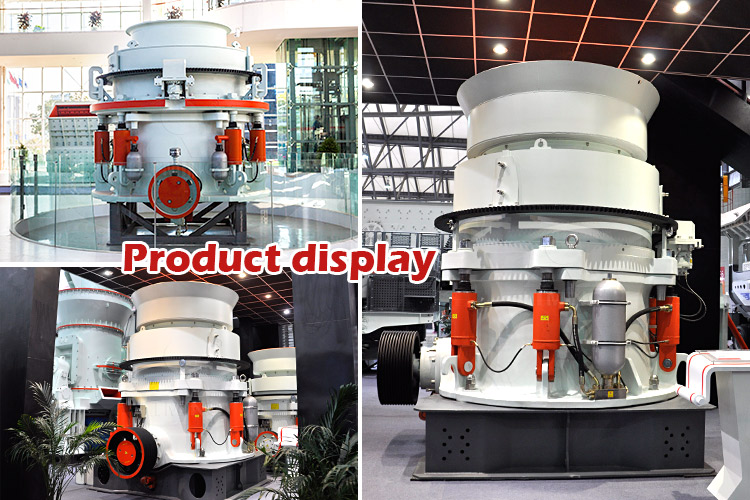
No two mining operations are identical. Leading crushing plant manufacturers offer customizable solutions that can be tailored to specific ore types, production volumes, and site constraints. Scalability options allow for future expansion, making these plants a flexible investment as operational needs evolve.
Comparative Analysis of Top Global Crushing Plant Manufacturers
To identify the best crushing plant, it’s helpful to compare key players in the industry. The table below highlights some of the world’s leading manufacturers, based on innovation, market presence, and customer feedback.
| Manufacturer | Key Strengths | Notable Technologies | Global Reach |
|---|---|---|---|
| Metso Outotec | Comprehensive product range, strong R&D | Lokotrack mobile plants, PlantSight digital platform | Extensive, with service centers worldwide |
| Sandvik Mining and Rock Solutions | High reliability, advanced automation | AutoMine, CH800 series cone crushers | Strong presence in major mining regions |
| FLSmidth | Focus on sustainability, robust engineering | Raptor cone crushers, digital solutions | Wide network, especially in Americas and Europe |
| Thyssenkrupp Industrial Solutions | Innovative designs, large-scale solutions | Eccentric Roll Crusher, Kubria cone crushers | Global operations with a focus on heavy-duty applications |
Operational Considerations for Mining Managers
Beyond manufacturer reputation, practical operational factors play a crucial role in determining the best crushing plant for your site. These include site-specific conditions, maintenance requirements, and integration with existing processes.
Site-Specific Adaptations
Consider factors like climate, altitude, and material hardness when selecting a crushing plant. For example, plants operating in cold regions may require additional heating systems, while those in remote areas might benefit from modular designs for easier transport and assembly.
Maintenance and Support Services
Access to reliable maintenance and spare parts is vital for minimizing downtime. The best crushing plants come with comprehensive service agreements, including remote diagnostics and on-site technical support, ensuring quick resolution of issues and optimal performance over time.
Integration with Downstream Processes
A crushing plant should seamlessly integrate with screening, conveying, and processing equipment. Evaluate compatibility with your existing setup to avoid bottlenecks and ensure a smooth material flow, enhancing overall plant efficiency.
Cost-Benefit Analysis for Procurement Heads
Procurement decisions must balance initial investment with long-term returns. Conducting a thorough cost-benefit analysis helps in identifying the best crushing plant that offers the highest value over its lifecycle.
Total Cost of Ownership (TCO)
TCO includes not only the purchase price but also operational costs, maintenance expenses, and potential downtime losses. A plant with a higher upfront cost might offer lower TCO due to better energy efficiency and durability, making it a more economical choice in the long run.
Return on Investment (ROI)
Calculate ROI by estimating increased production capacity, reduced operational costs, and extended equipment life. The best crushing plants typically demonstrate a strong ROI through enhanced productivity and reliability, justifying the investment for procurement heads focused on financial performance.
Financing and Leasing Options
Explore flexible financing solutions, such as leasing or pay-per-ton models, which can reduce initial capital outlay. Many top manufacturers offer these options, making it easier to acquire advanced crushing technology without straining budgets.
Future Trends in Crushing Plant Technology
The mining industry is evolving rapidly, with emerging trends shaping the next generation of crushing plants. Staying informed about these developments can help you future-proof your investment.
Digitalization and AI Integration
Artificial intelligence and machine learning are being integrated into crushing plants to optimize operations autonomously. These technologies can predict failures, adjust settings in real-time, and improve overall efficiency, representing a significant leap forward in plant management.
Sustainability Initiatives
As environmental regulations tighten, crushing plants are incorporating more eco-friendly features, such as renewable energy sources and water recycling systems. Investing in sustainable technology not only complies with regulations but also enhances corporate social responsibility profiles.
Modular and Mobile Solutions
Modular crushing plants offer flexibility and quicker deployment, ideal for temporary sites or projects with varying demands. Mobile plants, in particular, provide mobility and ease of relocation, reducing setup times and increasing operational agility.
Frequently Asked Questions (FAQ)
What makes a crushing plant the best in the world?
The best crushing plants combine advanced technology, durability, energy efficiency, and customization options to deliver high performance and reliability in diverse mining conditions.
How do I choose between stationary and mobile crushing plants?
Consider your project duration, site mobility needs, and production requirements. Stationary plants are ideal for long-term, high-volume operations, while mobile plants offer flexibility for shorter projects or multiple sites.
What are the key maintenance tips for crushing plants?
Regular inspections, timely replacement of wear parts, and adherence to manufacturer maintenance schedules are crucial. Utilizing predictive maintenance technologies can also help prevent unexpected breakdowns.
How does automation improve crushing plant efficiency?
Automation enhances efficiency by optimizing crusher settings, monitoring performance in real-time, and reducing manual intervention, leading to higher throughput and lower operational costs.
What role does energy efficiency play in selecting a crushing plant?
Energy-efficient plants reduce power consumption and operational expenses, contributing to lower total cost of ownership and compliance with environmental standards.
Can crushing plants be customized for specific ore types?
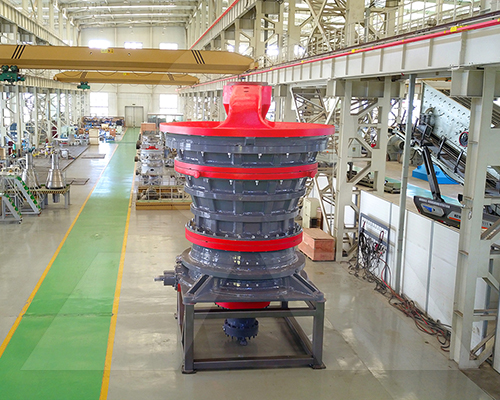
Yes, leading manufacturers offer customization options to handle different ore characteristics, such as hardness and abrasiveness, ensuring optimal crushing performance.
What is the typical lifespan of a high-quality crushing plant?
With proper maintenance, a high-quality crushing plant can last 20-30 years or more, depending on usage and operating conditions.
How do I evaluate the total cost of ownership for a crushing plant?
Calculate TCO by summing the purchase price, installation costs, operational expenses (e.g., energy, labor), maintenance costs, and potential downtime losses over the plant’s lifespan.
What are the latest technological advancements in crushing plants?
Recent advancements include AI-driven optimization, IoT sensors for real-time monitoring, and sustainable features like energy recovery systems.
How important is manufacturer support when choosing a crushing plant?
Manufacturer support is critical for ensuring reliable operation, with access to spare parts, technical assistance, and service agreements minimizing downtime and extending equipment life.
What environmental regulations should I consider for crushing plants?
Comply with local and international regulations on dust emissions, noise levels, and energy consumption. Many top plants include built-in systems to meet these standards.
Can crushing plants be integrated with existing mining operations?
Yes, most modern crushing plants are designed for easy integration with screening, conveying, and processing equipment, ensuring seamless material flow and operational efficiency.