Table of Contents
- Complete Guide to HS Code for Crushing Machine in Nigeria (2025 Update)
- Introduction: Why the HS Code for Crushing Machines Matters in Nigeria
- 1. The Primary HS Code for Crushing Machines in Nigeria
- 1.1 HS Code: 8474.20 – Crushing or Grinding Machines
- 1.2 HS Code: 8474.10 – Sorting and Screening Machines
- 1.3 HS Code: 8474.80 – Other Machinery (Mixing, Kneading)
- 2. Duty Rates and Taxes for Crushing Machines in Nigeria (2025)
- 3. Step-by-Step Classification Logic (How to Avoid Errors)
- Step 1: Identify the Machine’s Primary Function
- Step 2: Check if It’s a Part or Accessory
- Step 3: Determine if It’s Mobile or Fixed
- Step 4: Verify with the Nigerian Customs Tariff Book
- 4. Common HS Code Mistakes for Crushing Machines in Nigeria
- Mistake #1: Using 8430 (Earth Moving Machinery)
- Mistake #2: Using 8479 (Machines Having Individual Functions)
- Mistake #3: Ignoring Parts Classification
- 5. Import Procedures and Documentation for Crushing Machines in Nigeria
- Special Permit for Quarry Crushers
- 6. Duty Exemptions and Incentives for Crushing Machines
- 6.1 ECOWAS Trade Liberalisation Scheme (ETLS)
- 6.2 Pioneer Status Incentive
- 6.3 Export Processing Zone (EPZ) Imports
- 7. How to Verify Your HS Code Before Shipping
- Step 1: Use the Nigerian Customs Online Tariff
- Step 2: Request a Binding Tariff Information (BTI)
- Step 3: Consult a Licensed Customs Agent
- 8. Frequently Asked Questions (FAQ)
- Q1: Can I import a used crushing machine into Nigeria?
- Q2: What is the HS code for a stone crusher plant (complete)?
- Q3: Is there a VAT exemption for agricultural crushers?
- Q4: What is the penalty for wrong HS code?
- 9. Conclusion: Get Your HS Code Right, Save Money and Time
Complete Guide to HS Code for Crushing Machine in Nigeria (2025 Update)
Introduction: Why the HS Code for Crushing Machines Matters in Nigeria
If you are importing crushing machines into Nigeria—whether for granite quarrying, construction aggregate production, or mineral processing—knowing the correct HS code for crushing machine in Nigeria is not just a bureaucratic formality. It determines your import duty rate, VAT (7.5%), CISS (Comprehensive Import Supervision Scheme) levy, and even whether you need special permits from the Nigerian Customs Service (NCS) or the Standards Organisation of Nigeria (SON).
A wrong HS code can lead to cargo delays, penalty charges, or outright seizure at Apapa Port, Tin Can Island Port, or the Lekki Deep Sea Port. This guide provides the exact HS codes, duty rates, and step-by-step classification logic for crushing machines in Nigeria, based on the 2022–2025 ECOWAS Common External Tariff (CET).
1. The Primary HS Code for Crushing Machines in Nigeria
1.1 HS Code: 8474.20 – Crushing or Grinding Machines
The most common HS code for crushing machines (jaw crushers, cone crushers, impact crushers, hammer mills) imported into Nigeria is:
8474.20.00 – Machinery for sorting, screening, separating, washing, crushing, grinding, mixing or kneading earth, stone, ores or other mineral substances in solid form.
This subheading covers:
- Jaw crushers
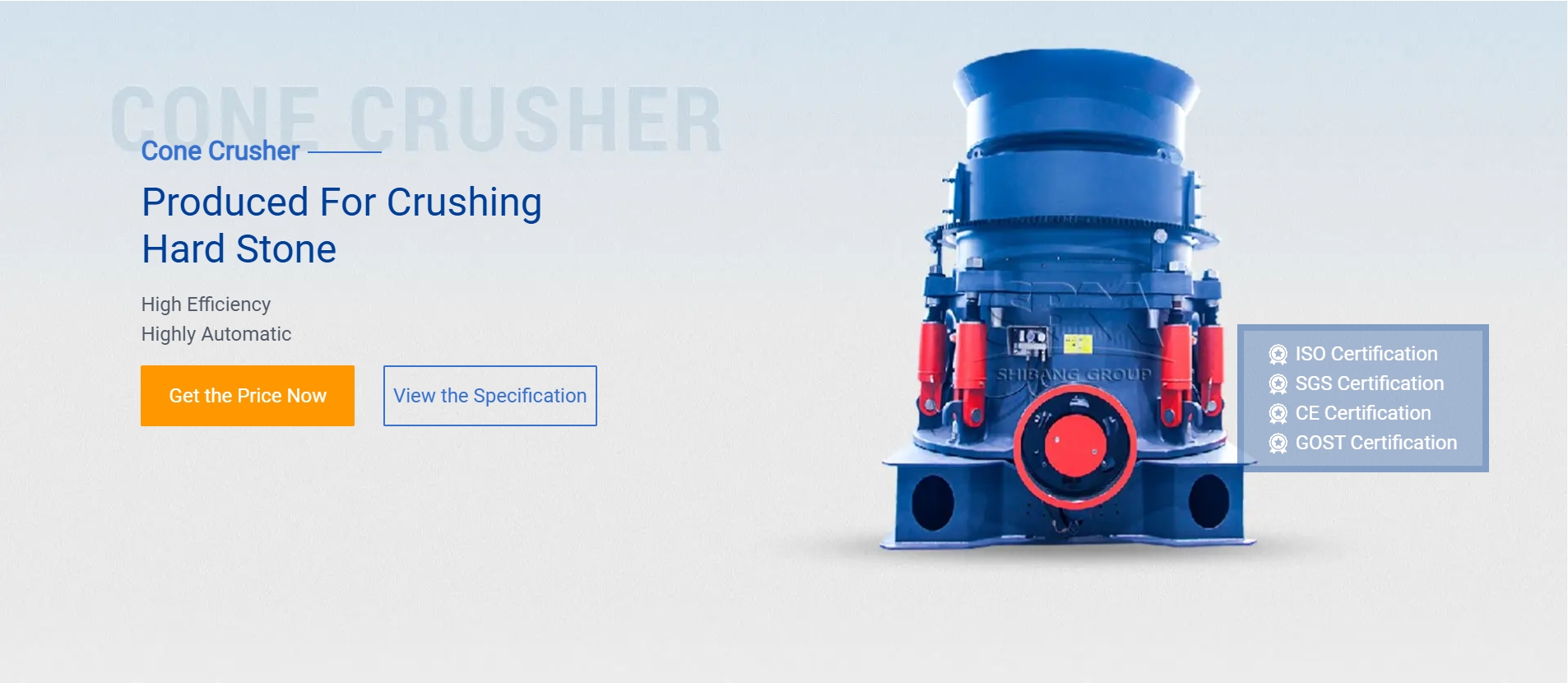
- Cone crushers
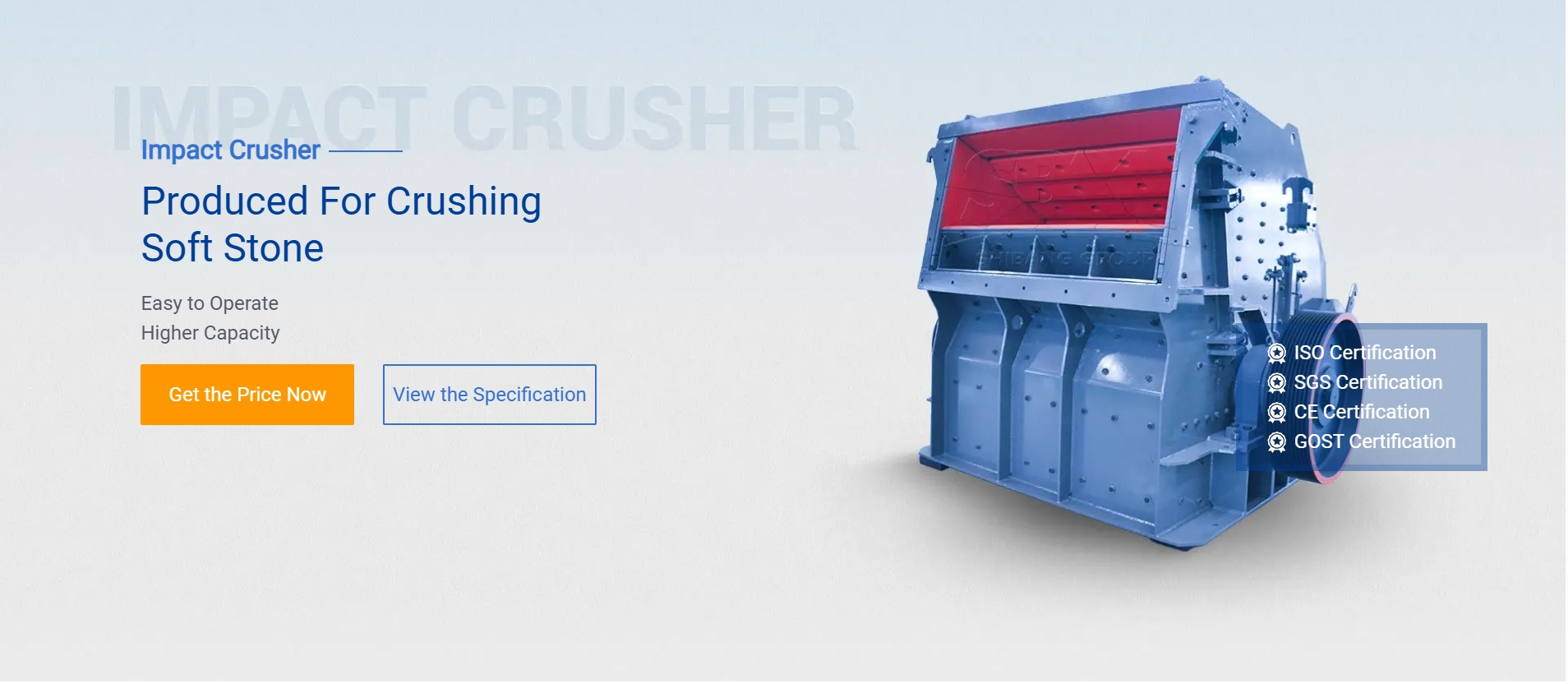
- Impact crushers
- Gyratory crushers
- Roller crushers
- Hammer crushers
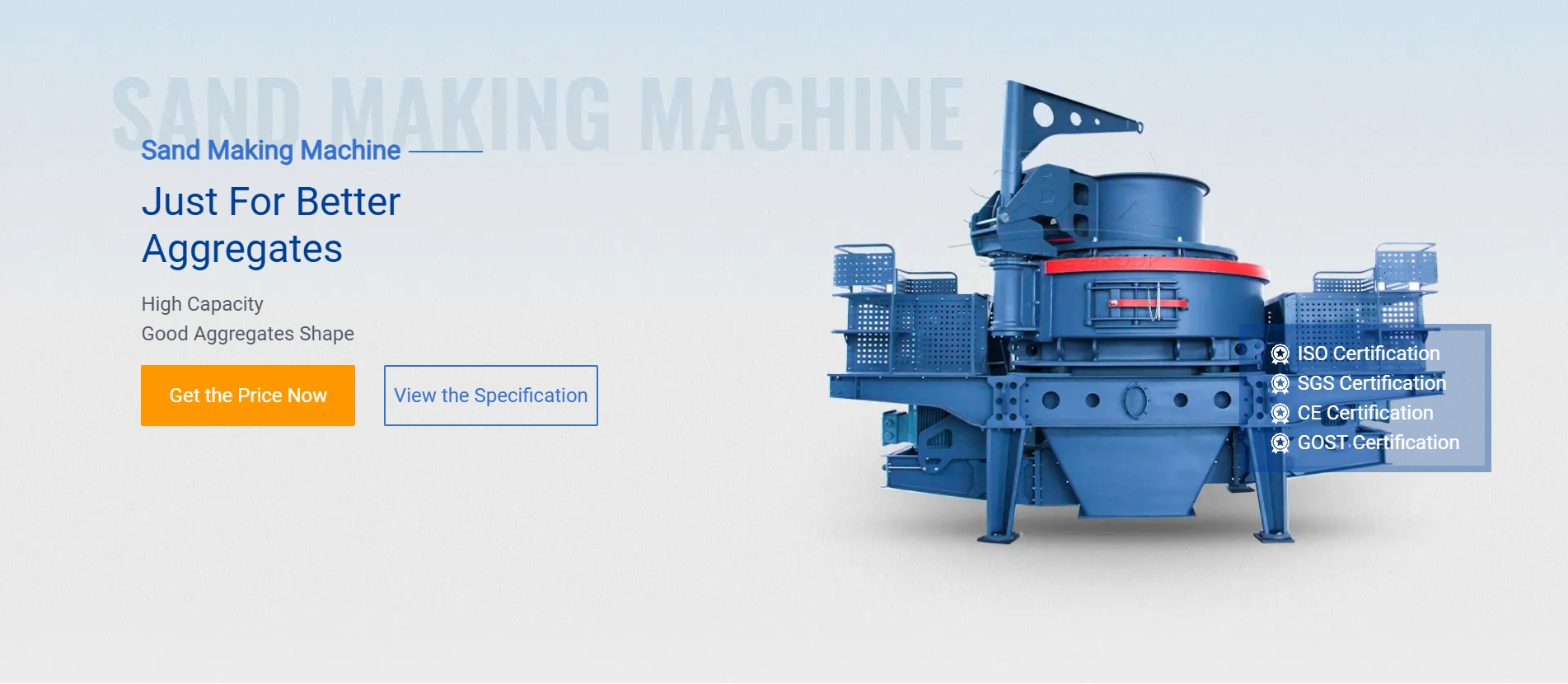
- Vertical shaft impactors (VSI)
- Mobile crushing plants (self-propelled or towed)
1.2 HS Code: 8474.10 – Sorting and Screening Machines
If your machine is primarily a screening or sorting machine (e.g., vibrating screen, trommel screen) used alongside a crusher, the correct code is:
8474.10.00 – Sorting, screening, separating or washing machines for earth, stone, ores or other mineral substances.
1.3 HS Code: 8474.80 – Other Machinery (Mixing, Kneading)
For concrete mixers or bitumen mixers that are part of a crushing and screening plant, use:
8474.80.10 – Machinery for mixing or kneading mineral substances (excluding concrete mixers)
8474.80.90 – Other machinery for mineral substances
2. Duty Rates and Taxes for Crushing Machines in Nigeria (2025)
Based on the ECOWAS CET and Nigerian fiscal policy, the following rates apply to HS 8474.20.00:
| Cost Component | Rate | Remarks |
|---|---|---|
| Import Duty | 5% | CET rate for most machinery |
| VAT | 7.5% | Standard Nigerian VAT |
| CISS Levy | 1% | Comprehensive Import Supervision Scheme |
| ETLS (ECOWAS Trade Liberalisation Scheme) | 0% | If imported from ECOWAS member states with certificate |
| Total Effective Tax | ~13.5% | Excluding freight, insurance, and clearing charges |
Important Note: If you import a complete mobile crushing plant (e.g., a tracked jaw crusher), customs may classify it under 8474.20 as a whole. However, if the plant is self-propelled and designed for road travel, it may fall under 8705.90 (special purpose motor vehicles). Always request a pre-arrival assessment report (PAAR) to confirm.
3. Step-by-Step Classification Logic (How to Avoid Errors)
Step 1: Identify the Machine’s Primary Function
- Crushing/grinding → 8474.20
- Screening/sorting → 8474.10
- Mixing/kneading → 8474.80
Step 2: Check if It’s a Part or Accessory
- Crusher wear parts (jaw plates, liners, hammers) → 8474.90 (parts)
- Complete machine → 8474.20
Step 3: Determine if It’s Mobile or Fixed
- Fixed crusher → 8474.20
- Self-propelled mobile crusher → 8474.20 (unless it’s a road vehicle, then 8705)
Step 4: Verify with the Nigerian Customs Tariff Book
Download the latest Nigerian Customs Tariff (2022–2026) from the NCS website or use the TradeHub Nigeria portal to run a free HS code search.
4. Common HS Code Mistakes for Crushing Machines in Nigeria
Mistake #1: Using 8430 (Earth Moving Machinery)
Some importers classify crushers under 8430.50 (machinery for earth moving). This is incorrect unless the machine is a crawler-mounted excavator with a crusher attachment. The crusher itself is 8474.
Mistake #2: Using 8479 (Machines Having Individual Functions)
If your crusher has a unique function not covered elsewhere, customs might suggest 8479. But 8474 is more specific and should be used for mineral crushing.
Mistake #3: Ignoring Parts Classification
If you import spare parts (e.g., toggle plates, bearings, eccentric shafts), they are 8474.90.00 – not 8474.20. Parts duty is also 5%, but VAT and CISS still apply.
5. Import Procedures and Documentation for Crushing Machines in Nigeria
To clear a crushing machine at Nigerian ports, you need:
- Form M – Opened via a registered bank
- Proforma Invoice – From the exporter
- PAAR (Pre-Arrival Assessment Report) – Generated after Form M validation
- Bill of Lading / Airway Bill
- SONCAP Certificate – For regulated machinery (crushing machines are in the SON mandatory list)
- NAFDAC Clearance – Only if the machine contacts food (e.g., palm kernel crusher)
- Ministry of Mines Clearance – If the crusher is for solid minerals (requires a mining license)
Special Permit for Quarry Crushers
If you are importing a crusher for granite quarrying, you must also register with the Nigerian Mining Cadastre Office and obtain a Quarry Lease. The NCS will require this document to release the machine..jpg)
6. Duty Exemptions and Incentives for Crushing Machines
6.1 ECOWAS Trade Liberalisation Scheme (ETLS)
If the crusher is manufactured in an ECOWAS member state (e.g., Ghana, Senegal) and you have an ETLS certificate, import duty is 0%. Only VAT (7.5%) and CISS (1%) apply.
6.2 Pioneer Status Incentive
Companies engaged in solid mineral processing can apply for Pioneer Status under the Nigerian Investment Promotion Commission (NIPC). This grants a 3–5 year tax holiday on profits, but does not exempt import duty.
6.3 Export Processing Zone (EPZ) Imports
If you operate within a Free Trade Zone (e.g., Lekki Free Zone), you can import crushing machines duty-free and VAT-free, provided the machine is used exclusively for export production.
7. How to Verify Your HS Code Before Shipping
Step 1: Use the Nigerian Customs Online Tariff
Visit https://customs.gov.ng/tariff and search for “8474”.
Step 2: Request a Binding Tariff Information (BTI)
NCS allows importers to request a written classification ruling for a specific machine. This is highly recommended for complex mobile crushing plants.
Step 3: Consult a Licensed Customs Agent
A licensed clearing agent in Apapa or Tin Can Island can run a pre-shipment classification using the machine’s technical datasheet. This costs between ₦50,000 and ₦150,000 but saves you from costly delays..jpg)
8. Frequently Asked Questions (FAQ)
Q1: Can I import a used crushing machine into Nigeria?
Yes, but used machines require a Certificate of Roadworthiness from the country of origin and a Pre-Shipment Inspection by a NCS-appointed agent (e.g., COTECNA). The duty rate is the same as new machines.
Q2: What is the HS code for a stone crusher plant (complete)?
A complete stone crushing plant (feeder + jaw crusher + cone crusher + screen) is classified as 8474.20.00 if imported as a single unit. If imported as separate components, each part is classified individually.
Q3: Is there a VAT exemption for agricultural crushers?
If the crusher is used for animal feed (e.g., cassava peeler crusher), it may qualify for VAT exemption under the Nigerian VAT Act (Schedule 1). You must obtain a VAT exemption certificate from the Federal Inland Revenue Service (FIRS).
Q4: What is the penalty for wrong HS code?
Penalties range from ₦500,000 to ₦5,000,000 or seizure of the machine, depending on the value and intent. In severe cases, the importer may face criminal prosecution.
9. Conclusion: Get Your HS Code Right, Save Money and Time
The HS code for crushing machine in Nigeria is 8474.20.00 for most crushers, with 8474.10.00 for screens and 8474.90.00 for parts. The total import tax burden is approximately 13.5% (5% duty + 7.5% VAT + 1% CISS). However, exemptions exist under ETLS, EPZ, and Pioneer Status.
Before you ship, always:
- Confirm the exact model and function of your machine
- Run a tariff search on the NCS portal
- Engage a licensed customs broker
- Request a PAAR before the vessel arrives
By following this guide, you will avoid unnecessary customs penalties, reduce clearance time, and ensure your crushing machine starts generating revenue as quickly as possible.
Need a PDF version of this guide or a custom HS code check for your specific crusher model? Contact a Nigerian licensed customs agent or use the NCS TradeHub portal for real-time classification assistance.