Table of Contents
- Understanding the Stone Crusher Business and Market Demand
- Choosing the Right Stone Crusher Equipment and Technology
- Securing Permits, Legal Approvals, and Environmental Compliance
- Finding the Best Location and Setting Up Your Crushing Plant
- Marketing Strategies and Building Profitable Customer Relationships
- Frequently Asked Questions
- What are the key steps to legally establish a stone crusher business?
- How much capital is required to start a stone crusher plant?
- What type of crusher machine is best for starting a stone crushing business?
- How do I obtain mineral rights and quarry leases for a stone crusher?
- What environmental clearances are mandatory for a stone crusher plant?
- How can I ensure consistent raw material supply for my crusher plant?
- What are the major operational costs in running a stone crusher business?
- How do I market and sell crushed stone effectively?
- What safety standards must a stone crusher plant follow?
- How do I choose the right location for setting up a stone crusher?
- Can a stone crusher business be automated, and is it cost-effective?
- What government schemes support stone crusher entrepreneurs?
In 2024, the demand for high-quality construction materials continues to surge, making the stone crusher business a lucrative opportunity for forward-thinking entrepreneurs. With urbanization accelerating and infrastructure projects expanding globally, crushed stone remains a cornerstone of modern development. Starting a stone crusher operation is more than just acquiring machinery—it’s about strategic planning, regulatory compliance, and understanding market dynamics. From selecting the right location and securing permits to choosing efficient, eco-friendly equipment and building strong supply chains, every step shapes your venture’s success. This guide walks you through the essential phases of launching a profitable stone crushing business, offering actionable insights on feasibility studies, investment planning, operational setup, and scaling for long-term growth. Whether you’re an experienced industrialist or a new investor, the stone crusher industry offers compelling returns for those who approach it with precision and vision. Discover how to transform raw stone into solid profits in one of construction’s most vital sectors.
Understanding the Stone Crusher Business and Market Demand
- Global construction and infrastructure development remain primary drivers of aggregate demand, with stone crushers serving as critical components in the supply chain for concrete, asphalt, and road base materials.
- Urbanization trends, particularly in emerging economies across Asia, Africa, and Latin America, are fueling demand for residential, commercial, and transportation infrastructure, directly increasing reliance on crushed stone.
- Government investment in public infrastructure—such as highways, railways, airports, and housing projects—acts as a key catalyst for sustained market growth in the stone crushing sector.
- The construction industry consumes over 80% of crushed stone production globally, with secondary applications in mining, quarrying, and industrial manufacturing.
- Market analysis indicates a compound annual growth rate (CAGR) of 5.2% for the global aggregates market from 2023 to 2030, underpinned by resilient demand and long-term development agendas.
- Regional dynamics significantly influence operational viability; proximity to raw material sources (quarries) and end-user markets (urban centers) determines logistical efficiency and cost competitiveness.
- Environmental regulations and permitting requirements are tightening in many jurisdictions, necessitating compliance with noise, dust, and emissions standards—factors that impact site selection and capital planning.
- Mobile and modular crushing units are gaining traction due to their flexibility, reduced setup time, and suitability for remote or temporary project sites.
- Technological advancements, including automation, real-time monitoring, and energy-efficient machinery, are reshaping competitive benchmarks and improving operational margins.
- The shift toward recycled aggregates in sustainable construction presents both a challenge and an opportunity, pressuring traditional producers to innovate or diversify.
- Competitive differentiation is increasingly achieved through consistent product quality, reliable supply capacity, and value-added services such as custom grading and just-in-time delivery.
- Input cost volatility—particularly in energy, spare parts, and maintenance—requires robust cost management strategies and long-term supplier relationships.
- Successful operators integrate forward-looking market intelligence, securing contracts with large contractors or government agencies to ensure steady throughput.
Understanding the stone crusher business requires recognizing its position within the broader industrial ecosystem. It is not a standalone venture but a capital-intensive, operationally rigorous link in the construction value chain. Profitability hinges on strategic site placement, regulatory compliance, operational efficiency, and alignment with macroeconomic infrastructure cycles. Demand is relatively inelastic in developing regions, offering strong entry potential for well-capitalized, technically adept entrepreneurs.
Choosing the Right Stone Crusher Equipment and Technology
-
Selecting the appropriate stone crusher equipment and technology is a pivotal determinant of operational efficiency, product quality, and long-term profitability. The choice must align with geological characteristics of the raw material, desired output specifications, production capacity requirements, and site-specific logistical constraints.
-
Primary crushers—typically jaw or gyratory—are essential for initial size reduction. Jaw crushers are favored for their reliability, simplicity, and ability to handle abrasive feed materials, making them ideal for hard rock operations. Gyratory crushers offer higher throughput and are better suited for large-scale stationary plants with consistent feed rates.
-
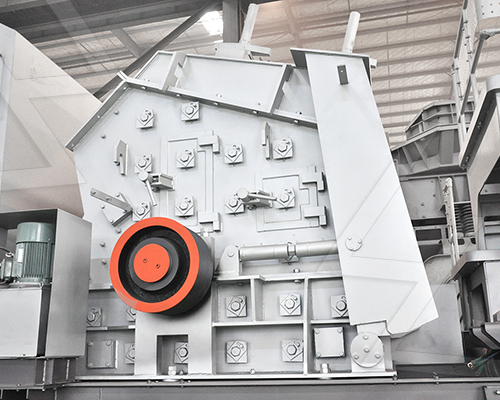
For secondary and tertiary crushing, cone and impact crushers dominate. Cone crushers deliver precise, cubical aggregates ideal for high-grade construction applications and perform exceptionally well with medium-to-hard rocks. They offer adjustable closed-side settings, enabling fine control over output gradation. In contrast, horizontal shaft impact (HSI) crushers produce superior shape and are optimal for softer, less abrasive materials; vertical shaft impact (VSI) crushers are indispensable for manufacturing manufactured sand (M-sand) and achieving high particle cubicality.
-
Consideration of feed size, moisture content, and throughput capacity is critical. Equipment should be scalable and modular to accommodate future expansion. Integration with automated control systems enhances operational consistency, reduces downtime, and improves safety through real-time monitoring of parameters such as load, temperature, and vibration.
-
Power source compatibility—electric, diesel, or hybrid—must reflect energy costs and grid reliability at the site. Mobile and portable crushing units offer flexibility for temporary or remote projects, reducing transportation costs and permitting rapid deployment.
-
Maintenance accessibility, spare parts availability, and manufacturer support significantly influence uptime and total cost of ownership. Opt for OEMs with proven service networks and digital support infrastructure.
-
Finally, environmental compliance—noise suppression, dust control integration, and energy efficiency—must be factored into equipment selection. Modern crushers with built-in dust suppression and low emission profiles not only meet regulatory standards but also enhance community relations and operational sustainability.
-
A technologically sound, application-specific crusher setup forms the backbone of a profitable operation—balancing capital investment, operational agility, and product marketability.
Securing Permits, Legal Approvals, and Environmental Compliance
- Obtain a Non-Agricultural (Non-AG) Certificate from the relevant state land authority to confirm the land is legally permissible for industrial use.
- Secure land ownership or a registered lease agreement with a minimum tenure of 5–10 years; this is often a prerequisite for permit applications.
- Apply for a Consent to Establish (CTE) and Consent to Operate (CTO) from the State Pollution Control Board (SPCB) or Pollution Control Committee (PCC), adhering to the Air (Prevention and Control of Pollution) Act, 1981, and Water (Prevention and Control of Pollution) Act, 1974.
- Submit detailed project reports (DPR), environmental management plans, and site layout diagrams as part of the CTE application; include noise, dust, and effluent control measures.
- Conduct an Environmental Impact Assessment (EIA) if the proposed capacity exceeds thresholds defined in the EIA Notification, 2006 (amended); engage a certified consultant for baseline studies and public consultations.
- Apply for mining lease or quarry rights through the Department of Mines and Geology; ensure compliance with the Mines and Minerals (Development and Regulation) Act, 2015, and relevant state mining rules.
- Acquire a mining lease or mineral concession in the designated area; verify that the lease explicitly permits crushing operations.
- Register under the Factories Act, 1948, if employing ten or more workers with power, or twenty or more without power; submit plans for machinery layout, worker safety, and health protocols.
- Obtain a Fire NOC from the local fire department based on site design, fire extinguishing systems, and emergency exits.
- Apply for a GSTIN and register under the Goods and Services Tax regime for tax compliance and B2B operations.
- Comply with the provisions of the Environment (Protection) Act, 1986, including maintaining green belts, dust suppression systems (e.g., water sprayers, enclosures), and regular stack monitoring.
- Submit annual environmental statements to the SPCB/PCC and conduct periodic environmental audits as mandated.
- Ensure compliance with local municipal or panchayat regulations, including noise limits under the Noise Pollution (Regulation and Control) Rules, 2000.
Failure to maintain compliance at any stage risks penalties, operational shutdowns, or revocation of permits. Engage legal and environmental consultants early to align all documentation and site operations with current regulatory frameworks. Regulatory timelines vary by state; initiate the approval process at least 6–8 months before planned operations.
Finding the Best Location and Setting Up Your Crushing Plant
-
Proximity to raw material sources is the primary determinant in selecting a location for a stone crushing plant. Ideally, the site should be within 10–15 kilometers of the quarry to minimize transportation costs, which can account for up to 30% of operational expenditure. A thorough geological survey must confirm consistent stone quality and long-term resource availability.
-
Access to infrastructure is non-negotiable. The site must have reliable road connectivity capable of supporting heavy dump trucks and routine maintenance vehicles. Proximity to major highways reduces logistics bottlenecks and improves delivery turnaround to construction sites. Additionally, assess bridge weight limits and seasonal road conditions, particularly in rural or mountainous regions.
-
Utility availability—including high-capacity electrical supply and water—must be confirmed during site evaluation. Crushing operations are energy-intensive; connection to a stable grid or investment in backup power solutions (e.g., diesel generators or hybrid systems) is essential. Water is required for dust suppression and equipment cooling; ensure sustainable sourcing through municipal lines or on-site borewells with proper permits.
-
Environmental and regulatory compliance is critical. Conduct an Environmental Impact Assessment (EIA) to identify constraints related to noise, dust emissions, and runoff. Avoid ecologically sensitive zones, protected forests, and residential buffers. Secure all necessary clearances from local, state, and environmental authorities prior to construction. Zoning laws often restrict industrial activity within certain radii of inhabited areas.
-
Land tenure must be secure. Purchase or lease land with a minimum area of 10,000–15,000 square meters to accommodate the crushing unit, stockpiling zones, administrative offices, and future expansion. Title verification and due diligence on encumbrances are mandatory.
-
Labor availability and workforce logistics should not be overlooked. The site should be accessible to skilled technicians and operators, with nearby accommodation options if necessary. Proximity to vocational training centers can facilitate workforce development.
-
Finally, conduct a comparative site analysis using weighted criteria: raw material access (30%), infrastructure (25%), regulatory feasibility (20%), utility access (15%), and labor (10%). This data-driven approach ensures optimal site selection, laying the foundation for long-term operational efficiency and regulatory compliance.
Marketing Strategies and Building Profitable Customer Relationships
-
Develop a value-driven marketing strategy centered on reliability, quality, and service efficiency to differentiate from competitors. Emphasize technical specifications, production capacity, and compliance with environmental and safety standards in all communications.
-
Target key customer segments with precision: infrastructure contractors, road construction firms, real estate developers, and government procurement agencies. Utilize industry data to map high-growth regions and align sales efforts with upcoming public and private infrastructure projects.
-
Build a professional digital presence with a responsive website showcasing product specifications, operational certifications, case studies, and client testimonials. Optimize for search engines using industry-specific keywords such as “high-capacity stone crusher,” “aggregate production services,” and “crushed stone supplier [Region].”
-
Implement targeted outreach through LinkedIn and industry-specific platforms. Engage decision-makers in construction and mining firms with personalized content, including performance metrics and cost-benefit analyses of using your crushed stone products.
-
Establish long-term customer relationships through contractual supply agreements, volume-based pricing, and just-in-time delivery options. Offer technical support and real-time production updates to reinforce trust and operational transparency.
-
Participate in construction, mining, and infrastructure trade shows to demonstrate capabilities, collect qualified leads, and partner with equipment manufacturers or logistics providers.
-
Introduce a referral incentive program for existing clients and industry consultants. Reward repeat orders and client referrals with discounts or priority scheduling.
-
Monitor customer satisfaction via structured feedback mechanisms after delivery and installation. Use insights to refine service delivery, address pain points, and identify upselling opportunities.
-
Leverage data analytics to track customer acquisition cost (CAC), lifetime value (LTV), and retention rates. Adjust marketing spend toward high-conversion channels—whether digital ads, direct sales, or partnerships.
-
Cultivate strategic alliances with quarry operators and transport companies to offer bundled services, enhancing value proposition and reducing client procurement complexity.
-
Train sales teams in consultative selling techniques, enabling them to position the business as a solutions provider rather than a commodity supplier. Equip them with ROI calculators and project-based pricing models.
A sustainable stone crusher business depends not on transactional sales, but on institutionalized customer relationships grounded in consistent quality, responsiveness, and strategic alignment with clients’ operational goals. Marketing must reflect this long-term orientation.
Frequently Asked Questions
What are the key steps to legally establish a stone crusher business?
To legally establish a stone crusher business, begin by registering your company with the appropriate government authorities (e.g., Registrar of Companies), obtain an industrial license if required, and secure environmental clearance from the State Pollution Control Board. You’ll also need a mining lease or quarry agreement, NOC from local municipalities, and compliance with the Indian Boiler Act and Factories Act. Consulting a legal expert familiar with mineral-bearing state laws ensures all regulatory boxes are checked.
How much capital is required to start a stone crusher plant?
Initial capital for a stone crusher business typically ranges from ₹30 lakhs to ₹2 crores depending on capacity (50–200 TPH), location, automation level, and land acquisition costs. This includes expenses for crushers, conveyors, screens, transformers, pollution control equipment, and working capital for 3–6 months. Additional funds may be needed for environmental compliance and labor training.
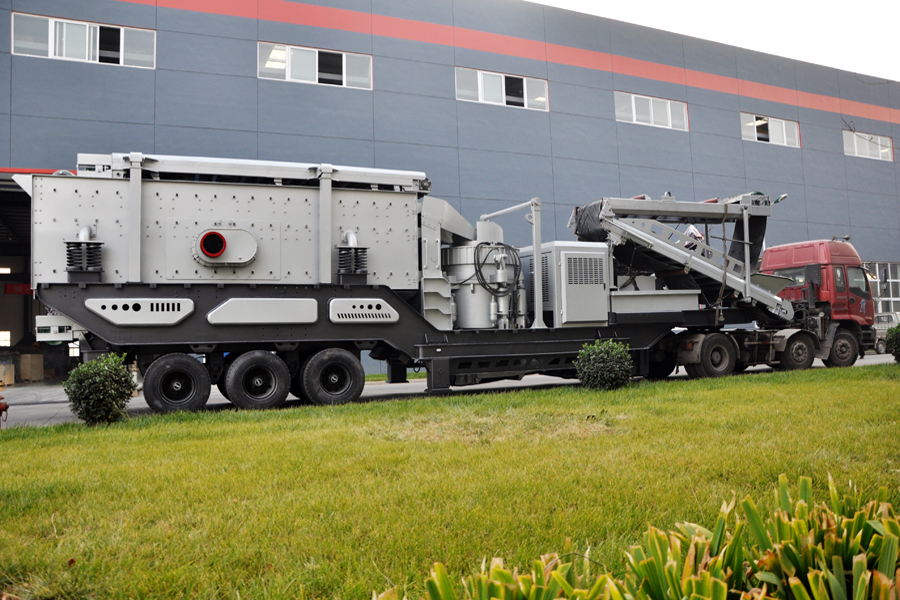
What type of crusher machine is best for starting a stone crushing business?
For new entrepreneurs, a jaw crusher combined with a cone or impact crusher in a two-stage setup offers optimal balance between cost, efficiency, and product quality. Jaw crushers are ideal for primary crushing due to their durability and low maintenance, while cone or impact crushers provide finer, cubical aggregates required in construction. Choose ISO-certified, energy-efficient models from reputable manufacturers like Metso, Zenith, or Larsen & Toubro.
How do I obtain mineral rights and quarry leases for a stone crusher?
To obtain mineral rights, apply for a quarry lease through the State Directorate of Geology & Mining via public auction (e-governance portals in most states). Eligibility includes being an Indian citizen/company and fulfilling financial and technical criteria. Priority is often given to captive use or small-scale operators. Partnering with landowners who have mineral-rich land can expedite the process.
What environmental clearances are mandatory for a stone crusher plant?
Mandatory clearances include Consent to Establish (CTE) and Consent to Operate (CTO) from the State Pollution Control Board. The plant must comply with emission standards (dust, noise) under the Air and Noise Pollution Acts. An Environmental Clearance (EC) from the Ministry of Environment, Forest and Climate Change is required for plants over 50 TPH or located in ecologically sensitive zones.
How can I ensure consistent raw material supply for my crusher plant?
Secure long-term agreements with landowners or mining leaseholders to guarantee stone supply. Alternatively, apply for a mining lease yourself if allowed by state rules. Establish buffer stockpiles and maintain multiple sourcing routes to mitigate supply chain disruptions. Conduct geological surveys to assess quarry longevity before investment.
What are the major operational costs in running a stone crusher business?
Primary operational costs include electricity (30–40% of OPEX), diesel for generators/mobile units, labor wages, maintenance and spare parts, conveyors and screen cloth replacement, pollution control systems upkeep, and transportation. Energy-efficient motors, preventive maintenance schedules, and in-house technical staff can significantly reduce long-term costs.
How do I market and sell crushed stone effectively?
Target ready-mix concrete plants, road contractors, precast units, and real estate developers directly. Offer customized gradation and on-time delivery to build client loyalty. Register with government e-procurement portals (e.g., GeM) for public projects. Build a regional brand with certified product quality (IS 383 compliance), and leverage digital marketing with Google My Business and B2B platforms like IndiaMART.
What safety standards must a stone crusher plant follow?
Comply with the Factories Act, ensuring personal protective equipment (PPE), machine guarding, emergency shutdown systems, and fire safety equipment. Conduct regular safety training, implement Lockout-Tagout (LOTO) procedures, and perform risk assessments. Install CCTV and dust suppression systems. Annual audits and third-party safety certifications improve credibility and reduce accident risks.
How do I choose the right location for setting up a stone crusher?
Select a site within 10–15 km of a quarry to reduce transportation costs, near major highways for distribution, and away from residential zones (minimum 500m buffer) to meet pollution norms. Ensure grid power access, adequate water supply, and proper drainage. Conduct a geographic and logistical feasibility study including slope stability and flood risk.
Can a stone crusher business be automated, and is it cost-effective?
Yes, automation using PLC-based control systems, remote monitoring, and automated feeding and screening significantly improves throughput, product consistency, and safety. While initial costs are higher, automation reduces labor dependency, minimizes downtime, and enhances fuel/energy efficiency—making it cost-effective within 2–3 years for medium to large plants.
What government schemes support stone crusher entrepreneurs?
Explore subsidies under the MSMED Act, State Industrial Policies (e.g., Gujarat or Rajasthan offer capital subsidies), and environmental technology upgradation grants. Programs like PM Employment Generation Programme (PMEGP) offer concessional loans. Renewable energy integration (solar for lighting/pumps) may qualify for MNRE incentives.