Table of Contents
- Understanding Mountain Stone Extraction and Its Industrial Importance
- Essential Tools and Equipment for Quarrying Rock from Mountain Formations
- Step-by-Step Process of Safely Removing Stone from Mountain Terrain
- Environmental and Safety Considerations in Mountain Stone Mining Operations
- Transporting and Processing Raw Stone After Mountain Extraction
- Frequently Asked Questions
- How is stone extracted from a mountain in large-scale operations?
- What equipment is essential for quarrying stone from mountainous terrain?
- What are the stages involved in mountain stone extraction?
- How do geologists determine where to extract stone from a mountain?
- What safety measures are critical when removing stone from mountains?
- How does diamond wire sawing work in mountain stone extraction?
- What environmental regulations apply to mountain stone quarrying?
- Can stone be removed from mountains without blasting?
- What types of stone are commonly extracted from mountains?
- How is slope stability maintained during mountain stone removal?
- What role does blasting design play in efficient stone extraction?
- How is extracted mountain stone processed for commercial use?
Extracting stone from a mountain is a precise fusion of geology, engineering, and heavy industry—a process that transforms rugged peaks into essential building blocks for modern civilization. From the initial survey of rock formations to the final extraction and transport, quarrying demands meticulous planning, advanced technology, and a deep respect for environmental stewardship. Whether supplying materials for infrastructure, architecture, or industrial applications, the journey from mountain to market begins with understanding rock composition, structural integrity, and optimal extraction methods. Techniques such as drilling, blasting, and mechanical cutting are employed with surgical precision to minimize waste and maximize yield. Safety, sustainability, and regulatory compliance are paramount throughout every phase. This guide demystifies the quarrying process, offering a comprehensive look at the tools, strategies, and best practices used by professionals worldwide. Whether you’re in construction, engineering, or resource management, understanding how stone is responsibly extracted from mountains is key to appreciating the foundation upon which our built environment rests.
Understanding Mountain Stone Extraction and Its Industrial Importance
-
Mountain stone extraction involves the systematic removal of rock from natural geological formations for use in construction, infrastructure, and industrial applications. This process, commonly executed through quarrying, targets high-strength materials such as granite, limestone, basalt, and marble—stones prized for durability, compressive strength, and aesthetic consistency.
-
The industrial importance of mountain stone extraction stems from its role as a foundational supplier to the global construction sector. Crushed stone is essential in producing concrete, asphalt, and railway ballast, while dimension stone supports architectural cladding, flooring, and monument fabrication. With urbanization and infrastructure development accelerating worldwide, demand for reliable, high-quality aggregates continues to grow, reinforcing the strategic value of mountain-based operations.
-
Extraction begins with geological surveying and resource assessment to determine stone quality, fracture patterns, and economic viability. Once validated, site preparation includes access road development, drilling patterns, and environmental mitigation planning. The primary extraction methods include drilling and blasting for hard rock, and mechanical cutting using diamond wire saws or chain saws for dimension stone where precision and minimal fracturing are critical.
-
Blasting involves placing explosive charges in pre-drilled holes to fragment rock into manageable sizes, after which excavators and loaders transfer material to crushing and screening plants. For premium stone products, diamond wire saws enable controlled, low-vibration cuts that preserve block integrity for subsequent processing.
-
Post-extraction, the material undergoes crushing, grading, and washing to meet industry specifications. By-products are increasingly repurposed into secondary materials such as aggregates for road base or fill, enhancing sustainability and reducing waste.
-
Environmental stewardship is integral to modern operations, with regulatory compliance mandating dust control, water management, reclamation planning, and habitat restoration. Advances in monitoring technology and precision extraction further reduce ecological impact while improving yield and safety.
-
The continued evolution of drilling automation, seismic monitoring, and digital quarry modeling enhances efficiency and safety, positioning mountain stone extraction as a technologically advanced, economically vital sector within the global minerals industry.
Essential Tools and Equipment for Quarrying Rock from Mountain Formations
-
Drill rigs (top hammer and down-the-hole): Essential for creating blast holes in hard rock formations. Top hammer rigs are optimal for shallow, precise drilling, while down-the-hole (DTH) rigs deliver superior penetration in deeper, abrasive formations typical of mountainous terrain.
-
Explosives and detonation systems: Controlled blasting remains the primary method for fracturing bedrock. ANFO (ammonium nitrate fuel oil) is widely used for its cost efficiency and reliability, while emulsion explosives offer better water resistance in wet boreholes. Electronic detonators enable millisecond-level precision, minimizing ground vibration and improving fragmentation.
-
Hydraulic excavators (30- to 80-ton class): Used for muck pile handling, loading, and secondary breaking. High-reach configurations allow operation on steep slopes, critical in mountainous topography with limited access.
-
Rock breakers and hydraulic hammers: Mounted on excavators or carriers, these tools manage oversized boulders post-blast, reducing reliance on secondary blasting and improving material uniformity.
-
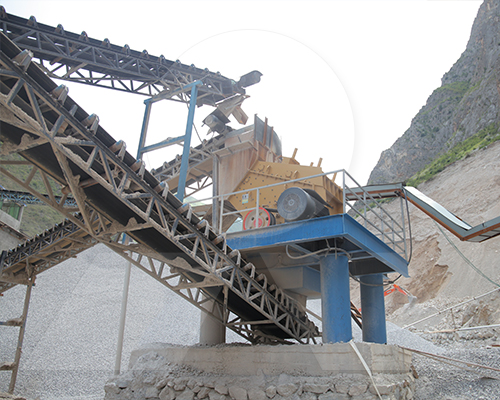
Crushers (primary jaw, secondary cone/impact): Integrated into mobile or semi-mobile crushing plants positioned near the extraction face. Primary jaw crushers reduce run-of-mine rock, while secondary cone or impact crushers refine material to target specifications. In-pit crushing reduces hauling costs in elevated terrain.
-
Haul trucks (rigid and articulated frame): 40- to 100-ton capacity trucks transport crushed or blasted material to processing zones. Articulated models offer superior traction and maneuverability on steep, unpaved quarry roads.
-
Dozers (D6–D9 class): Critical for bench preparation, road maintenance, and push-loading in high-elevation operations. High-power dozers with slope-assist systems ensure stability on inclines.
-
Surveying and geotechnical instrumentation: Robotic total stations, GPS-guided machine control systems, and slope stability radars ensure precise bench geometry and real-time monitoring of rock mass movement, essential for safety in structurally complex mountain environments.
-
Dewatering systems: Submersible pumps and sump stations manage groundwater infiltration in deepening benches, particularly in metamorphic or fractured rock settings.
Proper equipment selection must account for rock hardness, slope geometry, elevation, and environmental constraints. Integration of telemetry and fleet management systems enhances operational efficiency, fuel economy, and maintenance scheduling. Equipment must be rated for high-altitude performance, with adjustments for reduced engine output and cooling efficiency.
Step-by-Step Process of Safely Removing Stone from Mountain Terrain
-
Conduct a comprehensive geological survey to assess rock composition, structural integrity, and fault lines using seismic testing, core drilling, and geophysical methods. This data informs the feasibility and safety of extraction.
-
Establish exclusion zones and implement site-specific risk mitigation protocols. Install monitoring systems for ground movement, vibration, and air quality. Secure all regulatory permits and conduct environmental impact assessments prior to any physical intervention.
-
Design a benching strategy to incrementally remove overburden and access the target stone strata. Benches are typically 10–15 meters high, allowing controlled access while minimizing slope instability. Excavate access roads capable of supporting heavy machinery with proper drainage and load-bearing specifications.
-
Deploy precision drilling equipment to create blast holes according to an engineered fragmentation plan. Hole diameter, depth, spacing, and orientation are calculated based on rock mechanics and desired block size. Use electronic surveying tools to ensure accuracy.
-
Load blast holes with emulsion or ANFO explosives in accordance with calculated charge weights. Initiate detonation using non-electric delay systems to sequence blasts and reduce ground vibration. Conduct all blasting during approved hours with evacuation and airwave monitoring in place.
-
After detonation, perform a post-blast inspection to confirm slope stability and identify any unexploded charges. Use robotic or remote-operated equipment if instability is suspected.
-
Employ hydraulic excavators and front-end loaders to remove fragmented stone. Conduct primary sizing using crushers if necessary, ensuring material meets processing requirements. Sort material by grade and size on-site using screening plants.
-
Implement real-time slope monitoring using inclinometers and LiDAR scanning to detect movement. Reinforce high-risk areas with rock bolts, shotcrete, or drainage systems to prevent rockfalls.
-
Transport extracted stone via heavy-duty haul trucks to processing facilities. Maintain strict vehicle maintenance and traffic management protocols to reduce operational hazards.
-
Reclaim and rehabilitate worked areas progressively. Reshape slopes, install erosion controls, and initiate revegetation to restore ecological function.
-
Maintain continuous documentation of extraction activities, safety audits, and environmental compliance. Use data analytics to refine operational efficiency and hazard response.
Environmental and Safety Considerations in Mountain Stone Mining Operations
-
Implement comprehensive environmental impact assessments (EIAs) prior to initiation of all mountain stone mining activities to identify sensitive ecosystems, hydrological systems, and endangered species habitats.
-
Adhere to regulatory frameworks established by national and regional environmental authorities, ensuring compliance with air quality, water discharge, noise, and land use standards.
-
Utilize controlled blasting techniques with precision detonation sequences to minimize ground vibration, airborne particulate matter, and unintended rock displacement. Monitor blast vibrations using seismographs to ensure compliance with safety thresholds.
-
Design quarry faces with engineered benching and slope angles determined through geotechnical analysis to reduce risk of rockfalls and landslides. Conduct regular slope stability assessments using remote sensing and drone-based LiDAR surveys.
-
Establish sediment control infrastructure, including silt fences, retention ponds, and vegetative buffer zones, to prevent erosion and protect downstream water quality.
-
Minimize dust emissions through water sprays at drilling, crushing, and hauling operations. Where feasible, deploy dust suppression additives and enclosed conveyor systems.
-
Reclaim and rehabilitate mined areas progressively. Restore topsoil, re-vegetate with native plant species, and contour waste rock piles to blend with natural terrain. Post-mining land use plans should be integrated into initial project design.
-
Manage waste rock and overburden through structured placement in designated dumps with proper drainage and compaction to prevent leachate formation and slope failure.
-
Implement rigorous worker safety protocols, including mandatory personal protective equipment (PPE), confined space entry procedures, and emergency response drills. Conduct ongoing safety training with emphasis on high-risk tasks such as drilling, blasting, and heavy equipment operation.
-
Equip all vehicles and mobile equipment with rollover protection structures (ROPS), backup alarms, and GPS-based collision avoidance systems.
-
Monitor air quality for respirable crystalline silica and diesel particulate matter, particularly in enclosed or deep-cut operations, and enforce exposure limits per occupational health standards.
-
Develop a site-specific environmental management plan (EMP) with measurable performance indicators, third-party audits, and community engagement mechanisms to address stakeholder concerns and ensure transparency.
-
Incorporate real-time monitoring systems for groundwater levels, air quality, and slope movement to enable proactive risk mitigation and adaptive management.
Transporting and Processing Raw Stone After Mountain Extraction
-
Extracted stone blocks or fragmented material must be transported from the mountain extraction face to processing facilities using heavy-duty hauling equipment. Primary transport methods include articulated dump trucks, conveyor systems, and, in topographically challenging environments, cableways or aerial tramways designed to traverse steep gradients efficiently.
-
Material is typically loaded at the extraction point using hydraulic excavators or front-end loaders capable of handling large, irregular stone masses. Route planning prioritizes minimizing load cycles and equipment wear, with temporary haul roads engineered for stability, drainage, and load-bearing capacity. Critical considerations include gradient control (ideally under 10%), surface compaction, and adherence to safety clearances.
-
Upon arrival at the primary processing area, raw stone undergoes initial sorting and quality grading. Visual and structural assessments determine suitability for dimension stone, aggregate, or industrial mineral applications. Contaminated or structurally compromised material is segregated for alternative use or disposal.
-
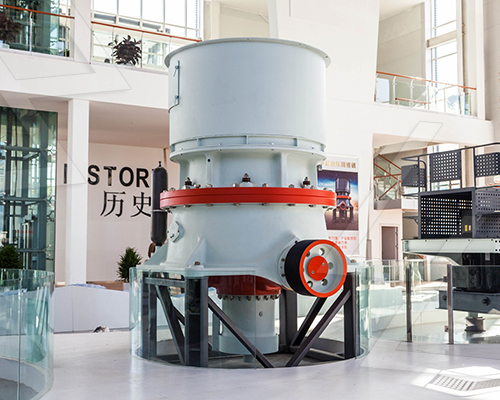
Primary crushing follows, utilizing jaw, gyratory, or impact crushers to reduce oversized blocks to manageable feed sizes (typically 6–10 inches). The choice of crusher depends on rock hardness, abrasiveness, and desired output gradation. Secondary and tertiary crushing stages may employ cone or roll crushers to achieve precise particle sizing for downstream applications.
-
Screening separates crushed material by size fraction using vibrating grizzlies or multi-deck screens. Oversized material is recirculated for re-crushing, while undersized fractions proceed to stockpiling or further processing. Closed-circuit configurations enhance efficiency and consistency.
-
For dimension stone production, diamond wire saws, gang saws, or block cutters precisely shape quarried blocks. These are then finished via grinding, polishing, or profiling based on end-use specifications—construction cladding, flooring, or architectural elements.
-
Dust and particulate control throughout transport and processing is maintained through water sprays, enclosed conveyors, and industrial filtration systems to comply with environmental and occupational health standards.
-
Final products are stockpiled according to grade, size, and destination, with rigorous quality control protocols ensuring traceability and compliance with industry specifications before shipment.
Frequently Asked Questions
How is stone extracted from a mountain in large-scale operations?
Large-scale stone extraction from mountains typically involves drilling and blasting techniques. Engineers first conduct geological surveys to identify viable rock layers. Then, precision drilling creates boreholes into which explosives are placed and detonated to fracture the rock. The broken stone is then removed using heavy machinery such as hydraulic excavators and haul trucks, processed through crushers, and sorted by size for commercial use.
What equipment is essential for quarrying stone from mountainous terrain?
Essential equipment includes diamond wire saws, channeling machines, and drill jumbos for cutting and fracturing rock. Hydraulic excavators, front-end loaders, and dump trucks transport the stone. For precision extraction, tracked carrier systems and rock scalers ensure safety and efficiency. Modern operations may also use GPS-guided drills and drones for surveying and monitoring.
What are the stages involved in mountain stone extraction?
The process involves site exploration, permitting, clearing overburden, drilling, blasting (if applicable), cutting (in controlled environments), loading and hauling, crushing, and screening. Each stage requires engineering oversight to ensure structural stability, regulatory compliance, and operational safety. Post-extraction, site rehabilitation is often mandated.
How do geologists determine where to extract stone from a mountain?
Geologists use geological mapping, core drilling, and geophysical surveys to assess rock composition, fracture patterns, and structural integrity. They analyze data from seismic testing and LIDAR scans to locate homogeneous, high-quality stone deposits while avoiding fault lines or unstable zones that could compromise safety.
What safety measures are critical when removing stone from mountains?
Critical measures include slope stability analysis, controlled blasting protocols, protective barriers, and comprehensive dewatering systems. Workers must wear PPE, and operations follow strict exclusion zones during detonations. Real-time monitoring with inclinometers and radar detects slope movement, preventing collapses.
How does diamond wire sawing work in mountain stone extraction?
Diamond wire sawing uses a flexible steel cable embedded with diamond-impregnated beads to cut through rock with high precision. The wire loops around the stone block while pumped water cools the system and reduces dust. This method minimizes waste, preserves structural integrity, and is ideal for high-value dimension stone like granite or marble.
What environmental regulations apply to mountain stone quarrying?
Regulations typically cover air and noise pollution control, water runoff management, habitat preservation, and reclamation planning. Operators must obtain environmental impact assessments (EIA), manage sediment ponds, control dust emissions, and restore landscapes post-mining. Compliance with local, national, and international standards (e.g., ISO 14001) is mandatory.
Can stone be removed from mountains without blasting?
Yes, non-explosive methods include diamond wire sawing, hydraulic splitting, and chain saw cutting. These techniques are used when precision, safety, or environmental concerns (e.g., near populated areas) make blasting unsuitable. Hydraulic splitters use pressure to create controlled fractures along natural cleavage planes.
What types of stone are commonly extracted from mountains?
Common types include granite, limestone, marble, sandstone, and quartzite. Each has distinct geological formations and extraction requirements. For example, granite is often quarried in large blocks for countertops and monuments, while limestone may be crushed for aggregate or cement production.
How is slope stability maintained during mountain stone removal?
Engineers use terracing, benching, and rock bolting to stabilize slopes. Drainage systems prevent water buildup, and geotechnical monitoring tools such as extensometers track movement. Designing gradual inclines and retaining structures reduces the risk of landslides during and after extraction.
What role does blasting design play in efficient stone extraction?
Blasting design optimizes fragmentation, minimizes vibration, and preserves surrounding rock integrity. Engineers use software to model blast patterns, delay sequences, and charge weights. Precision drilling and controlled detonation reduce overbreak and secondary breaking, improving yield and safety.
How is extracted mountain stone processed for commercial use?
After extraction, stone is transported to crushers and screened by size. For dimension stone, gangsaws or bridge saws cut blocks into slabs. Polishing, CNC trimming, and quality inspection follow. Crushed stone undergoes further classification for use in construction, road base, or railway ballast.