Table of Contents
- Understanding the Importance of Iron Ore Crushing in Steel Production
- Stages of Iron Ore Crushing: From Run-of-Mine to Fine Particles
- Types of Crushing Equipment Used in Iron Ore Processing
- How Jaw Crushers Break Down Large Iron Ore Rocks Efficiently
- Optimizing Iron Ore Crushing for Maximum Efficiency and Yield
- Frequently Asked Questions
- How is iron ore crushed in industrial mining operations?
- What types of crushers are used for iron ore processing?
- Why is size reduction critical in iron ore processing?
- What is the role of screening in iron ore crushing circuits?
- How does the hardness of iron ore influence crusher selection?
- What are closed-circuit vs. open-circuit crushing in iron ore processing?
- How is dust controlled during iron ore crushing?
- What is the impact of moisture content on iron ore crushing?
- How does automation improve iron ore crushing efficiency?
- What safety measures are essential in iron ore crushing plants?
- How is crushing efficiency measured in iron ore operations?
- What environmental considerations are involved in iron ore crushing?
Extracting value from the earth begins long before iron reaches the smelter—it starts with the precise and powerful crushing of raw iron ore. As one of the foundational steps in mineral processing, crushing prepares the ore for subsequent stages of beneficiation and refining. This intricate process involves reducing large chunks of mined material into smaller, more manageable sizes through a systematic sequence of stages, each designed to optimize efficiency and liberation of valuable minerals. Utilizing robust equipment such as jaw crushers, gyratory crushers, and cone crushers, mining operations apply mechanical force to fracture the ore while preserving its integrity for downstream processing. The crushing circuit is carefully engineered to balance throughput, energy consumption, and particle size distribution, ensuring maximum recovery during later stages. Understanding how iron ore is crushed reveals not only the engineering ingenuity behind modern mining but also the critical role this initial phase plays in transforming raw earth into a key component of the world’s infrastructure.
Understanding the Importance of Iron Ore Crushing in Steel Production
-
Iron ore crushing is a foundational step in the steel production value chain, directly influencing the efficiency, cost, and quality of downstream processes. As extracted from the earth, raw iron ore ranges from large boulders to fragmented rock, making size reduction essential to enable further processing. Without proper crushing, subsequent operations such as grinding, beneficiation, and pelletizing cannot proceed with optimal efficiency.
-
The primary objective of crushing is to liberate iron-bearing minerals from gangue materials by reducing particle size to a range suitable for separation techniques. This liberation is critical in maximizing iron recovery and minimizing waste, thereby improving the overall economics of steelmaking. Finely controlled particle size also enhances the reactivity and uniformity required in blast furnaces and direct reduction processes, contributing to consistent output and reduced energy consumption.
-
Crushing impacts downstream operations in multiple ways. Under-crushed ore increases the load on grinding mills, leading to higher energy use and equipment wear. Over-crushed material may generate excessive fines, complicating handling and reducing permeability in furnaces. Therefore, achieving the correct size distribution—typically between 6 mm and 25 mm after final crushing—is a precision-driven necessity.
-
From a metallurgical standpoint, consistent feed size ensures stability in beneficiation circuits, such as magnetic separation or flotation, where particle behavior is highly size-dependent. In pelletizing plants, uniform feed promotes homogeneity in green pellet formation and sinter strength, directly influencing the performance of the final product in high-temperature environments.
-
Economically, efficient crushing reduces operational costs by extending equipment lifespan, minimizing maintenance downtime, and lowering power consumption across the processing chain. It also supports environmental goals by reducing over-grinding and waste generation.
-
Ultimately, iron ore crushing is not merely a mechanical step but a strategic enabler of productivity and quality in steel production. Its integration within the processing workflow demands careful planning, precise equipment selection, and continuous monitoring to ensure alignment with metallurgical and operational targets.
Stages of Iron Ore Crushing: From Run-of-Mine to Fine Particles
-
Run-of-mine (ROM) iron ore, as extracted from open-pit or underground operations, typically ranges from large boulders exceeding one meter in diameter to fines. The primary objective of crushing is to reduce this material to a manageable size for subsequent beneficiation and processing while liberating iron-bearing minerals from gangue.
-
The crushing process follows a staged approach designed to maximize efficiency and minimize energy consumption. The first stage, primary crushing, involves reducing ROM ore from original sizes down to approximately 150–200 mm. This is typically achieved using a gyratory or jaw crusher installed at the mine site or crushing station. These machines are selected for their robustness and ability to handle large feed sizes with high throughput rates.
-
Following primary crushing, secondary crushing further reduces particle size to 50–100 mm. Cone crushers are commonly employed in this stage due to their superior size control and ability to produce a more uniform product. The crushed material is conveyed via transfer points, often passing over scalping screens to remove undersized particles before entering the secondary circuit.
-
Tertiary crushing is employed when finer feed is required for grinding circuits. Using fine-setting cone crushers or high-efficiency compression types, particle size is reduced to 10–25 mm. This stage is critical for optimizing downstream grinding efficiency, as smaller feed sizes reduce energy demand in ball or SAG mills.
-
In some flowsheets, especially those processing hard or abrasive ores, an additional quaternary stage may be implemented to achieve even finer product sizes. However, this is less common and typically reserved for specialized high-grade or pellet feed operations.
-
Throughout the crushing stages, material is conveyed, screened, and sometimes washed to remove fines and contaminants. Closed-circuit configurations—where oversize material is recirculated for re-crushing—are standard to ensure consistent output size distribution.
-
Proper crusher selection, circuit design, and maintenance are essential to ensure high availability, minimize wear costs, and maintain a stable feed to downstream processes such as grinding, classification, and magnetic separation.
Types of Crushing Equipment Used in Iron Ore Processing
-
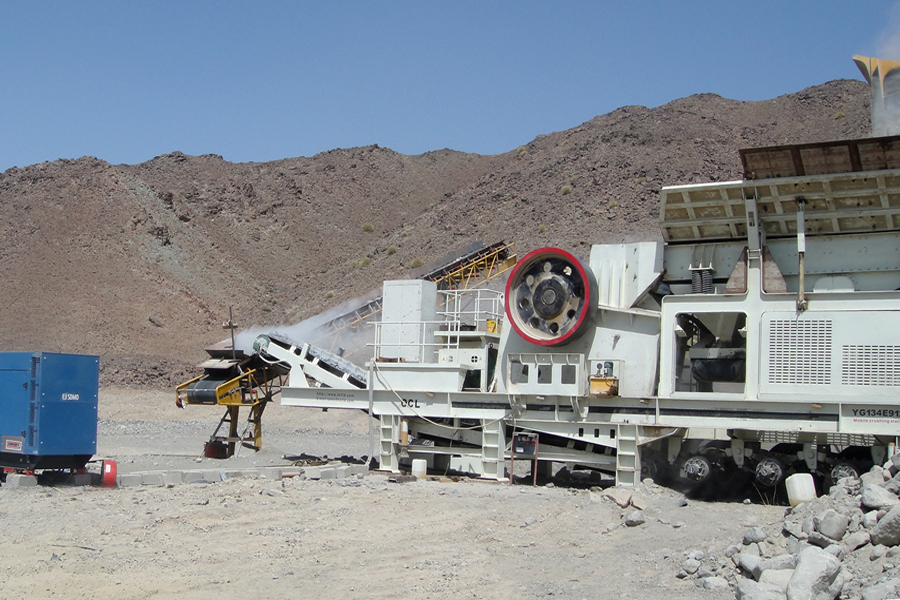
Jaw Crushers: Widely employed in the primary crushing stage, jaw crushers utilize compressive force to reduce large run-of-mine iron ore into smaller, manageable sizes. A fixed and a moving jaw plate, typically constructed from high-manganese steel, create the crushing action as the ore is fed into the top and progressively reduced in size through the narrowing discharge opening. Their robust design and high reduction ratio make them ideal for handling abrasive feed material.
-
Gyratory Crushers: Commonly used in large-scale mining operations, gyratory crushers serve as an alternative to jaw crushers in primary crushing. They offer continuous operation and higher throughput capacity due to their vertical conical head rotating within a concave liner. The eccentric motion generates consistent compressive forces, efficiently breaking down large boulders. Their ability to handle high-volume feed rates makes them preferred in high-capacity iron ore processing plants.
-
Cone Crushers: Primarily deployed in secondary and tertiary crushing stages, cone crushers further reduce the ore size after primary crushing. Utilizing a rotating mantle and concave liner, the material is compressed and fractured in a controlled environment. Modern hydraulic systems allow for precise adjustment of the discharge setting and automatic tramp release, enhancing operational safety and minimizing downtime. Their design enables fine and uniform product sizing, critical for downstream processes such as grinding.
-
Impact Crushers: Less common in hard iron ore applications due to wear concerns, impact crushers are occasionally used in softer deposits. They operate by striking the feed material with high-speed hammers or blow bars, causing rapid size reduction through impact rather than compression. While offering high reduction ratios and cubical product shapes, their susceptibility to abrasion limits use in highly siliceous or hematite-rich ores.
-
High-Pressure Grinding Rolls (HPGR): An advanced technology increasingly adopted in tertiary crushing and pre-grinding applications, HPGR applies inter-particle compression between two counter-rotating rolls. This results in micro-fracturing within the ore matrix, enhancing liberation and reducing energy consumption in subsequent grinding stages. Though capital-intensive, HPGR units deliver superior energy efficiency and product control, particularly in high-grade processing circuits.
The selection of crushing equipment is determined by ore hardness, feed size, throughput requirements, desired product size, and overall plant configuration. Each crushing stage is engineered to progressively reduce particle size while optimizing energy consumption and minimizing wear costs.
How Jaw Crushers Break Down Large Iron Ore Rocks Efficiently
- Jaw crushers are fundamental in the primary crushing stage of iron ore processing, designed to efficiently reduce large, raw ore rocks into smaller, manageable sizes for downstream processing.
- The mechanism relies on compressive force: a fixed jaw plate and a movable jaw plate converge to fracture material. The movable jaw, driven by an eccentric shaft, executes a reciprocating motion, drawing material into the crushing chamber at the top and progressively compressing it as it descends.
- Iron ore, typically extracted in chunks exceeding 1,000 mm, is reduced to 150–300 mm through this action. The gap between the jaws—known as the closed-side setting (CSS)—is precisely adjustable, enabling control over the output particle size and ensuring consistency for subsequent stages.
- High-strength manganese steel liners protect the jaw plates from abrasion, a critical feature given iron ore’s hardness and silica content, which contribute to rapid wear. Regular inspection and timely replacement of wear parts maintain crushing efficiency and minimize downtime.
- The design of the crushing chamber promotes a high reduction ratio—typically between 6:1 and 8:1—maximizing size reduction in a single pass. This efficiency is vital for optimizing throughput in large-scale mining operations.
- Dual-toggle jaw crushers are commonly used in iron ore applications due to their robustness, ability to handle high feed variability, and tolerance to tramp material. Modern units integrate overload protection systems, such as hydraulic release or shear bolts, to prevent damage from uncrushable objects.
- Feed control is essential; uniform, regulated feeding prevents choking and ensures even wear across the jaw plates. Overloading reduces efficiency and accelerates mechanical stress.
- Jaw crushers offer high reliability and low maintenance compared to alternative primary crushers, making them ideal for remote or high-capacity mining sites. Their simple mechanical design facilitates ease of service and component access.
- While primarily used for primary crushing, jaw crushers are not typically employed in secondary or tertiary stages due to limitations in fine particle shaping and size control.
- Energy efficiency is optimized through motor selection, flywheel inertia, and precise alignment of moving components, contributing to lower operational costs per ton of processed ore.
- In summary, jaw crushers deliver consistent, high-volume size reduction of iron ore through reliable mechanical compression, forming the critical first step in the comminution process. Their durability, adjustability, and operational efficiency make them indispensable in iron ore beneficiation circuits.
Optimizing Iron Ore Crushing for Maximum Efficiency and Yield
-
Implementing a robust crushing circuit design is fundamental to achieving maximum efficiency and yield in iron ore processing. The optimization process begins with feed characterization—understanding the hardness, moisture content, and size distribution of raw ore directly informs equipment selection and operational parameters. Utilizing jaw crushers for primary reduction followed by cone or gyratory crushers in secondary and tertiary stages allows for progressive size reduction while maintaining throughput and minimizing energy consumption.
-
Equipment selection must align with ore properties and desired product specifications. Modern high-efficiency crushers incorporate automated settings adjustment and real-time monitoring systems that respond dynamically to fluctuations in feed rate and material hardness. This adaptability reduces downtime, prevents overloading, and ensures consistent output, directly contributing to improved yield.
-
Proper choke feeding in cone and gyratory crushers maximizes compression crushing action, enhancing particle shape and reducing fines generation. This practice increases crushing efficiency and reduces liner wear, extending maintenance intervals and lowering operational costs. Pre-screening feed material using vibrating grizzlies or scalping screens removes sub-sized particles before crushing, preventing unnecessary processing and reducing energy use.
-
Closed-circuit configurations, where undersized material bypasses further crushing while oversized material is recirculated, are essential for precise product sizing. Integrating advanced screening technology ensures accurate separation and feedback control, enabling tighter product gradation compliance.
-
Energy efficiency is further enhanced through variable frequency drives (VFDs) on conveyor and crusher motors, allowing speed modulation based on real-time demand. This reduces peak power draw and mechanical stress.
-
Regular performance audits—tracking metrics such as reduction ratio, throughput tonnage, power consumption per ton, and wear part life—provide actionable insights for continuous improvement. Predictive maintenance powered by vibration analysis and oil monitoring systems prevents unplanned stoppages and preserves equipment integrity.
-
Finally, integrating process automation and digital twin modeling allows operators to simulate operational changes, optimize set points, and forecast maintenance needs. Such data-driven strategies elevate operational precision, reduce waste, and ensure that iron ore crushing achieves peak mechanical and economic performance.
Frequently Asked Questions
How is iron ore crushed in industrial mining operations?
Iron ore is crushed in industrial mining operations using a multi-stage process involving primary, secondary, and tertiary crushing. Primary crushers—typically jaw or gyratory crushers—reduce large run-of-mine ore into smaller, manageable pieces. Secondary crushers such as cone or impact crushers further reduce particle size, while tertiary crushers achieve the final desired granulometry. The crushed ore is then screened to ensure consistent particle size for downstream processing.
What types of crushers are used for iron ore processing?
The main types of crushers used for iron ore include gyratory crushers, jaw crushers, cone crushers, and impact crushers. Gyratory crushers are common for primary crushing due to their high capacity and ability to handle large feed sizes. Cone crushers are preferred for secondary and tertiary stages because of their fine crushing efficiency and ability to produce uniform particle sizes, optimizing downstream beneficiation processes.
Why is size reduction critical in iron ore processing?
Size reduction is essential to liberate iron-bearing minerals from the gangue material, enabling effective separation through methods like magnetic separation or gravity concentration. Proper crushing ensures a liberated particle size distribution that maximizes recovery rates and minimizes energy consumption in grinding circuits, thereby enhancing overall process efficiency and economic viability.
What is the role of screening in iron ore crushing circuits?
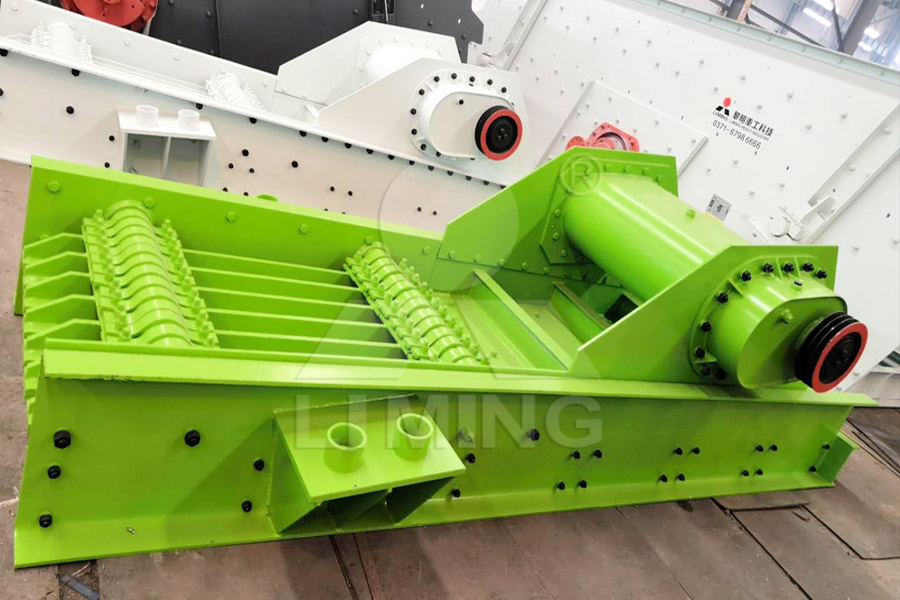
Screening separates crushed ore into various size fractions, ensuring only appropriately sized material advances to the next processing stage. Oversized particles are recirculated back to the crushers (closed-circuit operation), improving efficiency and consistency. High-frequency and vibratory screens are commonly used to handle high-volume throughput and abrasive iron ore feeds.
How does the hardness of iron ore influence crusher selection?
Hard iron ores with high abrasiveness require robust crushers made from wear-resistant materials, such as manganese steel liners in cone and jaw crushers. Gyratory and cone crushers are preferred for hard ores due to their durability and efficient compression-based size reduction. Crusher settings and throughput are adjusted based on ore hardness to minimize wear and energy consumption.
What are closed-circuit vs. open-circuit crushing in iron ore processing?
In open-circuit crushing, ore passes through the crusher once without recirculation, resulting in less control over final product size. Closed-circuit crushing includes a screening unit that returns oversized particles to the crusher, ensuring consistent output and improved efficiency. Closed-circuit systems are standard in iron ore plants to meet strict granulometric requirements for beneficiation.
How is dust controlled during iron ore crushing?
Dust generated during crushing is controlled using wet suppression systems (spray nozzles) and mechanical ventilation with baghouse filters or cyclone collectors. Enclosing transfer points and crushers, using water sprays at feed and discharge points, and implementing dust extraction systems help comply with health, safety, and environmental regulations while protecting equipment and personnel.
What is the impact of moisture content on iron ore crushing?
High moisture content causes sticking and clogging in crushers and screens, reducing throughput and increasing maintenance. To mitigate this, ore may be pre-dried or processed through grizzlies and scalping screens to remove fines and wet material before primary crushing. Optimal moisture control prevents agglomeration and ensures continuous, efficient crushing operations.
How does automation improve iron ore crushing efficiency?
Modern iron ore crushing plants use automated control systems to monitor feed rate, crusher settings, power draw, and vibration levels in real time. Automation ensures optimal crusher performance, reduces downtime, prevents overloads, and adjusts parameters dynamically to changing ore characteristics, maximizing uptime and minimizing operational costs.
What safety measures are essential in iron ore crushing plants?
Critical safety measures include lockout-tagout (LOTO) procedures during maintenance, emergency stop systems, protective guarding on moving parts, and continuous dust and noise monitoring. Strict adherence to occupational health standards, along with real-time equipment diagnostics and operator training, minimizes risks in high-energy crushing environments.
How is crushing efficiency measured in iron ore operations?
Crushing efficiency is assessed by metrics such as reduction ratio (input size/output size), throughput (tons per hour), specific energy consumption (kWh per ton), and product size distribution. High efficiency is achieved by optimizing crusher settings, feed consistency, and circuit design to balance output quality with energy and wear costs.
What environmental considerations are involved in iron ore crushing?
Environmental impacts include dust emissions, noise pollution, and energy consumption. Mitigation includes enclosed conveyors, noise barriers, energy-efficient motors, and dust suppression systems. Responsible operations comply with environmental regulations, conduct regular monitoring, and employ sustainable practices across the material handling chain.