Table of Contents
- Maximizing Quarry Output in Hong Kong’s Demanding Terrain
- Integrated Systems for Seamless Crushing and Screening Operations
- Custom-Engineered Solutions for High-Efficiency Material Processing
- Robust Construction and Low-Maintenance Design for Long-Term Reliability
- Comprehensive Support and Installation Services for Immediate Deployment
- Frequently Asked Questions
- What is the wear part replacement cycle for key crusher components?
- How does the plant adapt to different ore hardness (e.g., Mohs 5 vs. 7)?
- What vibration control measures are in place for heavy-duty screens and crushers?
- What are the lubrication system requirements for quarry crushers in high-dust environments?
- How is hydraulic system pressure optimized for different crushing stages?
- Can the plant’s electrical system handle high-starting torque motors (e.g., >400kW)?
In the dynamic landscape of Hong Kong’s construction and infrastructure development, securing reliable, high-capacity aggregate production is paramount. The availability of a complete quarry plant for sale presents a significant and timely opportunity for industry stakeholders. This turnkey operation represents more than just machinery; it is a fully integrated production solution engineered for efficiency and scale, ready to meet the rigorous demands of major projects. From primary crushing to final screening and material handling, such a facility offers immediate operational capability, bypassing lengthy setup times and capital expenditure on piecemeal assembly. For investors and contractors looking to solidify their supply chain or expand their market presence, this represents a strategic asset with the potential to deliver substantial long-term returns in one of the world’s most competitive built environments.
Maximizing Quarry Output in Hong Kong’s Demanding Terrain
Hong Kong’s unique geology—characterized by hard, abrasive granitic and volcanic rock formations—demands a quarry plant engineered not just for high output, but for relentless durability and operational intelligence. Maximizing output here is a function of selecting equipment with superior material integrity, precise process design for space constraints, and intelligent automation for uptime.
Core Engineering for Hard Rock Dominance
The primary bottleneck in local quarries is rapid wear on crushing surfaces. Standard carbon steel components fail prematurely under the sustained high-pressure impact of Hong Kong’s granite (often exceeding 250 MPa compressive strength). The solution is the systematic application of advanced alloy steels.
- Primary Jaw Crushers: Utilize jaws and side plates cast from modified Mn-steel (14-18% Manganese) with micro-alloying additions of Chromium (Cr) and Molybdenum (Mo). This provides unparalleled work-hardening capability, where the surface hardness increases under impact, creating a continually renewing wear-resistant layer.
- Secondary & Tertiary Cone Crushers: Mantles and concaves are cast from high-chromium white iron (23-27% Cr) or multi-alloy martensitic steels. These materials offer a superior balance of hardness (650-750 HB) and fracture toughness, essential for the sustained abrasion and occasional tramp metal encounters in secondary crushing stages.
- Heavy-Duty Apron Feeders & Liners: Critical for feeding primary crushers, apron feeder flights are fabricated from abrasion-resistant (AR) steel plate (Brinell 400-500) with alloy steel chain links, ensuring reliable material transport with minimal deformation.
Process Design for Constrained and Complex Sites
Topography dictates layout. A well-designed plant for Hong Kong is not merely a collection of machines, but a vertically integrated or tightly cascaded system to minimize land footprint and conveyor runs.
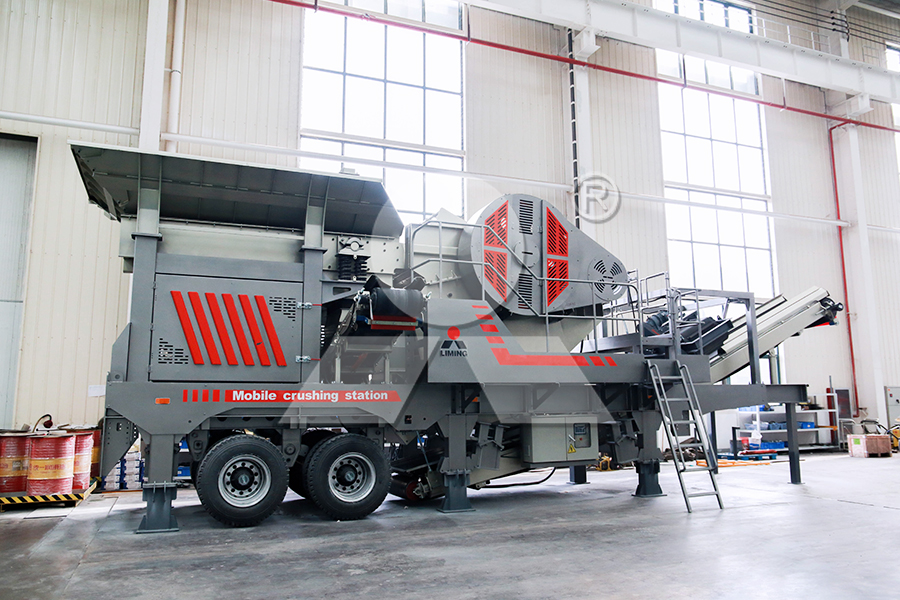
- Modular, Tiered Design: Plants are configured for steep gradients, with crushers and screens on multiple elevation levels to leverage gravity, reducing energy-intensive horizontal transfer.
- Closed-Circuit Crushing with Precision Screening: High-efficiency multi-deck screens (often with polyurethane or rubber modular panels for noise and wear reduction) are integral. They ensure rapid recirculation of oversize material, preventing choke-feeding and optimizing the production of in-spec aggregates (e.g., 10mm, 20mm, 40mm).
- Dust Suppression Integration: A non-negotiable USP for urban-edge operations. Systems are engineered with strategically placed atomizing nozzles and foam injection points at transfer chutes and crusher inlets, fully compliant with HKEPD requirements, without creating slurry.
Technical Specifications & Operational Intelligence
Output is measured in reliable throughput, not peak potential. Key parameters for a plant capable of 300-600 TPH in Hong Kong conditions include:
| System Component | Critical Parameter | Specification Rationale for HK Terrain |
|---|---|---|
| Primary Crusher | Feed Opening & CSS (Closed Side Setting) | Minimum 1200x800mm jaw opening to handle large, slabby granite; hydraulic CSS adjustment for quick product size changes. |
| Cone Crusher | Head Diameter & Drive Power | 160-200mm head diameter; 250-400kW direct drive for high reduction ratios and cubical product shape in secondary/tertiary stages. |
| Vibrating Screen | Screening Area & Deck Configuration | 10-20m² per unit; 3 or 4-deck configurations for precise separation into 4-5 aggregate grades simultaneously. |
| Overall Plant | Power Integration & Control | Centralized PLC with SCADA interface for remote monitoring of amp draw, bearing temperatures, and production tonnage, enabling predictive maintenance. |
- ISO/CE Certification: All major equipment carries CE marking and is manufactured under ISO 9001:2015 quality management systems. Structural fabrication adheres to ISO 3834 welding standards, ensuring integrity under dynamic loading.
- Adaptive Control Systems: The plant’s brain is an automated level and pressure sensing network. It regulates feeder speeds, crusher load, and conveyor rates in real-time to maintain optimum choke-fed conditions for crushers, maximizing efficiency and liner life.
Ultimate output maximization is achieved when mechanical resilience, spatial efficiency, and data-driven control converge. The plant must be an engineered system where every component, from alloy chemistry to control algorithm, is specified for the singular challenge of Hong Kong’s terrain.
Integrated Systems for Seamless Crushing and Screening Operations
Integrated systems are engineered to synchronize primary, secondary, and tertiary crushing with multi-stage screening into a single, automated production line. The core objective is to achieve maximum throughput (TPH) with optimal particle size distribution while minimizing operational bottlenecks and manual handling. System cohesion is achieved through PLC-controlled interlocking, variable frequency drives (VFDs) on conveyors and feeders, and real-time monitoring of crusher load and screen mesh blinding.
Functional Advantages of an Integrated Plant Design:
- Dynamic Load Management: Advanced control systems distribute feed material optimally across crushing stages, preventing jaw crusher overload and ensuring cone crushers operate within their designed choke-feed limits for superior cubical product shape.
- Closed-Circuit Optimization: Integrated return conveyors and screen undersize chutes create efficient closed-circuit loops, automatically recirculating oversize material for re-crushing to guarantee final product specification compliance.
- Adaptive Processing: Capable of handling fluctuations in feed size and ore hardness (e.g., transitioning from granite to basalt) through adjustable crusher settings (CSS) and automated screening angle adjustments, maintaining consistent output.
- Downtime Mitigation: Unified design allows for strategic placement of maintenance walkways, centralized lubrication points, and common spare part compatibility across crusher lines, significantly reducing service intervals.
Critical Material & Engineering Specifications:
Wear component longevity is paramount. Primary crushing zones utilize Mn-steel castings (ASTM A128 Grade B3/B4) for jaws and liners, offering high impact toughness and work-hardening properties. For abrasive secondary/tertiary stages, high-chrome alloy irons (Cr22-28%) or composite matrix liners provide superior resistance to sliding abrasion. All structural steelwork complies with ISO 8528 for load-bearing frames, while electrical systems and machine safety adhere to CE/IEC standards.
| System Module | Key Technical Parameter | Typical Specification Range | Performance Implication |
|---|---|---|---|
| Primary Crushing Station | Feed Opening & Capacity | 900x1200mm to 1500x2000mm Jaw / 500-1500 TPH | Determines max feed size and plant baseline throughput. |
| Secondary/Tertiary Circuit | Crusher Type & Drive Power | Hydraulic Cone Crusher / 200-500 kW | Governs reduction ratio, product shape, and ability to handle hard, abrasive ore. |
| Screening System | Deck Area & Vibration Frequency | 10-25m² per deck / 800-1000 RPM | Defines classification efficiency, throughput, and susceptibility to mesh blinding. |
| Material Handling | Conveyor Belt Width & Speed | 1000-1600mm / 1.6-2.5 m/s | Dictates transfer capacity between stages and overall system flow stability. |
The system’s ultimate USP lies in its calibrated total capacity, expressed as guaranteed TPH for a defined ore work index (Wi) and target product size. A seamless plant is not an assemblage of individual machines, but a single tool engineered for a specific material stream, where conveyor lengths, hopper volumes, and crusher settings are calculated to work in precise harmony. Redundancies, such as surge piles and bypass chutes, are integrated to ensure continuous operation during planned maintenance on any single unit.
Custom-Engineered Solutions for High-Efficiency Material Processing
Custom-engineered quarry plants are not commodity items; they are integrated systems whose performance is dictated by the precise interplay of material science, mechanical design, and process flow. For Hong Kong’s market, where space, regulatory compliance, and operational uptime are paramount, a bespoke design philosophy is non-negotiable for achieving high-efficiency material processing. The core engineering principle is the strategic selection and configuration of equipment to match the specific mineralogy, required product gradation, and site constraints.
The foundation of durability lies in advanced material science applied to wear components. Off-the-shelf manganese steel is insufficient. Critical wear parts in crushers and liners are cast from proprietary alloy grades, with micro-alloying elements like Chromium (Cr) and Molybdenum (Mo) to optimize hardness, toughness, and work-hardening capabilities for the specific abrasion and impact conditions of the local granite, basalt, or recycled aggregate.
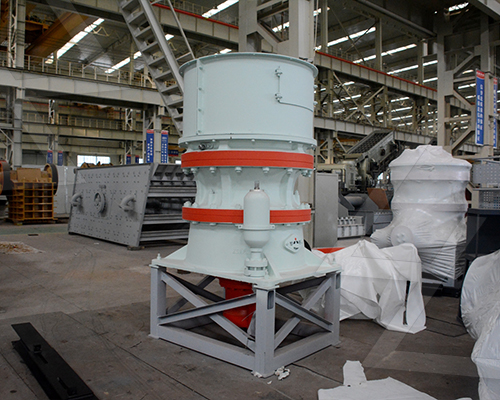
- Ore-Specific Comminution Circuitry: Primary crushing selection (jaw vs. gyratory) is calculated based on feed size, compressive strength (>250 MPa for hard rock), and required reduction ratio. Secondary and tertiary stages (cone crushers, impactors) are tuned for product shape and fines control, with hydraulic settings and chamber profiles selected for the application.
- Intelligent Process Flow Automation: Integration of programmable logic controllers (PLC) and human-machine interface (HMI) panels enables real-time monitoring of power draw, crusher pressure, and conveyor load. This allows for automatic setting adjustments and feed regulation to maintain peak throughput (TPH) and protect against tramp metal or uncrushables.
- Modular, Space-Optimized Layouts: Engineered for Hong Kong’s compact sites, plants utilize vertical or cascading arrangements to minimize footprint. Pre-assembled modules for electrical systems, dust suppression, and control cabins ensure faster installation and adherence to strict local site safety protocols.
- Integrated Environmental Compliance Systems: Engineering extends to full encapsulation of transfer points, high-pressure misting systems for dust suppression at crusher inlets and screens, and the design of water recycling circuits for wash plants to meet HKEPD standards.
All core machinery is designed and manufactured to international technical standards, providing a verifiable benchmark for quality and safety. Structural fabrications adhere to ISO 9001 quality management systems. Electromechanical components carry CE marking, ensuring conformity with EU health, safety, and environmental protection directives, which align with Hong Kong’s rigorous regulatory environment.
For a typical 400-600 TPH granite processing plant, key engineered parameters are defined during the feasibility stage:
| System Module | Key Engineered Parameter | Design Consideration for Hong Kong |
|---|---|---|
| Primary Crushing | Feed Opening & CSS (Closed Side Setting) | Maximizes feed size acceptance from quarry face; CSS set for optimal feed to secondary circuit. |
| Secondary/Tertiary Crushing | Chamber Profile & Drive Power | High-performance cone crusher with fine or coarse liner profile selected for target 40mm aggregate yield. |
| Screening | Deck Area & Mesh Configuration | Multi-deck screens with polyurethane or wire mesh panels sized to manage high humidity and prevent blinding. |
| Material Handling | Conveyor Belt Width & Incline | Width (e.g., 1200mm) calculated for TPH; incline angles minimized to reduce spillage and dust in confined layouts. |
| Dust Control | Fan Power & Water Pump Pressure | System designed for >95% containment at source, with pump pressure >80 bar for effective micron-sized particle agglomeration. |
The ultimate USP of a custom solution is its inherent adaptability. The plant’s control logic and mechanical configurations are engineered with defined adjustment ranges, allowing for future shifts in product demand or ore body characteristics without requiring a complete capital overhaul. This forward-looking design ensures the asset remains a high-efficiency processing center throughout its lifecycle, maximizing return on investment in a competitive market.
Robust Construction and Low-Maintenance Design for Long-Term Reliability
The operational integrity of a quarry plant is fundamentally determined by the material integrity of its core components and the foresight of its engineering design. For the demanding conditions of Hong Kong’s aggregate production, long-term reliability is non-negotiable. Our plants are engineered from the ground up with a philosophy of robust construction and intelligent, low-maintenance design to maximize uptime and asset life.
Core Material Specifications for Critical Wear Parts:
- Primary Jaw & Cone Crushers: Liners and mantles are cast from modified Hadfield Manganese Steel (Mn14, Mn18, Mn22) with controlled austenitic microstructure. This ensures optimal work-hardening upon impact, increasing surface hardness from ~220 HB to over 500 HB in service, providing exceptional resistance to abrasion and shock loading from Hong Kong’s granite and volcanic rock formations.
- Impact Crusher Rotors & Blow Bars: Rotors are fabricated from high-tensile steel plate with fully-welded, stress-relieved construction. Blow bars are available in multiple alloy grades (High Chrome Iron, Ceramic Composite, Martensitic Steel) to match specific ore abrasiveness and impact characteristics, balancing wear life and cost-per-ton.
- Screens & Feeders: Screen decks utilize high-carbon steel wire or polyurethane modular panels with varying durometer ratings. The choice is application-specific: steel for high-tonnage scalping of abrasive material, polyurethane for finer sizing with superior noise reduction and clog resistance in humid conditions.
- Structural Fabrication: Primary plant structures, including crusher bases, conveyor galleries, and screening towers, are constructed from S355JR structural steel with shot-blasted surfaces and multi-layer epoxy coating systems to combat coastal atmospheric corrosion.
Engineering Design for Maintainability and Uptime:
- Modular, Bolt-Together Assembly: Key sections are pre-assembled and aligned in controlled factory conditions. This minimizes on-site welding, ensures precision, and allows for future reconfiguration or component replacement with minimal downtime.
- Centralized Greasing & Automated Lubrication: Critical bearing points on crushers and screens are routed to centralized greasing banks. Optional automated lubrication systems deliver precise grease volumes on programmable intervals, eliminating manual oversight and preventing bearing failure.
- Hydraulic Adjustment & Clearing: Crusher settings (CSS) are adjusted via hydraulic systems for precise control and safety. Crushers feature hydraulic clearing cylinders to rapidly dislodge chamber blockages without manual intervention.
- Access Platforms & Maintenance Walkways: Full perimeter access with non-slip grating, integrated handrails, and strategically placed service hoists facilitate safe, efficient inspection and component change-out.
Technical Compliance & Performance Assurance:
All machinery is designed and manufactured to ISO 9001:2015 quality management standards and carries CE marking where applicable, affirming compliance with EU safety, health, and environmental protection directives. Core crushing equipment is performance-guaranteed against published specifications for throughput (TPH), product gradation, and power consumption.
Key Durability Parameters for Primary Crusher Selection:
| Component | Material Grade / Standard | Key Property | Operational Benefit |
|---|---|---|---|
| Jaw Crusher Liners | ASTM A128 Mn18Cr2 | Work-Hardening Capacity | Increasing wear resistance under impact; handles un-crushable material via toggle release system. |
| Cone Crusher Mantle/Concave | Premium Manganese Steel with Micro-Alloying | Consistent Austenitic Matrix | Predictable wear patterns, extended liner life in secondary/tertiary crushing of abrasive granite. |
| Shaft & Bearings | Forged 42CrMo4 Steel / Spherical Roller Bearings | High Fatigue Strength & Dynamic Load Rating | Sustains high cyclical loads; L10 bearing life calculations exceed 50,000 hours under design load. |
| Structural Frame | S355JR Steel / ISO 630-2 | Minimum Yield Strength: 355 MPa | High rigidity to resist dynamic loads, minimizing stress fatigue and maintaining alignment. |
This engineered approach translates directly to a lower total cost of ownership. By specifying superior materials, simplifying maintenance procedures, and designing for durability, the plant sustains its designed throughput (TPH) over decades, ensuring your Hong Kong quarry operation remains productive and competitive.
Comprehensive Support and Installation Services for Immediate Deployment
Our deployment philosophy is engineered to transform capital investment into operational asset with minimal latency. We provide a turnkey service package, from pre-shipment validation to commissioning, ensuring your plant meets designed specifications from day one.
Pre-Deployment Engineering & Logistics
- Modular Pre-Assembly: Critical process circuits, such as crusher feed modules and screening towers, are pre-assembled and stress-tested in controlled factory conditions. This reduces on-site labor by approximately 40% and mitigates weather-related delays.
- Strategic Spares Inventory: A curated initial spares kit is dispatched with the plant. It includes high-wear components manufactured from specified material grades (e.g., Mn-18% / T-400 Brinell jaw plates, high-chrome alloy blow bars), matched to the target ore’s abrasion index and silica content.
- Documentation & Compliance Dossier: Each plant ships with a complete technical dossier, including foundation CAD drawings, ISO 21873-2 compliant machinery documentation, CE-marked electrical schematics, and certified material test reports for all wear-critical parts.
On-Site Installation & Commissioning Protocol
Our field engineers supervise the entire erection sequence, adhering to a critical path method to ensure safety and precision.
| Service Phase | Key Activities | Technical Standards & Outcomes |
|---|---|---|
| Foundation & Site Verification | Verification of anchor bolt positioning, grouting procedures, and load-bearing capacity against supplied geotechnical data. | Ensures dynamic operational loads are within design parameters, preventing resonance and misalignment. |
| Mechanical Erection | Directed assembly of crushing, screening, and conveying lines. Laser alignment of all drive shafts and conveyor pulleys. | Achieves alignment tolerances within ±0.1mm/m, critical for belt life and bearing longevity. |
| Electrical & Control Integration | Connection of high-voltage feeders, PLC system integration, and calibration of all sensors (pressure, level, metal detection). | Establishes a stable control loop for automated operation, with full SCADA interface readiness. |
| Wet & Dry Commissioning | Sequential start-up of subsystems, no-load testing, and final performance testing with graded feed material. | Validates the plant achieves guaranteed TPH throughput and final product gradation curves for the specified ore hardness (e.g., up to 250 MPa compressive strength). |
Post-Deployment Operational Assurance
- Performance Benchmarking: A 72-hour continuous performance test is conducted to verify sustained capacity, power consumption, and product specification.
- On-Site Knowledge Transfer: Intensive training for your operations and maintenance teams focuses on predictive maintenance schedules for crusher liners, screen cloth change-out procedures, and conveyor belt tracking.
- Remote Monitoring Handover: Provision for integration with our central monitoring system, enabling real-time tracking of key parameters like crusher power draw and chamber pressure for proactive optimization.
Frequently Asked Questions
What is the wear part replacement cycle for key crusher components?
Expect 1,200-1,800 hours for jaw plates in abrasive granite. Using ZGMn13-4 high-manganese steel with water toughening treatment optimizes work-hardening. Monitor wear monthly; schedule replacements based on throughput (tonnage) not just time to prevent catastrophic failure and unplanned downtime.
How does the plant adapt to different ore hardness (e.g., Mohs 5 vs. 7)?
Configure primary crusher cavity and eccentric throw for hardness. For Mohs 7 (granite), use a slower speed and higher power motor. Secondary/tertiary stages require adjusting CSS (closed side setting) and possibly switching cone liners to a more abrasive-resistant alloy steel to maintain product shape and yield.
What vibration control measures are in place for heavy-duty screens and crushers?
Foundations use mass-concrete isolation blocks. Equipment mounts incorporate high-durometer rubber or steel coil springs. For screens, ensure dynamic counterweights are precisely balanced. Real-time vibration sensors on crusher bearings trigger alarms at 7-8 mm/s to prevent structural fatigue and bearing seizure.
What are the lubrication system requirements for quarry crushers in high-dust environments?
Use centralized, automated grease systems with sealed labyrinth bearings (e.g., SKF or FAG). For cone crushers, maintain oil cleanliness with dual-filter hydraulic systems. Specify ISO VG 320 extreme pressure gear oil with anti-wear additives, and check oil temperature differentials (ΔT) daily to monitor system health.
How is hydraulic system pressure optimized for different crushing stages?
Adjust via PLC-controlled relief valves. Primary jaw crusher: 14-16 MPa for clamping force. Cone crushers: 4-5 MPa for clamping, 8-10 MPa for clearing. Incorrect pressure leads to poor fragmentation or ring bounce. Calibrate quarterly using certified gauges to ensure optimal crushing force and liner life.
Can the plant’s electrical system handle high-starting torque motors (e.g., >400kW)?
Yes, with soft starters or VFDs (Variable Frequency Drives) for motors over 250kW to limit inrush current. Design includes high-capacity transformers (e.g., 2000kVA) and compensated power factor correction panels. This prevents grid instability and meets Hong Kong’s stringent utility regulations.