Table of Contents
- Unlock Higher Gold Recovery Rates with Precision Extraction Technology
- Engineered for Extreme Durability in Harsh Mining Environments
- Streamline Operations with Automated and User-Friendly Control Systems
- Optimize Energy Consumption for Cost-Effective Gold Mining
- Core Engineering Principles for Energy Reduction
- Technical Specifications & Operational Advantages
- Implementation for Maximum ROI
- Comprehensive Technical Specifications for Customized Mining Solutions
- Trusted by Industry Leaders: Proven Reliability and Support
- Frequently Asked Questions
- What is the optimal replacement cycle for crusher wear parts in gold ore processing?
- How do I adapt equipment for varying ore hardness within a single deposit?
- What are best practices for controlling vibration in large gold mining mills?
- What specialized lubrication is required for slurry pumps in abrasive gold tailings?
- How do I optimize gold recovery rates when processing clay-rich alluvial deposits?
- What is the critical maintenance for hydraulic systems in underground gold mining loaders?
In the relentless pursuit of one of Earth’s most precious metals, the modern gold mining industry stands at a technological crossroads. Gone are the days of relying solely on brute force and rudimentary tools; today’s operations demand precision, sustainability, and unparalleled efficiency. Advanced mining equipment for gold represents a transformative leap forward, integrating intelligent automation, sophisticated sensor-based sorting, and data analytics to redefine profitability. These high-efficiency systems are engineered to maximize yield from every ton of ore processed, significantly reducing waste, lowering energy consumption, and minimizing environmental impact. By harnessing this new generation of technology, mining companies are not just extracting gold—they are optimizing entire processes, ensuring that no valuable grain is left behind in an increasingly competitive and responsible global market.
Unlock Higher Gold Recovery Rates with Precision Extraction Technology
Precision extraction technology is engineered to address the primary loss vectors in gold recovery: inefficient liberation and poor separation fidelity. It integrates advanced comminution, classification, and concentration subsystems, each optimized through computational fluid dynamics (CFD) and discrete element modeling (DEM) to target maximum mineral exposure and capture. The core principle is the application of exact mechanical and hydraulic forces to specific ore characteristics, minimizing energy wasted on gangue and preventing the overgrinding of free gold particles which leads to downstream losses.
Core Technical Advantages:
- Optimized Particle Liberation: Advanced jaw crushers and cone crushers utilize high-chrome or Mn-steel alloys (e.g., ASTM A128 Grade C) for wear parts, configured with chamber geometries that apply inter-particle compression. This reduces slabbing and creates a more cubicle product, enhancing downstream grinding efficiency and reducing the generation of problematic fines.
- Adaptive Grinding Control: Ball mills and vertical roller mills are equipped with real-time particle size analyzers (PSA) and load sensors. Control algorithms automatically adjust mill speed, feed rate, and media charge to maintain optimal grind size (typically P80 75-150µm) for a given ore’s hardness and gold dissemination, as measured by Bond Work Index (Wi).
- High-Fidelity Gravity Concentration: Centrifugal concentrators (e.g., Knelson, Falcon) employ precisely controlled fluidized beds and G-forces (up to 300 Gs) to capture fine gold. Their performance is defined by feed slurry density (25-40% solids), feed pressure (15-25 psi), and bowl speed, parameters dynamically managed by PLC systems for varying feed grades.
- Enhanced Froth Flotation Selectivity: Flotation cells feature optimized rotor-stator designs for uniform air dispersion and particle suspension. The use of specialty collectors and depressants, combined with pH/ORP (Oxidation-Reduction Potential) monitoring, ensures selective attachment of gold-bearing sulfides while depressing barren pyrite and silicates.
Technical Specifications for a Precision Extraction Circuit Module:
| Subsystem | Model Example | Key Parameter | Specification | Standard / Material |
|---|---|---|---|---|
| Primary Crushing | Hydraulic Jaw Crusher | Feed Opening / Capacity | 1200x1500mm / 400-800 TPH | Frame: ASTM A36 Steel; Jaws: Mn-Steel (18% Mn) |
| Fine Grinding | Vertimill® | Motor Power / Chamber Volume | 1125 kW / 40m³ | Lining: High-Chrome White Iron (ASTM A532) |
| Concentration | Batch-Type Centrifugal Concentrator | Bowl Capacity / Max G-Force | 7.5 Litres / 200 Gs | Bowl: Polyurethane & Stainless Steel (316L) |
| Separation | Column Flotation Cell | Cell Diameter / Air Sparger | 3.0m / Cavitation-Tube | ISO 9001; CE; AS/NZS 4020 (Safety) |
The system’s efficacy is quantified by measurable gains in recovery rate—often 3-8 percentage points over conventional circuits—and a reduction in overall specific energy consumption (kWh/tonne). This is achieved by ensuring each processing stage is not operating in isolation but as a calibrated component of a holistic extraction system, where the output of one unit is the precisely defined input for the next. The result is a direct increase in recovered ounces per ton of ore processed, with operational stability guaranteed by ISO-certified design and manufacturing protocols governing structural integrity, wear part longevity, and process control reliability.
Engineered for Extreme Durability in Harsh Mining Environments
The operational lifespan and total cost of ownership of mining equipment are dictated by their fundamental resistance to abrasion, impact, and corrosion. Our machinery is not merely built; it is engineered from the molecular level upwards to withstand the specific, punishing forces encountered in gold extraction, from alluvial placers to deep hard-rock operations.
Core Material Science & Construction
- High-Stress Component Fabrication: Critical wear parts, such as crusher jaws, cone mantles, and mill liners, are cast from proprietary Austenitic Manganese Steel (Mn14, Mn18, Mn22) and Chrome-Molybdenum alloys. These materials work-harden under continuous impact, increasing surface hardness up to 550 HB while retaining a shock-absorbing ductile core.
- Structural Integrity: Main frames and chassis are constructed from high-yield strength, low-alloy (HSLA) steel plate, with robotic welding and post-weld heat treatment (PWHT) to eliminate stress points and prevent catastrophic fatigue failure.
- Abrasion-Resistant Linings: Transfer points, chutes, and slurry pipelines are protected with replaceable AR400/500 steel liners or industrial-grade polyurethane composites, tailored to the abrasiveness (e.g., silica content) of the processed material.
Engineering for Specific Mining Challenges
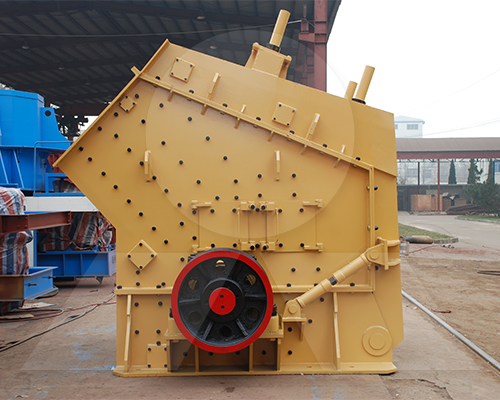
- Adaptive Geometry: Crushing chambers and screen decks are computationally designed to optimize material flow, reducing recirculating load and minimizing wear-inducing friction and pegging.
- Sealed & Protected Drives: Gearing, bearings, and hydraulic systems are housed in pressurized, labyrinth-sealed enclosures with integrated particle filtration, ensuring reliability in high-dust and high-moisture environments.
- Corrosion Mitigation: For CIP/CIL plants and wet processing circuits, critical components employ stainless-steel alloys (e.g., 316L), ceramic coatings, or specialized elastomers to resist constant exposure to cyanide, salts, and acidic conditions.
Verified Performance & Compliance
All equipment is designed, manufactured, and tested to meet or exceed stringent international standards for safety and structural performance in mining applications, including ISO 9001:2015 for quality management and relevant CE directives. Prototype and production-level components undergo Finite Element Analysis (FEA) for stress simulation and real-world testing against defined ore hardness indices (e.g., Bond Work Index, Abrasion Index).
| Component Category | Key Material Specification | Primary Resistance | Design Life Indicator* |
|---|---|---|---|
| Primary Crusher Jaws | Mn18Cr2 Alloy Steel | High-Impact & Abrasion | 120,000 – 180,000 MT of Ore |
| Ball Mill Liners | High-Cr White Iron (27% Cr) | Extreme Abrasion | 8,000 – 12,000 Operating Hours |
| Slurry Pump Volute | ASTM A532 Class III Type A | Abrasion-Corrosion | 4,000 – 6,000 Operating Hours |
| Vibrating Screen Deck | Polyurethane / Tensioned Rubber | Abrasion & Fatigue | 3,000 – 5,000 Operating Hours |
| Structural Frame | HSLA Steel (S355J2) | Dynamic Load & Fatigue | Full Machine Lifecycle |
*Design life indicators are dependent on specific ore characteristics (hardness, abrasiveness, moisture) and operational TPH. Values represent a typical range for medium-abrasive gold ore.
Functional Advantages in Operation
- Maximized Uptime: Reduced frequency of wear part changeouts and unplanned maintenance directly increases operational availability.
- Consistent Throughput: Maintains designed TPH (Tons Per Hour) capacity and product size distribution over longer periods, preventing yield degradation.
- Predictable Maintenance Scheduling: Engineered wear life allows for parts replacement to be planned during scheduled shutdowns, optimizing labor and inventory.
- Lower Total Cost: While initial investment may be higher, the extended service intervals and reduced downtime result in a significantly lower cost per ton of ore processed over the equipment’s lifespan.
Streamline Operations with Automated and User-Friendly Control Systems
Automated control systems in modern gold mining equipment represent a fundamental shift from reactive operation to predictive process management. These systems integrate Programmable Logic Controllers (PLCs) and Supervisory Control and Data Acquisition (SCADA) software, creating a centralized nerve center for the entire processing circuit. The core objective is to maintain optimal operational parameters—such as feed rate, crusher gap, mill load, and slurry density—within a narrow, pre-defined window that maximizes mineral liberation and recovery while minimizing energy consumption and wear on critical components.
The technical foundation for effective automation lies in robust material science and sensor integration. Crusher mantles and concave liners, manufactured from high-grade austenitic manganese steel (e.g., ASTM A128 Gr B3/B4) or martensitic chrome iron alloys, are instrumented with embedded wear sensors. These provide real-time data to the control system, enabling predictive liner change-out scheduling and preventing catastrophic failure. Similarly, load cells, pressure transducers, and laser level sensors feed continuous data streams, allowing the PLC to dynamically adjust feeder speeds and crusher settings in response to variations in ore hardness (measured in MPa or Bond Work Index).
Key functional advantages of these integrated control systems include:
- Adaptive Crushing & Grinding: Real-time adjustment of crusher hydraulic pressure and cone speed compensates for fluctuating ore hardness, maintaining a consistent product size distribution (P80) for downstream processes. This directly protects equipment from tramp metal and overloads.
- Optimized Mass Flow: Automated control of conveyor belt scales and feeder rates ensures a steady, designed ton-per-hour (TPH) feed to milling circuits, eliminating bottlenecks and surges that reduce classification efficiency.
- Precision Condition Monitoring: Vibration analysis and temperature monitoring of critical bearings and gearboxes, integrated into the SCADA dashboard, facilitate condition-based maintenance, drastically reducing unplanned downtime.
- Data-Driven Decision Making: Comprehensive historical logging of all process variables (tonnage, power draw, pressure, density) enables forensic analysis of yield events and supports continuous process improvement initiatives.
For system specification, the following technical parameters are critical for integration and performance:
| System Component | Key Parameter | Standard / Typical Range | Purpose |
|---|---|---|---|
| PLC/SCADA Platform | I/O (Input/Output) Capacity | 512 to 4096+ points | Scales with plant complexity and number of monitored sensors. |
| Crusher Automation | Closed-Side Setting (CSS) Adjustment Range | e.g., 20-60 mm (cone crusher) | Defines the granularity of product size control. |
| Instrumentation | Sensor Accuracy (e.g., Belt Scale) | ±0.25% to ±0.5% | Critical for accurate mass balance and metallurgical accounting. |
| Communication | Network Protocol & Redundancy | Ethernet/IP, PROFINET with ring topology | Ensures system-wide data integrity and operational resilience. |
Compliance with international standards such as IEC 61131-3 for PLC programming and ISO 13849 for safety-related control systems is non-negotiable for ensuring reliability and personnel safety in harsh mining environments. A well-engineered control interface, while deeply technical in its backend, presents a user-friendly Human-Machine Interface (HMI). This translates complex process data into intuitive graphical trends, alarm hierarchies, and control loops, enabling operators to manage by exception and focus on strategic oversight rather than manual adjustments. The result is a streamlined operation where equipment operates at its engineered peak efficiency, directly contributing to maximized yield and reduced total operating cost per tonne.
Optimize Energy Consumption for Cost-Effective Gold Mining
Energy optimization in gold mining is not merely about reducing kilowatt-hours; it is a systemic engineering discipline targeting the reduction of energy intensity per tonne of ore processed. The most significant gains are achieved at the intersection of advanced material science, precision engineering, and intelligent system design, directly lowering operational expenditure and extending equipment lifecycle.
Core Engineering Principles for Energy Reduction
The foundation of energy-efficient equipment lies in the strategic application of materials and design to minimize parasitic losses from friction, vibration, and inefficient mass movement.
- Advanced Material Science in Wear Components: Utilizing high-performance alloys is critical. For impact and abrasion zones, such as crusher liners and mill trommels, air-hardening manganese steel (Mn-steel, 11-14% Mn) provides exceptional work-hardening capability, maintaining a hard surface while retaining a tough core. For high-stress, sliding abrasion applications, chromium-molybdenum (Cr-Mo) or nickel-chromium (Ni-Cr) white iron alloys (e.g., ASTM A532 Class III Type A) offer superior hardness (600-700+ BHN), drastically reducing wear rates and the energy penalty of processing increasingly worn components.
- Precision Drive & Transmission Systems: Modern equipment employs high-efficiency, IE3/IE4 class electric motors coupled with variable frequency drives (VFDs). This allows crushers, conveyors, and mills to operate at optimal speeds matched to the instantaneous feed rate and ore hardness, eliminating the energy waste of fixed-speed operation under partial load. Regenerative drives on downhill conveyors can feed energy back into the grid.
- Optimized Comminution Circuit Design: Comminution (crushing and grinding) consumes over 50% of a site’s energy. The focus is on inter-particle crushing and high-pressure grinding rolls (HPGRs) which are significantly more efficient than traditional ball mills for certain ore types, reducing energy consumption by up to 30%. Precise control of crusher closed-side settings (CSS) and mill charge volume is paramount.
- Intelligent Load-Sensing Hydraulics: For mobile and hydraulic-driven equipment, load-sensing systems modulate pump flow and pressure to meet exact demand, eliminating the constant high-pressure flow and heat generation of conventional systems, reducing fuel or electrical consumption by 20-40%.
Technical Specifications & Operational Advantages
The following table outlines key parameters that define the energy efficiency profile of core processing equipment.
| Equipment | Key Efficiency Parameter | Typical Range (High-Efficiency Models) | Direct Impact on Energy Use |
|---|---|---|---|
| Jaw Crusher | Specific Power Consumption (kWh/t) | 0.3 – 0.6 kWh/t | Lower values indicate more efficient fracture mechanics and reduced friction from optimized kinematics. |
| Cone Crusher | Reduction Ratio & CSS Automation | 6:1 to 8:1 | Higher ratios mean fewer crushing stages. Automated CSS adjustment maintains optimal cavity level for consistent product size with minimal energy spikes. |
| HPGR | Pressing Force & Specific Grinding Force | 4.0 – 5.5 N/mm² | Precise control of the hydraulic pressing system ensures efficient inter-particle comminution at the lowest effective pressure. |
| Ball/SAG Mill | Load Fill Level & Mill Speed (% Critical) | 28-32% fill, 72-78% critical speed | Optimal charge motion minimizes lifter slippage and ensures grinding energy is transferred to the ore, not to liner wear or heat. |
| Slurry Pump | Pump Efficiency & Impeller Trim | 85%+ efficiency | Correctly trimmed impellers and optimal pump speed (via VFD) for the specific gravity and particle size of slurry reduce motor load dramatically. |
Implementation for Maximum ROI
Achieving documented savings requires moving beyond component selection to integrated system management.
- Ore Hardness & Throughput (TPH) Adaptability: Equipment must be dynamically tunable. Cone crushers with automated bowl adjustment and mills with variable-speed drives can adapt in real-time to changes in ore hardness (e.g., from 10 kWh/t to 25 kWh/t Bond Work Index) without sacrificing target throughput or final product size, preventing wasteful over-grinding.
- Certified Performance & Durability: All equipment should be engineered to ISO 9001 standards for quality management and carry CE marking (or equivalent regional certification), ensuring design integrity. Structural components should be fatigue-rated for >10^7 cycles under full load, guaranteeing efficiency is maintained over the long term without degradation from microfractures or misalignment.
- Predictive Maintenance Integration: Energy efficiency decays with wear. Embedded sensor networks monitoring liner wear, bearing temperature, and vibration spectra allow for condition-based maintenance. This prevents the operation of equipment in a sub-optimal, high-friction state, scheduling interventions during planned downtime to sustain peak efficiency.
Comprehensive Technical Specifications for Customized Mining Solutions
Structural Integrity & Wear Resistance
- Primary Structural Components: Fabricated from high-yield strength, abrasion-resistant steel (e.g., Hardox 400/500, JFE EH400/500) for chassis, hoppers, and structural frames. Critical wear components utilize advanced alloys.
- Crushing & Grinding Surfaces: Jaw plates, cone mantles, and mill liners are cast from proprietary high-chromium white iron (e.g., ASTM A532 Class III Type A) or modified Hadfield manganese steel (11-14% Mn, 1.0-1.4% C) for optimal work-hardening and impact absorption in high-stress comminution.
- Slurry Handling Systems: Pump casings, impellers, and pipeline elbows are lined with or cast from natural rubber, polyurethane (PU), or high-alumina ceramic, selected based on slurry abrasivity (Miller Number) and particle size to maximize service life.
Performance & Capacity Specifications
Equipment is engineered to specific site conditions, with key parameters defined during the scoping study.
| System Component | Key Parameter | Specification Range | Notes |
|---|---|---|---|
| Primary Crushing | Feed Size | Up to 1200mm | Grizzly aperture and jaw crusher inlet are co-designed. |
| Throughput (TPH) | 200 – 2,500+ TPH | Dependent on ore density and desired product P80. | |
| Drive Power | 90 – 450 kW | Electrically driven via high-torque hydraulic coupling. | |
| Ball/SAG Mill | Mill Diameter | 2.5m – 6.0m+ | Determines impact energy for ore breakage. |
| Installed Power | 1,000 – 10,000+ kW | Directly correlates to grinding circuit capacity. | |
| Liner Type | Wave, Step, Hi-Low | Selected based on charge trajectory and wear profile. | |
| CIL/CIP Tanks | Tank Diameter | 5m – 15m+ | Designed for optimal carbon concentration and residence time. |
| Agitator Power | 30 – 250 kW per tank | Impeller design (axial/radial) tailored to slurry viscosity. | |
| Leach Residence Time | 24 – 48 hours | Tank volume is calculated from flow rate and target kinetics. |
Operational & Control Systems
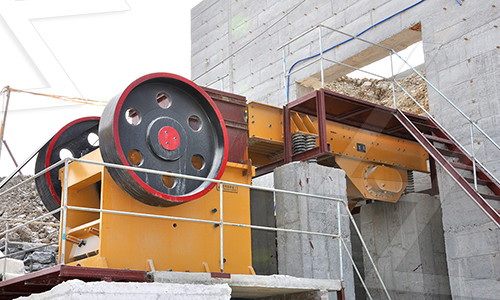
- Drive & Power Transmission: Heavy-duty, fluid-coupled electric motors paired with gear reducers (ISO 6336 rated) or variable frequency drives (VFDs) for controlled ramp-up and energy management.
- Process Control & Instrumentation: Integration of real-time sensors (e.g., bearing temperature, pressure, density gauges, particle size analyzers) feeding into a centralized PLC/SCADA system. Enables automated control loops for feed rate, reagent dosing, and power draw optimization.
- Dust & Emission Control: Baghouse filters (fabric or PTFE membrane) with automated pulse-jet cleaning, designed to meet ISO 8573-1:2010 [Class 1] for compressed air quality and maintain ambient particulate matter below 1 mg/m³.
Certification & Design Standards
All customized solutions are designed, manufactured, and tested in compliance with international standards, ensuring global operational acceptance and safety.
- Structural Design: ISO 20332 (cranes – proof of competence), FEM 1.001 guidelines for mechanical handling equipment.
- Pressure & Welding: ASME BPVC Section VIII for pressure vessels, EN ISO 3834-2 for comprehensive quality welding requirements.
- Electrical Safety: IEC 60204-1 for machinery electrical equipment, with hazardous area classifications (Zone/Division) per IEC 60079.
- Functional Safety: Safety instrumented systems (SIS) designed to IEC 61508/61511 standards where applicable.
- Third-Party Verification: Critical designs are validated by independent engineering firms. Final equipment is CE marked (EU) or compliant with relevant local directives (e.g., MSHA, AS/NZS).
Trusted by Industry Leaders: Proven Reliability and Support
Our equipment forms the operational backbone of major gold mining operations across six continents. This trust is earned through a demonstrable engineering commitment to structural integrity, predictable performance, and lifecycle cost management.
Engineering for Extreme Duty:
- Critical Component Metallurgy: High-stress wear parts, such as crusher jaws, cone mantles, and mill liners, are cast from proprietary high-chrome white iron or manganese steel alloys. These materials are selected for optimal balance between hardness (for abrasion resistance) and ductility (to absorb impact energy without catastrophic failure).
- Structural Design Philosophy: Primary frames and chassis are fabricated from high-tensile, low-alloy steel plate. Finite Element Analysis (FEA) is used to simulate multi-axial loading, ensuring designs exceed dynamic stress requirements by a minimum safety factor of 4.0.
- Standardized Compliance: All machinery is designed, manufactured, and tested to ISO 9001:2015 quality management standards. Critical safety and performance systems comply with CE and relevant ISO machinery directives (e.g., ISO 21873 for mobile crushers).
Proven Operational Reliability:
- Throughput Consistency: Equipment is performance-guaranteed to handle specified Tonnes Per Hour (TPH) across a range of ore characteristics, from free-milling alluvial deposits to hard-rock sulphide ores with compressive strengths exceeding 250 MPa.
- Adaptive Processing Logic: Integrated control systems utilize real-time sensor data (pressure, amperage, feed rate) to automatically adjust crusher settings and conveyor speeds, maintaining optimal feed size for downstream recovery circuits.
- Modular Maintenance Design: Hydraulic adjustment on crushers allows for closed-side setting changes in minutes. Symmetrical wear part designs enable rotation for extended service life. All major service points are accessible from ground level or integrated platforms.
Global Technical Support Infrastructure:
Our support model is integrated into the equipment design phase, ensuring operational continuity.
| Support Dimension | Technical Specification & Service Protocol |
|---|---|
| Pre-Deployment Planning | Site-specific performance modeling and flow sheet validation by our process engineers. |
| Parts Supply Guarantee | 95% availability rate for critical wear parts from regional warehouses, with material certification provided for all alloy components. |
| On-Site Technical Service | Field service engineers certified in vibration analysis, thermography, and alignment to ISO 18436 standards for predictive maintenance. |
| Remote Diagnostics | Secure, satellite-enabled machine telemetry for real-time performance monitoring and proactive failure mode advisories. |
This end-to-end technical commitment minimizes unplanned downtime and ensures your capital equipment investment delivers the projected yield and return over its entire operational lifespan.
Frequently Asked Questions
What is the optimal replacement cycle for crusher wear parts in gold ore processing?
Monitor liner thickness and track throughput. For high-silica ore (Mohs ~7), use 18% manganese steel with water quenching. Replace jaw plates at 60% wear to prevent catastrophic failure. Cycle depends on abrasiveness; typically 500-1,000 hours. Implement oil analysis on crusher bearings (prefer SKF or Timken) to align changes.
How do I adapt equipment for varying ore hardness within a single deposit?
Utilize adjustable crusher settings and screen meshes dynamically. For hard rock transitions, fit excavators with hydraulic pressure-regulating valves to maintain bucket force. In mills, switch liner profiles; use wave liners for softer ore and stepped liners for harder. Real-time feed size monitoring is critical for instant adjustment.
What are best practices for controlling vibration in large gold mining mills?
Ensure precise mechanical alignment during installation using laser tools. Employ dynamic balancing on mill trunnions annually. Install polymer-concrete foundations for damping. Use condition monitoring systems with accelerometers (like CSI 2140) to detect imbalance early. Check gear mesh and pinion alignment quarterly.
What specialized lubrication is required for slurry pumps in abrasive gold tailings?
Use extreme-pressure (EP) grease with solid additives like molybdenum disulfide for bearings. For pump seals, a clean, water-glycol fluid is recommended. Adopt automatic grease systems (e.g., Lincoln) to maintain consistent intervals. Monitor grease for silica contamination weekly; change oil filters every 200 hours.
How do I optimize gold recovery rates when processing clay-rich alluvial deposits?
Employ high-pressure water jets in scrubbers to break down clay before screening. Use trommels with internal lifters and adjustable spray bars. For sluices, ensure a laminar flow of 1.2-1.5 m/s and riffle angles of 5-7°. Regularly clean concentrating tables to prevent blinding.
What is the critical maintenance for hydraulic systems in underground gold mining loaders?
Implement a strict filtration regimen with 10-micron filters. Use synthetic, high VI hydraulic oil stable under 80°C+ temperatures. Check cylinder rod seals for abrasion monthly. Flush systems after major component replacement. Pressure-test auxiliary circuits quarterly; maintain 250-300 bar as per OEM specs for optimal breakout force.