Table of Contents
- Essential Gypsum Processing Equipment for Modern Production Plants
- Crushing and Grinding Systems for Efficient Gypsum Powder Production
- Advanced Calcination Technology in Gypsum Plant Machinery
- Automated Packaging and Conveying Solutions for Gypsum Processing Lines
- Maintenance and Optimization Tips for Long-Term Gypsum Plant Performance
- Frequently Asked Questions
- What is the primary function of a gypsum plant machinery setup?
- How does a gypsum calciner system impact product quality?
- What types of mills are most effective for grinding calcined gypsum?
- How is moisture managed in a continuous gypsum processing line?
- What role does automation play in modern gypsum plant operations?
- How do environmental regulations influence gypsum plant machinery design?
- What are the key maintenance challenges in high-capacity gypsum milling systems?
- How does gypsum purity affect machinery selection and processing parameters?
- What are the advantages of using flash calcination versus rotary kilns for gypsum?
- How is product traceability ensured in automated gypsum plants?
- What emerging technologies are shaping the future of gypsum processing machinery?
Transforming raw gypsum into high-value construction materials demands precision, efficiency, and the right industrial equipment. At the heart of every successful gypsum processing operation lies a seamlessly integrated system of advanced machinery designed to crush, grind, calcine, and refine this versatile mineral. From large-scale mining sites to compact production lines, modern gypsum plant machinery plays a pivotal role in ensuring consistent product quality, operational reliability, and energy efficiency. Understanding the core components—such as crushers, ball mills, calciners, classifiers, and packing systems—is essential for optimizing throughput and minimizing downtime. Beyond equipment selection, strategic plant layout, automation integration, and maintenance protocols significantly influence long-term performance. Whether you’re planning a new facility or upgrading an existing setup, a comprehensive grasp of the technology and processes involved can unlock substantial gains in productivity and profitability. This guide dives deep into the world of gypsum plant machinery, offering expert insights into equipment specifications, installation best practices, and proven optimization techniques that empower operators to stay ahead in a competitive market.
Essential Gypsum Processing Equipment for Modern Production Plants
- Gypsum Crusher
- Calciner (Rotary or Flash)
- Gypsum Dryer
- Classifier (Air or Mechanical)
- Gypsum Mill (Ball, Hammer, or Vertical Roller)
- Classifier-Mill Combination Units
- Storage and Blending Silos
- Automated Feeding and Dosing Systems
- Dust Collection Systems (Baghouse or Cartridge)
- Pneumatic Conveying Systems
- Moisture Analyzers and Process Control Sensors
- Packaging and Palletizing Systems
Modern gypsum processing demands precision, efficiency, and consistency, achieved through a tightly integrated suite of equipment designed to transform raw gypsum into high-purity, value-added products. The process begins with size reduction via a robust gypsum crusher capable of handling feedstock from quarries or synthetic sources. Uniform particle size is critical for downstream thermal treatment, where calcination converts calcium sulfate dihydrate into hemihydrate or anhydrite. Rotary and flash calciners dominate industrial applications, with flash calciners offering rapid, controlled calcination ideal for board-grade plaster.
Thermal processing is often preceded or followed by drying. Gypsum dryers—typically rotary or fluid bed types—reduce moisture to optimal levels pre-calcination. Post-calcination, the material undergoes grinding in ball mills, hammer mills, or vertical roller mills, selected based on fineness requirements and energy efficiency targets. Integrated classifier-mill systems allow real-time particle size separation, ensuring stringent product specifications are met consistently.
Classification is vital for product differentiation; air classifiers deliver narrow particle distributions essential for specialty plasters and self-leveling compounds. After processing, automated feeding systems and blending silos maintain homogeneity and batch consistency. Storage silos equipped with level and temperature monitoring prevent agglomeration and degradation.
Environmental and operational safety is maintained through high-efficiency dust collection systems, typically reverse-pulse baghouses, ensuring compliance with air quality standards. Pneumatic conveying systems transport fine powders with minimal degradation and dust emission, enhancing plant hygiene.
Process control relies on inline moisture analyzers, temperature sensors, and automated feedback loops that regulate feed rates, temperature profiles, and airflow. These systems optimize energy consumption and product quality. Finally, automated packaging and palletizing systems ensure accurate, high-speed bagging for distribution.
Each component functions as part of an orchestrated system where reliability, calibration, and maintenance protocols directly influence output quality and operational uptime. Modern plants emphasize integration, automation, and data-driven optimization to remain competitive in evolving markets.
Crushing and Grinding Systems for Efficient Gypsum Powder Production
-
Primary crushing typically begins with a jaw crusher, which reduces raw gypsum rock from quarry-sized chunks (up to 1,000 mm) to under 100 mm. This stage ensures uniform feed size for downstream processing and protects grinding equipment from oversized feed. Jaw crushers are favored for their robustness, high reduction ratio, and low maintenance requirements in continuous operations.
-
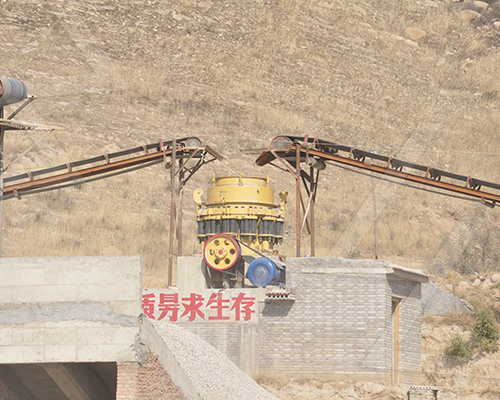
Secondary crushing may employ impact crushers or cone crushers when finer output is required before grinding. Impact crushers offer higher throughput and cubical product shape, beneficial for consistent grinding performance. Cone crushers provide precise size control and are ideal when feed material exhibits variable hardness.
-
For grinding, industrial-scale gypsum powder production relies on vertical roller mills (VRMs) or ball mills, with VRMs being the preferred solution in modern plants due to energy efficiency and integrated drying capabilities. VRMs grind and dry raw gypsum simultaneously using hot gas streams, reducing moisture from up to 15% to less than 1%. This integration eliminates the need for a separate dryer, lowering capital and operational costs.
-
Ball mills remain in use, particularly in smaller installations or where strict control over particle size distribution is required. They operate in closed circuit with air classifiers, allowing precise fineness adjustment—typically targeting a Blaine surface area of 3,000–4,500 cm²/g for standard plaster production.
-
Air classifying systems are critical in both mill types, separating fine powder from coarse particles for recirculation. High-efficiency dynamic classifiers ensure consistent product specification and minimize overgrinding, which can degrade gypsum reactivity.
-
System optimization includes automated process control for feed rate, mill pressure, and temperature regulation. Real-time monitoring of moisture content, fineness, and throughput enables consistent product quality and minimizes energy consumption per ton of output.
-
Dust collection via baghouse filters is integrated at all transfer and grinding points to maintain air quality and recover fine product. Collected fines are typically returned to the grinding circuit or storage.
-
Proper system design must account for gypsum’s variable moisture and impurity content. Pre-screening and magnetic separation upstream of grinding protect downstream equipment and improve final product purity.
Advanced Calcination Technology in Gypsum Plant Machinery
-
Advanced calcination technology in gypsum plant machinery ensures precise thermal processing of raw gypsum (CaSO₄·2H₂O) into hemihydrate (CaSO₄·0.5H₂O), directly influencing product quality, energy efficiency, and process consistency. Modern calcination systems integrate sophisticated thermal control, residence time optimization, and real-time monitoring to achieve uniform dehydration.
-
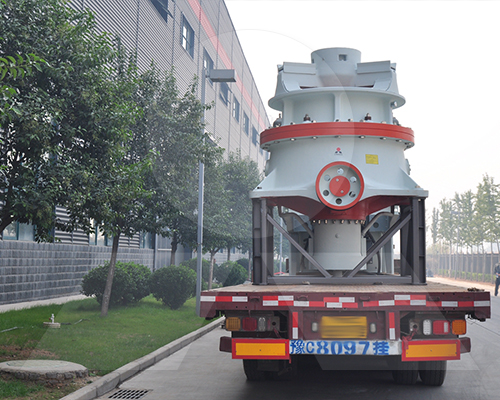
State-of-the-art continuous calciners—such as indirect-fired rotary kilns, fluidized bed calciners, and stirred calciners—offer superior control over temperature gradients and gas-solid contact. Indirect-fired systems minimize contamination by isolating combustion gases from the process material, while fluidized beds enhance heat transfer through particle suspension, enabling rapid and uniform calcination at lower energy input.
-
Precise moisture control is achieved through integrated moisture analyzers and feedback loops that dynamically adjust fuel input, airflow, and feed rate. This closed-loop automation reduces over- or under-calcination, minimizing waste and ensuring consistent phase composition crucial for downstream applications like plasterboard or specialty plasters.
-
Heat recovery systems, including regenerative burners and waste-heat exchangers, significantly improve thermal efficiency. By capturing exhaust heat for pre-drying or preheating combustion air, modern plants reduce specific energy consumption by up to 25% without compromising throughput.
-
Advanced calciners employ zoned temperature profiles across multiple heating stages, enabling staged dehydration that preserves crystal structure integrity. This is critical for producing high-purity, high-reactivity calcined gypsum suitable for premium construction materials.
| Technology Type | Temperature Range (°C) | Residence Time | Key Advantage |
|---|---|---|---|
| Fluidized Bed Calciner | 150–180 | 5–15 min | Uniform heat transfer, high efficiency |
| Indirect Rotary Kiln | 160–190 | 20–40 min | Contamination-free, scalable |
| Stirred Calciner | 140–170 | 10–20 min | Low energy, precise control |
-
Integration with digital process control platforms allows remote monitoring, predictive maintenance, and data-driven optimization of calcination parameters. Machine learning algorithms analyze historical performance to recommend setpoint adjustments, enhancing long-term reliability.
-
Compliance with stringent emissions standards is achieved through low-NOx burners, baghouse filtration, and continuous emissions monitoring systems (CEMS), ensuring environmental and regulatory adherence without sacrificing performance.
Automated Packaging and Conveying Solutions for Gypsum Processing Lines
-
Automated packaging systems in gypsum processing lines ensure consistent, high-speed bagging of calcined gypsum products while minimizing material loss and labor dependency. These systems integrate seamlessly with downstream processing equipment, maintaining throughput alignment across the production chain. Modern automated packagers utilize multihead weighers or auger fillers, depending on required accuracy and bulk density of the gypsum product, achieving fill tolerances within ±100 grams at speeds exceeding 1,200 bags per hour.
-
Integration begins at the storage silo discharge, where controlled feeding via rotary valves or screw conveyors ensures steady material flow into the packaging unit. Dust containment is critical; closed-loop feed systems combined with localized dust collection at fill points maintain ambient air quality and comply with occupational safety standards. Bagging formats typically include valve bags (25–50 kg), open-mouth bags, or FIBCs (flexible intermediate bulk containers) for bulk shipments, each supported by dedicated filling heads and sealing mechanisms.
-
Conveying solutions transport filled bags from the packaging station to palletizing or storage zones. Powered roller conveyors, equipped with accumulation zones, synchronize bag flow and prevent bottlenecks. For orientation-specific handling, turntables or side-acting guides align bags prior to pallet stacking. Automated palletizers—either robotic or layer-forming—arrange bags according to predefined patterns, optimizing load stability and warehouse space utilization. Integration with warehouse management systems (WMS) enables real-time tracking of batch numbers, weights, and destination data via barcode or RFID tagging.
-
System control is centralized through programmable logic controllers (PLCs) with HMI interfaces, allowing operators to adjust fill parameters, monitor performance metrics, and initiate diagnostics remotely. Predictive maintenance algorithms analyze vibration, motor load, and throughput trends to anticipate component wear, particularly in auger drives and sealing units.
-
Energy efficiency and scalability define modern designs. Variable frequency drives (VFDs) regulate conveyor and feed system speeds based on demand, reducing power consumption. Modular configurations allow expansion from single-line operations to multi-product facilities without re-engineering core infrastructure. Compliance with CE, OSHA, and ATEX standards is integral, particularly in explosive dust environments.
-
When properly implemented, automated packaging and conveying systems reduce packaging-related downtime by up to 40%, improve product traceability, and enhance overall operational safety in gypsum processing facilities.
Maintenance and Optimization Tips for Long-Term Gypsum Plant Performance
-
Implement a structured preventive maintenance (PM) program tailored to OEM specifications and operational intensity. Schedule routine inspections of crushers, calciners, drywall machines, and milling equipment at defined intervals to detect wear, misalignment, or inefficiencies early.
-
Prioritize lubrication management. Use manufacturer-recommended lubricants and maintain strict adherence to lubrication schedules. Monitor bearing temperatures and vibration levels on critical rotating components such as mill trunnions, kiln rollers, and conveyor gearboxes to identify lubrication breakdown or mechanical stress.
-
Conduct regular thermal system audits on calciners and dryers. Monitor flue gas composition, kiln shell temperatures, and burner efficiency to ensure optimal heat transfer and fuel utilization. Adjust air-to-fuel ratios proactively to minimize refractory wear and avoid incomplete combustion.
-
Inspect and clean cyclones, baghouses, and scrubbers weekly to maintain air quality and system pressure balance. Replace filter media based on differential pressure trends rather than fixed time intervals to balance cost and efficiency.
-
Calibrate moisture analyzers, load cells, and flow meters monthly. Inaccurate instrumentation leads to improper feed control, inconsistent calcination, and off-spec product. Use traceable calibration standards and maintain digital records for audit readiness.
-
Monitor gypsum feed consistency. Variability in raw feed moisture or particle size impacts throughput and calcination stability. Use automated feed control systems with real-time feedback to stabilize mill loading and reduce thermal shock in calciners.
-
Perform annual alignment checks on long-running conveyors, mill drives, and kiln support rollers. Misalignment accelerates belt wear, increases energy consumption, and risks catastrophic component failure.
-
Optimize mill internals periodically. Inspect classifier blades, liners, and grinding media in ball or roller mills. Adjust classifier speed and airflow to maintain target fineness without over-grinding, which wastes energy and affects rehydration performance.
-
Train operations and maintenance personnel on failure mode recognition and root cause analysis. Foster a culture of equipment ownership and data-driven decision-making.
-
Leverage historical performance data and process control systems to identify degradation trends. Use key performance indicators—specific energy consumption, downtime hours, product consistency—to benchmark improvements and justify capital upgrades.
-
Maintain an updated spare parts inventory for high-failure-rate components such as seals, refractory bricks, and burner nozzles to minimize unplanned downtime.
Frequently Asked Questions
What is the primary function of a gypsum plant machinery setup?
Gypsum plant machinery is engineered to process raw gypsum into finished products such as plaster, stucco, or gypsum boards. The system typically includes crushers, dryers, calciners, mills, classifiers, and pneumatic conveying systems. Each unit performs a specific thermal and mechanical transformation—crushing large gypsum rock into smaller particles, thermally dehydrating it (calcining) to form calcium sulfate hemihydrate (plaster of Paris), and grinding it to a controlled fineness for downstream applications.
How does a gypsum calciner system impact product quality?
The calciner is central to gypsum processing, as it controls the phase transformation of raw gypsum (CaSO₄·2H₂O) into β-hemihydrate. The calcination temperature, residence time, and moisture control must be precisely regulated—typically between 150–180°C. Overcalcination leads to dead-burnt gypsum (anhydrite), reducing reactivity, while undercalcination leaves dihydrate content, both compromising strength and flow properties. Modern indirect- or direct-fired rotary or flash calciners offer superior temperature zoning and residence time control for consistent product quality.
What types of mills are most effective for grinding calcined gypsum?
For fine grinding of calcined gypsum, air-swept ball mills, vertical roller mills (VRMs), and high-pressure grinding rolls (HPGRs) are industry standards. VRMs are increasingly preferred due to their 20–30% lower specific energy consumption and superior particle size distribution control. Integration with dynamic air classifiers allows adjustment of product fineness (typically 3,000–8,000 cm²/g Blaine), directly influencing setting time and mechanical strength in end products.
How is moisture managed in a continuous gypsum processing line?
Moisture control is critical during calcination and storage. Gypsum feed with >5% moisture requires predrying, typically using rotary or fluid bed dryers fed with waste heat from calciners. Inline moisture analyzers (NIR or microwave-based) provide real-time feedback to dryer and calciner controls, ensuring consistent product chemistry. Post-processing, gypsum must be stored in climate-controlled silos with nitrogen blanketing or desiccant dry air to prevent rehydration and caking.
What role does automation play in modern gypsum plant operations?
Industry 4.0 integration enables predictive maintenance, real-time quality control, and energy optimization. Distributed control systems (DCS) supervise material balance, temperature profiles, and mill throughput with AI-driven optimization algorithms. Automated sampling and XRF analyzers monitor SO₃ and free lime content, while machine learning models forecast kiln fouling and mill wear—reducing unplanned downtime by up to 40% in advanced installations.
How do environmental regulations influence gypsum plant machinery design?
Stringent emissions standards (e.g., EU BREF, U.S. NSPS) require advanced air pollution control systems. Gypsum plants integrate multi-stage scrubbers, fabric filters (baghouses) with PTFE membranes, and selective non-catalytic reduction (SNCR) systems to control SOx, PM2.5, and NOx. Closed-loop water systems and waste heat recovery units (e.g., preheaters for raw mills) reduce ecological impact and energy costs, aligning with ISO 14001 and EPD compliance.
What are the key maintenance challenges in high-capacity gypsum milling systems?
Wear from abrasive gypsum particulates affects mill liners, classifier rotors, and fan blades. High-chrome cast iron or ceramic tile linings extend component life. Real-time vibration and temperature monitoring detect bearing fatigue or mill imbalances. Laser alignment systems ensure gear and pinion meshing accuracy in large ball mills, while scheduled relining intervals (based on tonnage processed) prevent catastrophic failure.
How does gypsum purity affect machinery selection and processing parameters?
Feedstock with high levels of silica, clay, or organics demands additional beneficiation steps—like magnetic separation or flotation—before calcination. Impurities accelerate abrasion in mills and promote clinker build-up in calciners. High-purity natural or synthetic (FGD) gypsum allows streamlined processing with tighter thermal control. For FGD gypsum, washing and dewatering systems (belt filter presses) are critical before introduction to the calcination line.
What are the advantages of using flash calcination versus rotary kilns for gypsum?
Flash calciners offer faster heat transfer, shorter residence time (seconds vs. 30–60 minutes), and better stoichiometric control, producing uniform β-hemihydrate ideal for rapid-setting products. They are especially effective for FGD gypsum due to higher moisture tolerance. Rotary kilns, while robust and suited for variable feedstocks, consume more energy and offer less fine control over phase composition.
How is product traceability ensured in automated gypsum plants?
Integrated MES (Manufacturing Execution Systems) link raw material batches to finished product lots via RFID or barcode tracking. Each batch is assigned a digital passport recording calcination curves, grinding energy, moisture history, and quality test results. This enables full lifecycle traceability for LEED-certified construction materials and compliance with ASTM C26 or EN 13279 standards.
What emerging technologies are shaping the future of gypsum processing machinery?
Innovations include oxy-fuel calcination to reduce CO₂ emissions, dry-classification-integrated VRMs for ultra-fine powders, and modular pre-fabricated plants for rapid deployment. Digital twins simulate plant performance under variable loads, optimizing combustion and grinding parameters. Furthermore, co-processing flue gas desulfurization (FGD) gypsum with carbon capture enhances sustainability in cement-gypsum hybrid materials.