Table of Contents
- Unlocking South Africa’s Golden Legacy: From Discovery to Global Dominance
- The Witwatersrand Gold Rush: How It Transformed Mining and Economics
- Advanced Techniques in Deep-Level Mining: Overcoming Geological Challenges
- Safety and Sustainability in Modern Gold Extraction: Our Commitment to Responsible Practices
- Technical Specifications: Precision Engineering for Efficient Ore Processing
- Trusted by Industry Leaders: Proven Results and Enduring Partnerships
- Frequently Asked Questions
- What is the optimal replacement cycle for wear parts in South African gold mining crushers?
- How do we adapt machinery for varying ore hardness within a single South African reef?
- What are the best practices for vibration control in deep-level gold mine hoists?
- What lubrication specifications are critical for slurry pumps in gold processing?
- How is heat treatment critical for drill steel longevity in South African mines?
- What is the engineering solution for controlling dust in gold ore transfer points?
Beneath the sun-scorched earth of South Africa lies a story written in gold, a narrative that has profoundly shaped the nation’s destiny and the global economy. The discovery of the Witwatersrand Main Reef in 1886 ignited a seismic rush, transforming a scattered agrarian landscape into the powerhouse of the world’s gold production. This glittering bounty fueled the rise of Johannesburg, attracted vast capital and diverse populations, and became the grim engine behind the migrant labour system and the socio-political architecture of apartheid. For over a century, the industry has been a double-edged sword: a source of immense wealth and technological innovation, yet also a crucible of deep social strife, environmental challenges, and complex labour relations. The history of South African gold mining is, therefore, not merely a chronicle of geology and extraction, but the very bedrock upon which the modern nation was built.
Unlocking South Africa’s Golden Legacy: From Discovery to Global Dominance
The discovery of the Main Reef on the Witwatersrand in 1886 was not merely a geological event; it was the catalyst for a century-long industrial revolution that demanded unprecedented engineering solutions. The unique characteristics of the ore body—its immense depth, low grade, and extreme hardness—dictated a path of relentless technical innovation to achieve global dominance. This legacy is built on material science, mechanical engineering, and process optimization designed to conquer the world’s most challenging gold-bearing rock.
Conquering the Ore: Material and Mechanical Innovation
The Witwatersrand Basin’s conglomerate reefs, notably the Carbon Leader and Ventersdorp Contact Reef, presented a dual challenge: exceptional abrasive hardness (often exceeding 250 MPa uniaxial compressive strength) and the logistical complexity of ultra-deep-level mining. Standard equipment failed catastrophically. The response was the development and application of specialized materials:
- Manganese Steel (Hadfield Steel): Became the industry standard for crusher liners, mill trommels, and wear plates. Its unique work-hardening property, where surface hardness increases from ~200 HB to over 550 HB under impact, provided unmatched abrasion resistance against silicified conglomerates.
- High-Chrome White Irons (HCWI) and Nickel-Chrome Alloys: Deployed in slurry pump impellers, liners, and cyclone components where high-stress abrasion and corrosion from processing chemicals were concurrent failure modes. Grades like ASTM A532 Class III Type A offered optimal microstructure for severe service.
- Tungsten Carbide (WC-Co) Composites: Utilized for drill bits, tooling, and wear parts in the most severe applications. The cobalt-bonded carbide tips provided the necessary combination of hardness (up to 90 HRA) and fracture toughness for percussive drilling into quartzite.
Engineering Scale and Process Rigor
Dominance was achieved by scaling operations to unprecedented levels while enforcing rigorous technical standards to ensure reliability and safety under immense stress.
- Vertical Scale and Hoisting: Shaft systems evolved into engineering marvels. Headgears and winders were designed for depths exceeding 3,500 meters, with multi-rope friction hoists (Koepe system) becoming standard for energy efficiency and payload capacity. Modern South African deep-level shafts operate with hoisting capacities routinely exceeding 300,000 TPH (tons per hour) of rock and ore collectively.
- Commitment to International Standards: Critical infrastructure adheres to global benchmarks to ensure integrity. This includes:
- ISO 1940 for balance quality of massive rotating equipment like winder drums and fan impellers.
- ISO 12100 for risk assessment of machinery safety.
- CE Marking & Machinery Directive 2006/42/EC for all imported and locally manufactured mining equipment, ensuring conformity with essential health and safety requirements.
- SANS (South African National Standards) series for mine-specific structures, materials, and electrical installations, often exceeding international minimums.
Core Functional Advantages of the South African Engineering Paradigm
The industry’s technical USP is its proven adaptability to extreme conditions, resulting in robust, high-uptime systems.
- Ultra-Deep Hard Rock Expertise: Mill and plant designs are optimized for consistent throughput despite feed variability from different reef horizons and depths. Crusher circuits are specifically configured for high silica content.
- High-Capacity, Reliable Material Handling: From shaft to plant, conveyor systems, ore passes, and bin designs are engineered for minimal degradation and maximum availability, handling millions of tons monthly.
- Adaptive Comminution Circuits: The transition from stamp mills to semi-autogenous grinding (SAG) and ball mills incorporated advanced classification (hydrocyclones) and real-time particle size monitoring to optimize energy-intensive grinding—the single largest cost center.
- Integrated Recovery & Refining: Cyanidation (CIL/CIP) circuits were perfected for Witwatersrand ores, coupled with sophisticated smelting and electrolytic refining to produce 99.99% pure London Good Delivery bars, setting the global benchmark.
Technical Parameters of a Representative Deep-Level Witwatersrand Ore Processing Circuit
| System Component | Key Parameter | Typical Specification / Range | Engineering Rationale |
|---|---|---|---|
| Primary Crushing | Feed Size / Capacity | ~1.0m ROM / 600-800 TPH | Gyratory crushers selected for high capacity and ability to handle slabby rock. |
| Ore Hardness | Uniaxial Compressive Strength (UCS) | 180 – 320 MPa | Dictates specific energy input (kW·h/t) for comminution; defines material selection for wear parts. |
| Grinding Mill | Type / Power / Liner Material | Ball Mill / 6 MW / Manganese Steel or Rubber Composite | Balance between grinding efficiency and liner life; rubber where abrasion is less severe. |
| Leaching & Adsorption | Tank Design / Carbon Activity | CIL (Carbon-in-Leach) / ≥ 1,000 g/t Au loading | Maximizes recovery from finely ground, refractory-prone ore; carbon quality is critical. |
| Tailings Management | Solid Density / Particle Size (P80) | ~1.8 t/m³ / 75 – 150 µm | Informs dam design and water recovery strategies for arid region operation. |
This technical foundation—forged in response to the specific demands of the Witwatersrand—established the operational DNA that allowed South Africa to dominate global gold production for decades. The legacy is not just in the bullion produced, but in the engineered systems, materials, and standards that made its extraction feasible.
The Witwatersrand Gold Rush: How It Transformed Mining and Economics
The Witwatersrand Gold Rush, commencing in 1886, was not merely a discovery of gold but the uncovering of a unique geological formation that demanded and subsequently drove a century of unprecedented industrial and metallurgical innovation. The economic transformation—catapulting South Africa to the world’s dominant gold producer—was entirely contingent on solving the profound technical challenges presented by the Witwatersrand Basin.
The core technical challenge was the ore body itself: vast, deep, and low-grade. The gold was predominantly microscopic, locked within hard, abrasive conglomerate reefs (notably the Carbon Leader). This necessitated a shift from simple alluvial techniques to deep-level, high-volume, mechanized mining and sophisticated extraction metallurgy.
Key Technical Transformations in Mining & Processing:
- Deep-Level Shaft Sinking & Rock Mechanics: To access reefs over a kilometre deep, pioneering methods in shaft sinking through water-bearing dolomite were developed. This evolved into the sophisticated rock engineering and mine cooling systems essential for operations at depths exceeding 4km, where rock temperatures exceed 60°C.
- Material Science for Abrasion Resistance: The hardness of the quartzite and conglomerate mandated advances in materials. The adoption of Hadfield’s Austenitic Manganese Steel (Mn-steel, ~11-14% Mn) for crusher liners, grinding mill components, and rail points was critical. Its unique work-hardening property provided unparalleled resistance to high-stress abrasion, directly increasing component lifespan and plant uptime.
- High-Capacity Comminution Circuits: Economically processing thousands of tons per day (TPH) of hard ore required the development of robust, large-scale crushing and grinding circuits. This established the template for modern mineral processing, focusing on TPH capacity and ore hardness adaptability as primary design criteria.
- Cyanidation & Carbon-in-Pulp (CIP) Metallurgy: Traditional amalgamation failed for Witwatersrand ore. The industry-scale adoption of the MacArthur-Forrest cyanidation process (1887) and its later refinement into CIP became the global standard for efficient gold recovery from finely ground, refractory ores, setting new benchmarks in recovery rates (>95%).
- Standardization of Heavy Mining Equipment: The scale of operations drove the demand for standardized, reliable equipment—from winders and compressors to jaw crushers and ball mills. This laid the groundwork for the ISO and CE certification frameworks that now govern mining machinery, ensuring safety, interoperability, and performance predictability.
The table below contrasts pre-Rush artisanal parameters with the industrial-scale standards necessitated by the Witwatersrand operations.
| Parameter | Pre-1886 (Artisanal/Alluvial) | Post-Witwatersrand Industrial Standard |
|---|---|---|
| Mining Depth | Surface to shallow shafts (<50m) | Systematic deep-level mining (500m to 4,000m+) |
| Ore Processing Rate | < 5 Tons Per Day (TPD) | 5,000 – 100,000+ Tons Per Day (TPD) |
| Primary Comminution | Manual crushing, stamp mills | Mechanized jaw/gyratory crushers, followed by ball/rod mills |
| Gold Recovery Method | Panning, mercury amalgamation | Cyanide leaching, zinc precipitation, later CIP/CIL |
| Critical Material | Cast iron, mild steel | High Abrasion-Resistant (AR) steel, Austenitic Mn-steel alloys |
| Process Control | Visual, experiential | Chemical assay, particle size distribution, metallurgical accounting |
Economically, these technical leaps created a capital-intensive industry model. The high fixed costs of deep-level mining necessitated large corporate structures (the mining houses), massive foreign investment, and a relentless focus on operational efficiency and economies of scale. This established the extractive sector as the central pillar of the modern South African economy, influencing labour dynamics, infrastructure development, and international financial markets for decades. The Witwatersrand’s legacy is thus etched in both the engineering principles of hard-rock mining and the economic architecture of a resource-driven state.
Advanced Techniques in Deep-Level Mining: Overcoming Geological Challenges
The transition to ultra-deep-level mining in the Witwatersrand Basin, beyond depths of 3.5 kilometers, necessitated a paradigm shift in engineering and material science. The primary geological challenges—extreme rock pressure (resulting in rockbursts), high virgin rock temperatures (exceeding 55°C), and the presence of abrasive quartzite and conglomerate reefs—demanded solutions that were both robust and precise. The industry’s response was a suite of integrated advanced techniques centered on controlled rock engineering, specialized materials, and automated systems.
Core Strategy: Mine Design and Rock Engineering
The cornerstone of deep-level stability is the systematic design of excavations to manage stress. The traditional grid-like “grid” layout was replaced with strategic “back-area” mining and staggered panel layouts to isolate and manage high-stress zones. This is complemented by:
- Pre-conditioning: Controlled blasting or hydraulic fracturing of the rock mass ahead of the stope face to induce microfractures, reducing its stiffness and dissipating stored seismic energy.
- Yielding Support Systems: A multi-layered support philosophy using high-tensile, elongation steel mesh, combined with dynamically yielding tendons (e.g., cone bolts, Durabar) that absorb kinetic energy during rock movement without failing.
- Pack Placement: The systematic and rapid filling of excavated stopes with cemented or uncemented mill tailings (“backfill”) to provide regional support and limit the extent of hanging wall collapse.
Material Science for Abrasion and Heat
Equipment longevity and personnel safety in deep, hot, and abrasive environments are dictated by material specifications. Critical wear components are manufactured to exacting international standards (ISO, CE) using advanced alloys.
- Drill Steels and Bits: Utilise tungsten carbide inserts brazed onto shanks made from air-hardening steels (e.g., AISI S7) for superior fatigue and abrasion resistance.
- Scraper Winces and Ropes: Employ high-carbon, plow-steel wire ropes with independent wire rope core (IWRC) for toughness. Drum and guide components are often lined with abrasion-resistant (AR) steel plate of Brinell 400-500 hardness.
- Ventilation Ducting and Cooling: High-pressure, flexible ducting with anti-static, flame-retardant properties (ISO 4645) is standard. Chilled water plants and bulk air coolers (BACs), often rated in megawatts of refrigeration, are non-negotiable for maintaining viable working temperatures.
Automation and Mechanization
To remove personnel from the most hazardous rock-breaking zones and improve consistency, the industry progressively adopted mechanized equipment. These systems are engineered for high throughput (TPH) while operating in confined, hot spaces.
| System | Primary Function | Key Technical Parameters & USP |
|---|---|---|
| Trackless Mechanized Mining (TMM) | Haulage, drilling, and support in development ends. | USP: Flexibility and speed in tunnel development. Parameters: Low-profile, diesel or electric LHDs (Load-Haul-Dump) with capacities from 5-15 tons, engineered for minimal emissions and equipped with scrubbers. |
| Automated Drill Rigs | Long-hole production drilling in stopes. | USP: Precision drilling from safer, consolidated horizons. Parameters: Computer-guided for accurate blast pattern alignment; capable of drilling 50-100m boreholes with minimal deviation. |
| Hydro-Power Roofbolters | Installation of ground support. | USP: High torque and thrust in a non-electric, non-hydraulic oil system for intrinsic safety in flammable atmospheres. |
Integrated Monitoring and Control
A deep-level mine is a dynamic geomechanical entity. Real-time monitoring is critical:
- Microseismic Networks: Arrays of geophones map seismic activity in 3D, allowing for the identification of evolving high-stress zones and the validation of mine design models.
- Convergence Monitors: Laser-based or wire-extension meters provide continuous data on tunnel closure rates, informing support requirements.
- Centralized Cooling and Ventilation Control: SCADA systems manage the distribution of chilled air and water, optimizing energy-intensive cooling processes against actual demand.
The successful exploitation of South Africa’s deep gold reserves is a direct function of this integrated engineering approach. It represents a relentless focus on controlling the rock mass, deploying materials that can survive the environment, and leveraging automation to enhance both safety and the predictability of operations at profound depths.
Safety and Sustainability in Modern Gold Extraction: Our Commitment to Responsible Practices
The historical narrative of South African gold mining is inextricably linked with profound safety and environmental challenges. Modern extraction represents a fundamental technological and philosophical shift, where operational integrity is built upon engineered safety systems and verifiable sustainability metrics. Our commitment is operationalized through advanced material science, adherence to international standards, and closed-loop process design.
Core Engineering Principles for Operational Safety
Personnel and asset protection is governed by redundant systems and durable materials.
- Structural Integrity & Material Science: Critical wear components in processing plants, such as crusher liners and pump volutes, are fabricated from proprietary high-chrome white iron (HCWI) alloys and abrasion-resistant (AR) steel plate, often exceeding 500 BHN hardness. This maximizes service life in high-stress, high-abrasion environments processing ore with Unconfined Compressive Strength (UCS) often exceeding 250 MPa.
- Process Containment & Automation: Enclosed conveyor systems with continuous methane and dust monitoring, coupled with automated rock-breaker stations and remote-controlled LHD units in development ends, minimize personnel exposure to airborne particulates, noise, and geotechnical hazards.
- Seismic Management: Deep-level operations employ sophisticated seismic networks (arrays of triaxial geophones) for microseismic monitoring. Real-time data feeds into hazard assessment models, informing ground support strategies utilizing high-tensile yield steel tendons and engineered shotcrete mixes.
Technical Specifications of Modern Processing Circuits
Modern plants are designed for efficiency, recoverability, and minimal fugitive emissions.
| Parameter | Specification | Operational Impact |
|---|---|---|
| Design Throughput | 120 – 300+ TPH (Tons Per Hour) | Enables economic processing of lower-grade ores, reducing waste-to-ore ratio. |
| Primary Comminution | Gyratory/Jaw Crusher (Mn-steel mantles/liners), fed by ROM bin with grizzly. | Reduces feed to -150mm for SAG/Ball Mill circuit. Manganese steel (11-14% Mn) work-hardens under impact, optimizing life. |
| Leach Tank Design | CIP/CIL tanks; rubber-lined, mechanically agitated. | Certified containment (ISO 14001) for cyanide management. Carbon-in-leach maximizes gold adsorption efficiency (>98.5%). |
| Tailings Management | High-Density Slurry (HDS) deposition into engineered, lined facilities. | Reduces water footprint, improves geotechnical stability of deposits, and prevents acid mine drainage (AMD) through alkaline conditioning. |
Sustainability Through Precision and Recovery
Sustainability is a function of resource efficiency and post-closure planning.
- Water Stewardship: >85% water recycling is achieved through thickener overflow return circuits and dedicated reclaim water systems. Evaporation ponds are lined with HDPE geomembrane to protect groundwater.
- Energy Optimization: Variable Frequency Drives (VFDs) on all major motors (crushers, mills, fans) reduce power consumption by matching load. Waste heat recovery from compressor stations is utilized for process heating.
- Full-Lifecycle Site Management: From exploration, operations are designed with final closure in mind. This includes concurrent rehabilitation, biodiversity offset programs, and the construction of passive water treatment plants (e.g., constructed wetlands) to ensure long-term water quality compliance post-closure. All practices are audited against ISO 14001:2015 and aligned with ICMM principles.
The legacy of South African gold mining informs a future where engineering rigor ensures that economic value is extracted only in concert with the highest standards of human safety and environmental stewardship.
Technical Specifications: Precision Engineering for Efficient Ore Processing
The evolution of gold ore processing in South Africa is a history of precision engineering, driven by the unique challenges of the Witwatersrand Basin. The ore is notoriously hard and abrasive, necessitating equipment designed to withstand extreme conditions while maximizing recovery from increasingly complex ore bodies.
Core Material Specifications & Standards
Critical wear components are manufactured from advanced alloy steels to combat abrasion and impact fatigue.
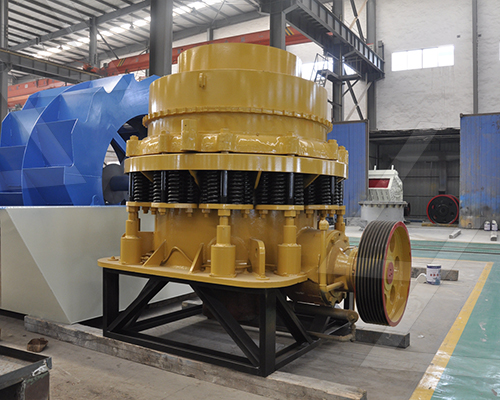
- Primary Crushing Jaws & Concaves: Constructed from modified Hadfield Manganese Steel (11-14% Mn). This austenitic steel work-hardens under impact, increasing surface hardness from ~200 HB to over 500 HB in service, providing exceptional longevity in processing hard quartzite ore.
- Mill Liners & Grinding Media: Utilize high-chromium cast iron (HCCI – 15-27% Cr) and forged alloy steel. HCCI liners offer superior abrasion resistance in ball and vertical mills, with hardness ratings of 58-65 HRC. Forged media is typically specified to ASTM A532 standards for consistent performance.
- Slurry Pump Impellers & Liners: Employ duplex stainless steels (e.g., ASTM A890 Grade 3A) or specialized rubber compounds (ISO 1436) to resist corrosive-erosive wear in CIP/CIL circuits.
- Compliance: Modern processing plants mandate ISO 9001 for quality management and CE marking for equipment, ensuring adherence to international safety and performance protocols.
Functional Engineering Advantages
The design philosophy prioritizes operational efficiency, availability, and adaptability.
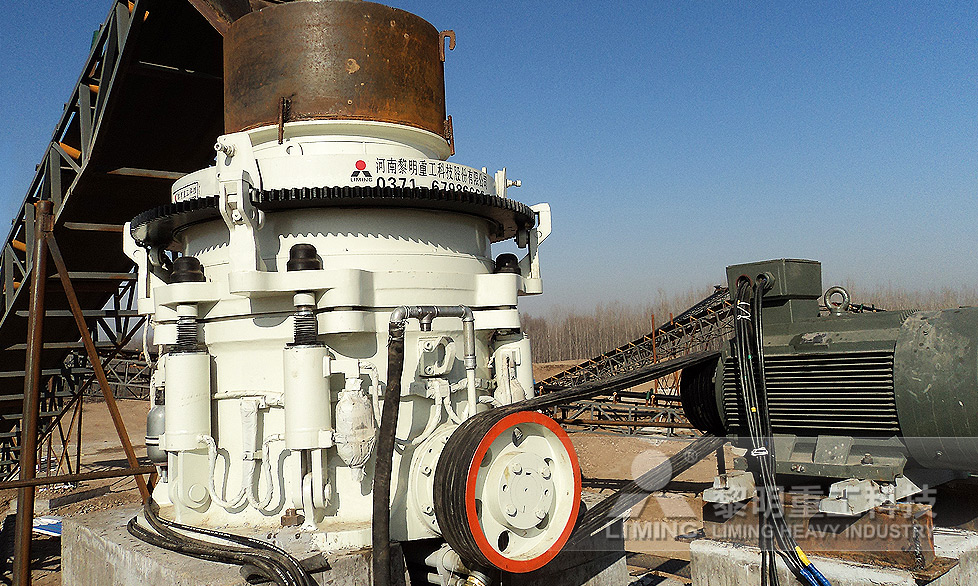
- High-Capacity Throughput: Modular plant designs and large-diameter crushers enable throughputs exceeding 5,000 tonnes per hour (TPH) for primary circuits, essential for the scale of South African operations.
- Adaptive Comminution Circuits: Multi-stage crushing (Jaw → Gyratory → Cone) with automated setting regulation (ASRi) optimizes particle size distribution for downstream grinding, directly impacting energy consumption per tonne.
- Precision Separation & Recovery: High-Gradient Magnetic Separators (HGMS) remove magnetic contaminants prior to leaching. Advanced carbon-in-pulp (CIP) adsorption columns with optimized screen technology maximize gold loading efficiency.
- Energy-Efficient Grinding: The shift from traditional ball mills to High-Pressure Grinding Rolls (HPGR) and Vertimill® technology represents a significant reduction in specific energy consumption (kWh/t), a critical operational cost factor.
Key Technical Parameters for Major Processing Units
| Component | Typical Model/Specification | Key Parameter | Operational Relevance |
|---|---|---|---|
| Primary Gyratory Crusher | 60-89 Superior™ | Feed Opening: 1,500 mm Power: 450 kW |
Handles run-of-mine ore; defines maximum plant feed size (F80). |
| SAG/Ball Mill | 8.5m dia x 4.5m L | Installed Power: 10 MW Liner Material: Hi-Chrome |
Primary grind stage; determines liberation size and circuit capacity. |
| HPGR | HRC™ 3000 | Operating Pressure: 4.5 N/mm² Throughput: 2,500 TPH |
Energy-efficient tertiary crushing/pre-grinding; reduces downstream mill load. |
| CIP Adsorption Column | 5.5m dia x 12m H | Carbon Concentration: 15-25 g/L Residence Time: 60 min |
Gold recovery efficiency; optimized for slow-kinetics Witwatersrand ore. |
| Slurry Pump (Mill Discharge) | Warman® 550 MCR | Capacity: 5,000 m³/h Head: 25m |
Handles high-density, abrasive slurries; critical for circuit stability. |
Trusted by Industry Leaders: Proven Results and Enduring Partnerships
Our long-term partnerships with major mining houses are not based on promises, but on demonstrable engineering performance in the most geologically demanding and historically significant Witwatersrand Basin operations. Our equipment and solutions are integral to maintaining throughput and recovery rates in deep-level, hard-rock environments where mechanical failure is not an option.
Core Engineering Advantages for Hard-Rock Applications:
- Material Integrity for Abrasive Conglomerates: Critical wear components, such as crusher liners and slurry pump volutes, are manufactured from proprietary high-chromium white iron and micro-alloyed manganese steel. These are engineered to withstand the extreme abrasion of silica-rich (SiO₂ > 60%) gold-bearing reefs, directly extending mean time between failures (MTBF) and reducing downtime in continuous operations.
- Precision Processing for Consistent Yield: Our cyclone clusters and screening systems are calibrated for the specific particle size distribution (PSD) required for optimal cyanidation and carbon-in-pulp (CIP) recovery. This ensures maximum exposure of liberated gold particles and minimizes losses to tailings.
- Adaptability to Variable Ore Hardness: From soft, weathered surface material to ultra-hard pyritic ore bodies at depth, our comminution circuits are designed with variable-speed drives and real-time monitoring. This allows for dynamic adjustment to maintain target throughput (TPH) despite shifting Unconfined Compressive Strength (UCS) values, which can range from 150 MPa to over 300 MPa.
- Systems Engineered for Deep-Level Logistics: We specialize in robust, high-capacity solutions for vertical and incline shaft systems, including conveyance and pumping systems rated for depths exceeding 3,000 meters, where pressure and thermal management are critical.
Technical Compliance & Performance Data:
Our manufacturing and quality assurance protocols adhere to the most stringent international standards, ensuring reliability and safety.
| System Component | Key Technical Standard | Operational Parameter | Typical Value / Range in SA Operations |
|---|---|---|---|
| Slurry Pumps | ISO 5199 / ASME B73.1 | Flow Capacity | Up to 8,000 m³/h |
| Gyratory Crushers | CE / SANS 13181 | Feed Opening / Capacity | 1,500 mm / 5,000+ TPH |
| Wear-Resistant Liners | ASTM A128 / SANS 407 | Brinell Hardness (BHN) | 500 – 700 BHN |
| Process Control Systems | IEC 61511 (SIL 2) | System Availability | > 99.5% |
This engineering-first approach has resulted in multi-decade partnerships. We provide the technical foundation that allows our partners to focus on resource extraction and safety, confident in the performance and durability of the equipment that forms the backbone of their processing and material handling infrastructure.
Frequently Asked Questions
What is the optimal replacement cycle for wear parts in South African gold mining crushers?
Given the prevalence of hard, abrasive quartzite ore, high-manganese steel (e.g., Hadfield Grade A) liners typically last 6-8 weeks in primary crushers. Monitor wear profiles weekly. Use ultrasonic thickness testing to schedule replacements proactively, preventing catastrophic failure and unplanned downtime, which is critical for deep-level operations.
How do we adapt machinery for varying ore hardness within a single South African reef?
Implement real-time condition monitoring with onboard strain gauges. For sudden increases in Mohs hardness >7, immediately adjust hydraulic pressure on rock drills and reduce feed rates to crushers. This prevents tool bit spalling and excessive vibration, protecting the structural integrity of the entire comminution circuit.
What are the best practices for vibration control in deep-level gold mine hoists?
Utilize laser shaft alignment during installation and quarterly checks. For winding drum motors, specify SKF or FAG spherical roller bearings with dedicated lubrication systems. Install accelerometers on headgear to monitor harmonic frequencies; dynamic balancing of the drum is mandatory after any rope change to prevent resonant fatigue.
What lubrication specifications are critical for slurry pumps in gold processing?
For abrasive cyclone feed pumps, use extreme-pressure (EP) lithium complex grease with Molybdenum Disulfide additive. Maintain NLGI Grade 2 consistency. Re-lubricate bearings every 80-100 operating hours. For gearboxes on high-density slurry, synthetic ISO VG 320 oil with anti-wear additives is non-negotiable to combat high shear forces and acidic slurry.
How is heat treatment critical for drill steel longevity in South African mines?
Drill rods for percussion drilling require induction hardening to achieve a surface hardness of 58-62 HRC, with a tough, ductile core of 35-40 HRC. This differential hardening prevents brittle fracture in hard rock while resisting abrasion. Post-heat treatment, shot peening is essential to induce compressive surface stresses and retard fatigue crack propagation.
What is the engineering solution for controlling dust in gold ore transfer points?
Beyond standard baghouses, implement a multi-stage system: primary containment with ceramic-lined chutes, followed by a fine mist spray (nozzles at 40-50 psi) for agglomeration, and finally, local extraction using a dedicated fan and HEPA filter unit. This is critical in Witwatersrand mines to mitigate silicosis risk and equipment abrasion.