Table of Contents
- Kadoma’s Rise as a Major Gold Mining Hub in Zimbabwe
- Historical Legacy of Gold Mining in the Kadoma Region
- Key Active Gold Mines and Mining Companies in Kadoma
- Economic Impact of Gold Mining on Kadoma’s Local Communities
- Challenges and Opportunities Facing Artisanal and Industrial Miners
- Frequently Asked Questions
- What are the major active gold mines in Kadoma, Zimbabwe?
- How has gold mining impacted Kadoma’s local economy?
- Are artisanal miners legally operating in Kadoma’s gold fields?
- What geological formations make Kadoma favorable for gold mining?
- How can investors acquire gold mining rights in Kadoma?
- What environmental regulations govern gold mining in Kadoma?
- What role does Caledonia Mining play in Kadoma’s gold production?
- How does illegal gold mining affect legitimate operations in Kadoma?
- What challenges do gold miners in Kadoma face today?
- Is Kadoma considered a safe destination for mining investors?
- How is technology being used to enhance gold extraction in Kadoma?
- What community development initiatives stem from gold mining in Kadoma?
Nestled in the heart of Zimbabwe’s mineral-rich Midlands Province, Kadoma has quietly emerged as one of the country’s most promising gold mining frontiers. Long overshadowed by more prominent mining hubs, this industrious city is now commanding renewed attention as both artisanal diggers and large-scale operators unearth significant gold deposits beneath its ancient geological formations. With a mining heritage dating back to the early 20th century, Kadoma blends historical significance with modern exploration potential, offering a compelling landscape for investment and development. Recent technological advancements and improved regulatory frameworks have further catalyzed activity, unlocking previously inaccessible reserves and revitalizing dormant shafts. As global demand for gold continues to rise, Kadoma stands at the cusp of a transformative era, poised to play a pivotal role in Zimbabwe’s economic resurgence. This article delves into the veins of opportunity running deep beneath Kadoma’s surface, exploring how this hidden gem is reshaping the nation’s gold mining narrative.
Kadoma’s Rise as a Major Gold Mining Hub in Zimbabwe
-
Kadoma, historically recognized for its association with chrome and asbestos, has undergone a strategic transformation into one of Zimbabwe’s most significant gold mining hubs. This shift has been driven by both geological advantage and policy reform, positioning the region at the forefront of the country’s gold production resurgence.
-
The city lies within the Bulawayo Greenstone Belt, a geological formation rich in Archean-age gold-bearing quartz veins. Extensive alluvial and hard-rock deposits have attracted artisanal miners for decades, but recent exploration and investment have confirmed the presence of substantial, commercially viable ore bodies. These deposits exhibit consistent gold grades ranging from 4 to 12 grams per tonne, with some high-grade zones exceeding 20 g/t, making them economically attractive even under fluctuating commodity prices.
-
A pivotal factor in Kadoma’s rise has been Zimbabwe’s increased focus on local ownership and value retention in the mining sector. The government’s indigenization policies, coupled with incentives for small to mid-tier mining companies, have empowered local prospectors and firms to formalize operations. This has led to a surge in registered gold mining claims, with over 1,200 active titles recorded in the Kadoma district as of 2023—second only to Bulawayo in national concentration.
-
Infrastructure development has further catalyzed growth. Kadoma benefits from rail connectivity to Harare and Mutare, proximity to the Kwekwe–Harare highway, and access to established power and water networks. These logistical advantages reduce operational costs and improve feasibility for scalable mining ventures.
-
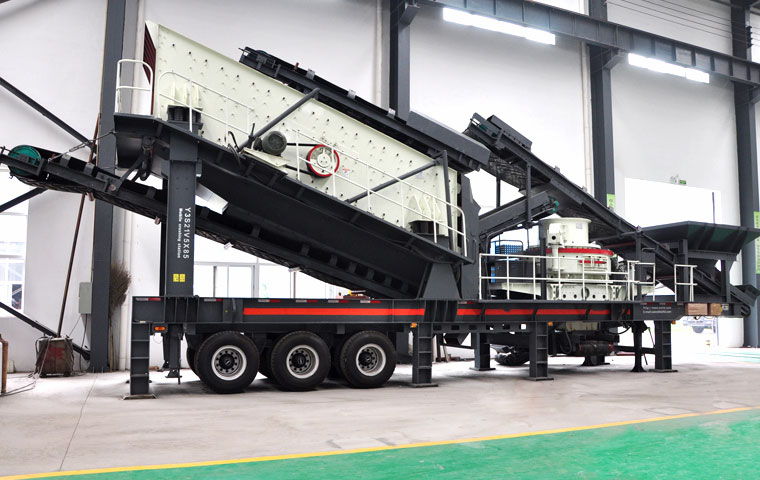
Notable operations include the revitalization of legacy shafts such as the Lalapanzi and Dalny mines, now under modernized management with mechanized extraction and improved safety standards. Additionally, joint ventures between local enterprises and international exploration firms have brought advanced geophysical surveying and processing technologies, enhancing recovery rates and environmental compliance.
-
Environmental and social governance remains a focus, with stakeholders implementing tailings management systems and community benefit-sharing agreements. While challenges such as illegal mining persist, regulatory tightening and surveillance have improved oversight.
-
With proven reserves estimated at over 30 tonnes and ongoing exploration expanding resource boundaries, Kadoma is no longer a peripheral player but a core pillar in Zimbabwe’s ambition to become a top-ten global gold producer.
Historical Legacy of Gold Mining in the Kadoma Region
-
Gold mining in the Kadoma region dates to pre-colonial times, with archaeological evidence indicating artisanal exploitation by indigenous Shona communities as early as the 11th century. These early miners employed rudimentary techniques, including shallow pitting and gravity-based separation, to extract alluvial gold from riverbeds and weathered outcrops.
-
The arrival of European prospectors in the late 19th century marked a significant transformation. Following the Rudd Concession and the British South Africa Company’s expansion into Mashonaland, systematic exploration intensified. By the 1900s, the Kadoma area—then known as Gatooma—emerged as a key node in Southern Rhodesia’s burgeoning mining economy due to its location within the prolific Bulawayo-Greenstone Belt, a geological formation rich in Archean greenstone-hosted gold deposits.
-
Commercial operations began in earnest during the 1930s, catalyzed by infrastructure development and capital influx. The formation of companies such as the Kadoma Gold Mining Company led to the establishment of deep-level shafts and centralized processing plants. The region’s output peaked in the 1950s and 1960s, contributing substantially to national gold production and supporting ancillary industries, including engineering and rail transport.
-
Socially, the mining boom spurred urbanization, with Kadoma evolving from a rural settlement into a mining town. Migrant labor systems shaped demographic patterns, drawing workers from across Zimbabwe and neighboring territories. Mining unions emerged, playing a pivotal role in labor organization and, later, in anti-colonial movements.
-
Post-independence, state-led nationalization and fluctuating commodity prices led to operational instability. Many large-scale mines entered periods of dormancy by the 1990s, paving the way for small-scale and artisanal miners to reclaim disused shafts. This shift preserved the region’s mining identity but introduced challenges related to environmental degradation and informal labor practices.
-
Today, the historical infrastructure—abandoned headgears, tailings dams, and colonial-era administrative buildings—stands as a testament to Kadoma’s enduring role in Zimbabwe’s gold economy. The legacy informs modern exploration strategies, with contemporary geophysical surveys often building upon historical mining data and known vein systems.
Key Active Gold Mines and Mining Companies in Kadoma
-
K9 Gold Mine: Operated by K9 Minerals, this underground mine is one of the most productive in Kadoma, contributing significantly to the region’s gold output. The mine exploits the prolific Bulawayan greenstone belt, with ore bodies occurring along well-defined shear zones. K9 has invested in mechanized mining equipment and modern processing infrastructure, including a 200 t/h carbon-in-leach (CIL) plant, enabling consistent recovery rates above 92%. The company maintains a reserve base of approximately 1.2 million ounces of gold, with ongoing exploration programs extending mineralized strike lengths.
-
Mutorashanga Gold Project: Although historically known for ferrochrome, recent shifts in commodity focus have seen renewed exploration for gold within the Mutorashanga area, particularly along the Selukwe Greenstone Belt. Several junior explorers, including Afmet Africa and Riovic Capital Group subsidiaries, are actively delineating resources. Preliminary resource estimates indicate potential for medium-scale open-pit and underground operations, with grades averaging 3.8 g/t Au in targeted veins.
-
Shamva Mine (Kadoma Extension): While the main Shamva mine lies northeast of Kadoma, its western exploration tenements extend into the district. Caledonia Mining Corporation holds key prospects in this corridor and has identified structurally controlled quartz veins with high-grade gold intersections. Though not yet in full production within Kadoma’s boundaries, exploration drilling continues to validate economic potential.
-
Artemis Resources’ Kadoma Tenements: Artemis, through its local subsidiary, controls over 400 km² of exploration ground in central Kadoma. Utilizing airborne geophysics and systematic trenching, the company has identified multiple priority targets, particularly around the historic Manhema and Banket reefs. Exploration models suggest similarities to the prolific goldfields of the adjacent Bindura-Nyanga trend.
-
Consolidated Nickel Mines (CNM): Though primarily a nickel producer at its Mimosa operation, CNM holds gold rights across several properties in Kadoma. The company has initiated selective gold mining at its Ngezi and Netherburn projects, where gold occurs as a by-product within sulphide-bearing ultramafic units. Recovery is integrated into existing flotation circuits, improving project economics.
-
Community Mining Sectors: Artisanal and small-scale mining (ASM) remains active across Kadoma, particularly in areas such as Lalapanzi and Darwendale. While informal, these operations contribute an estimated 20–25% of local gold production. Recent government initiatives aim to formalize ASM through licensed buying centers and cooperative models, enhancing traceability and revenue capture.
The convergence of established operations, emerging explorers, and formalized artisanal activity positions Kadoma as a sustained contributor to Zimbabwe’s gold sector.
Economic Impact of Gold Mining on Kadoma’s Local Communities
-
Gold mining has emerged as a pivotal economic driver in Kadoma, reshaping the socio-economic landscape of local communities through employment generation, infrastructure development, and increased local enterprise activity. Historically reliant on agriculture and small-scale trade, Kadoma has experienced a structural shift as both formal mining operations and artisanal and small-scale mining (ASM) sectors expand.
-
Formal gold mining companies, including major operators such as Caledonia Mining Corporation, have contributed significantly to municipal revenue and direct employment. At the Blanket Mine, one of the oldest operating mines in Zimbabwe, over 1,200 individuals are directly employed, with an additional 2,000+ indirectly supported through ancillary services. These jobs offer relatively stable incomes in a region marked by economic volatility, improving household expenditure on education, health, and housing.
-
Artisanal mining, though less regulated, sustains thousands more. Estimates suggest that over 15,000 artisanal miners operate in and around Kadoma, with their activities supporting extended families and stimulating informal markets. The influx of income from gold panning and small-scale extraction has led to the proliferation of local businesses—ranging from equipment suppliers to food vendors and transport operators—creating a multiplier effect across the local economy.
-
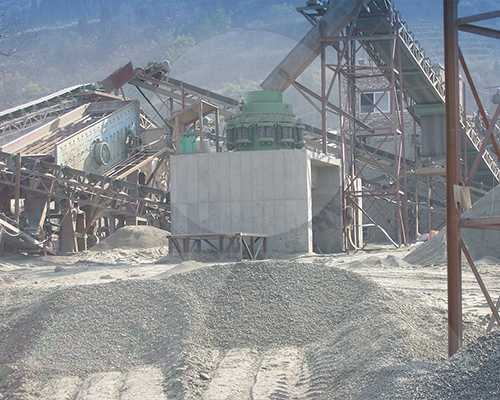
Infrastructure development linked to mining has also been transformative. Road rehabilitation, power supply improvements, and water access projects—often funded through corporate social investment (CSI) initiatives—have enhanced living standards beyond mining compounds. Schools and clinics have received upgrades, and digital connectivity has improved due to energy investments by mining firms.
-
However, economic benefits are unevenly distributed. Land acquisition disputes, environmental degradation, and limited local ownership in mining ventures have sparked community tensions. Moreover, price volatility and reliance on a single commodity expose Kadoma’s economy to external shocks.
-
Sustainable development will require stronger local content policies, formalization of ASM activities, and reinvestment of mining revenues into diversified economic initiatives. Without strategic governance and inclusive planning, the long-term resilience of Kadoma’s communities remains at risk despite current economic gains.
Challenges and Opportunities Facing Artisanal and Industrial Miners
-
Artisanal and small-scale miners in Kadoma face significant challenges, including limited access to capital, rudimentary extraction technologies, and insecure land tenure. Many operate informally, lacking legal recognition and thus exposed to harassment, eviction, or confiscation of equipment. Without access to formal financing, they rely on high-risk borrowing or intermediaries who often exploit them through inequitable gold-buying arrangements. Health and safety standards remain substandard, exposing miners to cave-ins, mercury exposure, and respiratory diseases. Environmental degradation, particularly from unregulated use of mercury in gold processing, poses long-term ecological risks and undermines community health.
-
In contrast, industrial miners encounter a different set of constraints. While better capitalized and equipped, they grapple with policy uncertainty, inconsistent regulatory enforcement, and protracted licensing processes. Fluctuations in government revenue-sharing mandates and indigenization requirements create hesitancy in long-term investment. Infrastructure deficits—especially in power supply, water, and transport—also impede operational efficiency. Despite these hurdles, industrial operations benefit from economies of scale, advanced exploration technologies, and formal market access, enabling higher recovery rates and compliance with environmental standards.
-
A critical opportunity lies in formalizing and integrating artisanal miners into the legal mining framework. Initiatives such as licensed buying centers, mercury-free processing technologies, and cooperative models can enhance productivity while reducing environmental harm. Partnerships between industrial operators and artisanal groups—through contract mining or joint ventures—offer potential for knowledge transfer and inclusive growth.
-
Moreover, Kadoma’s geological potential remains underexplored, particularly at depth and along under-prospected shear zones. Advances in geophysical surveying and data analytics present opportunities for both artisanal and industrial sectors to improve targeting accuracy. Strengthening institutional oversight, streamlining regulatory processes, and fostering public-private collaboration can transform Kadoma into a model for sustainable gold mining in Zimbabwe. The convergence of responsible regulation, technological adoption, and inclusive policy will determine the region’s long-term viability as a gold hotspot.
Frequently Asked Questions
What are the major active gold mines in Kadoma, Zimbabwe?
Kadoma hosts several active gold mining operations, including the Cam and Motor Mine, Gwedzi Mine, and Redwing Mine. These are operated by both large-scale companies and artisanal miners. Recent investments have modernized parts of Cam and Motor, enhancing output and safety standards under Caledonia Mining Corporation’s oversight.
How has gold mining impacted Kadoma’s local economy?
Gold mining significantly contributes to Kadoma’s economy by providing direct employment to thousands and supporting ancillary industries such as transport, equipment maintenance, and security. Royalty payments and corporate social investment initiatives from mining firms also fund local infrastructure and community projects.
Are artisanal miners legally operating in Kadoma’s gold fields?
Yes, artisanal and small-scale miners (ASMs) operate legally in designated areas under licenses from the Ministry of Mines and Mining Development. However, challenges such as informal mining, safety violations, and environmental degradation persist, prompting increased regulatory scrutiny and formalization efforts.
What geological formations make Kadoma favorable for gold mining?
Kadoma lies within the Zimbabwe Craton, specifically the Bulawayo Greenstone Belt, rich in Archean-age metavolcanic rocks. Shear zones like the Shamva-Bindura trend cross the region, hosting quartz veins with high-grade gold deposits—a proven exploration target for both historical and modern mining.
How can investors acquire gold mining rights in Kadoma?
Investors must apply through the Zimbabwe Mining Development Corporation (ZMDC) and register with the Ministry of Mines. Prospecting licenses are obtainable via the Cadastre system, with due diligence on environmental impact assessments (EIAs) and community engagement required before transitioning to mining leases.
What environmental regulations govern gold mining in Kadoma?
Gold mining in Kadoma is regulated by the Environmental Management Agency (EMA) under Zimbabwe’s EMA Act. Operators must submit EIAs, manage tailings responsibly, rehabilitate mined areas, and monitor water and air quality to mitigate impacts on ecosystems and communities.
What role does Caledonia Mining play in Kadoma’s gold production?
Caledonia Mining Corporation operates the Blanket Mine near Kadoma (though technically in neighboring Queque), influencing regional mining practices and output. Its success has spurred exploration interest in Kadoma, and its ESG-compliant standards serve as a benchmark for local mining operations.
How does illegal gold mining affect legitimate operations in Kadoma?
Illegal mining undermines tax revenues, creates safety hazards, and damages legitimate operators’ reputations. The government combats this through joint task forces (military and police) and mine security units, while promoting legal pathways for artisanal miners to formalize operations.
What challenges do gold miners in Kadoma face today?
Miners face electricity shortages, foreign currency liquidity issues, aging infrastructure, regulatory bottlenecks, and fluctuating global gold prices. Access to modern equipment and technical expertise remains limited, particularly among small-scale operators.
Is Kadoma considered a safe destination for mining investors?
Kadoma presents opportunities but also risks. While the region has established mining tenements and supportive government policies, political economy factors, currency instability, and security concerns require meticulous risk assessment. Partnering with local entities improves due diligence and operational resilience.
How is technology being used to enhance gold extraction in Kadoma?
Modern operations use gravity concentration, carbon-in-leach (CIL) circuits, and automated drill monitoring. Pilot projects involving drone-based surveying and real-time grade analysis are emerging, improving exploration accuracy and recovery rates in high-potential zones.
What community development initiatives stem from gold mining in Kadoma?
Mining companies support clinics, boreholes, school upgrades, and vocational training. Caledonia’s model resettlement scheme and the Zimbabwe Indigenous Mining Companies Association (ZIMCO) promote equitable benefit-sharing, aiming to ensure long-term social license to operate.