Table of Contents
- The Rich Legacy of Gold Mining in South Africa
- Diamond Discovery and the Rise of South Africa’s Gem Industry
- Major Gold and Diamond Mines Powering the Economy
- Economic and Social Impact of Mineral Extraction
- Future Prospects: Challenges and Opportunities in South African Mining
- Frequently Asked Questions
- What is the historical significance of gold and diamonds in South Africa’s economy?
- How did diamond discoveries transform South African mining and geopolitics?
- What are the major gold-producing regions in South Africa today?
- Which South African diamond mines are currently operational and economically significant?
- How has government regulation, such as the Mining Charter, impacted gold and diamond mining?
- What role does De Beers play in South Africa’s diamond industry today?
- How are environmental and sustainability concerns being addressed in South African gold and diamond mining?
- What security and illicit trade challenges affect gold and diamond extraction in South Africa?
- How does artisanal and small-scale mining (ASM) impact South Africa’s gold and diamond sectors?
- What technological innovations are improving gold and diamond recovery in South Africa?
- How does South Africa’s gold and diamond industry contribute to global supply chains?
- What investment opportunities exist in South Africa’s gold and diamond sector?
Beneath the sun-scorched landscapes of South Africa lies a subterranean treasure trove that reshaped a nation and captivated the world—gold and diamonds. Since the mid-19th century, the discovery of these precious resources has fueled economic transformation, drawn waves of prospectors and investors, and etched deep imprints on the country’s social and political fabric. The 1867 diamond rush in Kimberley and the subsequent 1886 gold strike on the Witwatersrand sparked industrial revolutions, laying the foundation for modern South African capitalism. These minerals not only enriched empires and corporations but also underscored stark inequalities, labor struggles, and colonial exploitation. Today, while production levels have waned, the legacy of gold and diamond mining endures in national identity, infrastructure, and global markets. From the glittering depths of underground shafts to boardrooms and beyond, South Africa’s mineral wealth continues to influence its economic trajectory, offering both promise and cautionary lessons in the pursuit of sustainable development and equitable prosperity.
The Rich Legacy of Gold Mining in South Africa
-
Discovery of gold in 1886 on the Witwatersrand Basin marked the beginning of a transformative era in South African history. What began as a localized rush quickly evolved into one of the most significant gold mining operations in human history, fundamentally reshaping the nation’s economic, social, and political landscape.
-
The Witwatersrand Basin remains the world’s largest known gold resource, having produced over 40,000 tonnes of gold since mining commenced—accounting for nearly 30% of all gold ever extracted globally. The depth, continuity, and richness of the reef systems, particularly the Carbon Leader and Main Reef conglomerates, have sustained operations for over a century, despite increasing technical challenges.
-
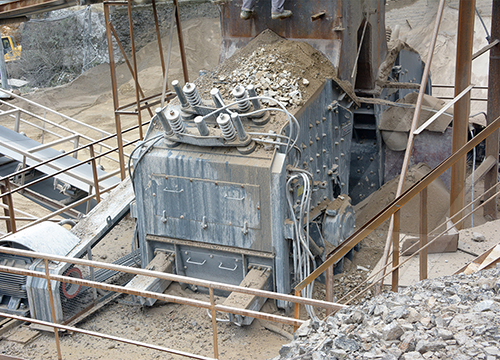
Mining operations rapidly industrialized under companies such as Anglo American, established in 1917, and Rand Mines. These enterprises pioneered deep-level mining technologies, with shafts extending beyond 3,500 meters—among the deepest in the world. Innovations in ventilation, rock engineering, and ore processing were developed to manage extreme temperatures and geomechanical stresses.
-
The labor structure was built on a migrant system rooted in colonial and apartheid-era policies. Millions of Black South Africans, primarily from rural areas and neighboring territories, were employed under tightly controlled conditions. Compounds, restrictive contracts, and racial segregation institutionalized inequality, leaving a complex social legacy that persists in post-apartheid transformation debates.
-
Economically, gold mining catalyzed infrastructure development—rail networks, urban centers like Johannesburg, and financial institutions such as the Johannesburg Stock Exchange. At its peak in the 1970s, gold contributed over 20% to South Africa’s GDP and dominated export earnings.
-
Declining ore grades, rising operational costs, and aging infrastructure have led to a contraction in output. Annual production has fallen from over 1,000 tonnes in the 1970s to under 100 tonnes in recent years. However, the sector retains strategic significance through job creation, technological heritage, and contributions to the mineral-processing value chain.
-
The legacy of gold mining is etched into South Africa’s geology, economy, and society. While its dominance has waned, the industry’s historical impact and ongoing efforts in rehabilitation, repurposing, and sustainable closure continue to influence national discourse on resource stewardship and inclusive growth.
Diamond Discovery and the Rise of South Africa’s Gem Industry
-
Discovery of diamonds in South Africa began in 1867 near the Orange River, when a 21.24-carat alluvial diamond—later named the Eureka—was found by Erasmus Jacobs. This event marked the inception of a transformative era in mineral exploration.
-
The significance of the find became undeniable in 1869 with the discovery of the 83.50-carat Star of South Africa, a high-quality gem that triggered a diamond rush. Prospectors flooded the region, particularly around Kimberley, where volcanic kimberlite pipes were identified as primary diamond sources.
-
By the late 1870s, the Kimberley Mine (also known as the Big Hole) had become the epicenter of global diamond production. The consolidation of claims led to intense competition, ultimately culminating in the dominance of Cecil John Rhodes, who formed De Beers Consolidated Mines in 1888. This consolidation established a vertically integrated monopoly that would control global diamond supply for over a century.
-
Technological innovation accompanied industrialization: open-pit mining methods, steam-powered hauling, and systematic sorting processes improved recovery rates and operational scale. The transition from individual diggers to corporate mining entities redefined labor systems, drawing in migrant workers from across southern Africa under tightly controlled conditions.
-
The diamond sector catalyzed infrastructure development, including rail networks and urban centers, reinforcing economic integration within the subcontinent. Revenue from diamond exports provided critical capital that later supported gold exploration on the Witwatersrand.
-
South Africa’s diamond industry not only reshaped its domestic economy but also restructured global gem markets. By 1900, the country accounted for nearly 95% of world diamond production. The establishment of controlled supply mechanisms through De Beers stabilized prices and cultivated enduring consumer demand, particularly in Western markets.
-
The legacy of diamond discovery extends beyond economics; it influenced colonial expansion, labor policies, and mineral tenure frameworks that persist in modified form today. While the relative contribution of diamonds has diminished with the rise of gold and other minerals, the foundations laid during the diamond boom remain central to South Africa’s identity as a mineral-rich nation.
Major Gold and Diamond Mines Powering the Economy
-
South Africa’s economic development has long been anchored in its rich endowment of gold and diamonds, with major mines serving as pillars of industrial output, employment, and export revenue. Despite declining production volumes over recent decades, these mines remain central to the nation’s mineral-driven economy.
-
The Witwatersrand Basin, stretching across Gauteng and surrounding provinces, hosts the world’s largest known gold reserves and has produced over 40% of all gold ever mined. The Mponeng Gold Mine, operated by AngloGold Ashanti, stands as one of the deepest and most technologically advanced operations globally, reaching depths exceeding 4,000 meters. With grades among the highest in the region, Mponeng continues to deliver significant output despite escalating extraction costs and geological complexity. Nearby, the Driefontein and Kloof complexes—now consolidated under Sibanye-Stillwater—have historically contributed substantial gold volumes and remain key assets in South Africa’s underground mining portfolio.
-
In the diamond sector, the Venetia Mine in Limpopo is the country’s premier diamond-producing operation. Operated by De Beers, Venetia transitioned from open-pit to an underground block-cave operation to extend its lifespan beyond 2040. With annual production of approximately 3.5 million carats, it accounts for over 70% of South Africa’s diamond output by value. The mine is notable for its high proportion of gem-quality stones, enhancing its contribution to export earnings.
-
Other significant operations include the Finsch Diamond Mine in the Northern Cape, a fully integrated underground facility producing around 1.2 million carats annually, and the Kimberley underground project, which revitalizes historic diggings using modern techniques.
| Mine | Commodity | Operator | Annual Output (approx.) | Location |
|---|---|---|---|---|
| Mponeng | Gold | AngloGold Ashanti | 500,000 oz | Gauteng |
| Driefontein | Gold | Sibanye-Stillwater | 450,000 oz | Gauteng |
| Venetia | Diamond | De Beers | 3.5 million carats | Limpopo |
| Finsch | Diamond | De Beers | 1.2 million carats | Northern Cape |
- These operations sustain tens of thousands of direct and indirect jobs and generate critical foreign exchange. However, they face persistent challenges, including aging infrastructure, energy instability, and rising safety and environmental compliance costs. Strategic investment in automation, energy resilience, and sustainable practices will determine their long-term viability and continued contribution to national economic stability.
Economic and Social Impact of Mineral Extraction
-
Long-term mineral extraction of gold and diamonds has fundamentally shaped South Africa’s economic structure, contributing significantly to GDP, state revenue, and formal employment. At its peak, the gold sector alone accounted for over 11% of GDP in the 1970s, and mining continues to represent approximately 7–8% of GDP and 60% of total exports. The sector remains a critical source of foreign direct investment and technological spillovers into related industries such as engineering, logistics, and financial services.
-
However, the economic benefits are unevenly distributed. While mining conglomerates and export markets reap substantial returns, local communities near extraction sites often experience marginalization. Wage disparities persist, with artisanal and unskilled laborers receiving disproportionately low compensation relative to the value generated. Moreover, the capital-intensive nature of modern mining limits broad-based job creation, with employment in the sector declining from over 1 million workers in the 1980s to approximately 450,000 today.
-
Social impacts are equally complex. Mining towns such as Kimberley and Carletonville were built around resource extraction, creating urban hubs that remain economically dependent on single industries. This dependency renders communities vulnerable to commodity price fluctuations and mine closures. Declining ore grades and rising operational costs have accelerated mine decommissioning, exacerbating unemployment and social instability in these regions.
-
Environmental degradation further compounds socio-economic challenges. Abandoned mine sites pose health risks through acid mine drainage and land subsidence, particularly in Gauteng’s West Rand, where contaminated water systems affect thousands. Remediation efforts are underfunded and fragmented, shifting long-term liabilities to the public sector.
-
Despite these challenges, mining has enabled critical infrastructure development, including rail networks and power systems, that support broader economic activity. Additionally, corporate social investment (CSI) programs by mining firms have funded education, healthcare, and small enterprise initiatives—though their sustainability and scalability remain limited.
-
The transition toward inclusive and sustainable resource governance requires stronger regulation, community equity participation, and economic diversification strategies. Without structural reforms, the legacy of mineral wealth may continue to reflect entrenched inequality rather than shared prosperity.
Future Prospects: Challenges and Opportunities in South African Mining
-
South Africa’s gold and diamond mining sectors face a complex future shaped by structural, economic, and environmental dynamics. While the country remains a historically significant producer, output has declined due to aging infrastructure, depleted high-grade deposits, and operational inefficiencies. Deep-level gold mines, once the backbone of the industry, now contend with escalating extraction costs, geotechnical risks, and constrained power supply, threatening long-term viability.
-
A primary challenge lies in energy security. Eskom’s persistent inability to provide reliable electricity has forced mining operations to rely on costly diesel generators or invest in private renewable energy solutions. Although the latter presents an opportunity for innovation, the transition demands substantial capital—often prohibitive for strained balance sheets.
-
Labour relations continue to exert pressure. High unemployment juxtaposed with union militancy creates a volatile environment. Wage negotiations, skills shortages, and community expectations amplify operational risks, requiring renewed social compacts between government, industry, and labour.
-
Environmental, social, and governance (ESG) imperatives are reshaping investment criteria. Investors increasingly scrutinize carbon footprints, water usage, and legacy liabilities such as acid mine drainage. Compliance is no longer optional; it is a prerequisite for financing. Proactive companies are investing in decarbonisation, water recycling, and post-mining land rehabilitation to align with global sustainability standards.
-
However, opportunities persist. South Africa hosts underexplored geological terrains, particularly in offshore diamond deposits and greenstone belts with potential for high-grade gold. Technological adoption—including automation, AI-driven exploration, and real-time monitoring—can enhance productivity and safety, reversing decades of stagnation.
-
The Just Energy Transition presents another strategic opening. Repurposing abandoned mines for renewable energy projects, pumped hydro storage, or mineral beneficiation could extend economic value while meeting climate goals.
| Opportunity | Challenge |
|---|---|
| Deep-tech mineral exploration | Depleting ore grades |
| Mine-site renewable integration | Grid instability |
| Beneficiation and local value addition | Lack of downstream infrastructure |
| Global demand for ethically sourced diamonds | Informal mining and regulatory gaps |
Strategic collaboration, regulatory certainty, and long-term investment in innovation will determine whether South Africa reclaims its position as a globally competitive, sustainable mining jurisdiction.
Frequently Asked Questions
What is the historical significance of gold and diamonds in South Africa’s economy?
Gold and diamonds have played a pivotal role in shaping South Africa’s modern economy since their discovery in the 19th century. The 1867 diamond rush in Kimberley and the 1886 discovery of gold on the Witwatersrand Basin triggered massive industrialization, foreign investment, and infrastructure development. These mineral booms led to the formation of powerful mining conglomerates and laid the foundation for Johannesburg as a financial hub, contributing significantly to South Africa’s status as Africa’s most industrialized nation for much of the 20th century.
How did diamond discoveries transform South African mining and geopolitics?
The discovery of diamonds near Kimberley catalyzed the consolidation of British imperial control over southern Africa. Cecil John Rhodes leveraged diamond wealth to expand British influence, eventually establishing De Beers Consolidated Mines, which monopolized global diamond production for decades. This consolidation not only centralized mining operations but also intensified labor exploitation and colonial resource extraction, reshaping regional power dynamics and contributing to prolonged socio-political inequality.
What are the major gold-producing regions in South Africa today?
The Witwatersrand Basin remains the most significant gold-producing region, hosting over 40% of South Africa’s remaining gold reserves. Key operations are concentrated in the Gauteng, North West, and Free State provinces, with major mining companies operating deep-level shafts in areas like Carletonville, Klerksdorp, and Evander. Despite declining production due to aging infrastructure and depth-related challenges, the basin remains a cornerstone of the country’s gold output.
Which South African diamond mines are currently operational and economically significant?
The Venetia Diamond Mine in Limpopo is South Africa’s largest and most productive diamond mine, operated by De Beers. Though other historic mines like Kimberley and Finsch have reduced output or transitioned to closure planning, Venetia contributes substantially to national diamond exports. The mine is undergoing a major underground expansion to extend its lifespan beyond 2040, reflecting long-term strategic investment in the sector.
How has government regulation, such as the Mining Charter, impacted gold and diamond mining?
The South African Mining Charter, particularly the 2018 version, mandates that 30% of mining equity be held by historically disadvantaged South Africans (HDSAs), promotes local procurement, and emphasizes community development. While aiming to redress apartheid-era inequalities, the charter has created investment uncertainty, complicated joint ventures, and affected capital inflows. Industry stakeholders argue for regulatory stability to ensure sustainable exploration and operation in gold and diamond sectors.
What role does De Beers play in South Africa’s diamond industry today?
De Beers maintains a dominant presence through its 50:50 joint venture with the South African government (De Beers Group and Government of South Africa), operating mines like Venetia and contributing to exploration and beneficiation programs. While its global market share has declined from historical highs, De Beers remains integral to diamond valuation, ethical sourcing (through initiatives like the Diamond Route), and advancing sustainable mining technologies in South Africa.
How are environmental and sustainability concerns being addressed in South African gold and diamond mining?
Leading mining firms are adopting tailings management reforms, water recycling systems, and renewable energy integration to reduce environmental impact. For instance, Gold Fields Ltd. has committed to carbon neutrality by 2050, while De Beers implements biodiversity action plans around mine sites. Regulatory frameworks like NEMA (National Environmental Management Act) enforce strict rehabilitation protocols, though legacy pollution from old tailings dams remains a critical challenge.
What security and illicit trade challenges affect gold and diamond extraction in South Africa?
Illegal mining—often controlled by organized syndicates—poses major threats to safety, asset integrity, and revenue. Underground gold theft from inactive shafts in the Witwatersrand costs the industry billions annually. Similarly, diamond smuggling, though reduced due to KPCS (Kimberley Process Certification Scheme) compliance, still occurs. Advanced surveillance, private security forces, and blockchain-based tracking are emerging as expert solutions to combat illicit mineral flows.
How does artisanal and small-scale mining (ASM) impact South Africa’s gold and diamond sectors?
While ASM is less prevalent in South Africa compared to other African nations due to stringent regulatory barriers and industrial dominance, illegal ASM operations persist, especially in abandoned gold mines. These unregulated activities pose safety risks and environmental damage. The government is exploring formalization frameworks to integrate ASM into the legal economy while ensuring compliance with safety and environmental standards.
What technological innovations are improving gold and diamond recovery in South Africa?
South African mining companies are deploying automation, AI-driven ore sorting, and remote-operated drilling systems to enhance efficiency and safety. For deep-level gold mines, digital twins and real-time seismic monitoring systems help manage geotechnical risks. In diamond recovery, X-ray transmission (XRT) sorting and spectral analysis improve yield and purity, reducing energy consumption and environmental footprint.
How does South Africa’s gold and diamond industry contribute to global supply chains?
South Africa remains a key supplier of high-quality diamonds and specialized gold products, though its global market share has diminished. It contributes approximately 3–5% of world diamond production by value and less than 5% of global gold output. However, its strategic importance persists due to geological uniqueness, processing expertise, and regulatory compliance with international standards like the Kimberley Process and LME (London Metal Exchange) responsible sourcing guidelines.
What investment opportunities exist in South Africa’s gold and diamond sector?
Investors can access the sector through publicly traded mining companies (e.g., Harmony Gold, Sibanye-Stillwater, De Beers), mineral royalty and streaming firms, or joint ventures in exploration projects. Growing interest in exploration revitalization—especially in underexplored greenstone belts—offers high-risk, high-reward opportunities. Expert analysis suggests that geopolitical risk mitigation, ESG compliance, and technology-driven cost reduction are critical factors for sustainable returns.