The coal mill (or pulverizer) in a coal-fired power plant plays a crucial role in the combustion process by grinding raw coal into fine powder to facilitate efficient burning. Here are its key functions:
1. Grinding/Pulverization
– Crushes raw coal (typically sized 25–50 mm) into fine powder (70–90% passing through a 200-mesh sieve, ~75 microns).
– Ensures optimal surface area for rapid combustion in the boiler.
2. Drying
– Removes moisture from coal using hot air (primary air) to improve combustion efficiency.
– Wet coal is harder to ignite and reduces boiler efficiency.
3. Classification/Separation
– Uses classifiers (e.g., dynamic or static separators) to reject coarse particles for re-grinding while allowing fine particles to proceed to the burner.
4. Transport
– The pulverized coal is mixed with primary air and transported pneumatically through pipes to the burners for combustion.
5. Storage & Buffer (Ball-Tube Mills)
– Some mills (like ball-and-race or bowl mills) store a small amount of pulverized coal to ensure steady supply during load fluctuations.
 6. Safety & Control
– Prevents explosions by monitoring CO levels, temperature, and ensuring proper inerting (e.g., using N₂).
– Regulates feed rate based on boiler demand.
Types of Coal Mills:
– Vertical Spindle Mills (Bowl Mill, Roller Mill) – Most common in modern plants.
– Ball-and-Race Mills – Older design with grinding balls.
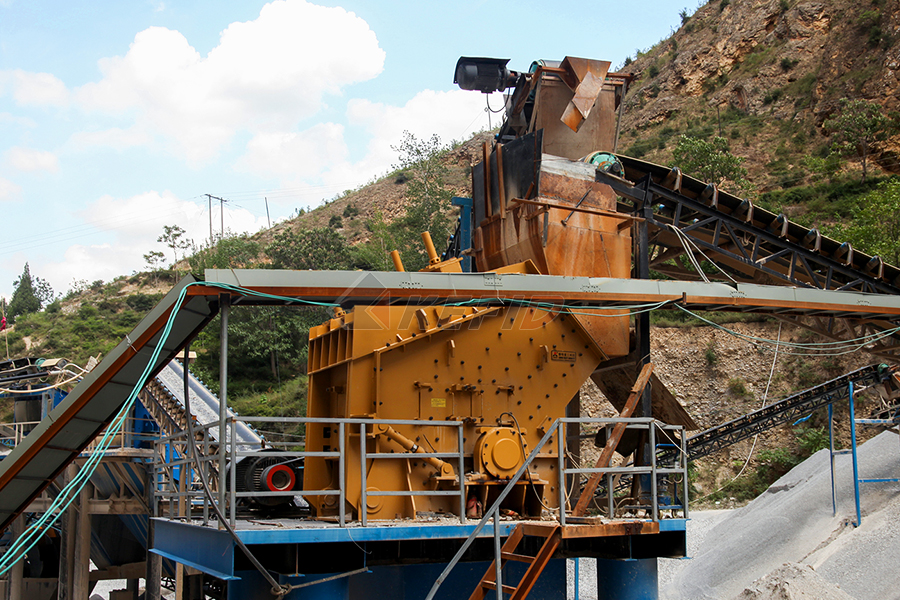
– Impact Mills (Hammer Mill, Beater Wheel Mill) – Less common today.
Importance:
– Affects combustion efficiency, emissions (NOₓ, CO₂), and overall plant performance.
– Poor grinding can lead to unburned carbon losses or slagging in the boiler.
Would you like details on a specific type of coal mill?