Table of Contents
- Heavy-Duty Drilling Equipment for Precision Granite Extraction
- Advanced Cutting Machines: Diamond Wire Saws and Circular Blade Technology
- Efficient Loading and Hauling Systems in Modern Granite Quarries
- Crushing and Processing Machinery for Raw Granite Transformation
- Innovative Automation and Safety Technologies in Granite Mining Operations
- Frequently Asked Questions
- What type of machinery is essential for primary granite mining excavation?
- How do diamond wire saws improve efficiency in granite block extraction?
- What role does quarry planning software play in modern granite mining?
- Which drilling equipment is best suited for granite core extraction?
- How is granite transported from the quarry face to processing facilities?
- What safety equipment and protocols are mandatory when operating granite mining machinery?
- Can automation and remote operation be applied to granite mining machinery?
- What environmental considerations are involved in granite mining machinery operations?
- How do hydraulic split machines compare to explosives in granite extraction?
- What maintenance schedule is recommended for diamond wire saws in granite mining?
Beneath the earth’s rugged surface lies one of nature’s most enduring materials—granite—a cornerstone of modern construction and design. Extracting this dense, durable stone demands more than brute force; it requires precision, innovation, and cutting-edge machinery engineered to conquer the toughest geological challenges. Today’s granite mining operations have evolved far beyond traditional methods, embracing a new generation of advanced equipment that enhances efficiency, safety, and sustainability. From high-performance diamond wire saws and computer-guided drilling rigs to automated loaders and remote-controlled excavators, technology is redefining the quarry landscape. These tools not only increase yield and reduce waste but also minimize environmental impact and operational downtime. As global demand for granite continues to rise, the integration of smart sensors, real-time data analytics, and electrified machinery is setting a new standard in quarrying excellence. This transformation is not just modernizing extraction—it’s shaping the future of an entire industry.
Heavy-Duty Drilling Equipment for Precision Granite Extraction
-
Hydraulic rotary drill rigs optimized for granite feature high-torque rotary heads and robust feed systems, enabling penetration through dense crystalline formations with minimal deviation. These machines utilize tungsten-carbide or diamond-impregnated bits designed to withstand abrasive silica content intrinsic to granite, ensuring bit longevity and hole consistency.
-
Modern heavy-duty drills integrate computerized control systems that monitor thrust, rotation speed, and penetration rate in real time. This data-driven approach enables precise hole placement, depth control, and alignment, which are critical for minimizing overbreak and maximizing yield during subsequent blasting or block cutting phases.
-
Track-mounted platforms provide mobility across rugged quarry terrain while maintaining stability during operation. Their low ground pressure design reduces surface damage and allows repositioning without extensive site preparation, improving operational efficiency in high-elevation or uneven extraction zones.
-
Dust suppression systems, typically employing wet drilling through integrated water injection, mitigate airborne particulates and reduce thermal stress on drill components. This not only complies with environmental and occupational health standards but also enhances visibility and prolongs equipment life.
-
For large-scale operations, automated drill fleets equipped with GPS-guided positioning and pre-programmed blast patterns are increasingly deployed. These systems achieve millimeter-level accuracy in hole placement, directly contributing to uniform fragmentation and efficient downstream processing.
-
Complementing drilling, heavy-duty derricks and gantry systems assist in the precise emplacement of expansive drill strings in deep-hole applications, particularly in vertical or near-vertical granite faces. Their load-handling capabilities support uninterrupted operation with reduced manual intervention.
-
Preventive maintenance protocols, including hydraulic fluid analysis and bit wear inspection, are essential to sustaining peak performance. OEM-recommended service intervals, combined with onboard diagnostics, minimize unplanned downtime and maintain drilling precision over extended cycles.
The integration of durable materials, intelligent controls, and automation in heavy-duty drilling platforms has redefined the standards for granite extraction. These advancements ensure consistent hole quality, reduce energy consumption per meter drilled, and support the shift toward selective mining practices. As granite demand grows for high-value architectural and infrastructure applications, the reliability and precision of modern drilling systems become indispensable to scalable, sustainable quarry operations.
Advanced Cutting Machines: Diamond Wire Saws and Circular Blade Technology
-
Diamond wire saws represent a pivotal advancement in granite extraction, offering precision, efficiency, and reduced material waste compared to traditional methods. These systems utilize a flexible steel cable embedded with diamond-impregnated beads, which rotates continuously around the quarry block, enabling controlled, high-tolerance cuts through dense granitic formations. The abrasive action of the diamonds allows for smooth, near-final surface finishes, minimizing downstream processing requirements.
-
Operational advantages include the ability to execute vertical, horizontal, and contour cuts with minimal kerf loss—typically 5–7 mm—preserving valuable raw material. Unlike older techniques that induce significant vibration and fracturing, diamond wire saws apply consistent tension and low stress, preserving block integrity. This is particularly critical in high-value architectural and dimension stone applications where structural continuity is paramount.
-
Modern diamond wire systems are integrated with automated tensioning, real-time monitoring, and CNC-guided positioning, ensuring consistent feed rates and optimal contact pressure. Water cooling is essential, both to manage thermal load at the cutting interface and to evacuate rock particulates, thereby extending bead life and maintaining cutting efficiency. Advances in bead composition—such as segmented sintering profiles and hybrid metal matrices—have significantly increased wear resistance and cutting speed across variable granite densities.
-
Complementing wire saw technology, circular blade saws—particularly those employing segmented or continuous-rim diamond blades—remain essential for secondary cutting and block trimming. High-torque, low-vibration motors enable feed rates exceeding 2 m/min in homogeneous granite, with blade diameters ranging from 1.8 to 3.5 meters in industrial configurations. Precision spindle alignment and reinforced flanges mitigate deflection under load, ensuring dimensional accuracy.
| Feature | Diamond Wire Saw | Circular Blade Saw |
|---|---|---|
| Cutting Mechanism | Abrasive bead friction | Rotating diamond rim |
| Kerf Width | 5–7 mm | 8–12 mm |
| Maximum Cut Depth | Unlimited (with repositioning) | Limited by blade diameter |
| Surface Finish | Near-net shape | Requires secondary finishing |
| Best Application | Primary block extraction | Secondary sizing and trimming |
Integration of both technologies within a quarry workflow enables a seamless transition from mass excavation to precision shaping, significantly enhancing yield, safety, and operational scalability in modern granite mining.
Efficient Loading and Hauling Systems in Modern Granite Quarries
-
Modern granite quarries rely on integrated loading and hauling systems to maximize throughput, reduce cycle times, and maintain operational safety. These systems are engineered to handle the extreme weights and abrasive nature of dimension stone blocks while optimizing fuel efficiency and equipment longevity.
-
Primary loading is typically executed using high-capacity hydraulic excavators or purpose-built front-end loaders equipped with rock buckets or specialized stone grapples. These machines are selected for their breakout force, lifting capacity, and precision, enabling safe handling of multi-ton granite blocks without fracture. Electric or hybrid loading shovels are increasingly adopted in environmentally regulated quarries to reduce emissions and noise.
-
For hauling, rigid-frame dump trucks with payloads ranging from 40 to 100 metric tons dominate main transport operations. These trucks feature reinforced suspensions, all-wheel drive, and advanced braking systems to navigate steep, uneven quarry ramps under heavy loads. Tire selection is critical—cut- and wear-resistant compounds are standard to mitigate downtime from punctures.
-
In high-volume operations, in-pit crushing and conveying systems are increasingly integrated with loading and hauling to bypass truck dependency for waste and smaller material. This hybrid approach reduces fuel consumption, traffic congestion, and maintenance costs.
| Equipment Type | Typical Capacity | Key Features |
|---|---|---|
| Hydraulic Excavator | 35–80 metric tons | High breakout force, precision control |
| Front-End Loader | 25–50 metric tons | Articulated steering, stone grapple option |
| Rigid Dump Truck | 40–100 metric tons | All-wheel drive, reinforced chassis |
| In-Pit Conveyor System | Continuous flow (tph) | Remote monitoring, low energy per ton |
-
Telematics and fleet management systems are now standard, providing real-time data on equipment location, payload, fuel use, and maintenance alerts. GPS-guided hauling routes optimize travel paths and reduce idle time.
-
Automation is emerging in select quarries, with semi-autonomous haul trucks operating on predefined routes using LiDAR and terrain mapping. While full autonomy remains limited due to the irregular nature of quarry environments, assisted guidance systems enhance operator efficiency and safety.
-
Efficient loading and hauling are not solely dependent on machinery but on seamless integration between equipment, site layout, and operational planning. Proper berm placement, well-graded haul roads, and coordinated shift scheduling ensure consistent material flow from extraction face to processing or stockpile.
Crushing and Processing Machinery for Raw Granite Transformation
-
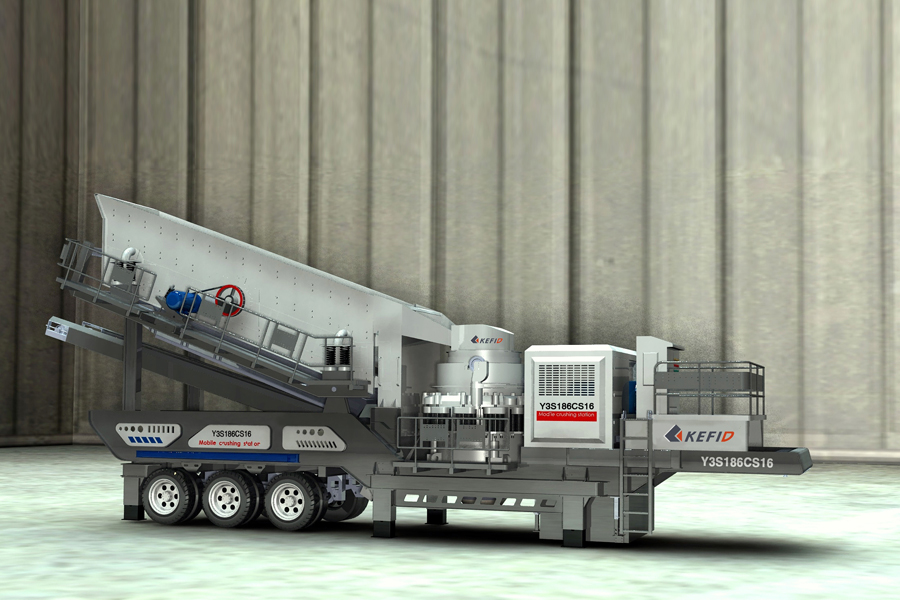
Primary crushing of raw granite begins with robust jaw crushers, engineered to handle high-compressive strength material. These units reduce large quarry blocks into manageable feed sizes, typically under 150 mm, for downstream processing. Compression-based operation ensures minimal wear under extreme loads, making them indispensable in initial size reduction.
-
Following primary crushing, cone crushers assume critical role in secondary and tertiary stages. Utilizing gyratory motion within a sealed chamber, they deliver consistent particle shaping and size distribution. Advances in hydraulic adjustment and overload protection systems enhance throughput and reduce downtime, particularly when processing abrasive granite aggregates.
-
High-pressure grinding rolls (HPGRs) are increasingly deployed for fine crushing, offering energy-efficient alternatives to traditional methods. By compressing feed material between counter-rotating rolls, HPGRs induce micro-fractures within granite crystals, improving liberation and reducing energy consumption in subsequent grinding stages.
-
Vibrating feeders regulate material flow into crushers, ensuring uniform feeding and preventing blockages. Equipped with adjustable amplitude and frequency controls, they maintain optimal crusher loading while minimizing mechanical stress.
-
Closed-circuit configurations, incorporating vibrating screens and recirculation conveyors, ensure product specification compliance. Oversized particles are automatically returned to crushers, enabling precise control over final granulometry—essential for dimension stone or aggregate applications.
-
Dust suppression and material washing systems are integrated post-crushing to meet environmental standards and enhance product purity. Wet processing circuits, including attrition scrubbers and dewatering screens, remove fines and surface contaminants from crushed granite.
-
Automation platforms now oversee entire crushing trains, utilizing real-time sensors for feed rate, power draw, and bearing temperature. Predictive maintenance algorithms analyze performance data to preempt failures, improving operational availability.
-
Mobile and modular crushing units provide flexibility in remote or phased quarry developments. Containerized systems allow rapid deployment and relocation, reducing infrastructure dependency.
The evolution of crushing and processing machinery has elevated granite transformation from brute-force extraction to precision material engineering. Integration of durable components, closed-loop control, and energy-optimized designs ensures maximum yield and consistent product quality, forming the backbone of modern granite quarrying operations.
Innovative Automation and Safety Technologies in Granite Mining Operations
-
Remote-controlled and autonomous drilling rigs equipped with real-time positioning systems have significantly enhanced precision in granite extraction. These systems minimize human exposure to hazardous environments while optimizing blast hole placement, improving fragmentation, and reducing overbreak.
-
Integrated GPS and inertial navigation technologies enable autonomous haulage trucks to transport extracted blocks from the quarry face to processing areas with minimal human intervention. These vehicles operate continuously under variable terrain and weather conditions, increasing productivity and reducing operational downtime.
-
Machine health monitoring systems leverage onboard sensors and IoT connectivity to track engine performance, hydraulic pressure, and structural integrity in real time. Predictive analytics derived from this data allow for proactive maintenance, reducing unscheduled breakdowns and extending equipment lifespan.
-
Collision avoidance systems, utilizing radar, LiDAR, and ultrasonic sensors, are now standard on high-mobility quarry machinery. These systems detect personnel and obstacles within predefined safety zones, automatically issuing alerts or engaging braking protocols to prevent accidents.
-
Smart cutting systems, including CNC-guided diamond wire saws and chain saws, utilize 3D modeling inputs to execute precise cutting patterns. This level of automation ensures dimensional accuracy, minimizes material waste, and improves yield from high-value granite deposits.
-
Wearable safety technology, such as smart helmets and proximity-detecting vests, interfaces with vehicle-mounted transceivers to alert both operators and ground personnel of potential encroachments into operational zones. These systems have contributed to measurable reductions in workplace incidents.
-
Dust suppression systems integrated with drilling and cutting equipment use automated moisture sensors and variable spray nozzles to maintain optimal particulate control. This not only improves air quality but also complies with stringent environmental and occupational health regulations.
-
Digital twin technology is increasingly deployed to simulate quarry operations, allowing operators to model equipment performance, test extraction sequences, and assess risk scenarios in a virtual environment before field implementation. This capability supports data-driven decision-making and continuous operational refinement.
-
Cyber-physical integration platforms consolidate machine data, safety logs, and production metrics into centralized dashboards. Supervisors use these insights to monitor compliance, allocate resources efficiently, and ensure alignment with operational KPIs.
These technologies collectively represent a transformation in granite mining—shifting from reactive, labor-intensive practices to proactive, data-centric operations that prioritize safety, precision, and sustainability.
Frequently Asked Questions
What type of machinery is essential for primary granite mining excavation?
Primary granite mining requires heavy-duty equipment such as diamond wire saws, chain saws, and expanding grout systems. Diamond wire saws are particularly effective for contour cutting large blocks from the quarry face with minimal waste. For initial quarry development, drilling jumbos and hydraulic rock breakers are used to shape benches and remove overburden.
How do diamond wire saws improve efficiency in granite block extraction?
Diamond wire saws enhance efficiency by enabling precise, low-vibration cuts through granite with high tensile strength steel cables embedded with diamond beads. This method reduces material loss, produces smooth cut faces, and allows for complex shaping of blocks, significantly increasing yield and reducing secondary processing needs.
What role does quarry planning software play in modern granite mining?
Advanced quarry planning software integrates geological surveys, 3D modeling, and block yield optimization to maximize resource utilization and minimize waste. These tools help engineers determine the optimal extraction path, predict block quality, and schedule equipment usage, leading to improved profitability and reduced environmental impact.
Which drilling equipment is best suited for granite core extraction?
Down-the-hole (DTH) drills and rotary-percussive drill rigs are preferred for granite core extraction due to their ability to penetrate hard rock efficiently. For precision diamond coring, hydraulic core drills with diamond-studded bits are used to extract intact core samples for geological and structural analysis prior to large-scale operations.
How is granite transported from the quarry face to processing facilities?
Once extracted, granite blocks are moved using heavy-duty loaders, excavators, and specialized quarry trucks. For steep or uneven terrain, cable winches and skid steer loaders equipped with granite clamps ensure safe handling. Blocks are often placed on wooden pallets and transported via flatbed trucks to cutting and polishing plants.
What safety equipment and protocols are mandatory when operating granite mining machinery?
Operators must use personal protective equipment (PPE), including helmets, high-visibility clothing, hearing protection, and steel-toed boots. Equipment must be equipped with emergency stop systems, rollover protection (ROPS), and dust suppression technology. Regular maintenance, operator certification, and adherence to OSHA or equivalent international standards are critical.
Can automation and remote operation be applied to granite mining machinery?
Yes, advanced quarry operations increasingly use automated drilling rigs, GPS-guided excavators, and remote-controlled diamond wire saw systems. These technologies improve precision, reduce human exposure to hazardous environments, and enable real-time data monitoring for predictive maintenance and operational optimization.
What environmental considerations are involved in granite mining machinery operations?
Machinery used in granite mining must comply with strict emission standards (e.g., Tier 4 Final engines) and incorporate dust suppression systems such as water sprays and vacuum collectors. Reclamation plans, noise control measures, and fuel containment protocols are essential to minimize ecological impact and adhere to environmental regulations.
How do hydraulic split machines compare to explosives in granite extraction?
Hydraulic splitters provide a controlled, vibration-free alternative to explosives, making them ideal for precision block mining in environmentally sensitive or urban-proximate areas. They use high-pressure fluid to propagate cracks along predefined lines, preserving block integrity and reducing safety risks associated with blasting.
What maintenance schedule is recommended for diamond wire saws in granite mining?
Diamond wire saws require daily inspection of wire tension, coolant systems, and bead wear. Weekly maintenance includes gear lubrication and drive pulley alignment checks. Monthly preventive maintenance should involve full system diagnostics, hydraulic fluid analysis, and replacement of worn components to ensure consistent cutting performance and prolong equipment life.