Table of Contents
- Understanding DOH Stacker Belt Conveyor Technology and Industrial Applications
- Key Components and Design Features of DOH Stacking Conveyors
- Advantages of Implementing DOH Belt Stackers in Bulk Material Handling
- Optimizing Workflow with DOH Stacker Conveyor Integration in Production Lines
- Maintenance Best Practices and Troubleshooting for DOH Belt Conveyor Systems
- Frequently Asked Questions
- What is a DOH Stacker Belt Conveyor used for in industrial applications?
- How does a DOH Stacker Belt Conveyor differ from standard stackers?
- What belt widths and capacities are available in DOH Stacker Belt Conveyors?
- Can a DOH Stacker Belt Conveyor be customized for specific plant layouts?
- What drive systems are used in DOH Stacker Belt Conveyors?
- How is belt tracking maintained on a DOH Stacker Belt Conveyor?
- What maintenance practices are critical for maximizing DOH conveyor uptime?
- Are DOH Stacker Belt Conveyors suitable for outdoor installations in harsh climates?
- How is material segregation minimized during stacking with a DOH conveyor?
- What safety features are integrated into DOH Stacker Belt Conveyors?
- Can DOH Stacker Belt Conveyors be retrofitted into existing conveyor systems?
- What control systems are available for automated operation of DOH stackers?
In today’s fast-paced industrial landscape, efficiency, reliability, and seamless material flow are non-negotiable. Enter the DOH Stacker Belt Conveyor System—a cutting-edge solution engineered to transform material handling across diverse sectors, from mining and aggregates to recycling and bulk processing. Renowned for their robust construction, precision engineering, and adaptability, DOH stacker belt conveyors deliver unmatched performance in stockpiling, transferring, and distributing bulk materials with minimal downtime. These systems combine high-capacity throughput with intelligent design features such as adjustable discharge points, modular configurations, and remote monitoring capabilities, ensuring optimal integration into modern operational workflows. Whether managing challenging terrains or adapting to fluctuating production demands, DOH conveyors offer scalability and durability that future-proof industrial processes. With a focus on maximizing productivity while reducing operational costs, the DOH Stacker Belt Conveyor System stands as a cornerstone of smart material handling—where innovation meets industrial excellence.
Understanding DOH Stacker Belt Conveyor Technology and Industrial Applications
-
Efficient material handling is foundational to operational success in modern industrial environments, and DOH stacker belt conveyor systems represent a pivotal advancement in this domain. These systems integrate robust engineering with intelligent design to enable high-capacity, continuous stacking of bulk materials such as coal, ore, aggregates, and biomass in mining, power generation, cement production, and port logistics.
-
At the core of DOH stacker belt conveyor technology is a mobile or fixed boom structure equipped with a reversible conveyor belt. The system operates by receiving material from a feed conveyor at the pivot point and transporting it along the boom via a high-tensile belt. Discharge occurs at the distal end through a tripper car or slewing mechanism, allowing precise placement over wide stockpile areas. This capability enables organized, layered stacking that optimizes space utilization and minimizes material segregation.
-
A defining feature of DOH stackers is their versatility in operational modes. They support radial, linear, or circular stacking patterns, with slewing and luffing functions enabling 360-degree horizontal rotation and vertical boom adjustment. This flexibility ensures uniform stockpile formation and compatibility with diverse plant layouts.
-
Drive systems are engineered for reliability under heavy loads, typically incorporating high-efficiency motors, fluid couplings, and variable frequency drives (VFDs) for controlled acceleration and energy optimization. The belt tracking and tensioning mechanisms are designed to reduce wear and prevent spillage, contributing to sustained operational uptime.
-
Safety and automation are integral. Modern DOH stackers are equipped with PLC-based control systems, remote HMI interfaces, and sensors for belt alignment, emergency stop, and obstruction detection. Integration with plant-wide SCADA systems allows for real-time monitoring, predictive maintenance, and coordinated material flow management.
-
In industrial applications, DOH stackers significantly reduce manual intervention, lower energy consumption per ton handled, and enhance storage density. Their modular design supports customization for throughput rates exceeding 5,000 tph and boom lengths up to 150 meters, making them suitable for both greenfield and retrofit projects.
-
The result is a scalable, future-ready solution that aligns with the demands of high-throughput, sustainable industrial operations.
Key Components and Design Features of DOH Stacking Conveyors
-
Robust Frame Construction
DOH stacking conveyors utilize heavy-duty steel frames engineered for structural integrity under continuous operational loads. The frame design incorporates corrosion-resistant coatings and modular joints to facilitate easy assembly, alignment, and long-term durability in demanding industrial environments. -
High-Performance Belt System
The conveyor belt is constructed from multi-ply rubber or polyester fabric with vulcanized joints, ensuring tensile strength and resistance to abrasion, impact, and elongation. Cleats or sidewalls may be integrated for steep-angle conveying, maintaining material stability during elevation. -
Precision Drive Assembly
Powered by variable-frequency drive (VFD) motors, the drive system enables adjustable speed control and smooth acceleration. Gear reducers and lagged head pulleys optimize torque transmission and prevent belt slippage, enhancing energy efficiency and operational consistency. -
Articulated Boom Design
A pivotal feature of DOH stackers is the hydraulically or mechanically actuated boom, allowing controlled radial or linear movement. This articulation enables precise material placement across stockpiles and adapts to changing pile geometries without repositioning the entire conveyor. -
Tail Pulley Tensioning Mechanism
Screw or gravity take-up systems maintain optimal belt tension, compensating for stretch and thermal variations. Proper tensioning reduces wear on components and ensures consistent tracking performance over extended operation. -
Advanced Tracking and Alignment Controls
Self-aligning idlers and electronic sensors monitor belt position in real time. When misalignment is detected, corrective adjustments are automatically initiated, minimizing downtime and preventing spillage. -
Dust Suppression and Sealing Integration
Strategic placement of skirt boards, impact beds, and dust seals at transfer points reduces fugitive material dispersion. Optional misting systems or vacuum enclosures further enhance environmental and safety compliance.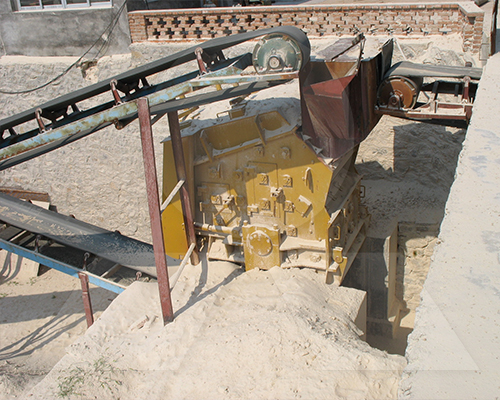
-
Control and Monitoring Interface
PLC-based control panels with HMI integration provide centralized monitoring of motor load, belt speed, boom position, and fault diagnostics. Remote access capabilities support predictive maintenance and seamless integration into plant-wide automation systems. -
Support Structures and Mobility Options
Fixed installations utilize reinforced foundations, while mobile units are mounted on crawler or wheeled bases with outriggers for stability. These configurations offer flexibility in temporary setups or dynamic worksites, such as quarries and construction zones.
Advantages of Implementing DOH Belt Stackers in Bulk Material Handling
-
High Throughput Capacity: DOH belt stackers are engineered for continuous, high-volume material handling, enabling operations to achieve superior throughput with minimal downtime. Their robust drive systems and optimized belt speeds ensure consistent performance even under demanding conditions.
-
Precision Stockpiling: These stackers offer exceptional control over material placement, allowing for structured, layered stockpiles that maximize storage density and minimize rehandling. The adjustable boom and slewing mechanisms enable precise radial or linear stacking, accommodating diverse yard layouts.
-
Operational Flexibility: DOH stackers support multiple stacking modes—conical, chevron, and windrow—enabling adaptation to specific material characteristics and storage requirements. This versatility enhances material segregation, reduces degradation, and supports efficient reclaim strategies.
-
Reduced Environmental Impact: Integrated dust suppression systems and controlled discharge points significantly mitigate airborne particulates, contributing to compliance with environmental regulations and improved working conditions. The enclosed design of certain models further limits spillage and material loss.
-
Energy Efficiency: Advanced drive technologies, including variable frequency drives (VFDs) and regenerative braking in downhill configurations, optimize power consumption. This results in lower operational energy costs and a reduced carbon footprint over the system’s lifecycle.
-
Remote Monitoring and Automation: Modern DOH stackers are equipped with PLC-based control systems and telemetry interfaces, enabling remote operation, predictive maintenance, and integration with centralized plant management systems. Real-time diagnostics enhance system reliability and reduce unplanned maintenance.
-
Scalability and Integration: Designed for seamless integration with existing conveying infrastructure, DOH stackers can be deployed as standalone units or as part of fully automated bulk handling networks. Their modular construction supports future capacity expansion with minimal retrofitting.
-
Low Maintenance Requirements: Constructed with heavy-duty components and corrosion-resistant materials, DOH stackers exhibit extended service life with minimal wear. Strategic placement of lubrication points and accessibility for inspection reduce maintenance time and labor costs.
-
Enhanced Safety: Engineered with comprehensive safety interlocks, emergency stops, and collision avoidance systems, DOH stackers prioritize operator and equipment safety. Elevated walkways, non-slip surfaces, and proper guarding further ensure compliance with industrial safety standards.
The implementation of DOH belt stackers represents a strategic advancement in bulk material handling, combining engineering precision with operational efficiency to deliver measurable improvements in productivity, cost control, and environmental performance.
Optimizing Workflow with DOH Stacker Conveyor Integration in Production Lines
-
Seamless integration of DOH Stacker Belt Conveyors into existing production lines significantly enhances operational efficiency by streamlining material flow from processing to stacking. These conveyor systems are engineered to synchronize with upstream and downstream equipment, minimizing bottlenecks and reducing manual handling, which in turn lowers labor costs and mitigates workplace injury risks.
-
The modular design of DOH Stacker Conveyors allows for precise customization to match line speed, product dimensions, and stacking configurations. This adaptability ensures consistent product alignment and layer stability, critical for maintaining throughput integrity in high-volume environments across industries such as packaging, food processing, and manufacturing.
-
Equipped with intelligent control systems, DOH conveyors support real-time monitoring and dynamic adjustments to stacking patterns based on production demands. Integration with programmable logic controllers (PLC) and SCADA systems enables predictive maintenance alerts, fault diagnostics, and remote operation, contributing to reduced downtime and improved overall equipment effectiveness (OEE).
-
Energy efficiency is optimized through variable frequency drives (VFDs) that regulate motor speed according to load requirements. This not only reduces power consumption but also extends component lifespan by minimizing mechanical stress during start-up and operation.
-
A key advantage in workflow optimization is the reduction of product handling between stages. By directly feeding finished units into the stacking module, DOH conveyors eliminate intermediate accumulation zones, saving floor space and ensuring product integrity—especially vital for fragile or temperature-sensitive goods.
-
The conveyors’ construction from sanitary-grade stainless steel or food-safe polymers ensures compliance with stringent hygiene standards, making them suitable for integration in washdown environments without compromising durability or performance.
-
Through precise alignment mechanisms and servo-controlled stacking actuators, DOH systems achieve consistent stack heights and configurations, reducing rejects and improving compatibility with automated palletizing systems. This level of precision supports downstream automation and ensures uniform load formation for transport and storage.
-
Overall, the integration of DOH Stacker Belt Conveyors transforms linear production workflows into cohesive, high-efficiency systems. By aligning stacking operations with production pace and quality standards, these conveyors serve as a critical enabler of lean manufacturing principles and scalable throughput in modern industrial operations.
Maintenance Best Practices and Troubleshooting for DOH Belt Conveyor Systems
-
Conduct daily visual inspections of the conveyor belt, idlers, pulleys, and structure to identify signs of wear, misalignment, or damage. Pay particular attention to belt tracking, splice integrity, and accumulation of material on pulleys or rollers.
-
Perform weekly tension checks using calibrated tensioning tools to ensure optimal belt tension. Under-tensioning leads to slippage and poor drive engagement; over-tensioning accelerates component wear and increases energy consumption.
-
Lubricate all bearings and drive components according to OEM specifications and environmental conditions. Utilize high-quality, temperature-appropriate lubricants and adhere strictly to lubrication intervals. Replace sealed bearings exhibiting noise, heat, or resistance during rotation.
-
Inspect and clean belt scrapers and plow systems regularly to maintain effective material discharge and minimize carryback. Adjust blade pressure to manufacturer recommendations—excessive pressure accelerates belt wear, while insufficient contact reduces cleaning efficiency.
-
Monitor drive system performance, including motor amperage, gearbox temperature, and coupling alignment. Address abnormal vibration or thermal patterns immediately through laser alignment or component replacement to prevent cascading failures.
-
Implement a predictive maintenance program incorporating infrared thermography, vibration analysis, and oil analysis for critical components. Early detection of anomalies in motors, gearboxes, and bearings reduces unplanned downtime.
-
Ensure proper belt tracking through periodic alignment checks of pulleys and idler frames. Misalignment induces edge wear and increases the risk of spillage and belt damage. Correct tracking issues by adjusting idler angles or realigning structural components—not by forcing the belt.
-
Clean and inspect the head, tail, and transfer points weekly to prevent material buildup that can cause blockages or belt deviation. Utilize automated air blast or water wash systems where applicable to enhance cleaning efficiency.
-
Maintain a comprehensive maintenance log detailing inspections, repairs, lubrication events, and component replacements. This record supports root cause analysis and informs lifecycle planning for critical subsystems.
-
Train maintenance personnel on DOH-specific conveyor design features, safety interlocks, and emergency stop procedures. Competency in troubleshooting common issues—such as belt slippage, mistracking, or drive failure—reduces response time and enhances operational continuity.
-
Store spare belts, idlers, and pulleys in a climate-controlled environment to prevent premature degradation. Follow a first-in, first-out inventory policy to ensure component reliability during replacements.
Frequently Asked Questions
What is a DOH Stacker Belt Conveyor used for in industrial applications?
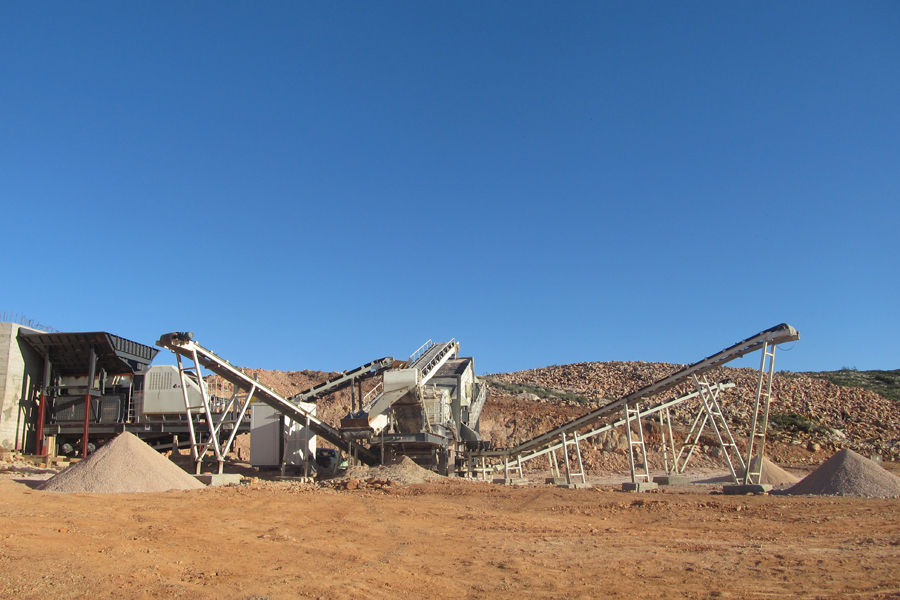
The DOH Stacker Belt Conveyor is primarily used in bulk material handling systems to elevate and horizontally distribute materials such as wood chips, biomass, aggregates, or recycled materials into stockpiles. It is commonly deployed in sawmills, biomass plants, and material recovery facilities where efficient, continuous stacking over long distances is required.
How does a DOH Stacker Belt Conveyor differ from standard stackers?
DOH stackers are engineered for high-duty cycles and rugged environments, featuring heavy-duty structural steel frames, enhanced belt tracking systems, and modular designs for easy maintenance. Unlike generic stackers, DOH models integrate precision-engineered idler systems and variable-length boom options for optimized material flow and reduced spillage.
What belt widths and capacities are available in DOH Stacker Belt Conveyors?
DOH Stacker Belt Conveyors are typically available in belt widths ranging from 24 inches to 72 inches, with material handling capacities from 100 TPH (tons per hour) to over 1,500 TPH, depending on configuration, belt speed, and material density. Custom configurations can be designed for specialized throughput requirements.
Can a DOH Stacker Belt Conveyor be customized for specific plant layouts?
Yes, DOH stackers offer extensive customization, including radial, linear, or slewing movement options, adjustable discharge heights, telescopic booms, and integration with feeding conveyors or silo systems. They can be mounted on rails or fixed foundations to align with facility constraints.
What drive systems are used in DOH Stacker Belt Conveyors?
DOH stackers utilize heavy-duty electric drive systems with variable frequency drives (VFDs) for precise speed control. High-efficiency motors coupled with high-torque gearboxes ensure reliable operation under peak load, with optional dual-drive configurations for extended-length conveyors.
How is belt tracking maintained on a DOH Stacker Belt Conveyor?
DOH employs self-aligning return and carrying idlers, along with mechanical belt trainers and laser-based monitoring systems in advanced models. These systems automatically correct misalignment due to loading variance, ensuring prolonged belt life and minimal downtime.
What maintenance practices are critical for maximizing DOH conveyor uptime?
Routine inspections of idler rolls, belt tensioning, drive chain/belt condition, and structural weld integrity are essential. Implementing a predictive maintenance program using vibration analysis and infrared thermography on motors and gearboxes further enhances reliability and prevents unplanned failures.
Are DOH Stacker Belt Conveyors suitable for outdoor installations in harsh climates?
Yes, DOH conveyors are built with weather-resistant materials, including galvanized or painted carbon steel frames, sealed bearings, and outdoor-rated electrical enclosures (NEMA 4X/IP66). Additional features like ice scrapers and wind skirts optimize performance in extreme temperatures and high-wind environments.
How is material segregation minimized during stacking with a DOH conveyor?
DOH stackers minimize segregation through controlled discharge trajectories, adjustable discharge points, and the use of spooned or tapered discharge chutes. Some models integrate oscillating or slewing mechanisms to create layered, uniform stockpiles and reduce particle separation.
What safety features are integrated into DOH Stacker Belt Conveyors?
Standard safety systems include emergency stop pull-cords, belt slip sensors, misalignment switches, and head pulley guards. DOH also offers remote monitoring, RFID-based access control, and automated shutdown protocols compliant with OSHA and ISO safety standards.
Can DOH Stacker Belt Conveyors be retrofitted into existing conveyor systems?
Yes, DOH designs retrofit-ready stackers compatible with most existing belt conveyor interfaces. Engineers provide site surveys to match motor specifications, discharge elevations, and control systems, ensuring seamless integration with legacy infrastructure.
What control systems are available for automated operation of DOH stackers?
DOH stackers support PLC-based control systems with HMI interfaces, SCADA integration, and remote operation via Ethernet or wireless protocols. Advanced options include GPS-guided slewing, load-sensing automation, and predictive analytics for throughput optimization.