Table of Contents
- Understanding the Role of Stone Crushing in Gold Extraction
- Essential Equipment for Crushing Gold-Bearing Ore Efficiently
- Step-by-Step Process of Breaking Down Ore to Recover Gold
- Optimizing Crushing Techniques for Maximum Gold Yield
- Safety and Environmental Considerations in Stone Crushing Operations
- Frequently Asked Questions
- What is the most effective method for crushing stones to extract gold?
- Can you crush gold-bearing rock at home safely and efficiently?
- What equipment is essential for crushing gold ore on a commercial scale?
- How fine does gold ore need to be crushed for effective extraction?
- What are the risks of over-crushing gold-bearing ore?
- Is mercury still used to extract gold after crushing stone?
- What are the best practices for sampling crushed gold ore?
- How does ore hardness affect crushing efficiency in gold processing?
- Can recycled concrete or quarry waste contain recoverable gold?
- What role does gravity separation play after crushing gold ore?
- How do you handle dust and environmental concerns when crushing gold ore?
- What is the typical gold recovery rate from crushed and processed ore?
Extracting gold from raw ore is both an art and a science, where the first critical step—crushing stone—lays the foundation for success. Behind every ounce of refined gold lies a meticulous process of breaking down stubborn rock to liberate precious particles hidden within. Modern ore processing demands precision, efficiency, and a deep understanding of geology and machinery to maximize yield while minimizing waste. From ancient stamp mills to today’s high-tech jaw crushers and impactors, the evolution of crushing technology has revolutionized gold recovery. This guide dives into the essential techniques used in crushing gold-bearing ore, exploring equipment selection, optimal feed size, throughput considerations, and integration with downstream processes like grinding and gravity separation. Whether you’re a seasoned miner or new to mineral processing, mastering the fundamentals of effective stone crushing is key to unlocking the full potential of your ore body. Discover how strategic processing choices can transform raw rock into rewarding results.
Understanding the Role of Stone Crushing in Gold Extraction
-
Stone crushing is a foundational step in gold extraction, serving to liberate gold-bearing minerals from the host rock matrix. Without effective size reduction, downstream processes such as gravity separation, cyanidation, or flotation cannot achieve optimal efficiency due to insufficient mineral exposure.
-
Gold ore, as mined, typically contains low concentrations of gold embedded within silicate or sulfide minerals. The primary objective of crushing is to reduce the ore to a particle size that enables mechanical or chemical access to these inclusions. This liberation is essential; if gold grains remain locked within coarse particles, recovery rates decline significantly.
-
The crushing process generally occurs in stages—primary, secondary, and sometimes tertiary—each progressively reducing particle size. Primary crushing, often via jaw or gyratory crushers, handles run-of-mine ore and reduces it to approximately 150 mm. Secondary crushing, using cone or impact crushers, further reduces the material to 10–25 mm. For refractory ores or fine-grained gold, tertiary crushing or fine grinding may be required to achieve liberation sizes below 1 mm.
-
Equipment selection depends on ore hardness, feed size, and desired output. Hard, abrasive ores necessitate robust machinery with high compression resistance, whereas softer ores may allow for higher-speed impact-based systems. Maintenance intervals, power consumption, and throughput capacity must also be evaluated to ensure sustained operational efficiency.
-
Properly crushed ore enhances the effectiveness of subsequent processing. In gravity concentration, for example, particle size distribution directly impacts separation efficiency—overly coarse material may trap gold, while excessive fines can hinder settling dynamics. In leaching applications, smaller particles increase surface area, accelerating gold dissolution kinetics and improving reagent utilization.
-
Achieving the optimal balance between energy input and liberation is critical. Over-crushing increases operational costs and may generate slimes that interfere with recovery processes. Conversely, under-crushing leaves gold incompletely liberated, resulting in economic losses.
-
Effective crushing is not merely a mechanical prerequisite but a strategic enabler of metallurgical performance. It sets the stage for recovery efficiency, operating cost control, and overall project viability in gold processing operations.
Essential Equipment for Crushing Gold-Bearing Ore Efficiently
- Jaw Crusher
- Cone Crusher
- Impact Crusher
- Hammer Mill
- Grinding Mill (Ball Mill or Rod Mill)
- Vibrating Feeder
- Vibrating Screen
- Slurry Pump
- Thickener
- Filter Press
Efficient processing of gold-bearing ore begins with proper size reduction, a critical step that liberates gold particles from host rock and prepares the material for downstream recovery. The selection of crushing and grinding equipment must align with ore characteristics, throughput requirements, and recovery objectives.
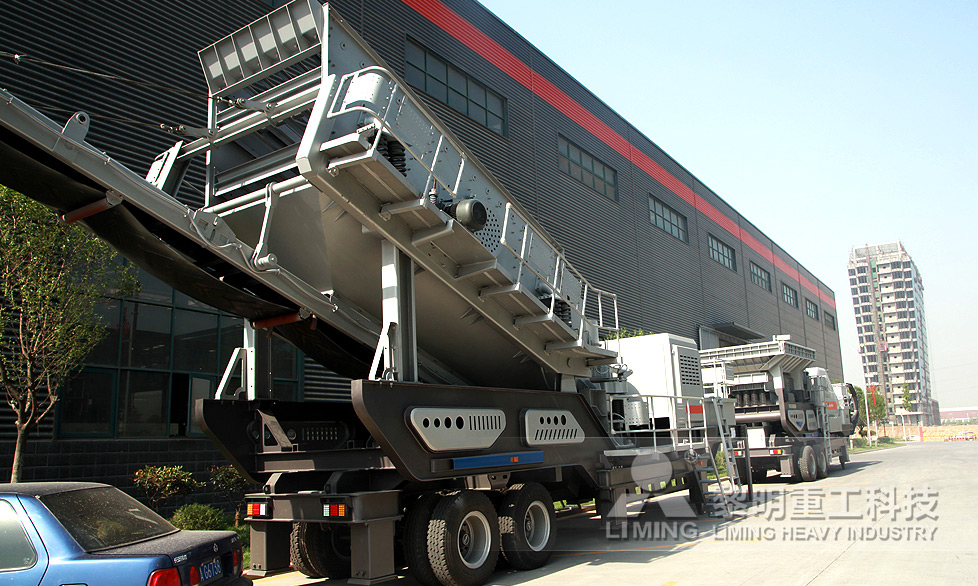
Primary crushing typically employs a jaw crusher due to its robustness and ability to handle high feed sizes with consistent output. Designed for compressive force reduction, jaw crushers reliably reduce run-of-mine ore to a manageable size for secondary processing. For harder, more abrasive ores, manganese steel jaw plates enhance wear resistance and service life.
Secondary and tertiary crushing often utilize cone or impact crushers. Cone crushers excel in reducing harder ores with high compressive strength, delivering a more uniform product size ideal for grinding efficiency. Impact crushers, while better suited for softer or less abrasive materials, offer high throughput and cubical particle output, beneficial in specific grinding circuits.
Following size reduction, grinding mills—primarily ball mills or rod mills—further pulverize the ore to achieve optimal liberation. Ball mills are preferred for fine grinding due to their grinding efficiency and adaptability to closed-circuit operation with classifiers. Rod mills are used when minimal overgrinding is essential, particularly in gravity recovery circuits.
Supporting equipment ensures consistent feed and efficient material flow. Vibrating feeders regulate material delivery to crushers, preventing surges and blockages. Vibrating screens classify crushed material, enabling closed-loop circuits by returning oversize particles for re-crushing. For downstream hydrometallurgical processes, slurry pumps transport ground ore, while thickeners and filter presses manage pulp density and water recovery.

Equipment selection must consider maintenance demands, power consumption, and compatibility across stages. A well-integrated crushing and grinding circuit maximizes liberation while minimizing energy use and wear costs—directly influencing gold recovery efficiency and operational sustainability.
Step-by-Step Process of Breaking Down Ore to Recover Gold
-
Extraction of gold from ore requires a systematic, multi-stage process designed to liberate and concentrate the precious metal efficiently and safely. The sequence begins with mining, where gold-bearing material is removed from the earth via open-pit or underground methods, depending on deposit depth and geometry.
-
Primary crushing follows extraction. Run-of-mine ore is fed into a jaw or gyratory crusher to reduce particle size to approximately 150–250 mm. This stage prepares the material for further size reduction and enhances downstream processing efficiency.
-
Secondary and tertiary crushing further reduce the ore to 10–25 mm. Cone or impact crushers are typically employed, ensuring sufficient liberation of gold grains from the host matrix without excessive overgrinding, which can complicate recovery.
-
Screening is integrated between crushing stages to segregate undersized material for onward processing and to recirculate oversized particles for additional crushing. This ensures uniform feed to subsequent processes.
-
The crushed ore undergoes grinding in ball or SAG mills to achieve a fine particle size—typically 75–106 microns—necessary for effective gold liberation. This slurry is then classified using hydrocyclones or spiral classifiers to maintain optimal grind size.
-
Gravity concentration may be applied early for free-milling ores. Devices such as Knelson or Falcon concentrators recover coarse, liberated gold particles by exploiting density differences, providing a rapid and cost-effective pre-concentration step.
-
For most ores, cyanidation remains the dominant leaching method. The finely ground slurry is fed into agitated tanks where a dilute sodium cyanide solution (typically 0.01–0.05%) dissolves gold into solution as a soluble complex:
[4Au + 8NaCN + O_2 + 2H_2O \rightarrow 4Na[Au(CN)_2] + 4NaOH] -
The pregnant leach solution undergoes solid-liquid separation via counter-current decantation (CCD) or filtration. Gold is then recovered from solution by adsorption onto activated carbon (CIP or CIL circuits) or by zinc precipitation (Merrill-Crowe process).
-
Elution and electrowinning follow carbon adsorption: gold is stripped from the carbon and electrodeposited onto steel wool. The resulting gold sludge is smelted into doré bars.
-
Final refining, often performed offsite, yields gold of 99.99% purity through chemical or electrolytic methods.
Optimizing Crushing Techniques for Maximum Gold Yield
-
Optimize feed size distribution to ensure uniform input to crushing circuits, minimizing over-grinding and energy waste. A consistent feed size maximizes throughput and enhances downstream recovery efficiency.
-
Implement a multi-stage crushing approach: primary jaw or gyratory crushers for initial size reduction, followed by cone or impact crushers for secondary and tertiary stages. This staged reduction preserves gold liberation while controlling particle size distribution.
-
Monitor and adjust crusher settings regularly to maintain target output size, typically between 6–12 mm for optimal grinding feed. Oversized particles reduce grinding efficiency; undersized material increases unnecessary energy consumption.
-
Utilize closed-circuit crushing with screening to recirculate oversize material. This ensures product consistency and reduces the risk of introducing poorly liberated gold into the grinding circuit.
-
Prioritize pre-concentration techniques such as gravity separation or sensor-based ore sorting post-crushing but pre-grinding. Removing waste rock early reduces downstream load and improves overall process economics.
-
Maintain crusher wear components (mantles, liners, jaws) rigorously. Degraded components lead to inefficient size reduction, inconsistent product size, and increased operating costs.
-
Apply real-time monitoring systems with sensors for feed rate, power draw, and vibration. Data-driven adjustments improve control and responsiveness to operational variances.
-
For ores with free-milling gold, ensure crushing achieves sufficient liberation—typically below 200 µm—without excessive fines generation that may hinder subsequent gravity or flotation recovery.
-
Consider ore hardness and mineralogy when selecting crushing methods. Hard, quartz-rich ores may require robust primary crushing and staged reduction, while softer, weathered materials may allow for simplified flowsheets.
-
Integrate moisture control in feed material. Excessive moisture causes blinding in screens and crushers, reducing efficiency. Use scalping screens or crushers with anti-blinding features where necessary.
-
Train operational staff in crusher optimization protocols, emphasizing safety, lubrication schedules, and alignment with downstream process requirements.
Optimizing crushing is not merely about size reduction—it is a precision step in liberating gold while managing energy, cost, and throughput. When engineered correctly, the crushing circuit sets the foundation for maximum gold recovery throughout the process chain.
Safety and Environmental Considerations in Stone Crushing Operations
- Implement engineering controls such as water spray systems at transfer points, crushers, and screens to suppress dust emissions, which are a primary occupational hazard and environmental concern.
- Equip all processing areas with local exhaust ventilation (LEV) systems designed to capture airborne particulates at the source, particularly silica dust, reducing respirable exposure risks.
- Conduct routine air quality monitoring using calibrated dust samplers to ensure compliance with permissible exposure limits (PELs) established by regulatory bodies such as OSHA or equivalent national standards.
- Require personnel to use fit-tested, NIOSH-approved respiratory protection when engineering controls alone do not reduce dust levels below threshold limits.
- Design crusher enclosures with acoustic insulation and vibration damping to mitigate noise pollution; enforce hearing conservation programs with mandatory use of hearing protection in high-decibel zones.
- Establish exclusion zones around operating equipment and enforce lockout/tagout (LOTO) procedures during maintenance to prevent accidental startup and ensure worker safety.
- Conduct regular structural integrity assessments of crusher housings, feeders, and support structures to prevent mechanical failure and material ejection.
- Install emergency stop systems at accessible intervals along the processing line for rapid shutdown during operational anomalies.
For environmental protection:
- Construct sedimentation basins and lined settling ponds to capture process water and prevent silt-laden runoff from entering natural watercourses.
- Recycle process water through closed-loop systems to minimize freshwater consumption and reduce effluent discharge.
- Perform geochemical analysis of waste rock and tailings to assess acid rock drainage (ARD) potential; store reactive materials under controlled, oxygen-limited conditions if necessary.
- Reclaim and revegetate decommissioned areas promptly to stabilize soil and restore ecological function.
- Monitor groundwater quality quarterly using a network of strategically placed monitoring wells to detect early signs of contamination.
All operations must adhere to environmental management systems (EMS) aligned with ISO 14001 or equivalent frameworks, with documented risk assessments, mitigation plans, and third-party audits conducted annually. Training programs for safety and environmental protocols must be mandatory, with refresher courses delivered biannually to maintain compliance and operational discipline.
Frequently Asked Questions
What is the most effective method for crushing stones to extract gold?
The most effective method for crushing gold-bearing stones involves a combination of jaw crushing and ball milling. First, a jaw crusher reduces raw ore from large boulders to smaller particles (typically 1–2 inches). Then, a ball mill further grinds the material into a fine powder, liberating microscopic gold particles for downstream recovery via gravity concentration or cyanidation. This two-stage approach ensures optimal liberation while preserving gold integrity.
Can you crush gold-bearing rock at home safely and efficiently?
Yes, small-scale gold-bearing rock can be crushed at home using a mini jaw crusher or hammer mill coupled with appropriate safety gear—such as respirators, safety goggles, and ear protection. For efficiency, pair a 1–3 ton per hour electric jaw crusher with a vibrating screen to separate undersize material. Always process in a well-ventilated area and consider lead content in some ores, which requires additional containment measures.
What equipment is essential for crushing gold ore on a commercial scale?
Commercial gold ore crushing requires a complete circuit: a primary jaw crusher, secondary cone or impact crusher, vibrating feeders and screens, conveyor systems, and a ball or SAG mill for grinding. Additional components include dust suppression systems, metallurgical sampling tools, and automation for throughput optimization. The system must be engineered for the ore’s hardness (measured via Bond Work Index) and gold liberation size.
How fine does gold ore need to be crushed for effective extraction?
Gold ore typically needs to be crushed to 80% passing 75 microns (200 mesh) to liberate refractory or fine-grained gold particles. This level of fineness ensures effective recovery during cyanidation or gravity separation methods like Knelson concentrators. Coarser crushing (e.g., 10–20 mesh) may suffice for free-milling ores with visible gold, but finer grinding increases recovery rates significantly.
What are the risks of over-crushing gold-bearing ore?
Over-crushing increases operational costs due to higher energy consumption and wear on grinding media. It can also create ultra-fine slimes that hinder gravity separation and flotation processes by coating particles or increasing viscosity. Additionally, excessive grinding may encapsulate gold in siliceous material or produce “preg-robbing” carbon fines, reducing leach efficiency.
Is mercury still used to extract gold after crushing stone?
Mercury is no longer recommended or used in responsible gold extraction due to severe environmental and health hazards. While historically used in amalgamation, modern best practices favor gravity concentration (e.g., centrifugal concentrators), cyanide leaching, or thiosulfate-based alternatives. Regulatory bodies like the Minamata Convention ban mercury use in artisanal and small-scale gold mining (ASGM) in over 120 countries.
What are the best practices for sampling crushed gold ore?
Best practices include composite sampling across multiple crushed batches, using riffle splitters or rotary sample dividers to ensure representativeness, and avoiding contamination through clean equipment. Samples should be dried, pulverized to 150 microns, and analyzed via fire assay or ICP-MS for accuracy. QA/QC protocols must include blanks, duplicates, and certified reference materials.
How does ore hardness affect crushing efficiency in gold processing?
Ore hardness directly impacts crusher selection, energy consumption, and throughput. Hardness is quantified using the Bond Abrasion Index and Compressive Strength; higher values require robust equipment like multi-stage cone crushers and high-efficiency grinding mills. Hard ores (e.g., quartz-rich) may need pre-concentration via sensor-based sorting to reduce downstream load and improve cost efficiency.
Can recycled concrete or quarry waste contain recoverable gold?
Generally, recycled concrete and quarry waste lack economically recoverable gold unless sourced from historically gold-mining areas. Trace concentrations may exist due to contaminated feedstock, but assays typically show values below 0.01 g/ton—far below viable cut-offs. Geochemical surveys are recommended before considering processing such materials for precious metals.
What role does gravity separation play after crushing gold ore?
After crushing and grinding, gravity separation recovers free gold particles based on specific gravity differences. Devices like shaking tables, spiral concentrators, and enhanced gravity units (e.g., Falcon or Knelson concentrators) capture coarse and fine gold early in the process, reducing reliance on chemical methods and improving overall recovery rates—especially for coarse, liberated gold.
How do you handle dust and environmental concerns when crushing gold ore?
Effective dust control includes water spray systems at transfer points, sealed crusher enclosures, and baghouse dust collectors with HEPA filtration. Environmental best practices involve runoff containment, noise mitigation through acoustic enclosures, and real-time air quality monitoring. Permitting should align with EPA or local regulatory standards, particularly for silica and heavy metal emissions.
What is the typical gold recovery rate from crushed and processed ore?
Gold recovery rates vary by ore type: free-milling ores achieve 90–95% recovery via cyanidation after crushing and grinding, while refractory ores (where gold is locked in sulfides) may require roasting or bio-oxidation, yielding 85–92% recovery. Gravity circuits alone recover 40–70% for coarse gold, depending on liberation size and feed grade. Metallurgical testing (e.g., diagnostic leaching) is critical for accurate projections.