Table of Contents
- The Complete Guide to Crusher Machines & Equipment: Types, Applications, and Selection Criteria
- What Are Crusher Machines and Equipment?
- Main Types of Crusher Machines
- 1. Jaw Crushers
- 2. Cone Crushers
- 3. Impact Crushers
- 4. Hammer Crushers
- 5. Roll Crushers
- 6. Mobile Crushers vs. Stationary Crushers
- Key Selection Criteria for Crusher Equipment
- 1. Material Properties
- 2. Desired Output Specifications
- 3. Production Capacity
- 4. Operational Costs
- 5. Mobility and Site Constraints
- Crushing Circuit Design: Primary, Secondary, and Tertiary Stages
- Automation and Smart Crushing Technology
- Environmental and Safety Considerations
- Emerging Trends in Crusher Equipment
- Conclusion: Making the Right Investment
The Complete Guide to Crusher Machines & Equipment: Types, Applications, and Selection Criteria
In the modern industrial landscape, crusher machines and equipment form the backbone of aggregate production, mining operations, recycling facilities, and construction projects. Whether you are processing hard rock, recycled concrete, or soft minerals, the right crushing machinery can dramatically impact your operational efficiency, product quality, and bottom line. This comprehensive guide explores the various types of crushers, their applications, key selection factors, and emerging trends in crushing technology.
What Are Crusher Machines and Equipment?
Crusher machines are heavy-duty industrial devices designed to reduce large rocks, ores, and other materials into smaller, more manageable sizes. They achieve this through mechanical force—compression, impact, or attrition—applied to the material. The output can range from coarse gravel to fine powder, depending on the machine type and configuration.
Crusher equipment is not a one-size-fits-all solution. Different industries require different crushing methodologies, feed sizes, and final product specifications. Understanding the nuances of each crusher type is essential for optimizing your process flow and achieving the desired particle size distribution.
Main Types of Crusher Machines
1. Jaw Crushers
Overview: Jaw crushers are the workhorses of primary crushing. They feature a fixed jaw plate and a movable jaw plate that form a V-shaped crushing chamber. The movable jaw exerts pressure on the material, fracturing it against the fixed jaw.
Best For: Hard, abrasive materials such as granite, basalt, and river gravel. They are ideal for the first stage of size reduction, handling feed sizes up to 1,200 mm.
Advantages:
- Extremely durable and reliable
- High compressive strength handling (up to 320 MPa)
- Simple structure and low maintenance
- Excellent for high-capacity primary crushing
Limitations:
- High wear on jaw plates
- Limited reduction ratio (typically 4:1 to 6:1)
- Not suitable for sticky or clay-rich materials
2. Cone Crushers
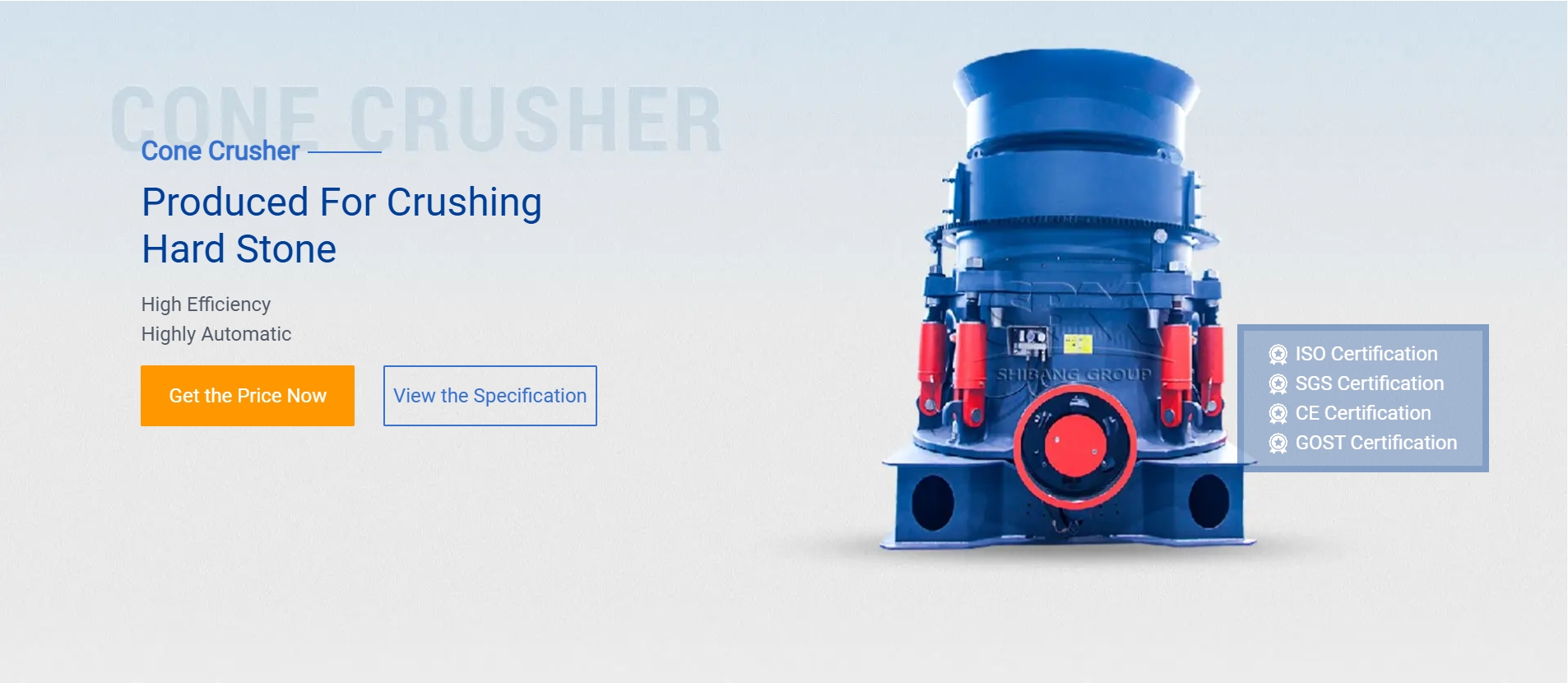
Overview: Cone crushers operate on a gyratory principle. A rotating mantle within a concave bowl compresses the material against the bowl liner. The crushing chamber is designed to provide a continuous reduction in size as material moves downward.
Best For: Secondary, tertiary, and quaternary crushing stages. They excel at producing well-graded, cubical-shaped aggregates.
Advantages:
- High production capacity
- Excellent particle shape
- Adjustable closed side setting (CSS) for precise output control
- Lower operating costs compared to impact crushers for hard rock
Limitations:
- Higher initial capital investment
- Requires skilled operators for optimal performance
- Not suitable for soft or low-abrasive materials (over-crushing occurs)
3. Impact Crushers
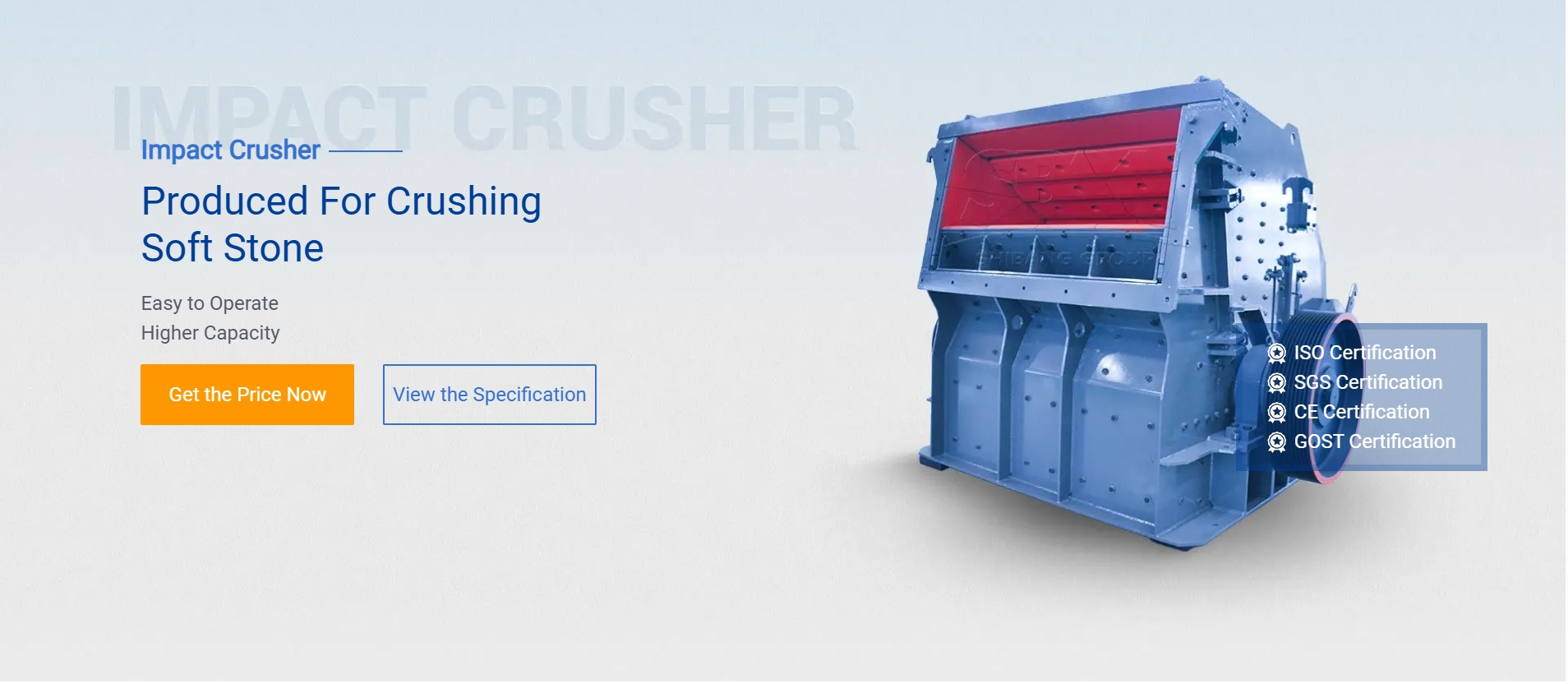
Overview: Impact crushers use high-speed impact forces to break material. They can be divided into two main categories: horizontal shaft impactors (HSI) and vertical shaft impactors (VSI).
HSI Crushers: Material is fed into a rotor that throws it against stationary impact plates. This creates a high-energy collision that fractures the rock along natural cleavage lines.
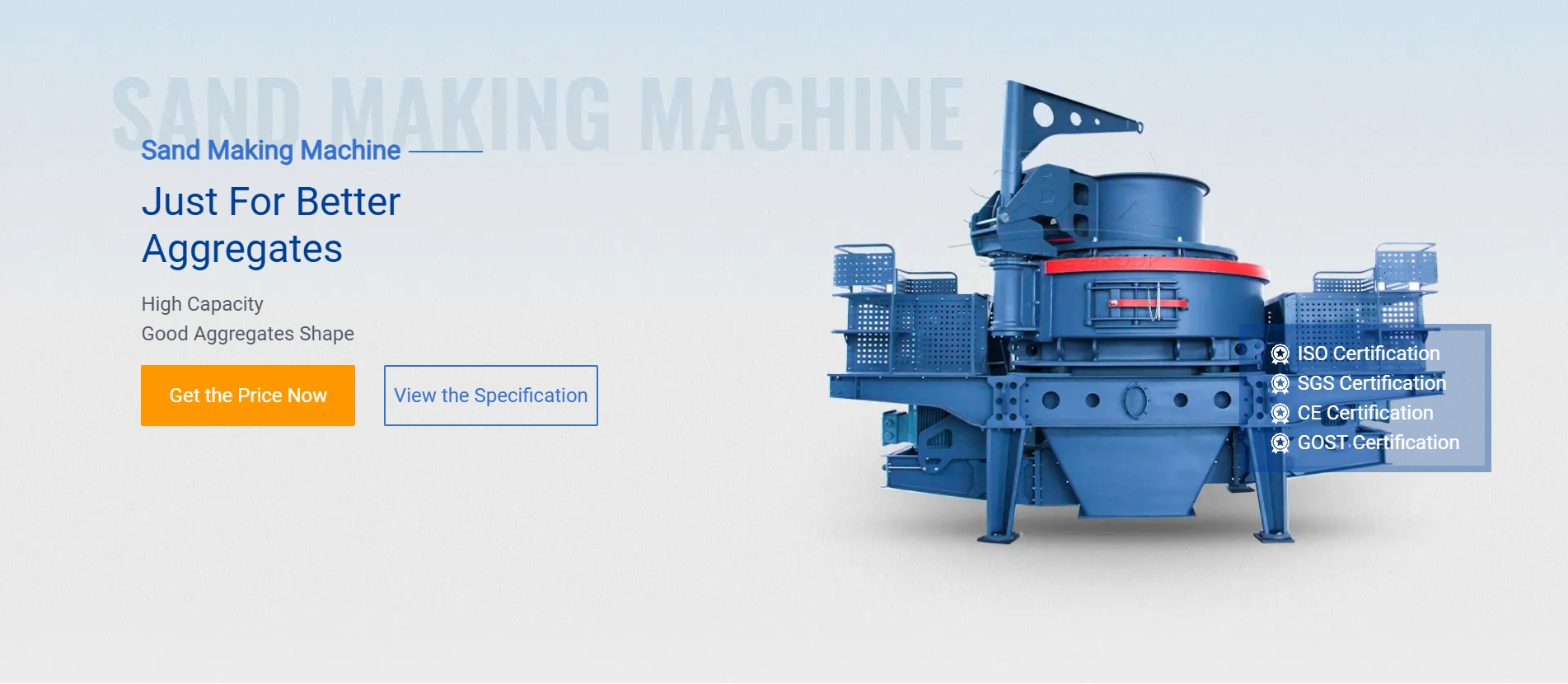
VSI Crushers: Material is accelerated in a high-speed rotor and thrown against a crushing chamber wall or a bed of material (rock-on-rock). VSI crushers are renowned for producing superior cubical shapes and manufactured sand.
Best For: Medium-hard to soft materials, recycled concrete and asphalt, limestone, and applications requiring high reduction ratios.
Advantages:
- High reduction ratio (up to 40:1 in some configurations)
- Versatile for various material types
- Lower capital cost than cone crushers
- Excellent for shaping and sand production (VSI)
Limitations:.jpg)
- Higher wear costs on blow bars and liners
- Not suitable for highly abrasive materials (silica content >10%)
- Higher noise and dust generation
4. Hammer Crushers
Overview: Hammer crushers consist of a rotating drum with fixed or swinging hammers. Material is crushed by the impact of the hammers and by collision with the breaker plates inside the housing.
Best For: Soft to medium-hard materials, coal, gypsum, limestone, and cement clinker. They are commonly used in cement plants and coal preparation facilities.
Advantages:
- Simple and compact design
- Capable of handling wet and sticky materials
- Low operating costs for suitable applications
Limitations:
- Limited to soft materials
- High wear on hammers
- Less control over product shape
5. Roll Crushers
Overview: Roll crushers use two or more counter-rotating cylinders to compress and shear the material. The gap between the rolls determines the final product size..jpg)
Best For: Friable materials, coal, coke, glass, and soft to medium-hard ores. They are also used for secondary crushing in some applications.
Advantages:
- Very low fines generation
- Compact footprint
- Can handle sticky materials effectively
Limitations:
- Lower capacity compared to other crushers
- Limited reduction ratio (typically 3:1 to 4:1)
- Not suitable for hard rock
6. Mobile Crushers vs. Stationary Crushers
Mobile Crushers: Mounted on tracked or wheeled chassis, these units can be moved directly to the work site. They eliminate the need for hauling material to a fixed plant, reducing transportation costs and environmental impact.
Stationary Crushers: Fixed installations designed for long-term, high-volume production. They offer higher capacities and more sophisticated automation but require significant civil engineering work and permits.
Key Selection Criteria for Crusher Equipment
Choosing the right crusher machinery involves a systematic evaluation of several factors:
1. Material Properties
- Hardness: Measured by compressive strength and Mohs scale. Harder materials require compression-type crushers (jaw, cone).
- Abrasion: High silica content accelerates wear. Impact crushers are generally unsuitable for abrasive materials.
- Moisture Content: Sticky, wet materials can clog impact crushers but are handled well by roll crushers and some jaw configurations.
- Feed Size: The maximum feed dimension dictates the crusher opening size and type.
2. Desired Output Specifications
- Product Size Distribution: Define the target P80 (80% passing size) and allowable oversize fraction.
- Particle Shape: Cubical shape is critical for concrete aggregates and asphalt. VSI crushers are the best choice for shape enhancement.
- Fines Generation: Some processes require minimal fines, while others (e.g., manufactured sand) actively seek them.
3. Production Capacity
- Calculate the required throughput in tons per hour (TPH). This determines the crusher size, motor power, and whether you need a single unit or a multi-stage crushing circuit.
4. Operational Costs
- Energy Consumption: Crushing is energy-intensive. Compare specific energy consumption (kWh/ton) across options.
- Wear Parts: Factor in the cost and lifespan of liners, blow bars, and hammers.
- Maintenance: Consider accessibility, spare parts availability, and required downtime.
5. Mobility and Site Constraints
- For temporary projects or multiple sites, mobile crushers offer flexibility.
- For permanent quarries, stationary plants provide economies of scale.
Crushing Circuit Design: Primary, Secondary, and Tertiary Stages
A well-designed crushing plant typically operates in multiple stages to achieve the desired reduction ratio efficiently.
- Primary Crushing: Reduces run-of-mine (ROM) material from 1,500 mm down to 150–300 mm. Jaw crushers and gyratory crushers dominate this stage.
- Secondary Crushing: Further reduces material to 50–100 mm. Cone crushers and HSI crushers are common choices.
- Tertiary/Quaternary Crushing: Produces final aggregates (5–20 mm) or manufactured sand. VSI crushers and high-speed cone crushers are preferred.
Screening is integrated between stages to remove undersized material and return oversized fractions for re-crushing (closed-circuit operation). This maximizes efficiency and product consistency.
Automation and Smart Crushing Technology
Modern crusher equipment is increasingly equipped with IoT sensors, AI-driven control systems, and remote monitoring capabilities. These technologies offer:
- Real-time wear monitoring to predict liner replacement needs.
- Automatic CSS adjustment to maintain consistent product quality.
- Load sensing and feed rate optimization to prevent clogging and maximize throughput.
- Data analytics to identify bottlenecks and optimize the entire crushing circuit.
Investing in smart crushing equipment can reduce operating costs by 10–20% while improving safety and uptime.
Environmental and Safety Considerations
- Dust Control: Enclosures, water spray systems, and baghouse filters are essential for compliance with air quality regulations.
- Noise Reduction: Acoustic enclosures and vibration isolation reduce noise pollution.
- Safety Features: Emergency stops, guarding, and lockout/tagout systems are mandatory. Modern crushers include hydraulic relief systems to prevent damage from uncrushable objects (tramp iron).
Emerging Trends in Crusher Equipment
- Electric and Hybrid Drives: Reducing diesel consumption and carbon emissions. Fully electric mobile crushers are gaining traction in urban recycling projects.
- Recycling-Centric Design: Crushers optimized for concrete and asphalt recycling, with features like magnetic separators and air classifiers integrated into the plant.
- 3D-Printed Wear Parts: Custom-designed liners that improve crushing efficiency and reduce wear.
- Autonomous Operation: Semi-autonomous crushers that adjust settings based on real-time material analysis (using X-ray fluorescence or laser scanning).
Conclusion: Making the Right Investment
Selecting the appropriate crusher machines and equipment is a critical decision that affects your project’s profitability, product quality, and environmental footprint. There is no universal “best” crusher—only the best crusher for your specific material, output goals, and budget.
Actionable Steps:
- Conduct a thorough material test (compressive strength, abrasion index, moisture).
- Define your exact product specifications and capacity requirements.
- Consult with equipment manufacturers for pilot testing on your material.
- Evaluate total cost of ownership (TCO), not just purchase price.
- Plan for future scalability and automation integration.
By understanding the strengths and limitations of each crusher type and aligning them with your operational needs, you can build a crushing circuit that delivers consistent, high-quality output for years to come. Whether you are expanding an existing quarry or launching a new recycling venture, the right crusher equipment is your foundation for success.