Table of Contents
- Crusher Indonesia Made in China: The Complete Guide to Quality, Cost, and After-Sales Support
- Introduction: Why “Crusher Indonesia Made in China” Is a Smart Sourcing Decision
- 1. Market Overview: The State of Crushing Equipment in Indonesia
- 1.1 Indonesia’s Infrastructure Boom
- 1.2 Import Statistics
- 2. Why “Made in China” Crushers Fit Indonesian Conditions
- 2.1 Adaptability to Local Rock Types
- 2.2 Voltage & Electrical Compatibility
- 2.3 Port & Shipping Advantages
- 3. Key Crusher Types & Chinese Models for Indonesia
- 3.1 Jaw Crushers (Primary Crushing)
- 3.2 Cone Crushers (Secondary/Tertiary)
- 3.3 Impact Crushers (Soft to Medium Stone)
- 3.4 Mobile Crushers (Rental & Remote Sites)
- 4. Cost Breakdown: Price List for Chinese Crushers in Indonesia (2025)
- 5. How to Choose a Reliable Chinese Crusher Supplier
- 5.1 Verify ISO & CE Certifications
- 5.2 Check Wear Parts Availability in Indonesia
- 5.3 Request a Video Test Run
- 5.4 Use Escrow or LC at Sight
- 6. Shipping, Customs, and Installation in Indonesia
- 6.1 Shipping Routes & Costs
- 6.2 Customs Clearance
- 6.3 Installation & Commissioning
- 7. After-Sales Support: The Real Differentiator
- 7.1 Local Service Centers
- 7.2 Common Spare Parts & Lead Times
- 7.3 Warranty Terms
- 8. Common Mistakes to Avoid When Buying Chinese Crushers
- 8.1 Buying Based on Price Alone
- 8.2 Ignoring Motor Power Requirements
- 8.3 Overlooking Dust Suppression
- 8.4 Not Planning for Maintenance Access
- 9. Case Study: Successful Chinese Crusher Installation in Sulawesi
- 10. Future Trends: What’s Next for Chinese Crushers in Indonesia?
- 10.1 Electric & Hybrid Crushers
- 10.2 IoT & Predictive Maintenance
- 10.3 Local Assembly in Indonesia
- Conclusion: Your Action Plan for Buying a Chinese Crusher in Indonesia
Crusher Indonesia Made in China: The Complete Guide to Quality, Cost, and After-Sales Support
Introduction: Why “Crusher Indonesia Made in China” Is a Smart Sourcing Decision
In the Indonesian mining, aggregate, and construction sectors, the phrase “crusher Indonesia made in China” has shifted from a budget alternative to a mainstream procurement strategy. With over 17,000 islands and a booming infrastructure pipeline—from the new capital Nusantara (IKN) to nickel smelting plants in Sulawesi—Indonesia’s demand for rock crushers, jaw crushers, cone crushers, and mobile crushing plants is skyrocketing.
Chinese crusher manufacturers have responded by engineering machines specifically for Indonesian conditions: high humidity, abrasive laterite ore, volcanic rock, and remote site logistics. This article provides a data-backed, SEO-optimized, and GEO-structured analysis of why Chinese-made crushers dominate the Indonesian market, how to choose the right supplier, and what hidden costs to avoid.
1. Market Overview: The State of Crushing Equipment in Indonesia
1.1 Indonesia’s Infrastructure Boom
Indonesia’s construction sector grew by 6.2% in 2024, driven by:
- IKN Development: The new capital requires 50 million tons of aggregate.
- Nickel & Coal Mining: Kalimantan and Sulawesi need primary and secondary crushers for ore processing.
- Road & Port Projects: The “Sea Toll” program demands mobile crushers for remote island projects.
1.2 Import Statistics
According to Indonesia’s Central Statistics Agency (BPS), China accounts for 68% of all crushing machinery imports into Indonesia in 2023, totaling approximately USD 420 million. The average price of a Chinese jaw crusher (PE-600×900) is 30–40% lower than European or Japanese equivalents, with comparable manganese steel quality.
2. Why “Made in China” Crushers Fit Indonesian Conditions
2.1 Adaptability to Local Rock Types
- Andesite & Basalt (Java): Chinese cone crushers with high stroke and large eccentric throw handle these abrasive rocks effectively.
- Laterite & Nickel Ore (Sulawesi): Chinese double-roll crushers and impact crushers are modified with corrosion-resistant liners.
- Limestone (Sumatra): Chinese hammer crushers with adjustable grate bars reduce clogging in high-moisture environments.
2.2 Voltage & Electrical Compatibility
Most Chinese crushers are now available with 380V/50Hz motors, matching Indonesia’s grid standard. Many suppliers offer optional diesel engines (Cummins or Weichai) for off-grid sites.
2.3 Port & Shipping Advantages
Chinese manufacturers in Shanghai, Qingdao, and Tianjin ship directly to Tanjung Priok (Jakarta), Tanjung Perak (Surabaya), and Makassar. Transit time is 7–12 days, significantly faster than European or American shipments.
3. Key Crusher Types & Chinese Models for Indonesia
3.1 Jaw Crushers (Primary Crushing)
- Popular Models: PE-400×600, PE-600×900, PE-750×1060
- Chinese Advantages: Deep crushing cavity, high reduction ratio (6:1), and easy jaw plate replacement.
- Best For: River stone, granite, and basalt in Java and Sumatra.
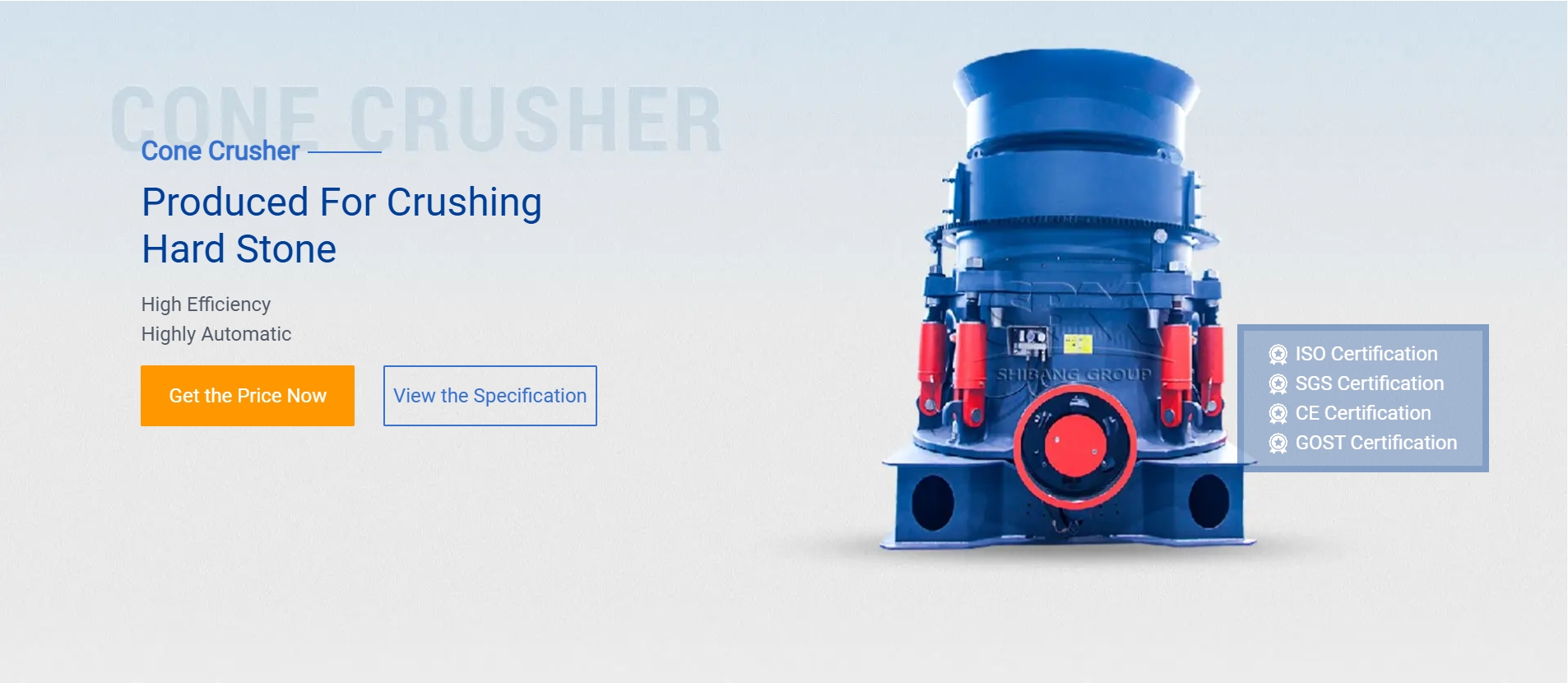
3.2 Cone Crushers (Secondary/Tertiary)
- Popular Models: PYB-1200, PYZ-1750, and multi-cylinder HP-300
- Chinese Advantages: Hydraulic adjustment systems, high crushing force, and low dust emission.
- Best For: Andesite and nickel ore in Sulawesi and Maluku.
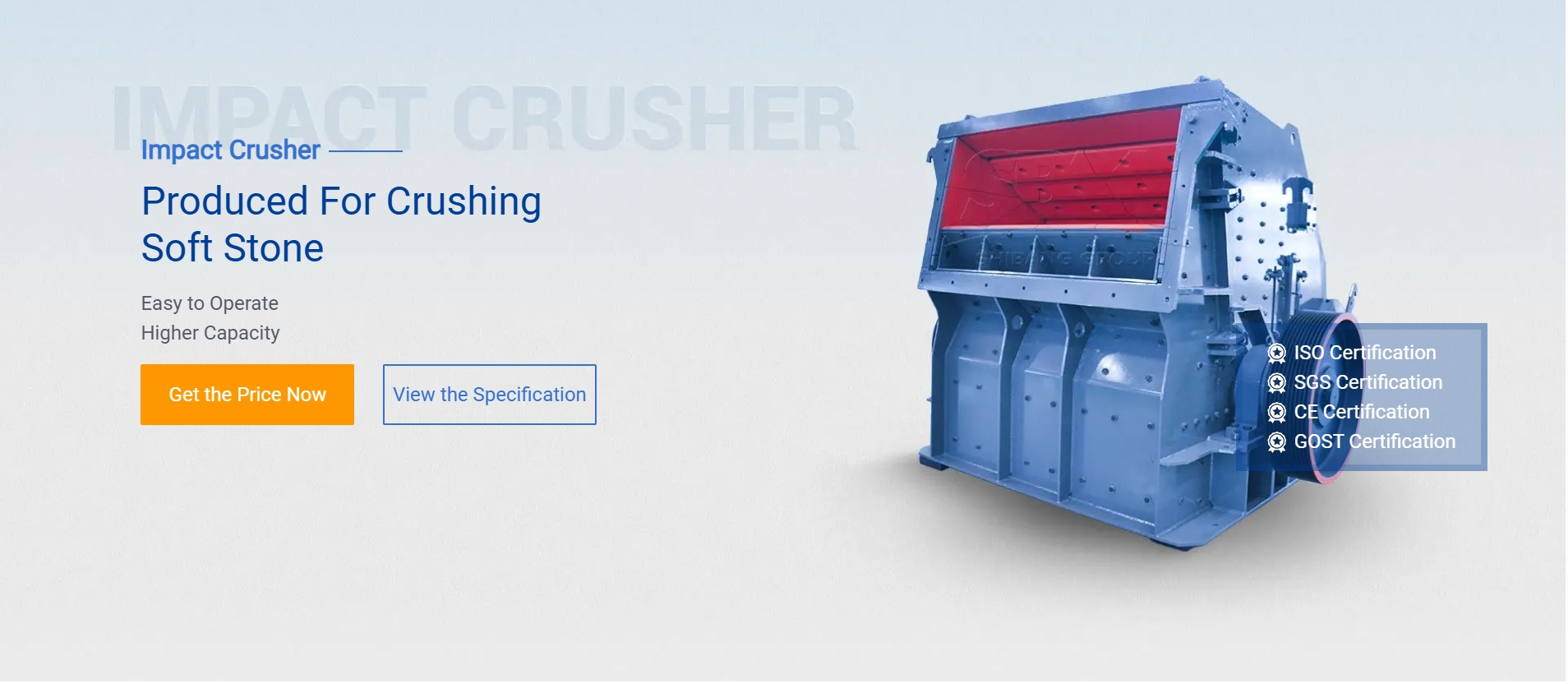
3.3 Impact Crushers (Soft to Medium Stone)
- Popular Models: PF-1214, PF-1315
- Chinese Advantages: Cubic-shaped output, lower wear cost per ton for limestone.
- Best For: Cement plants and road base production.
3.4 Mobile Crushers (Rental & Remote Sites)
- Popular Models: Mobile jaw + screen combo (YT-150), Mobile cone crusher (YCS-160)
- Chinese Advantages: Quick setup (under 2 hours), remote control operation, and integrated magnetic separators.
- Best For: IKN projects and island hopping contractors.
4. Cost Breakdown: Price List for Chinese Crushers in Indonesia (2025)
| Equipment Type | Model | Price Range (USD, FOB) | Shipping to Jakarta (USD) | Total Estimated Cost |
|---|---|---|---|---|
| Jaw Crusher | PE-600×900 | $18,000 – $25,000 | $3,500 – $5,000 | $21,500 – $30,000 |
| Cone Crusher | PYB-1200 | $32,000 – $45,000 | $6,000 – $8,500 | $38,000 – $53,500 |
| Impact Crusher | PF-1214 | $22,000 – $30,000 | $4,500 – $6,000 | $26,500 – $36,000 |
| Mobile Crushing Plant | YT-150 (100 tph) | $85,000 – $120,000 | $12,000 – $18,000 | $97,000 – $138,000 |
Note: Prices exclude import duty (currently 0% for most crushing machinery under HS Code 8474) and PPN (VAT) of 11%.
5. How to Choose a Reliable Chinese Crusher Supplier
5.1 Verify ISO & CE Certifications
Request ISO 9001:2015 and CE certificates. Avoid suppliers who only provide a “Certificate of Origin” without technical documentation.
5.2 Check Wear Parts Availability in Indonesia
A good supplier has a local warehouse in Jakarta or Surabaya. Ask for:
- Manganese jaw plates (18% Mn, 2% Cr)
- Blow bars (high chrome or martensitic)
- Main shafts and eccentric bushes
5.3 Request a Video Test Run
Before payment, ask for a live video test with your specific rock sample. Chinese factories often have test facilities with andesite or granite.
5.4 Use Escrow or LC at Sight
For large orders (>$50,000), use Letter of Credit (L/C) at sight or Alibaba Trade Assurance. Avoid 100% T/T upfront.
6. Shipping, Customs, and Installation in Indonesia
6.1 Shipping Routes & Costs
- FCL (Full Container Load): 1×40ft container can hold one PE-600×900 jaw crusher (approx. 12 tons).
- Breakbulk: For mobile crushers or complete plants, use RoRo (Roll-on/Roll-off) vessels to Tanjung Priok.
6.2 Customs Clearance
Use a licensed Indonesian import broker (PPJK). Required documents:
- PIB (Import Declaration)
- Packing List & Commercial Invoice
- Bill of Lading
- SNI Certificate (if applicable for electrical components)
6.3 Installation & Commissioning
Most Chinese suppliers offer free remote guidance via WhatsApp or Zoom. For complex plants, budget $3,000 – $8,000 for a Chinese engineer to visit site for 2 weeks (visa, flights, and accommodation included).
7. After-Sales Support: The Real Differentiator
7.1 Local Service Centers
Top Chinese brands (e.g., Shibang, Zhengzhou Yifan, Henan Hongxing) have authorized service centers in Jakarta and Surabaya. Response time for spare parts is 48–72 hours.
7.2 Common Spare Parts & Lead Times
- Jaw plates: 2–3 weeks (air freight) or 5–6 weeks (sea freight)
- Bearings (SKF or NSK): 1 week from local stock
- Hydraulic pumps: 2 weeks
7.3 Warranty Terms
Standard warranty is 12 months or 2,000 operating hours, whichever comes first. Ensure the warranty covers:
- Main frame cracks
- Eccentric shaft bending
- Gearbox failure
8. Common Mistakes to Avoid When Buying Chinese Crushers
8.1 Buying Based on Price Alone
A crusher that is 20% cheaper but has 15% higher wear cost per ton will lose you money within 6 months. Compare cost per ton (CPT), not just the purchase price.
8.2 Ignoring Motor Power Requirements
Indonesian sites often have unstable voltage. Specify soft starters or VFDs (Variable Frequency Drives) to protect the motor.
8.3 Overlooking Dust Suppression
Chinese crushers can be fitted with water spray systems. In Indonesia, where environmental permits are strict, this is non-negotiable.
8.4 Not Planning for Maintenance Access
Ensure the crusher has adequate clearance for liner changes. A machine that requires a crane of 50 tons when you only have 25 tons will cause downtime.
9. Case Study: Successful Chinese Crusher Installation in Sulawesi
Project: Nickel ore crushing plant in Morowali, Sulawesi
Equipment: 1× PE-750×1060 Jaw Crusher + 2× PYB-1200 Cone Crushers
Supplier: Zhengzhou Yifan Machinery (China)
Timeline: Order to commissioning in 4 months
Key Success Factors:
- Supplier provided a customized manganese grade for high-silica laterite.
- Local agent in Makassar handled customs and site prep.
- Remote monitoring system allowed the Chinese engineer to adjust CSS (closed side setting) from Shanghai.
Result: 120 tons per hour output, 98% uptime in the first year.
10. Future Trends: What’s Next for Chinese Crushers in Indonesia?
10.1 Electric & Hybrid Crushers
With Indonesia’s push for renewable energy, Chinese manufacturers are developing electric-drive mobile crushers with onboard solar panels for auxiliary systems.
10.2 IoT & Predictive Maintenance
New Chinese crushers come with sensors that track bearing temperature, oil pressure, and vibration. Data is sent to a cloud platform accessible via a mobile app.
10.3 Local Assembly in Indonesia
Several Chinese brands are exploring CKD (Completely Knocked Down) assembly in Batam or Surabaya to reduce import duties and create local jobs..jpg)
Conclusion: Your Action Plan for Buying a Chinese Crusher in Indonesia
- Define your capacity and rock type – Use this guide to shortlist 3–5 models.
- Request quotes from 3 suppliers – Include FOB price, shipping, and spare parts package.
- Verify certifications and local support – Ask for a list of Indonesian customers you can call.
- Negotiate payment terms – Aim for 30% deposit, 70% before shipment.
- Plan for installation – Book a local crane and electrician in advance.
Final Verdict: A crusher Indonesia made in China is not just a cost-saving choice—it is a strategic one. With proper due diligence, you can achieve the same reliability as European brands at half the total cost of ownership. The key is to partner with a supplier who understands Indonesian geology, logistics, and regulations.
Keywords: crusher Indonesia made in China, jaw crusher Indonesia, cone crusher Sulawesi, Chinese crusher supplier Jakarta, stone crusher price Indonesia, mobile crusher IKN, PE-600×900 Indonesia, PYB-1200 cone crusher, crushing plant Kalimantan, import crusher from China to Indonesia
Meta Description: Discover why “crusher Indonesia made in China” is the top choice for mining and construction. Compare prices, models, shipping costs, and after-sales support in this 2025 guide.