Table of Contents
- Key Components of a Complete Coal Screening Line for Maximum Efficiency
- How Advanced Screening Technology Enhances Coal Processing Performance
- Design Considerations for Optimized Coal Screening Plant Layouts
- Maintenance and Operational Best Practices for Long-Term Reliability
- Applications of Complete Coal Screening Lines Across Mining and Power Sectors
- Frequently Asked Questions
- What is a complete coal screening line and how does it function?
- What are the core components of a coal screening plant?
- How does coal screening improve efficiency in processing?
- What types of vibrating screens are used in coal screening lines?
- How do you handle high-moisture or sticky coal in a screening line?
- What role does crushing play in a complete coal screening line?
- How is dust and environmental compliance managed in coal screening plants?
- What maintenance practices optimize the lifespan of a coal screening line?
- How do automation and PLC controls enhance coal screening operations?
- What factors influence the capacity and throughput of a coal screening line?
- How is particle size distribution controlled in coal screening?
- Can a coal screening line be modular and mobile?
In the evolving landscape of energy production and mineral processing, the efficiency and reliability of coal processing systems are paramount—and at the heart of this operation lies the complete coal screening line. Engineered to separate raw coal into precise gradations, these integrated systems combine feeders, vibrating screens, crushers, and conveyors into a seamless workflow that maximizes throughput while minimizing downtime. From mining sites to power plants, a well-designed screening line ensures consistent product quality, reduces equipment wear, and enhances overall operational safety. Advanced screening technologies now offer superior moisture tolerance, precise particle sizing, and modular configurations adaptable to diverse capacities and site requirements. As industries strive for sustainability and cost-effectiveness, investing in a complete coal screening line translates into optimized resource utilization and long-term operational excellence. This article explores the core components, transformative benefits, and critical industrial applications that make coal screening lines indispensable in modern coal processing operations.
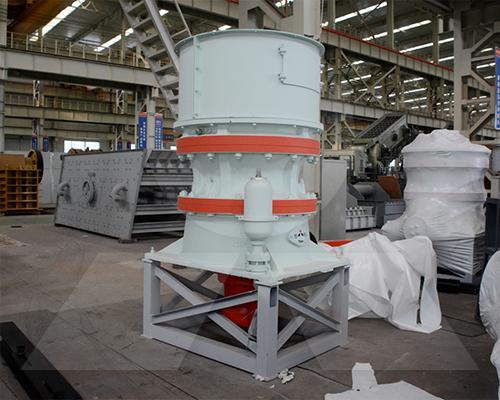
Key Components of a Complete Coal Screening Line for Maximum Efficiency
- Primary Crusher
- Scalping Screen
- Conveyor Systems
- Secondary Crusher
- Vibrating Screen
- Magnetic Separator
- Dust Suppression System
- Control and Automation System
A complete coal screening line designed for maximum efficiency integrates multiple components, each serving a critical role in optimizing throughput, product quality, and operational reliability. The process begins with a primary crusher, typically a jaw or gyratory type, which reduces raw run-of-mine coal to a manageable size for downstream processing. This ensures uniform feed to subsequent stages and prevents bottlenecks.
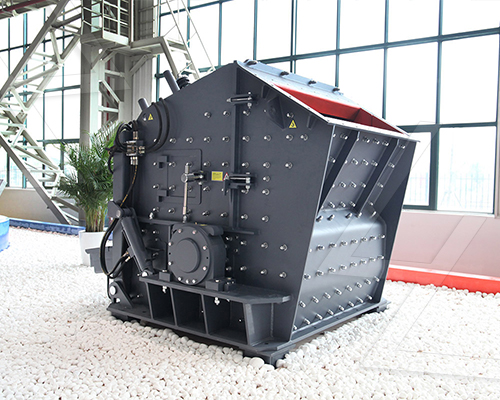
A scalping screen is deployed immediately after the primary crusher to remove fine material and contaminants before secondary crushing. This pre-screening step reduces crusher overload, improves efficiency, and extends equipment life. Feed conveyors then transport the material to the secondary crusher—usually an impactor or cone crusher—which further reduces particle size to meet precise specifications.
Vibrating screens are central to the separation process, classifying coal by size fractions with high accuracy. Multi-deck vibrating screens enable simultaneous separation into multiple product grades, enhancing flexibility and marketability. Screen media selection—such as polyurethane or modular rubber—must align with feed characteristics to ensure durability and minimal blinding.
A magnetic separator removes tramp iron and metallic contaminants, protecting downstream equipment and ensuring product purity. Given coal’s susceptibility to spontaneous combustion and airborne particulates, an integrated dust suppression system—utilizing water sprays or chemical agents—is essential for maintaining air quality and compliance with safety regulations.
Conveyor systems link all components, designed for continuous material flow with minimal transfer point degradation. They incorporate belt cleaners, impact beds, and proper sealing to reduce spillage and maintenance needs.
Finally, a centralized control and automation system monitors and regulates the entire line. Programmable logic controllers (PLCs) enable real-time adjustments, fault detection, and remote operation, contributing to consistent performance and reduced downtime. Integration with SCADA systems allows for data logging, predictive maintenance, and operational analytics.
Together, these components form a cohesive, high-efficiency coal screening line capable of meeting stringent quality standards while maximizing yield and minimizing operational costs in large-scale industrial applications.
How Advanced Screening Technology Enhances Coal Processing Performance
-
Advanced screening technology plays a pivotal role in optimizing coal processing performance by improving separation efficiency, throughput, and product quality. Modern screening systems integrate dynamic motion profiles, precision-engineered screen media, and intelligent monitoring to address the inherent variability in run-of-mine coal.
-
High-frequency vibrating screens, for instance, utilize controlled amplitude and frequency to achieve sharp particle stratification, significantly enhancing fine coal recovery below 6 mm. These screens minimize near-size particle misplacement, reducing contamination in both clean coal and reject streams. The result is a higher-grade product that meets stringent market specifications, particularly in thermal and coking coal applications.
-
Polyurethane and hybrid modular screen panels have replaced traditional woven wire in many installations due to their superior wear resistance, open area ratio, and self-cleaning properties. These materials maintain consistent aperture geometry over extended operational cycles, ensuring stable screening efficiency and reducing unplanned downtime for panel replacement.
-
In multi-stage screening circuits, the integration of flip-flow screens enables effective wet or dry processing of sticky, high-moisture coal. Their elastic screen surfaces resist blinding and pegging, common issues in high-clay feed materials. This capability ensures continuous operation even under challenging feed conditions, directly contributing to sustained plant availability.
-
Automation and real-time monitoring further elevate screening performance. Sensors measuring vibration amplitude, bed thickness, and moisture content feed data into control systems that dynamically adjust stroke, frequency, and feed rate. This adaptive operation maximizes throughput while preserving separation accuracy, particularly during feed fluctuations.
-
Moreover, advanced screening reduces the load on downstream processes such as dense-medium cyclones and flotation cells by ensuring precise size classification upstream. This pre-concentration effect lowers energy consumption, minimizes reagent usage, and extends equipment lifespan across the processing circuit.
-
From an operational standpoint, predictive maintenance algorithms analyze screening equipment behavior to anticipate wear and mechanical fatigue. This proactive approach mitigates breakdown risks and aligns maintenance activities with production schedules, optimizing overall equipment effectiveness (OEE).
-
Collectively, these technological advancements transform screening from a passive sizing step into an active, intelligent component of coal processing—delivering measurable gains in efficiency, product consistency, and operational sustainability.
Design Considerations for Optimized Coal Screening Plant Layouts
-
Optimize material flow by aligning equipment in a linear or cascading sequence that minimizes transfer points and reduces conveyor length. A streamlined flow reduces energy consumption, wear on components, and maintenance frequency.
-
Prioritize elevation planning to utilize gravity where possible. Position primary crushers or feeders at higher elevations to allow screened fractions to descend naturally through multiple screening stages, reducing reliance on powered conveyors.
-
Ensure adequate spacing between equipment for maintenance access and operational safety. Include sufficient clearance around vibrating screens, motors, and drive components to allow for routine inspections, component replacements, and vibration damping.
-
Select screen types and deck configurations based on feed characteristics and end-product specifications. Inclined screens are suitable for high-capacity scalping, while horizontal or elliptical motion screens excel in fine particle separation. Multi-deck arrangements should align with the required product gradations.
-
Integrate dust suppression systems at transfer points, screen inlets, and load-out zones. Use enclosed chutes and localized ventilation to maintain air quality and comply with environmental regulations.
-
Locate control systems and monitoring instrumentation in centralized, accessible areas with clear visibility of critical equipment. Remote diagnostics and real-time feed rate monitoring enhance responsiveness and reduce downtime.
-
Design for modularity and scalability. Pre-engineered skid-mounted units allow phased expansion and reduce on-site construction time.预留 space for additional screening decks or secondary crushing if future capacity increases are anticipated.
-
Account for site-specific constraints such as topography, foundation conditions, and climate. In cold regions, incorporate heated enclosures or vibratory de-icing mechanisms to prevent material buildup. In seismically active areas, secure equipment with reinforced foundations.
-
Minimize noise emissions through strategic placement of silencers, acoustic barriers, and rubber isolation mounts on vibrating components. Locate high-noise equipment away from administrative zones.
-
Optimize water usage in wet screening applications by incorporating closed-loop recycling systems. Cyclones and thickener units should be positioned to facilitate efficient dewatering and minimal slurry loss.
-
Conduct a lifecycle cost analysis during layout design, factoring in energy consumption, wear part replacement intervals, and long-term operational efficiency. Initial capital savings should not compromise throughput reliability or maintenance accessibility.
A well-considered layout directly influences screening efficiency, operational safety, and total cost of ownership. Engineering decisions must balance spatial, mechanical, and environmental factors to deliver a robust, high-performance coal screening solution.
Maintenance and Operational Best Practices for Long-Term Reliability
-
Implement a scheduled preventive maintenance (PM) program tailored to equipment usage, environmental conditions, and manufacturer specifications. Routine inspections of screen decks, drive mechanisms, and support structures should occur weekly, with detailed component assessments conducted monthly.
-
Screen media requires frequent evaluation; inspect for wear, blinding, or tearing at least every 48 hours during continuous operation. Replace panels proactively based on wear patterns rather than after failure. Use wear-resistant materials such as polyurethane or modular rubber where applicable to extend service life and maintain consistent aperture sizing.
-
Maintain proper tension on vibrating screens according to OEM guidelines. Under-tensioned or over-tensioned screen cloth leads to premature fatigue, reduced screening efficiency, and potential structural damage. Utilize calibrated tensioning tools and document tension values during each inspection.
-
Lubrication of bearings and drive components is critical. Use high-quality, temperature-appropriate grease compatible with operating loads. Re-lubricate at intervals specified by the manufacturer, adjusting frequency for high-dust or high-moisture environments. Monitor bearing temperature trends using infrared thermography to detect early signs of lubrication failure or misalignment.
-
Ensure consistent feed distribution across the screen width. Off-center or overloaded feeding causes uneven wear, reduces throughput efficiency, and increases stress on vibrating mechanisms. Utilize feeders with adjustable control gates and consider installing belt weighers or load sensors for real-time monitoring.
-
Conduct vibration analysis biannually or after major component replacement. Analyze amplitude, frequency, and phase data to detect imbalance, misalignment, or foundation degradation. Address deviations promptly to prevent cascading failures in motors, exciters, or structural mounts.
-
Train operational and maintenance personnel on standardized procedures, safety protocols, and failure recognition. Certified training programs improve response times and reduce human error during troubleshooting.
-
Keep detailed maintenance logs including work performed, parts replaced, vibration readings, and downtime incidents. Integrate data into a computerized maintenance management system (CMMS) to enable predictive analytics and optimize spare parts inventory.
-
Inspect structural welds and anchor bolts quarterly for signs of cracking or loosening, especially in high-vibration zones. Re-torque all critical fasteners to specification during scheduled downtimes.
-
Monitor environmental factors such as moisture content and coal friability, which directly impact screen performance and wear rates. Adjust stroke amplitude or frequency as needed through variable frequency drives (VFDs) to maintain optimal stratification and throughput.
Applications of Complete Coal Screening Lines Across Mining and Power Sectors
- Efficient coal screening is a critical process in both mining and power generation, ensuring optimal coal quality, consistent particle size distribution, and reduced operational risks. Complete coal screening lines—comprising feeders, vibrating screens, crushers, and conveyor systems—deliver integrated solutions tailored to the stringent demands of these sectors.
In surface and underground coal mining operations, complete screening lines facilitate the segregation of raw run-of-mine (ROM) coal into defined size fractions. This separation enhances downstream processing efficiency, improves material handling, and minimizes wear on conveyors and crushers. Sized coal fractions can be directed to washing plants, stockpiling, or direct shipment, supporting operational flexibility and throughput optimization. Additionally, accurate screening reduces moisture and fines carryover, mitigating dust generation and spontaneous combustion risks during transport and storage.
Within thermal power plants, coal must meet strict specifications for combustion efficiency and emissions control. Complete screening lines ensure consistent feedstock quality by removing oversized materials and contaminants such as rock or debris before pulverization. Uniform particle size directly influences boiler performance, flame stability, and heat transfer efficiency. By preventing oversized coal from entering pulverizers, screening lines significantly reduce mechanical stress and unplanned maintenance, increasing equipment lifespan and plant availability.
Coal preparation plants (CPPs) also rely on complete screening systems to integrate with dense medium separation and flotation circuits. Pre-screening protects downstream equipment and increases recovery rates by ensuring only appropriately sized feed advances into beneficiation stages. Modular and scalable screening configurations allow adaptation to variable feed rates and coal seam characteristics, supporting long-term operational resilience.
Furthermore, screening lines contribute to environmental and regulatory compliance by minimizing fugitive emissions and reducing waste. Advanced vibration monitoring and automated control systems enable real-time performance optimization, supporting predictive maintenance strategies and reducing lifecycle costs.
The integration of complete coal screening lines across mining and power applications underscores their role in enhancing safety, efficiency, and sustainability—key performance drivers in modern coal-dependent industries.
Frequently Asked Questions
What is a complete coal screening line and how does it function?
A complete coal screening line is an integrated system designed for the efficient separation, classification, and processing of coal by size, quality, and impurities. It typically includes feeders, vibrating screens, crushers, conveyors, washers, and control systems. The line functions by feeding raw coal into the system, where it undergoes staged screening and crushing to produce uniform-sized fractions suitable for power generation, coking, or export.
What are the core components of a coal screening plant?
Core components include vibrating feeders, jaw or impact crushers, multi-deck vibrating screens, belt conveyors, magnetic separators (for tramp iron removal), dewatering screens, and centralized PLC-based control panels. Advanced installations may also incorporate automated sampling systems,在线 moisture analyzers, and dust suppression units to meet environmental and quality standards.
How does coal screening improve efficiency in processing?
Proper screening separates coal into optimized size fractions early in the processing chain, reducing unnecessary crushing of undersized material and minimizing equipment wear. It increases throughput efficiency, enhances downstream performance in washing and blending, and ensures consistent product specifications, directly impacting yield and operational costs.
What types of vibrating screens are used in coal screening lines?
Common screen types include inclined vibrating screens for high-capacity primary classification, horizontal screens for fine particle separation, probability screens for high-efficiency dry screening, and banana screens (multi-slope) for superior stratification and throughput. Polyurethane or wire mesh decks are selected based on abrasiveness and moisture content.
How do you handle high-moisture or sticky coal in a screening line?
For high-moisture or sticky coal, self-cleaning screen media (e.g., plough-type or amplitude-modulated screens), heated screen decks, spray bars, or dewatering screens with centrifugal force are employed. Pre-drying systems or conditioned feeding can also mitigate blinding and pegging, maintaining consistent screening efficiency.
What role does crushing play in a complete coal screening line?
Crushing reduces oversized raw coal into manageable, uniformly sized particles before screening. Primary crushers (e.g., jaw or gyratory) handle large run-of-mine coal, while secondary impactors or roll crushers achieve precise size reduction. Proper crusher integration prevents bottlenecks and ensures optimal screen performance and product quality.
How is dust and environmental compliance managed in coal screening plants?
Dust suppression is achieved via enclosed conveyors, sealed screen boxes, water sprays, and centralized baghouse filtration systems. Modern plants incorporate closed-circuit water recycling, noise enclosures, and emissions monitoring to comply with environmental regulations such as ISO 14001 and local air quality standards.
What maintenance practices optimize the lifespan of a coal screening line?
Key practices include daily inspection of screen media and vibrator motors, monthly lubrication of bearings, real-time vibration monitoring, scheduled belt tracking, and predictive maintenance using infrared thermography and oil analysis. Using OEM-recommended parts and maintaining alignment extends equipment life and reduces downtime.
How do automation and PLC controls enhance coal screening operations?
PLC systems enable real-time monitoring of feed rates, screen performance, crusher loads, and conveyor status. SCADA integration allows remote diagnostics, fault prediction, and process optimization. Automated start/stop sequences and interlocks improve safety and operational consistency, especially in large-scale or unmanned facilities.
What factors influence the capacity and throughput of a coal screening line?
Key factors include coal feed size distribution, moisture content, screen aperture design, screen deck inclination, vibration amplitude/frequency, number of screening stages, and conveyor capacity. Plant design must balance residence time, open area ratio, and material trajectory for maximum efficiency.
How is particle size distribution controlled in coal screening?
Precise control is achieved through multi-stage screening with calibrated deck configurations, real-time laser粒度 analyzers, and closed-loop feedback to adjust screen angles or feed rates. Calibration of screen media and regular validation against ASTM standards ensure compliance with customer size specifications.
Can a coal screening line be modular and mobile?
Yes, modular and mobile screening lines are engineered for rapid deployment in remote or temporary mining sites. These units integrate crushers, screens, and conveyors on tracked or trailer-mounted platforms, featuring quick-connect hydraulics, collapsible structures, and plug-and-play control systems for flexible, scalable operations.