Table of Contents
- Optimize Pellet Quality and Yield with Precision Classification Technology
- Engineered for Harsh Pelletisation Environments: Durable and Low-Maintenance Design
- Seamless Integration into Your Existing Pelletisation Plant Workflow
- Advanced Control Systems for Consistent Particle Size and Process Efficiency
- Technical Specifications: Robust Construction and Customizable Configurations
- Trusted by Global Mining Leaders: Proven Performance and Support
- Frequently Asked Questions
- How often should classifier wear parts be replaced in iron ore pelletisation?
- How does the classifier adapt to variations in iron ore hardness?
- What vibration control measures are critical for classifier stability?
- What are the specific lubrication requirements for the classifier’s main bearing?
- How is classifier efficiency optimised for different pellet grades (e.g., blast furnace vs. DRI)?
- Can classifier performance be maintained with fluctuating feed moisture content?
In the intricate dance of transforming raw iron ore into high-quality pellets, precision is paramount. At the heart of this sophisticated pelletisation process lies a critical, yet often understated, component: the classifier. This essential piece of technology acts as the gatekeeper of particle size, meticulously separating fine ore suitable for pellet formation from coarser material requiring further grinding. Its performance directly dictates the efficiency of downstream balling discs or drums, influencing pellet strength, uniformity, and ultimately, the quality of the final product fed into blast furnaces. Mastering the selection and operation of the right classifier is not merely an operational detail; it is a strategic lever for optimizing plant throughput, reducing energy consumption, and ensuring consistent metallurgical performance in a highly competitive global market.
Optimize Pellet Quality and Yield with Precision Classification Technology
Precise particle size distribution (PSD) is the critical determinant of pellet quality and plant yield. Inconsistent feed to the balling disc or drum results in poor green pellet formation, leading to excessive fines generation, reduced furnace permeability, and lower mechanical strength in the final fired pellet. Modern classification technology directly controls these variables by ensuring a consistent, optimally sized feed of -45 micron to +150 micron material, with strict control of the -25 micron ultra-fines fraction.
Core Functional Advantages of Precision Classification:
- Enhanced Pellet Strength (CCS & Tumble Index): A controlled PSD improves packing density within the green pellet, leading to more uniform sintering and a homogeneous microstructure. This directly translates to higher Cold Crushing Strength (CCS) and superior Tumble Index results, meeting premium pellet specifications.
- Maximized Plant Yield (TPH): By minimizing the recirculation of off-spec material, precision classifiers stabilize the entire pelletizing circuit. This increases the net throughput (TPH) of on-spec pellets and reduces specific energy consumption per ton of output.
- Adaptability to Ore Variability: Advanced dynamic adjustment mechanisms allow real-time compensation for changes in feed characteristics—such as moisture, clay content, and ore hardness (e.g., transitioning from hematite to magnetite blends)—without shutting down the process.
- Reduced Downtime & Wear: Engineered with wear-resistant materials in critical zones, such as high-chrome or Ni-hard alloy liners and Mn-steel blades, these systems are built for continuous operation under abrasive conditions, extending maintenance cycles.
Technical Specifications & Material Integrity
Classification efficiency is governed by mechanical robustness and precise airflow dynamics. Key construction and performance parameters are non-negotiable for industrial-duty operation.
| Parameter | Specification | Rationale |
|---|---|---|
| Classification Zone Lining | 27-30% High-Chrome Cast Alloy / JN-450 Ni-Hard | Provides maximum resistance to abrasive wear from silica and alumina in the ore, ensuring stable cut-point over time. |
| Rotor Assembly | High-Tensile Steel with Tungsten Carbide Tips | Maintains precise tip speed for sharp separations; carbide tips resist erosion from high-velocity particles. |
| Airflow Management | CFD-Optimized Volute & Guide Vanes | Minimizes turbulence and short-circuiting, ensuring consistent centrifugal force for accurate size separation. |
| Dynamic Adjustment | Variable Frequency Drive (VFD) on Rotor & Fan | Allows instant tuning of the cut size (d50) in response to real-time particle size analyzer (PSA) feedback. |
| Capacity Range (TPH) | 50 to 400+ TPH (Dry Feed) | Scalable design to match upstream grinding circuit output and plant capacity. |
| Compliance | ISO 9001 (QMS), CE/PED (Pressure Equipment) | Guarantees engineered design, manufacturing traceability, and safety integrity for global operation. |
Integration for Process Optimization
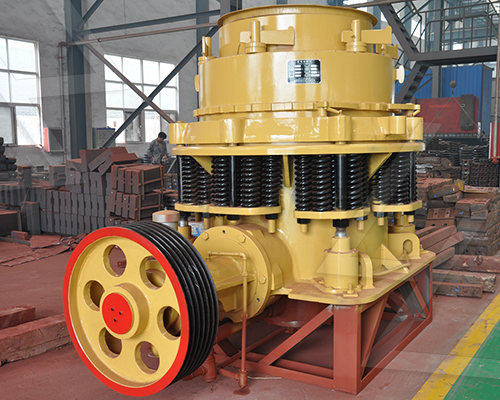
The classifier is not an isolated unit but the control node for the grinding circuit. Integration with online particle size analyzers and plant DCS enables closed-loop control. The system automatically adjusts rotor speed and airflow to maintain the target PSD, compensating for mill output fluctuations. This process stability is essential for producing the consistent micro-pellets required for uniform growth in the balling circuit, ultimately driving yield and quality metrics. The result is a direct improvement in the metallurgical properties of the fired pellets, including reducibility and low-temperature disintegration (LTD) performance.
Engineered for Harsh Pelletisation Environments: Durable and Low-Maintenance Design
The operating environment within an iron ore pelletisation circuit is defined by continuous exposure to highly abrasive feed, elevated temperatures, and significant mechanical stress. Our classifiers are engineered from the ground up to withstand these conditions, ensuring maximum uptime and predictable operational costs through a philosophy of durability and minimal maintenance intervention.
Core Construction and Material Integrity
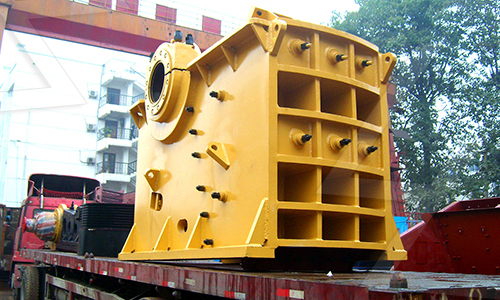
The primary wear zones are constructed from high-chromium white iron or manganese steel alloys, selected for their exceptional work-hardening properties and abrasion resistance. Critical internal components, such as the classifier shoe and feed box liners, utilize replaceable, bolt-on segments of these materials to localize wear and simplify refurbishment. The main shaft is a forged alloy steel component, heat-treated to achieve optimal tensile strength and fatigue resistance, supported by heavy-duty, labyrinth-sealed roller bearings rated for continuous high-load operation.
Design Features for Sustained Performance
- Robust Dynamic Air Seal: A multi-stage, maintenance-free sealing system isolates the rotating assembly from fine particulate ingress, protecting bearings and ensuring consistent separation efficiency over extended periods.
- Optimized Wear Geometry: Internal airflow paths and material contact surfaces are designed to minimize turbulent impingement and direct abrasive wear, effectively channeling the ore-air mixture to prolong component life.
- Modular Wear Part Design: Strategic high-wear areas are lined with standardized, interchangeable segments. This allows for rapid replacement during scheduled maintenance windows without requiring major disassembly or welding on-site.
- Over-Engineered Drive System: The gear reducer and motor are selected with substantial service factors, exceeding the calculated peak load requirements to handle feed fluctuations and ensure reliable, smooth operation under full load.
Operational Reliability and Standards
Built to international mechanical and electrical standards, the classifier’s design incorporates rigorous dynamic balancing to minimize vibration. This results in smoother operation, reduced structural stress, and longer mechanical life. The entire assembly is designed for easy integration with plant control systems, providing real-time monitoring of power draw and bearing temperature for predictive maintenance.
| Feature | Specification / Material Grade | Functional Benefit |
|---|---|---|
| Primary Wear Liners | High-Chromium White Iron (27% Cr) or ASTM A128 Mn-Steel | Maximum abrasion resistance in direct particle impact zones; work-hardening surface. |
| Main Shaft | Forged AISI 4140 Steel, Heat-Treated | High fatigue strength and torsional rigidity for stable rotor dynamics. |
| Bearing Specification | Spherical Roller Bearings, C4 Clearance | Accommodates thermal expansion and high radial loads; extended lubrication intervals. |
| Dynamic Air Seal | Multi-stage labyrinth with particulate purge | Prevents fine silica and iron ore dust from contaminating the bearing housing. |
| Design Standard | ISO 1940-1 G2.5 Balance Grade | Ensures low-vibration operation, protecting structural integrity and ancillary equipment. |
This engineered durability directly translates to lower total cost of ownership. By maximizing intervals between major overhauls and simplifying necessary maintenance, the classifier supports continuous pellet plant operation, maintaining precise size classification for consistent green pellet quality despite the inherently punishing environment.
Seamless Integration into Your Existing Pelletisation Plant Workflow
The classifier is engineered as a modular, drop-in component, minimizing plant downtime during installation or retrofit. Its design philosophy prioritizes interoperability with standard pellet plant material handling systems, from feed conveyors and bucket elevators to downstream balling discs or drums. Foundation requirements are calculated to match existing structural loads, and flanged connections ensure a leak-free interface with pneumatic or mechanical feed and discharge points.
Core Integration Advantages:
- Plug-and-Play Material Flow: Standardized inlet and outlet configurations (flanged or chute-based) are designed to mate directly with your existing transfer points. Variable-frequency drive (VFD) control is slaved to the plant’s DCS/SCADA for synchronized throughput.
- Structural and Spatial Compliance: Pre-engineered support structures adapt to local floor plans and headroom constraints. The unit’s footprint is optimized for typical plant layouts, often requiring only minor reinforcement of existing foundations.
- Utility Hookup Simplicity: Integration points for power, plant air (for purge systems), and dust extraction are clearly defined and use industry-standard fittings to expedite connection to central plant services.
Technical Specifications for Integration Planning
| Parameter | Specification Range | Integration Note |
|---|---|---|
| Feed Connection | DN 300 to DN 600 (flanged) | Matches standard chute or rotary valve sizes; custom flanges available. |
| Fines Outlet | DN 200 to DN 400 (flanged) | Direct connection to dust cyclone or return conveyor. |
| Coarse Outlet | Adjustable gate or airlock | Interfaces with mill feed conveyor or recirculation loop. |
| Power Supply | 400-690V, 50/60 Hz | Compatible with plant motor control centers (MCCs). |
| Control Signal | 4-20 mA / Profibus / Ethernet/IP | Direct interface with plant PLC for remote start/stop and speed control. |
| Dust Extraction | 150-300 mm diameter port | Designed for connection to central baghouse or dedusting system. |
The classifier’s operational logic is designed for seamless workflow integration. It acts as an intelligent node within the grinding circuit, with its rejection rate automatically adjusted based on real-time feedback from downstream pellet quality monitors or mill load sensors. This closed-loop control ensures the balling feed consistently meets the target Blaine number or size distribution without operator intervention, stabilizing the entire induration machine feed.
Critical wear components, such as the classifier rotor and liner plates, are fabricated from specified alloy grades (e.g., Ni-Hard IV, high-chrome white iron, or AR400/500 steel) selected for your ore’s specific abrasion index (Ai) and silica content. This ensures wear life is synchronized with planned maintenance shutdowns for downstream equipment, avoiding unplanned stoppages. The unit’s robust construction and adherence to ISO 9001 and applicable CE machinery directives guarantee it meets the same operational and safety standards as the rest of your plant infrastructure.
Advanced Control Systems for Consistent Particle Size and Process Efficiency
Advanced control systems are integral to modern classifier operation, moving beyond basic set-point adjustment to achieve true process stability and optimization. These systems leverage real-time sensor data, predictive algorithms, and closed-loop feedback to maintain precise particle size distribution (PSD), which is critical for pellet strength, reducibility, and furnace performance. The core objective is to decouple final product quality from upstream feed variability in ore hardness, moisture, and feed rate.
The system architecture typically integrates several layers of control:
- Primary Regulatory Control: Maintains critical parameters such as rotor speed, air volume, and feed rate within tight bands using PID loops, forming the foundation for higher-level optimization.
- Supervisory Control: Utilizes data from online particle size analyzers (e.g., laser diffraction) and pressure sensors to dynamically adjust setpoints. Algorithms correlate classifier power draw and differential pressure with product fineness, providing a redundant control path.
- Model Predictive Control (MPC): The most advanced implementation uses a dynamic process model to predict future behavior and pre-emptively adjust multiple variables. This is particularly effective for handling the lag between a control action and its effect on the analyzed PSD.
Key functional advantages delivered by these systems include:
- Automatic Compensation for Feed Hardness: Real-time analysis of motor torque and vibration allows the system to detect changes in ore grindability (e.g., transitioning from hematite to magnetite blends) and adjust classifier speed to maintain target cut-point.
- Optimized Specific Energy Consumption: By continuously seeking the minimum rotor speed and air flow required for the target PSD, the system reduces parasitic energy use, directly lowering operating costs per ton.
- Reduced Cyclical Over-grinding: Precise, stable classification minimizes the recirculation of already-in-spec material back to the grinding circuit, increasing system throughput (TPH) and reducing media and liner wear in upstream mills.
- Predictive Maintenance Integration: Control systems monitor trends in bearing temperature, vibration spectra, and motor current. Anomalies trigger alerts, enabling condition-based maintenance and preventing unplanned downtime of critical wear components like the rotor assembly and liners made of specialized alloys.
The effectiveness of the control logic is dependent on mechanical robustness. Systems are designed to interface seamlessly with classifiers built with wear-resistant materials, ensuring that control setpoints correspond reliably to physical performance. This includes the use of Ni-hard or high-chrome alloy for static wear parts and fabricated manganese steel (Mn-steel) or ceramic composites for dynamic components in the classification zone.
For specification, the control system’s capabilities should be defined alongside mechanical parameters.
| Control System Tier | Key Components | Primary Function | Typical Outcome |
|---|---|---|---|
| Basic (PLC-Based) | Variable Frequency Drive (VFD), Feed Rate Controller. | Maintains constant rotor RPM and stable feed. | Prevents major process upsets; manual PSD adjustment. |
| Advanced (SCADA/DCS Integrated) | Online Particle Size Analyzer, Air Flow Sensors, Advanced PID. | Closed-loop control of PSD based on real-time measurement. | ±2% consistency in target cut-point (e.g., -45μm); 5-8% energy saving. |
| Optimized (MPC/AI-Enhanced) | Multi-variable Model Predictive Controller, Digital Twin Integration. | Predictive optimization of entire grinding-classification circuit. | Maximizes throughput (TPH); full adaptation to ore variability; predictive maintenance. |
Integration with plant-wide Distributed Control Systems (DCS) is standard, requiring adherence to industrial communication protocols (e.g., OPC UA, Modbus TCP). System safety and electromagnetic compatibility should conform to IEC 61508 for functional safety and relevant CE/ATEX directives for operation in potentially dusty environments. The ultimate validation is a demonstrably tighter standard deviation in the Blaine number or sieve analysis of the final classifier product, directly contributing to more uniform green pellet formation and consistent induration furnace operation.
Technical Specifications: Robust Construction and Customizable Configurations
Technical Specifications: Robust Construction and Customizable Configurations
The operational integrity of a classifier in an iron ore pelletisation circuit is defined by its fundamental engineering and material selection. The unit must withstand continuous abrasive wear from iron ore fines while maintaining precise particle size separation under high thermal and mechanical loads.
Core Construction Philosophy: Material Science for Abrasion Resistance
Primary wear components are fabricated from high-chromium white iron (ASTM A532 Class III Type A) or specialized manganese steel alloys. These materials offer superior hardness (500-700 BHN) and microstructural properties that provide exceptional resistance to gouging abrasion from magnetite and hematite ores. Non-wear structural sections utilize high-tensile carbon steel (IS 2062 or equivalent), with critical weldments performed to ASME Section IX standards. The entire assembly undergoes non-destructive testing (NDT), including dye penetrant and ultrasonic inspection, to ensure integrity prior to commissioning.
Customizable Configurations for Process Integration
Classifier design is not a one-size-fits-all solution. Configurations are engineered around specific plant feed characteristics and product grade targets.
- Drive & Power Transmission: Options include direct coupled, V-belt, or gearbox-driven systems with dynamically balanced rotors. Motors are selected with service factors exceeding 1.5 to handle start-up under load and feed fluctuations.
- Liner Systems: Interchangeable modular liners for the classifier housing and inlet chute allow for rapid maintenance and material grade changes without full assembly replacement.
- Adjustability: Critical separation parameters are field-adjustable. This includes the angle of the rejection blades, rotor speed via VFD control, and the geometry of the fines outlet vortex finder to fine-tune the cut point (typically between 45 and 150 microns).
- Sealing & Dust Containment: Multiple sealing arrangements—from labyrinth seals to pressurized air-purged seals—are available to prevent dust ingress into bearing assemblies and eliminate material leakage, ensuring environmental compliance.
- Feed Distribution: Custom inlet designs, such as volute or tangential feed boxes with wear-resistant distribution plates, ensure an even feed curtain across the rotor width, optimizing classification efficiency and preventing localized wear.
Standardized Technical Parameters
While configurations are tailored, core specifications adhere to international mechanical standards (ISO 1940-1 for balance, CE marking for EU directives) and are defined by process requirements.
| Parameter | Specification Range | Notes |
|---|---|---|
| Capacity | 50 – 800 TPH | Dependent on feed density, particle size distribution (PSD), and required separation sharpness. |
| Rotor Diameter | 800 – 2600 mm | Directly correlates with volumetric throughput and fan power. |
| Power Rating | 22 – 450 kW | Sized for peak load with standard IE3 or higher efficiency motors. |
| Max. Feed Size | Up to 5 mm | Designed to handle full cyclone underflow feed without blinding. |
| Separation Cut Point (d50) | 45 – 150 microns | Adjustable through rotor speed and internal geometry. |
| Construction Standard | ISO 9001, Fabrication per EN 1090 | Design and manufacturing quality management. |
Functional Advantages of This Design Approach
- Extended Mean Time Between Failures (MTBF): The use of metallurgically optimized wear materials in high-impact zones reduces unplanned downtime for component replacement.
- Process Stability: Robust construction and precision dynamic balancing minimize vibration, leading to consistent classification performance and stable pellet chemistry.
- Adaptability to Ore Variability: Adjustable internal mechanics allow operators to compensate for changes in ore hardness (as measured by Bond Work Index) or moisture content without sacrificing product yield.
- Reduced Total Cost of Ownership: While the initial capital outlay may be higher, the design focus on serviceability, modular wear parts, and energy-efficient drives lowers long-term operational and maintenance costs.
Trusted by Global Mining Leaders: Proven Performance and Support
Our classifiers are engineered to meet the rigorous demands of global pellet plant operations, where consistent particle size distribution is critical for green ball formation and induration furnace efficiency. They are not generic screening units but purpose-built systems for the abrasion, impact, and continuous service specific to iron ore concentrate.
Core Engineering for Extreme Duty:
- Material Integrity: Critical wear components are fabricated from high-chrome alloys (27% Cr) or manganese steel, selected based on feed abrasion index and impact energy. Liners and screen decks are designed for modular replacement to minimize downtime.
- Precision Separation: Utilizes high-G-force, linear or elliptical motion to handle sticky, damp concentrates (up to 10% moisture) without blinding, ensuring precise cut points from 1mm to 10mm as required for pelletising.
- Process Stability: Designed for seamless integration into closed-circuit grinding systems or pre-pelletising screening. Robust construction maintains stable performance at capacities from 50 to over 800 TPH, with minimal amplitude drop under load.
Technical Specifications & Compliance:
All dynamic components are rated with a minimum service factor of 2.0. Designs comply with ISO 1940-1 for mechanical vibration balance and are CE marked. Structural fabrication follows ASME or equivalent standards.
| Parameter | Specification Range | Notes |
|---|---|---|
| Standard Capacity | 100 – 600 TPH | Based on iron ore concentrate (S.G. ~2.8 t/m³), subject to separation size. |
| Drive Power | 15 – 75 kW | Dependent on machine size and mass of material handled. |
| Separation Size Range | 1.0 mm – 10.0 mm | Optimised for typical pelletising feed. |
| Vibration Frequency | 900 – 1000 RPM | Fixed for optimal material stratification. |
| Inlet Feed Size | < 25 mm | Protects integrity of screen cloth and deck. |
Global Support Protocol:
Our performance is backed by a structured support system. This includes initial CFD and DEM analysis for system integration, on-site commissioning supervised by process engineers, and a global parts network guaranteeing availability of wear kits and drive components. Remote vibration analysis and performance monitoring services are available for predictive maintenance planning.
Frequently Asked Questions
How often should classifier wear parts be replaced in iron ore pelletisation?
Replace high-manganese steel (e.g., ZGMn13) liners and impellers every 3,000-4,000 operational hours. Monitor wear via laser scanning. For ores above Mohs 6, consider carbide-enhanced castings. Schedule replacements during planned kiln shutdowns to minimise production loss.
How does the classifier adapt to variations in iron ore hardness?
Adjust rotor speed and hydraulic damper settings to maintain particle size distribution. For hard ores (Mohs >6), reduce feed rate and increase internal air pressure. Use programmable logic controllers (PLCs) to auto-adjust based on real-time mill motor amperage, ensuring consistent classifier efficiency.
What vibration control measures are critical for classifier stability?
Install piezoelectric accelerometers on the main shaft housing. Maintain vibration below 4.5 mm/s RMS. Ensure dynamic balancing of the rotor assembly post-wear part replacement. Use shear mount isolators and check foundation bolt torque quarterly to 650 Nm.
What are the specific lubrication requirements for the classifier’s main bearing?
Use ISO VG 460 synthetic extreme-pressure grease for high-temperature environments. Lubricate SKF or FAG spherical roller bearings every 160 hours via automatic systems. Monitor oil debris for ferrous content; replace seals immediately if contamination exceeds 500 ppm.
How is classifier efficiency optimised for different pellet grades (e.g., blast furnace vs. DRI)?
For blast furnace pellets, target 85% of particles below 45 microns. Adjust blade angle by 5-7 degrees and increase airflow by 15%. For DRI, a coarser cut (75% below 75 microns) is used; reduce fan speed and install wider-spaced classifier vanes.
Can classifier performance be maintained with fluctuating feed moisture content?
Yes, integrate a microwave moisture analyser upstream. For feed moisture >4%, pre-heat intake air to 80°C and increase the classifier’s exhaust fan speed by 10-20% to prevent material adhesion and maintain separation sharpness.