Carbon manganese (C-Mn) forged steel is a popular material choice for grinding mill components due to its excellent combination of strength, toughness, and wear resistance. Below are key aspects of its use in grinding mills:
1. Composition & Properties
– Carbon (C): Typically 0.30–0.60%, providing hardness and strength.
– Manganese (Mn): Around 0.60–1.65%, enhancing hardenability and impact resistance.
– Other elements (Si, Cr, Mo) may be added for improved performance.
Key Properties:
– High tensile strength
– Good wear resistance
– Toughness to withstand impact loads
– Suitable for heat treatment (quenching & tempering)
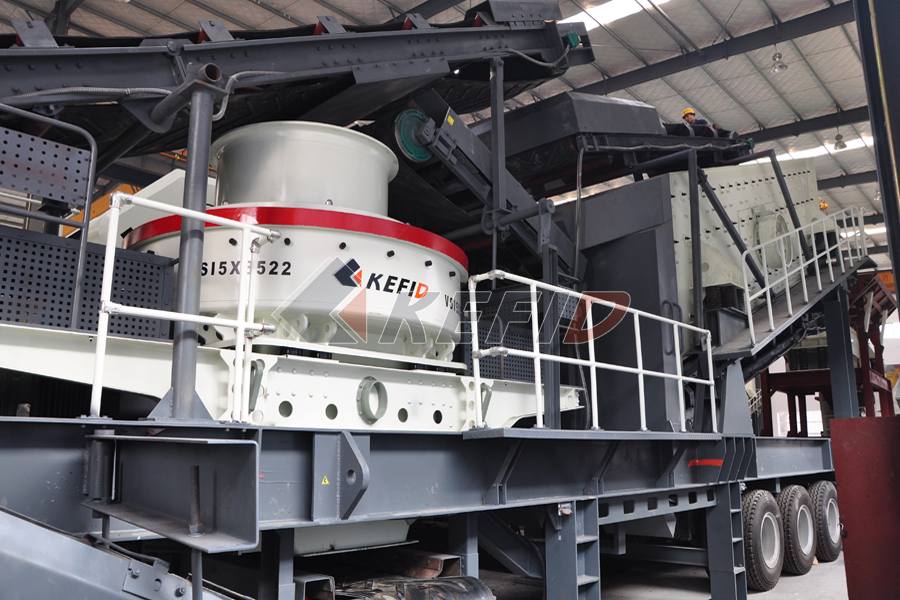 2. Common Applications in Grinding Mills
– Grinding Balls – Used in ball mills for ore processing.
– Liners – Protects mill shells from abrasion.
– Gears & Shafts – High-stress components requiring durability.
– Hammers & Grinding Rolls – Impact-resistant parts.
3. Advantages Over Other Materials
✔ Better impact resistance than high-chromium cast iron
✔ More cost-effective than alloy steels in some cases
✔ Easier to forge and machine compared to some hardened alloys
4. Heat Treatment for Enhanced Performance
Forged C-Mn steel is often heat-treated to optimize properties:
– Quenching & Tempering → Improves hardness while maintaining toughness.
– Normalizing → Refines grain structure for uniform strength.
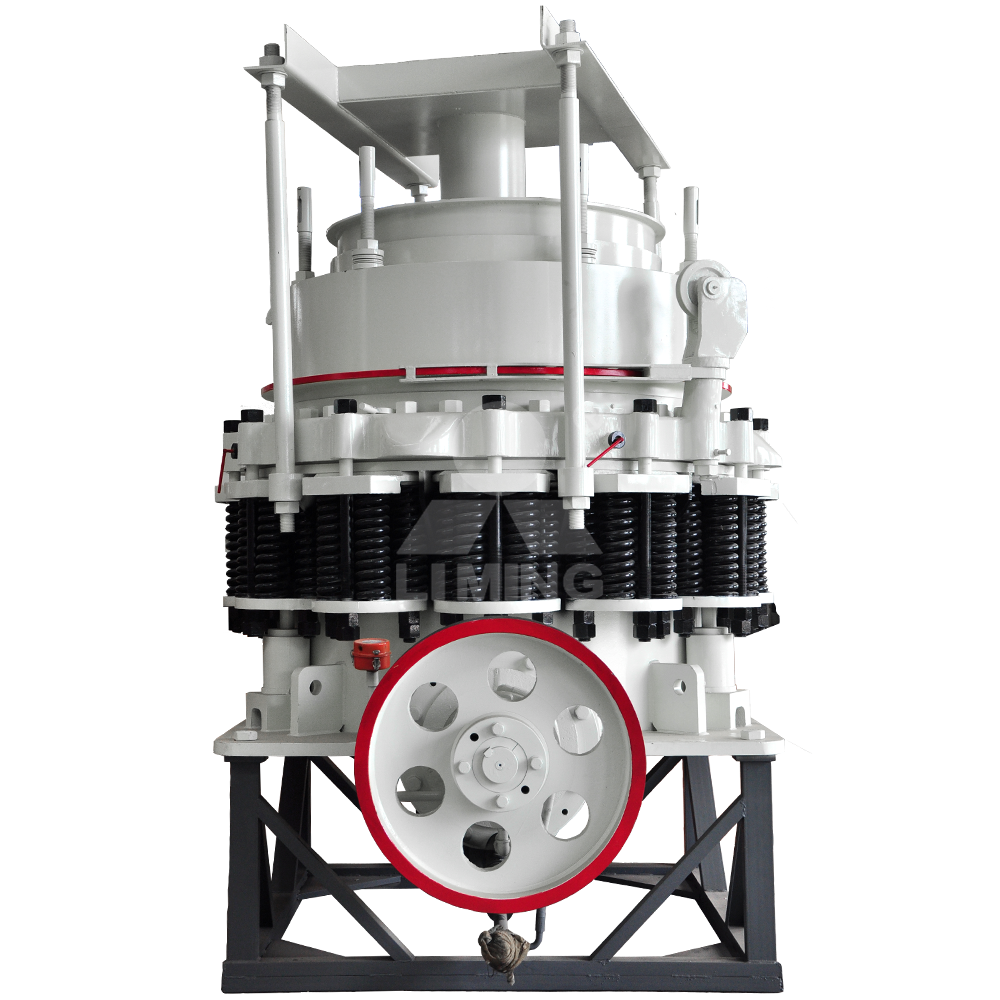 5. Comparison with Alternative Materials
| Material | Pros | Cons |
|———-|——|——|
| C-Mn Forged Steel | Good toughness, cost-effective | Lower wear resistance than high-Cr alloys |
| High-Chromium Cast Iron | Superior wear resistance | Brittle, prone to cracking |
| Alloy Steel (e.g., 4140) | Higher strength & fatigue life | More expensive |
6. Industry Standards
Common standards include:
– ASTM A668 – Standard specification for forged steel.
– ISO 683-1 – Heat-treatable steels.
– Customer-specific specs (e.g., mining OEM requirements).
7. Challenges & Considerations
– Requires proper heat treatment to avoid brittleness.
– Wear rates may be higher than specialized alloys in highly abrasive environments.
– Regular inspection needed for fatigue cracks in high-stress